
Understanding the Malaysian FMCG Salary Landscape
Dive into the unique economic and industry factors influencing compensation in Malaysia’s fast-moving consumer goods sector, setting the stage for a robust Salary Defining Strategy for all job titles in FMCG companies in malaysia. The vibrant Malaysian market presents a dynamic environment where a multitude of factors converge to shape the earning potential of professionals across various roles. From economic indicators to the nuances of regional cost of living, understanding these elements is crucial for businesses aiming to attract, retain, and motivate top talent within this competitive industry. Developing a comprehensive FMCG compensation Malaysia framework requires a keen eye on both macro trends and specific sector demands, ensuring competitive and sustainable wage structures.
1. Key Economic Indicators & Their Impact on Wages
The foundation of any wage trends FMCG Malaysia analysis begins with a thorough examination of the nation’s economic pulse. Malaysia’s consistent GDP growth, while occasionally facing global headwinds, generally supports a healthy job market and upward pressure on Malaysian consumer goods salaries. Inflation rates, as tracked by the Department of Statistics Malaysia, directly influence purchasing power; consequently, employers often adjust salaries to help employees maintain their standard of living. The strength of the Ringgit also plays a role, impacting import costs for raw materials and finished goods, which can either squeeze or expand profit margins, thereby affecting a company’s capacity for salary increases. Government policies, notably the implementation of minimum wage laws, establish a baseline for entry-level positions across all industries, including FMCG. Furthermore, low unemployment rates signify a tighter labor market, compelling companies to offer more attractive competitive compensation packages Malaysia to secure skilled workers. Understanding these economic factors FMCG salaries is paramount for crafting a responsive economic statistics strategy that aligns with broader national economic realities and helps define a sustainable Salary Defining Strategy for all job titles in FMCG companies in malaysia.
2. FMCG Industry Growth & Demand for Specialized Talent
Malaysia’s FMCG sector is experiencing robust growth, fueled by a young, growing population, rising disposable incomes, and a rapid shift towards digitalization. This expansion translates into increased demand for skilled professionals, significantly impacting the FMCG job market Malaysia. The rise of e-commerce and digital consumer engagement has created a strong need for talent in areas such as digital marketing, online sales management, and data analytics. Companies are actively seeking experts who can navigate omnichannel strategies, personalize customer experiences, and leverage big data for market insights. This demand extends to the supply chain, where optimization specialists are crucial for managing complex logistics, inventory, and distribution networks efficiently. Roles in product innovation, sustainability, and brand management are also seeing elevated demand as companies strive to differentiate themselves in a crowded marketplace. Consequently, specialized roles often command premium FMCG compensation Malaysia, reflecting the strategic value they bring. Businesses must factor in this evolving talent landscape when developing their human resources FMCG strategy to ensure they can attract and retain the expertise necessary for continued growth. A forward-thinking Salary Defining Strategy for all job titles in FMCG companies in malaysia must acknowledge these specific talent demands and offer competitive remuneration for specialized skills, particularly in areas like digital commerce salaries Malaysia and supply chain salaries Malaysia.
3. Regional Salary Variations and Cost of Living in Malaysia
When devising a Salary Defining Strategy for all job titles in FMCG companies in malaysia, it’s critical to acknowledge the significant regional salary differences Malaysia. Major urban centers like Kuala Lumpur and Selangor, being economic powerhouses, typically offer higher FMCG salaries Malaysia compared to secondary cities or rural areas. This disparity is primarily driven by a higher cost of living in these metropolitan regions, particularly for housing, transportation, and daily expenses. For instance, the cost of living impact on salaries in Kuala Lumpur might necessitate a 15-20% higher base salary for a comparable role than in, say, Kedah or Kelantan, to maintain the same quality of life. States like Penang and Johor Bahru, with their industrial hubs and growing populations, also present competitive salary scales, though generally slightly lower than the Klang Valley. Employers must conduct thorough salary benchmarking FMCG research tailored to specific regions, rather than applying a blanket national standard. This localized approach is vital not only for fair compensation but also for successful talent attraction FMCG Malaysia and employee retention FMCG. A well-defined strategy will consider these geographic nuances, ensuring that compensation packages are competitive within the local context and accurately reflect the purchasing power and lifestyle expectations of employees in different Malaysian states. This ensures that the Salary Defining Strategy for all job titles in FMCG companies in malaysia is equitable and effective nationwide.
Market Benchmarking & Competitive Salary Data Analysis
In the dynamic and highly competitive Fast-Moving Consumer Goods (FMCG) sector, establishing a robust Salary Defining Strategy for all job titles in FMCG companies in Malaysia is paramount. This section delves into effective methodologies for gathering and analyzing competitive salary data, ensuring your FMCG compensation strategy is market-aligned, attractive, and sustainable. A well-crafted approach not only aids in talent acquisition and retention but also optimizes operational costs, making your organization an employer of choice in the Malaysian FMCG landscape. Understanding current market trends and competitor offerings is crucial for developing pay scales and benefits that resonate with both prospective and existing employees, driving a strong Employee Value Proposition (EVP).
1. Sources for Reliable FMCG Salary Benchmarking Data
To develop a truly competitive FMCG compensation strategy in Malaysia, accessing credible and up-to-date salary benchmarking data is non-negotiable. Primary sources often include specialized HR consulting firms like Aon, Mercer, or Willis Towers Watson, which conduct extensive comprehensive salary survey reports specific to industries and regions. These reports offer granular data for various job titles, from entry-level salaries FMCG Malaysia to executive compensation FMCG Malaysia, broken down by function and seniority. Industry-specific associations and chambers of commerce in Malaysia can also provide valuable insights into FMCG compensation Malaysia trends and practices. Furthermore, leveraging reputable online salary aggregators, albeit with a critical eye, can supplement proprietary data. Recruitment agencies specializing in the FMCG sector often possess real-time market intelligence on competitive salary data Malaysia, given their constant engagement with both employers and candidates. Internally, analyzing existing employee data through job evaluation FMCG studies can provide a baseline for internal equity before external market adjustments. Combining these diverse sources ensures a holistic view for crafting a robust Salary Defining Strategy for all job titles in FMCG companies in Malaysia.
2. Analyzing Competitor Compensation Packages & Benefits
Beyond raw salary figures, a sophisticated salary benchmarking FMCG Malaysia strategy demands a deep dive into competitors’ total compensation packages. This includes not only base salaries but also variable pay components like bonuses, incentives, sales commissions, and long-term incentives, which are increasingly important for performance-based pay FMCG roles. A thorough benefits analysis FMCG involves evaluating health insurance, retirement plans, flexible work arrangements, professional development opportunities, and other perks. For instance, a competitor might offer a slightly lower base salary but significantly better health coverage or a more generous training budget, thus presenting a stronger Employee Value Proposition (EVP) FMCG. It’s crucial to segment this analysis by job evaluation FMCG categories, ensuring comparisons are made between truly comparable roles. Understanding these nuances helps organizations create market-aligned salaries FMCG that genuinely attract and retain top talent in Malaysia. This competitive intelligence directly informs your compensation strategy FMCG, allowing for strategic adjustments to maintain your competitive edge in the battle for skilled professionals.
3. Adjusting Benchmarks for Company Size, Revenue, and Brand
While raw industry salary reports Malaysia provide a foundation, a truly effective Salary Defining Strategy for all job titles in FMCG companies in Malaysia requires careful adjustments based on internal organizational characteristics. Company size, for instance, significantly impacts salary structures; larger, multinational FMCG corporations often have greater capacity for higher pay scales and more extensive benefits than smaller, local players. Similarly, revenue generation and profitability directly influence an organization’s ability to offer competitive remuneration. A highly profitable brand might choose to pay above market average to solidify its position as a top employer, thereby enhancing talent retention FMCG Malaysia. Brand reputation also plays a vital role; a well-known, prestigious FMCG brand might attract talent even with slightly lower monetary compensation due to the perceived value of working for such an entity. Therefore, raw competitive salary data Malaysia must be contextualized. A robust salary structure development Malaysia process involves weighting these factors to create a compensation philosophy that is not only externally competitive but also internally equitable and financially sustainable. This tailored approach ensures your pay scales FMCG Malaysia align with your specific market position and strategic objectives.
Crafting Effective Compensation Structures for All Roles
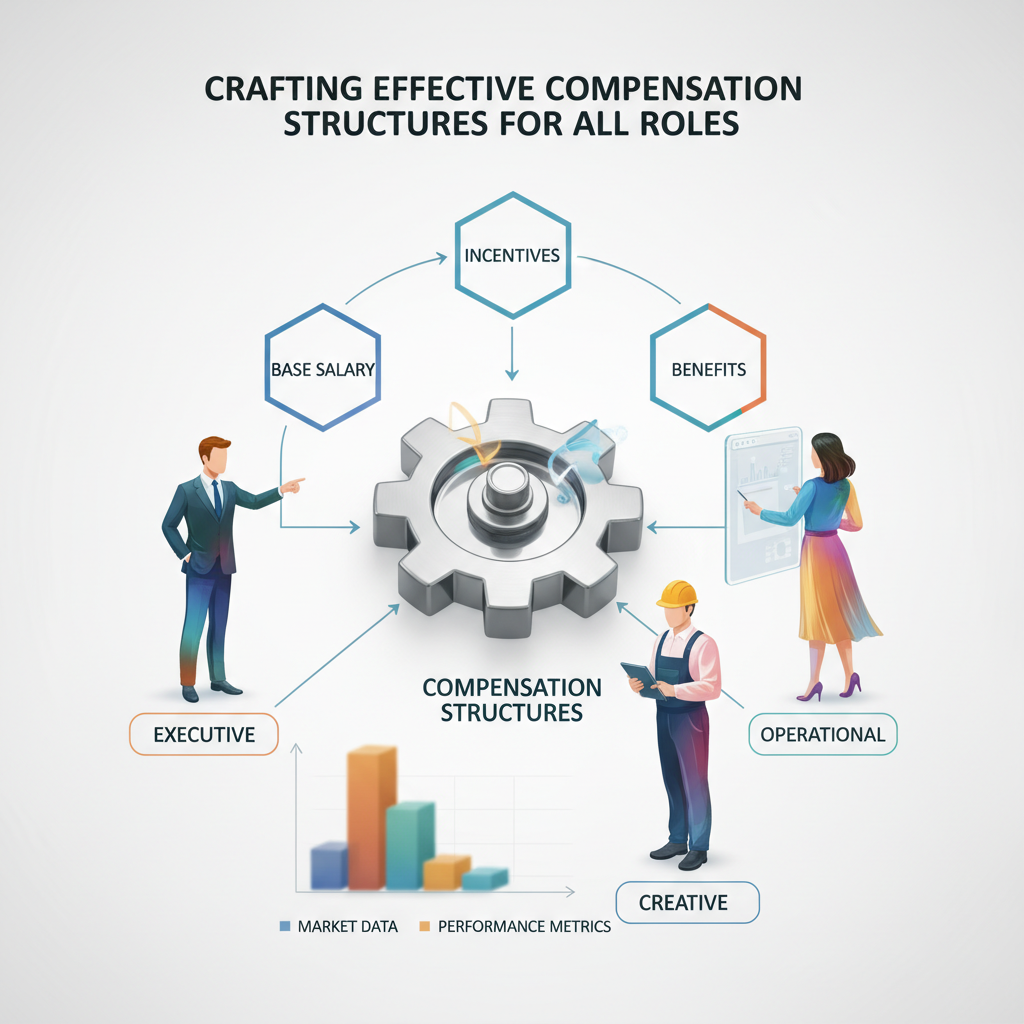
Designing a comprehensive compensation package is paramount for Fast-Moving Consumer Goods (FMCG) companies aiming to attract, motivate, and retain top talent across their diverse workforce. In the dynamic Malaysian market, a robust Salary Defining Strategy for all job titles in FMCG companies in malaysia is not just about competitive pay; it’s about fostering fairness, driving performance, and ensuring sustained employee motivation. This involves meticulously crafting compensation structures that cater to every role, from crucial entry-level salaries FMCG positions on the factory floor or in the retail sector to strategic executive compensation FMCG leadership, ensuring that every contribution is recognized and rewarded appropriately.
1. Base Salary, Incentives, and Variable Pay Components Explained
At the core of any effective FMCG compensation Malaysia structure lies the base salary. This fixed component provides stability and forms the foundation of an employee’s earnings. For entry-level roles, base pay needs to be competitive enough to attract fresh talent, while for more experienced or specialized positions in areas like supply chain salaries Malaysia or marketing salaries Malaysia, it reflects expertise and market value. Beyond the base, strategic incentives and variable pay play a crucial role in driving performance and aligning employee goals with company objectives. For sales teams, a well-structured sales commission FMCG plan can significantly boost motivation and revenue. Similarly, individual or team-based performance incentives are vital for roles across manufacturing, distribution, and administrative functions. For senior management and executive positions, variable pay often includes profit-sharing, long-term incentive plans, and bonuses tied to overall company performance, fostering a sense of ownership and accountability. The goal is to create a total rewards package that is attractive and fair, reflecting the job’s demands and its contribution to the organization’s success.
2. Strategic Benefits & Perks: Attracting and Retaining Top Talent
While monetary compensation is critical, a comprehensive benefits package FMCG company offers is equally powerful in enhancing talent retention FMCG and ensuring employee motivation. Beyond the statutory requirements, companies should consider a range of benefits that cater to the diverse needs of their workforce. This might include robust health and life insurance plans, retirement savings schemes (beyond EPF), wellness programs, flexible working arrangements, and opportunities for continuous professional development. Offering perks like subsidized meals, transportation allowances, or even childcare support can significantly improve an employee’s quality of life and commitment. These non-cash components are particularly influential in a competitive market like Malaysia, where employees often weigh the total value of their remuneration package. A thoughtfully designed benefits strategy demonstrates an employer’s investment in its people, creating a positive workplace culture and reinforcing the overall compensation strategy Malaysia. Understanding global and local best practices in this area is crucial for maintaining a competitive pay structure.
3. Implementing Robust Job Evaluation Systems & Pay Grades
To ensure fairness and transparency across all job titles, implementing robust job evaluation FMCG systems is indispensable. This systematic process objectively assesses the relative worth of each job within the organization based on factors such as responsibility, required skills, effort, and working conditions. The outcome of job evaluation is the establishment of clear pay grades and salary ranges, which guide compensation decisions and prevent arbitrary pay setting. This structured approach helps in achieving pay equity FMCG, ensuring that employees performing similar roles with similar levels of responsibility are compensated fairly, regardless of department or demographic. By clearly defining the value of each role, companies can better manage their salary budget, communicate pay structures transparently to employees, and justify compensation decisions. A well-implemented job evaluation system is a cornerstone of an effective Salary Defining Strategy for all job titles in FMCG companies in malaysia, fostering trust, reducing pay-related grievances, and ensuring that the entire compensation framework is perceived as fair and equitable, ultimately strengthening talent retention FMCG and boosting overall employee motivation.
In conclusion, crafting an effective compensation structure for FMCG companies in Malaysia requires a holistic approach that balances competitive base salaries with performance-driven incentives, comprehensive benefits, and a fair, transparent job evaluation system. This strategic alignment not only attracts the best talent but also cultivates a motivated, loyal workforce essential for sustained success in the fast-paced consumer goods industry.
Legal Compliance & Best Practices in Malaysian Payroll
Navigate the complex legal requirements and adopt best practices for salary administration and compliance specific to the Malaysian employment landscape, ensuring risk mitigation.
The dynamic business environment in Malaysia, particularly within the Fast-Moving Consumer Goods (FMCG) sector, demands a robust and legally compliant payroll system. For companies to thrive and maintain their competitive edge, a well-defined Salary Defining Strategy for all job titles in FMCG companies in malaysia is not just an HR function; it’s a critical component of risk mitigation and employee retention. Ensuring adherence to Malaysian payroll compliance is paramount, shielding businesses from penalties and fostering a transparent, trust-based working relationship with employees. From FMCG salary structures Malaysia to intricate Malaysian labour laws, every detail contributes to effective HR best practices Malaysia. This section outlines the essential legal frameworks and strategic approaches for impeccable salary administration.
1. Malaysian Labour Laws & Minimum Wage Compliance Essentials
Navigating Malaysia’s intricate labour laws is fundamental for any organization, especially those with diverse FMCG salary structures Malaysia. The cornerstone of legal compliance Malaysia HR is the Employment Act 1955, which governs myriad aspects of employment, including contracts, working hours, and termination. Employers must meticulously adhere to its provisions to avoid disputes and penalties. Crucially, the Minimum Wage Order (MWO) mandates a national minimum wage, which applies across all sectors. As of the latest update, the minimum wage is RM1,500 per month for all employers regardless of location or number of employees, effective May 1, 2022. Companies must ensure their Salary Defining Strategy for all job titles in FMCG companies in malaysia accounts for this minimum threshold, providing fair remuneration for all roles, from entry-level positions to senior management. Failure to comply can lead to significant fines and reputational damage. Beyond minimum wage, understanding regulations regarding overtime, annual leave, sick leave, and public holidays is equally vital for accurate Malaysian payroll compliance. Regular updates to HR policies Malaysia are necessary to reflect any changes in these laws.
2. EPF, SOCSO, EIS: Understanding Employer and Employee Contributions
Beyond direct salary, employers in Malaysia are responsible for statutory contributions to the Employees Provident Fund (EPF), Social Security Organization (SOCSO), and Employment Insurance System (EIS). These are non-negotiable components of Malaysian payroll compliance and crucial for employee welfare.
- EPF (Employees Provident Fund): This is a mandatory savings scheme for employees’ retirement. Both employers and employees contribute a percentage of the employee’s monthly wages to their EPF account. Contribution rates vary based on the employee’s age and salary level, with current rates typically being 13% (employer) and 11% (employee) for those earning above RM5,000 per month.
- SOCSO (Social Security Organization): Administered under the Employees’ Social Security Act 1969, SOCSO provides social protection to employees and their dependents against employment injury and invalidity. Employers contribute a certain percentage, based on the employee’s monthly wages, to two main schemes: the Employment Injury Scheme and the Invalidity Scheme.
- EIS (Employment Insurance System): Introduced under the Employment Insurance System Act 2017, EIS provides financial assistance to retrenched workers and helps them find new employment. Both employers and employees contribute a small percentage (typically 0.2% each) of the employee’s monthly wages.
Accurate calculation and timely remittance of these contributions are critical for payroll risk mitigation. Utilizing reliable payroll software Malaysia can significantly streamline these processes, ensuring compliance with EPF contributions Malaysia, SOCSO Malaysia guidelines, and EIS Malaysia requirements. These contributions are fundamental to employee benefits Malaysia and reflect a company’s commitment to its workforce’s long-term security.
3. Transparent Salary Policies, Pay Slips, and Communication Strategies
Transparency in salary administration is a cornerstone of good governance and employee trust, particularly important when developing a Salary Defining Strategy for all job titles in FMCG companies in malaysia. Clear salary transparency Malaysia policies outline how salaries are determined, reviewed, and adjusted, encompassing factors like performance, market rates, and specific job responsibilities within FMCG salary structures Malaysia. Employers must provide employees with detailed pay slips, as mandated by the Employment Act 1955, itemizing gross salary, deductions (e.g., EPF, SOCSO, EIS, income tax under Income Tax Act 1967 Malaysia), and net pay. These pay slips serve as legal proof of payment and ensure clarity for employees regarding their earnings.
Effective communication strategies are equally vital. Regular, open discussions about compensation frameworks, performance review processes that link to salary adjustments, and opportunities for career progression can significantly enhance employee morale and reduce misunderstandings. Training HR personnel and managers on how to effectively communicate HR policies Malaysia and salary-related information is key. For FMCG companies looking to optimize their compensation frameworks and ensure fair and competitive remuneration across all roles, understanding and implementing a comprehensive Salary Defining Strategy for all job titles in FMCG companies in malaysia is essential. This strategy should integrate legal compliance, best practices in benefits administration, and clear communication to foster a productive and legally sound workplace.
Future-Proofing Your FMCG Salary Strategy 2026 and Beyond
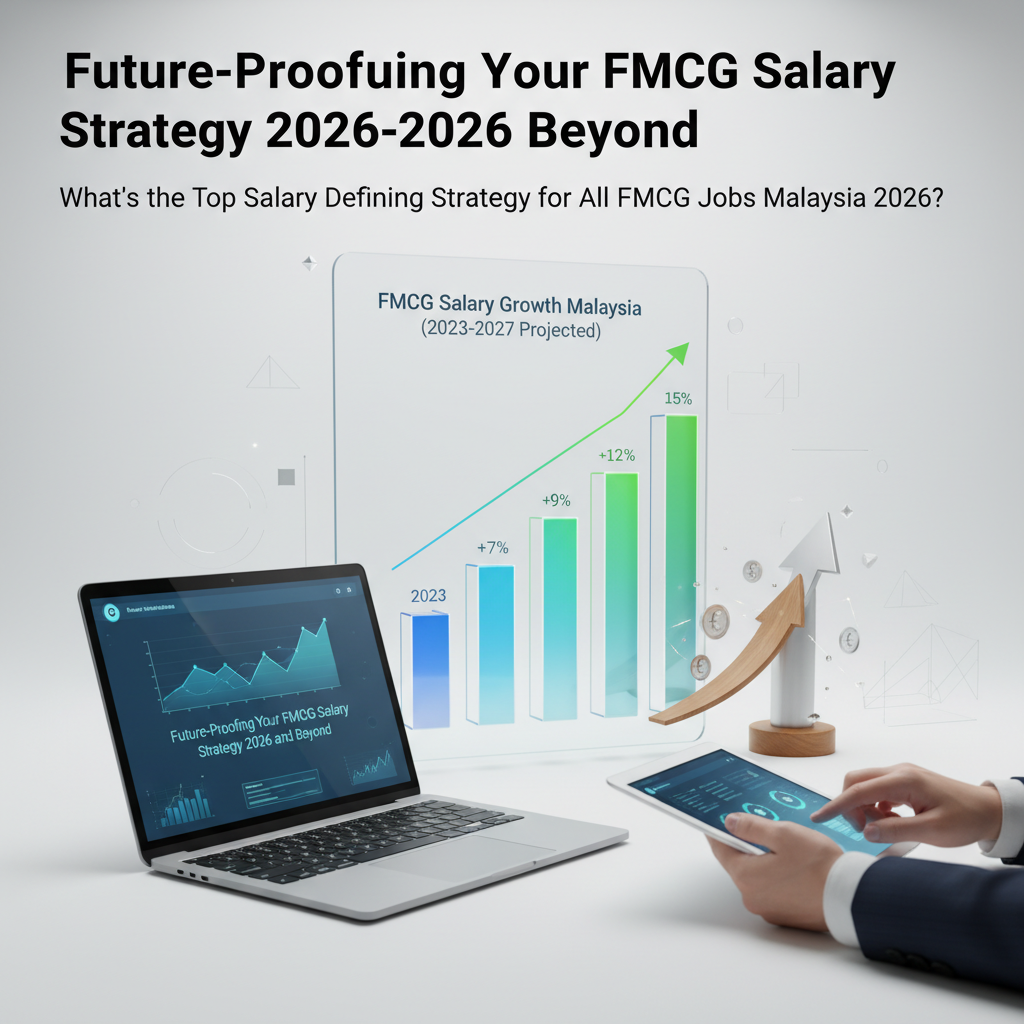
In the rapidly evolving landscape of Fast-Moving Consumer Goods (FMCG) in Malaysia, merely keeping pace is no longer enough. To thrive, companies must proactively prepare for the seismic shifts brought about by technological advancements, changing consumer behaviours, and a new generation of workforce expectations. A robust and adaptable Salary Defining Strategy for all job titles in FMCG companies in Malaysia is not just a competitive advantage—it’s a necessity for survival and sustainable growth. This strategic imperative extends beyond basic remuneration, encompassing a holistic approach to compensation and talent management designed to attract, retain, and motivate the best talent in a dynamic and increasingly digital future.
The FMCG sector, known for its fierce competition and thin margins, faces unique challenges in optimizing its salary structures. From supply chain disruptions to e-commerce booms, the operational demands on talent are constantly shifting. Therefore, preparing for upcoming trends and evolving workforce expectations is crucial to maintain a competitive and sustainable salary strategy in this dynamic sector. This section delves into key areas that will shape compensation strategies for 2026 and beyond, ensuring your organisation remains agile and appealing to a diverse and highly skilled workforce.
1. Impact of Automation & Digitalization on FMCG Job Roles and Salaries
The relentless march of automation and digitalization is fundamentally reshaping job roles across the FMCG value chain, from manufacturing and logistics to marketing and sales. In Malaysia, companies are increasingly adopting AI-driven analytics for demand forecasting, automated warehousing systems, and digital platforms for consumer engagement. While some routine, repetitive tasks are being automated, leading to potential shifts in staffing requirements for certain operational roles, there’s a simultaneous surge in demand for new, specialized skills. Roles focused on data science, e-commerce management, digital marketing, cybersecurity, and automation engineering are becoming paramount.
This transformation has a profound impact on salary structures. Traditional job classifications may become obsolete, necessitating a re-evaluation of pay scales. Companies must now assess the market value of these emerging skills, often commanding higher premiums due to scarcity. For existing employees, investment in reskilling and upskilling programs is vital, and their compensation should reflect their enhanced capabilities and contributions to a more tech-driven environment. A forward-thinking Salary Defining Strategy for all job titles in FMCG companies in Malaysia must therefore incorporate a robust framework for benchmarking these new digital and automation-centric roles, ensuring competitive compensation packages that attract and retain the talent needed to navigate this digital frontier.
2. Transitioning to Skills-Based Pay vs. Traditional Role-Based Pay
As the nature of work evolves, so too must the approach to compensation. The traditional role-based pay model, where salary is primarily determined by a job title and its associated responsibilities, is becoming increasingly inflexible in a dynamic environment. In contrast, a skills-based pay system rewards employees based on the specific competencies, knowledge, and abilities they possess and apply, regardless of their formal job title. For FMCG companies in Malaysia, this transition can be a powerful tool to foster adaptability and continuous learning.
Implementing a skills-based approach encourages employees to acquire new, valuable skills—especially those critical for digitalization and innovation. It provides a clear pathway for career progression and salary growth, motivating staff to invest in their own development. For instance, an employee proficient in supply chain analytics or digital customer relationship management (CRM) would be compensated for those specific skills, rather than solely their position as, say, a “marketing executive.” This approach also offers greater flexibility for organisations to deploy talent where it’s most needed, aligning individual capabilities with strategic business objectives. Leading organisations like Willis Towers Watson advocate for this shift, highlighting its potential to drive engagement and performance in future-oriented workforces. Developing a comprehensive framework for identifying, assessing, and valuing these skills is a critical component of a modern Salary Defining Strategy for all job titles in FMCG companies in Malaysia.
3. Non-Monetary Retention Strategies & Employee Value Proposition (EVP)
While competitive salaries remain a cornerstone of talent attraction and retention, an exclusive focus on monetary compensation is short-sighted. In an era where employees seek more than just a paycheck, a compelling Employee Value Proposition (EVP) is indispensable. Non-monetary retention strategies play a crucial role in creating a holistic and attractive work environment that resonates with today’s diverse workforce.
For FMCG companies in Malaysia, this includes offering robust professional development and training programs, opportunities for career advancement, and a culture that promotes work-life balance through flexible working arrangements (e.g., hybrid models, compressed workweeks). Employee well-being initiatives, mental health support, comprehensive health benefits, and strong recognition programs also contribute significantly to job satisfaction and loyalty. Furthermore, fostering a sense of purpose and belonging through corporate social responsibility initiatives and a positive, inclusive workplace culture can be as powerful as a salary increment in retaining top talent. By strategically integrating these non-monetary elements into their overall talent management approach, FMCG organisations can create a sustainable competitive advantage, ensuring their Salary Defining Strategy for all job titles in FMCG companies in Malaysia is truly future-proof and capable of securing the best talent for years to come.
Partner with Shelby Global
You are looking for reliable HR Sevice Suppliers? Contact Shelby Global Now! To connect with verified talents and upgrade your orginization.
—————————————
References
– economic statistics: https://www.dosm.gov.my/portal-main/economic-statistics
– Willis Towers Watson 2024 Salary Budget Planning Report Asia Pacific: https://www.wtwco.com/en-MY/Insights/2023/12/2024-salary-budget-planning-report-asia-pacific
– Compensation Strategy Guide by WorldatWork: https://www.worldatwork.org/resources/compensation-benefits-guides/compensation-strategy-guide
– Employment Act 1955: https://www.agc.gov.my/agcportal/uploads/files/Federal%20Legislation/LAs/P.U.%28A%29%2099.pdf
– Skills-Based Pay: The Time Is Now: https://www.wtwco.com/en-US/insights/2023/11/skills-based-pay-the-time-is-now



































































































