Decoding the FMCG Manager Profile in Singapore
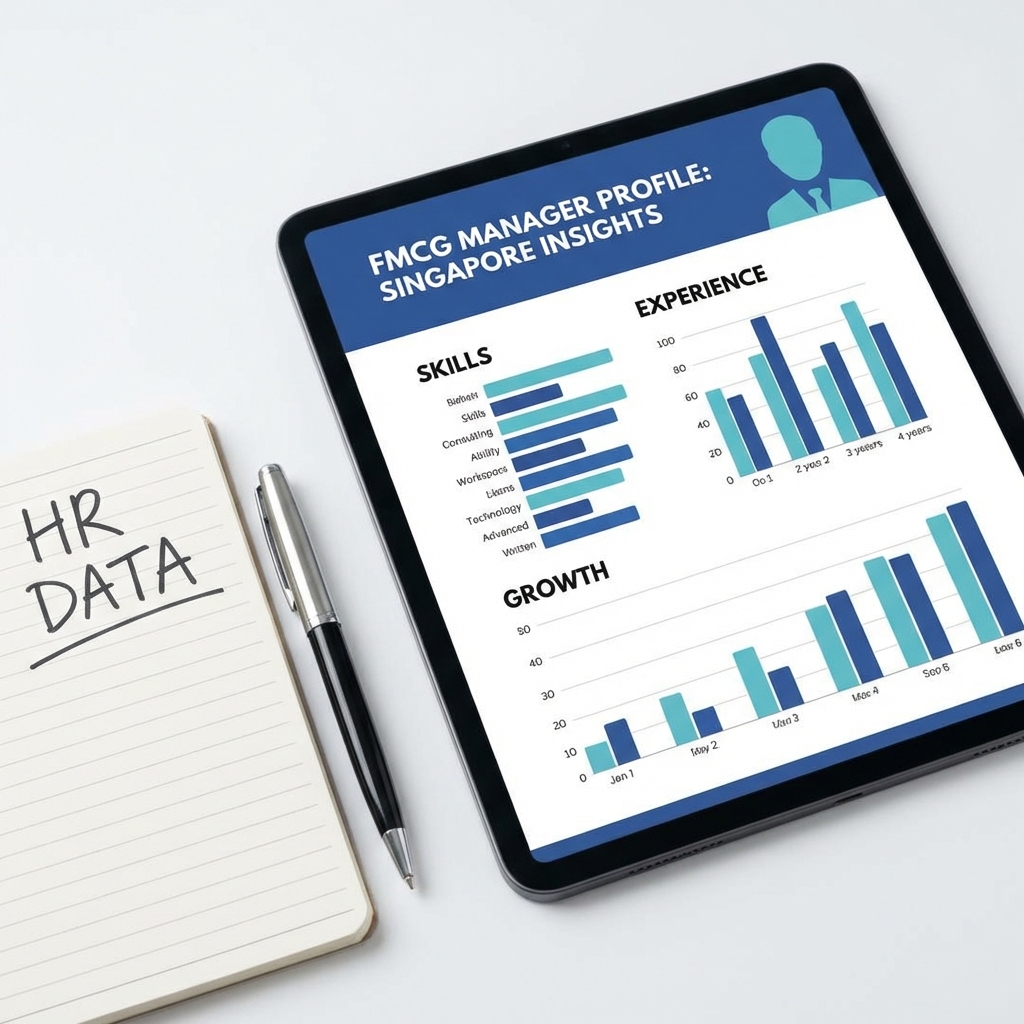
Singapore’s Fast-Moving Consumer Goods (FMCG) sector is a vibrant crucible of innovation, fierce competition, and rapid consumer evolution. For aspiring or seasoned professionals aiming for manager-level roles in this dynamic landscape, understanding the specific competencies required is paramount. This section will outline the essential skills, invaluable experience, and nuanced cultural fit that define success. Furthermore, it will touch upon the critical elements that form a robust test structure to assess Manager Level CVs in FMCG companies in Singapore, ensuring candidates not only possess the technical acumen but also the strategic foresight and adaptability to thrive.
1. Core Leadership Competencies & Soft Skills
At the heart of any successful FMCG operation in Singapore lies strong leadership. Managers are not just taskmasters but visionaries who can inspire and direct diverse teams, often comprising individuals from various cultural backgrounds. Key leadership competencies include strategic thinking, the ability to formulate and execute market-winning strategies, and a proven track record in talent development and performance management. Given the fast-paced nature of FMCG, decision-making under pressure is a non-negotiable trait, alongside exceptional problem-solving capabilities.
Beyond hard skills, soft skills are equally, if not more, critical. Excellent communication, both verbal and written, is essential for stakeholder management, whether dealing with internal teams, regional counterparts, or external partners. Adaptability and resilience are crucial in a market prone to rapid shifts in consumer preferences and competitive dynamics. A manager must be agile enough to pivot strategies, learn from setbacks, and continuously drive innovation. Furthermore, a collaborative mindset, fostering cross-functional synergy, is vital for achieving holistic business objectives. Cultural intelligence and empathy are also highly valued, enabling managers to effectively navigate Singapore’s multicultural workforce and consumer base.
2. Local Market Understanding & Consumer Insights
Singapore’s consumer landscape is unique, characterized by high digital penetration, a discerning populace, and a confluence of East and West influences. An effective FMCG manager must possess an intimate understanding of these local nuances. This includes an awareness of purchasing habits, brand loyalties, and the impact of socio-economic factors on consumer behavior. Proficiency in leveraging data analytics tools to extract actionable consumer insights is paramount. This isn’t merely about collecting data, but about interpreting trends, predicting future demand, and tailoring product offerings and marketing campaigns specifically for the Singaporean palate and lifestyle.
The market is highly competitive, with both global giants and nimble local players vying for market share. Managers need to stay abreast of competitor activities, emerging consumer segments, and the potential for disruptive innovations. Understanding the role of e-commerce and various digital channels in reaching consumers is no longer a luxury but a fundamental requirement. From hyper-personalized marketing campaigns to optimizing online retail experiences, a deep dive into the digital consumer journey is indispensable. Keeping an eye on global trends and their potential local adaptations, as well as Singapore’s broader economic trajectory, is also crucial for strategic planning. According to a report by the Singapore Economic Development Board (EDB), the food manufacturing sector, a key component of FMCG, continues to attract significant investments due to its innovation ecosystem and strong consumer demand.
3. Navigating Regulatory & Distribution Challenges
Operating in Singapore’s FMCG sector means adherence to a robust, yet complex, regulatory framework. Managers must be conversant with regulations spanning food safety, product labeling, advertising standards, import/export procedures, and intellectual property rights. Compliance is not just a legal necessity but a cornerstone of maintaining brand trust and reputation in a market where consumers are well-informed and health-conscious. Staying updated on changes in these regulations, particularly those related to food and beverage, is an ongoing responsibility.
Equally challenging and critical is the mastery of supply chain and distribution networks. Singapore, despite its compact size, presents unique logistical demands. Efficient management of warehousing, inventory, and last-mile delivery is vital for ensuring product availability and freshness. Managers need to forge strong relationships with distributors, retailers (both modern trade and traditional), and logistics providers. Understanding the intricacies of channel management, optimizing routes, and leveraging technology for supply chain visibility are key areas of expertise. Experience in negotiating favourable terms with retailers, managing promotional calendars, and ensuring optimal shelf placement further underscores the multifaceted nature of this role. A robust test structure to assess Manager Level CVs in FMCG companies in Singapore must thoroughly evaluate candidates’ understanding and practical experience in these highly regulated and logistically demanding areas.
Crafting an Effective CV Assessment Framework
In the fast-paced world of Fast-Moving Consumer Goods (FMCG), particularly in a competitive hub like Singapore, identifying top-tier managerial talent is crucial for sustained growth. A poorly executed hiring process can lead to significant operational setbacks and financial loss. To mitigate these risks and ensure fairness and consistency, businesses need a robust, structured, and objective framework to evaluate Manager Level CVs. This section will guide you through building an effective Test structure to assess Manager Level CVs in FMCG companies in singapore, ensuring you attract and secure candidates who truly align with your organizational goals and the specific demands of the FMCG sector.
Developing such a framework moves beyond subjective judgments, replacing them with data-driven evaluation. It not only streamlines the recruitment process but also enhances the candidate experience, projecting a professional and organized image for your company. This strategic approach to FMCG manager hiring best practices is essential for competitive advantage.
1. Defining Key Performance Indicators (KPIs) for Managers
The foundation of any effective CV assessment framework lies in a clear understanding of what success looks like for a manager in your organization. This requires defining specific, measurable Key Performance Indicators (KPIs) that directly reflect the responsibilities and strategic impact expected from a managerial role within an FMCG context. For instance, an FMCG Sales Manager might have KPIs related to market share growth, new product launch success rates, key account retention, or sales volume targets. A Supply Chain Manager might be assessed on inventory turnover, logistics cost reduction, or on-time delivery percentages. These KPIs should be aligned with the company’s overall business objectives and the specific challenges of the Singaporean market.
When reviewing CVs, your goal is to identify tangible evidence that candidates have previously met or exceeded similar KPIs. Look for quantifiable achievements such as “Increased regional sales by 15% in Q3 2023” or “Reduced supply chain costs by 10% through strategic vendor negotiation.” Beyond just numbers, consider the scope and complexity of their previous roles. Did they manage cross-functional teams? Were they responsible for P&L? Did they operate in a dynamic, high-pressure environment akin to FMCG? Establishing these core competencies upfront will allow you to quickly discern relevant experience from generic claims, providing a crucial benchmark for your evaluation.
2. Developing a Standardized Scoring Rubric
Once KPIs are defined, the next critical step is to translate them into a standardized scoring rubric. This rubric serves as a consistent evaluation tool, ensuring that every CV is assessed against the same set of criteria and standards, thereby promoting an objective CV assessment. A well-designed rubric typically includes specific criteria (derived from your KPIs and required competencies), a rating scale (e.g., 1-5, poor to excellent), and clear definitions for what constitutes each score level.
For example, a criterion like “Leadership & Team Development” could have score definitions ranging from ‘demonstrates minimal team leadership experience’ (score 1) to ‘consistently led and mentored high-performing teams, resulting in measurable improvements in team output and individual growth’ (score 5). Other criteria might include “Strategic Thinking,” “FMCG Industry Experience,” “Market & Consumer Insights (Singapore specific),” and “Quantifiable Achievements.” By having predefined descriptions for each score, evaluators can minimize personal bias and ensure consistency, even across different recruiters. Regular calibration sessions among the hiring team are vital to ensure everyone interprets the rubric in the same way, fostering fairness and a truly data-driven approach to recruitment. Integrating well-defined competency models into your rubric can further enhance its effectiveness.
3. Identifying Red Flags and Green Lights in CVs
Beyond the structured scoring, developing an eye for subtle ‘red flags’ and ‘green lights’ on a CV can provide deeper insights into a candidate’s potential fit and performance. Green lights often manifest as consistent career progression, clear ownership of projects, and quantifiable impact statements that directly address KPIs. Look for managers who have not just held a position but have visibly grown within an organization or taken on increasing levels of responsibility. Evidence of adaptability, innovation, and a proactive approach to problem-solving are also strong indicators, especially relevant in the evolving FMCG landscape of Singapore.
Conversely, red flags might include frequent job hopping without clear upward mobility, vague job descriptions that lack concrete achievements, significant unexplained gaps in employment, or a lack of alignment with the FMCG industry’s fast-paced nature. A generic CV that could apply to any industry or role, rather than being tailored to a managerial position within FMCG, also raises concerns about attention to detail and genuine interest. While red flags shouldn’t automatically disqualify a candidate, they signal areas for further investigation during interviews. By training your assessment team to recognize these indicators, you can refine your preliminary screening and ensure a more targeted and efficient recruitment process for your critical managerial roles.
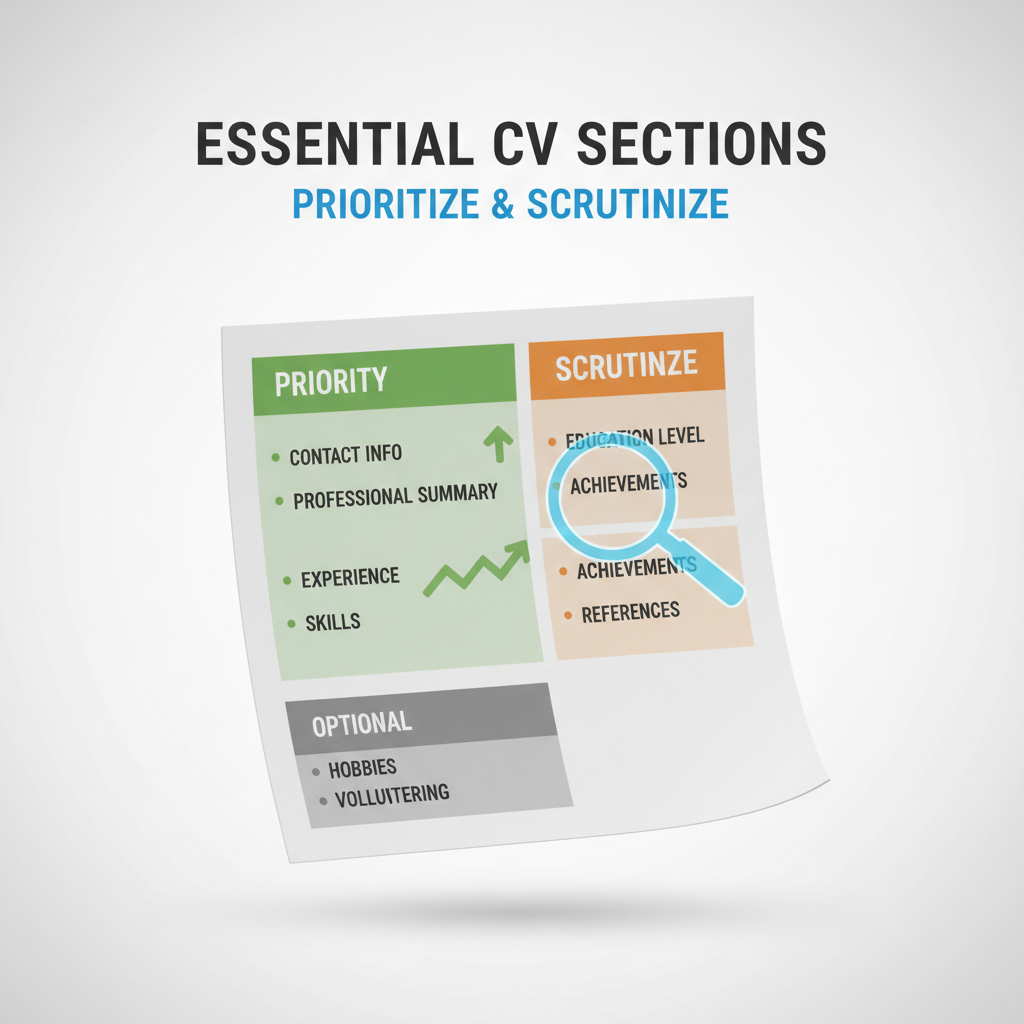
Essential CV Sections: What to Prioritize & Scrutinize
In the competitive landscape of Fast-Moving Consumer Goods (FMCG) in Singapore, identifying top-tier management talent is paramount. A Manager Level CV isn’t just a list of past roles; it’s a strategic document that, when scrutinized effectively, reveals a candidate’s true potential, leadership capabilities, and suitability for the dynamic FMCG sector. For recruiters and hiring managers, developing a robust test structure to assess Manager Level CVs in FMCG companies in Singapore is critical. This deep dive will highlight the essential components to prioritize and scrutinize, moving beyond mere job descriptions to uncover the calibre of future leaders.
1. Quantifiable Achievements vs. General Responsibilities
The most common pitfall in CV review is mistaking responsibilities for achievements. While a manager’s duties are important, it’s their measurable impact that truly differentiates them. For FMCG roles, especially in Singapore’s fast-paced environment, recruiters must actively look for specific, quantifiable outcomes. Instead of “Managed a sales team,” look for “Increased regional sales by 15% year-over-year, exceeding targets by 5% through strategic channel development in Q4 2023.” Candidates should utilize the STAR method (Situation, Task, Action, Result) to articulate their contributions. This section must vividly showcase a candidate’s ability to drive growth, optimize processes, and lead successful initiatives. Assess for metrics like market share growth, revenue generation, cost reduction, successful product launches, expansion into new channels (e.g., e-commerce, modern trade), or improvements in supply chain efficiency. Such concrete data points provide compelling evidence of a manager’s strategic thinking and execution prowess, offering a clear picture of their potential value to an FMCG company.
2. Experience in Relevant Product Categories & Channels
FMCG is not monolithic. A manager’s success in one product category (e.g., electronics) might not directly translate to another (e.g., food & beverage or personal care), especially within the nuanced Singaporean market. Scrutinize the CV for direct experience within relevant product categories – understanding consumer behaviour, regulatory landscapes, and competitive dynamics specific to those areas is invaluable. Furthermore, the distribution channels are crucial. Has the candidate managed key accounts in modern trade (supermarkets, hypermarkets), navigated the complexities of traditional trade (provision shops, hawker centres), or spearheaded digital commerce strategies for online platforms? Singapore’s diverse retail ecosystem demands managers who understand these distinctions. Experience with global or regional brands operating within Southeast Asia can also be a significant advantage, demonstrating an understanding of cross-cultural consumer trends and supply chain intricacies relevant to many FMCG operations in Singapore. This specific channel and category exposure directly influences a candidate’s immediate effectiveness and requires careful consideration as part of any robust test structure to assess Manager Level CVs in FMCG companies in Singapore.
3. Education, Certifications & Continuous Learning
While practical experience often takes precedence, a strong educational foundation coupled with a commitment to continuous learning signifies adaptability and a forward-thinking mindset. For manager-level roles in FMCG, particularly in a knowledge-driven economy like Singapore’s, look beyond just the degree. Are there relevant postgraduate qualifications (e.g., MBA with a focus on marketing or supply chain management)? What about professional certifications? These could include certifications in digital marketing (e.g., Google Ads, Meta Blueprint), project management (PMP), supply chain management (SCM), data analytics, or even specific leadership development programs. Such certifications demonstrate a proactive approach to skill enhancement and an understanding of contemporary business tools and methodologies. In an industry undergoing rapid transformation, a candidate who actively pursues new knowledge, whether through formal courses, workshops, or online platforms, signals their capacity to evolve with market demands. This section, therefore, serves as an indicator of intellectual curiosity and dedication to professional growth, both vital attributes for leadership in dynamic FMCG environments and an important aspect to consider when you test structure to assess Manager Level CVs in FMCG companies in Singapore.
Leveraging Tools & Techniques for Efficient Screening
Discover practical methods and technological solutions that can streamline the CV assessment process, making it faster and more accurate for high-volume hiring.
In the competitive landscape of the FMCG industry in Singapore, identifying top-tier manager-level talent from a large applicant pool requires more than just a cursory glance at CVs. The sheer volume of applications often poses a significant challenge, making efficient and accurate screening paramount. To overcome this, organizations must adopt advanced tools and sophisticated techniques that form a robust test structure to assess Manager Level CVs in FMCG companies in Singapore. By integrating technology with strategic review methodologies, recruiters can significantly enhance their ability to pinpoint candidates who not only possess the requisite experience but also demonstrate the strategic thinking and leadership qualities essential for success in this dynamic sector. This approach ensures a data-driven CV assessment, moving beyond traditional screening methods to deliver superior hiring outcomes and streamlining recruitment processes effectively.
1. AI-Powered ATS and Keyword Analysis
Modern recruitment has been revolutionized by Artificial Intelligence (AI) powered Applicant Tracking Systems (ATS). These sophisticated platforms go far beyond simple CV storage; they are instrumental in streamlining recruitment processes, particularly for high-volume roles like manager positions in FMCG. AI-driven ATS can perform rapid, initial screenings by conducting in-depth keyword analysis, identifying critical skills, experiences, and qualifications specified in job descriptions. For manager-level roles in FMCG in Singapore, this means configuring the ATS to prioritize terms like “P&L management,” “brand strategy,” “market entry,” “supply chain optimization,” “distributor management,” or specific product category experience within the Southeast Asian market.
The system can be trained to look for evidence of specific achievements, such as “increased market share by X%” or “launched Y new products,” which are strong indicators of a manager’s impact. By automating the initial sift, recruiters can quickly narrow down hundreds of applications to a manageable shortlist, focusing their valuable time on candidates who genuinely match the core requirements. This analytical capability is a cornerstone of an effective test structure to assess Manager Level CVs, ensuring that no deserving candidate is overlooked due to manual oversight, while simultaneously filtering out unsuitable applications efficiently. Leveraging AI in this manner significantly boosts the overall CV screening efficiency and accuracy, setting a strong foundation for the subsequent assessment stages.
2. Behavioral Question Prompts for CV Review
While an ATS excels at identifying technical competencies and experience, assessing behavioral traits and leadership potential requires a more nuanced approach during the CV review phase. Recruiters can adopt a technique inspired by behavioral interviewing, even before a candidate interview takes place. This involves scrutinizing CVs for evidence of past behaviors that align with desired managerial competencies in FMCG. For instance, instead of just noting a “Project Manager” title, look for descriptions of challenges faced, actions taken, and results achieved within project summaries or role descriptions. Did the candidate demonstrate initiative in overcoming a market challenge? Is there evidence of leading diverse teams or navigating complex stakeholder environments typical of FMCG operations?
By framing specific ‘behavioral prompts’ internally – e.g., “Look for evidence of strategic decision-making under pressure,” or “Identify instances of cross-functional collaboration impacting P&L” – recruiters can guide their manual review process. This systematic approach transforms a subjective scan into a structured evaluation, allowing for a preliminary assessment of qualities like adaptability, problem-solving, influence, and resilience. For manager-level roles, where leadership and strategic foresight are crucial, this method helps paint a more comprehensive picture of the candidate’s potential beyond their listed responsibilities. It’s a vital component of a comprehensive test structure, enriching the data-driven CV assessment process by unearthing qualitative insights early on.
3. Case Study Scenarios & Project Portfolio Review
For manager-level roles, particularly those requiring strategic thinking and problem-solving, a detailed review of a candidate’s project portfolio or a preliminary assessment of their approach to implied case study scenarios can be incredibly revealing. While full-blown case studies are usually part of later interview stages, the CV itself often contains clues that can inform a similar assessment. Recruiters should look for sections detailing “Key Achievements,” “Major Projects,” or “Strategic Initiatives.” The goal is to identify how candidates describe their involvement, the methodologies they employed, the challenges they faced, and, most importantly, the measurable impact they generated.
For an FMCG manager in Singapore, this might involve dissecting projects related to product launches, market expansion, cost optimization, or brand repositioning. What was the candidate’s specific role? Did they lead the initiative? What was the scale of the project? What was the strategic rationale behind it, and what were the tangible outcomes? This structured approach allows recruiters to infer a candidate’s strategic acumen, analytical capabilities, and results orientation, offering a glimpse into how they might tackle real-world FMCG challenges. This proactive review of a candidate’s documented portfolio is an excellent precursor to more formal assessments, forming a critical part of a comprehensive and effective test structure to assess Manager Level CVs in FMCG companies in Singapore, ensuring that candidates are evaluated not just on what they did, but how effectively they did it, and the strategic thinking behind their actions.
By thoughtfully integrating AI-powered tools, applying behavioral lens during CV review, and scrutinizing project portfolios, companies can develop an efficient and highly accurate test structure for assessing manager-level CVs within the dynamic FMCG sector in Singapore. This multi-faceted approach significantly enhances the quality of hires, ensuring that organizations secure leaders who are well-equipped to drive growth and innovation.
Future-Proofing Your FMCG Manager Hiring in Singapore 2026
Singapore’s dynamic Fast-Moving Consumer Goods (FMCG) market is constantly evolving, driven by rapid technological advancements, shifting consumer behaviors, and emerging work models. For companies aiming to attract and retain top-tier managerial talent by 2026, relying on outdated hiring methodologies is a sure way to fall behind. To truly future-proof your Test structure to assess Manager Level CVs in FMCG companies in singapore, it’s imperative to look beyond conventional metrics and integrate forward-thinking assessment criteria. This proactive approach will not only enhance your FMCG talent acquisition in Singapore but also ensure your organization remains competitive in a landscape increasingly defined by innovation and adaptability. Let’s delve into key trends and best practices to refine your CV assessment structure.

1. Diversity & Inclusion in CV Review
In 2026, a robust Test structure to assess Manager Level CVs in FMCG companies in singapore must embed diversity and inclusion at its core. Moving beyond unconscious biases requires a structured approach to CV screening that prioritizes skills, experience, and potential over demographic markers or traditional career paths. This means actively seeking out candidates from varied backgrounds, cultures, and educational institutions, understanding that diverse perspectives drive innovation and market relevance in FMCG. Implementing blind CV reviews, where personal identifying information is removed, can significantly reduce bias. Furthermore, focusing on competency-based assessments rather than solely on prestigious university names or specific company tenures allows for a broader, more equitable evaluation. Embracing truly inclusive hiring practices doesn’t just fulfill ethical obligations; it demonstrably leads to better decision-making, higher employee engagement, and enhanced financial performance, as research consistently shows the benefits of diverse teams. Your assessment structure should be designed to identify candidates who champion D&I within their teams, reflecting an understanding of its strategic importance for future FMCG hiring trends.
2. Assessing Digital & E-commerce Aptitude
The digital transformation has reshaped the FMCG landscape, making digital and e-commerce proficiency non-negotiable for manager-level roles. By 2026, your Test structure to assess Manager Level CVs in FMCG companies in singapore must effectively gauge a candidate’s aptitude in areas such as data analytics, digital marketing, supply chain digitalization, and omnichannel strategy. Look for experience in managing online sales platforms, leveraging social media for brand growth, understanding SEO/SEM principles, or implementing CRM systems. CVs should highlight quantifiable achievements related to digital initiatives—e.g., “increased e-commerce sales by X%” or “optimized digital ad spend, leading to Y% ROI improvement.” Even if a candidate’s background isn’t purely digital, their ability to articulate how technology has influenced their previous roles or how they stay updated with digital trends is crucial. This assessment isn’t just about technical skills; it’s about a manager’s strategic mindset to navigate and capitalize on the digital frontier, ensuring the company’s hiring aligns with market demands. A forward-thinking manager will be able to translate digital insights into tangible business growth for FMCG talent acquisition in Singapore.
3. Adapting to Changing Work Models (Hybrid, Remote)
The shift towards hybrid and remote work models is a permanent fixture in the post-pandemic corporate world, and FMCG is no exception. Your Test structure to assess Manager Level CVs in FMCG companies in singapore needs to evolve to identify candidates who thrive in these flexible environments. Assess for evidence of strong self-motivation, exceptional virtual communication skills, and the ability to manage teams effectively across different locations and time zones. CVs might indirectly reveal these qualities through roles involving cross-functional collaboration, project management of distributed teams, or independent entrepreneurial ventures. Look for experiences that demonstrate adaptability, resilience, and a proactive approach to problem-solving without constant direct supervision. Questions in subsequent interview stages should delve into their experience with remote tools, their strategies for maintaining team cohesion virtually, and their approach to work-life integration in a hybrid setup. Singapore’s talent pool increasingly values flexibility, and your ability to identify managers who can lead successfully within these models is paramount for attracting and retaining the best talent. This critical adaptation ensures your hiring process accounts for modern workplace realities.
To secure a competitive edge in Singapore’s 2026 FMCG market, it’s essential to continually refine and optimize your Test structure to assess Manager Level CVs in FMCG companies in singapore. By embracing diversity and inclusion, prioritizing digital and e-commerce aptitude, and adapting to flexible work models, your organization will be better equipped to attract and cultivate the visionary leaders required to navigate future challenges and opportunities. Investing in an evolved assessment framework today is an investment in your company’s success tomorrow.
Partner with Shelby Global
You are looking for reliable HR Sevice Suppliers? Contact Shelby Global Now! To connect with verified talents and upgrade your orginization.
—————————————
References
– Singapore Economic Development Board (EDB): https://www.edb.gov.sg/en/our-industries/consumer-business/food-manufacturing.html
– Developing Competency Models – SHRM: https://www.shrm.org/resources-and-tools/hr-topics/talent-acquisition/pages/developing-competency-models.aspx
– STAR method (Situation, Task, Action, Result): https://www.indeed.com/career-advice/resumes-cover-letters/star-method-resume
– SHRM: Using AI in Talent Acquisition: https://www.shrm.org/resources-and-tools/hr-topics/talent-acquisition/pages/ai-in-recruiting.aspx
– inclusive hiring practices: https://www.mckinsey.com/capabilities/people-and-organizational-performance/our-insights/diversity-wins-how-inclusion-matters