AI-Driven Personalization & Customer Experience
How AI agents are revolutionizing the way Malaysian consumers discover, try, and purchase fashion, offering bespoke recommendations and immersive shopping experiences.
The vibrant landscape of Malaysian fashion is undergoing a profound transformation, spearheaded by artificial intelligence (AI). AI agents are no longer a futuristic concept but a present-day reality, fundamentally reshaping how AI agent effect to Fashion field in malaysia. From the moment a consumer begins their style journey to the final purchase, AI enhances every touchpoint, delivering unprecedented personalization and crafting seamless, immersive customer experiences. This technological integration isn’t just about efficiency; it’s about understanding individual preferences at scale, offering bespoke solutions, and creating a more engaging and satisfying retail environment for Malaysian fashion enthusiasts.
1. Virtual Try-Ons and Augmented Reality
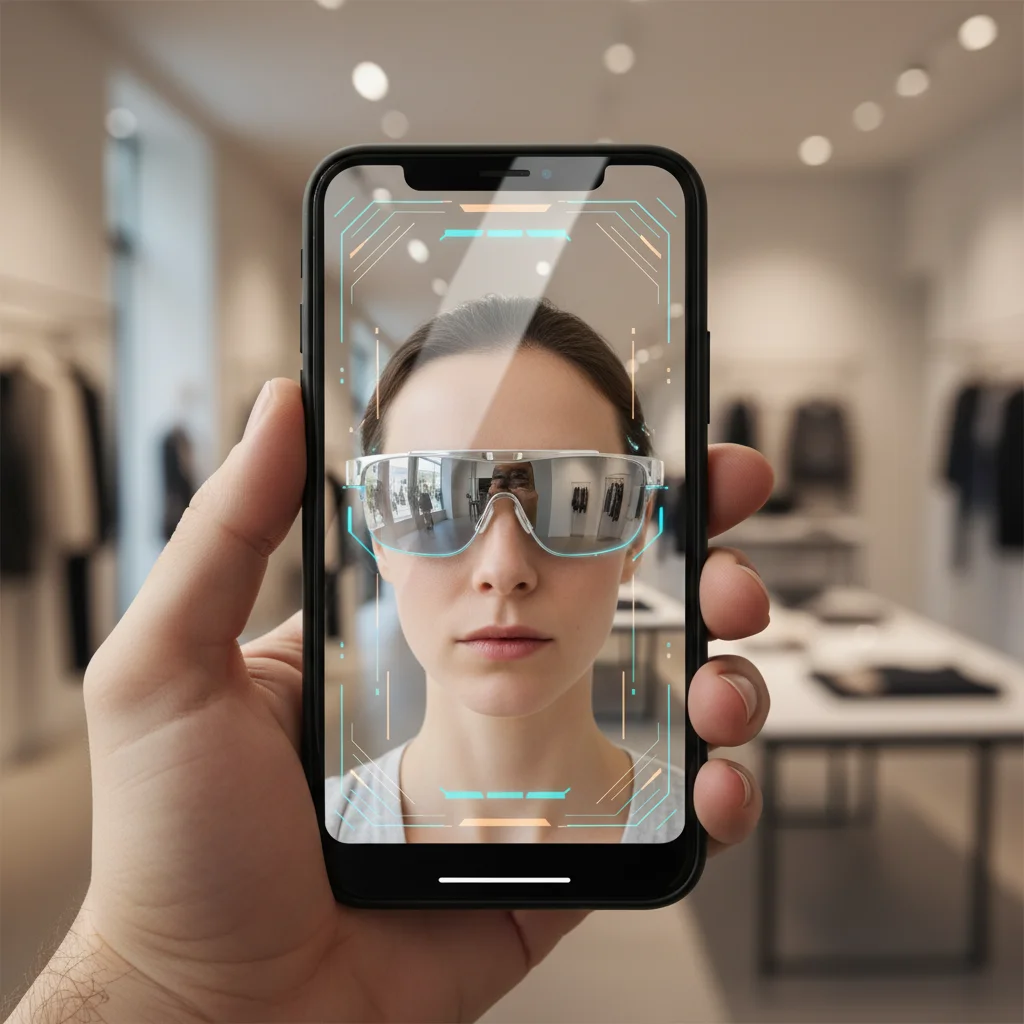
One of the most striking innovations brought by AI agents in Malaysian fashion is the widespread adoption of Virtual Try-Ons and Augmented Reality (AR). Imagine trying on a designer baju kurung or a pair of sneakers without physically being in a store. AI-powered AR applications allow consumers to virtually ‘wear’ garments using smartphone cameras or smart mirrors, providing a realistic preview of how an item would look. This technology addresses a critical pain point in online shopping – the uncertainty of fit and appearance. For Malaysian consumers, this means a significant reduction in returns, increased confidence, and a more interactive and enjoyable shopping journey. Fashion brands in Malaysia leverage AR to create engaging experiences that bridge the gap between online convenience and traditional retail, allowing customers to experiment with styles from the comfort of their homes. This streamlines decision-making and adds an element of fun, making fashion exploration more accessible.

2. Personalized Styling and Product Recommendations
Beyond virtual try-ons, AI agents excel at offering Personalized Styling and Product Recommendations, revolutionizing how Malaysian consumers discover their next fashion statement. Traditional retail often relies on broad demographic data, but AI delves deeper. By analyzing a consumer’s past purchases, browsing history, and current fashion trends, AI algorithms generate highly accurate, bespoke product suggestions. These AI-powered stylists can recommend entire outfits tailored to an individual’s taste, body type, and occasion, from casual wear to festive celebrations. This personalization extends to suggesting complementary accessories, predicting size preferences, and advising on new styles. This intimate understanding allows brands to present highly relevant products, minimizing choice overload and maximizing successful purchases. The impact of AI agents on the fashion field in Malaysia is evident in enhanced customer satisfaction and loyalty. For a deeper dive, explore how AI agent effect to Fashion field in malaysia.
3. Predictive Analytics for Consumer Behavior
The prowess of AI agents also extends to Predictive Analytics for Consumer Behavior, offering Malaysian fashion brands invaluable insights into market trends and individual purchasing patterns. By crunching vast datasets, AI can forecast future demand for specific styles, colors, and sizes, enabling brands to optimize inventory management and reduce waste. This proactive approach ensures popular items are in stock, while less popular ones are not overproduced, leading to more sustainable practices and improved profitability. Furthermore, predictive analytics helps fashion retailers anticipate seasonal trends, tailor marketing campaigns, and predict customer loyalty. For instance, AI can identify patterns indicating a shift in consumer preference towards sustainable fashion or modest wear, allowing Malaysian brands to adjust collections and messaging. This data-driven foresight empowers businesses to make informed decisions, staying ahead in a fast-paced industry and consistently meeting the evolving demands of discerning Malaysian fashion consumers. Understanding these trends is crucial for any brand aiming for success, as highlighted by a recent McKinsey report on the state of fashion.
Conclusion:
In conclusion, AI agents are not just tools but transformative partners for the Malaysian fashion industry. From making shopping interactive with virtual try-ons and AR, to crafting hyper-personalized recommendations that resonate with individual styles, and providing critical predictive insights for business strategy, AI is redefining the entire fashion ecosystem. The era of one-size-fits-all fashion is receding, replaced by a highly personalized, efficient, and engaging experience. As technology continues to evolve, the synergy between AI and fashion promises to unlock even more innovative avenues, ensuring Malaysian consumers enjoy a shopping journey as unique and dynamic as their personal style.
Transforming Fashion Design & Production
In the vibrant and rapidly evolving landscape of Malaysian fashion, Artificial Intelligence (AI) agents are becoming indispensable tools, revolutionizing how designers conceptualize, create, and bring their visions to life. From predicting future trends with uncanny accuracy to streamlining the entire production pipeline, AI’s influence is ushering in an era of unprecedented efficiency, creativity, and sustainability. The fundamental question of how AI agent effect to Fashion field in malaysia is no longer a futuristic speculation but a present reality, empowering local designers and manufacturers to compete on a global scale. These intelligent systems are not just automating tasks; they are augmenting human ingenuity, offering sophisticated insights and capabilities that were once unimaginable, thereby transforming the entire production process from initial sketch to finished garment.
1. AI-Powered Trend Forecasting and Market Analysis
One of the most immediate and impactful applications of AI in the Malaysian fashion industry is its ability to forecast trends and conduct deep market analysis. Traditional trend spotting relies heavily on human intuition, observation, and historical data, a process that can be slow and prone to subjective biases. AI agents, conversely, can ingest and analyze colossal datasets—ranging from social media discussions, fashion blogs, runway shows, e-commerce sales figures, and even global economic indicators—to identify emerging patterns and consumer preferences. For Malaysian designers, this means gaining access to highly granular and predictive AI-driven insights into what styles, colors, fabrics, and silhouettes will resonate with their target audience, often months in advance. This capability significantly reduces the risk associated with new collections, minimizes overproduction, and allows for more agile and responsive design cycles, ensuring that local brands remain relevant and competitive in a fast-paced global market. This precise AI fashion trend prediction is invaluable for strategic planning.
2. Generative Design for Apparel Creation
Beyond prediction, AI is actively participating in the creative process itself through generative design for apparel creation. AI agents can assist Malaysian designers by generating countless design variations based on specific parameters such as style, color palettes, fabric textures, and target demographics. Imagine an AI sifting through thousands of archival designs, current trends, and cultural motifs to suggest novel combinations for a baju kurung or a modern batik pattern. This doesn’t replace the designer’s creativity but rather augments it, acting as a powerful brainstorming partner that can explore possibilities at a speed and scale impossible for humans alone. Designers can feed their initial sketches or mood boards into an AI system, which then provides a multitude of unique iterations, helping to break creative blocks and accelerate the initial concept development phase. Furthermore, AI can aid in pattern making, optimizing fabric utilization, and even visualizing designs in 3D, allowing designers to experiment with virtual prototypes before committing to physical samples, thereby saving time and resources in the early stages of apparel creation with AI in apparel design.
3. Optimizing Supply Chain and Inventory Management
The journey from concept to consumer is fraught with complexities, especially in fashion where rapid seasonal changes and unpredictable demand can lead to significant waste and inefficiencies. AI agents are proving instrumental in optimizing the entire fashion supply chain for Malaysian businesses. By leveraging predictive analytics, AI can accurately forecast demand for specific garments, enabling manufacturers to adjust production volumes accordingly and minimize excess inventory. This leads to reduced storage costs, fewer markdowns, and a significant decrease in textile waste, contributing to more sustainable practices. Moreover, AI can streamline logistics by optimizing shipping routes, managing warehouse operations, and identifying potential bottlenecks before they impact delivery schedules. From real-time tracking of raw materials to efficient distribution networks, AI ensures that the right products are available at the right time and place. This comprehensive optimization, often termed AI fashion supply chain management, not only enhances operational efficiency and cost-effectiveness but also improves customer satisfaction by ensuring timely availability of desired fashion items across Malaysia.
The global fashion industry, often criticized for its environmental footprint and ethical shortcomings, is undergoing a transformative shift towards sustainability. In Malaysia, this movement is gaining considerable momentum, largely driven by Artificial Intelligence (AI) agents. These intelligent systems are revolutionizing the fashion supply chain, offering unprecedented opportunities for a more environmentally conscious and ethically responsible industry. Understanding How AI agent effect to Fashion field in malaysia is crucial for stakeholders navigating this evolving landscape, from minimizing waste and optimizing resources to ensuring transparent and ethical sourcing.
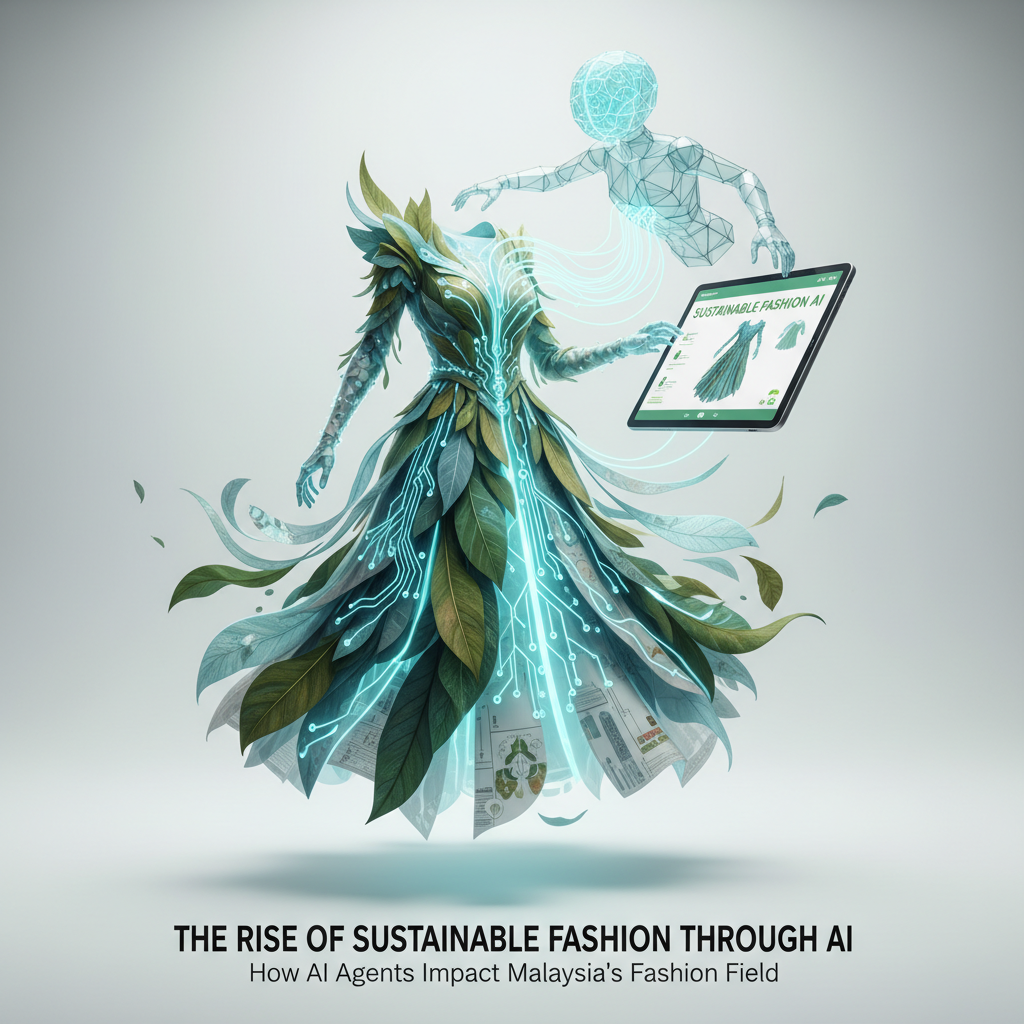
The Rise of Sustainable Fashion through AI
Malaysia’s fashion industry faces the dual challenge of meeting consumer demand while addressing pressing environmental concerns. AI agents are powerful allies, providing solutions across the entire product lifecycle. From design to end-of-life, AI’s predictive capabilities, data analysis, and automation potential are paving the way for a truly sustainable future. This paradigm shift encompasses identifying eco-friendly materials, optimizing production, and fostering circular economy models, significantly reducing the industry’s carbon footprint and promoting ethical practices.
1.
Eco-Friendly Material Sourcing and Traceability
One of the most significant challenges in sustainable fashion is ensuring that materials are sourced ethically and have minimal environmental impact. AI agents are transforming this by enhancing both material selection and supply chain traceability. AI-powered platforms can analyze vast datasets on various textiles, identifying those with lower environmental footprints—such as organic cotton, recycled polyester, or innovative bio-based fabrics—and recommending them to designers and manufacturers. Furthermore, AI combined with blockchain technology can create an immutable ledger for every step of the supply chain, providing unparalleled transparency. In Malaysia, this means brands can verify the origins of their fabrics, ensuring they are free from forced labor, child labor, and harmful chemical processes. For instance, AI algorithms can monitor satellite imagery and real-time reports to detect deforestation linked to certain raw materials or flag suppliers with questionable labor practices. This level of traceability helps Malaysian brands build consumer trust and meet increasing demands for ethical products. According to reports, enhancing supply chain visibility through technology is crucial for achieving sustainability goals in the textile industry globally, with AI playing a pivotal role in this transformation. The Ellen MacArthur Foundation highlights the importance of circularity in textiles, emphasizing how advanced technologies like AI can facilitate the shift from linear to circular systems by improving material identification and tracking.
2.
Waste Reduction and Lifecycle Management
The fashion industry is notoriously wasteful, with vast amounts of textile waste ending up in landfills annually. AI agents offer powerful solutions for mitigating this problem by optimizing production processes and enabling comprehensive lifecycle management. Predictive analytics, for example, can forecast consumer demand with greater accuracy, allowing Malaysian manufacturers to produce only what is needed, thereby reducing overproduction and deadstock. AI-driven design software can optimize pattern cutting, minimizing fabric waste during the manufacturing phase. Beyond production, AI contributes to managing a product’s entire lifecycle. This includes assessing the environmental impact of a garment from its raw materials to its disposal, known as Life Cycle Assessment (LCA). AI can automate complex LCA calculations, providing designers with real-time feedback on their choices’ environmental implications. For consumers, AI can offer personalized recommendations for garment care, extending product lifespan, or suggest options for repair and recycling. In Malaysia, this means a significant reduction in textile waste, fostering a more resource-efficient industry where every material is valued and utilized to its fullest potential.
3.
Circular Economy Initiatives in Malaysian Fashion
The ultimate goal of sustainable fashion is to transition from a linear “take-make-dispose” model to a circular economy, where resources are kept in use for as long as possible. AI agents are instrumental in driving circular economy initiatives within the Malaysian fashion landscape. By analyzing material composition and garment conditions, AI can identify items suitable for recycling, upcycling, or resale. AI-powered platforms can match discarded garments with recycling facilities capable of processing specific fibers, or connect consumers with second-hand markets. For instance, AI can facilitate the development of smart take-back programs, where brands use AI to assess the condition of returned items for repair, refurbishment, or material recovery. This not only reduces waste but also creates new business models and revenue streams for Malaysian companies. The ability of AI to categorize, sort, and even design new products from existing materials accelerates the adoption of circular practices, ensuring that resources are perpetually cycled back into the economy. This holistic approach, powered by intelligent systems, is vital for realizing a truly regenerative fashion industry in Malaysia, emphasizing longevity, resource efficiency, and minimal environmental impact.
Impact on Retail & E-commerce Landscape
The retail and e-commerce landscape in Malaysia is undergoing a profound transformation, driven significantly by the adoption of Artificial Intelligence (AI) agents. These intelligent systems are not merely tools but strategic partners, revolutionizing how businesses operate and how consumers engage with brands. From optimizing back-end logistics to crafting highly personalized front-end experiences, AI agents are reshaping the entire retail value chain. This shift is particularly evident in the dynamic fashion sector, where understanding how AI agent effect to Fashion field in malaysia is becoming crucial for competitive advantage. The integration of AI is enhancing both online and offline shopping journeys, bolstering operational efficiency, and paving the way for a more responsive and customer-centric market.
1. Smart Inventory and Demand Forecasting
One of the most significant contributions of AI agents to Malaysian retail, especially within the fashion industry, is their ability to deliver smart inventory management and precise demand forecasting. Traditional methods often rely on historical sales data, which can be slow to adapt to rapidly changing consumer preferences and market trends. AI-powered inventory management systems, however, leverage sophisticated algorithms to analyze vast datasets far beyond simple past sales. These include real-time market trends, social media sentiment, local economic indicators, seasonal variations, weather patterns, and even competitor activities. For fashion retailers, this means predicting popular styles, colours, sizes, and fabric preferences with unprecedented accuracy. By anticipating demand, businesses can optimize stock levels, reducing instances of both overstocking (which leads to costly markdowns and inventory write-offs) and understocking (which results in lost sales and customer dissatisfaction). This predictive capability minimizes waste, improves cash flow, and ensures that the right products are available at the right time, thereby enhancing supply chain resilience and profitability in a highly competitive market.
2. Enhanced Online Shopping with AI Chatbots and Assistants
The online shopping experience in Malaysia is being dramatically elevated through the deployment of AI chatbots and virtual assistants. These AI chatbots in fashion retail provide 24/7 customer support, instantly addressing queries, guiding shoppers through product discovery, and resolving common issues without human intervention. For the fashion industry, AI chatbots transcend basic customer service; they act as virtual stylists and personal shoppers. They can analyze a customer’s browsing history, purchase patterns, and stated preferences to offer highly personalized product recommendations, outfit suggestions, and even style advice. Some advanced AI tools allow for virtual try-ons, where customers can digitally visualize how clothes would look on them, significantly reducing uncertainty and return rates. This personalized engagement not only improves customer satisfaction and loyalty but also streamlines the purchasing journey, reduces cart abandonment, and drives higher conversion rates. The continuous learning capabilities of these AI assistants mean they become more effective and intuitive over time, further cementing their role as indispensable tools in modern e-commerce.
3. Personalized In-Store Experiences and Merchandising
While e-commerce has grown exponentially, physical stores remain vital, and AI agents are bridging the gap between digital convenience and the tactile experience of brick-and-mortar retail. AI is enabling a new era of personalized fashion retail experiences and intelligent merchandising. Retailers in Malaysia are deploying AI-powered smart mirrors that offer outfit recommendations based on items customers try on, or provide access to a wider virtual inventory. AI also analyzes in-store foot traffic, customer movement patterns, and engagement with displays to optimize store layouts and product placement. For fashion brands, this means dynamic visual merchandising that can adapt to demographics, real-time trends, or even local events. For example, an AI system might suggest changing a window display based on a sudden weather shift or local festival. Furthermore, by integrating loyalty program data with AI analytics, sales associates can access real-time customer preferences and purchase history, allowing them to offer highly tailored advice and recommendations, transforming a simple shopping trip into a uniquely curated experience. According to IBM Research, AI is fundamentally changing retail by “creating new shopping experiences, improving supply chain operations, and enhancing customer service.” This integration of AI not only enhances customer engagement and satisfaction but also boosts in-store conversion rates, solidifying the relevance of physical retail in the digital age.
In conclusion, AI agents are proving to be transformative for the Malaysian retail and e-commerce landscape, particularly in the fashion sector. By fostering smarter operations and delivering hyper-personalized customer journeys both online and offline, AI is not just optimizing existing processes but creating entirely new paradigms for interaction and commerce. Businesses that embrace these intelligent technologies are better positioned to thrive in an increasingly competitive and customer-centric market.
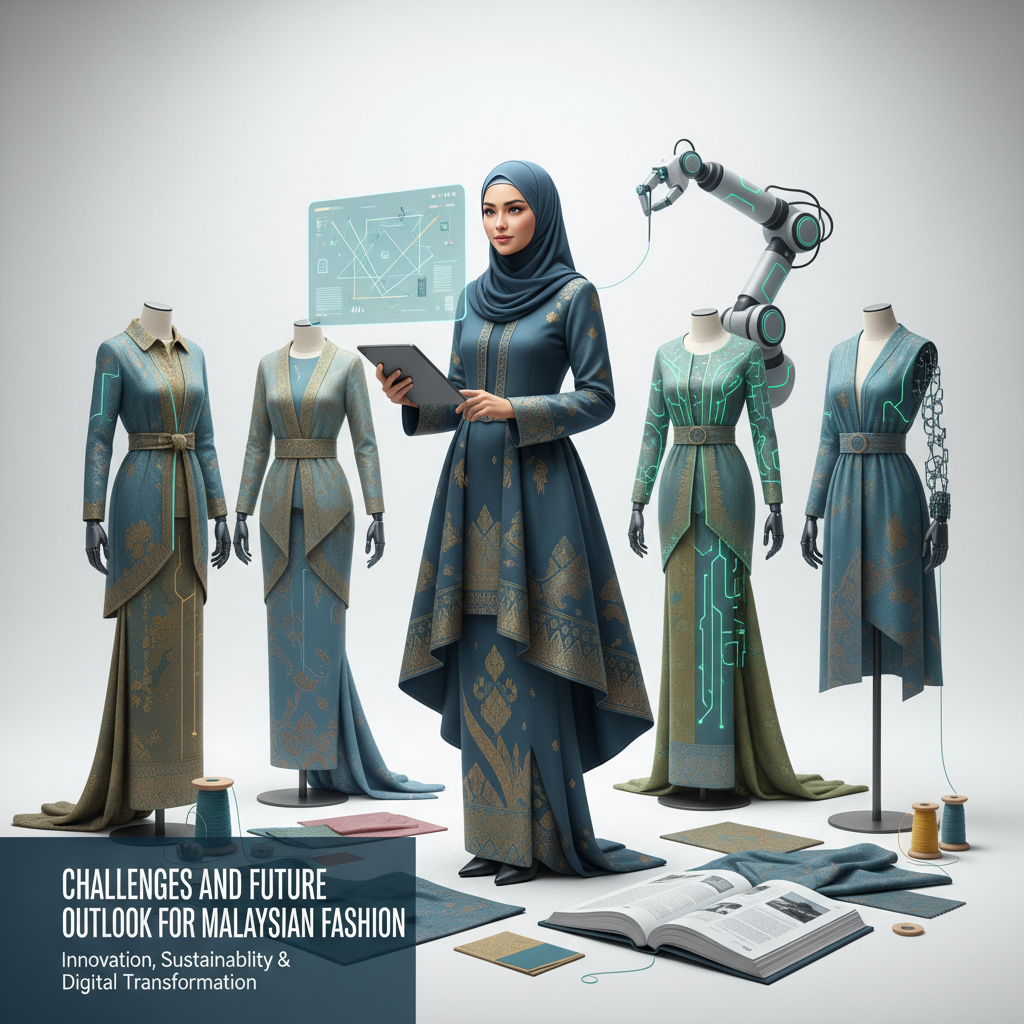
Challenges and Future Outlook for Malaysian Fashion
The integration of AI agents presents both formidable challenges and unparalleled opportunities for Malaysia’s vibrant fashion sector. As the industry grapples with rapid technological advancements, understanding how AI agents affect the fashion field in Malaysia becomes paramount. This section delves into the hurdles faced during AI adoption, from ethical considerations to workforce adaptation, while also projecting future trends and potential growth trajectories for Malaysian fashion technology.
-
Ethical Considerations and Data Privacy
The rise of AI agents in Malaysian fashion brings a critical need to address ethical considerations and robust data privacy frameworks. AI algorithms, often fueled by vast datasets of consumer preferences, behavioral patterns, and personal measurements, raise significant concerns. Protecting customer data from misuse, breaches, and unauthorized access is not just a legal requirement but a fundamental trust builder. Malaysian businesses must navigate the Personal Data Protection Act (PDPA) 2010 rigorously, ensuring transparency in data collection, usage, and storage. The development and deployment of AI in fashion must prioritize fairness, accountability, and explainability, avoiding algorithmic bias that could lead to discrimination in product recommendations or marketing. Ensuring that AI systems are designed with ethical guidelines from inception is crucial to fostering consumer confidence and sustainable growth in the Malaysian fashion technology landscape. Furthermore, fashion brands utilizing AI for trend prediction or personalized styling must educate consumers about how their data is used, offering clear opt-out options. Without stringent adherence to ethical AI principles and data governance, the long-term potential of AI in Malaysian fashion could be undermined. For comprehensive guidance on data protection principles, organizations can refer to global best practices, such as those outlined by the OECD Privacy Framework, which provides a widely accepted international standard for protecting personal data.
-
Skill Gaps and Workforce Adaptation
The successful integration of AI agents into the Malaysian fashion industry hinges significantly on bridging existing skill gaps and fostering workforce adaptation. Traditional roles in design, manufacturing, and retail are evolving, demanding new competencies in data analytics, AI literacy, machine learning operations, and digital marketing. Many current employees may lack the necessary technical skills to interact effectively with AI tools, manage AI-driven processes, or interpret AI-generated insights. This presents a challenge but also an immense opportunity for upskilling and reskilling initiatives. Educational institutions, industry associations, and private companies must collaborate to develop targeted training programs that equip the existing workforce with relevant digital skills. Focusing on areas like prompt engineering for AI-powered design tools, data interpretation for predictive analytics in retail, and cybersecurity for protecting fashion IP will be vital. Cultivating a growth mindset among employees, encouraging continuous learning, and providing accessible training resources will ensure that the Malaysian fashion workforce remains competitive and relevant in an AI-driven future. Embracing this transformation proactively will determine how AI agents affect the fashion field in Malaysia positively, turning a potential threat into a powerful catalyst for innovation and job creation.
-
Government Initiatives and Investment in Fashion Tech
Government initiatives and strategic investments are crucial in accelerating the adoption of AI agents within Malaysia’s fashion sector. Recognizing the potential of fashion technology (fashion tech) to drive economic growth and enhance global competitiveness, the Malaysian government can play a pivotal role. This includes developing supportive policies, offering incentives for R&D in AI-driven fashion solutions, and facilitating access to funding for startups and SMEs looking to innovate. Programs focused on digital transformation, such as grants for AI tool implementation, incubators for fashion tech entrepreneurs, and tax breaks for companies investing in workforce upskilling, can significantly lower barriers to entry for AI adoption. Furthermore, fostering collaborations between academic institutions, tech companies, and fashion businesses can create a robust ecosystem for innovation. Initiatives aimed at promoting Malaysia as a regional hub for ethical AI development in fashion could also attract foreign investment and talent. By actively supporting the digital evolution of its fashion industry, the government can ensure that AI in Malaysian fashion not only thrives but also sets new benchmarks for responsible and impactful technological integration.
Partner with Shelby Global
You are looking for reliable HR Sevice Suppliers? Contact Shelby Global Now! To connect with verified talents and upgrade your orginization.
—————————————
References
– recent McKinsey report on the state of fashion: https://www.mckinsey.com/industries/retail/our-insights/the-state-of-fashion-2024-report-a-time-of-turbulent-refinement
– :
– The Ellen MacArthur Foundation highlights the importance of circularity in textiles: https://www.ellenmacarthurfoundation.org/our-work/activities/fashion
– How AI is changing the retail industry – IBM Research Blog: https://www.ibm.com/blogs/research/2023/11/08/ai-changing-retail-industry/
– :