
Overview of Malaysia’s Fashion Industry HR Landscape
Malaysia’s fashion industry, a vibrant and increasingly global player, is characterized by its unique blend of traditional influences and contemporary trends. From fast fashion retailers to luxury bespoke designers and burgeoning modest wear labels, the sector demonstrates remarkable dynamism. This rapid evolution, however, presents a multifaceted and often complex Human Resources (HR) landscape. Understanding the HR dynamics within this sector is crucial for sustainable growth and competitiveness. This section provides an in-depth look into the current state of HR, highlighting key characteristics and the evolving challenges that shape the HR report of Fashion field in malaysia. The industry’s HR landscape is marked by a blend of opportunities and hurdles, ranging from demographic shifts to the transformative power of digital technologies.

1. Current Workforce Demographics in Fashion
The workforce powering Malaysia’s fashion industry is a diverse tapestry reflecting the nation’s multiculturalism. It is predominantly young and female, particularly in design, merchandising, and retail roles, though male representation is growing in areas like supply chain management and digital marketing. A significant portion of the workforce comprises individuals aged 20-35, drawn to the industry’s creative allure and perceived glamour. However, there’s a noticeable gap in mid-career professionals with specialized skills in areas like sustainable fashion practices, advanced textile technology, or international market development. While local talent forms the backbone, the industry also benefits from expatriate expertise, especially in high-fashion design, brand management, and technical roles, bringing global perspectives and skills. Educational backgrounds range widely, from vocational training in garment manufacturing to degrees in fashion design, marketing, and business. A key characteristic is the increasing demand for versatile professionals who can navigate both creative and commercial aspects, highlighting a shift from purely artistic roles to those requiring strong business acumen and digital proficiency. Understanding these demographic nuances is fundamental to crafting effective HR strategies for talent attraction and development within the dynamic fashion sector.
2. Key HR Challenges Facing the Sector
Despite its growth potential, Malaysia’s fashion industry grapples with several significant HR challenges. One of the foremost issues is talent attraction and retention. The industry often struggles to compete with other sectors for top-tier talent, particularly in specialized areas such as sustainable textile engineers, data analysts for e-commerce, and experienced digital marketers. High employee turnover, especially in retail and entry-level creative positions, remains a persistent problem, driven by competitive salary expectations, limited career progression opportunities, and demanding work environments characteristic of fast-paced fashion cycles. Another critical challenge is the pervasive skills gap. While there’s an abundance of creative talent, there’s a deficit in crucial technical and digital competencies required by a rapidly evolving industry, including proficiency in 3D design software, supply chain optimization, and advanced e-commerce analytics. Moreover, the industry’s perceived instability and the pressure for constant innovation can lead to employee burnout. Companies also face challenges in providing adequate training and development programs that keep pace with global trends and technological advancements. Ensuring competitive compensation and benefits, coupled with fostering a supportive work culture, is essential to mitigate these HR hurdles and secure a robust future for the fashion workforce.
3. Impact of Digital Transformation on Fashion HR
Digital transformation is profoundly reshaping the HR landscape within Malaysia’s fashion industry, introducing both opportunities and complexities. From recruitment to performance management, technology is redefining traditional HR functions. In recruitment, digital platforms, social media, and AI-driven tools are becoming indispensable for identifying and attracting talent, allowing companies to reach a wider pool of candidates and streamline hiring processes. However, this also necessitates HR professionals to be adept at digital sourcing and employer branding in the online space. Training and development are increasingly moving towards e-learning modules, virtual workshops, and even augmented reality (AR)/virtual reality (VR) applications for design and product development, offering flexible and scalable learning solutions. The shift towards e-commerce and online sales has created a demand for entirely new roles such as e-commerce managers, digital merchandisers, content creators, and social media strategists, requiring a rapid upskilling of the existing workforce and strategic hiring for new competencies. Performance management is also evolving with data analytics, enabling more objective assessments and personalized feedback. While digital tools enhance efficiency and connectivity, they also pose challenges related to data privacy, cybersecurity, and ensuring digital inclusivity for all employees. The ongoing digital revolution mandates a proactive HR approach to adapt to these changes, ensuring the workforce remains agile, skilled, and prepared for the future of fashion. For a comprehensive HR report of Fashion field in malaysia, companies must continually assess their digital readiness. The dynamic interplay between technology and human capital will define the industry’s trajectory for years to come. Malaysia’s commitment to developing its creative industries is evident, with ongoing efforts to support sectors like fashion. According to a report by MATRADE, the Malaysian External Trade Development Corporation, the country’s fashion and textile sector continues to show potential for growth and international exposure, underscoring the need for a skilled and adaptable workforce to capitalize on these opportunities.
Talent Acquisition & Retention Strategies
In Malaysia’s vibrant and rapidly evolving fashion landscape, the ability to attract, hire, and, crucially, retain top talent is a cornerstone of sustained success. Fashion companies in the country face unique challenges, from the allure of international brands to the specific skill sets required for design, merchandising, marketing, and retail operations. This section delves into the critical strategies these companies are employing to build and maintain a strong workforce, ensuring they remain competitive and innovative in a dynamic market. Understanding the nuances of talent acquisition and retention is paramount for any comprehensive HR report of Fashion field in malaysia.
1. Effective Recruitment Channels for Fashion Roles
The quest for specialized fashion talent demands a multi-pronged approach to recruitment. Malaysian fashion companies are moving beyond generic job boards to leverage more targeted and effective channels. Industry-specific job portals and professional networking platforms, such as LinkedIn, are primary tools for sourcing experienced designers, merchandisers, and marketers. Collaborations with local fashion schools and universities, like SEGi University or Limkokwing University of Creative Technology, are proving invaluable for identifying emerging talent, offering internships, and establishing feeder programs. These partnerships not only provide a pipeline of fresh graduates but also allow companies to shape future talent by exposing students to real-world industry demands. Social media, particularly Instagram and TikTok, has also emerged as a powerful, cost-effective channel for showcasing company culture and attracting a younger, digitally-savvy workforce, especially for roles in digital marketing, e-commerce, and content creation. Furthermore, internal referrals remain a highly trusted and efficient method, often yielding candidates who are a strong cultural fit and possess a deeper understanding of the company’s ethos.
2. Employee Value Proposition (EVP) in Fashion Companies
A compelling Employee Value Proposition (EVP) is fundamental for attracting and retaining talent in Malaysia’s fashion sector. Beyond competitive salaries, fashion companies must articulate what makes them a unique and desirable employer. For many, this revolves around the brand’s prestige, the opportunity for creative expression, and exposure to global fashion trends. EVPs often highlight a vibrant and collaborative work environment, opportunities to work with innovative materials and technologies, and the chance to contribute to a brand’s identity. Companies are increasingly focusing on non-monetary benefits such as flexible working arrangements, professional development programs tailored to specific fashion skill sets (e.g., sustainable fashion practices, digital design tools), and mentorship from industry veterans. A strong EVP also emphasizes a positive company culture that values diversity, inclusion, and work-life balance, distinguishing them from competitors. Effective communication of this EVP across all recruitment channels is crucial for captivating candidates who are passionate about the industry and seeking more than just a job.
3. Reducing Attrition: Best Practices & Incentives
Retaining skilled employees in Malaysia’s competitive fashion market is as critical as acquiring them. High attrition rates can lead to significant operational disruptions and increased recruitment costs. Best practices for reducing turnover often begin with robust onboarding processes that integrate new hires smoothly into the company culture and provide clear career pathways. Continuous learning and development programs are vital, offering opportunities for upskilling in areas like digital merchandising, supply chain management, or sustainable design, thus demonstrating investment in employees’ long-term growth. Performance-based incentives, such as bonuses tied to sales targets, successful collection launches, or innovative project contributions, motivate employees and foster a sense of ownership. Recognition programs, whether formal awards or informal acknowledgements, play a significant role in boosting morale and demonstrating appreciation for hard work. Furthermore, fostering a supportive work environment that promotes open communication, provides constructive feedback, and addresses employee concerns proactively is paramount. Many fashion companies are also exploring enhanced benefits packages, including health and wellness programs, and even opportunities for international exposure or collaborations, to enrich the employee experience. For a deeper dive into regional talent trends, a recent EY Malaysia Talent Trends Report highlights key strategies for retaining skilled workers, which are highly relevant to the fashion industry.
Skill Development & Future Workforce Needs
The Malaysian fashion industry stands at an exhilarating crossroads, propelled by rapid technological advancements, shifting consumer demands, and a heightened focus on sustainability. To thrive in this dynamic environment, developing a future-ready workforce equipped with relevant skills is paramount. A comprehensive HR report of the Fashion field in Malaysia highlights critical skill gaps and outlines strategic approaches for companies to cultivate talent. This section explores the essential competencies required for the evolving industry and discusses how companies are proactively bridging these gaps to ensure Malaysia remains competitive on the global fashion stage. Effective workforce development in fashion Malaysia is not just about adapting; it’s about leading the charge in innovation and design.
1. In-Demand Skills for Fashion Professionals (Design to Digital)
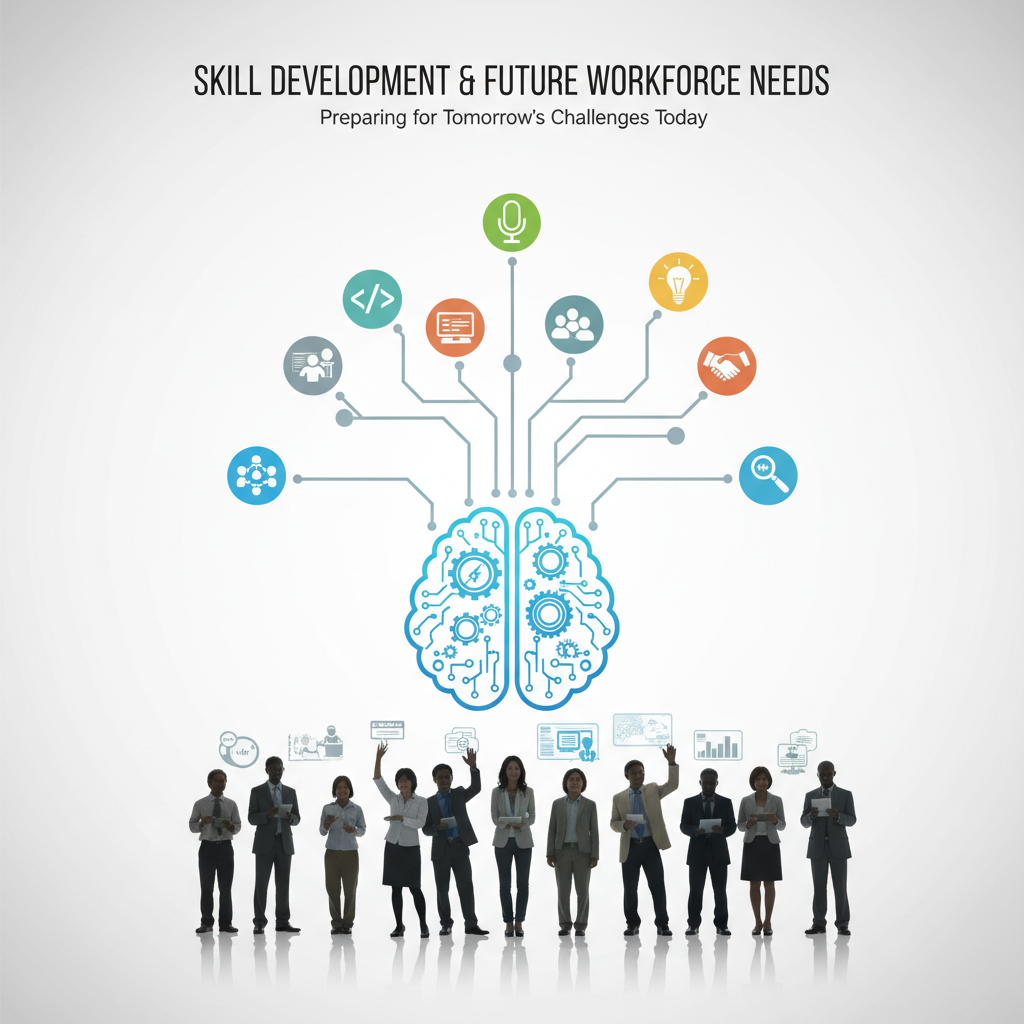
The traditional skill set of a fashion professional is rapidly expanding, demanding a blend of creative artistry and digital acumen. Beyond foundational design and garment construction expertise, today’s industry requires proficiency in digital tools like Computer-Aided Design (CAD) software, 3D prototyping, and virtual fitting technologies, which streamline design processes and reduce waste. Data analytics skills are becoming crucial for understanding consumer preferences, market trends, and supply chain efficiencies, enabling data-driven decision-making. Furthermore, expertise in sustainable practices, circular economy principles, and ethical sourcing is no longer a niche but a core competency, influencing everything from material selection to production processes. As e-commerce continues its meteoric rise, digital marketing, social media management, and online merchandising capabilities are vital for reaching global audiences. Professionals with strong communication, problem-solving, and cross-functional collaboration skills are also highly valued, as interdisciplinary teams become the norm. These diverse fashion industry skills Malaysia needs are shaping the educational and training frameworks across the nation.
2. Upskilling & Reskilling Initiatives in Malaysia
Recognizing the urgency, Malaysian fashion companies, often supported by government agencies and educational institutions, are investing heavily in upskilling and reskilling initiatives. These programs aim to equip the existing workforce with new competencies and reskill those whose roles may evolve due to automation. Partnerships between industry players and vocational training centers or universities are common, developing specialized courses in areas like digital textile printing, advanced manufacturing technologies, or sustainable fashion management. Many businesses are also implementing internal training academies, mentorship programs, and offering access to online learning platforms. The objective is to foster a culture of continuous learning, ensuring employees remain agile and adaptable. For instance, workshops on circular fashion design or advanced digital pattern making are becoming standard offerings. These proactive measures are vital for effective workforce development fashion Malaysia, preparing the sector for future challenges and opportunities. Understanding global trends in skill development is critical for these initiatives, as detailed in insightful analyses like McKinsey’s reports on future workforce skills.
3. Preparing for Automation and AI in Fashion Manufacturing
The integration of automation and Artificial Intelligence (AI) in fashion manufacturing, from smart factories to predictive analytics in design, presents both challenges and immense opportunities. While some manual tasks may be automated, new roles requiring oversight, maintenance, and programming of advanced machinery will emerge. The future fashion jobs Malaysia will increasingly involve operating robotics, interpreting AI-generated data, and managing complex automated production lines. Professionals need to develop skills in human-machine interaction, data ethics, and predictive modeling to leverage AI for trend forecasting, inventory management, and personalized customer experiences. Educational institutions are beginning to integrate modules on AI literacy and robotics into fashion and textile technology curricula. Companies are also exploring pilot projects to implement AI in design and supply chain optimization, thereby creating learning opportunities for their teams. This foresight in adapting to technological shifts is crucial for Malaysia’s fashion sector to remain competitive and innovative. For a deeper dive into talent strategies, refer to our comprehensive HR report on the fashion field in Malaysia.
The commitment to continuous skill development and strategic workforce planning is not just an option but a necessity for the Malaysian fashion industry. By proactively addressing skill gaps and embracing technological advancements, Malaysia can cultivate a resilient, innovative, and globally competitive fashion workforce capable of navigating the complexities of tomorrow.
Compensation, Benefits & Employee Wellbeing
Malaysia’s vibrant fashion sector, characterized by its rapid growth and increasing sophistication, demands a strategic approach to attracting and retaining top talent. In an increasingly competitive landscape, compensation, comprehensive benefits, and a proactive focus on employee wellbeing have emerged as critical pillars for success. This section of our HR report of Fashion field in Malaysia delves into the current trends shaping these crucial aspects, highlighting how forward-thinking fashion businesses are adapting to meet evolving workforce expectations and maintain a competitive edge.
1. Salary Benchmarks Across Fashion Roles
Understanding prevailing salary benchmarks is fundamental for fashion businesses aiming to offer competitive remuneration. In Malaysia’s fashion industry, salary structures vary significantly based on role, experience level, brand prestige (local vs. international), and location. For entry-level positions like Assistant Designers or Retail Associates, salaries typically range from RM 2,000 to RM 3,500. Mid-level roles, including Senior Designers or Marketing Executives, can expect to earn between RM 4,000 and RM 8,000. Managerial and specialist positions, such as Creative Directors or E-commerce Managers, often command salaries upwards of RM 10,000, potentially reaching RM 20,000 or more for highly experienced professionals in established companies.
The demand for specialized skills, particularly in digital fashion, sustainable design, and supply chain management, is creating upward pressure on salaries for experts in these niches. Employers increasingly use data from reputable sources like the annual Hays Salary Guide Malaysia to ensure their compensation packages align with market rates. Beyond base pay, performance-based bonuses, commissions (especially for retail and sales), and annual increments are common components that significantly influence total compensation, rewarding productivity and loyalty within the dynamic fashion ecosystem.
2. Competitive Benefits Packages & Perks
While attractive salaries lay the groundwork, comprehensive benefits packages and unique perks are pivotal in differentiating employers and enhancing job satisfaction within Malaysia’s fashion industry. Standard benefits, mandated by Malaysian labor law, include contributions to the Employees Provident Fund (EPF), Social Security Organization (SOCSO), and Employment Insurance System (EIS). Beyond these, competitive packages often feature robust medical and hospitalization insurance, annual health check-ups, and personal accident insurance.
The “perks” landscape is rapidly evolving. Many fashion companies now offer generous employee discounts on products, a highly valued benefit in this sector. Professional development and continuous learning opportunities, such as sponsorships for design courses, workshops on new textile technologies, or digital marketing certifications, are increasingly common, fostering skill enhancement and career progression. Furthermore, flexible working arrangements, including hybrid models and staggered hours, are gaining traction, especially for roles that do not require constant physical presence. Other notable perks include transportation allowances, mobile phone subsidies, and fitness memberships. The focus is shifting towards benefits that genuinely contribute to an employee’s overall quality of life and professional growth, reflecting a holistic approach to talent management.
3. Promoting Mental Health & Work-Life Balance
The fashion industry, known for its fast pace, demanding deadlines, and creative pressures, is increasingly recognizing the critical importance of employee mental health and work-life balance. Malaysian fashion businesses are moving beyond superficial wellness initiatives to implement strategic programs that support the psychological wellbeing of their workforce. This includes offering confidential Employee Assistance Programs (EAPs) providing counseling services for personal and work-related stress. Workshops on stress management, mindfulness, and resilience-building are also becoming popular, equipping employees with tools to navigate industry demands.
To foster a healthier work-life balance, companies are exploring and implementing flexible work policies that allow for greater autonomy over working hours and location, where feasible. Generous annual leave policies, parental leave, and even sabbatical options are being considered to prevent burnout and encourage rejuvenation. Creating a supportive and inclusive work culture where open communication about mental health is encouraged, and stigma is reduced, is paramount. By prioritizing these aspects, fashion companies not only enhance employee satisfaction and retention but also cultivate a more creative, productive, and resilient workforce. This emphasis on holistic wellbeing is a key theme emerging from our broader HR report of Fashion field in Malaysia, underscoring its pivotal role in sustainable business growth.
Strategic HR Outlook for Malaysian Fashion in 2026
As the Malaysian fashion industry continues its dynamic evolution, HR leaders are positioned at the vanguard, tasked with architecting workforces that are not only resilient but also innovative and deeply aligned with strategic business objectives. The year 2026 presents a landscape shaped by rapid technological advancements, shifting consumer expectations, and an increasing demand for sustainable and ethical practices. This forward-looking perspective offers actionable strategies and predictions for HR professionals navigating this exciting, yet complex, future. A comprehensive HR report of Fashion field in malaysia underscores the critical need for proactive HR strategies to ensure the sector’s sustained growth and global competitiveness.
1. Leveraging HR Analytics for Data-Driven Decisions
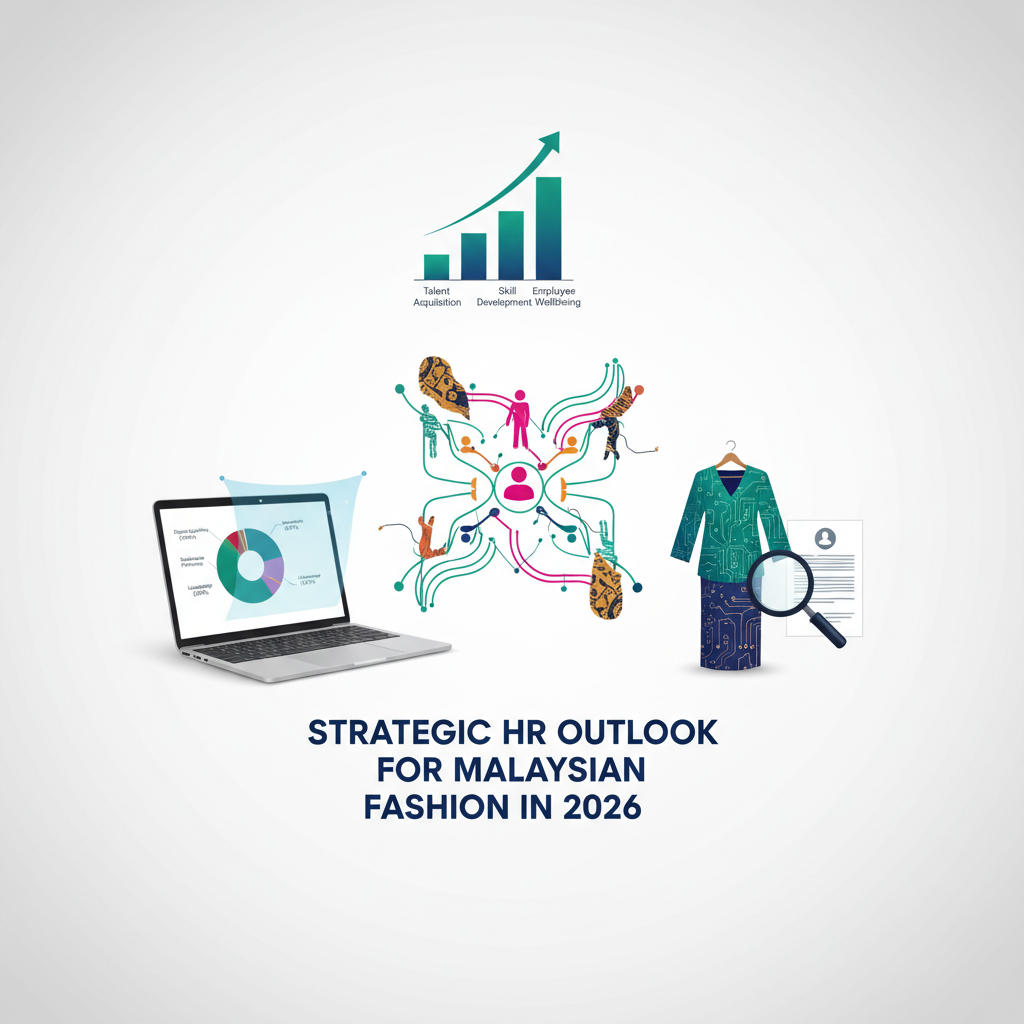
The days of relying solely on intuition for HR decisions are fast receding. By 2026, HR analytics will be indispensable for Malaysian fashion businesses aiming for a competitive edge. HR leaders must move beyond basic reporting to advanced predictive analytics, utilizing data to forecast talent needs, identify retention risks, optimize recruitment channels, and measure the true impact of HR initiatives. For instance, analyzing employee turnover patterns can reveal underlying issues in management, compensation, or work culture, allowing for targeted interventions. Performance data can inform personalized development plans, ensuring that the creative and technical skills within the fashion industry remain cutting-edge. Furthermore, understanding the ROI of training programs or well-being initiatives through data will justify investments and ensure resources are allocated effectively. This data-driven approach empowers HR to transition from an administrative function to a strategic partner, providing insights that directly influence the bottom line and inform critical business decisions for the Malaysian fashion sector.
2. Embracing Diversity, Equity, and Inclusion (DEI)
In a vibrant, multicultural nation like Malaysia, and an industry inherently driven by creativity and diverse expression, DEI is not merely a compliance checkbox but a powerful engine for innovation and market relevance. By 2026, HR strategies in Malaysian fashion must deeply embed DEI principles across all facets of the employee lifecycle. This includes implementing bias-free recruitment processes to attract a wider pool of talent, fostering an inclusive work environment where every voice feels heard and valued, and ensuring equitable opportunities for career growth and leadership. A diverse workforce brings a richer array of perspectives, which is crucial for a fashion industry constantly seeking fresh ideas and catering to varied consumer tastes. Companies that prioritize DEI are also more likely to attract and retain top talent, enhance employee engagement, and build a stronger, more authentic brand reputation, resonating with a socially conscious consumer base. According to the Deloitte Global Human Capital Trends report, organizations focusing on human sustainability, which encompasses DEI, are better positioned for future success.
3. Future-Proofing HR Policies & Practices
The pace of change demands that HR policies and practices in the Malaysian fashion industry be agile, adaptive, and forward-looking. By 2026, traditional rigid structures will be replaced by flexible frameworks designed to accommodate emerging work models (e.g., hybrid, remote, gig economy workers), evolving employee expectations for work-life balance, and the rapid integration of technologies like AI and automation. HR must champion continuous learning, developing robust upskilling and reskilling programs to ensure employees’ skills remain relevant in areas such as digital fashion design, e-commerce management, sustainable production, and supply chain transparency. Employee well-being initiatives will move beyond basic benefits to holistic support systems encompassing mental health, financial literacy, and physical wellness, recognizing their direct impact on productivity and retention. Policies must also address ethical AI use in HR, data privacy, and the evolving legal landscape surrounding new work arrangements. By proactively adapting and innovating its policies and practices, HR can equip the Malaysian fashion industry with a resilient, high-performing workforce ready to navigate the complexities and seize the opportunities of the future.
Partner with Shelby Global
You are looking for reliable HR Sevice Suppliers? Contact Shelby Global Now! To connect with verified talents and upgrade your orginization.
—————————————
References
– MATRADE: https://www.matrade.gov.my/documents/publications/matrade-news/1435-malaysian-fashion-designer-makes-waves-in-the-international-scene
– EY Malaysia Talent Trends Report: https://www.ey.com/en_my/people/malaysia-talent-trend-report-2023
– McKinsey’s reports on future workforce skills: https://www.mckinsey.com/capabilities/people-and-organizational-performance/our-insights/future-of-work
– Hays Salary Guide Malaysia: https://www.hays.com.my/salary-guide
– Deloitte Global Human Capital Trends report: https://www2.deloitte.com/us/en/insights/focus/human-capital-trends.html



































































































