Understanding the Current IT Talent Landscape in Malaysia
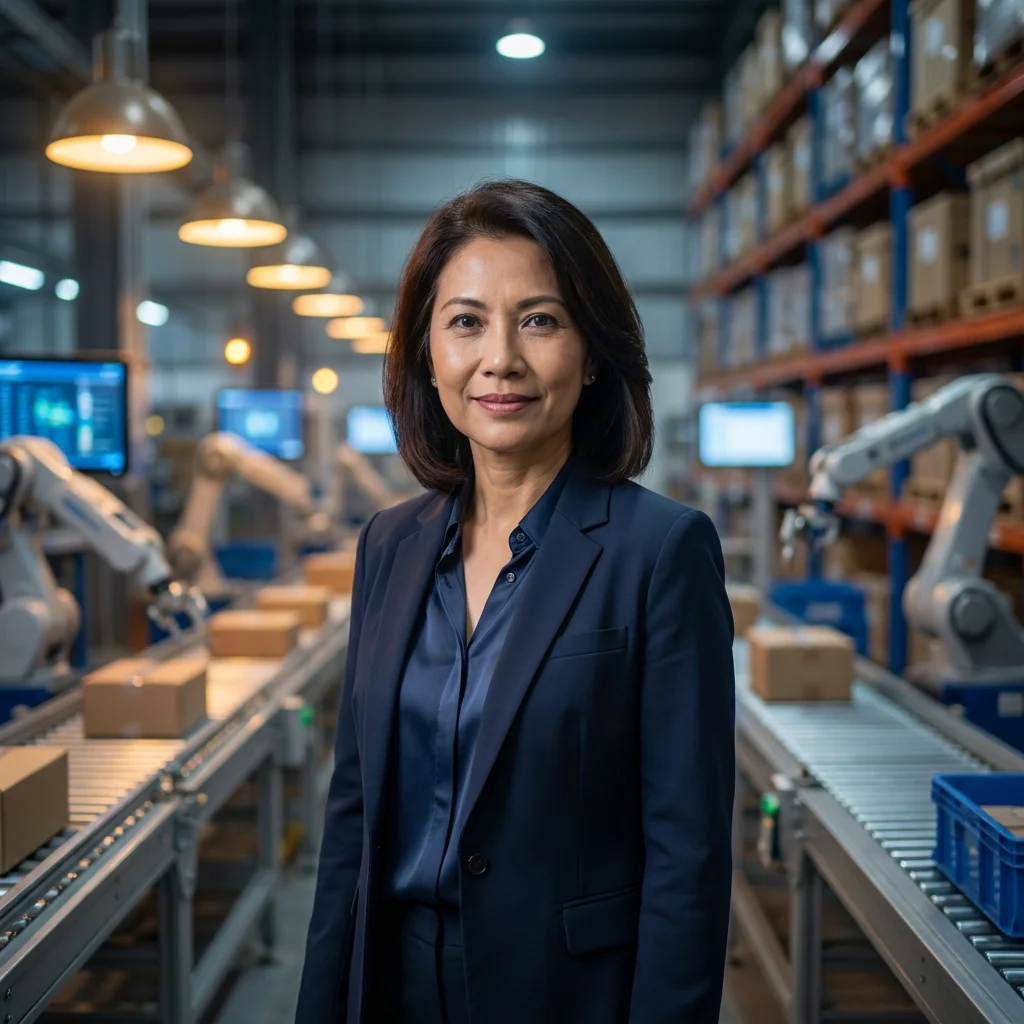
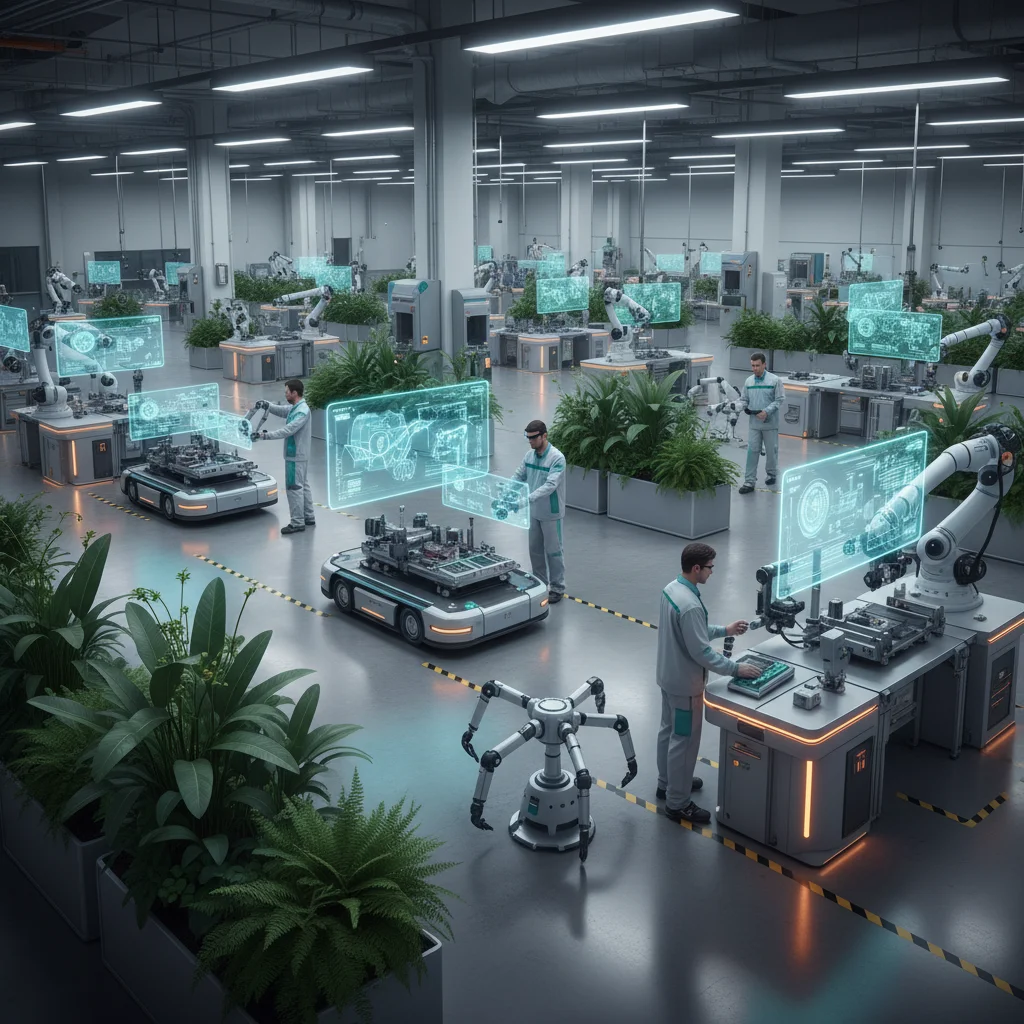
The Malaysian IT sector has consistently demonstrated robust growth, transforming the nation into a burgeoning hub for technological innovation and digital transformation in Southeast Asia. This section delves into the present state of the IT workforce, highlighting its significant expansion, key demographics, and the intricate supply-demand dynamics within the Malaysian context. Analyzing the current IT talent landscape in Malaysia is crucial for businesses aiming to strategize their human capital development and recruitment efforts effectively.

1. Growth Trajectory of Malaysia’s IT Sector Workforce
Malaysia’s digital economy, fueled by government initiatives like the Malaysia Digital (MD) initiative and strong foreign direct investment, has propelled an impressive growth trajectory for its IT sector workforce. The demand for skilled professionals across various tech domains has surged, reflecting the country’s rapid embrace of digitalization across industries. From large multinational corporations establishing regional tech hubs to a vibrant ecosystem of local startups, the need for IT professionals, including software developers, data scientists, cybersecurity experts, and cloud architects, continues to expand. This growth is further amplified by the ongoing digital transformation efforts in traditional sectors such as finance, manufacturing, and healthcare. The focus on developing a high-income, knowledge-based economy means that investments in digital infrastructure and talent development are prioritized, ensuring a steady increase in job opportunities within the IT workforce Malaysia. According to the Malaysia Digital Economy Corporation (MDEC), the digital economy is expected to contribute significantly to the nation’s GDP, underscoring the escalating demand for a skilled Malaysian IT sector growth workforce. This sustained expansion presents both opportunities and challenges for talent acquisition and retention.
2. Key Demographics and Skill Distribution Among IT Professionals
An examination of the key demographics within Malaysia’s IT professional landscape reveals a dynamic mix. The workforce is predominantly young, with a significant portion under 35, reflecting the appeal of tech careers to recent graduates and younger generations. While efforts are underway to promote gender diversity, the sector, like many global counterparts, still sees a higher male representation. Educationally, the majority hold bachelor’s degrees or higher in computer science, information technology, engineering, or related fields, with a growing number pursuing specialized certifications. The distribution of skills highlights areas of intense demand, particularly in emerging technologies. Expertise in Artificial Intelligence (AI) and Machine Learning (ML), big data analytics, cloud computing (AWS, Azure, Google Cloud), cybersecurity, and full-stack development are highly sought after. There is a persistent need for professionals with robust problem-solving skills, adaptability, and a capacity for continuous learning, given the fast-evolving nature of technology. Addressing the existing skill gaps, particularly in advanced digital competencies, remains a priority to ensure Malaysia’s competitive edge in the global digital arena and to meet the evolving IT skill demand Malaysia. Insights from various HR report of IT field in Malaysia often highlight these critical areas for upskilling and reskilling initiatives.
3. Impact of Remote Work and Hybrid Models on IT Employment
The COVID-19 pandemic irrevocably altered the work landscape, particularly for the IT sector, leading to a widespread adoption of remote work IT Malaysia and subsequent hybrid models. This shift has had a profound impact on IT employment, offering both significant advantages and unique challenges. On the positive side, remote work has expanded the talent pool, allowing companies to hire skilled individuals from across the country, not just major urban centers, thereby potentially easing some talent shortages. It has also offered greater flexibility and improved work-life balance for employees, contributing to higher job satisfaction and potentially better retention rates. However, challenges include ensuring effective collaboration, maintaining team cohesion, managing cybersecurity risks for distributed teams, and providing adequate infrastructure support for home offices. Many organizations are now opting for hybrid work IT Malaysia, blending in-office days with remote work, striving for the best of both worlds – fostering innovation and team interaction while retaining flexibility. This trend necessitates robust digital tools, clear communication protocols, and a culture of trust. The preference for flexible work arrangements is now a key factor for IT professionals when considering job opportunities, making a well-articulated remote or hybrid policy essential for attracting top tech talent supply-demand Malaysia and remaining competitive in the current talent market. The ability to adapt to these evolving work models is critical for businesses navigating the modern Malaysian IT landscape.
Key Challenges and Opportunities in IT HR Management
The rapidly evolving technology landscape presents unique and significant hurdles for HR professionals. This section explores the significant hurdles HR professionals face in the IT field, such as persistent talent scarcity, fierce competition for skilled professionals, and critical retention issues, alongside emerging opportunities like strategic upskilling initiatives, innovative talent acquisition strategies, and the transformative potential of HR automation. Understanding these dynamics is crucial for any HR report of IT field in Malaysia.
1. Addressing the Persistent IT Talent Shortage and Skill Gaps
The digital economy’s insatiable demand for technology professionals has created a persistent IT talent shortage globally, and Malaysia is no exception. HR departments in the IT field are constantly grappling with a supply-demand imbalance, making effective talent acquisition a paramount challenge. Companies are not only competing for a limited pool of experienced individuals but also struggling to find candidates with the cutting-edge skills required for areas like artificial intelligence, cybersecurity, and cloud computing. Bridging these skill gaps necessitates proactive strategies focusing on continuous learning and development. Investing in robust skill development programs, reskilling existing employees, and forging partnerships with educational institutions are vital. This approach not only helps cultivate internal expertise but also signals a commitment to growth, enhancing employer branding. Furthermore, a comprehensive future of work trends analysis, such as those presented in global reports, highlights the accelerating pace of skill obsolescence, underscoring the urgency for agile learning frameworks.
2. Strategies for Enhancing Employee Engagement and Retention in Tech
Beyond recruitment, retaining top IT talent is an equally formidable task. The highly competitive nature of the tech industry means employees often have numerous opportunities, making employee engagement and retention critical to success. High turnover rates lead to significant costs and loss of institutional knowledge. HR professionals must implement multifaceted strategies that go beyond just competitive compensation. Fostering a positive work culture that prioritizes employee well-being, offers clear career progression paths, and provides opportunities for meaningful work is essential. Flexible work arrangements, including remote work challenges and hybrid models, have become non-negotiable expectations, and companies must adapt their policies to support a modern workforce. Effective succession planning also plays a crucial role, ensuring a pipeline of future leaders and demonstrating commitment to employee growth. Regular feedback mechanisms, recognition programs, and initiatives that promote work-life balance contribute significantly to higher job satisfaction and loyalty among tech professionals.
3. Leveraging HR Tech for Efficient IT Workforce Management
The rapid digital transformation impacting all industries offers significant opportunities for HR within the IT sector itself. By leveraging advanced HR technology, organizations can streamline processes, gain deeper insights into their workforce, and improve overall efficiency. HR tech solutions, including AI-powered recruitment platforms, automated onboarding systems, and sophisticated performance management tools, can significantly reduce administrative burdens, allowing HR professionals to focus on strategic initiatives. Data analytics derived from HR systems provide invaluable insights into workforce planning, identifying trends in talent acquisition, turnover, and skill development needs. This data-driven approach enables predictive modeling for staffing requirements, optimizing resource allocation, and ensuring the IT workforce is agile and responsive to business demands. Embracing digital transformation within HR operations is not just about efficiency; it’s about creating a more personalized and engaging employee experience, ultimately positioning the organization as an attractive employer in the highly competitive IT talent market.
Compensation and Benefits Benchmarking for IT Roles
Understanding the intricacies of compensation and benefits is paramount for attracting, retaining, and motivating top talent within Malaysia’s rapidly evolving technology landscape. This section provides a comprehensive deep dive into the salary structures, benefits packages, and prevailing compensation trends specifically tailored for various IT roles across different experience levels. As part of a larger HR report of IT field in Malaysia, this analysis equips HR professionals, business leaders, and aspiring tech talent with critical insights needed to navigate the competitive IT job market effectively. We explore how economic shifts, inflation, and the ongoing demand for specialized skills are shaping the remuneration strategies within the Malaysian tech sector.
-
Average Salary Ranges for In-demand IT Positions
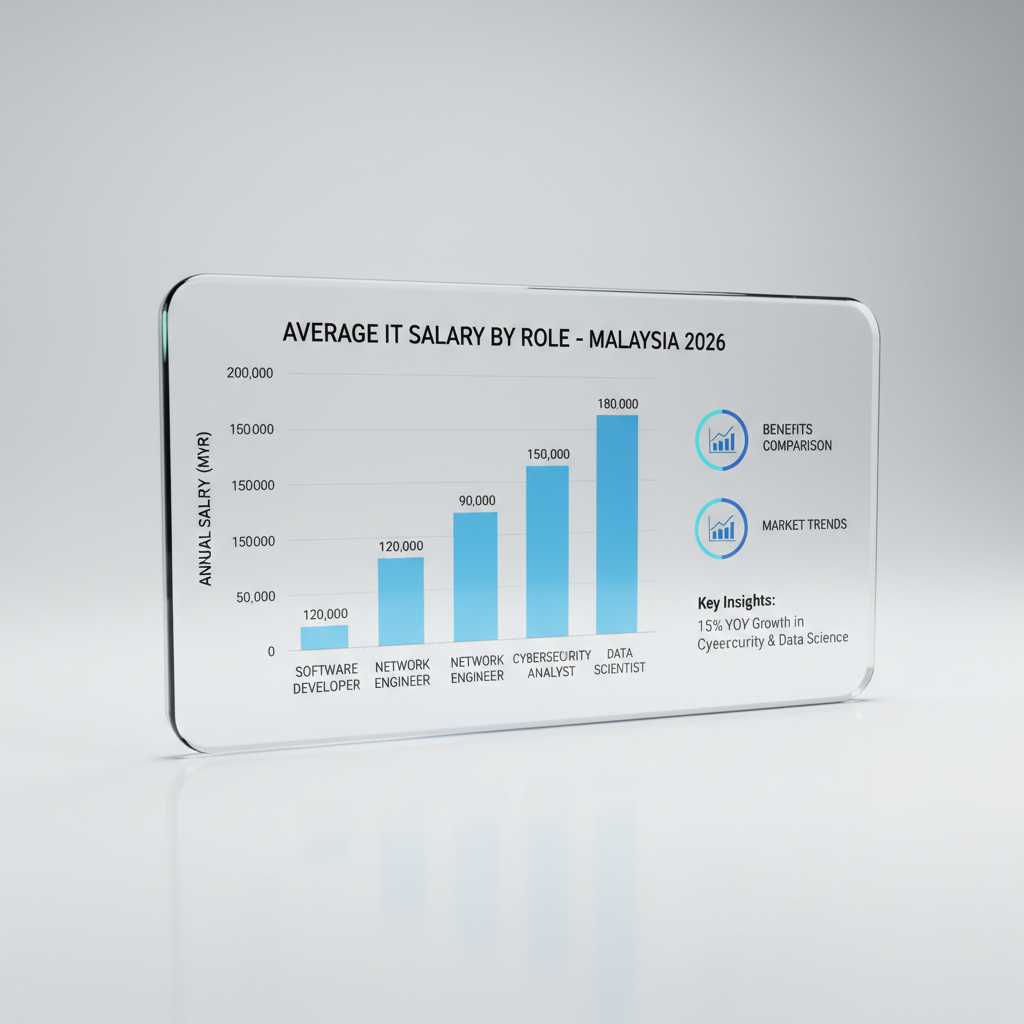
Malaysia’s digital transformation initiatives continue to fuel an insatiable demand for skilled IT professionals, driving dynamic shifts in salary benchmarks. Key in-demand roles, such as Software Developers (especially those proficient in AI/ML, cloud, and cybersecurity), Data Scientists, DevOps Engineers, and UI/UX Designers, consistently command higher compensation. Entry-level positions for these roles might range from RM 3,500 to RM 6,000 monthly, depending on specific technologies and company size. Mid-level professionals with 3-7 years of experience can expect salaries between RM 7,000 and RM 15,000, while senior specialists and lead roles can easily exceed RM 18,000 to RM 25,000, and even higher for niche expertise and leadership positions. Companies are increasingly willing to invest in talent that brings innovation and drives digital growth, leading to competitive salary increments year-on-year for high performers. Geographic location within Malaysia also plays a role, with Kuala Lumpur and other urban tech hubs typically offering higher remuneration packages. This segment of the HR report of IT field in Malaysia highlights the importance of staying updated with specific skill demands to optimize salary offerings.
-
Popular Employee Benefits and Perks in the Malaysian IT Industry
Beyond competitive base salaries, a robust and attractive benefits package is crucial for talent acquisition and retention in the Malaysian IT sector. Traditional benefits like EPF contributions, SOCSO, and health insurance remain fundamental, but modern tech companies are increasingly differentiating themselves through progressive perks. Flexible work arrangements, including hybrid models and remote work options, have become highly sought-after. Professional development opportunities, such as certifications, workshops, and access to online learning platforms, are highly valued by IT professionals keen on upskilling. Other popular benefits include mental wellness programs, expanded leave policies (e.g., paternity/maternity, sabbatical), gym memberships, company-sponsored tech gadgets, and performance-based bonuses or stock options. A well-rounded benefits strategy not only enhances employee satisfaction but also reinforces a positive company culture, positioning the organization as an employer of choice. To gain deeper insights into the specific strategies adopted by leading tech firms in the region, refer to our comprehensive HR report of IT field in Malaysia, which delves into current best practices and future trends in employee welfare.
-
Impact of Inflation and Economic Factors on IT Compensation
The Malaysian IT compensation landscape is not immune to broader economic forces, with inflation and global economic trends playing a significant role in shaping salary adjustments and benefits offerings. Rising inflation rates, as observed in recent years, exert pressure on employers to review and revise salary scales to maintain the purchasing power of their employees and prevent attrition. Companies are adopting various strategies, including annual salary reviews, mid-year adjustments, and performance-based incentives, to mitigate the impact of inflation. Economic downturns, while potentially slowing down hiring, often lead to a greater emphasis on retaining key talent through competitive packages and non-monetary benefits. Furthermore, the strong Ringgit against certain currencies can influence the attractiveness of local roles compared to remote opportunities offered by foreign companies. For a detailed perspective on how these economic factors are specifically impacting the tech talent market, the Randstad Malaysia Market Outlook 2024 provides valuable insights into current wage pressures and recruitment trends, offering a broader context for HR practitioners navigating these challenges. Understanding these macro-economic influences is vital for developing sustainable and attractive compensation strategies.
In conclusion, the remuneration landscape for IT professionals in Malaysia is dynamic and multifaceted. A strategic approach to compensation and benefits benchmarking, informed by current market trends, economic indicators, and employee expectations, is crucial for securing and retaining top-tier tech talent, ultimately contributing to the success and innovation within the industry.
Diversity, Equity, and Inclusion (DEI) in Malaysian IT
Examines the state of DEI initiatives within the IT sector, discussing the importance of a diverse workforce, inclusive practices, and their impact on innovation and company culture.
The Malaysian IT sector stands at the cusp of significant growth, driven by digital transformation and a burgeoning startup ecosystem. As the industry matures, the imperative for Diversity, Equity, and Inclusion (DEI) intensifies, moving beyond a mere buzzword to a fundamental strategic pillar. A robust DEI framework is crucial for fostering innovation, enhancing employee engagement, and ensuring sustainable growth. Understanding the current landscape and future potential of DEI is vital for any comprehensive HR report of IT field in malaysia, reflecting the industry’s commitment to creating equitable opportunities and a thriving work environment for all.
1.
Current Representation of Diverse Groups in IT Roles
While Malaysia prides itself on its multicultural fabric, this diversity is not always proportionally reflected across all levels and roles within the IT sector. Studies and anecdotal evidence suggest that while there’s a general acknowledgment of the need for a diverse workforce, specific areas require focused attention. Gender diversity in tech, for instance, remains a critical challenge, with women often underrepresented in technical roles and leadership positions. While efforts like women-in-tech initiatives are gaining traction, the pace of change needs acceleration. Beyond gender, ethnic representation across various management tiers, socio-economic backgrounds, age groups, and individuals with disabilities often lags, indicating systemic barriers. Companies need to move beyond tokenism and actively work towards equitable representation. Effective DEI initiatives begin with understanding the current state through data collection and analysis, which can reveal unconscious biases in hiring and promotion processes. This baseline understanding is critical for setting measurable goals and tracking progress towards a truly inclusive environment where diverse perspectives are valued.
2.
Best Practices for Promoting Inclusive Hiring and Workplace Culture
Achieving true diversity extends far beyond recruitment numbers; it demands a fundamental shift in both hiring practices and workplace culture. For inclusive hiring practices, companies should implement blind resume reviews to mitigate unconscious bias, establish diverse interview panels, and set clear, objective criteria for evaluation. Expanding outreach to non-traditional talent pools, including vocational schools, community programs, and return-to-work initiatives, can broaden the candidate pipeline. Furthermore, robust anti-discrimination policies and regular training on unconscious bias are essential for all employees, particularly hiring managers. Once employees are on board, fostering an inclusive workplace culture becomes paramount. This involves creating psychologically safe spaces where employees feel comfortable expressing their ideas and concerns. Flexible work arrangements, comprehensive mentorship and sponsorship programs, and the establishment of Employee Resource Groups (ERGs) can significantly boost employee engagement and belonging. Leadership commitment is non-negotiable; leaders must actively champion DEI, model inclusive behaviors, and hold themselves accountable for creating an environment where every individual feels valued and has equal opportunities to thrive. Regular feedback mechanisms and anonymous surveys can help gauge the effectiveness of DEI efforts and identify areas for improvement.
3.
The Business Case for DEI in Tech: Innovation and Performance
The benefits of DEI extend far beyond social responsibility; they form a compelling business case directly impacting innovation and overall company performance. Diverse teams, composed of individuals with varied backgrounds, experiences, and perspectives, are inherently better at problem-solving and driving innovation. They challenge conventional thinking, leading to more creative solutions, superior product development, and a deeper understanding of diverse customer bases. Research consistently demonstrates that companies with higher levels of diversity outperform their less diverse counterparts financially. For instance, a groundbreaking report by McKinsey & Company titled “Diversity Wins: How Inclusion Matters” highlighted that companies in the top quartile for ethnic and cultural diversity on their executive teams were 36% more likely to have above-average profitability. Moreover, a strong commitment to DEI enhances talent attraction and retention, particularly among younger generations who prioritize ethical and inclusive employers. This leads to reduced turnover, lower recruitment costs, and a more stable, engaged workforce. Ultimately, a truly diverse and inclusive company culture fosters a sense of belonging, empowering employees to bring their full selves to work, which translates into higher productivity, improved decision-making, and a stronger competitive edge in the global IT landscape. Embracing DEI is not just the right thing to do; it’s a strategic imperative for long-term success in the dynamic Malaysian IT sector.
Future Outlook and Strategic Recommendations for 2026
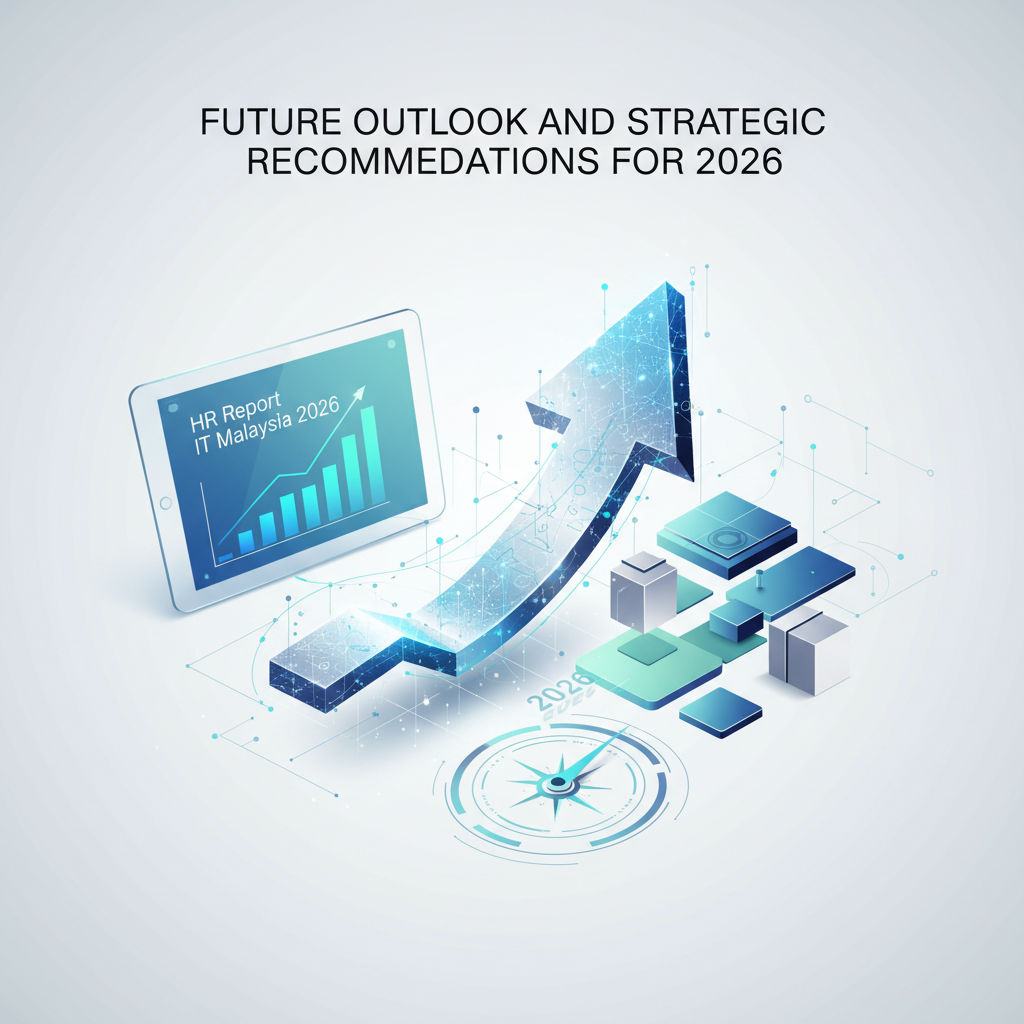
As the Malaysian IT landscape continues its rapid evolution, driven by digital transformation and global economic shifts, understanding the future of Human Resources is paramount. This section offers forward-looking insights into the HR report of IT field in malaysia, identifying emerging trends, anticipated challenges, and actionable recommendations for organizations aiming to secure their talent pipeline and foster sustainable growth through 2026 and beyond. The insights presented here are crucial for navigating the complexities of talent acquisition, retention, and development in a highly competitive market.
-
Anticipated Skill Demands and Emerging Technologies
The trajectory of technology in Malaysia’s IT sector dictates a significant shift in required skill sets. By 2026, the demand for specialists in Artificial Intelligence (AI), Machine Learning (ML), cybersecurity, cloud computing, and data analytics will intensify exponentially. Beyond technical prowess, companies will increasingly prioritize soft skills such as critical thinking, adaptability, problem-solving, and emotional intelligence, which are harder to automate and crucial for collaborative innovation. Emerging technologies like blockchain, quantum computing, and advanced robotics, while perhaps not mainstream by 2026, will begin to influence niche roles and necessitate early talent scouting and upskilling initiatives. HR departments must proactively identify these future-proof skills by collaborating closely with IT leadership and leveraging market intelligence. This proactive approach is vital for anticipating challenges related to skill gaps and ensuring that training programs are aligned with future business needs, rather than reacting to current shortages. Organizations failing to invest in continuous learning platforms and talent transformation risk falling behind in the race for innovation.
-
Strategic Workforce Planning for Long-term IT Talent Sustainability
Effective workforce planning is no longer a luxury but a strategic imperative for long-term IT talent sustainability in Malaysia. Organizations must move beyond short-term recruitment drives and implement robust frameworks that forecast talent needs several years in advance. This involves comprehensive skills gap analyses, succession planning for critical roles, and developing agile talent pools capable of adapting to technological shifts. Embracing a hybrid work model, which has gained significant traction, will remain a key component of talent attraction and retention strategies, offering flexibility and access to a wider talent pool beyond geographical constraints. Furthermore, fostering a strong employer brand that emphasizes innovation, continuous learning, and employee well-being will be crucial. HR leaders should focus on creating compelling employee value propositions (EVPs) that resonate with the digital-native workforce, promoting diversity, equity, and inclusion (DEI) not just as a compliance measure but as a core driver of innovation and organizational resilience. Understanding the nuances of the local IT talent market, as detailed in this comprehensive HR report of IT field in malaysia, will allow companies to craft targeted and effective talent strategies. For further insights into global skill demand trends, reputable sources like the World Economic Forum offer valuable perspectives on the future of jobs.
-
Policy Recommendations for Government and Industry Stakeholders
To foster a thriving IT ecosystem and ensure a sustainable supply of skilled professionals, coordinated efforts from government and industry stakeholders are essential.
- Government: Policymakers should accelerate initiatives promoting STEM education, digital literacy, and vocational training tailored to future IT demands. Incentivizing R&D in emerging technologies, offering tax breaks for companies investing in talent development, and streamlining visa processes for highly skilled foreign IT professionals can attract and retain top global talent. Creating robust data protection and privacy regulations will also build confidence and foster growth in data-intensive sectors.
- Industry: IT companies should collaborate on industry-wide mentorship programs, apprenticeships, and university partnerships to bridge the academic-industry gap. Sharing best practices in talent management, investing in industry-specific training consortia, and advocating for policies that support a competitive and ethical labor market will strengthen the entire sector. A collective approach to addressing anticipated challenges like talent scarcity and wage inflation will benefit all players, ensuring that Malaysia remains an attractive hub for IT innovation and investment. This collaborative synergy is critical for addressing the findings and recommendations highlighted in this HR report of IT field in malaysia.
Partner with Shelby Global
You are looking for reliable HR Sevice Suppliers? Contact Shelby Global Now! To connect with verified talents and upgrade your orginization.
—————————————
References
– :
– future of work trends: https://www.weforum.org/publications/the-future-of-jobs-report-2023/
– Randstad Malaysia Market Outlook 2024: https://www.randstad.com.my/hr-resources/randstad-market-outlook-2024-report/
– Diversity Wins: How Inclusion Matters: https://www.mckinsey.com/capabilities/people-and-organizational-performance/our-insights/diversity-wins-how-inclusion-matters
– World Economic Forum: https://www.weforum.org/reports/the-future-of-jobs-report-2023/