
Current Landscape & Key Demographics of Malaysia’s Logistics Workforce
Malaysia’s logistics sector stands as a vital artery of its economy, characterized by dynamic expansion and strategic importance within global supply chains. This comprehensive HR report of logistics field in Malaysia provides an in-depth overview of the current state of human resources within this vibrant industry, detailing its robust growth trajectory, essential workforce characteristics, and the evolving demands placed upon its talent pool. As a crucial nexus for international trade and domestic distribution, the industry’s sustained growth heavily relies on a skilled, adaptable, and diverse workforce. Understanding the prevailing logistics sector HR trends and demographics is paramount for all stakeholders committed to fostering sustainable talent strategies and navigating future challenges.

1. Industry Growth Drivers and Economic Contributions
The Malaysia logistics industry growth is propelled by a confluence of powerful drivers. The nation’s strategic geographical location, coupled with robust government support through initiatives like the National Logistics and Trade Facilitation Masterplan, has solidified its position as a regional hub. Surging e-commerce penetration, particularly post-pandemic, has exponentially increased demand for warehousing, last-mile delivery, and express courier services. Furthermore, Malaysia’s strong manufacturing base, especially in electrical and electronics (E&E) and automotive sectors, continuously generates high volumes of cargo movement, demanding sophisticated supply chain solutions. The sector’s economic contribution is substantial, playing a pivotal role in GDP growth and job creation. It facilitates seamless trade, enhancing the competitiveness of Malaysian businesses on a global scale. According to the Malaysian Investment Development Authority (MIDA), the logistics and transport sector continues to attract significant investments, underscoring its pivotal role in the nation’s economic framework and future prosperity. This growth trajectory necessitates a continuous influx of talent, creating dynamic opportunities and challenges for logistics employment.
2. Workforce Size, Composition, and Diversity (Local vs. Foreign Talent)
The logistics workforce in Malaysia is a diverse and substantial segment of the national labor market. While precise real-time figures fluctuate, estimates suggest hundreds of thousands are directly employed across various sub-sectors, including freight forwarding, warehousing, transportation, and express delivery services. The workforce composition is characterized by a blend of local and foreign talent. Local talent typically dominates managerial, technical, and skilled operational roles, especially in complex supply chain management and technology adoption. However, foreign workers often fill labor-intensive roles in warehousing, driving, and manual handling, particularly in areas where local supply struggles to meet demand. This reliance on foreign labor, while addressing immediate needs, also presents unique logistics workforce challenges Malaysia related to training, integration, and ensuring equitable labor practices. Efforts are underway to upskill local talent and encourage automation to reduce dependency on foreign labor. Furthermore, the industry is seeing a gradual increase in youth participation and gender diversity, although traditional perceptions often require concerted efforts in talent development logistics Malaysia to attract and retain a broader pool of skilled professionals.
3. Key Geographic Clusters and Their HR Footprint
Malaysia’s logistics activities are heavily concentrated around specific geographic clusters, each developing a distinct HR footprint. The Klang Valley, anchored by Port Klang – one of the world’s busiest container ports – and Kuala Lumpur International Airport (KLIA), represents the largest and most diverse logistics hub. This area boasts a high concentration of freight forwarders, third-party logistics (3PL) providers, express couriers, and distribution centers, demanding a broad spectrum of HR roles from administrative to highly specialized supply chain planners and IT professionals. Johor, particularly around Iskandar Malaysia and close to Singapore, is another critical cluster, focusing on cross-border logistics, warehousing, and manufacturing support. Penang, serving the northern industrial corridor, specializes in high-value manufacturing logistics, requiring skilled labor in precision handling and just-in-time delivery. These clusters face varying logistics automation impact Malaysia, with some adopting advanced technologies faster than others, directly influencing the demand for digital skills and continuous reskilling. The presence of numerous industrial parks and Free Trade Zones within these regions further fuels the demand for supply chain employment Malaysia, shaping regional labor markets and emphasizing the need for targeted HR strategies to attract, train, and retain the necessary talent.
Talent Acquisition & Retention Challenges in Malaysian Logistics
The Malaysian logistics sector, a vital artery for the nation’s trade and economy, is experiencing robust growth fueled by e-commerce expansion, regional integration, and infrastructure development. However, this promising trajectory is shadowed by significant hurdles in attracting, hiring, and retaining skilled professionals. A comprehensive look, akin to an HR report of logistics field in malaysia, reveals a landscape where the demand for talent increasingly outstrips supply, threatening the sector’s long-term sustainability and competitive edge. Companies are grappling with a multifaceted problem, from the rapid evolution of required skill sets to intense competition for specialized roles and the persistent challenge of fostering employee loyalty in a dynamic market. Addressing these talent gaps is not merely an HR function but a strategic imperative for the industry’s future, especially as the logistics sector is grappling with manpower woes.
-
Addressing Critical Skill Gaps (Digitalization, Automation, Data Analytics)
The global logistics industry is undergoing a profound transformation driven by Industry 4.0 technologies. In Malaysia, this digital revolution is creating a pressing need for a logistics workforce Malaysia proficient in areas such as digitalization, automation, and data analytics. Traditional logistics operations, once heavily reliant on manual processes, are rapidly integrating technologies like Artificial Intelligence (AI) for predictive analytics, Internet of Things (IoT) for real-time tracking, Robotic Process Automation (RPA) in warehouses, and sophisticated Warehouse Management Systems (WMS). This shift necessitates employees who are not only digitally literate but possess advanced warehouse automation skills, interpreting complex data for supply chain optimization, and utilizing cloud-based platforms. The existing workforce often lacks these competencies, creating a significant “skills mismatch” and contributing to broader supply chain talent challenges. Educational institutions and vocational training centers are struggling to produce graduates with these contemporary skills at the required pace, leaving logistics companies to invest heavily in upskilling and reskilling programs, often playing catch-up in a fast-evolving technological landscape. This gap directly impacts efficiency, decision-making capabilities, and the ability of Malaysian logistics firms to compete on a global scale.
-
Competition for Specialized Roles (Drivers, Warehouse Managers, Supply Chain Analysts)
Beyond the emerging digital skill gaps, Malaysian logistics companies face intense competition for specific, critical roles that form the backbone of their operations. The driver shortage Malaysia remains a pervasive issue. This problem is exacerbated by an aging workforce, the physically demanding nature of the job, long hours, and often a perceived lack of career progression, pushing younger generations towards alternative employment in the gig economy or other sectors. Similarly, proficient warehouse managers are in high demand. Modern warehouses are complex ecosystems requiring managers who can oversee automation, optimize inventory flow using advanced WMS, manage diverse teams, and implement efficient safety protocols. The pool of candidates with this blend of operational and technological expertise is limited, leading to fierce bidding wars among employers. Furthermore, the increasing complexity of global supply chains has elevated the importance of supply chain analysts. These professionals, equipped with strong analytical skills, business acumen, and often an understanding of predictive modeling, are crucial for forecasting demand, optimizing routes, reducing costs, and mitigating risks. They are highly sought after, not just within logistics but across various industries, making their acquisition and retention particularly challenging for the logistics industry HR departments. This competition often drives up recruitment costs and extends hiring timelines.
-
Strategies for Enhancing Employee Engagement and Reducing Turnover
Addressing talent acquisition is only half the battle; retaining skilled professionals is equally, if not more, critical for the long-term health of the Malaysian logistics sector. High employee turnover can lead to increased recruitment and training costs, loss of institutional knowledge, and disruption of operations. To counter this, companies must implement comprehensive strategies focused on enhancing employee engagement and fostering a positive work environment. This begins with competitive compensation and benefits packages that reflect industry benchmarks and reward performance. Beyond monetary incentives, offering clear career development paths, opportunities for continuous learning, and professional upskilling (especially in digital and analytical areas) can significantly boost loyalty, contributing positively to talent retention logistics efforts. Mentorship programs, cross-functional training, and internal promotion opportunities demonstrate a commitment to employee growth. Furthermore, prioritizing work-life balance, fostering a culture of recognition, and ensuring transparent communication can cultivate a sense of belonging and value. Leveraging insights from a detailed HR report of logistics field in malaysia can help companies tailor these strategies to specific demographic and role-based needs, transforming their workplaces into attractive environments where talent can thrive and commit for the long haul. Ultimately, a proactive approach to engagement and retention is key to building a resilient and high-performing logistics workforce.
Technology’s Transformative Impact on Logistics HR in Malaysia
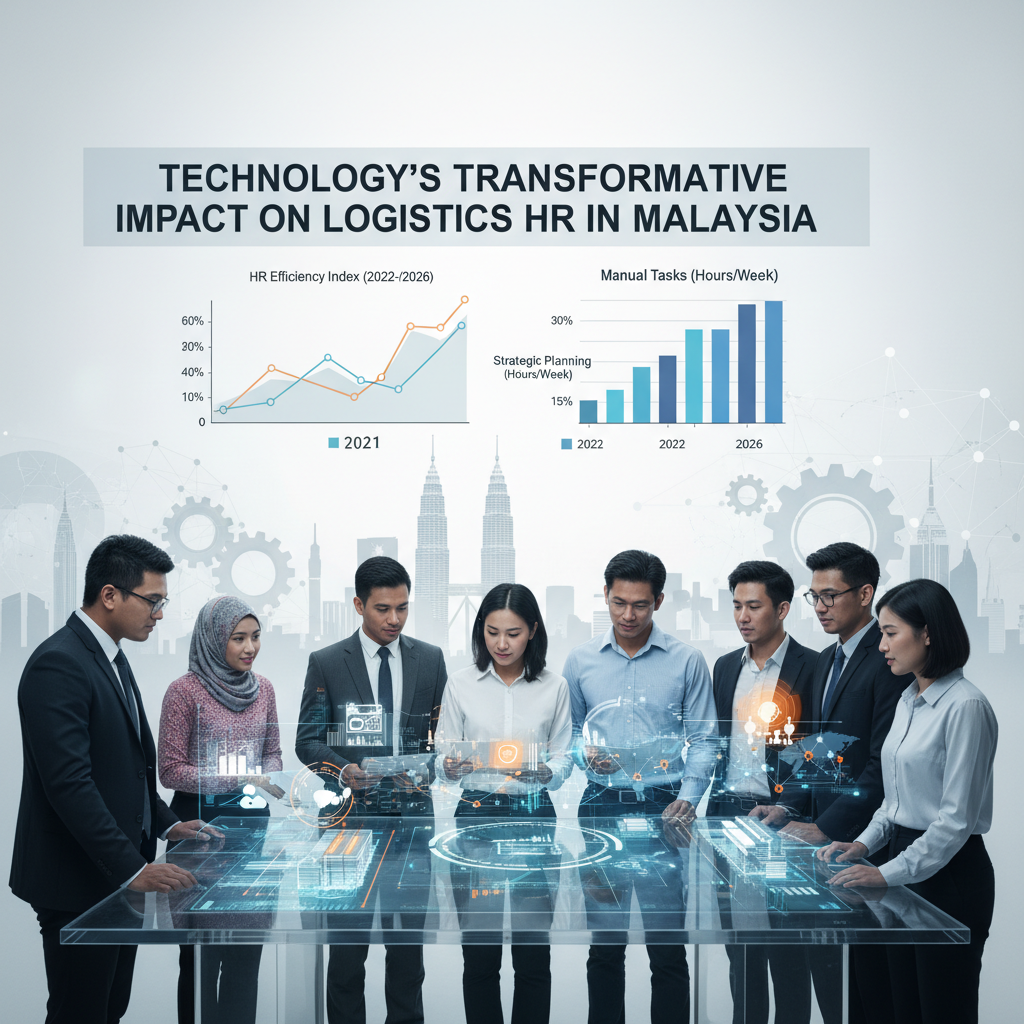
The Malaysian logistics sector, a vital pillar of the nation’s economy, is undergoing a profound metamorphosis driven by rapid technological advancements. This necessitates a critical analysis for any comprehensive HR report of logistics field in malaysia, as emerging technologies such as automation, Artificial Intelligence (AI), and the Internet of Things (IoT) are fundamentally reshaping job roles, redefining essential skill requirements, and significantly enhancing operational efficiencies across the supply chain. This technological wave is not merely an incremental change; it represents a paradigm shift that demands proactive strategies from Human Resources departments to ensure the workforce remains competitive, adaptable, and future-ready. Understanding the intricacies of this transformation is paramount for talent development and retention in a dynamically evolving industry.
1. Automation and Robotics in Warehousing and Fulfillment Centers
The rise of automation and robotics in Malaysian warehousing and fulfillment centers is perhaps the most visible aspect of this technological revolution. From automated guided vehicles (AGVs) transporting goods to robotic arms picking and packing, these technologies are streamlining operations, reducing human error, and accelerating order processing. While this leads to increased productivity and efficiency, it also triggers significant shifts in traditional job roles. Manual labor-intensive positions are being reduced or reconfigured, creating a demand for new specialized roles. HR departments are now tasked with managing this transition, which involves identifying the new skill sets required for employees to operate, maintain, and troubleshoot these advanced systems. This necessitates a focus on areas like mechatronics, data interpretation from automated systems, and collaborative robotics, fundamentally altering the landscape of automation in logistics HR within the country. The shift moves from purely physical tasks to oversight, programming, and technical support, demanding a rethinking of workforce competencies and development strategies.
2. Digitalization of Supply Chain Management and Its HR Implications
Beyond the warehouse floor, the digitalization of supply chain management is leveraging AI, IoT, big data analytics, and blockchain to create more intelligent, transparent, and resilient logistics networks. IoT sensors provide real-time tracking of shipments, AI algorithms optimize routing and inventory management, and predictive analytics anticipate potential disruptions. For HR, this translates into a demand for a workforce proficient in digital tools and analytical thinking. Traditional roles like logistics coordinators and planners are evolving into data analysts and digital supply chain strategists. The ability to interpret complex data sets, understand AI-driven insights, and manage digital platforms becomes crucial. This transformation heavily impacts AI in supply chain jobs and the broader IoT in logistics workforce, requiring a strategic pivot in recruitment and training. Employees need to adapt to cloud-based systems, enterprise resource planning (ERP) software, and advanced analytics tools, making `digitalization of logistics HR` a core strategic imperative.
3. Upskilling and Reskilling Initiatives for a Tech-Driven Workforce
To navigate these technological shifts successfully, robust upskilling and reskilling initiatives are indispensable for Malaysia’s logistics sector. The existing workforce, many of whom possess valuable industry experience but may lack advanced digital or technical skills, must be equipped with the competencies needed for future roles. This includes training in areas such as robotic process automation (RPA) maintenance, data analytics, cybersecurity for logistics systems, and advanced software proficiency. HR departments are pivotal in designing and implementing these programs, often in collaboration with educational institutions and technology providers. The goal is to facilitate a seamless logistics skill transformation Malaysia, ensuring that employees can transition into new, value-added roles rather than being displaced. Investing in continuous learning not only boosts employee morale and retention but also guarantees a competent and adaptable workforce capable of harnessing technology for sustained growth. This strategic focus on reskilling logistics employees is crucial for maintaining Malaysia’s competitive edge in the global supply chain landscape, turning challenges into opportunities for growth and innovation.
Compensation, Benefits & Workplace Well-being in Logistics
In Malaysia’s highly dynamic and competitive logistics sector, attracting, retaining, and nurturing talent is paramount. This deep dive provides a comprehensive HR report of logistics field in malaysia, exploring critical pillars of compensation, evolving employee benefits, and proactive initiatives designed to promote health, safety, and a sustainable work-life balance. As the industry continues its rapid growth, understanding these elements becomes crucial for both employers aiming for operational excellence and professionals seeking rewarding career paths. Addressing talent retention logistics Malaysia requires a strategic approach that extends beyond base salaries to encompass a holistic employee experience.
1. Benchmarking Salaries Across Key Logistics Positions and Seniority Levels
Understanding Malaysian logistics salaries is essential for companies to remain competitive and for professionals to negotiate fair compensation. Salary benchmarks within the Malaysian logistics sector vary significantly based on position, experience, company size, and location. Entry-level roles, such as Warehouse Assistant or Junior Operations Executive, typically see salaries ranging from MYR 2,000 to MYR 3,500. Mid-level positions like Warehouse Supervisor, Logistics Coordinator, or Senior Freight Forwarding Executive command MYR 4,000 to MYR 7,000, depending on responsibilities and industry-specific expertise.
More senior and specialized positions, including Supply Chain Manager, Logistics Manager, or Head of Operations, can attract MYR 8,000 to MYR 15,000 or more, especially within multinational corporations. Highly sought-after roles requiring specific technological skills, such as Supply Chain Data Analysts or E-commerce Logistics Specialists, are increasingly seeing premium compensation packages. Drivers, a foundational component, also have varying scales based on vehicle type, routes, and certifications. For a detailed breakdown of current compensation trends and expected salaries across various roles, employers and job seekers can refer to authoritative resources such as the Hays Malaysia Salary Guide, which provides up-to-date industry benchmarks.
2. Evolving Employee Benefits and Non-Monetary Incentives
Beyond competitive salaries, the landscape of logistics employee benefits Malaysia is continuously evolving to meet employee expectations and combat talent shortages. Standard benefits include mandatory contributions to the Employees Provident Fund (EPF) and Social Security Organisation (SOCSO), alongside medical leave and annual leave. However, progressive logistics firms now offer a broader spectrum of benefits aimed at enhancing overall employee well-being and loyalty.
These evolving benefits often include comprehensive medical insurance (beyond basic hospitalization), dental and optical coverage, travel allowances, meal subsidies, and performance-based bonuses. Non-monetary incentives are also playing a crucial role in attracting and retaining talent. These can range from flexible working arrangements for administrative and planning roles, opportunities for professional development and upskilling (e.g., certifications in supply chain management), mentorship programs, and clear career progression paths. A focus on employee engagement, recognition programs, and fostering a positive work environment are powerful tools in differentiating an employer in a competitive market, significantly contributing to talent retention logistics Malaysia.
3. Promoting Health, Safety, and Mental Well-being in a Demanding Sector
The logistics sector is inherently demanding, often involving long hours, physical exertion, tight deadlines, and high-pressure environments. Therefore, promoting health, safety, and mental health in supply chain operations is not just a regulatory requirement but a strategic business advantage. Workplace safety logistics initiatives are paramount, encompassing strict adherence to Occupational Safety and Health Act (OSHA) regulations, regular safety training for all personnel (especially those handling machinery or driving), provision of appropriate Personal Protective Equipment (PPE), and maintenance of a safe working environment in warehouses and on the road.
Beyond physical safety, companies are increasingly recognizing the importance of addressing mental well-being. Initiatives include Employee Assistance Programs (EAPs) offering confidential counseling services, stress management workshops, mindfulness programs, and fostering a culture of open communication where employees feel comfortable discussing challenges. Encouraging logistics work-life balance through reasonable working hours, opportunities for rest, and support for personal development are also critical. Investing in these areas creates a sustainable and attractive workplace for current and future logistics professionals, benefiting both employees and the company’s overall success.
Future Outlook & Strategic HR Imperatives for Malaysia’s Logistics by 2026
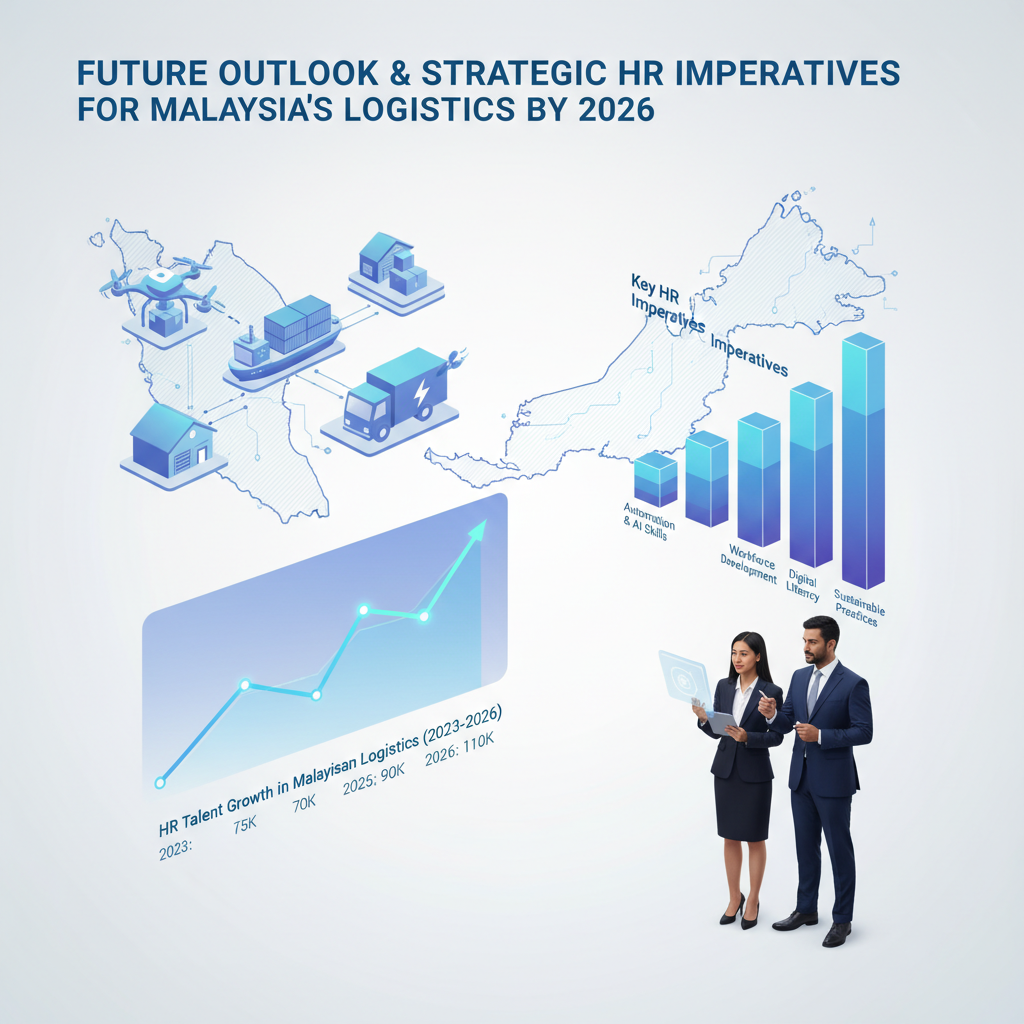
Malaysia’s logistics sector stands at the precipice of transformative change, driven by an accelerating digital economy, burgeoning e-commerce, and evolving global supply chain dynamics. As we project towards 2026, the strategic imperative for Human Resources (HR) becomes undeniably critical. This section of our comprehensive HR report of logistics field in malaysia delves into the future outlook, identifying key HR trends and outlining actionable strategies for logistics companies to cultivate a resilient, skilled, and competitive workforce capable of navigating the complexities and capitalizing on the opportunities ahead. Building a robust talent ecosystem is not just an operational necessity; it’s a cornerstone of sustainable growth and competitive advantage in the modern Malaysian logistics landscape.
1. Forecasting Workforce Demand and Supply Dynamics
The rapidly evolving nature of logistics demands sophisticated foresight in workforce planning. By 2026, several factors will significantly influence both the demand for and supply of talent within Malaysia’s logistics sector. On the demand side, the exponential growth of e-commerce continues to fuel the need for last-mile delivery personnel, warehouse operators, and supply chain specialists. Furthermore, the adoption of automation, AI, and data analytics in warehousing, fleet management, and inventory optimization is creating new demands for roles such as robotics technicians, data scientists, and IT security experts, while potentially shifting existing roles. Companies must actively anticipate these shifts, identifying emerging skill requirements long before they become critical gaps.
Conversely, the supply side presents its own set of challenges. An aging workforce, coupled with a perceived lack of attractiveness for careers in logistics among younger generations, contributes to potential talent shortages. The skills gap, particularly in digital competencies, advanced analytics, and cross-cultural communication, remains a significant hurdle. To counteract these pressures, logistics firms must invest in proactive workforce planning methodologies. This involves comprehensive skills gap analyses, scenario planning to model different market conditions, and engaging in strategic partnerships with vocational schools and universities to co-create relevant curricula. Understanding these dynamics is crucial for any forward-looking Malaysian logistics player aiming to build a future-proof workforce.
2. Developing Robust Talent Pipelines and Succession Planning
A sustainable logistics operation hinges on its ability to consistently attract, develop, and retain talent. By 2026, companies must prioritize the establishment of robust talent pipelines and strategic succession planning frameworks. Attracting new talent requires innovative employer branding initiatives that highlight career progression opportunities, technological integration, and the industry’s vital role in the economy. Partnerships with educational institutions for internships, apprenticeships, and graduate programs can serve as crucial feeders for entry-level positions, particularly focusing on attracting diverse talent, including women and youth, into the sector.
Beyond attraction, nurturing existing talent is paramount. Comprehensive learning and development programs focusing on both technical skills (e.g., operating new logistics software, managing autonomous vehicles) and soft skills (e.g., problem-solving, leadership, adaptability) are essential. For critical roles, especially in leadership and specialized technical areas, structured succession planning is non-negotiable. This involves identifying high-potential employees, providing targeted mentorship, cross-functional training, and clear career development paths. Effective retention strategies, encompassing competitive compensation, engaging work environments, and recognition programs, will ensure that cultivated talent remains within the organization, bolstering the overall workforce resilience outlined in this HR report of logistics field in malaysia.
3. Leveraging HR Analytics for Data-Driven Decision Making and Workforce Planning
In an increasingly data-rich environment, HR can no longer afford to operate purely on intuition. By 2026, leveraging HR analytics will transition from a competitive edge to a fundamental requirement for strategic workforce planning in Malaysian logistics. HR departments must move beyond basic reporting to embrace predictive analytics, providing insights into potential employee turnover, identifying critical skill gaps before they materialize, and optimizing recruitment channels for efficiency and quality.
Implementing advanced HR Information Systems (HRIS) capable of collecting and analyzing vast amounts of employee data will be key. This data can inform decisions on everything from training effectiveness and employee engagement initiatives to compensation strategies and organizational restructuring. By analyzing metrics related to productivity, absenteeism, retention rates, and skill inventories, logistics companies can make data-driven decisions that enhance operational efficiency, reduce costs, and improve employee satisfaction. Training HR professionals in data literacy and analytical tools will be crucial to unlock the full potential of HR analytics. This strategic shift empowers HR to be a true business partner, contributing quantifiable value and ensuring the logistics workforce is not only prepared for the future but actively shaped by informed, strategic choices.
Partner with Shelby Global
You are looking for reliable HR Sevice Suppliers? Contact Shelby Global Now! To connect with verified talents and upgrade your orginization.
—————————————
References
– :
– The Star: Logistics sector grappling with manpower woes: https://www.thestar.com.my/business/business-news/2023/07/26/logistics-sector-grappling-with-manpower-woes
– rethinking of workforce competencies: https://www.mckinsey.com/capabilities/operations/our-insights/automating-the-warehouse-is-within-reach-for-most-companies
– Hays Malaysia Salary Guide: https://www.hays.com.my/salary-guide
– World Bank Malaysia Economic Monitor: https://www.worldbank.org/en/country/malaysia/publication/malaysia-economic-monitor



































































































