
Understanding the Sales HR Landscape in Malaysia
Malaysia’s dynamic economic environment presents a unique blend of challenges and opportunities for HR professionals, particularly within its vibrant sales sector. As a rapidly developing nation with a diverse market and a burgeoning digital economy, the sales landscape demands agility, strategic thinking, and a deep understanding of human capital. For HR, this translates into a critical role in attracting, developing, and retaining top sales talent, all while navigating a complex regulatory framework and evolving workforce expectations. The ability to effectively manage and optimize sales teams is paramount for business growth, making a robust HR report of sale field in Malaysia not just beneficial, but essential for strategic decision-making and sustainable success.

1. Key Characteristics of the Malaysian Sales Workforce
The Malaysian sales workforce is characterized by its remarkable diversity, reflecting the nation’s multicultural fabric. Sales professionals often need to be adept at engaging with customers from various ethnic backgrounds, speaking multiple languages (Bahasa Malaysia, English, Mandarin, Tamil, etc.), and understanding different cultural nuances. This diversity is both a strength and a challenge, requiring HR to develop inclusive strategies for recruitment, training, and incentive programs. Furthermore, the workforce is increasingly youthful and digitally literate, with a growing expectation for career progression, flexible work arrangements, and continuous learning opportunities. Sales teams are inherently performance-driven, operating in a highly competitive market where talent scarcity for specialized roles can be a significant hurdle. HR’s role is to bridge this gap, ensuring that sales teams are not only skilled but also motivated and aligned with organizational objectives, often guided by comprehensive data from an HR report of sale field in Malaysia.
2. Regulatory Frameworks Impacting Sales HR
Navigating Malaysia’s legal and regulatory landscape is a critical aspect of HR management in the sales sector. The foundation is laid by the Malaysian Employment Act 1955, which governs fundamental aspects like terms of employment, working hours, leave entitlements, and termination procedures. For sales roles, understanding how commission structures, sales targets, and variable pay align with minimum wage orders and overtime regulations is crucial. The Personal Data Protection Act (PDPA) 2010 significantly impacts how HR handles employee performance data, customer databases, and sensitive information, necessitating stringent data privacy protocols. Additionally, the Industrial Relations Act 1967 provides guidelines for collective bargaining and dispute resolution, ensuring fair treatment and harmonious employee-employer relationships. HR professionals must stay abreast of these laws, ensuring full compliance to mitigate legal risks and foster an ethical working environment. Staying informed on these legal frameworks is vital for creating a robust and compliant HR strategy, especially when compiling an effective HR report of sale field in Malaysia.
3. The Role of HR in Sales Performance Management
HR’s contribution to sales performance extends far beyond administrative tasks; it is a strategic partnership essential for driving revenue. This begins with talent acquisition, where HR identifies and recruits individuals with the right blend of sales acumen, market knowledge, and cultural fit. Effective onboarding programs are then crucial to quickly integrate new hires into the sales culture and equip them with necessary product knowledge and tools. Training and development are continuous processes, focusing on enhancing selling techniques, product expertise, CRM proficiency, and critical soft skills. Perhaps one of the most impactful areas is compensation and benefits, where HR designs attractive, competitive, and compliant commission structures and incentive programs that truly motivate sales professionals to achieve and exceed targets. Performance monitoring and feedback mechanisms, including regular reviews and transparent KPI tracking, are vital for continuous improvement. This is where an insightful HR report of sale field in Malaysia provides invaluable data, offering insights into sales productivity, training effectiveness, attrition rates, and the ROI of various HR initiatives. By leveraging data analytics, HR can identify top performers, pinpoint areas for intervention, and develop targeted retention strategies, such as clear career progression paths and recognition programs, ultimately contributing directly to the sales team’s overall success and the company’s bottom line.
Essential Components of an HR Report for Sales
In the dynamic and competitive landscape of Malaysia’s sales sector, a well-structured and insightful HR report is not merely a formality—it’s a strategic asset. Tailored specifically for the sales field, such a report transcends basic headcount figures to offer actionable intelligence crucial for optimizing performance, fostering talent, and driving revenue growth. By meticulously detailing key human capital metrics, an effective HR report of sale field in Malaysia empowers sales leaders and HR professionals to make data-driven decisions, anticipate challenges, and capitalize on opportunities within the local market.
1. Sales Force Demographics and Turnover Rates
Understanding the composition of your sales force is fundamental. This section of the HR report provides a comprehensive demographic breakdown, including age distribution, gender balance, average tenure, and geographical spread across Malaysia. For instance, analyzing the concentration of sales representatives in urban centres versus rural areas can inform resource allocation and market penetration strategies. Furthermore, tracking experience levels (e.g., junior, mid-level, senior) helps identify potential leadership gaps or areas requiring targeted upskilling.
Crucially, this component also delves into turnover rates—a significant metric for any sales organization. It distinguishes between voluntary and involuntary turnover, analyzes reasons for departure (gleaned from exit interviews), and breaks down turnover by specific sales teams, product lines, or regions within Malaysia. High turnover rates among sales personnel can be detrimental, impacting morale, disrupting client relationships, and incurring substantial recruitment and training costs. A deep dive into these statistics allows organizations to pinpoint problematic areas, assess the effectiveness of retention strategies, and mitigate future talent drain. Understanding the true financial implications of churn is vital; external authoritative sources like Forbes highlight the significant costs associated with employee turnover, making its careful analysis an indispensable part of an HR report for sales.
2. Compensation & Benefits Analysis for Sales Teams
For sales professionals, compensation and benefits are paramount motivators. This section provides a detailed analysis of the remuneration structure, encompassing base salaries, commission schemes, bonus programs, and other incentives pertinent to the Malaysian market. It’s essential to evaluate if current pay scales are competitive, both internally and against industry benchmarks in Malaysia. The report should dissect commission structures to determine their effectiveness in driving desired sales behaviours and achieving revenue targets. Are the incentives aligned with strategic goals? Is the compensation model transparent and fair across different sales roles?
Beyond direct pay, the analysis extends to the benefits package, which often plays a crucial role in attracting and retaining top sales talent. This includes standard Malaysian statutory contributions like EPF and SOCSO, health insurance, travel allowances, car benefits, and flexible work arrangements. The HR report should compare these offerings with market standards, identifying areas where the company might be lagging or leading. Furthermore, an effective analysis correlates compensation data with sales performance, revealing if higher compensation truly translates into superior sales results or if adjustments are needed to optimize return on investment in human capital. This deep dive ensures that the compensation strategy not only attracts high-calibre individuals but also sustains their motivation and loyalty in the long term.
3. Training & Development Initiatives and ROI
Investing in the continuous growth of a sales force is non-negotiable for sustained success. This part of the HR report details all training and development initiatives undertaken for sales teams in Malaysia. It covers the types of training provided (e.g., product knowledge, sales techniques, CRM proficiency, negotiation skills, leadership development), who participated, and the frequency of these programs. Crucially, the report moves beyond mere attendance figures to assess the effectiveness and return on investment (ROI) of these initiatives.
Measuring ROI for training involves correlating training expenditures with tangible sales outcomes. This could include analyzing improvements in sales quotas attainment, average deal size, conversion rates, customer satisfaction scores, or reduced sales cycle times post-training. Pre and post-training assessments, feedback surveys, and performance reviews contribute to a holistic understanding of training impact. For instance, has specialized training in digital sales tools led to a measurable increase in online sales leads? Or has negotiation skills training resulted in higher profit margins? By rigorously evaluating the impact of these programs, HR and sales leaders can justify future training budgets, refine development strategies, and ensure that every Ringgit spent on training genuinely contributes to enhancing the capabilities and performance of the sales force, solidifying their competitive edge in the Malaysian market.
Leveraging HR Reports for Strategic Sales Decisions
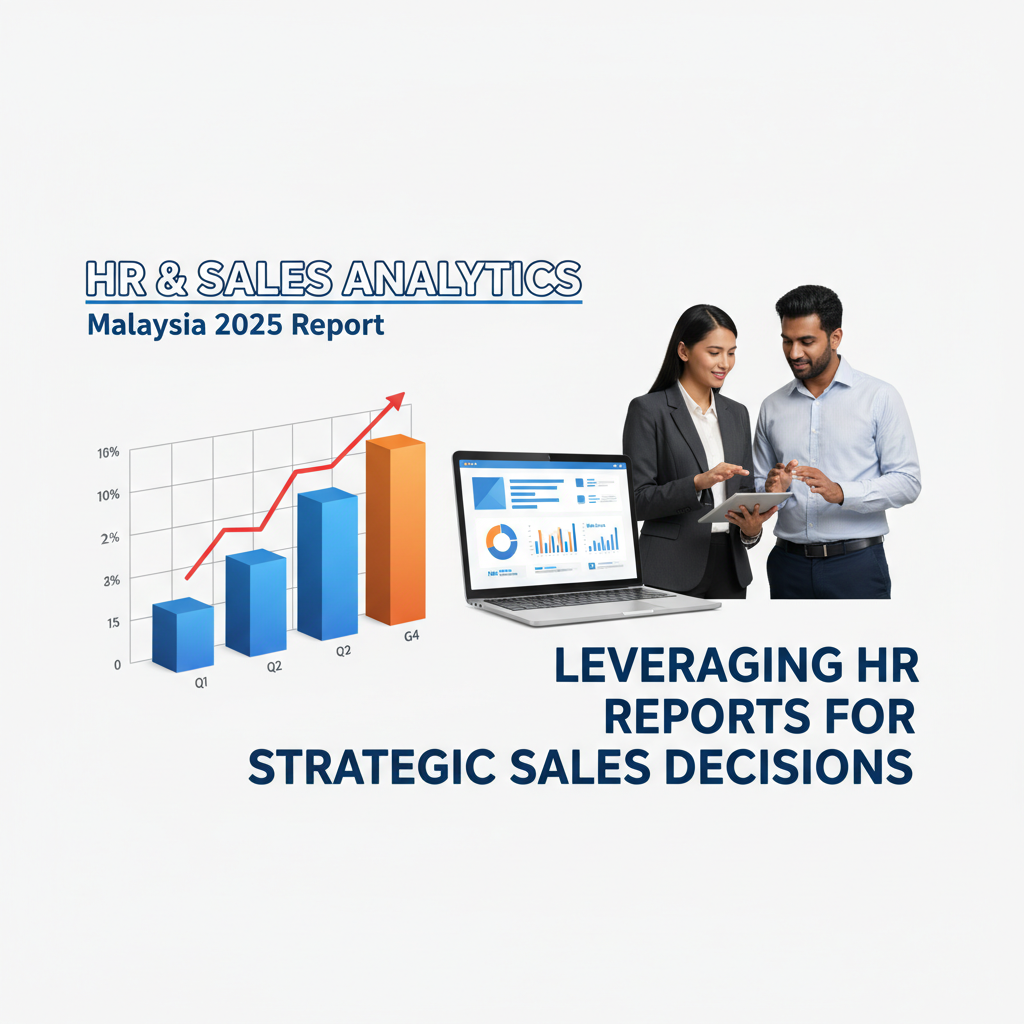
In the dynamic and competitive business landscape of Malaysia, a company’s sales force is often the primary engine of revenue growth. While sales teams traditionally focus on market trends and customer behavior, an often-underutilized resource lies within the human resources department: HR reports. By meticulously analyzing the HR report of sale field in Malaysia, businesses can unearth profound insights that directly translate into actionable strategies for improving sales effectiveness, enhancing employee retention, and refining recruitment processes. This data-driven approach moves HR from a purely administrative function to a strategic partner, directly impacting the bottom line.
1. Identifying High-Performing Sales Talent
One of the most immediate benefits of leveraging HR reports for sales strategy is the ability to identify and understand high-performing sales talent. Reports on performance reviews, compensation data, training completion rates, and tenure can reveal crucial patterns. For instance, analyzing the career progression, specific skills acquired through training, and historical sales quotas achieved by top performers provides a blueprint for future recruitment. HR data can highlight correlations between certain educational backgrounds, previous industry experience, or even specific personality traits (gleaned from assessment results) and consistent over-achievement in sales roles.
By dissecting the characteristics of your most successful sales professionals in Malaysia, companies can refine their hiring profiles, ensuring they attract candidates who are more likely to thrive. This doesn’t just apply to new hires; these insights are invaluable for internal promotions and talent development programs, ensuring that your best assets are recognized and nurtured. Understanding what makes your top talent tick is the first step in replicating that success across the entire sales organization, significantly boosting overall sales effectiveness.
2. Optimizing Sales Team Structure and Quotas
HR reports offer a powerful lens through which to evaluate and optimize the very structure of your sales teams and the quotas assigned to them. Data related to sales territory performance, team sizes, reporting structures, and historical quota attainment can expose inefficiencies or areas of imbalance. For example, if HR data consistently shows high turnover rates in specific territories, it might indicate unrealistic quotas, insufficient support, or an uneven distribution of workload. Conversely, consistent under-attainment across a team could point to issues with training, product knowledge, or market alignment rather than individual performance.
Utilizing HR analytics, businesses can design more equitable and motivating sales territories and set realistic yet challenging quotas. By cross-referencing sales performance with compensation structures, HR can help identify whether current incentive programs truly drive desired behaviors or if adjustments are needed to improve motivation and, consequently, retention. A well-structured sales team, supported by data-driven quotas, experiences less burnout, higher job satisfaction, and ultimately, greater sales achievements in the Malaysian market.
3. Addressing Performance Gaps and Skill Deficiencies
Beyond identifying top talent and optimizing structure, HR reports are instrumental in pinpointing and addressing performance gaps and skill deficiencies within the sales force. Performance management reports, 360-degree feedback, and training assessment results can reveal common weaknesses across individuals or entire teams. For example, if multiple sales professionals struggle with closing deals for a particular product line, or consistently miss targets in customer relationship management (CRM) usage, this data provides clear directives for targeted intervention.
This insight enables HR and sales leadership to design bespoke training and development programs that directly address identified skill gaps, rather than generic, one-size-fits-all solutions. Whether it’s advanced negotiation techniques, product-specific training, or coaching on utilizing sales technology, a data-driven approach ensures that development efforts are both relevant and impactful. Investing in targeted skill enhancement not only improves individual sales effectiveness but also contributes significantly to employee retention by fostering a culture of continuous learning and career growth. As McKinsey & Company highlights, a connected talent strategy is crucial for unleashing the full potential of your sales force, ensuring that HR analytics for sales performance directly translates into tangible improvements.
In conclusion, the strategic use of HR reports transforms how sales organizations operate in Malaysia. From precisely identifying and recruiting top-tier talent to creating an optimized sales environment and proactively addressing performance challenges, HR data is a powerful catalyst for sustained sales growth and a highly engaged, effective sales workforce.
Best Practices for Data Collection and Reporting
Effective data collection and reporting are critical for strategic HR management, especially within the competitive sales landscape in Malaysia. Gathering accurate HR data for sales, ensuring compliance with local regulations, and presenting these insights clearly and concisely to stakeholders are foundational for optimizing performance and fostering growth. This guide outlines essential best practices to navigate these complexities, turning raw data into actionable intelligence.
1. Tools and Software for HR Data Management
The foundation of robust HR data management for the sales field in Malaysia lies in leveraging appropriate technological solutions. Integrated Human Resources Information Systems (HRIS) and Customer Relationship Management (CRM) platforms are indispensable for centralizing data, automating collection processes, and facilitating comprehensive analysis. An HRIS can track vital sales employee data such as attendance, training completion, commission structures, and performance reviews, while a CRM system provides granular sales performance metrics related to individual or team quotas, customer interactions, and pipeline management.
When selecting tools, prioritize those with strong reporting features, customizable dashboards, and seamless integration capabilities. These systems should not only collect raw data efficiently but also enable its easy extraction and transformation into meaningful insights. Opt for software that supports local Malaysian labor laws and reporting requirements, thereby streamlining compliance efforts. Cloud-based solutions further enhance flexibility and accessibility, which is crucial for dynamic sales teams often working remotely or in the field. By embracing these technologies, organizations can significantly reduce manual data entry errors and free up HR professionals to focus on strategic analysis rather than laborious data collation, thereby improving the efficiency and depth of any HR report of sale field in malaysia.
2. Ensuring Data Accuracy and Confidentiality
The credibility of any HR report, particularly one concerning the sales field in Malaysia, is entirely dependent on the accuracy and confidentiality of its underlying data. Inaccurate data can lead to flawed strategic decisions, unfair performance evaluations, and potential legal liabilities. To safeguard accuracy, implement rigorous data validation protocols at the point of entry. This includes employing standardized forms, mandatory fields, and automated checks within both HRIS and CRM systems. Regular data audits are also crucial; schedule periodic reviews to identify and rectify inconsistencies, duplicate entries, or outdated information. Cross-referencing data from multiple sources, such as payroll records against sales commission reports, can further enhance data integrity.
Confidentiality is equally paramount, especially when handling sensitive employee information. Compliance with national data protection regulations, such as Malaysia’s Personal Data Protection Act (PDPA) 2010, is non-negotiable. This necessitates establishing clear, comprehensive policies for data access, storage, and retention. Implement robust security measures, including encryption, access controls, and regular security audits, to protect against unauthorized access or data breaches. Ensure that only authorized personnel have access to sensitive data, and provide mandatory training to all staff on data handling best practices and their obligations under local privacy laws. Adhering to these principles not only builds trust among employees and stakeholders but also shields the organization from significant legal and reputational risks.
3. Visualizing Data for Impactful Presentations
Collecting accurate data is merely the first step; the subsequent challenge involves presenting it in a clear, concise, and impactful manner to key stakeholders. Effective data visualization transforms complex raw data into understandable narratives, enabling managers and executives to quickly grasp crucial insights and make informed decisions concerning the HR report of the sale field in Malaysia.
Utilize a variety of visualization tools such as interactive dashboards, charts, and graphs. Dashboards are excellent for providing a comprehensive, real-time overview of key performance indicators (KPIs) relevant to sales HR, including sales targets vs. actuals, commission payout trends, turnover rates among sales staff, and training effectiveness metrics. Charts like bar graphs can effectively compare sales performance across different regions or teams, while line graphs are ideal for illustrating trends over time, such as month-over-month sales growth or changes in employee engagement. Pie charts can be used to show the distribution of sales roles or the breakdown of commission structures.
Beyond just visuals, focus on crafting a compelling narrative. Frame your data presentation around a clear story or specific questions it aims to answer. Highlight key findings, actionable insights, and practical recommendations. Avoid overwhelming stakeholders with excessive data; instead, concentrate on the most relevant metrics that directly address their strategic concerns. For example, when presenting a report on sales force attrition, don’t just show numbers; explain potential reasons, the impact on revenue, and proposed HR interventions. By transforming raw numbers into compelling visual stories, HR professionals can significantly influence strategic planning, resource allocation, and talent management within the sales department, driving better business outcomes.
Future Trends Shaping Sales HR Reports in Malaysia 2025
Malaysia’s dynamic business landscape demands sophisticated human resources (HR) management, particularly within the crucial sales field. In 2025, the evolution of the HR report of sale field in Malaysia will be driven by technological advancements, shifting workforce priorities, and regulatory adaptations. These reports, traditionally compliance-focused, are rapidly transforming into pivotal analytical tools, offering actionable insights to optimize sales team performance, talent acquisition, and overall organizational health. Proactively embracing these trends will grant businesses a significant competitive edge, ensuring their sales force remains agile, motivated, and highly effective in a challenging market.
1. Impact of AI and Analytics on Sales HR
The integration of Artificial Intelligence (AI) and advanced analytics is set to revolutionize how HR reports for the sales field are generated and utilized in Malaysia. Beyond simple data aggregation, AI-driven tools will enable predictive analytics, allowing HR departments to forecast sales attrition, identify high-potential candidates, and even predict the effectiveness of training programs with greater accuracy. For instance, AI algorithms can analyze historical sales performance data, training records, and demographic information to create personalized development paths for individual sales representatives, significantly boosting their productivity and retention rates. This data-driven approach moves HR from reactive problem-solving to proactive strategic planning, optimizing the entire sales talent lifecycle.
Furthermore, advanced analytics will provide deeper insights into sales team performance, extending beyond mere sales figures. HR reports will encompass detailed metrics on lead conversion rates by individual, geographical territory performance, and the impact of specific sales methodologies. This granular data empowers sales leaders to make informed decisions regarding resource allocation, sales territory optimization, and targeted coaching interventions. The ability to identify underlying patterns and correlations through AI will transform the traditional HR report of sales performance into a powerful strategic asset, providing a comprehensive view of the sales ecosystem and fostering a culture of continuous improvement.
2. Focus on Employee Well-being and Engagement
In 2025, the emphasis on employee well-being and engagement will become an even more critical component of the HR report of sale field in Malaysia. Recognizing that a healthy and engaged workforce directly correlates with higher sales productivity and lower turnover, Malaysian companies will increasingly incorporate metrics related to mental health, work-life balance, and job satisfaction into their HR reporting frameworks. Surveys, feedback platforms, and even passive data collection (with appropriate privacy safeguards) will offer vital insights into stress levels, burnout risks, and overall employee sentiment within sales teams.
These reports will move beyond traditional engagement scores to identify specific stressors unique to the sales profession, such as high-pressure targets or extensive client demands. HR departments will leverage this data to implement targeted wellness programs, flexible work arrangements, and supportive leadership training. By actively monitoring and addressing the well-being of their sales force, businesses can cultivate a more resilient, motivated, and loyal team. The detailed insights from these well-being-focused HR reports will enable organizations to foster a supportive environment that not only retains top sales talent but also significantly enhances their overall job satisfaction and, consequently, their sales effectiveness.
3. Adapting to Evolving Labor Laws and Market Demands
The landscape of labor laws in Malaysia is continually evolving, and 2025 will require HR reports for the sales field to adapt swiftly to new regulations and market demands. Recent amendments, such as adjustments to minimum wage, extended leave entitlements, or guidelines for flexible working arrangements, directly impact HR reporting requirements. Malaysian businesses must ensure their HR systems can accurately track compliance with these regulations, particularly concerning working hours, remuneration, and employee benefits for sales professionals who often operate on unconventional schedules or commission structures.
Beyond compliance, the competitive market for sales talent in Malaysia dictates that HR reports must also inform strategic talent attraction and retention efforts. Reports will analyze compensation benchmarks, benefits packages, and career development opportunities compared to industry standards, helping companies position themselves as preferred employers. Furthermore, understanding skill gaps within the sales force through these reports will be crucial for designing effective training and upskilling initiatives. Adapting the HR report of sale field in Malaysia to reflect both legal adherence and dynamic market demands is paramount for maintaining a robust, compliant, and highly competitive sales organization.
In conclusion, the future of HR reports for the sales field in Malaysia in 2025 is characterized by a significant shift towards data-driven insights, employee-centric approaches, and agile adaptation to regulatory and market forces. Embracing AI and analytics, prioritizing employee well-being, and staying abreast of legal changes will be essential strategies for any organization aiming to build and sustain a high-performing sales team. These comprehensive and forward-looking HR reports will serve as the compass guiding businesses toward unparalleled success in the competitive Malaysian market.
Partner with Shelby Global
You are looking for reliable HR Sevice Suppliers? Contact Shelby Global Now! To connect with verified talents and upgrade your orginization.
—————————————
References
– Malaysian Ministry of Human Resources – Labour Laws: https://www.mohr.gov.my/index.php/en/labour-laws
– The True Cost Of Employee Turnover: https://www.forbes.com/sites/forbeshumanresourcescouncil/2023/10/05/the-true-cost-of-employee-turnover/
– Unleash the full potential of your sales force with a connected talent strategy – McKinsey & Company: https://www.mckinsey.com/capabilities/growth-marketing-and-sales/our-insights/unleash-the-full-potential-of-your-sales-force-with-a-connected-talent-strategy
– Malaysia’s Personal Data Protection Act (PDPA): https://www.pdpc.gov.my/index.php/en/legislation-guide/pdpa-act
– HR report of sales performance: https://www2.deloitte.com/us/en/pages/human-capital/articles/ai-in-hr.html



































































































