
Understanding the Unique HR Landscape for Entertainment SMEs in Singapore
Singapore’s vibrant entertainment sector, a dynamic fusion of artistic innovation and commercial enterprise, presents a unique HR landscape, particularly for Small and Medium-sized Enterprises (SMEs). For a CEO in the entertainment field in Singapore, developing effective HR structures for SMEs is not merely an administrative task but a strategic imperative. This section delves into the specific challenges and opportunities that define human resources in this niche, considering the unique blend of creative talent, evolving digital trends, and stringent regulatory frameworks that govern the industry.

1. Navigating Singapore’s Labor Laws & Regulations for Creative Industries
Operating within Singapore’s well-established legal framework requires a deep understanding, especially for entertainment SMEs. While the nation boasts a clear and generally pro-business regulatory environment, its application to the often-unconventional structures of creative industries can be complex. CEOs must ensure their HR structures for SMEs the CEO in Entertainment field in singapore are fully compliant with the Employment Act and other relevant statutes. This includes understanding minimum employment standards, dispute resolution mechanisms, and specific guidelines regarding working hours and overtime. A critical area often overlooked is intellectual property rights management for creative output, which differs significantly from traditional industries and requires robust contractual agreements. Additionally, the rise of project-based work necessitates careful consideration of compliance for gig workers, ensuring fair treatment while adhering to tax and social security obligations. Neglecting these nuances can lead to significant legal and financial repercussions, underscoring the importance of meticulous HR planning from the outset.
2. Talent Dynamics: Managing Freelancers, Gig Workers, and Project-Based Teams
The entertainment industry inherently thrives on flexibility, leading to a prevalent reliance on freelancers, gig workers, and project-based teams. This model, while offering agility and access to diverse skills, introduces distinct HR challenges. Effective creative talent management goes beyond traditional recruitment, requiring strategies for sourcing, engaging, and retaining transient talent. CEOs need to implement robust processes for payroll for project-based work, ensuring timely and accurate compensation, often varying based on project scope and deliverables. Furthermore, fostering a sense of belonging and maintaining consistent communication with a fluid workforce is crucial for long-term collaboration. Developing strong employer branding in creative sectors becomes vital, not just for permanent staff but also for attracting top freelance talent who can contribute to multiple projects. Robust contractual agreements distinguishing employees from independent contractors are essential to mitigate legal risks, making clarity in engagement terms a cornerstone of successful HR operations in this dynamic environment. This flexible workforce model also places a premium on effective talent retention strategies that acknowledge the unique motivations and career paths of creative professionals.
3. Impact of Digital Transformation and Global Talent Pools on HR Needs
Digital transformation has profoundly reshaped the entertainment industry globally, and Singapore is no exception. For SMEs, leveraging HR technology for SMEs is no longer optional but a necessity for streamlining operations, from applicant tracking systems for global talent acquisition to performance management platforms tailored for project-based work. The shift towards digital content creation, distribution, and remote collaboration means that geographical boundaries are blurring, opening up vast global talent pools. While this offers unparalleled opportunities to bring diverse skills and perspectives to Singaporean projects, it also introduces complexities in terms of cross-border employment laws, immigration, and cultural integration. CEOs must develop forward-thinking HR structures for SMEs the CEO in Entertainment field in singapore that can effectively recruit, onboard, and manage talent from different time zones and cultural backgrounds. This involves investing in virtual collaboration tools, understanding international payment systems, and potentially navigating visa and work permit requirements. The ability to adapt to these digital and global shifts will be a key differentiator for entertainment SMEs looking to thrive in an increasingly interconnected world.
In conclusion, the HR landscape for entertainment SMEs in Singapore is intricate yet full of potential. Mastering the legal framework, skillfully managing a diverse and often transient workforce, and embracing digital and global opportunities are critical for success. By strategically investing in robust HR structures for SMEs the CEO in Entertainment field in singapore, these businesses can not only navigate challenges but also cultivate a thriving, innovative environment that propels them to greater heights in the dynamic global entertainment arena.
Foundational HR Structures for Lean Operations
For CEOs leading dynamic entertainment sector SMEs in Singapore, establishing robust yet cost-effective HR structures is paramount. Navigating the unique landscape of creative industries, where talent is key and projects can be fluid, requires a strategic approach to HR that ensures compliance, supports a growing team, and fosters a productive environment without excessive overheads. This section focuses on initial, lean HR setups designed to lay a solid foundation for your business.
-
The Role of a Dedicated HR Lead vs. Outsourcing HR Functions
As your entertainment SME grows in Singapore, a critical decision arises: do you hire a dedicated HR professional or outsource HR functions? For many HR structures for SMEs the CEO in Entertainment field in singapore, a hybrid approach often proves most effective. A dedicated HR lead, even part-time, can provide invaluable internal knowledge, cultural alignment, and immediate support for your team. They can handle day-to-day employee relations, act as a point of contact for staff, and champion your company culture. This direct oversight is particularly beneficial in the fast-paced, relationship-driven entertainment industry.
Conversely, HR outsourcing Singapore offers expertise in areas like payroll processing, benefits administration, and ensuring adherence to complex local labor laws, such as those governed by the Ministry of Manpower. This can be significantly more cost-effective than hiring a full-time specialist for these administrative tasks, especially if your team is still small. External partners bring specialized knowledge in HR compliance Singapore, reducing your risk and freeing up internal resources. Consider outsourcing payroll management Singapore and complex benefits, while retaining internal oversight for strategic talent management and employee engagement.
-
Essential HR Policies & Procedures: Onboarding, Payroll, and Performance Basics
Establishing clear HR policies for entertainment SMEs from the outset is non-negotiable for compliance and consistency. Start with an employee handbook that outlines core expectations, codes of conduct, leave policies, and grievance procedures. These foundational documents provide clarity and protect both the employer and the employee.
Effective employee onboarding entertainment industry is crucial for talent retention in a competitive market. A streamlined onboarding process ensures new hires feel welcomed, understand their roles, and are equipped with the necessary tools and information to contribute quickly. This can be as simple as a welcome pack, a clear first-week schedule, and an assigned buddy. For payroll management Singapore, ensure systems are in place for accurate and timely salary disbursement, CPF contributions, and proper tax documentation. Adherence to Singapore’s employment laws, including statutory holidays and leave entitlements, is critical to avoid penalties.
Finally, implement basic performance management small business strategies. This doesn’t require a complex system initially. Focus on regular check-ins, clear goal setting, and constructive feedback sessions. Simple annual reviews or project-based feedback cycles can foster growth and address performance gaps effectively without significant administrative burden.
-
Leveraging Basic HR Tech for SMEs: HRIS and Employee Self-Service Portals
In today’s digital age, even lean operations can benefit immensely from basic HR tech for SMEs. Implementing a Human Resources Information System (HRIS) is a foundational step for efficient and scalable HR. An HRIS centralizes employee data, automates administrative tasks, and helps maintain lean HR for startups by reducing manual paperwork.
Look for affordable, cloud-based HRIS solutions that cater specifically to small businesses. These systems can manage employee records, track leave, process payroll data, and generate essential reports. The real power comes with an integrated Employee Self-Service (ESS) portal. An ESS portal empowers employees to update their personal information, request leave, access payslips, and review their benefits independently. This significantly reduces the administrative workload on your HR lead or outsourced provider, improves data accuracy, and enhances employee satisfaction by giving them more control over their own HR-related tasks.
Choosing the right basic HR tech enables your entertainment SME to manage its human capital effectively, ensuring compliance and supporting growth, without the prohibitive costs associated with enterprise-level systems.
Strategic HR Structures for Growth and Scalability
Entertainment firms in Singapore, particularly SMEs, navigate a dynamic landscape where creativity and business acumen must converge for sustained success. For a CEO in this vibrant sector, the evolution of HR from a mere administrative function to a strategic partner is not just beneficial, but imperative. Robust HR structures for SMEs the CEO in Entertainment field in singapore are the backbone for navigating market shifts, ensuring business expansion, and fostering a high-performance culture. This section explores how strategic human resources can drive talent retention, enhance productivity, and build a resilient workforce capable of scaling operations and capturing new opportunities in the global entertainment market, transforming HR into a critical driver of business success.
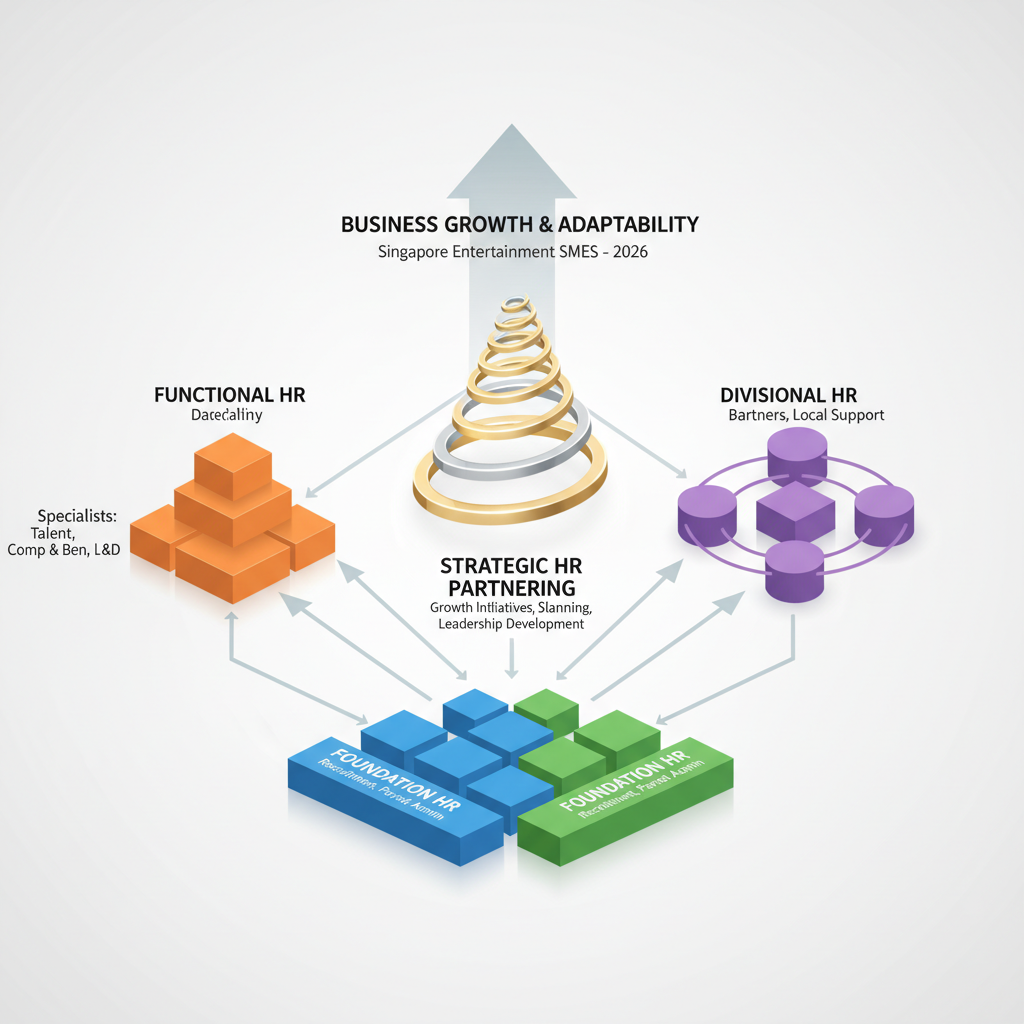
1. Developing a Robust Talent Acquisition and Employer Branding Strategy
Attracting top creative professionals in the entertainment industry is fiercely competitive. A strategic HR structure necessitates a proactive approach to talent acquisition that goes beyond traditional recruitment. For entertainment SMEs, building a compelling employer brand is paramount. This involves showcasing the unique culture, innovative projects, and growth opportunities that make your firm an attractive workplace for artists, producers, and technicians. Highlighting collaborative environments, cutting-edge productions, and a commitment to professional development can significantly enhance your appeal in a talent-scarce market. Furthermore, leveraging digital platforms, industry-specific networks, and creative portfolios is crucial for effective sourcing and outreach, ensuring you capture the diverse pool of talent essential for creative innovation and long-term talent retention. Crafting a value proposition that resonates with creative aspirations and offers meaningful career paths is key to becoming an employer of choice.
2. Performance Management & Employee Engagement for Creative Professionals
Traditional performance reviews often fall short in creative environments, sometimes stifling the very innovation they aim to measure. Strategic HR structures for SMEs must adapt to foster a culture of continuous feedback, creativity, and accountability. Implementing agile performance management systems that focus on project-based goals, peer feedback, and skill development – rather than rigid annual appraisals – can significantly boost employee engagement. Regular one-on-one check-ins, mentorship, and clear pathways for artistic and professional growth are vital. For creative professionals, a sense of purpose, autonomy, and recognition of their unique contributions are powerful motivators. Cultivating a positive and inclusive work environment where experimentation is encouraged and failures are viewed as learning opportunities directly contributes to a high-performance culture. Effective communication strategies and platforms for collaborative idea sharing are also instrumental in maintaining high levels of engagement and job satisfaction, ensuring your creative teams feel valued and inspired.
3. Succession Planning and Leadership Development within Entertainment SMEs
Even for SMEs, strategic succession planning and leadership development are critical components of a scalable HR framework. Identifying key roles and high-potential individuals within the organization early on allows for targeted development programs. This isn’t just about replacing outgoing leaders; it’s about nurturing future leaders who understand the nuances of the entertainment business and possess the adaptive skills required for sustained business expansion. Mentorship programs, cross-functional project assignments, and external training opportunities can help cultivate a strong leadership pipeline tailored to the unique demands of the creative sector. This proactive approach ensures continuity, reduces operational risks, and empowers the next generation of talent. Investing in leadership capabilities within your HR structures for SMEs the CEO in Entertainment field in Singapore is an investment in the firm’s long-term resilience and its capacity for sustained innovation and growth. A robust leadership development strategy underpins not just succession but also fosters a culture of continuous learning and excellence across the organization.
The CEO’s Pivotal Role in Shaping HR Strategy and Culture
In the dynamic and highly competitive entertainment landscape of Singapore, the effectiveness of HR initiatives is not merely a departmental concern but a direct reflection of top-level leadership. For small to medium-sized enterprises (SMEs) in this creative sector, the CEO’s involvement is paramount. A CEO’s commitment goes beyond mere approval; it actively drives the development and implementation of robust HR structures, shaping a workplace culture that fuels innovation and sustains growth. This section explores how a proactive CEO can integrate HR as a strategic pillar, ensuring that talent management aligns with business objectives and delivers measurable returns, especially within the unique context of the entertainment industry in Singapore.
-
Driving a People-First Culture in a Fast-Paced Creative Environment
In creative industries, talent is the ultimate currency. The CEO in the Entertainment field in Singapore must champion a “people-first” culture, recognizing that employee well-being, engagement, and development are critical to artistic output and business success. This isn’t just about perks; it’s about fostering an environment where creativity thrives, risks are encouraged, and employees feel valued and supported. For an SME, where resources might be tighter, this commitment from the top can differentiate a company, attracting and retaining top talent against larger competitors. It involves clear communication, empathetic leadership, and genuine interest in the professional and personal growth of every team member.
A CEO’s visible dedication to HR principles directly influences the adoption of these values throughout the organization. By actively participating in discussions about talent management, employee development programs, and workplace policies, the CEO reinforces their importance. This hands-on approach is crucial for establishing effective HR structures for SMEs the CEO in Entertainment field in Singapore. Such leadership fosters psychological safety, allowing creative professionals to experiment, fail fast, and innovate without fear. It cultivates a sense of belonging and shared purpose, vital ingredients for a high-performing creative team operating in Singapore’s fast-paced entertainment scene.
-
Integrating HR as a Strategic Partner to Achieve Business Objectives
Traditionally, HR has been viewed as an administrative function. However, for an SME to thrive in the complex entertainment industry, the CEO must elevate HR to a strategic partner. This involves integrating HR leaders into core business discussions, allowing them to provide insights on talent acquisition, retention strategies, succession planning, and organizational design that directly support long-term goals. For example, if a company plans to expand into new digital content streams, HR should be involved from the outset to identify the necessary skills, develop training programs, and craft competitive compensation packages. This strategic alignment ensures that human capital investments are directly contributing to business growth and innovation.
The CEO’s role here is to bridge the gap between business strategy and human capital strategy. By challenging HR to move beyond transactional tasks and focus on proactive, value-driven initiatives, the CEO empowers the HR department to become an indispensable asset. This strategic approach ensures that every HR policy, from performance management to reward systems, is designed to propel the company towards its objectives. In the vibrant Singapore entertainment market, where agility is key, such integration allows SMEs to quickly adapt their workforce capabilities to evolving market demands, making “strategic HR for SMEs” not just a buzzword, but a competitive necessity.
-
Measuring HR Effectiveness and ROI for Small to Medium Enterprises
While the impact of culture and strategy can seem intangible, a CEO committed to effective HR structures for SMEs understands the importance of measurement. Demonstrating the return on investment (ROI) for HR initiatives is crucial for sustained resource allocation and continuous improvement, especially for smaller businesses where every dollar counts. This involves working with HR to establish key performance indicators (KPIs) beyond basic metrics like headcount or turnover rates. Instead, focus should be on metrics that directly correlate with business outcomes, such as employee engagement scores linked to project success rates, talent retention rates of high-performers, or the impact of training programs on productivity and creativity.
The CEO plays a critical role in demanding data-driven insights from HR. By setting clear expectations for how HR contributes to the bottom line, the CEO encourages the HR function to adopt analytical approaches. This could involve tracking the cost of employee turnover, the value added by successful talent acquisition, or the efficiency gains from improved employee engagement. Regular reviews of these HR effectiveness metrics ensure that strategies are continually refined and resources are allocated where they yield the greatest impact. As Harvard Business Review emphasizes the CEO’s role in HR strategy, this data-driven approach solidifies HR’s position as a value-generating partner rather than just a cost center, proving its indispensable contribution to an SME’s success in Singapore’s creative sector.
Future-Proofing HR for Singapore’s Entertainment Sector in 2026 and Beyond
Singapore’s vibrant entertainment sector is a dynamic landscape, constantly evolving with technological advancements, shifting audience preferences, and global talent flows. For CEOs of Small and Medium-sized Enterprises (SMEs) in this field, 2026 and beyond present both significant opportunities and complex challenges for their human resources functions. To remain competitive and resilient, a proactive overhaul of HR structures for SMEs the CEO in Entertainment field in Singapore is not just recommended, but essential. This section delves into emerging trends and future challenges, outlining critical strategies to adapt HR frameworks, ensuring they are agile, innovative, and capable of attracting and retaining the creative talent vital for future success.
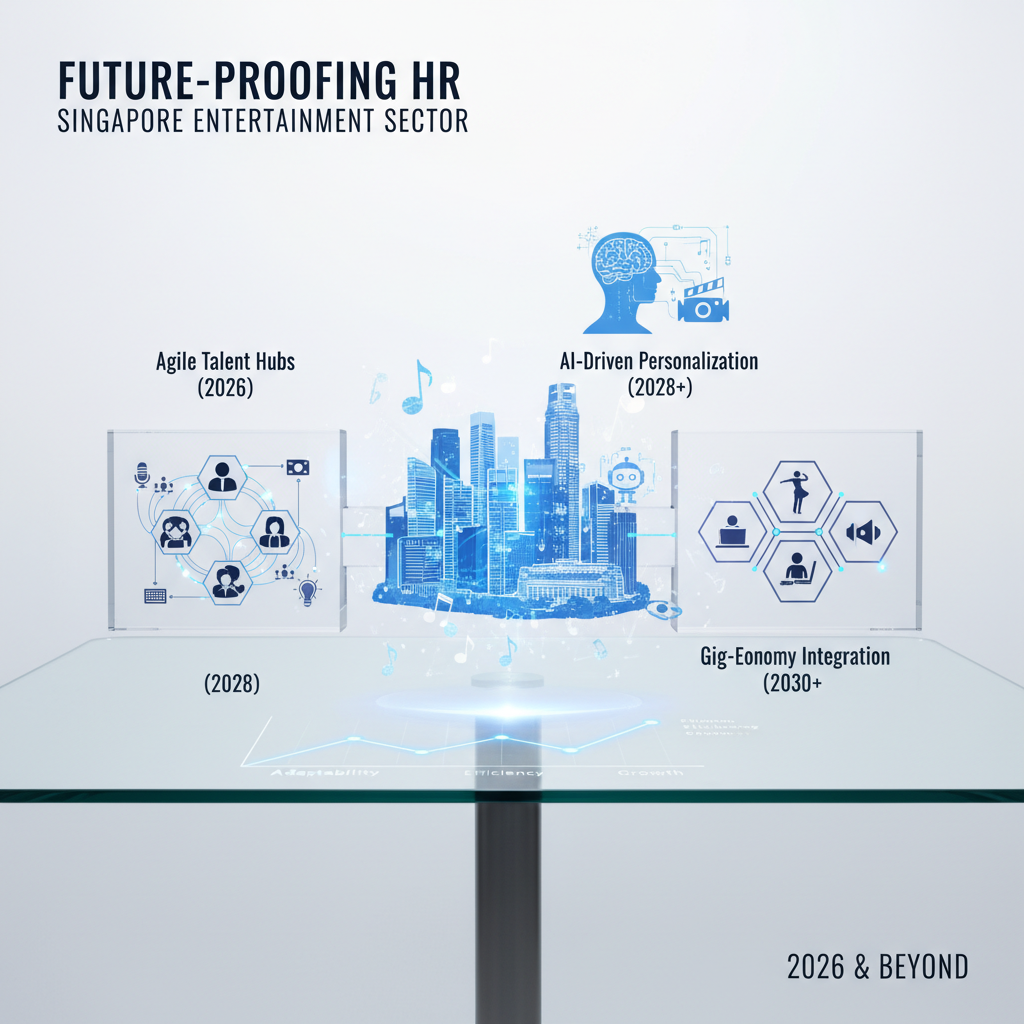
1.
Adapting to Hybrid Work Models and Managing Remote Creative Talent
The post-pandemic era has solidified hybrid work models as a permanent fixture, especially within the creative industries where flexibility often fuels innovation. For Singapore’s entertainment SMEs, this means reimagining traditional office-centric HR policies to effectively manage a distributed workforce. The challenge lies not just in technology, but in fostering a cohesive company culture and ensuring seamless collaboration among creative teams who may rarely share a physical space. CEOs must champion strategies that empower remote and hybrid talent, investing in robust communication platforms, virtual collaboration tools, and redesigned performance management systems that focus on outcomes rather than presence. Developing clear guidelines for work-from-home arrangements, cybersecurity protocols, and virtual engagement activities will be paramount. Furthermore, effective talent management requires understanding the unique needs of creative professionals, offering flexible schedules, project-based contracts, and opportunities for continuous skill development regardless of their physical location. This approach enhances workforce agility and expands the talent pool beyond Singapore’s geographical boundaries, allowing SMEs to tap into a global reservoir of specialized expertise. As McKinsey highlights, organizations must embrace a flexible approach to truly harness the future of hybrid work and maximize its benefits for both employees and the business.
2.
Embracing Diversity, Equity, and Inclusion (DEI) Initiatives in Entertainment
In an industry built on storytelling and connecting with diverse audiences, DEI is no longer a ‘nice-to-have’ but a strategic imperative. Singapore’s entertainment sector must proactively champion DEI to reflect its multicultural society and appeal to a global viewership. This involves moving beyond mere representation to embedding equity and inclusion into every aspect of HR – from talent acquisition and promotion to content creation and workplace culture. CEOs should assess their current hiring practices to mitigate unconscious bias, establish mentorship programs for underrepresented groups, and cultivate an inclusive environment where all voices are heard and valued. Training on cultural sensitivity and unconscious bias for managers is crucial. By fostering a diverse workforce, SMEs can unlock greater creativity, innovation, and a broader understanding of market segments. An inclusive workplace culture not only enhances employee engagement and retention but also strengthens the company’s brand, making it more attractive to both talent and consumers who increasingly prioritize socially conscious organizations. Robust DEI initiatives will be a cornerstone for sustainable success in the evolving Singapore entertainment HR landscape.
3.
Leveraging AI and Advanced Analytics in HR for Competitive Advantage
The digital transformation in HR is accelerating, with artificial intelligence (AI) and advanced analytics poised to revolutionize how entertainment SMEs manage their human capital. For HR structures for SMEs the CEO in Entertainment field in Singapore, embracing these technologies can offer a significant competitive edge. AI can streamline repetitive HR tasks, such as resume screening and onboarding, freeing up HR professionals to focus on strategic initiatives like talent development and employee experience. Predictive analytics can provide invaluable insights into talent retention risks, skill gaps, and future workforce needs, enabling proactive decision-making. SMEs can leverage AI-powered tools for personalized learning and development paths, enhancing skill growth for creative teams and ensuring their relevance in a fast-changing industry. While the initial investment might seem daunting, scalable cloud-based HR technology solutions are increasingly accessible for smaller enterprises. CEOs must drive the adoption of these tools, ensuring data privacy and ethical AI use. Integrating AI and analytics into HR processes will not only improve efficiency and reduce costs but also provide a data-driven approach to strategic HR planning, allowing entertainment companies to optimize their workforce for future challenges and opportunities, securing a lasting competitive advantage.
The future success of Singapore’s entertainment SMEs hinges on the ability of their HR structures to adapt with foresight and agility. By proactively embracing hybrid models, championing DEI, and strategically leveraging AI and analytics, CEOs can future-proof their organizations, cultivate a thriving creative workforce, and ensure their continued relevance and impact in a dynamic global industry.
Partner with Shelby Global
You are looking for reliable HR Sevice Suppliers? Contact Shelby Global Now! To connect with verified talents and upgrade your orginization.
—————————————
References
– Ministry of Manpower Singapore Employment Act: https://www.mom.gov.sg/employment-practices/employment-act
– Tripartite Guidelines on Fair Employment Practices (TGFEP): https://www.tafep.sg/fair-employment/tripartite-guidelines
– Deloitte Creative Economy Outlook 2023: https://www2.deloitte.com/content/dam/Deloitte/uk/Documents/consulting/deloitte-uk-creative-economy-outlook-2023.pdf
– Why CEOs Should Care About HR Strategy: https://hbr.org/2015/07/why-ceos-should-care-about-hr-strategy
– The future of hybrid work is flexible | McKinsey & Company: https://www.mckinsey.com/capabilities/people-and-organizational-performance/our-insights/the-future-of-hybrid-work-is-flexible



































































































