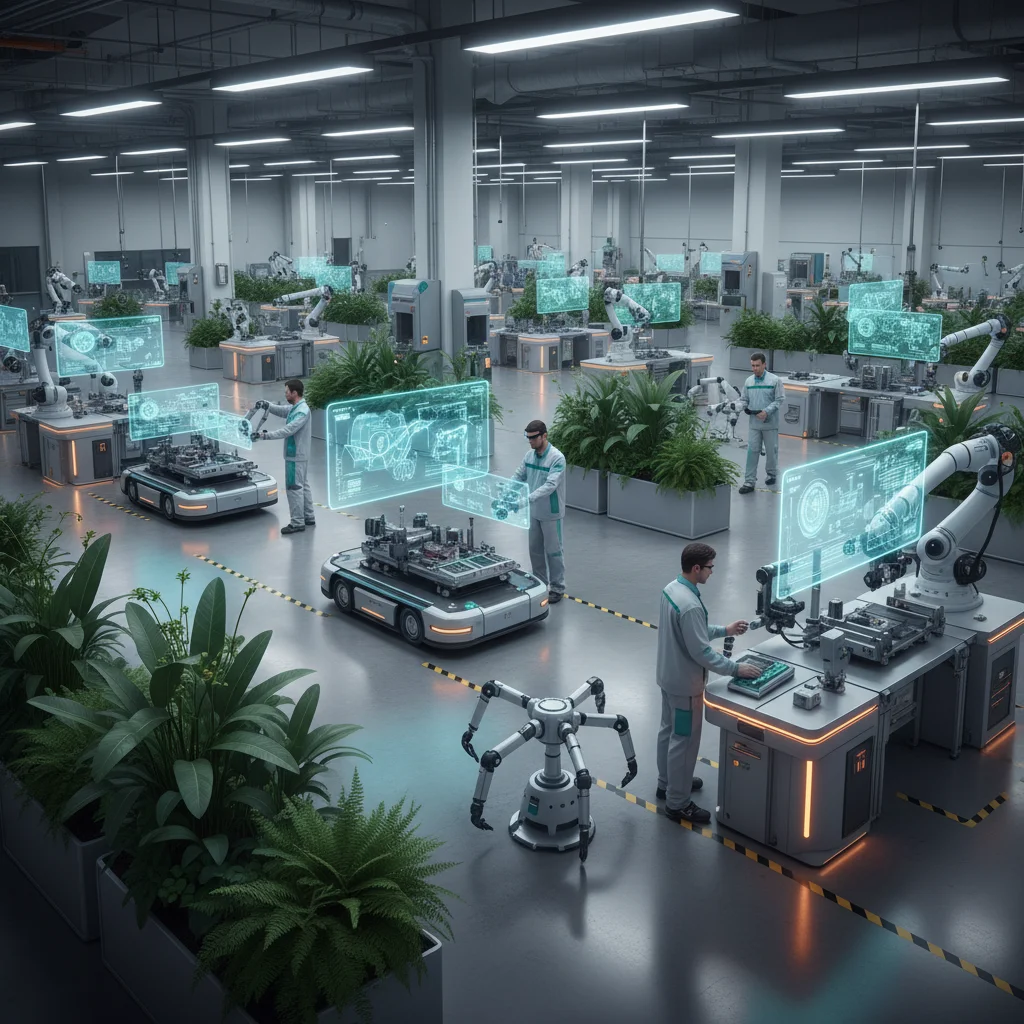
Understanding the Unique HR Landscape for Malaysian Production SMEs
Malaysian production SMEs operate in a dynamic environment, driven by global competition and local market specifics. For CEOs, developing robust and compliant HR structures for SMEs is critical, not just for compliance but as a strategic imperative for long-term growth and talent retention. This section explores the specific challenges and opportunities defining the HR landscape for production SMEs in Malaysia, offering insights into how strategic HR can drive sustainable success amidst local dynamics and industry demands.
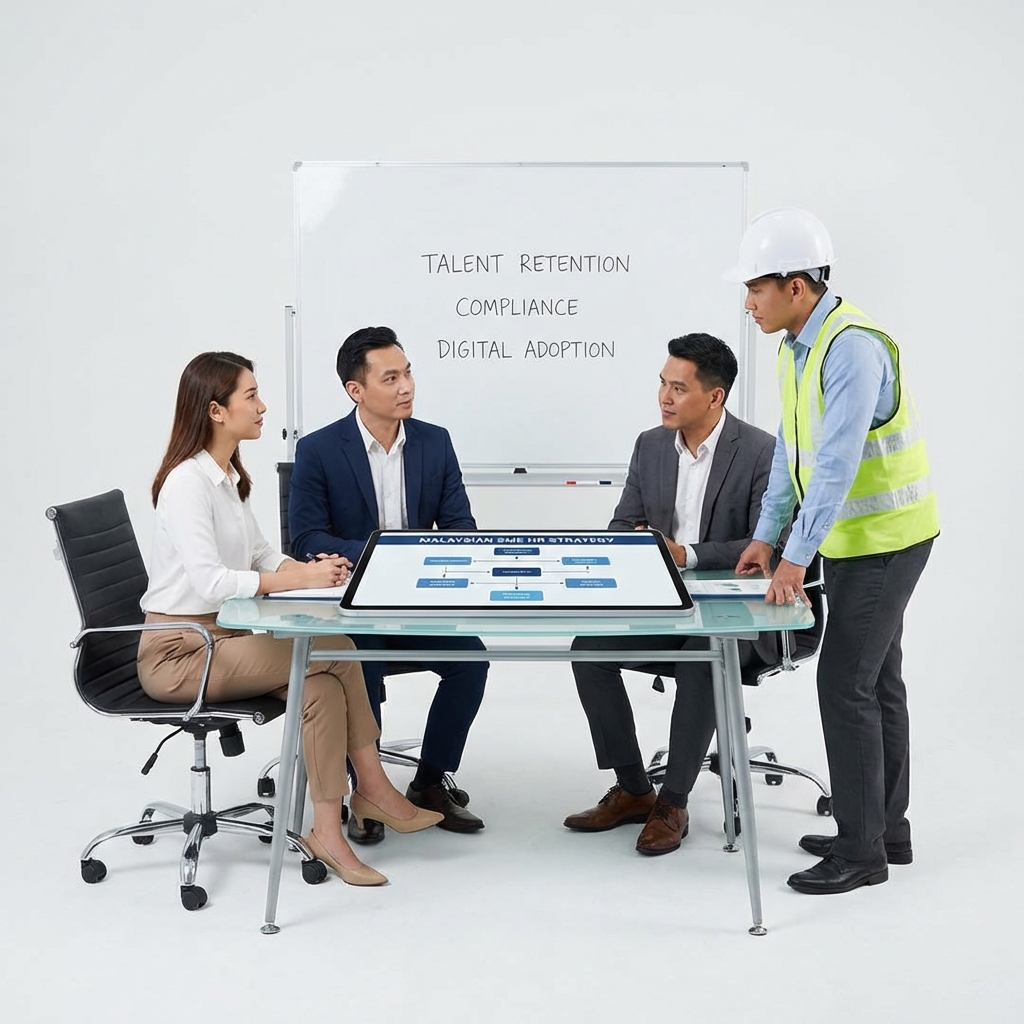
1. Navigating Malaysian Labor Laws and Regulations (Employment Act 1955)
Compliance with Malaysian labor laws is paramount for production SMEs. The cornerstone is the Employment Act 1955, governing wages, working hours, leave, termination, and unfair dismissal. CEOs must understand and adhere to this Act and others like the Industrial Relations Act 1967 and Employees’ Social Security Act 1969 to avoid disputes and maintain harmony.
Complexities arise from frequent amendments and interpretations. Recent changes include increased maternity/paternity leave, reduced weekly hours, and expanded Act scope. SMEs struggle to keep pace and adapt policies. Developing an HR framework that proactively incorporates legal updates, provides training, and ensures fair practices is essential. This proactive approach to HR structures for SMEs ensures operational stability and protects reputation.
2. Balancing Cost-Efficiency with Talent Attraction in Manufacturing
The Malaysian manufacturing sector relies on a skilled workforce. Production SMEs often have tighter margins, making cost-efficiency crucial for HR strategies. The challenge is attracting and retaining talent—skilled technicians, engineers, and leaders—without overstretching budgets.
Traditional talent attraction (competitive salaries, extensive benefits) can be prohibitive. CEOs must innovate their HR structures for SMEs, offering a compelling employee value proposition beyond just monetary compensation. This includes career development, supportive work culture, flexible arrangements (where feasible), and continuous training. These non-monetary benefits enhance satisfaction and loyalty. Leveraging government initiatives for workforce skills or local talent provides support. Strategic recruitment, perhaps through vocational institutions or apprenticeships, can secure skilled workers cost-effectively, balancing productivity with long-term talent development.
3. The Role of Cultural Context and Worker Demographics in HR Practices
Malaysia’s multicultural nation presents a diverse workforce. For production SMEs, integrating this cultural mosaic into HR practices fosters an inclusive and productive environment. The manufacturing workforce often includes migrant workers, adding complexity regarding language, cultural sensitivities, and specific legal requirements.
Effective HR structures for SMEs must be sensitive to these demographics. This means clear, accessible communication strategies, culturally nuanced grievance procedures, and bias-free promotion pathways. Understanding religious observances and providing accommodations, or tailoring training to different learning styles, boosts morale and productivity. CEOs need to cultivate mutual respect, seeing diversity as a strength. By embracing the unique cultural context and worker demographics, Malaysian production SMEs build a resilient, engaged workforce, enhancing operational efficiency and company image.
Navigating the unique HR landscape for Malaysian production SMEs demands a strategic, holistic approach from CEOs. The intricate web of labor laws, the balance between cost-efficiency and talent, and the influence of cultural context all present hurdles and opportunities. By proactively designing and implementing robust HR structures for SMEs that are compliant, innovative, and culturally sensitive, production companies can mitigate risks and cultivate a high-performing workforce. A well-conceived HR framework is pivotal for sustainable growth and competitive advantage in Malaysia’s dynamic manufacturing sector.
Essential HR Structures for Lean & Efficient Production Teams
For CEOs in the production field in Malaysia, operational excellence is directly tied to an efficient workforce. Lean and productive teams are the bedrock of sustainable growth for SMEs, and their efficacy relies heavily on well-designed HR structures. This isn’t just about compliance; it’s a strategic imperative that influences productivity, talent retention, and profitability. This section explores practical, scalable HR models, minimizing bureaucracy while maximizing output for production-focused Malaysian SMEs striving for operational excellence.
1. Centralized vs. Decentralized HR Models: Pros and Cons for SMEs
Establishing effective HR structures for SMEs, especially in manufacturing, involves choosing between centralized and decentralized models. A centralized HR model pools all HR functions under a single department. For many production SMEs, this is the default due to its simplicity.
- Pros of Centralized HR: Ensures consistency in policies, procedures, and compensation across all production lines, vital for fairness and compliance. It offers economies of scale, simplifying management of payroll, benefits, and overall HR strategy for smaller teams. This model provides unified oversight for the CEO in the production field in Malaysia, ensuring a cohesive approach to talent management and regulatory adherence.
- Cons of Centralized HR: Can be slow to address localized issues on specific factory floors. It risks disconnecting from the unique realities and cultures of different operational units, potentially impacting employee engagement and swift problem resolution.
A decentralized HR model distributes responsibilities to individual departments or production sites, with each potentially having its own HR representative.
- Pros of Decentralized HR: Offers greater responsiveness and tailored support to specific production teams. Local HR develops deep understanding of unit challenges, fostering stronger employee and manager relationships, which improves problem-solving, local recruitment, and immediate conflict resolution, directly aligning with operational needs.
- Cons of Decentralized HR: Risks inconsistencies in policy application, potentially leading to unfairness or compliance issues across the organization. It’s often more costly to staff multiple HR functions and harder to maintain a cohesive company culture. For many Malaysian production SMEs, a purely decentralized model might be resource-intensive. The optimal choice often leads to a hybrid approach.
2. Hybrid Structures Combining In-house Expertise with Outsourced Functions
For lean and efficient production teams, a hybrid HR structure is often the most pragmatic and scalable solution for SMEs. This model blends core in-house HR capabilities with strategic outsourcing, leveraging external expertise for non-core but essential activities. This allows the internal team to focus on strategic initiatives directly impacting production efficiency and employee performance.
- What to keep in-house: Strategic HR functions like talent management, performance frameworks, employee relations, organizational development, and culture building. These demand an intimate understanding of the company’s vision and production environment. An in-house HR professional acts as a strategic partner to the CEO in the production field in Malaysia, aligning HR with operational goals and ensuring robust workforce development and a positive environment.
- What to outsource: Transactional functions, those requiring specialized expertise, or subject to frequent regulatory changes. Examples include payroll processing, benefits administration, specialized recruitment, legal compliance consultancy, and specific training programs (e.g., technical skills, safety certifications). Outsourcing payroll, for instance, ensures accuracy and compliance with Malaysian labor laws without burdening the internal team. According to the Society for Human Resource Management (SHRM), “Organizations should evaluate their HR functions to determine which are best suited for outsourcing and which should remain in-house.” This approach grants SMEs access to world-class services without the full cost of permanent staff, optimizing HR structures for SMEs.
- Benefits of a Hybrid Model: Offers significant cost savings, access to broader expertise, and enables internal HR to focus on value-added activities supporting core business objectives. It minimizes bureaucracy, streamlines processes, and enhances agility – all critical for production-focused SMEs aiming for operational excellence and lean HR practices.
3. Building a Core HR Team: Determining Essential Roles and Responsibilities
Even with a hybrid approach, building a competent core HR team is crucial for any Malaysian SME aiming to optimize its production workforce. While the team size evolves, certain roles are foundational for establishing robust HR structures for SMEs the CEO in production field in malaysia.
- The HR Manager/Generalist: This is typically the lynchpin role for SMEs. They oversee all in-house HR functions, serve as the primary contact for employees and management, and ensure compliance with labor laws. Responsibilities include recruitment coordination, onboarding, performance management, disciplinary actions, and advising the CEO on workforce strategy. In production, this individual must understand operational demands and bridge HR policies with shop-floor realities, crucial for employee engagement and problem resolution.
- The HR Administrator/Assistant: As an SME grows, this role becomes vital for handling day-to-day administrative tasks: maintaining employee records, managing HR information systems, assisting with payroll data, scheduling interviews, and providing basic employee support. This ensures smooth HR operations, freeing the HR Manager for strategic initiatives.
- Evolving Needs: Scaling production SMEs might add specialists. A dedicated recruiter for high-volume hiring or a training and development specialist for continuous upskilling and enhancing production efficiency. The goal is a team that not only handles routine HR but proactively contributes to strategic business objectives, addressing the human element of operational excellence.
Thoughtfully designed HR structures empower a CEO in the production field in Malaysia to foster a highly productive, engaged, and compliant workforce, driving sustainable growth.
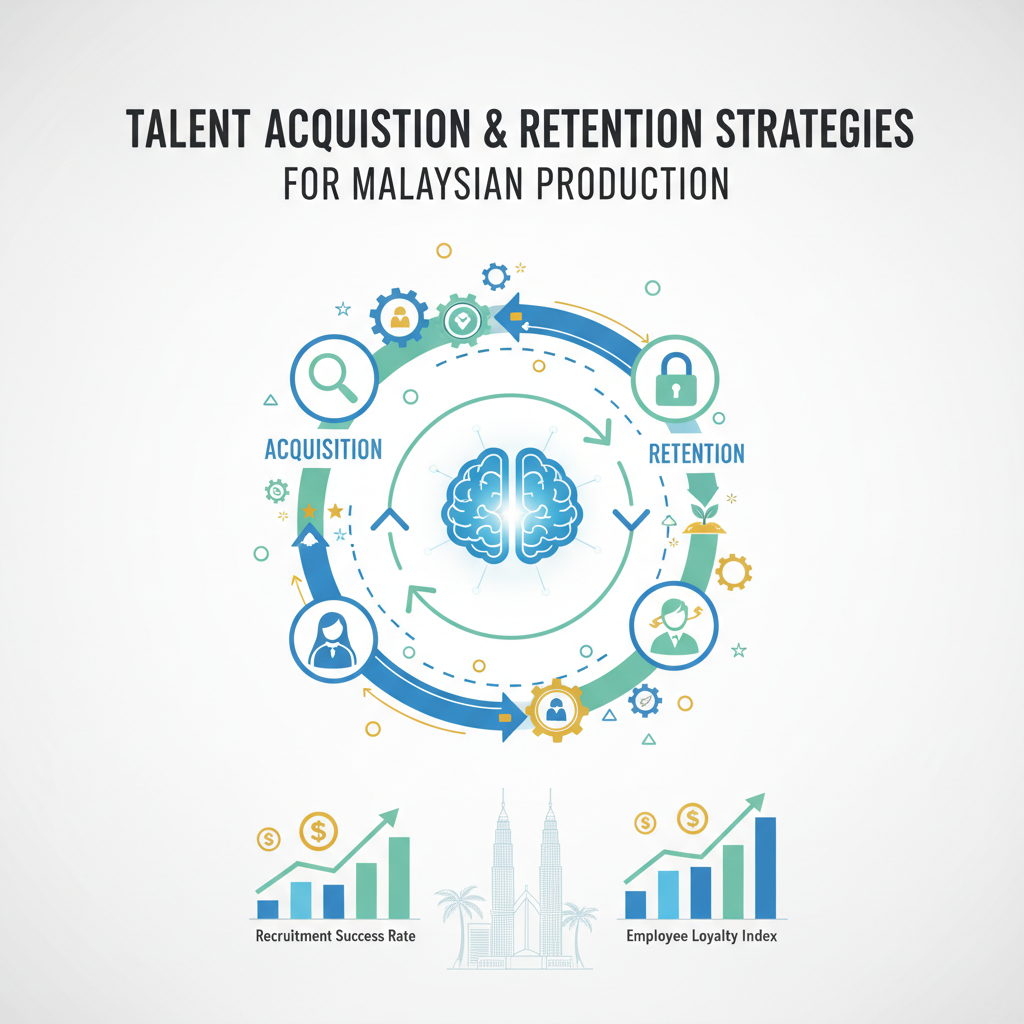
Talent Acquisition & Retention Strategies for Malaysian Production
In Malaysia’s vibrant yet increasingly competitive manufacturing landscape, securing and retaining top-tier talent is paramount for the long-term success of production facilities. CEOs in the HR structures for SMEs the CEO in production field in malaysia face unique challenges, from a scarcity of skilled production workers to the rising expectations of the modern workforce. This section outlines actionable strategies for CEOs to effectively attract, hire, and foster a loyal, high-performing team in the Malaysian manufacturing sector, ensuring sustainable growth and operational excellence.
1. Effective Recruitment Channels for Blue-Collar and Technical Roles
To address the critical need for skilled production workers and technical specialists, Malaysian production companies must diversify their talent acquisition Malaysia strategies. Beyond traditional job boards, leveraging vocational schools and technical universities through internships and apprenticeship programs can create a direct pipeline for fresh talent. Partnerships with local community centers and industrial training institutes can also be instrumental in reaching a broader pool of blue-collar workers. For more specialized technical roles and production management, targeted recruitment via professional networking platforms like LinkedIn, industry-specific forums, and reputable headhunting agencies with a strong local presence are crucial. Highlighting your company’s unique culture and growth opportunities during recruitment is essential to stand out in a competitive labor market.
2. Competitive Compensation, Benefits, and Incentive Programs for Production Staff
Attracting and retaining valuable talent requires a total rewards package that goes beyond just a basic salary. CEOs must regularly benchmark salaries against industry standards in the Malaysian market to ensure competitive compensation. This includes robust employee benefits, such as comprehensive health insurance, EPF (Employees Provident Fund) contributions, and SOCSO (Social Security Organization) coverage. Beyond fixed pay, implementing well-structured incentive programs tied to individual and team performance, quality metrics, and safety achievements can significantly boost motivation and productivity. Recognition programs, whether formal or informal, also play a vital role in making employees feel valued. Understanding the local nuances of what employees consider valuable, such as flexible working arrangements where possible or transport subsidies, can further enhance your employer appeal and improve employee retention strategies.
3. Developing Career Paths, Training, and Employee Engagement to Reduce Turnover
Long-term employee retention strategies hinge on fostering a sense of growth and belonging. CEOs should prioritize creating clear career development pathways for all staff, demonstrating opportunities for advancement from entry-level positions to supervisory and technical roles. Investing in continuous training programs, including upskilling programs in new technologies, lean manufacturing principles, and leadership development, empowers employees and increases their loyalty. Cross-training initiatives can also enhance versatility within the workforce. A proactive approach to workforce development ensures your team’s skills evolve with industry demands. Furthermore, fostering a strong culture of employee engagement through regular feedback mechanisms, transparent communication, and involving staff in process improvement initiatives can significantly reduce turnover. Providing a safe, respectful, and supportive work environment where employees feel heard and valued is fundamental to building a loyal and productive team in the Malaysian manufacturing sector.
Performance Management & Employee Development in a Production Environment
In the dynamic landscape of Malaysian manufacturing, the effectiveness of HR structures for SMEs directly impacts operational excellence and sustained growth. For a CEO in the production field in Malaysia, establishing robust performance management and employee development systems is not merely an HR function but a strategic imperative. These systems are crucial for fostering a skilled, motivated workforce that can drive efficiency, assure quality, and adapt to technological advancements in the production sector. Investing in these areas ensures that manufacturing SMEs remain competitive and agile in a rapidly evolving global market, securing long-term success and innovation.
1. Setting SMART Goals for Production Line Efficiency and Quality Assurance
Effective performance management begins with clear, quantifiable objectives. In a production environment, this means translating overarching business goals into SMART goals (Specific, Measurable, Achievable, Relevant, Time-bound) for individual employees and teams. For instance, a goal might be to “Reduce product defect rates by 15% on Assembly Line A within the next six months” or “Increase machine uptime by 10% for critical CNC machines by Q3.” Such specific targets provide employees with a clear understanding of what is expected of them, fostering accountability and guiding their daily activities. For a Malaysian SME, aligning these individual goals with overall production efficiency targets and quality assurance standards is paramount. This approach not only enhances output but also ensures that the entire workforce is pulling in the same direction, contributing directly to the company’s competitive edge in the local and international markets. Regularly reviewing progress against these SMART goals allows for timely adjustments and celebrates achievements, boosting morale and continuous improvement across the production floor.
2. Implementing Regular Feedback Mechanisms and Fair Performance Reviews
A robust performance management system goes beyond annual appraisals; it embraces a culture of continuous feedback. For the CEO in the production field in Malaysia, implementing regular, constructive feedback mechanisms is vital. This includes informal one-on-one check-ins, team meetings to discuss performance metrics, and formal periodic reviews. Feedback should be timely, specific, and actionable, focusing on both strengths and areas for improvement. Fair performance reviews are equally critical. They must be transparent, objective, and based on pre-defined SMART goals and competencies relevant to the production role. Training managers on how to conduct effective, unbiased reviews is essential to ensure consistency and avoid subjective biases. These reviews serve as opportunities not only to evaluate past performance but also to discuss career aspirations, identify training needs, and collaboratively set future development paths. By fostering an environment where employees feel heard and fairly evaluated, companies can significantly improve engagement and retention, which is especially important for maintaining stable HR structures for SMEs the CEO in production field in malaysia. This proactive approach helps to address performance gaps before they escalate, reinforcing a positive and productive work environment crucial for operational stability.
3. Upskilling, Reskilling, and Succession Planning Initiatives for a Future-Ready Workforce
The rapid pace of technological change, particularly with the advent of Industry 4.0, demands a proactive approach to workforce development. For Malaysian manufacturing SMEs, investing in upskilling and reskilling initiatives is no longer optional but essential for survival and growth. Upskilling involves enhancing existing employees’ capabilities (e.g., advanced troubleshooting for new machinery, lean manufacturing techniques, or data analytics for process optimization). Reskilling, on the other hand, involves training employees for entirely new roles or significantly altered job functions, perhaps due to automation replacing certain manual tasks. These initiatives can range from internal training programs and workshops to external certifications and apprenticeships. Connecting these development opportunities with an authoritative resource on the future of manufacturing, like a guide on Industry 4.0 readiness in production, ensures relevance and best practices. Furthermore, succession planning is a critical component of building a future-ready workforce. It involves identifying high-potential employees and developing them for future leadership or critical technical roles. This mitigates risks associated with key personnel turnover, ensures continuity of operations, and provides clear career progression paths, significantly boosting employee motivation and loyalty. For HR structures for SMEs the CEO in production field in Malaysia, an integrated strategy encompassing upskilling, reskilling, and robust succession planning ensures that the organization not only meets its current operational demands but is also prepared for future challenges and opportunities, securing its long-term viability and competitive advantage in the Malaysian production landscape.
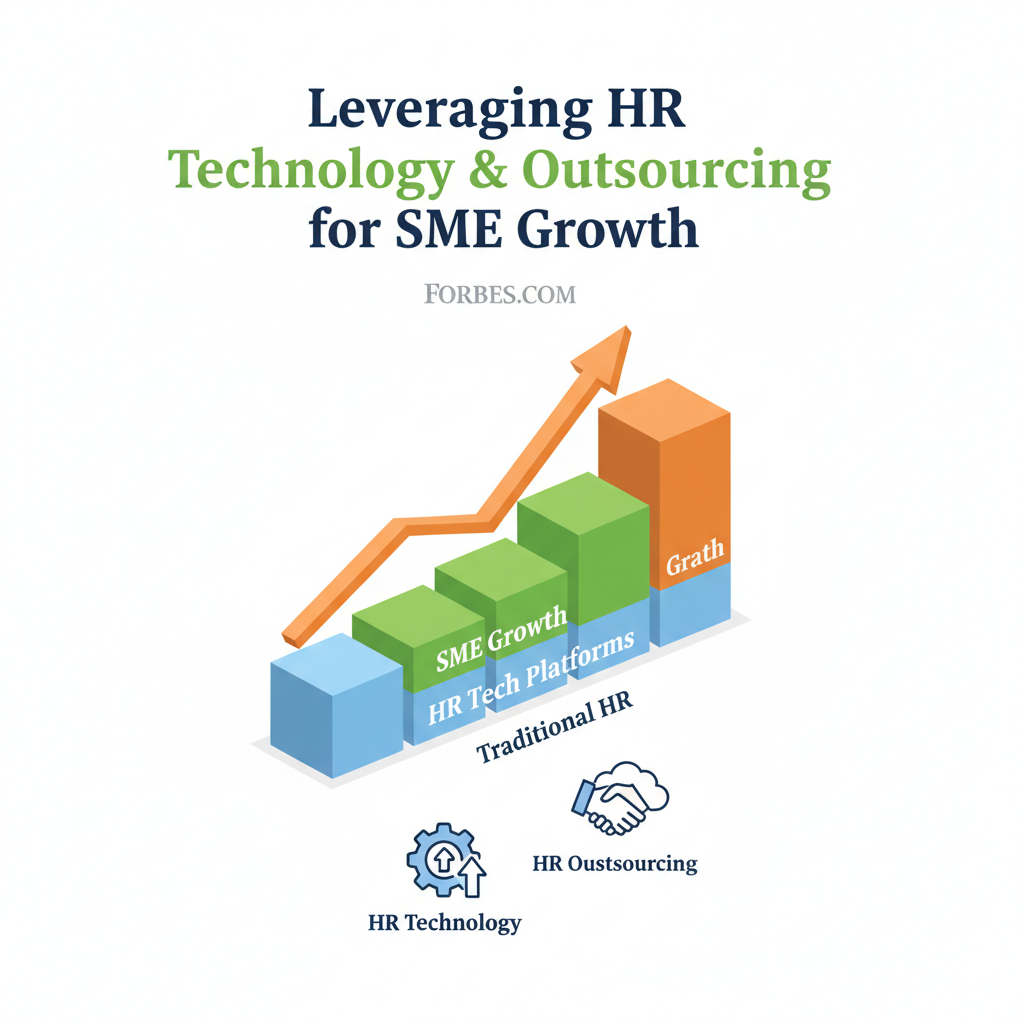
Leveraging HR Technology & Outsourcing for SME Growth
For CEOs in the dynamic production field in Malaysia, navigating the complexities of human resources can be a significant drain on time and resources. Traditional HR structures for SMEs often struggle with manual processes, compliance challenges, and the constant need for skilled talent, diverting focus from core business growth and innovation. Fortunately, modern HR technology and strategic outsourcing offer powerful solutions. By embracing these advancements, Malaysian SMEs can streamline HR processes, ensure robust compliance with local labor laws, and empower their CEOs to concentrate on strategic initiatives that drive profitability and expansion.
1. Adopting HRIS/HRMS Solutions for Small to Medium-sized Businesses
The implementation of Human Resources Information Systems (HRIS) or Human Resources Management Systems (HRMS) is a game-changer for SMEs. These integrated software solutions automate a wide array of HR functions, from employee data management and payroll processing to leave tracking, performance reviews, and recruitment. For a CEO overseeing a production operation in Malaysia, an HRIS/HRMS translates directly into increased efficiency and reduced administrative burden. Imagine having instant access to workforce analytics, accurate attendance records, and streamlined onboarding processes – all critical for maintaining productivity in a manufacturing environment. These HR technology solutions ensure data accuracy, enhance reporting capabilities, and help SMEs maintain consistent compliance with local employment regulations, which can be particularly complex in Malaysia’s diverse workforce landscape. By centralizing HR data and automating routine tasks, CEOs can make more informed decisions faster, optimize resource allocation, and foster a more engaged and productive workforce, directly contributing to SME growth.
2. Benefits of HR Outsourcing for Payroll, Compliance, and Specialized Recruitment
While HRIS/HRMS handles internal automation, strategic HR outsourcing offers specialized expertise without the overhead of hiring full-time staff. This is especially vital for Malaysian SMEs facing unique challenges in talent acquisition and regulatory adherence. Outsourcing payroll, for instance, ensures accurate and timely salary disbursements while navigating the intricacies of Malaysian tax laws, EPF (Employees Provident Fund), SOCSO (Social Security Organisation), and EIS (Employment Insurance System) contributions. Beyond payroll, compliance outsourcing provides peace of mind, with experts staying abreast of constantly evolving labor laws and ensuring your company remains compliant, thereby mitigating legal risks and penalties. Furthermore, specialized recruitment outsourcing can be invaluable for sourcing specific talent needed in a production field, from skilled technicians to experienced plant managers. These experts leverage their networks and industry knowledge to find the right candidates more efficiently, allowing the CEO and core team to focus on their primary responsibilities. This strategic HR outsourcing model frees up significant internal resources, reduces operational costs, and brings a level of expertise often unattainable for SMEs operating with lean teams.
3. Future Trends: AI, Automation, and Analytics in SME HR Management
The landscape of HR is continuously evolving, with artificial intelligence (AI), automation, and advanced analytics set to redefine HR structures for SMEs. Future-focused CEOs in Malaysia’s production sector should prepare to integrate these trends. AI can revolutionize recruitment by sifting through applications, identifying best-fit candidates, and even conducting initial interviews, significantly speeding up the hiring process. Automation will continue to expand beyond basic tasks, handling complex onboarding workflows, benefits administration, and even routine employee queries through chatbots. Analytics, powered by vast amounts of HR data, will provide unprecedented insights into workforce performance, talent gaps, employee engagement, and potential retention issues. This predictive capability allows CEOs to make proactive, data-driven decisions regarding workforce planning, training investments, and strategic development. Embracing these advanced tools will not only further streamline HR processes but also enable SMEs to foster a highly efficient, adaptive, and engaged workforce, positioning them for sustained innovation and competitive advantage in the Malaysian market and beyond.
Partner with Shelby Global
You are looking for reliable HR Sevice Suppliers? Contact Shelby Global Now! To connect with verified talents and upgrade your orginization.
—————————————
References
– Employment Act 1955: https://www.agc.gov.my/agcportal/uploads/files/Publications/LOM/MY/Act%20265%20-%20Employment%20Act%201955.pdf
– Organizations should evaluate their HR functions to determine which are best suited for outsourcing and which should remain in-house.: https://www.shrm.org/resources-and-tools/hr-topics/outsourcing-hr
– Addressing the skills gap in Malaysia: https://www.thestar.com.my/business/business-news/2023/10/25/addressing-the-skills-gap-in-malaysia
– Industry 4.0 readiness: https://www.mckinsey.com/capabilities/operations/our-insights/industry-4-0-digital-transformation-and-advanced-analytics
– HR technology solutions: https://www.shrm.org/resources-and-tools/tools-and-samples/hr-qa/pages/benefits-of-hr-technology-for-small-businesses.aspx