Understanding the Unique HR Landscape for Malaysian Retail SMEs
The vibrant Malaysian retail sector, propelled by a growing consumer base and increasing digital adoption, presents both immense opportunities and complex challenges for Small and Medium-sized Enterprises (SMEs). For these vital economic contributors, navigating the human resources landscape is particularly nuanced. Unlike larger corporations with dedicated HR departments, retail SMEs often see the CEO wearing multiple hats, directly influencing and often single-handedly managing their workforce. This situation underscores the critical importance of effective HR structures for SMEs the CEO in retail companies in malaysia. This section delves into the specific HR challenges and opportunities faced by retail SMEs in Malaysia, considering local regulations and dynamic market forces, to equip leaders with insights for sustainable growth and talent management.
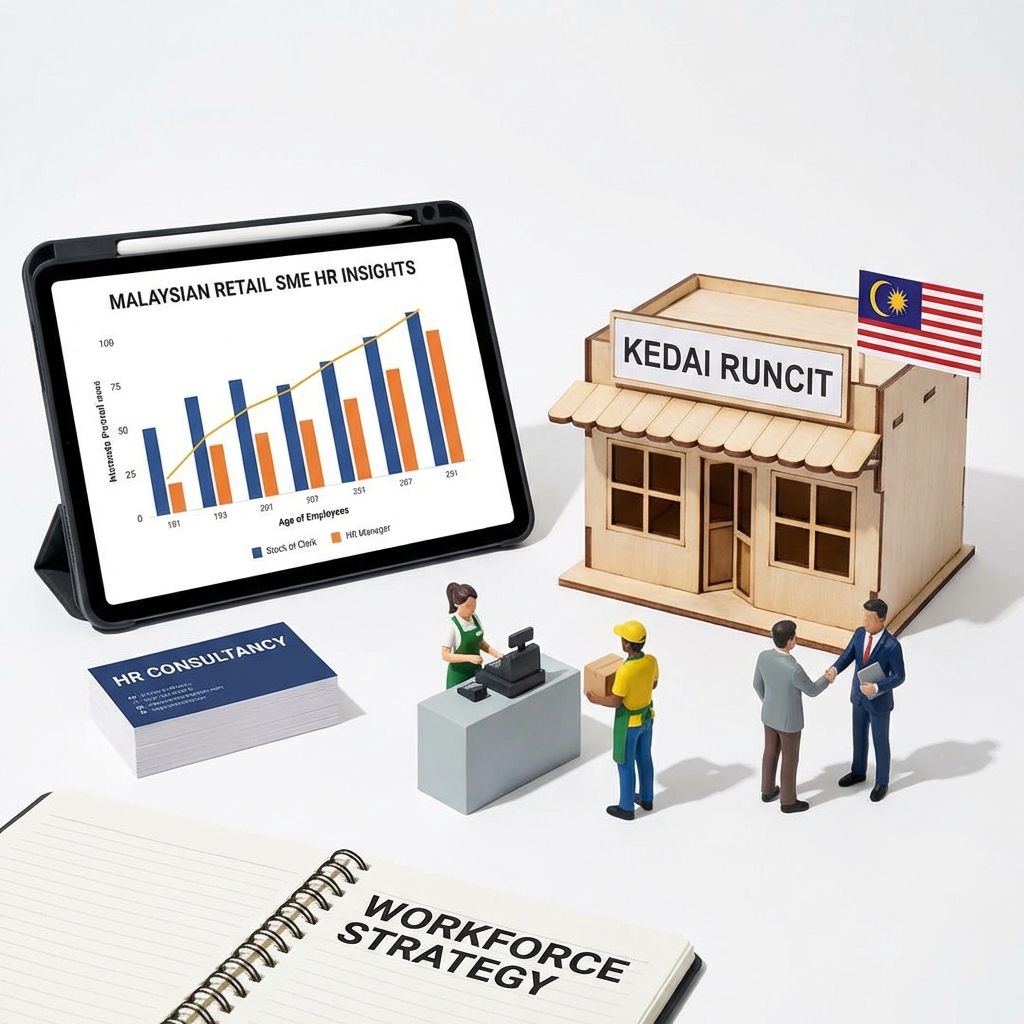
1. Key Regulatory Compliance (Employment Act 1955)
One of the most immediate and critical HR considerations for Malaysian retail SMEs is adherence to local labor laws, primarily the Employment Act 1955 (EA 1955), which underwent significant amendments effective January 1, 2023. While these amendments aim to enhance worker protection and align with international labor standards, they also introduce new complexities for employers. CEOs of retail SMEs must be acutely aware of provisions covering working hours, overtime, rest days, annual leave, sick leave, maternity and paternity leave, termination benefits, and the procedures for handling misconduct. Non-compliance, even unintentional, can lead to hefty fines, legal disputes, and reputational damage, making a clear understanding of these regulations indispensable for any business owner. For instance, the expanded scope of the Act now covers all employees regardless of salary, increasing the administrative burden and ensuring compliance across the entire workforce. Resources like the Department of Labour Peninsular Malaysia (JTKSM) website offer crucial guidance for employers to navigate these legal requirements effectively.
2. Talent Acquisition and Retention Challenges in Retail
The retail sector, by its very nature, often faces high employee turnover rates. For Malaysian retail SMEs, attracting and retaining qualified talent is a constant uphill battle. Challenges stem from several factors: the perception of retail jobs as low-skill or temporary, competition from larger retailers offering more competitive salaries and benefits, and limited clear career progression paths. SMEs often struggle to provide extensive training programs or advanced benefit packages that larger companies can afford. This often leads to a cycle where new hires require significant time and resources for training, only to leave within a short period, impacting productivity and customer service quality. CEOs must think creatively about fostering a positive work environment, offering flexible schedules where possible, and recognizing employee contributions to build loyalty. Developing robust HR structures for SMEs the CEO in retail companies in malaysia that focus on employee engagement, skill development, and a strong company culture becomes paramount to turning the tide against high turnover. This isn’t just about offering a job; it’s about building a team that feels valued and sees a future within the organization.
3. Impact of Gig Economy and Part-Time Staff
The rise of the gig economy and the increasing preference for flexible work arrangements have significantly reshaped the workforce landscape, particularly impacting retail SMEs in Malaysia. While leveraging gig workers or part-time staff can offer benefits like reduced fixed costs, increased flexibility during peak hours, and access to a broader talent pool, it also introduces unique HR complexities. Managing a hybrid workforce comprising permanent, part-time, and gig employees requires adaptive HR policies. Key challenges include ensuring consistent training and service quality across different employment types, integrating diverse staff into the company culture, and managing varying expectations regarding benefits and job security. Furthermore, compliance with labor laws for part-time workers and understanding the distinction between employees and independent contractors becomes crucial to avoid legal pitfalls. SMEs must strategize on how to harness the advantages of flexible work models while maintaining a cohesive and motivated team, all within the existing regulatory framework. Balancing the needs for flexibility with the need for commitment and consistency from a varied workforce is a delicate act requiring thoughtful HR planning and execution.
In conclusion, the HR landscape for Malaysian retail SMEs is multifaceted, demanding strategic foresight and agile adaptation from their leadership. From meticulously navigating the intricacies of the Employment Act 1955 to creatively addressing talent acquisition and retention challenges, and intelligently integrating flexible work models, the CEO’s role in shaping effective HR structures for SMEs the CEO in retail companies in malaysia is indispensable. By embracing these challenges as opportunities for innovation and prioritizing a people-centric approach, retail SMEs can build resilient teams, ensure regulatory compliance, and ultimately drive sustainable growth in a competitive market.
The CEO’s Pivotal Role in Shaping HR Strategy
In the dynamic landscape of modern business, especially within the competitive Malaysian retail sector, the Chief Executive Officer (CEO) holds an undeniably pivotal role in shaping Human Resources (HR) strategy. This is particularly true for Small and Medium-sized Enterprises (SMEs) where a dedicated HR department might not even exist. Far from being a mere administrative function, HR, when strategically integrated, becomes a cornerstone for sustainable growth, operational efficiency, and competitive advantage. The CEO, as the ultimate leader, must champion this integration, ensuring that people-centric strategies are not just an afterthought but are deeply woven into the fabric of the overall business goals.
For HR structures for SMEs the CEO in retail companies in malaysia, understanding this crucial leadership becomes even more critical. It’s about more than just hiring and firing; it’s about developing talent, fostering a thriving culture, and making strategic investments in the workforce that directly impact the bottom line. The CEO’s vision dictates how talent is acquired, nurtured, and retained, ultimately determining the company’s capacity to innovate, adapt, and succeed.
1. Aligning HR with Business Objectives and Vision
The CEO is the primary architect of a company’s vision and strategic objectives. Consequently, they must ensure that HR initiatives directly support these overarching goals. For retail companies in Malaysia looking to expand market share or introduce new product lines, the CEO’s direction translates into specific HR requirements: identifying and recruiting staff with specialized skills, developing strategic human resource management training programs for customer service excellence, or implementing robust talent management strategies to retain high-performing sales associates. This alignment transforms HR from a cost center into a strategic partner. It means thinking proactively about workforce needs: what skills will be required in 3-5 years? How can current employees be upskilled? What kind of leadership development is necessary for future growth? The CEO’s involvement ensures that resources are allocated effectively to build a workforce capable of executing the business strategy, thereby contributing directly to Malaysian business growth. Without this high-level guidance, HR efforts risk becoming disjointed and failing to deliver tangible business value, hindering the company’s progress in a competitive market.
2. Fostering a Positive Company Culture
Beyond strategy, the CEO is the ultimate guardian and shaper of company culture. In SMEs, the CEO’s personality and values often permeate the entire organization, establishing the tone for communication, collaboration, and employee well-being. A positive work environment, characterized by trust, respect, and open dialogue, is not an accident; it’s a deliberate creation driven by leadership. The CEO’s commitment to ethical practices, transparency, and employee recognition directly influences employee retention in retail and overall organizational effectiveness. This includes encouraging feedback, celebrating successes, and providing opportunities for professional development. For retail companies, where customer interaction is constant, a positive internal culture often translates into superior customer service and a stronger brand reputation. The CEO sets an example, demonstrating how employees should be valued and treated, which in turn influences employee engagement and loyalty. This culture-first approach, championed from the top, is crucial for attracting and retaining top talent, which is a constant challenge for SMEs.
3. Budgeting and Resource Allocation for HR
Even without a dedicated HR department, the CEO must make conscious decisions about budgeting and resource allocation for HR functions. These investments are not merely expenses but strategic outlays that yield significant returns. Allocating funds for robust workforce development programs, competitive benefits, or even basic HR software can dramatically improve operational efficiency and employee morale. For a CEO overseeing retail companies in Malaysia, this might mean investing in point-of-sale training, leadership training for store managers, or implementing performance management systems. The CEO’s strategic mindset dictates how much emphasis is placed on talent acquisition tools, employee wellness initiatives, or compliance training. Viewing these as critical investments rather than discretionary spending reflects an understanding that human capital is the most valuable asset. The CEO’s leadership in human resources ensures that the necessary financial and structural support is provided to nurture the workforce, driving productivity and ultimately, profitability. This proactive approach ensures that the company can adapt to market changes and maintain a strong, skilled team.
In conclusion, the CEO’s role in shaping HR strategy is far-reaching and fundamental, particularly for SMEs in the Malaysian retail sector. From strategically aligning people initiatives with business goals to cultivating a vibrant organizational culture and making prudent investments in human capital, the CEO is the linchpin. By actively leading and integrating HR functions, even in an informal capacity, the CEO ensures that the organization is not only equipped to meet current challenges but is also resilient and poised for sustainable future growth. This comprehensive approach to HR, driven from the very top, transforms potential obstacles into opportunities for innovation and competitive advantage.
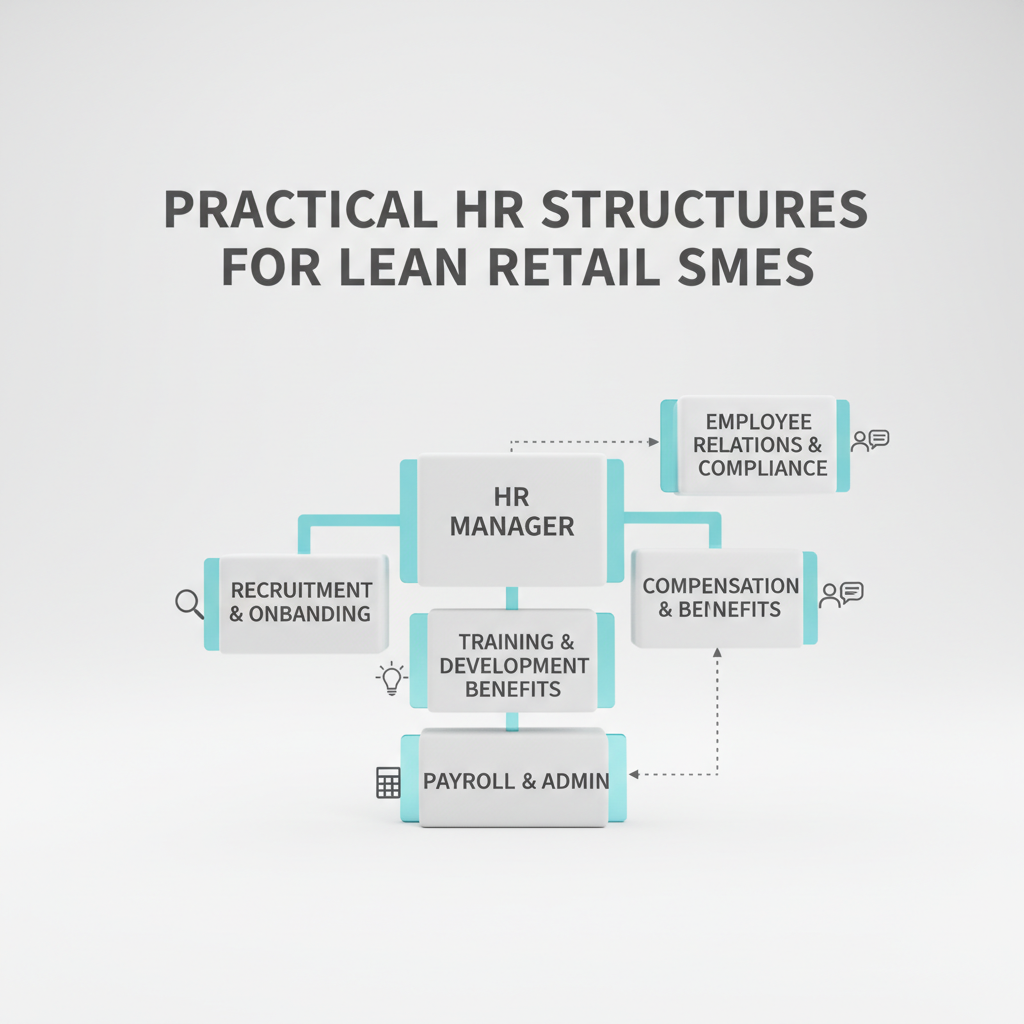
Practical HR Structures for Lean Retail SMEs
For small to medium-sized enterprises (SMEs) in the vibrant Malaysian retail sector, navigating human resources can be a complex and resource-intensive challenge. CEOs of retail companies in Malaysia often grapple with limited budgets and the need for agile operations, making traditional, large-scale HR departments impractical. This section outlines various cost-effective and scalable HR structures for SMEs, specifically tailored for lean retail businesses to ensure compliance, efficiency, and growth without overstretching resources. Addressing unique SME HR challenges Malaysia faces, from talent acquisition to legal compliance, is paramount for sustainable success.
1. Owner-managed HR (initial stages)
In the very nascent stages of a retail SME, particularly when staff numbers are low (typically fewer than 10 employees), the owner often assumes direct responsibility for all HR functions. This owner-managed HR model is the most cost-effective HR solution as it incurs no additional payroll costs for a dedicated HR professional. The CEO or business owner handles everything from recruitment and onboarding to payroll processing and basic employee relations. While this model offers direct control and immediate decision-making, it comes with significant challenges. The owner’s time is a finite resource, and diverting focus to HR can detract from core business development, sales, and strategic planning crucial for a retail company in Malaysia. Furthermore, a lack of specialized HR knowledge can lead to inadvertent non-compliance with Malaysian labour laws, mishandling of employee grievances, or inefficient recruitment strategies for SMEs, potentially resulting in costly legal issues or high staff turnover. This structure is best suited for businesses with minimal HR complexities and a clear understanding that it is a temporary solution for rapid growth phases.
2. Outsourcing HR functions (payroll, recruitment)
As a retail SME grows, the complexities of HR quickly outpace an owner’s capacity. Outsourcing HR functions becomes an increasingly attractive and scalable option. This model involves contracting external service providers to handle specific HR tasks, allowing the SME to benefit from specialized expertise without the overhead of an in-house HR department. Common outsourced functions include payroll outsourcing Malaysia, benefits administration, statutory compliance, and initial recruitment screening. By leveraging external payroll providers, retail businesses can ensure accurate and timely salary disbursements, tax deductions, and EPF/SOCSO contributions, minimizing the risk of penalties due to non-compliance with the Employment Act 1955. Similarly, outsourcing recruitment can streamline candidate sourcing, interviewing, and background checks, freeing up valuable internal time and often leading to better talent matches. The primary benefits include access to specialized knowledge, reduced administrative burden, and enhanced compliance, ensuring the business adheres to local regulations without constant vigilance from the owner. This approach can be a strategic move for maintaining a lean operation while professionalizing critical HR processes. For more details on compliance, refer to resources like Malaysia: Employment Act 1955 (Amendment 2022) Updates.
3. Hybrid models: Internal HR admin + external consultancy
The hybrid model represents a balanced approach, combining the efficiency of internal administration with the expertise of external HR consulting Malaysia firms. In this structure, the retail SME might employ an internal HR administrator or generalist to manage day-to-day operational tasks, such as maintaining employee records, managing leave requests, and handling basic employee queries. This internal resource acts as the primary point of contact for employees and handles routine administrative duties. For more strategic, complex, or specialized HR needs, the business engages external HR consultants on an as-needed basis. This could include developing comprehensive HR policies, navigating complex disciplinary issues, implementing performance management systems, or advising on advanced retail HR strategies and talent development initiatives. This model is ideal for growing retail SMEs that require a consistent internal presence for employee support and administrative efficiency, but also need access to high-level strategic HR guidance without committing to a full-time senior HR executive. It offers scalability, ensuring that as the business evolves, its HR capabilities can adapt, providing both proactive support and reactive expert advice to the CEO of the retail company in Malaysia.
Choosing the right HR structure is a critical decision for any lean retail SME in Malaysia. By carefully evaluating the business’s current size, growth projections, budget, and specific HR challenges, CEOs can implement an HR framework that supports sustainable growth, ensures compliance, and optimizes human capital without becoming an overwhelming burden.
Key HR Functions and Compliance for Malaysian Retailers
For Malaysian retail SMEs, navigating the complexities of human resources is not just about managing people; it’s about building a resilient, compliant, and productive workforce. Effective HR structures for SMEs are crucial for the CEO in retail companies in Malaysia to foster growth and ensure operational stability. From attracting talent to ensuring fair compensation, a robust HR framework is non-negotiable, especially when facing unique retail HR challenges like high turnover and fluctuating demand. Compliance with Malaysian employment law is paramount, protecting both the business and its employees.
1. Recruitment and Onboarding Best Practices
Recruiting the right talent is the cornerstone of any successful retail operation. For Malaysian SMEs, this means developing a strategic approach to finding individuals who not only possess the necessary skills but also align with the company’s culture. Best practices involve crafting clear, concise job descriptions that highlight specific retail roles and responsibilities. Utilizing diverse recruitment channels, from online job portals to local community engagement, can broaden the talent pool. Interview processes should be structured to assess both technical competencies and soft skills essential for customer interaction.
Once hired, effective onboarding is critical for staff retention retail. It extends beyond a mere orientation session, encompassing a comprehensive program that integrates new hires into the company’s operations, culture, and values. This includes practical training on POS systems, product knowledge, and customer service protocols, as well as mentorship from experienced staff. A well-executed onboarding process significantly reduces early turnover, enhances employee engagement, and ensures new team members quickly become productive contributors, contributing to long-term success.
2. Performance Management and Appraisal Systems
To cultivate a high-performing retail team, SMEs must implement transparent and equitable performance management and appraisal systems. These systems provide a framework for setting clear expectations, monitoring progress, and providing constructive feedback. Regular one-on-one meetings, quarterly reviews, and annual appraisals should be standard practice, focusing on both quantitative metrics (e.g., sales targets, customer satisfaction scores) and qualitative aspects (e.g., teamwork, initiative, adherence to company policies).
Effective performance management is not just about evaluating past performance; it’s a forward-looking process aimed at employee development. Identifying training needs, setting SMART (Specific, Measurable, Achievable, Relevant, Time-bound) goals, and recognizing achievements are vital components. Furthermore, maintaining thorough documentation of performance reviews is essential for HR compliance Malaysia, providing a clear record in case of disputes or for making informed decisions regarding promotions or disciplinary actions. Such systems motivate employees, foster professional growth, and ultimately drive business objectives.
3. Compensation and Benefits Management
Competitive and compliant compensation and benefits are fundamental to attracting and retaining talent in the Malaysian retail sector. SMEs must ensure their pay structures adhere strictly to Malaysian labor laws, including the minimum wage requirements and mandatory contributions such as the Employees Provident Fund (EPF), Social Security Organization (SOCSO), and Employment Insurance System (EIS). Beyond statutory requirements, offering a comprehensive benefits package can significantly boost employee morale and loyalty.
This includes not only a fair base salary but also performance-based incentives, sales commissions, health benefits, and flexible leave policies. Transparent communication about compensation structures and benefits is key to building trust. Effective payroll management Malaysia is critical, demanding accuracy and timeliness, often leveraging HR technology for SMEs to streamline processes and minimize errors. Regularly benchmarking salaries against industry standards ensures the retail SME remains competitive in the talent market, demonstrating a commitment to employee welfare and equitable remuneration.
Future-Proofing HR: Growth and Technology Trends 2026
For Malaysian retail SMEs, navigating the complexities of a rapidly evolving market demands more than just robust sales strategies; it requires a forward-thinking approach to human resources. The CEO in retail companies in Malaysia must recognize that resilient and adaptable HR structures for SMEs are crucial for long-term competitiveness and sustainable growth. By 2026, technology and a deeper understanding of employee needs will redefine how small and medium-sized enterprises attract, develop, and retain talent. This section explores essential strategies and technological advancements that Malaysian retail SMEs should consider to future-proof their HR frameworks.
1. Adopting HRIS and automation tools
The digital transformation sweeping across industries offers significant opportunities for Malaysian retail SMEs to streamline their HR operations. Manual processes, often time-consuming and prone to error, can hinder growth and detract from strategic HR initiatives. Adopting a Human Resources Information System (HRIS) is no longer a luxury but a necessity for modern HR structures for SMEs. An integrated HRIS can automate core functions such as payroll, attendance tracking, leave management, and employee data management. This automation frees up HR personnel from administrative burdens, allowing them to focus on more strategic tasks like talent development and employee engagement.
Furthermore, incorporating automation tools extends beyond basic HRIS functionalities. AI-powered recruitment tools can help identify suitable candidates more efficiently, while automated onboarding platforms ensure a smooth and engaging start for new hires. For Malaysian retail SMEs, this means faster recruitment cycles, reduced operational costs, and improved data accuracy. Leveraging such HR technology can provide invaluable insights into workforce trends, helping CEOs make data-driven decisions about staffing, performance, and overall HR strategy. This strategic shift is vital for staying competitive in a dynamic market.
2. Focus on employee engagement and well-being
In the retail sector, employee turnover can be particularly high, making employee engagement and well-being critical for maintaining a stable and productive workforce. For retail HR, creating a supportive and engaging work environment is paramount. By 2026, Malaysian SMEs will need to prioritize holistic employee well-being, encompassing physical, mental, and financial health. This includes offering flexible working arrangements where feasible, providing access to mental health support resources, and fostering a culture of recognition and appreciation.
An engaged workforce is a productive workforce. Strategies such as regular feedback sessions, transparent communication channels, and opportunities for employee input can significantly boost morale and loyalty. CEOs in Malaysian retail companies should invest in platforms that facilitate continuous feedback and pulse surveys to gauge employee sentiment. Prioritizing the employee experience not only reduces attrition but also enhances customer service, which is directly tied to business success in retail. Understanding the evolving expectations of the workforce, particularly younger generations, will be key to developing compelling engagement strategies that resonate and retain top talent.
3. Developing talent through learning & development
The retail landscape is constantly evolving, driven by new technologies, changing consumer preferences, and fierce competition. To keep their HR structures for SMEs robust, Malaysian retail SMEs must prioritize continuous learning and development (L&D). Investing in employee upskilling and reskilling programs is essential to ensure the workforce possesses the necessary skills to adapt to future challenges and embrace innovation. This includes training in digital literacy, e-commerce platforms, advanced customer service techniques, and data analytics.
L&D initiatives should be personalized and accessible, leveraging digital learning platforms and micro-learning modules that can fit into busy retail schedules. Creating clear career pathways and offering mentorship opportunities can significantly enhance employee motivation and retention. For the CEO in retail companies in Malaysia, nurturing talent from within not only fills skill gaps but also builds a strong leadership pipeline. This proactive approach to talent management ensures that employees are not just performing their current roles effectively but are also prepared for future advancements, contributing to the long-term success and agility of the business. According to Deloitte’s Global Human Capital Trends, organizations are increasingly focusing on empowering workers with opportunities for growth and continuous development.
In conclusion, future-proofing HR for Malaysian retail SMEs by 2026 involves a dual focus on technological adoption and a human-centric approach. By strategically implementing HRIS and automation, championing employee engagement and well-being, and investing robustly in learning and development, these enterprises can build resilient, agile, and competitive HR structures capable of navigating the future retail landscape effectively.
Partner with Shelby Global
You are looking for reliable HR Sevice Suppliers? Contact Shelby Global Now! To connect with verified talents and upgrade your orginization.
—————————————
References
– Department of Labour Peninsular Malaysia (JTKSM): https://www.jtk.gov.my/en/akta-undang-undang/akta-pekerjaan-1955
– Why Every CEO Needs to Be a CHRO: https://hbr.org/2014/07/why-every-ceo-needs-to-be-a-chro
– Malaysia: Employment Act 1955 (Amendment 2022) Updates: https://www.lexology.com/library/detail.aspx?g=bb4705ec-74cf-4ee8-a579-d58df2410b0f
– :
– Deloitte Global Human Capital Trends: https://www2.deloitte.com/us/en/insights/topics/talent/global-human-capital-trends.html