Understanding the Unique HR Challenges in Malaysia’s Beauty Sector
Malaysia’s burgeoning beauty sector, encompassing everything from luxurious spas and sophisticated salons to aesthetic clinics, presents a vibrant yet complex landscape for human resources management. While the industry thrives on innovation and client satisfaction, businesses often grapple with a distinct set of HR hurdles. These challenges, ranging from attracting and retaining skilled talent to navigating intricate regulatory frameworks, can significantly impact operational efficiency and long-term growth. Addressing these specific obstacles is crucial for beauty establishments looking to not only survive but excel in a competitive market, laying the groundwork for the adoption of strategic HR tools – applications for beauty field in malaysia designed to streamline processes and empower staff.
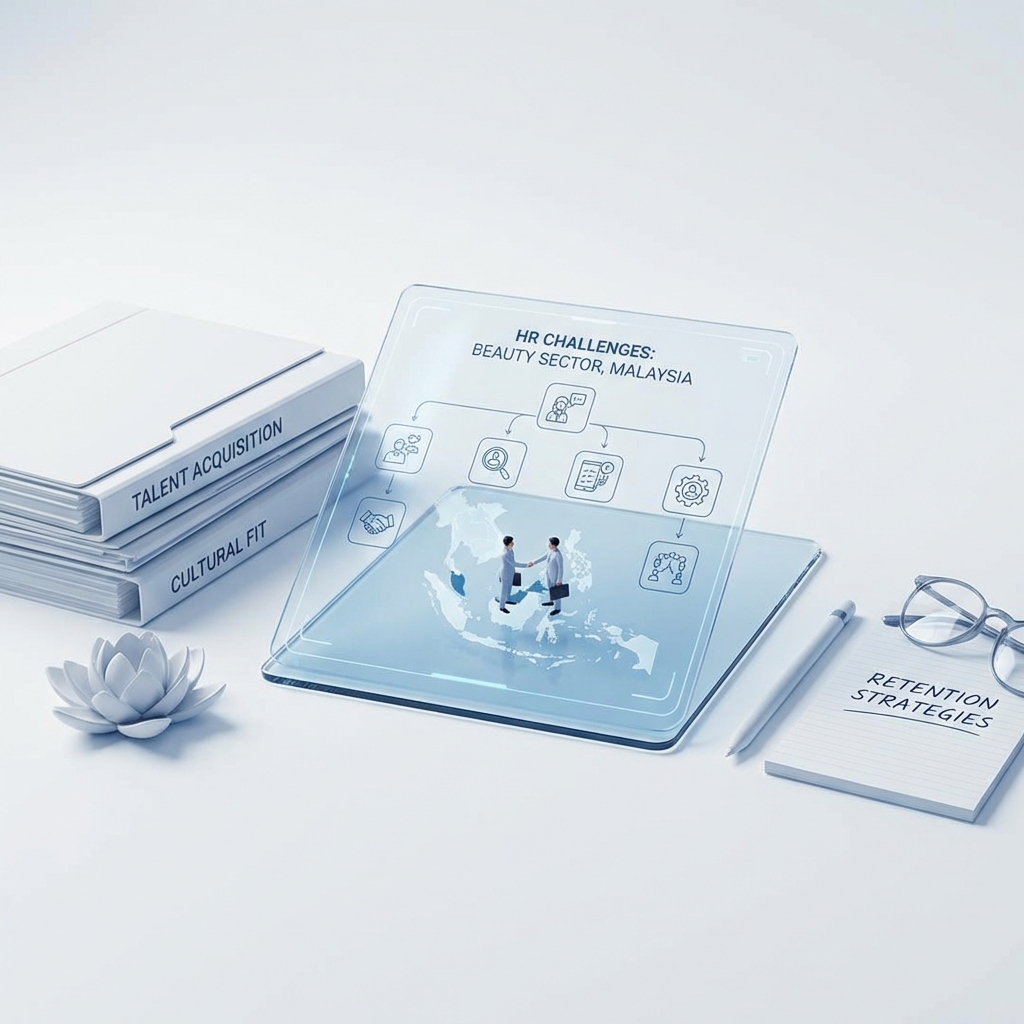
1. Talent Shortage and Retention in Salons & Spas
One of the most pressing HR challenges within Malaysia’s beauty sector is the chronic shortage of skilled and experienced talent, coupled with high employee turnover. The demand for qualified beauticians, therapists, stylists, and aesthetic specialists often outstrips supply, leading to intense competition among employers. Many new entrants to the industry lack comprehensive training, requiring significant investment from businesses in upskilling programs. Furthermore, the highly competitive nature of the beauty industry means that top talent is frequently poached, or employees leave for better opportunities, higher commissions, or improved working conditions. This constant churn disrupts service quality, increases recruitment and training costs, and negatively impacts client relationships. Effective retention strategies, competitive remuneration packages, and robust career development pathways are essential. Without these, businesses struggle to build stable, high-performing teams, making the implementation of supportive HR tools – applications for beauty field in malaysia even more critical to manage employee lifecycles and engagement.
2. Managing Diverse Workforce Needs (Therapists, Stylists, Admin)
The beauty sector’s workforce is inherently diverse, comprising a spectrum of roles each with unique requirements, compensation structures, and career aspirations. Therapists, for instance, often rely on commission-based earnings and require specialized training in various treatments. Stylists need creativity, technical skill, and a strong client base, often operating on a hybrid salary-commission model. Administrative and front-desk staff, on the other hand, manage appointments, client relations, and inventory, typically on fixed salaries. This diversity extends to cultural backgrounds, languages, and work expectations, particularly in a multicultural nation like Malaysia. Managing such a varied workforce presents significant challenges in terms of scheduling, performance management, training needs, and fostering a cohesive team environment. HR departments must develop flexible policies and communication strategies that cater to these disparate groups, ensuring fairness and motivation across the board. Traditional HR methods often fall short, highlighting the need for advanced HR tools – applications for beauty field in malaysia that can adapt to different roles, track individual performance metrics, and facilitate tailored communication.
3. Navigating Malaysian Labor Laws and Regulations
Compliance with Malaysia’s intricate labor laws and regulations is a non-negotiable, yet frequently challenging, aspect of HR in the beauty sector. Businesses must adhere to the Employment Act 1955 (amended), Employees Provident Fund (EPF) Act 1991, Social Security Organization (SOCSO) Act 1969, and various other statutory requirements related to wages, working hours, leave entitlements, and employee benefits. For many smaller salons and spas, keeping abreast of the latest amendments and ensuring full compliance can be overwhelming, especially without dedicated HR personnel. Missteps can lead to hefty fines, legal disputes, and reputational damage. Specific challenges include correctly classifying employees (full-time, part-time, contract, commission-only), managing foreign worker quotas and permits, and ensuring workplace safety standards are met, particularly concerning the use of chemicals and equipment. The recent amendments to the Employment Act, which came into force in January 2023, have further expanded employee protections and introduced new obligations for employers, such as paternity leave and flexible working arrangements. Employers must ensure their practices align with these evolving legal landscapes. For comprehensive guidance on Malaysian labor laws, businesses can refer to authoritative sources like the Ministry of Human Resources Malaysia. Leveraging specialized HR tools – applications for beauty field in malaysia with built-in compliance features can significantly alleviate the burden of staying compliant and mitigate risks, allowing beauty businesses to focus on their core services while ensuring legal adherence.
Essential HR Tools for Recruitment & Onboarding Excellence
In the vibrant and competitive beauty industry of Malaysia, attracting, hiring, and seamlessly integrating new talent is paramount for sustained success. From bustling salons in Kuala Lumpur to serene spas in Penang, businesses constantly seek skilled professionals – be it creative hairstylists, meticulous nail technicians, or expert therapists. The challenge lies not just in finding these talents but in streamlining the entire journey from applicant to integrated team member. This is where modern advanced HR tools applications for beauty field in Malaysia become indispensable, offering digital solutions that enhance efficiency, improve candidate experience, and ensure a strong start for every new hire. These powerful platforms are designed to transform traditional, often cumbersome, HR processes into smooth, automated workflows, giving beauty businesses a distinct competitive edge in talent acquisition for beauty industry and employee retention strategies beauty.
-
Applicant Tracking Systems (ATS) for Beauty Professionals
For beauty businesses overwhelmed by stacks of resumes and countless emails, Applicant Tracking Systems (ATS) are a game-changer. These recruitment software for salons are specifically designed to manage the entire hiring lifecycle, from posting job advertisements to scheduling interviews. An ATS centralises all candidate information, making it easy to screen applicants, track their progress, and communicate effectively. For roles like beauty technician hiring, an ATS can be configured to filter candidates based on specific skills, experience, and even portfolio submissions, crucial for visual and skill-based professions. Many modern ATS platforms also offer video interviewing capabilities, allowing salon managers to assess a stylist’s communication skills or a makeup artist’s presentation before an in-person meeting. By automating initial screening and administrative tasks, ATS platforms significantly reduce the HR workload, allowing beauty HR teams to focus on strategic talent acquisition for beauty industry. This leads to a more efficient and organised hiring process, ensuring that promising candidates aren’t overlooked and that salon staff management software is robust from the outset, aiding spa manager recruitment tools and overall salon staffing.
-
Automated Onboarding Platforms for New Hires
Once a successful candidate has been identified, the next critical phase is onboarding. Automated onboarding platforms for new hires transform what can often be a cumbersome, paper-heavy process into a seamless digital experience. These platforms handle everything from digital paperwork and contract signing to delivering essential training modules and integrating new hires into the company culture. For beauty businesses, this means new employees can rapidly familiarise themselves with product knowledge, service protocols, brand guidelines, and customer service expectations, crucial elements for client satisfaction. Features like interactive training platforms for beauty professionals, virtual facility tours, and introductions to team members can be integrated, fostering a sense of belonging from day one. By automating tasks, HR automation for spas frees up HR personnel and managers to provide personalised mentorship, significantly improving employee integration and reducing the likelihood of early turnover. Effective digital onboarding not only ensures compliance and efficiency but also lays a strong foundation for employee loyalty, which is vital for long-term employee retention strategies beauty in a high-turnover industry.
-
Skill Assessment Tools for Stylists & Therapists
Hiring for highly skilled roles in the beauty sector requires more than just reviewing resumes; it demands a precise evaluation of practical abilities. Skill assessment tools for stylists & therapists are invaluable in this regard, providing objective metrics to evaluate a candidate’s proficiency. These tools can range from practical, hands-on tests (e.g., demonstrating a specific haircut technique or a facial treatment) to online simulations and psychometric assessments that gauge soft skills like client communication, sales acumen, and teamwork. For a beauty skill evaluation, employers can use video submissions for initial screenings or structured practical tests during interviews to assess technical competence in areas like makeup artistry, hair coloring, massage therapy, or nail art. Incorporating such tools helps employers make data-driven hiring decisions, moving beyond subjective impressions to identify truly qualified individuals. As highlighted by HR experts on pre-employment testing, objective assessments significantly improve hiring accuracy and reduce costly mis-hires. By accurately measuring both technical expertise and essential soft skills, businesses can ensure they recruit professionals who not only excel in their craft but also align perfectly with the salon’s service standards and client expectations, contributing positively to overall performance management beauty sector.
Streamlining Operations with Payroll, Leave & Scheduling Software
In the dynamic and customer-centric world of beauty businesses in Malaysia, managing daily operational tasks efficiently is paramount to success. From bustling salons to tranquil spas, owners and managers often find themselves juggling multiple administrative responsibilities that can distract from core business growth. This is where modern HR tools – applications for beauty field in malaysia become invaluable. These sophisticated HR applications are designed to simplify crucial tasks such as ensuring accurate payroll, streamlining leave management, and optimizing staff scheduling. By embracing these digital solutions, beauty businesses can significantly enhance operational efficiency, reduce administrative burdens, and ensure a happier, more productive workforce through better HR software for spas and salons.

1.
Integrated Payroll Systems for Malaysian Businesses
Accurate and compliant payroll processing is a non-negotiable aspect of running any business in Malaysia, especially within the beauty sector. An integrated payroll software Malaysia solution goes far beyond merely calculating salaries. It automates complex calculations, including EPF, SOCSO, EIS contributions, and income tax deductions (PCB), adhering strictly to Malaysian tax regulations. These systems significantly reduce the risk of human error, ensuring that your employees are paid correctly and on time, every time. Furthermore, a robust automated payroll processing system can generate detailed pay slips, annual tax reports, and facilitate seamless bank transfers, saving countless hours of manual effort. For beauty salons and spas, where staff often work varied hours or shifts and may earn commissions, a specialized payroll system can effortlessly handle these complexities, ensuring fair compensation and compliance HR Malaysia. This not only builds trust with your team but also safeguards your business from potential penalties related to non-compliance, making it a cornerstone of effective beauty salon HR solutions.
2.
Automated Leave Management & Attendance Tracking
Managing employee leave and tracking attendance can be a major administrative headache for beauty businesses. Manual systems are prone to errors, can lead to scheduling conflicts, and make it difficult to get a clear overview of staff availability. Implementing an automated leave management system Malaysia transforms this challenge into an opportunity for greater efficiency. Employees can request leave through an intuitive employee self-service portal, managers can approve or deny requests digitally, and the system automatically updates leave balances. This transparency eliminates misunderstandings and ensures fair leave allocation. Coupled with a reliable time attendance system Malaysia, businesses can accurately record staff working hours, calculate overtime, and monitor punctuality. For a beauty salon or spa, knowing precisely who is on duty and who is available at any given moment is critical for customer service and operational planning. These digital HR tools help prevent understaffing during peak hours and overstaffing during quieter periods, ultimately contributing to better workforce management beauty industry practices and improved customer experience.
3.
Optimizing Staff Rosters with Scheduling Software
Efficient staff scheduling is vital for the smooth operation of any beauty business, ensuring adequate coverage for appointments, walk-ins, and operational tasks. A specialized staff scheduling software beauty salon tool empowers managers to create optimized rosters that align with business needs and employee availability. This type of HR software for spas and salons allows for easy drag-and-drop scheduling, real-time adjustments, and transparent communication of shifts to staff. It can factor in employee skills, availability, preferred shifts, and even break times, ensuring that your most experienced stylists are available during peak client hours, for instance. Beyond just convenience, optimizing staff rosters minimizes overtime costs, reduces scheduling conflicts, and improves employee satisfaction by providing predictable work schedules. By integrating with payroll and leave systems, scheduling software offers a holistic view of your workforce, predicting staffing needs and helping to make data-driven decisions. This strategic use of digital HR tools for salons not only enhances operational efficiency beauty business-wide but also contributes significantly to employee morale and retention, making it an indispensable asset for modern beauty establishments.
Boosting Performance & Development Through HR Tech
In Malaysia’s competitive beauty industry, a skilled and engaged workforce is paramount for success. Leveraging modern HR tools – applications for the beauty field in Malaysia – offers a transformative approach to performance and development. These sophisticated human resources technology solutions empower beauty businesses, from salons to spas, to streamline operations, enhance performance tracking software, provide structured feedback, and facilitate continuous learning and skill development platforms. Embracing digital HR transformation is key for cultivating a productive team and achieving sustainable growth.
Moving beyond traditional manual processes, HR tech introduces efficiency and precision into talent management, employee training solutions, and engagement strategies. Let’s explore how specific HR tech categories are revolutionizing performance and development in the Malaysian beauty sector.
1. Performance Management Systems for Goal Setting
Effective performance management is critical for a thriving beauty business. Modern talent management systems, particularly their performance modules, enable salons and spas to establish clear, measurable goals for their staff. This includes targets for client retention, product sales, or achieving new service milestones. These systems provide a structured framework for defining expectations and monitoring progress in real-time, helping beauty professionals track their professional growth and understand how their contributions align with business objectives.
Beyond simple tracking, these systems facilitate regular check-ins and structured feedback. Managers can offer constructive criticism, acknowledge achievements, and collaboratively set future development plans. This continuous dialogue, supported by concrete data from performance tracking software, ensures staff are aware of their standing and have a clear path for career progression. For instance, a system can track successful completion of advanced treatment courses, linking skill acquisition to performance metrics and potential incentives, fostering a culture of high achievement and staff development Malaysia needs.
2. Learning Management Systems (LMS) for Beauty Training
The beauty industry evolves rapidly, demanding constant skill updates. A robust Learning Management System (LMS) is indispensable for ensuring Malaysian beauty professionals stay current. An LMS serves as a centralized hub for all employee training solutions and continuous learning initiatives, making high-quality education accessible anytime, anywhere. It can host diverse learning materials, from video tutorials on new facial techniques to product knowledge certifications from suppliers.
These skill development platforms allow businesses to create customized training modules, assign courses based on individual needs, and track completion rates. This standardizes training quality and saves significant time and resources compared to traditional methods. An LMS also supports personalized learning journeys, enabling professionals to specialize or upskill efficiently. Monitoring engagement and assessing knowledge retention ensures training investments translate into tangible improvements in service delivery and client satisfaction. As highlighted by SHRM’s insights into HR technology, such tools profoundly impact staff development and organizational effectiveness.
3. Employee Feedback & Engagement Platforms
A highly engaged workforce is a productive one. Engagement tools and feedback platforms are vital for fostering a positive work environment and retaining top talent in the competitive Malaysian beauty sector. These feedback mechanisms offer continuous, real-time input from employees, going beyond annual reviews. Through anonymous surveys, pulse checks, and recognition programs, beauty businesses gain invaluable insights into morale, satisfaction, and improvement areas.
Platforms can facilitate peer-to-peer recognition, boosting team spirit and fostering a supportive culture. By actively listening to employee feedback, salon and spa management can address concerns promptly, demonstrating that employee voices are heard and implementing changes that genuinely improve the employee experience. This proactive approach significantly reduces turnover and cultivates a sense of belonging among beauty professionals, leading to higher service quality and better client interactions. Investing in these spa HR solutions and beauty salon management software components ensures a business not only performs well but also attracts and retains the best talent.
In conclusion, strategic adoption of HR tools in the Malaysian beauty industry offers a comprehensive approach to boosting performance and continuous development. From structured goal setting with performance management systems and accessible learning via LMS, to cultivating a vibrant workplace with feedback and engagement platforms, these technologies are indispensable. They equip beauty professionals with essential resources, drive business efficiency, and ultimately enhance the overall client experience, ensuring beauty businesses thrive in an ever-evolving landscape.
The Future of HR Tools for Malaysian Beauty Businesses: Trends & Adoption
Looks ahead at emerging trends in HR technology and offers guidance on selecting and implementing the right solutions for the beauty field in Malaysia by 2026.
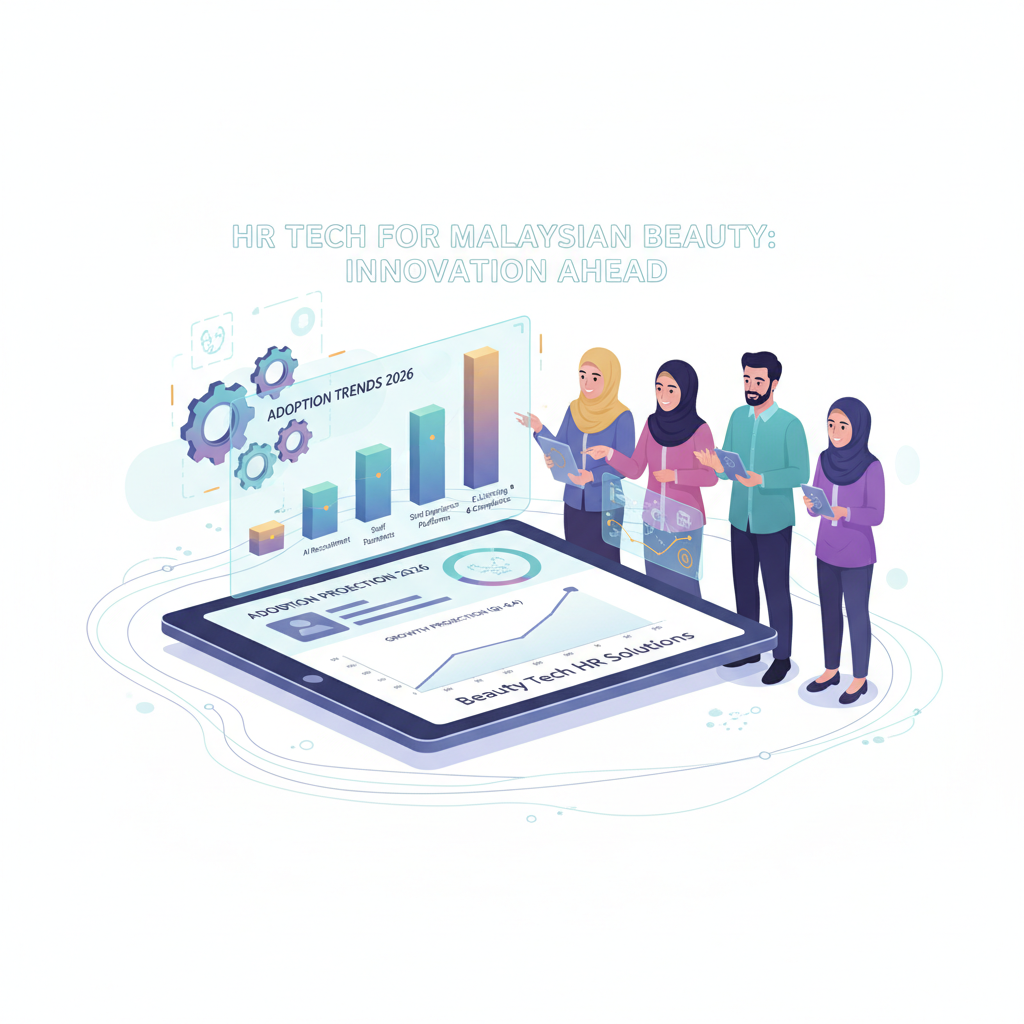
The dynamic and rapidly evolving beauty industry in Malaysia faces unique challenges, from managing flexible schedules and commission-based pay to ensuring high standards of customer service and staff training. As the sector continues its robust growth, traditional, manual HR processes are becoming increasingly unsustainable. The good news is that advancements in HR technology are offering sophisticated, tailor-made solutions. By 2026, embracing cutting-edge specialized HR tools for beauty businesses will no longer be an option but a strategic imperative for Malaysian salons, spas, and aesthetic clinics aiming for operational excellence, enhanced employee satisfaction, and sustained competitive advantage. This section explores the significant HR tech trends set to reshape the industry and provides practical advice on navigating the selection and adoption process.
1. Cloud-Based HR Solutions and Data Security
Cloud computing has revolutionized how businesses operate, and HR is no exception. For Malaysian beauty businesses, cloud-based HR solutions offer unparalleled accessibility, scalability, and cost-efficiency. These platforms allow owners and managers to access critical HR data—from employee profiles and attendance records to payroll processing and leave management—anytime, anywhere, on any device. This flexibility is crucial for multi-location salons or for managers constantly on the go. Furthermore, cloud HR tools often come with robust mobile applications, empowering employees to view their payslips, request leave, or update personal information directly from their smartphones, significantly streamlining administrative tasks.
However, the shift to the cloud necessitates a strong focus on data security. For Malaysian businesses, compliance with the Personal Data Protection Act (PDPA) 2010 is paramount. When selecting a cloud HR provider, it’s essential to scrutinize their data encryption protocols, backup and disaster recovery plans, and adherence to international and local data protection standards. Reputable cloud HR vendors typically invest heavily in security infrastructure, often offering more robust protection than an individual business could manage on its own. Prioritizing providers with local server presence or data centers within trusted jurisdictions can also add an extra layer of comfort and compliance assurance for sensitive employee data.
2. AI & Automation in HR for Enhanced Efficiency
Artificial Intelligence (AI) and automation are poised to transform HR functions, moving beyond simple task management to strategic decision-making. In the Malaysian beauty sector, AI can significantly enhance efficiency in several key areas. For recruitment, AI-powered tools can screen resumes, automate initial candidate communication via chatbots, and even analyze video interviews to identify promising talent, thereby reducing time-to-hire and ensuring a more objective selection process. This is particularly useful for finding specialized beauticians, stylists, or therapists.
Automation can also streamline repetitive and time-consuming administrative tasks. Think automated scheduling that considers staff availability, skill sets, and client bookings; automated payroll processing that integrates complex commission structures; or automated alerts for license renewals and training requirements. Furthermore, AI can provide predictive analytics, helping beauty businesses forecast staffing needs, identify potential employee turnover risks, and personalize training programs based on individual performance gaps. By offloading these operational burdens, HR personnel and business owners can redirect their focus towards strategic initiatives like talent development, employee engagement, and fostering a positive workplace culture, directly impacting service quality and customer loyalty.
3. Choosing the Right HR Tool: Key Considerations for Malaysian Salons
Selecting the ideal HR tool for a Malaysian beauty business requires careful consideration of several factors to ensure it aligns with specific operational needs and long-term goals. Firstly, scalability is crucial. The chosen solution should be able to grow with your business, accommodating an increasing number of employees and expanding services without requiring a complete system overhaul. Secondly, user-friendliness cannot be overstated. A system that is intuitive and easy for both management and staff to adopt will maximize utilization and minimize training time.
Integration capabilities are also vital. Can the HR tool seamlessly connect with existing systems such as Point-of-Sale (POS) software, booking platforms, or customer relationship management (CRM) systems? This avoids data duplication and creates a unified operational ecosystem. Thirdly, local compliance is non-negotiable. Ensure the software adheres to Malaysian labor laws, including specific regulations around wages, EPF, SOCSO, EIS, and the aforementioned PDPA. It should also be able to handle local tax requirements and statutory contributions accurately. Finally, consider the vendor’s support and reputation. Opt for a provider with a strong track record, excellent customer service, and local support options to assist with implementation, training, and troubleshooting specific to the Malaysian context. Requesting demos and free trials can help beauty business owners make an informed decision, ensuring the chosen HR tool truly empowers their operations for the future.
Partner with Shelby Global
You are looking for reliable HR Sevice Suppliers? Contact Shelby Global Now! To connect with verified talents and upgrade your orginization.
—————————————
References
– Ministry of Human Resources Malaysia: https://www.mohr.gov.my/
– Pre-Employment Testing: What You Need to Know: https://www.shrm.org/resourcesandtools/hr-topics/talent-acquisition/pages/pre-employment-testing-what-you-need-to-know.aspx
– Malaysian tax regulations: https://www.hasil.gov.my/en/tax-information/individuals/employment/
– Benefits of HR Tech Solutions: https://www.shrm.org/resources-and-tools/hr-topics/technology/pages/benefits-of-hr-tech-solutions.aspx
– Gartner – The Future of HR Technology: https://www.gartner.com/en/human-resources/trends/future-of-hr-technology