Understanding HR Challenges in Malaysian Education
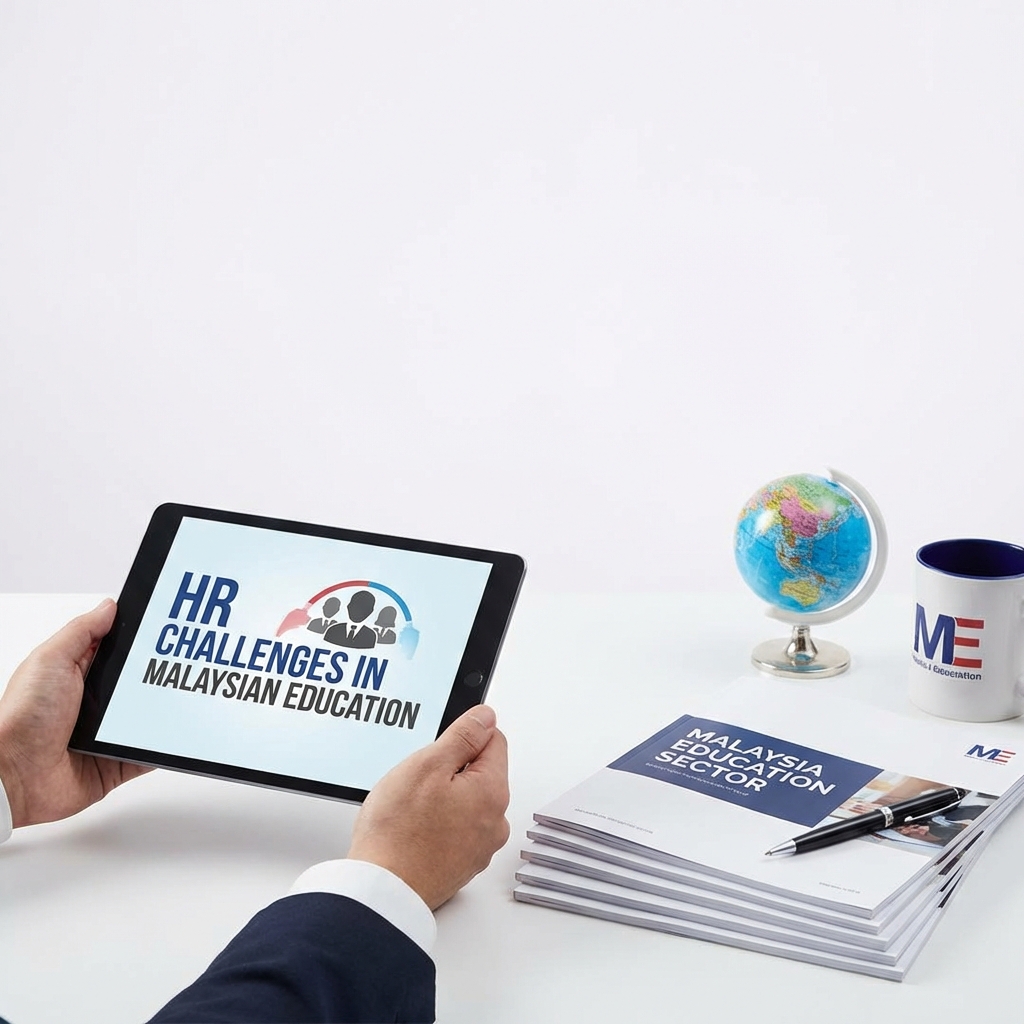
Malaysia’s educational landscape is dynamic, characterized by a mix of public, private, and international institutions, each striving to deliver quality learning experiences. However, behind the scenes, Human Resources (HR) departments in these institutions grapple with a unique set of challenges that significantly impact operational efficiency, staff morale, and ultimately, educational outcomes. From attracting and retaining top talent to ensuring compliance with intricate local labor laws, the HR function in Malaysian education is complex. Addressing these pain points effectively often necessitates the adoption of robust HR tools – applications for education companies in malaysia, designed to streamline processes and empower educators.
1. Talent Acquisition and Retention Hurdles
One of the most pressing HR challenges in Malaysian education is the fierce competition for qualified teaching and administrative staff. Educational institutions frequently struggle to attract experienced educators, particularly in specialized subjects or for roles requiring specific international curricula expertise. This challenge is compounded by several factors:
- Competitive Compensation: Private and international schools often face pressure to offer competitive salary packages that can rival those in other sectors or even international markets, making it difficult for institutions with tighter budgets to compete.
- Career Development Opportunities: Educators seek clear pathways for professional growth. Institutions that lack structured mentorship programs, leadership development, or opportunities for advanced studies may find it harder to retain ambitious talent.
- Work-Life Balance: The demanding nature of teaching, coupled with administrative duties, can lead to burnout. Institutions striving to create supportive environments and flexible working conditions have a distinct advantage in both attracting and retaining staff.
- Geographic Disparities: Attracting talent to rural or less developed areas can be particularly challenging, leading to disparities in educational quality across regions.
Without effective strategies, high turnover rates can disrupt curriculum continuity, increase recruitment costs, and negatively impact student learning. Implementing advanced HR tools – applications for education companies in malaysia can significantly streamline the recruitment process, from applicant tracking and onboarding to performance management and engagement surveys, helping institutions identify and nurture their talent pipeline more effectively.
2. Staff Development and Upskilling Needs
The education sector is constantly evolving, driven by technological advancements, new pedagogical approaches, and changing student demographics. This necessitates continuous professional development (CPD) and upskilling for all staff members, from classroom teachers to support personnel. However, educational institutions in Malaysia often encounter obstacles in this area:
- Budgetary Constraints: Allocating sufficient funds for high-quality training programs, workshops, and certifications can be a significant challenge, especially for institutions that operate on tight budgets.
- Time Limitations: Educators often have packed schedules, making it difficult to find time for extensive training without impacting classroom instruction or increasing workload.
- Relevance of Training: Ensuring that development programs are relevant, practical, and directly applicable to the specific needs of the institution and its educators is crucial but often overlooked.
- Tracking and Impact Measurement: Many institutions struggle to effectively track staff development progress and measure the tangible impact of training on teaching effectiveness and student outcomes.
Modern HR tools – applications for education companies in malaysia can play a transformative role here. Learning Management Systems (LMS) integrated within HR platforms can facilitate online courses, track compliance with CPD requirements, identify skill gaps through performance appraisals, and manage training budgets, ensuring a well-equipped and adaptive workforce.
3. Navigating Local Labor Laws and Compliance
Compliance with Malaysian labor laws is a critical, yet often complex, aspect of HR management for educational institutions. The regulatory framework, primarily governed by the Employment Act 1955 and various subsidiary legislations, requires meticulous attention. Institutions must navigate rules concerning:
- Employment Contracts: Ensuring all contracts comply with statutory requirements, including terms for local and expatriate staff.
- Wages and Benefits: Adhering to minimum wage laws, EPF (Employees Provident Fund), SOCSO (Social Security Organization), and EIS (Employment Insurance Scheme) contributions.
- Working Hours and Leave: Managing statutory holidays, annual leave, sick leave, and maternity/paternity leave in accordance with the law.
- Disciplinary Procedures and Termination: Implementing fair and legally sound processes for disciplinary actions and terminations to avoid costly disputes.
- Industrial Relations: Understanding and managing interactions with trade unions, where applicable, and adhering to industrial court rulings.
The penalties for non-compliance can range from substantial fines to reputational damage and legal challenges, which can be particularly damaging for institutions reliant on public trust. Leveraging specialized HR tools – applications for education companies in malaysia can significantly mitigate these risks by automating compliance checks, ensuring accurate record-keeping, generating compliant payroll, and providing up-to-date policy management. These tools act as vital safeguards, allowing HR teams to focus on strategic initiatives rather than getting bogged down in administrative complexities.
In conclusion, overcoming these multifaceted HR challenges is paramount for the sustained growth and success of educational institutions in Malaysia. By embracing modern HR tools and strategic approaches, institutions can foster a supportive environment for their staff, enhance operational efficiency, and ultimately deliver a higher quality of education to their students.
In today’s educational landscape, institutions function as sophisticated businesses requiring robust operational frameworks. For education companies, particularly those in Malaysia’s competitive talent market, efficient Human Resources (HR) management is paramount. Modern HR tools – applications for education companies in Malaysia are now a strategic imperative, designed to streamline processes, enhance employee experience, and ensure compliance. Leveraging the right HR technology solutions significantly boosts an education company’s efficiency and overall success.
Digital transformation has profoundly impacted HR. Integrating advanced HR technologies allows education companies to move beyond traditional, manual processes, freeing up HR teams for strategic initiatives. This improves operational efficiency and cultivates a more engaging, supportive environment for employees. By adopting modern HR systems, education providers can attract top talent, develop staff effectively, and manage critical administrative tasks with unprecedented accuracy.
Essential HR Tools for Modern Education Companies
Introduces various categories of HR technology solutions that can significantly benefit education companies, enhancing efficiency and employee experience.
-
Applicant Tracking Systems (ATS) for Recruitment
Recruiting qualified educators and staff is a continuous challenge for education companies. An Applicant Tracking System (ATS) automates the entire recruitment process, from job posting to onboarding. In Malaysia’s competitive education sector, an ATS is indispensable, allowing HR to efficiently post jobs, collect applications, screen candidates based on predefined criteria (e.g., qualifications, experience), and communicate effectively. This reduces administrative workload, enhances the candidate experience with timely updates, and improves hiring quality through data-driven insights. For education companies needing to fill roles quickly and accurately, an ATS ensures a streamlined, compliant, and highly effective recruitment pipeline, making it a vital HR tool.
-
Integrated Learning Management Systems (LMS) for Staff
Continuous professional development is vital for educators and administrative staff to stay updated with advancements and best practices. An Integrated Learning Management System (LMS) tailored for staff is a powerful HR technology solution. Unlike an LMS for students, an employee-focused LMS facilitates internal training, compliance modules, onboarding, and skill enhancement for the workforce. It centralizes training materials, making them accessible anytime, anywhere, and allows HR to track completion rates and identify skill gaps. For education companies in Malaysia, an LMS provides a scalable way to deliver consistent professional development, boosting employee engagement and retention while maintaining high standards.
-
Payroll and Benefits Administration Software
Accurate, timely, and compliant payroll processing and benefits administration are fundamental. For education companies, managing payroll is complex due to varying contract types, salary scales, and Malaysian labor laws. Payroll and benefits administration software automates these intricate processes, ensuring employees are paid correctly and on time, with all statutory deductions and contributions (e.g., EPF, SOCSO, EIS, PCB) handled meticulously. This reduces errors, simplifies benefits management, and saves HR time. The enhanced accuracy and compliance contribute to a positive employee experience, reinforcing trust, and ensuring the education company operates smoothly within the legal framework, demonstrating strategic advantage through HR technology.
Benefits of Integrating HR Tech in Education Sector
In today’s rapidly evolving educational landscape, institutions face the dual challenge of delivering quality education while managing complex administrative and human resource functions. The integration of advanced HR technology (HR Tech) presents a transformative solution, offering profound advantages that extend beyond mere operational enhancements. By adopting sophisticated HR tools – applications for education companies in Malaysia can significantly streamline operations, reduce costs, and, critically, elevate staff engagement and satisfaction. This section delves into the multifaceted benefits that HR tech brings to the education sector, fostering environments of efficiency, innovation, and professional growth.
-
Streamlined Operations and Administrative Efficiency
One of the most immediate and tangible benefits of HR tech adoption is the dramatic improvement in operational efficiency. Traditional HR processes—such as onboarding new staff, managing payroll, tracking leave requests, and handling performance reviews—are often manual, time-consuming, and prone to errors. HR tech platforms automate these routine tasks, freeing up valuable administrative time that can be redirected towards more strategic initiatives, such as curriculum development or student support services.
For education companies in Malaysia, modern HR systems can centralize employee data, ensuring accuracy and accessibility. This not only reduces the administrative burden but also minimizes compliance risks associated with data management and labor laws. Automated workflows for recruitment and talent acquisition mean that educational institutions can attract, screen, and hire qualified educators and support staff more efficiently, shortening recruitment cycles and improving the quality of hires. Furthermore, self-service portals empower employees to manage their own information, apply for leave, or access payslips, drastically cutting down on HR department queries and improving overall administrative flow.
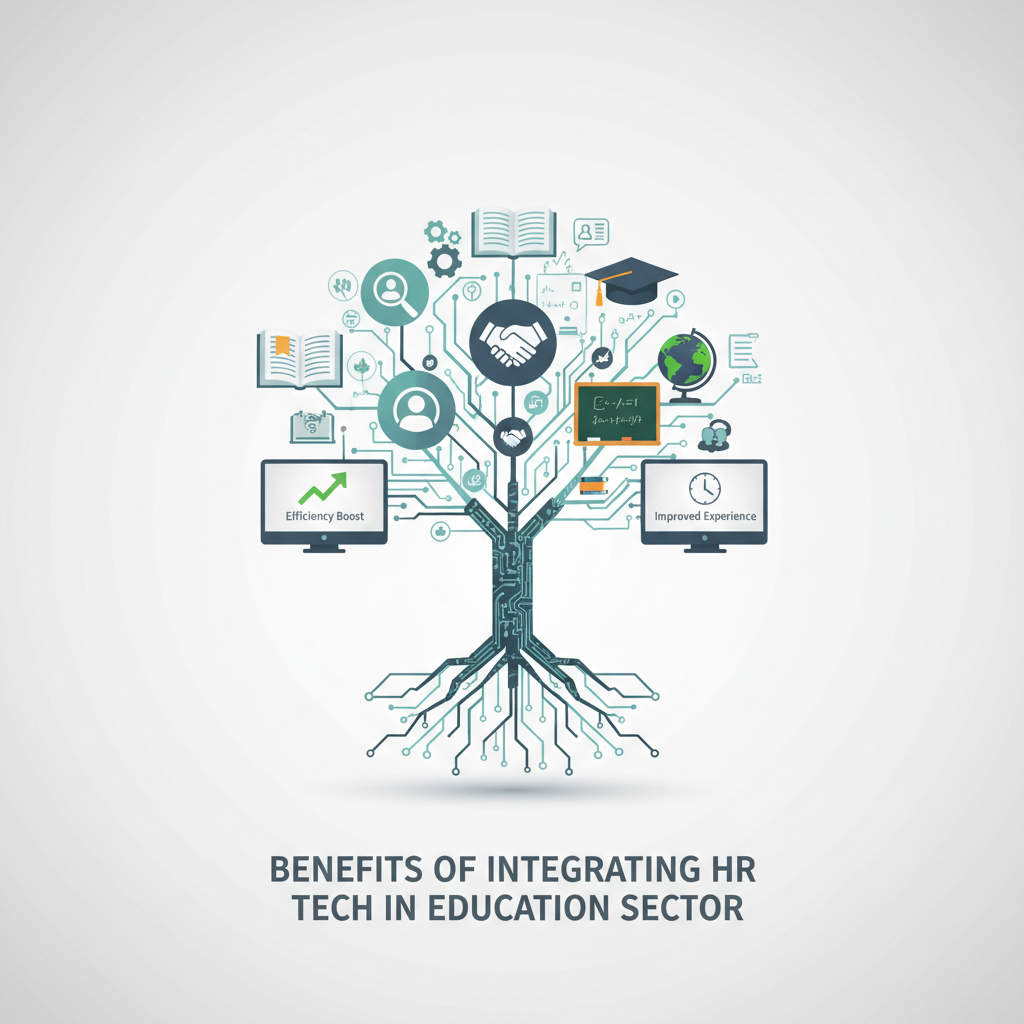
The consolidation of various HR functions into a single, integrated platform also leads to significant cost reductions. By automating tasks, educational institutions can reduce the need for extensive administrative staff, save on paper and printing costs, and mitigate errors that often lead to financial penalties or rework. The efficiency gains directly contribute to a healthier bottom line, allowing resources to be reinvested into educational programs or staff development.
-
Enhanced Employee Engagement and Satisfaction
Beyond mere efficiency, HR tech plays a pivotal role in cultivating a more engaged and satisfied workforce—a critical factor for success in the education sector where passionate, dedicated educators are paramount. Modern HR tools facilitate transparent communication, provide structured feedback mechanisms, and support continuous professional development, all of which contribute to a positive workplace culture.
Performance management modules within HR tech platforms enable regular check-ins, goal setting, and constructive feedback, moving away from annual, often dreaded, review cycles. This continuous dialogue helps employees understand their impact, identify areas for growth, and feel valued. Access to learning and development platforms through HR tech ensures that educators and staff can continuously update their skills, pursue new qualifications, and stay abreast of pedagogical advancements, fostering a sense of career progression and investment from their employer.
Moreover, HR tech can streamline processes like benefits administration and wellness programs, making them easily accessible and understandable for employees. A seamless experience in managing personal HR-related matters significantly enhances job satisfaction. An engaged workforce is not only more productive but also more likely to remain with the institution, reducing turnover rates and preserving institutional knowledge. Research consistently shows that employee engagement is a key driver of organizational success and educational quality.
-
Data-Driven Insights for Strategic Decision-Making
Perhaps one of the most transformative aspects of integrating HR tech is its capacity to provide robust, data-driven insights. These insights are invaluable for strategic decision-making, allowing educational leaders to move beyond guesswork and base their policies on actionable intelligence. HR analytics tools within these platforms collect and analyze vast amounts of data related to workforce performance, talent acquisition, retention, and compensation.
For education companies in Malaysia, understanding trends in teacher turnover, identifying high-performing departments, or pinpointing skill gaps within the faculty becomes straightforward. For example, by analyzing retention data, institutions can identify common reasons for departures and implement targeted interventions to improve staff loyalty. Similarly, performance data can inform professional development programs, ensuring that training resources are allocated where they will have the greatest impact on teaching quality and student outcomes.
Furthermore, HR tech enables predictive analytics, helping institutions forecast future staffing needs based on enrollment projections and growth strategies. This proactive approach to talent management ensures that the right people with the right skills are available when needed, preventing critical staffing shortages. These strategic HR tools – applications for education companies in Malaysia empower leaders to optimize resource allocation, enhance organizational agility, and ultimately, elevate the overall effectiveness and reputation of their educational offerings.
In conclusion, the adoption of HR tech is no longer a luxury but a strategic imperative for the education sector. From streamlining complex administrative tasks and cutting costs to fostering a highly engaged and data-informed workforce, the benefits are extensive. Educational institutions that embrace these advanced HR solutions are better positioned to attract top talent, cultivate a thriving work environment, and achieve sustained excellence in their mission to educate the next generation.
Selecting the Right HR Tools: A Malaysian Perspective
In Malaysia’s dynamic education sector, the demand for efficient human resource management is paramount. Educational institutions, from preschools to universities, face unique challenges in managing diverse staff, from academic faculty and administrative personnel to support teams. The right HR tools for education companies in Malaysia are not just about automating tasks; they are strategic investments that streamline operations, ensure compliance, and foster a productive work environment. This section provides practical guidance on evaluating and choosing HR solutions specifically tailored to the needs and context of education companies in Malaysia, ensuring you select applications that truly empower your institution.
1. Scalability and Customization for Growth
For education companies in Malaysia, growth is often characterized by fluctuating student enrollments, expanding course offerings, and the corresponding need for a larger or specialized workforce. Therefore, the HR tools you select must possess robust scalability and customization capabilities. A scalable solution can effortlessly accommodate an increasing number of employees, diverse contract types (full-time, part-time, adjunct lecturers), and evolving organizational structures without a complete overhaul. This is critical for institutions planning to open new branches, launch online learning platforms, or expand their academic departments.
Customization goes hand-in-hand with scalability. Malaysian education institutions often have unique operational workflows, performance appraisal systems tailored to academic roles, and specific compliance requirements dictated by the Ministry of Education or other regulatory bodies. The ideal HR system should allow for custom fields, workflows, and reporting functionalities to align with your institution’s specific processes. For instance, a system that can track professional development units for teachers, manage specific lecturer leave types, or integrate with existing learning management systems (LMS) can significantly enhance operational efficiency. Without this flexibility, institutions risk being constrained by generic software that doesn’t fully address their distinct needs, leading to workarounds and inefficiencies that negate the benefits of automation. Prioritizing HR tools that offer this level of adaptability ensures your investment remains relevant and valuable as your institution evolves.
2. Local Vendor Support and Integration Capabilities
Navigating the complexities of Malaysian labor laws, statutory contributions (like EPF, SOCSO, EIS), and cultural nuances in HR practices requires more than just generic software. Opting for HR tools applications for education companies in Malaysia that offer strong local vendor support can be a significant advantage. Local vendors are typically more attuned to Malaysian regulations, can provide support in Bahasa Malaysia, and often have a deeper understanding of the unique challenges faced by local educational institutions. This localized expertise translates to quicker problem resolution, more relevant training, and peace of mind regarding compliance. Effective local support means having readily available assistance for specific Malaysian payroll rules, tax regulations, and data privacy laws (PDPA 2010), which are crucial for avoiding penalties and ensuring smooth operations.
Furthermore, seamless integration capabilities are non-negotiable. Modern educational institutions often utilize a suite of specialized software, including student information systems (SIS), learning management systems (LMS), and financial accounting software. Your chosen HR tool must be able to integrate smoothly with these existing platforms to ensure data consistency, eliminate manual data entry, and provide a holistic view of your institution’s operations. For example, integration between HR and payroll systems is fundamental, but extending this to an LMS can streamline onboarding for new educators, track mandatory training, or even link teacher performance to student outcomes. Before committing, thoroughly assess the vendor’s integration roadmap, API availability, and their experience with connecting to systems commonly used in the Malaysian education sector. A well-integrated system forms the backbone of an efficient, data-driven HR department.
3. Budgetary Considerations and Return on Investment (ROI)
While the benefits of advanced HR tools are clear, budgetary constraints are a reality for many education companies in Malaysia. It’s crucial to approach the selection process with a clear understanding of both the initial investment and the ongoing costs. Beyond the upfront software license or subscription fees, consider implementation costs, training expenses, potential customization charges, and annual maintenance or support fees. Obtaining detailed quotations and understanding the pricing model (e.g., per user, per module) is essential to avoid unexpected expenditures.
However, focusing solely on cost can be short-sighted. The true value lies in the return on investment (ROI) that the HR tool can deliver. Calculate the potential savings and improvements by quantifying how the new system will: reduce administrative time (e.g., automated leave management, payroll processing), minimize compliance risks (e.g., accurate record-keeping, statutory contribution calculations), improve talent acquisition and retention (e.g., better candidate experience, performance management), and enhance employee satisfaction. For instance, a system that reduces payroll errors by 10% or cuts down HR administrative hours by 20% directly translates to tangible savings and improved efficiency. Engaging in a thorough cost-benefit analysis will help present a compelling case for investment. Consider a phased implementation if budget is a major concern, starting with core modules and gradually adding more functionalities as your institution grows and budgets allow. This strategic approach ensures that your investment in HR tools is both financially sound and future-proof for your education company in Malaysia.
Future Trends: HR Tools for Education in Malaysia 2026
As Malaysia’s education industry continues its rapid evolution, driven by technological advancements and shifting workforce dynamics, the strategic implementation of HR tools is becoming paramount. By 2026, the application of cutting-edge HR technologies within educational institutions – from universities and colleges to vocational training centers and international schools – will not merely be an advantage but a necessity. This forward-looking perspective explores emerging technologies and evolving trends in HR, predicting their profound impact and application within the Malaysian education industry by 2026, focusing on how sophisticated HR tools – applications for education companies in malaysia will redefine human capital management.

1. AI and Automation in Recruitment and Onboarding
The recruitment landscape in the Malaysian education sector is set for a significant overhaul through the integration of Artificial Intelligence (AI) and automation. By 2026, educational institutions will increasingly leverage AI-powered platforms to streamline the entire talent acquisition process, from identifying suitable candidates for teaching and administrative roles to automated interview scheduling and initial screening. AI algorithms can analyze vast amounts of data to match candidate profiles with specific institutional needs, ensuring a better fit for specialized roles like STEM educators, language instructors, or curriculum developers. This not only reduces time-to-hire but also enhances the quality of hires by minimizing human bias.
Furthermore, automation will revolutionize onboarding experiences. New hires, whether local or international educators, will benefit from automated workflows that handle document submission, contract signing, benefits enrollment, and initial training modules. This seamless digital experience will ensure that new staff are integrated quickly and efficiently, allowing them to focus on their core responsibilities sooner. Industry experts, as highlighted in articles like Forbes’ insights into AI in recruitment, consistently emphasize the transformative power of these technologies in creating more agile and effective HR functions. For the Malaysian education sector, this means a more competitive edge in attracting and retaining top talent.
2. Hybrid Work Management and Employee Well-being Platforms
While traditional classroom settings remain central, the administrative and support functions within Malaysian educational institutions are increasingly adopting flexible and hybrid work models. By 2026, HR tools designed for hybrid work management will be indispensable. These platforms will facilitate seamless scheduling, task management, and communication across various teams, whether they are on-campus or working remotely. Features like virtual meeting integration, shared digital workspaces, and automated attendance tracking will ensure operational efficiency and collaboration.
Crucially, employee well-being platforms will also gain prominence. The demanding nature of the education profession, coupled with the stresses of modern life, makes mental health and well-being support vital. HR systems will incorporate tools for anonymous feedback, stress management resources, virtual counseling services, and proactive check-ins. These platforms will enable HR departments in Malaysian schools and universities to monitor employee engagement, identify potential burnout risks, and offer targeted support, fostering a healthier and more productive work environment for all staff, from faculty to support personnel.
3. Gamification and Personalized Learning for Staff Development
Continuous professional development is critical for educators to stay abreast of pedagogical innovations and technological advancements. By 2026, HR tools leveraging gamification and personalized learning approaches will redefine staff development in the Malaysian education sector. Gamified learning modules, complete with points, badges, leaderboards, and interactive challenges, will make professional training more engaging and effective. This approach caters to the inherent desire for achievement and competition, encouraging educators to actively participate in upskilling and reskilling initiatives.
Moreover, AI-driven platforms will enable personalized learning paths tailored to individual staff members’ roles, career aspirations, and identified skill gaps. For instance, an English language teacher might receive personalized modules on digital literacy for blended learning, while an administrator might focus on data analytics for student management. These adaptive learning systems will not only enhance the relevance of training but also improve knowledge retention and application. This proactive investment in personalized staff development, powered by advanced HR technologies, will ensure that Malaysian educational institutions possess a highly skilled, adaptable, and motivated workforce ready to meet future challenges.
Partner with Shelby Global
You are looking for reliable HR Sevice Suppliers? Contact Shelby Global Now! To connect with verified talents and upgrade your orginization.
—————————————
References
– Employment Act 1955 (Malaysia): https://www.agc.gov.my/agcportal/uploads/files/Publications/LOM/EN/Act%20265%20-%20Employment%20Act%201955.pdf
– How Technology Is Changing the Future of HR: https://www.shrm.org/executive/resources/articles/how-technology-is-changing-the-future-of-hr
– What Is Employee Engagement?: https://www.shrm.org/resources-and-tools/tools-samples/hr-qa/pages/what-is-employee-engagement.aspx
– HR Technology Trends & News – Human Resources Online: https://www.humanresourcesonline.net/topics/hr-technology
– AI In Recruitment: The Future Is Now: https://www.forbes.com/sites/forbeshumanresourcescouncil/2023/12/11/ai-in-recruitment-the-future-is-now/?sh=461043e01edc