The Unique HR Challenges of Singapore’s Entertainment Industry
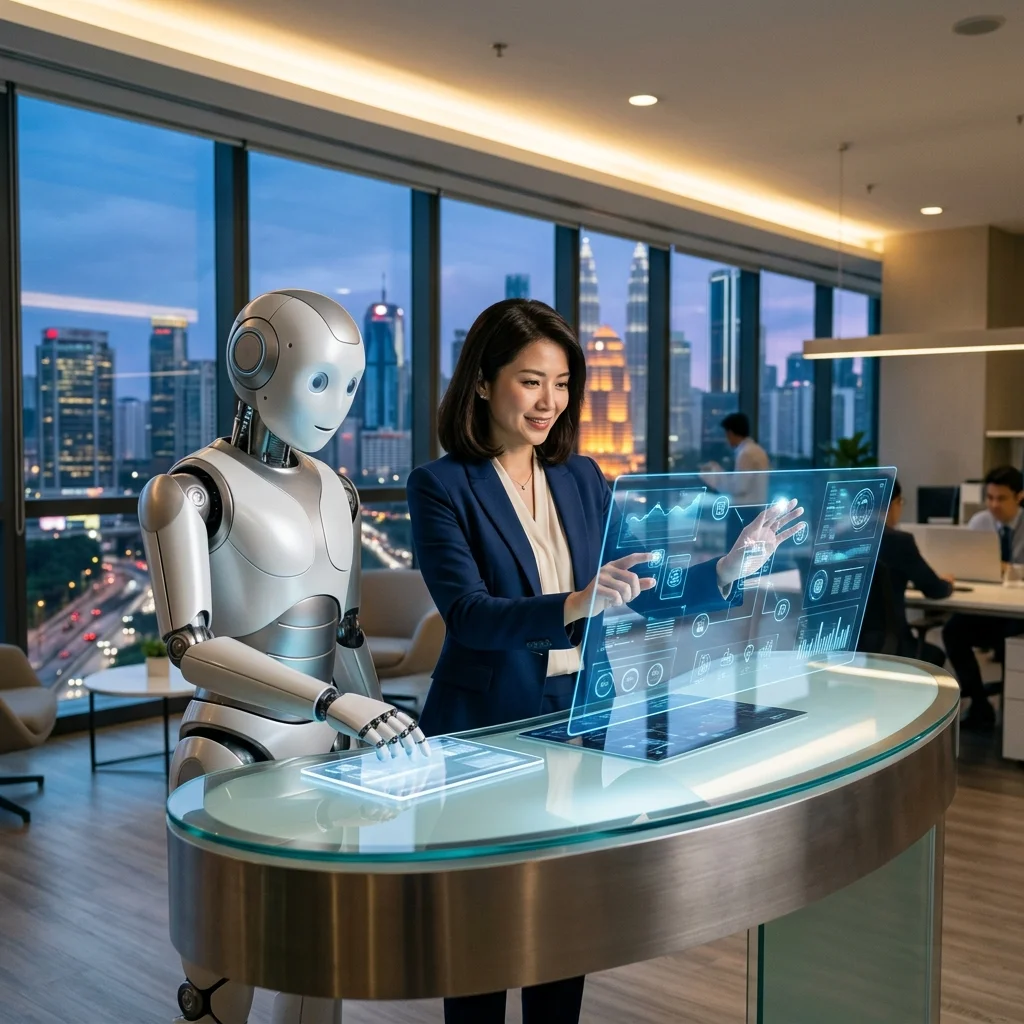
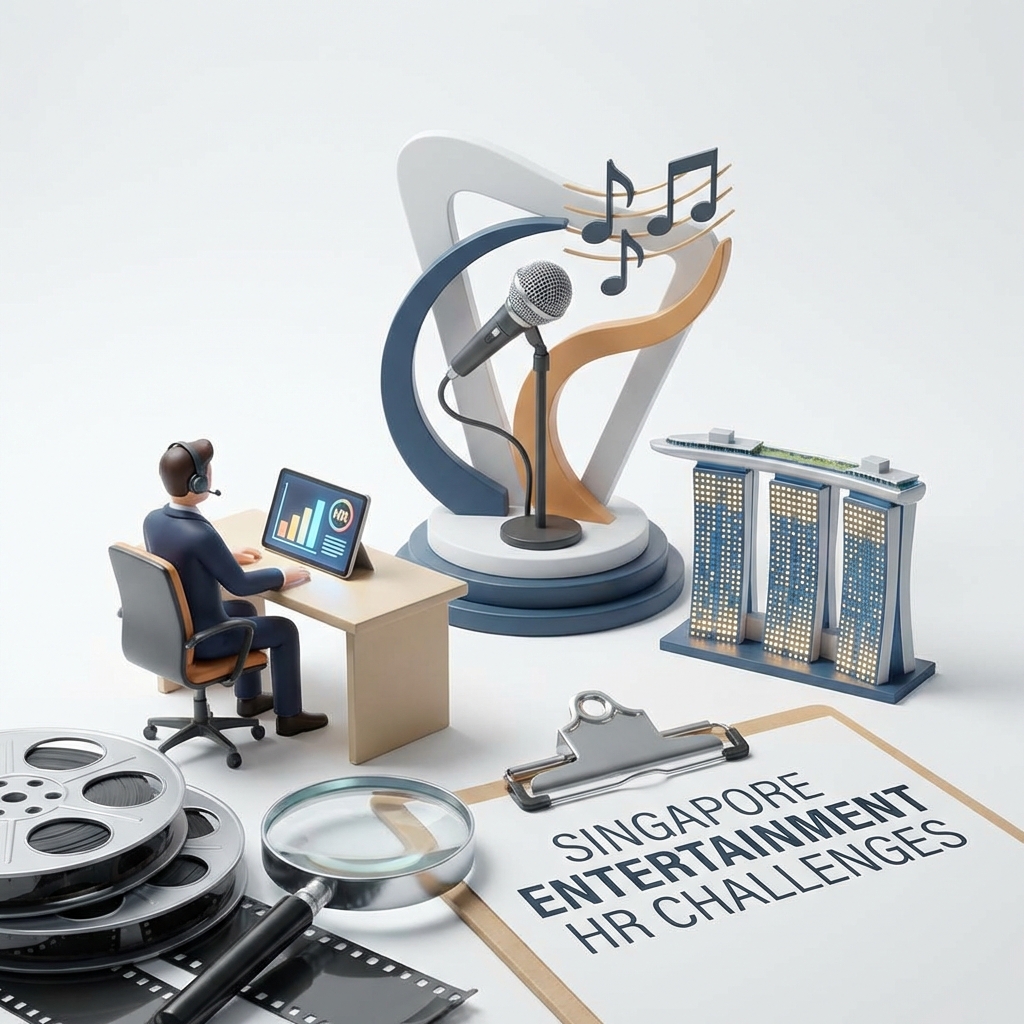
Singapore’s entertainment industry, a vibrant tapestry of film, music, theatre, and digital content, is experiencing unprecedented growth. While this expansion brings exciting opportunities, it also presents a unique labyrinth of challenges for Human Resources professionals. Unlike traditional corporate environments, the entertainment sector operates with its own rhythm – one dictated by project lifecycles, artistic temperaments, and the global flow of talent. HR in this dynamic landscape must navigate everything from managing a predominantly project-based workforce and diverse talent pools, to meticulously adhering to complex local compliance and visa regulations for an often international cast and crew. Understanding these specific complexities is crucial for maintaining operational efficiency and fostering a thriving creative environment. Specialized HR tools – applications for Entertainment field in singapore are becoming indispensable in addressing these distinct demands, offering strategic solutions that streamline processes and support creative endeavors.
1. Managing Project-Based & Fluctuating Workforces
The very essence of the entertainment industry often revolves around projects. Films have production cycles, theatre shows run for limited seasons, and events are one-off spectacles. This project-based nature translates directly into a fluctuating workforce, a significant HR challenge. Professionals are often hired on short-term contracts, necessitating rapid onboarding and offboarding processes. HR teams must manage a continuous cycle of recruitment, contract negotiation, payroll for varying hours and compensation structures, and performance management for transient staff. The absence of long-term employment often makes talent retention a complex issue, as skilled individuals move from one project to the next. Furthermore, ensuring consistent quality and compliance across numerous short-term engagements requires robust systems. Traditional HR models struggle with this fluidity, highlighting the need for agile solutions. Modern HR tools – applications for Entertainment field in singapore are specifically designed to handle these complexities, offering features for streamlined contract management, flexible payroll processing, and efficient talent pooling, allowing entertainment companies to quickly deploy the right skills for each unique production.
2. Diverse Talent Pool: Artists, Technicians, Creatives
The entertainment industry thrives on a remarkably diverse talent pool, encompassing a wide spectrum of roles from on-screen talent like actors, musicians, and dancers, to behind-the-scenes masterminds such as sound engineers, lighting designers, choreographers, directors, producers, and marketing strategists. Each category comes with its own set of expectations, compensation models, and professional development needs. HR professionals are tasked with understanding these varied requirements, which can range from negotiating royalties and performance fees for artists, to managing technical certifications for specialized crew, and fostering a creative environment for writers and directors. Performance appraisal takes on a unique dimension, often involving peer reviews, audience feedback, and critical acclaim rather than conventional KPIs. Intellectual property rights and contractual agreements around creative output also add layers of complexity. Building an inclusive culture that respects artistic freedom while maintaining professional standards is paramount. Specialized HR tools – applications for Entertainment field in singapore can assist in categorizing and managing these diverse profiles, offering adaptable frameworks for performance tracking, skill management, and customized training programs that cater to the unique needs of each segment of the workforce.
3. Local Compliance & Visa Requirements for International Talent
Singapore’s strategic location and reputation as a global hub mean its entertainment sector frequently attracts international talent. While this enriches local productions with diverse perspectives and skills, it significantly amplifies HR’s compliance burden. Singapore boasts strict labor laws and meticulous visa requirements, making the hiring of foreign artists, technicians, and creatives a highly regulated process. HR teams must navigate various work passes, including Employment Passes, S Passes, Work Permits, and Letters of Consent for short-term engagements, each with specific eligibility criteria, quota limitations, and documentation demands. Staying abreast of the latest regulations from the Ministry of Manpower (MOM) is not just important, but absolutely critical to avoid hefty penalties and disruptions to production schedules. Beyond visas, HR must also ensure adherence to fair employment practices, understand cross-cultural communication nuances, and manage issues like housing and integration for international hires. The complexity of these processes underscores the value of sophisticated HR information systems. Modern HR tools – applications for Entertainment field in singapore with robust compliance modules can automate document management, track visa expiry dates, and generate necessary reports, mitigating risks and ensuring smooth operations for global productions.
In conclusion, the HR landscape within Singapore’s entertainment industry is multifaceted and constantly evolving. From the ebb and flow of project-based workforces to the management of a remarkably diverse talent pool and the stringent demands of local and international compliance, HR professionals face a unique set of challenges. Successfully navigating these complexities requires not only deep expertise but also the strategic adoption of advanced technologies. Leveraging specialized HR tools – applications for Entertainment field in singapore is no longer a luxury but a necessity, empowering companies to optimize their human capital, ensure regulatory adherence, and ultimately contribute to the continued vibrancy and success of Singapore’s thriving entertainment sector. These applications provide the agility and precision needed to manage the industry’s unique demands, allowing creative minds to focus on what they do best: creating captivating entertainment.
Essential HR Tools for Talent Acquisition & Management
The vibrant and fast-paced entertainment industry in Singapore thrives on specialized talent, from visionary directors to cutting-edge visual effects artists. Managing this unique workforce, often characterized by project-based contracts and tight schedules, presents significant HR challenges. Traditional, manual HR processes are simply too cumbersome and slow for such a dynamic environment. This is where modern HR tools – applications for Entertainment field in Singapore become indispensable. These advanced software solutions streamline every facet of the talent lifecycle, empowering production houses to efficiently acquire, manage, and nurture the creative and technical professionals vital for global success. By strategically leveraging the right talent management software, entertainment companies can optimize recruitment, enhance employee experience, and maintain a crucial competitive edge.
1. Advanced Applicant Tracking Systems (ATS) for Creative Roles
For the entertainment industry, generic Applicant Tracking Systems often fall short. Creative roles demand more than just keyword matching; they require understanding portfolios, showreels, and demonstrable project experience. Advanced ATS tailored for this sector offer features critical for assessing specialized talent. These platforms allow seamless submission and review of rich media assets like video auditions, digital portfolios, and sound samples, providing a holistic view of capabilities. Customizable workflows facilitate scheduling multiple interview rounds, technical tests, and chemistry reads, essential for finding the perfect fit for a cast or production team. Modern ATS also integrate with specialized job boards within the entertainment world, expanding reach to a global talent pool. The ability to track complex project histories and team contributions allows HR teams to make informed decisions quickly, reducing time-to-hire and ensuring critical roles are filled with qualified individuals. This significantly enhances talent acquisition efficiency for Singaporean entertainment firms.
2. Performance Management & Skill Development Platforms
Traditional annual performance reviews are ill-suited for the project-centric, often short-term nature of entertainment productions. Agile performance management platforms offering continuous feedback and real-time insights are essential. These sophisticated production HR solutions enable managers and peers to provide timely feedback tied to specific project milestones and deliverables. Features like 360-degree feedback loops offer comprehensive insights into an individual’s collaborative effectiveness. Goal-setting functionalities align directly with production objectives, ensuring every team member’s efforts contribute to success. Moreover, integrated skill development modules or seamless integration with Learning Management Systems (LMS) are paramount. These platforms identify skill gaps based on performance data and recommend tailored training, workshops, or mentorship opportunities. This ensures a crew’s technical skills (e.g., mastering new VFX software) and soft skills (e.g., leadership on set) are continuously refined, keeping the workforce adaptable. For more insights into the evolving landscape of HR technology, refer to authoritative sources like Deloitte’s Global Human Capital Trends Report. This proactive approach nurtures a highly skilled and resilient talent pool for Singapore’s entertainment sector.
3. Streamlined Onboarding & Offboarding for Project Staff
The cyclical nature of entertainment projects often means a constant influx and efflux of specialized talent, making streamlined onboarding and offboarding critical. Manual procedures are time-consuming, error-prone, and can lead to compliance risks or a poor employee experience. Modern HR tools – applications for Entertainment field in Singapore automate these complex administrative tasks, ensuring smooth transitions. For onboarding, digital platforms manage contract generation, e-signatures, compliance (NDAs, IP rights), equipment allocation, and system access. Automated workflows ensure new hires receive all necessary information and introductions, setting them up for immediate productivity. This reduces administrative burden and enhances the new hire experience. Conversely, efficient offboarding processes are equally vital. These platforms facilitate secure data deletion, revocation of system access, knowledge transfer protocols, and smooth exit interviews. By automating these processes, companies ensure legal compliance, protect sensitive project information, and maintain positive relationships with contingent workers for future productions. Embracing comprehensive HR tools – applications for Entertainment field in Singapore for these transitions ensures operational efficiency and fosters a positive employer brand.
Streamlining Payroll, Time-Tracking & Benefits Administration
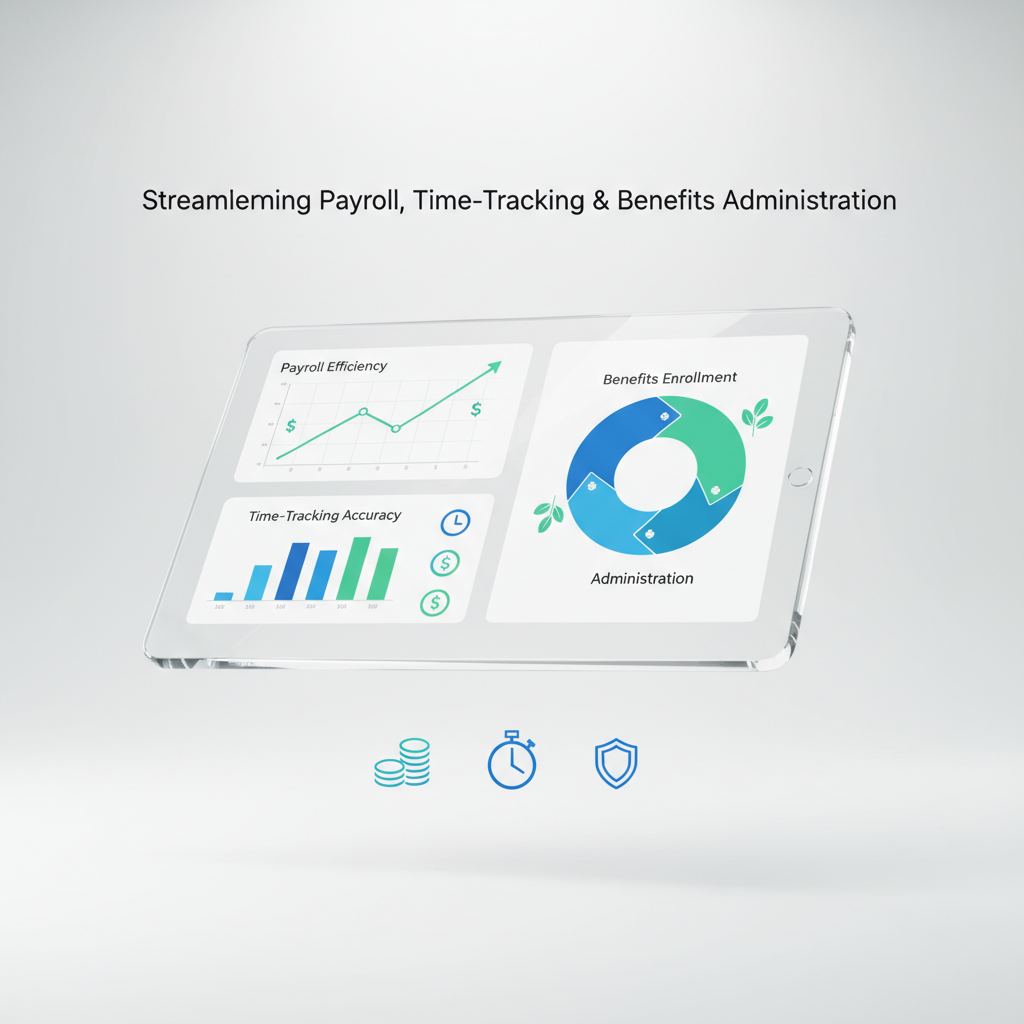
The vibrant and dynamic entertainment industry in Singapore presents unique human resource challenges. From film crews working unconventional hours to freelance artists engaged in project-based roles, managing a diverse and often mobile workforce requires sophisticated solutions. Modern HR tools – applications for Entertainment field in singapore are essential for simplifying complex financial and administrative tasks, ensuring timely payments, robust compliance, and attractive benefits administration. These integrated platforms are transforming how entertainment companies in Singapore handle their HR operations, moving beyond traditional, manual processes to adopt efficient, digital workflows tailored to the industry’s specific demands. By leveraging advanced HR tools, businesses can navigate the complexities of payroll, time management, and benefits, ultimately fostering a more satisfied and productive workforce.
1. Automated Payroll & Expense Management for Gig Workers
The entertainment sector heavily relies on a flexible, project-based workforce, often comprising freelancers, contractors, and gig workers. Managing payroll and expenses for this contingent staff can be a monumental task, riddled with varying contract terms, payment schedules, and tax implications. Modern entertainment industry HR software Singapore offers automated payroll systems that can handle these intricacies with ease. These systems can process payments for a multitude of pay rates and contract types, ensuring accurate and timely compensation for every project. Features like self-service portals empower gig workers to submit invoices, log work hours, and manage expense claims digitally, significantly reducing administrative overhead for HR departments. Furthermore, automated systems help ensure compliance with local tax regulations and statutory contributions, critical for businesses operating in Singapore’s stringent regulatory environment. This automation not only saves time but also minimizes errors, leading to greater financial transparency and trust among your workforce.
2. Flexible Time & Attendance Tracking for Production Schedules
Production schedules in the entertainment industry are anything but rigid. Long hours, last-minute changes, multiple locations, and the need to track specific project allocations demand highly flexible and robust time-tracking solutions. Traditional punch clocks are simply inadequate. Advanced talent management solutions Singapore provide versatile time and attendance tracking capabilities that cater to these unique requirements. These include mobile applications with geo-fencing for location-based check-ins, biometric scanners for on-set efficiency, and customizable timesheets that can be linked directly to specific projects or scenes. This flexibility ensures accurate tracking of work hours, overtime, and breaks, which is crucial for compliance with labor laws and for precise cost allocation to production budgets. Real-time data visibility allows HR and production managers to monitor staff availability and attendance instantly, facilitating more agile decision-making and preventing potential scheduling conflicts or labor disputes. Incorporating such tools leads to more efficient resource management and streamlined operations.
3. Benefits Administration & Leave Management for Varied Contracts
Administering benefits and managing leave for a workforce that includes full-time employees, part-timers, and project-based contractors presents another layer of complexity. Each group may have different entitlements, and manually tracking these can be prone to errors and consume significant HR resources. Modern HR tools – applications for Entertainment field in singapore streamline this process by centralizing benefits enrollment, eligibility tracking, and leave requests. These platforms can automatically apply different benefit packages and leave policies based on contract type, ensuring fairness and compliance. From statutory leave entitlements like annual leave and sick leave to company-specific benefits, these systems provide a self-service portal for employees to view their balances, apply for leave, and access benefit information. This not only empowers employees but also significantly reduces the administrative burden on HR staff, allowing them to focus on more strategic initiatives. Furthermore, accurate benefits administration is vital for talent retention in a competitive industry. According to SHRM’s insights on HR technology and benefits, leveraging such tools is crucial for navigating the evolving landscape of employee expectations and regulatory changes.
In conclusion, the adoption of specialized HR tools – applications for Entertainment field in singapore is no longer an option but a necessity for companies aiming to thrive in this dynamic sector. By automating payroll and expense management, enabling flexible time tracking, and simplifying benefits administration, these solutions empower HR departments to manage their diverse workforce efficiently and compliantly. This strategic investment in HR technology not only streamlines operations and reduces administrative burdens but also significantly enhances employee satisfaction and retention, positioning entertainment businesses for sustained growth and success in the competitive Singaporean market.
Enhancing Employee Experience & Communication in Entertainment
Highlights tools designed to improve internal communication, foster engagement, and create a positive work environment for entertainment professionals, often spread across multiple locations or projects.
The dynamic and often project-based nature of the entertainment industry presents unique challenges for human resources and operational management. Professionals in this sector, from film crews and stage performers to marketing teams and administrative staff, are frequently distributed across various locations, working irregular hours, and collaborating on high-stakes projects. To navigate these complexities and foster a thriving workplace, the strategic deployment of advanced HR tools – applications for Entertainment field in Singapore has become indispensable. These solutions are not merely administrative aids; they are foundational to building strong internal cultures, ensuring seamless information flow, and cultivating an environment where creativity and talent can flourish. Enhancing employee experience and communication is paramount for retaining top talent and driving successful productions in this competitive landscape.
1. ### Internal Communication Platforms & Collaboration Tools
In an industry where project teams form and dissolve with rapid succession, effective communication is the lifeblood of success. Traditional email chains and sporadic meetings often fall short when coordinating talent across multiple sets, studios, or post-production facilities. This is where dedicated internal communication platforms and collaboration tools shine. Solutions like Slack, Microsoft Teams, or custom-built enterprise social networks provide real-time messaging, secure file sharing, and integrated video conferencing capabilities. For entertainment companies, these platforms facilitate immediate updates on project timelines, script changes, or logistical shifts, ensuring everyone from the director to the sound engineer is always in the loop, regardless of their physical location. They foster a sense of community, allowing creative teams to brainstorm, share ideas, and provide instant feedback, significantly reducing miscommunication and boosting productivity. Moreover, these HR tools bridge geographical divides, making it easier for entertainment field in Singapore companies to manage international collaborations or local productions with remote talent, creating a more cohesive and connected workforce.
2. ### Employee Self-Service (ESS) Portals for On-Demand Info
The demanding schedules of entertainment professionals often mean they don’t have the luxury of traditional office hours to address HR queries. Employee Self-Service (ESS) portals are transformative HR tools that empower staff to manage their administrative needs autonomously, anytime and anywhere. These portals provide secure, personalized access to crucial information such as payroll details, leave balances, company policies, and benefits enrollment. For a production assistant needing to check their leave days before a shoot, or an actor accessing their latest payslip, an ESS portal offers instant gratification and reduces the burden on HR departments. This autonomy is particularly valued in the fast-paced entertainment field in Singapore, where talent might be on location for extended periods or working unconventional hours. By automating routine inquiries and providing 24/7 access to essential information, ESS portals free up HR professionals to focus on strategic initiatives like talent development and employee engagement, significantly enhancing the overall employee experience.
3. ### Feedback & Engagement Survey Tools for Creative Teams
Fostering a positive work environment and ensuring high employee morale are critical, especially in an industry renowned for its intense pressures and subjective evaluations. Feedback and engagement survey tools offer invaluable insights into the well-being and satisfaction of entertainment professionals. These HR tools – applications for Entertainment field in Singapore allow companies to conduct regular pulse surveys, anonymous feedback sessions, and 360-degree performance reviews tailored to the unique dynamics of creative teams. They can gauge sentiment regarding project workload, team collaboration, leadership effectiveness, and overall job satisfaction. For instance, understanding how a film crew feels about on-set conditions or how a marketing team perceives their creative autonomy can lead to targeted interventions that prevent burnout and improve retention. By actively soliciting and acting upon employee feedback, entertainment companies demonstrate a commitment to their staff’s growth and well-being. This proactive approach not only enhances the employee experience but also cultivates a culture of psychological safety and continuous improvement, crucial for nurturing creativity and maintaining a competitive edge in the global entertainment market. According to Harvard Business Review, highly engaged teams are significantly more productive and profitable, underscoring the critical role these tools play in driving organizational success.
Future Trends & Selecting the Right HR Solution for 2026
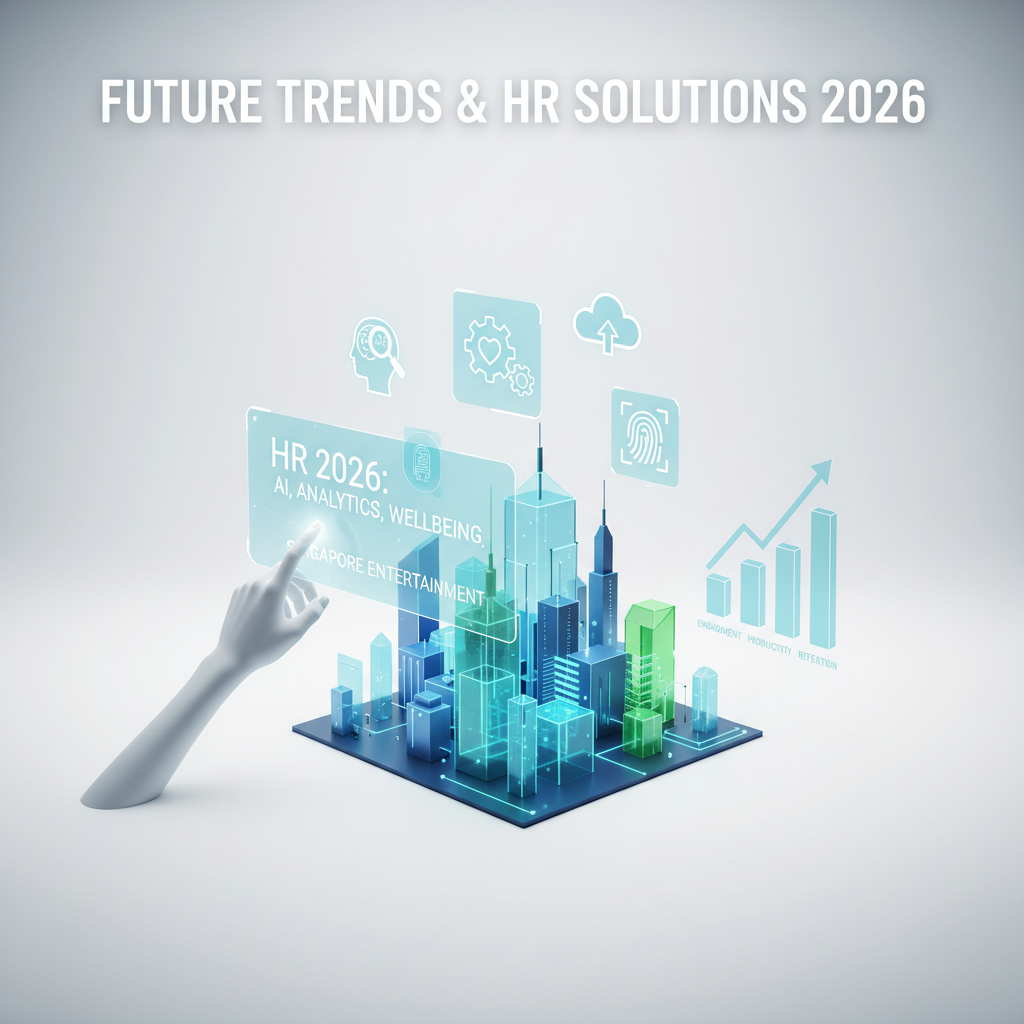
The entertainment industry in Singapore is a vibrant, rapidly evolving landscape, characterized by dynamic projects, diverse talent, and a constant need for innovation. As companies navigate this exciting environment, the role of Human Resources (HR) transcends traditional administrative tasks, becoming a strategic imperative for attracting, developing, and retaining top talent. To remain competitive and foster growth, entertainment ventures in Singapore must proactively embrace cutting-edge HR tools – applications for Entertainment field in singapore that align with their specific needs, growth ambitions, and the evolving industry landscape. Looking ahead to 2026, several key trends will shape the HR technology ecosystem, demanding thoughtful evaluation and strategic adoption.
-
AI & Automation in HR Processes: Recruitment & Scheduling
Artificial Intelligence (AI) and automation are no longer futuristic concepts but present-day realities transforming HR. For entertainment companies, this means a significant shift in how talent is acquired and managed. AI-powered recruitment tools can revolutionize candidate sourcing by analyzing vast databases, identifying ideal profiles, and even conducting initial screenings through chatbots or video analysis. This accelerates the hiring process, reduces unconscious bias, and allows HR professionals to focus on qualitative assessments and candidate engagement. Furthermore, intelligent automation can optimize complex scheduling for project-based teams – a common challenge in film productions, live events, or broadcast schedules. From cast and crew availability to equipment logistics, AI can create optimized timetables, minimize conflicts, and ensure efficient resource allocation. Embracing these advanced HR automation trends is crucial for streamlining operations and enhancing the employee experience in Singapore’s fast-paced entertainment sector.
-
Data Analytics & Workforce Insights for Strategic Planning
In an industry driven by creativity and performance, understanding the workforce is paramount. HR data analytics provides entertainment companies with invaluable insights into employee engagement, performance trends, skills gaps, and retention drivers. By leveraging sophisticated HR tools, organizations can move beyond anecdotal evidence, using predictive analytics to forecast future talent needs, identify high-potential employees, and preemptively address attrition risks. For example, analyzing data on project success rates correlated with specific team compositions can inform future casting and crew decisions. Insights derived from workforce analytics also support strategic planning, enabling companies to design targeted training programs, optimize compensation structures, and foster a culture that supports long-term growth and innovation. Investing in robust data analytics capabilities ensures that HR decisions are informed, strategic, and directly contribute to the company’s artistic and commercial success.
-
Scalability & Customization for Growing Entertainment Ventures
The unique nature of the entertainment industry – characterized by project lifecycles, freelance talent, and fluctuating demands – necessitates HR solutions that are inherently scalable and highly customizable. Generic, one-size-fits-all HR systems often fall short in addressing the intricate requirements of productions, talent management agencies, or gaming studios. As entertainment ventures in Singapore grow, their chosen HR platform must effortlessly expand to accommodate increasing employee numbers, new project teams, and evolving regulatory landscapes. Customization is equally vital, allowing companies to tailor workflows for onboarding temporary crew, managing intellectual property rights for talent, or tracking performance across diverse roles from concept artists to marketing specialists. When selecting HR tools – applications for Entertainment field in singapore, prioritize platforms that offer modularity, flexible configurations, and integration capabilities with existing industry-specific software. This adaptability ensures that the HR solution remains a powerful asset, evolving alongside the company’s ambitions and the dynamic demands of the global entertainment market.
The future of HR in Singapore’s entertainment industry is intertwined with technological advancement. By strategically adopting AI and automation, harnessing the power of data analytics, and selecting scalable, customizable HR tools, companies can future-proof their operations, optimize talent management, and ultimately drive sustained success in a competitive and ever-changing landscape. The journey to selecting the right HR solution for 2026 begins with a clear understanding of these emerging trends and a commitment to leveraging technology for strategic advantage.
Partner with Shelby Global
You are looking for reliable HR Sevice Suppliers? Contact Shelby Global Now! To connect with verified talents and upgrade your orginization.
—————————————
References
– Ministry of Manpower (MOM) – Passes and Permits: https://www.mom.gov.sg/passes-and-permits
– Deloitte’s Global Human Capital Trends Report: https://www2.deloitte.com/global/en/pages/human-capital/articles/human-capital-trends.html
– SHRM’s insights on HR technology and benefits: https://www.shrm.org/resources-and-tools/hr-topics/technology/pages/how-hr-technology-can-help-you-navigate-the-new-world-of-benefits.aspx
– Harvard Business Review: https://hbr.org/2023/11/why-employee-engagement-is-more-important-than-ever
– SHRM: Artificial Intelligence (AI) in HR: https://www.shrm.org/resources-and-tools/hr-topics/technology/artificial-intelligence-hr