
The Unique HR Landscape of Singapore’s Fashion Industry
Singapore’s fashion industry, though relatively young compared to its European counterparts, is a vibrant and rapidly evolving ecosystem. Positioned as a hub for innovation, design, and commerce in Southeast Asia, it attracts global brands while nurturing local talent. However, beneath the glitz and glamour, fashion businesses in Singapore grapple with a distinct set of HR challenges that necessitate specialized solutions. From fierce competition for creative talent to navigating stringent labor regulations and managing dynamic workforces, the operational complexities demand more than generic HR practices. This is precisely why dedicated HR tools – applications for Fashion field in singapore are not just beneficial, but crucial for ensuring sustained growth and success in this unique market.
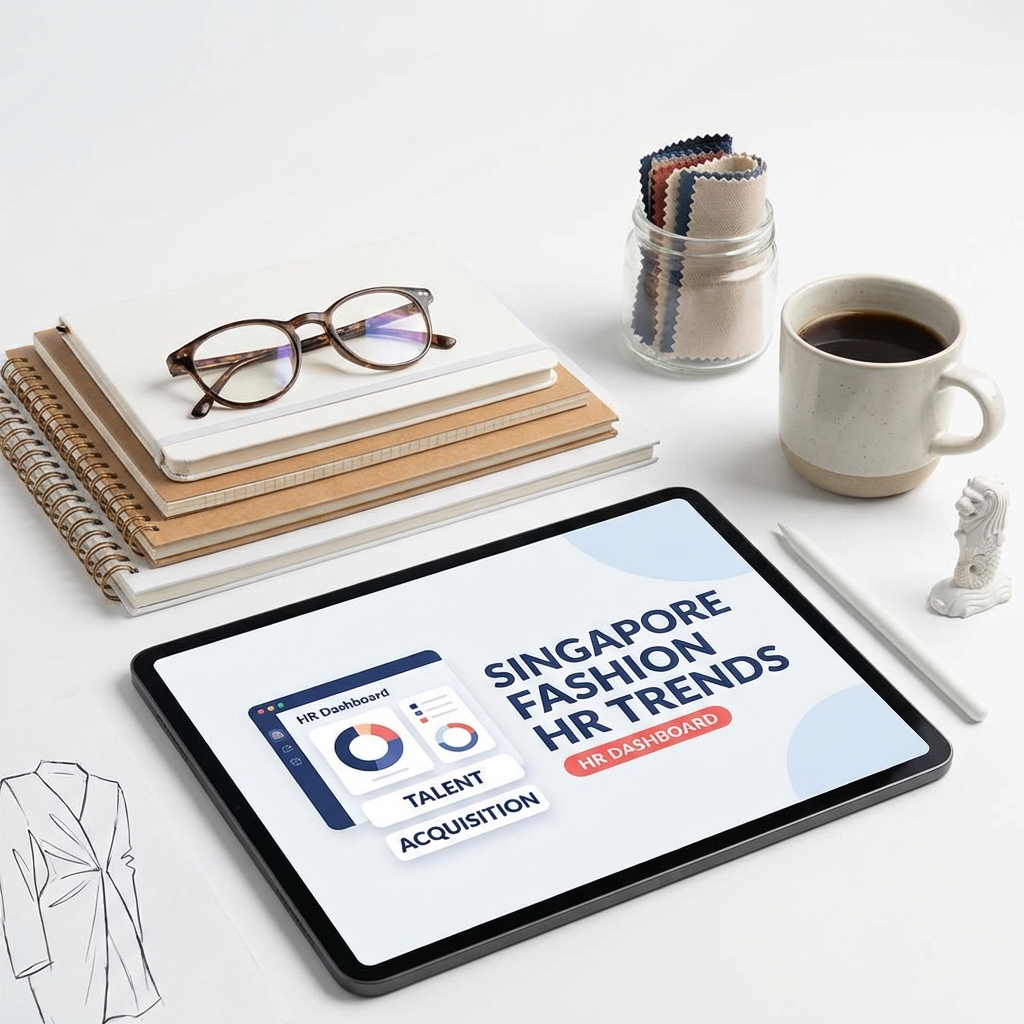
1. Attracting & Retaining Creative Talent in a Competitive Market
The fashion industry thrives on creativity, vision, and specialized skills, making the attraction and retention of top talent a perpetual challenge in Singapore. The city-state’s status as a global business hub means fashion brands compete not only with local counterparts but also with international players and even other creative industries for skilled designers, merchandisers, marketing specialists, and supply chain experts. High demand for niche skills often leads to intense bidding wars and elevated salary expectations. Furthermore, the transient nature of some creative roles and the desire for diverse experiences among younger professionals contribute to higher turnover rates. Robust HR tools equipped with advanced recruitment modules, sophisticated applicant tracking systems (ATS), and comprehensive employee engagement features can significantly streamline the hiring process, identify best-fit candidates through data analytics, and foster a culture that encourages long-term commitment. By providing insights into employee satisfaction, performance, and development opportunities, these applications help fashion companies build compelling employer brands and cultivate loyalty.
2. Managing Seasonal & Project-Based Workforce Dynamics
Fashion is inherently cyclical and project-driven, characterized by collections, seasonal campaigns, fashion shows, and pop-up events. This often translates into a flexible workforce model, comprising full-time employees, part-timers, freelancers, and contractors hired for specific projects or peak periods. Managing such a dynamic and often fluctuating workforce presents considerable HR complexities. Onboarding and offboarding processes need to be efficient and compliant, payroll must accurately reflect varied contract types and hours, and performance management needs to adapt to short-term engagements. Traditional HR methods often struggle to keep pace with this agility, leading to administrative bottlenecks and potential errors. Specialized HR software offers modules designed for contingent workforce management, enabling seamless onboarding of temporary staff, flexible scheduling, automated time tracking, and accurate payroll processing. These tools ensure that fashion businesses can rapidly scale their teams up or down without compromising efficiency or compliance, critical for responding to market trends and operational demands.
3. Navigating Local Labor Laws & Compliance for Fashion Brands
Operating in Singapore means adhering to a well-defined and rigorously enforced set of labor laws. For fashion brands, navigating regulations concerning employment contracts, provident fund contributions (CPF), fair employment practices, working hours, leave entitlements, and foreign worker quotas can be particularly intricate. Missteps can lead to hefty fines, reputational damage, and legal disputes. Ensuring continuous compliance requires meticulous record-keeping, up-to-date knowledge of legislative changes, and consistent application of policies. This is where dedicated HR tools become indispensable. They can automate compliance checks, generate compliant employment contracts, track leave and attendance accurately, and store all necessary documentation securely. Moreover, features that help businesses adhere to principles like the Fair Consideration Framework are vital for brands that may recruit international talent. By centralizing HR data and automating compliance workflows, these applications mitigate risks, free up HR personnel from manual tasks, and allow fashion companies to focus on their core creative and business objectives, confident in their adherence to Singapore’s regulatory landscape.
In conclusion, the distinctive challenges of Singapore’s fashion industry demand an equally distinctive approach to human resources. From attracting the brightest creative minds to agile workforce management and strict regulatory compliance, modern HR tools provide the strategic advantage necessary for fashion brands to thrive. Investing in these specialized applications is not merely an operational cost but a strategic imperative that underpinning talent management, operational efficiency, and legal integrity in one of Asia’s most exciting fashion markets.
Essential HR Tool Categories for Fashion Brands in Singapore
In the dynamic and highly competitive fashion industry of Singapore, attracting, managing, and retaining top talent is paramount for sustained success. From avant-garde designers to astute merchandisers and charismatic retail professionals, the sector demands a sophisticated approach to human resources. Traditional manual processes often fall short, making specialized HR tools – applications for Fashion field in singapore not just beneficial, but essential. These powerful HR technology solutions streamline operations, enhance employee experience, and provide crucial insights, enabling fashion brands to thrive amidst evolving market trends and a diverse workforce.
The strategic adoption of digital HR solutions empowers fashion businesses in Singapore to optimize every stage of the employee lifecycle. By leveraging these modern applications, brands can focus more on innovation and creativity, knowing their human capital management is robust and efficient. Let’s delve into the core categories of HR software that are indispensable for fashion brands operating in this vibrant Southeast Asian hub.
1. Applicant Tracking Systems (ATS) for Fashion Recruitment
For fashion brands, recruitment is uniquely challenging, requiring a keen eye for specialized skills, creative portfolios, and cultural fit. Applicant Tracking Systems (ATS) are critical HR tools that revolutionize this process. An ATS automates and streamlines every step of talent acquisition, from posting jobs to screening resumes, scheduling interviews, and managing candidate communication. For the fashion field in Singapore, an ATS is invaluable for several reasons:
- Specialized Talent Sourcing: Fashion roles demand niche skills (e.g., CAD proficiency for designers, textile knowledge). An ATS filters and identifies candidates with these specific competencies, often through keyword parsing and skill assessments.
- Managing High Volume Applications: Popular fashion brands receive many applications. An ATS efficiently manages this volume, ensuring qualified candidates are not overlooked while reducing HR’s administrative burden.
- Enhanced Candidate Experience: A smooth application process reflects positively on the brand. ATS platforms provide automated acknowledgments, status updates, and easy scheduling, creating a superior experience crucial in Singapore’s talent-competitive market.
- Diversity & Inclusion: Modern ATS solutions often help mitigate unconscious bias, assisting fashion brands in building more diverse and inclusive teams that reflect Singapore’s multicultural landscape.
Implementing an ATS allows fashion brands in Singapore to significantly reduce time-to-hire, improve recruit quality, and ensure an efficient recruitment workflow, securing the best creative and operational talent.
2. Performance Management & Goal Setting Platforms
In an industry driven by trends, innovation, and seasonal cycles, effective performance management is crucial for fashion brands. These sophisticated HR tools facilitate continuous feedback, track employee progress, align individual goals with organizational objectives, and support professional development. For the fashion sector in Singapore, these platforms offer tailored benefits:
- Aligning Creative & Business Goals: Platforms bridge the gap between creative objectives (e.g., “design a groundbreaking collection”) and measurable business outcomes (e.g., “increase collection sales by 15%”). They track milestones in design cycles, marketing campaign effectiveness, and retail sales targets.
- Continuous Feedback & Development: Modern platforms enable real-time feedback, 360-degree reviews, and regular check-ins. This continuous dialogue fosters growth and adaptability, essential for employees in a rapidly evolving industry like fashion.
- Data-Driven Insights: Tracking performance against KPIs provides valuable insights into employee strengths, development areas, and team productivity. This data informs training needs, succession planning, and strategic workforce adjustments.
- Employee Engagement & Retention: When employees understand their contribution and receive regular development feedback, engagement increases. This is vital for retaining skilled professionals in Singapore’s competitive talent market.
Investing in robust performance management HR tools ensures fashion brands in Singapore actively cultivate a high-achieving workforce, driving innovation and maintaining a competitive edge.
3. Payroll & Benefits Administration Solutions
Managing payroll and employee benefits for a fashion brand in Singapore presents unique complexities, from variable commissions for sales staff to diverse benefits packages. Dedicated payroll and benefits administration solutions are indispensable HR tools for ensuring accuracy, compliance, and employee satisfaction.
- Accuracy and Compliance: Singapore has stringent labor laws and tax regulations (e.g., CPF contributions, foreign worker levies). These platforms automate calculations, ensuring precise payments, deductions, and contributions, mitigating the risk of costly errors and penalties. This is crucial for HR tools – applications for Fashion field in singapore handling diverse employment types common in fashion.
- Variable Compensation Management: Many fashion roles involve commission structures, performance bonuses, and overtime. Advanced payroll systems seamlessly integrate these variable components, ensuring accurate and transparent employee compensation.
- Streamlined Benefits Management: From health insurance to unique fashion-industry perks, these platforms centralize benefit administration. Employees easily access information, reducing HR queries and administrative workload.
- Time and Attendance Integration: For retail or production teams with fluctuating hours, integration with time and attendance systems ensures payroll is calculated based on actual hours worked, including overtime and shift differentials, common for fashion brands with varied operational schedules.
Leveraging these comprehensive payroll and benefits HR tools allows fashion brands in Singapore to pay their workforce accurately and on time, comply with regulations, and provide a transparent and satisfying employee experience, reinforcing their reputation as responsible employers.
Transforming Fashion Operations with Integrated HR Solutions
In the dynamic and competitive landscape of Singapore’s fashion industry, operational efficiency and an outstanding employee experience are no longer mere advantages—they are necessities. Traditional, siloed HR practices often struggle to keep pace with the rapid changes in retail, supply chain, and talent acquisition. This is where comprehensive HR tools – applications for Fashion field in Singapore emerge as a game-changer, offering tangible benefits and streamlining crucial processes from hiring to retirement. By integrating various HR functions into a unified platform, fashion businesses can significantly enhance productivity, foster a positive workplace culture, and make data-driven decisions that propel growth.
Modern HR software solutions are revolutionizing how fashion brands in Singapore manage their workforce. These platforms move beyond simple administrative tasks, providing robust capabilities that address the unique challenges of fashion retail HR management. From managing a diverse workforce spread across multiple boutiques to handling seasonal hiring surges, integrated systems empower HR professionals to focus on strategic initiatives rather than mundane paperwork. This digital transformation leads to a more agile and responsive HR department, ultimately contributing to better business outcomes and a thriving work environment for employees.

1. Boosting Efficiency in Onboarding & Offboarding Processes
The initial and final impressions an employee has of a company significantly impact its brand and reputation. Integrated HR tools dramatically improve the efficiency and effectiveness of both onboarding and offboarding. For new hires in the fashion sector, automated recruitment processes ensure a smooth transition from candidate to team member. Digital forms, automated background checks, and personalized training modules accessible via an employee experience platform reduce administrative burden and provide new employees with all necessary resources from day one. This streamlined approach minimizes the time-to-productivity for new retail associates, designers, and merchandisers, allowing them to quickly contribute to the brand’s success. Similarly, a well-managed offboarding process, facilitated by these tools, ensures compliance, preserves relationships, and allows for valuable feedback collection, making the entire employee lifecycle management seamless and professional.
2. Enhancing Employee Engagement & Development Initiatives
Engaged employees are the backbone of any successful fashion brand. HR tools provide the infrastructure to foster a culture of continuous growth and recognition. Through sophisticated performance management systems, fashion companies can set clear goals, facilitate regular feedback, and conduct fair appraisals. These systems integrate with skill development programs, identifying training needs and recommending relevant courses to employees, whether it’s visual merchandising techniques or new design software proficiency. Features like peer recognition platforms and internal communication tools embedded within these systems boost morale and strengthen team cohesion. By investing in tools that support ongoing learning and transparent career paths, businesses in Singapore’s fashion industry can significantly improve employee retention and satisfaction, ensuring they attract and keep top talent for talent acquisition Singapore.
3. Data-Driven Decision Making for Workforce Planning
Strategic workforce planning is critical for navigating the unpredictable nature of the fashion world. Integrated HR solutions excel in providing robust HR data analytics, transforming raw HR data into actionable insights. These analytics allow fashion businesses to track key metrics such as turnover rates, recruitment costs, and employee performance trends. Understanding these patterns enables proactive adjustments in staffing levels, skill development investments, and succession planning, leading to better workforce productivity. Furthermore, advanced HR tools ensure adherence to labor laws and regulations through comprehensive HR compliance software, minimizing legal risks. With seamlessly integrated payroll solutions, financial accuracy and employee satisfaction are guaranteed. For businesses seeking to optimize their operations and gain a competitive edge, exploring comprehensive HR tools – applications for Fashion field in Singapore is essential for making informed decisions and driving sustained growth in this vibrant industry. According to a report by SHRM, leveraging HR technology is crucial for adapting to evolving workforce demands and strategic planning, underscoring its importance across all sectors, including fashion.
Selecting the Ideal HR Tools for Your Singaporean Fashion Business
In Singapore’s dynamic and competitive fashion landscape, businesses are constantly seeking innovative ways to streamline operations, enhance productivity, and attract top talent. Human Resources (HR) management is now at the forefront of strategic planning. The right HR tools – applications for the fashion field in Singapore can transform how fashion companies manage their workforce, from intricate payroll processing for diverse roles (designers, retail staff, production teams) to sophisticated talent development and compliance with local labour laws. Selecting the ideal HR technology is no longer a luxury but a strategic imperative for sustained growth and an exceptional employee experience. This guide will delve into key considerations for Singaporean fashion businesses evaluating and implementing effective HR solutions.
1. Assessing Scalability and Integration Capabilities
For a fashion business, whether a burgeoning startup or an established brand, scalability is paramount. Your chosen HR tools must grow with your company, accommodating seasonal spikes in hiring for retail campaigns, managing a growing pool of freelance designers, or expanding into new markets. Look for modular solutions, allowing you to start with essentials like payroll and time & attendance, then seamlessly add advanced modules such such as talent management and performance reviews as needs evolve. Cloud-based HR software often provides this inherent flexibility and scalability, eliminating the need for extensive on-premise infrastructure.
Equally critical is the ability of your HR technology to integrate with existing systems. Fashion companies often rely on a diverse tech stack, including ERP, POS, accounting software, and specialized design platforms. Seamless integration means data flows effortlessly, preventing manual errors, reducing administrative overhead, and providing a holistic view of operations. For instance, linking your HR system with POS can automate commission calculations for retail staff, while integrating with ERP offers better insights into labour costs relative to production output. Prioritizing HR tools with robust API capabilities ensures future-proofing and operational efficiency.
2. Understanding Local Vendor Support & Customization Options
Operating in Singapore means adhering to specific local regulations and cultural nuances. Your HR tools must be compliant with Singaporean labour laws, including Central Provident Fund (CPF) contributions, income tax regulations, statutory leave entitlements, and the Fair Consideration Framework (FCF). A system that automates these compliance aspects saves significant time and mitigates legal risks. Therefore, understanding the vendor’s experience with the Singaporean market is crucial. Local vendor support offers advantages: timely assistance during Singaporean business hours, deep understanding of local employment practices, and proactive updates in line with regulatory changes.
Furthermore, the fashion industry has unique demands. Consider customization options for managing diverse employee types—from full-time corporate staff and retail associates to contract designers and seasonal models. The ability to tailor workflows for creative roles, manage complex shift schedules for retail outlets, or track specialized training for production teams can be invaluable. Data privacy is another critical aspect; ensure the HR solution complies with Singapore’s Personal Data Protection Act (PDPA) and has robust security measures. Assess whether the vendor offers configuration flexibility to adapt the system to your brand’s specific operational needs and employee experience strategies.
3. Budgeting for HR Tech Investment & Demonstrating ROI
Investing in HR technology requires a clear understanding of both direct and indirect costs, as well as potential returns. Beyond initial software license or subscription fees, budget for implementation services, data migration, user training, and ongoing support. For Singaporean fashion businesses, understanding the total cost of ownership (TCO) is vital. Many modern HR tools operate on a Software-as-a-Service (SaaS) model, offering predictable monthly or annual costs, which can be easier to manage than large upfront capital expenditures.
Demonstrating clear Return on Investment (ROI) is essential to secure leadership buy-in. Quantify the benefits your chosen HR tools will bring: reduced administrative hours for payroll and leave management, lower recruitment costs through efficient applicant tracking, decreased employee turnover due to enhanced engagement and development features, and improved compliance leading to fewer penalties. For fashion businesses, this could translate into faster onboarding of seasonal staff, more effective talent management for design teams, and data-driven insights into workforce productivity across retail outlets. Presenting a solid business case linking HR tech investment to operational efficiencies, talent retention, and strategic business objectives ensures your fashion brand remains competitive and future-ready.
Future Trends and Strategic Adoption of HR Tech in Fashion (2026 Outlook)
The dynamic landscape of Singapore’s fashion industry demands agile and innovative HR strategies. As we look towards 2026, the strategic adoption of cutting-edge HR tools – applications for Fashion field in singapore will be paramount in addressing future challenges and harnessing new opportunities. This outlook explores the transformative role of emerging technologies and best practices, ensuring the industry remains competitive and resilient. From personalized employee experiences to secure data management, the evolution of HR tech is set to redefine how fashion businesses attract, develop, and retain talent in a rapidly changing global market.

1. Leveraging AI & Automation for HR Personalization
Artificial Intelligence (AI) and automation are no longer future concepts but current imperatives for HR, particularly within the fashion industry. By 2026, these technologies will drive unprecedented levels of personalization across the entire employee lifecycle. In recruitment, AI-powered tools will move beyond simple keyword matching, analyzing candidate profiles for cultural fit, soft skills, and potential, significantly streamlining the hiring process for designers, merchandisers, and retail staff. This allows fashion companies to identify and attract top talent more efficiently, reducing time-to-hire and improving recruitment quality.
Beyond hiring, AI will revolutionize learning and development. Personalized learning paths, tailored to an employee’s role, career aspirations, and skill gaps, will become standard. For instance, a junior designer might receive AI-recommended courses on sustainable fashion practices or new digital design software. Performance management will also benefit from AI, providing continuous feedback loops and predictive analytics to identify retention risks or high-potential employees. Automation will handle routine HR tasks, from onboarding paperwork to payroll processing, freeing up HR professionals to focus on strategic initiatives like talent development and employee engagement. This shift allows for a more human-centric HR approach, where technology enhances rather than replaces human interaction, ensuring fashion professionals feel valued and supported. According to a report by Accenture, companies that effectively leverage AI in HR can achieve a significant boost in productivity and employee experience.
2. The Rise of Remote & Hybrid Workforce Management Tools
The global pandemic irrevocably reshaped work models, making remote and hybrid arrangements commonplace, even in traditionally in-person sectors like fashion. By 2026, sophisticated HR tools – applications for Fashion field in singapore will be indispensable for managing these diverse workforces effectively. For Singapore’s fashion industry, this means adopting platforms that seamlessly integrate project management, communication, and performance monitoring across distributed teams. Tools offering robust video conferencing, collaborative design platforms (e.g., 3D fashion design software for remote teams), and secure document sharing will be crucial for maintaining creativity and productivity.
Effective hybrid workforce management also extends to ensuring equitable experiences for both in-office and remote employees. This includes virtual onboarding programs, digital tools for team building, and performance management systems designed to evaluate output rather than presence. Fashion brands will leverage technology to foster a strong company culture, even when employees are physically dispersed. This might involve virtual town halls, digital recognition programs, and platforms that facilitate informal interactions. The goal is to bridge geographical gaps, ensuring every team member, from pattern makers to marketing specialists, feels connected, engaged, and productive, irrespective of their location. The strategic adoption of these tools will allow Singaporean fashion companies to tap into a wider talent pool, offering flexibility while maintaining high standards of collaboration and innovation.
3. Prioritizing Data Security & Privacy in HR Systems
As HR tech becomes more integrated and data-driven, the imperative to prioritize data security and privacy will intensify. By 2026, robust data governance frameworks and advanced cybersecurity measures will be non-negotiable for all HR tools – applications for Fashion field in singapore. Fashion companies handle a wealth of sensitive employee information, from personal details and financial data to performance reviews and health records. Breaches can lead to severe reputational damage, significant financial penalties, and a loss of employee trust.
Compliance with regulations like Singapore’s Personal Data Protection Act (PDPA) will remain a cornerstone, but organizations will need to go beyond mere compliance, adopting proactive security postures. This includes implementing end-to-end encryption for all data, deploying multi-factor authentication, conducting regular security audits, and training HR staff on best practices for data handling. Furthermore, vendor management for HR tech solutions will require rigorous due diligence to ensure third-party providers adhere to the highest security standards. The focus will be on building HR systems that are not only efficient and user-friendly but also inherently secure and privacy-by-design. This commitment to data integrity will protect both the company and its employees, fostering an environment of trust and ensuring the sustainable adoption of advanced HR technologies within the vibrant fashion sector.
Partner with Shelby Global
You are looking for reliable HR Sevice Suppliers? Contact Shelby Global Now! To connect with verified talents and upgrade your orginization.
—————————————
References
– Ministry of Manpower – Fair Consideration Framework: https://www.mom.gov.sg/employment-practices/fair-consideration-framework
– What Companies Get Wrong About Recruiting: https://hbr.org/2023/11/what-companies-get-wrong-about-recruiting
– SHRM HR Technology Predictions: https://www.shrm.org/topics-tools/news/human-resources-technology-data/hr-technology-2023-predictions
– Fair Consideration Framework (FCF) – Ministry of Manpower Singapore: https://www.mom.gov.sg/employment-practices/fair-consideration-framework
– Accenture AI in HR Report: https://www.accenture.com/us-en/insights/consulting/ai-hr



































































































