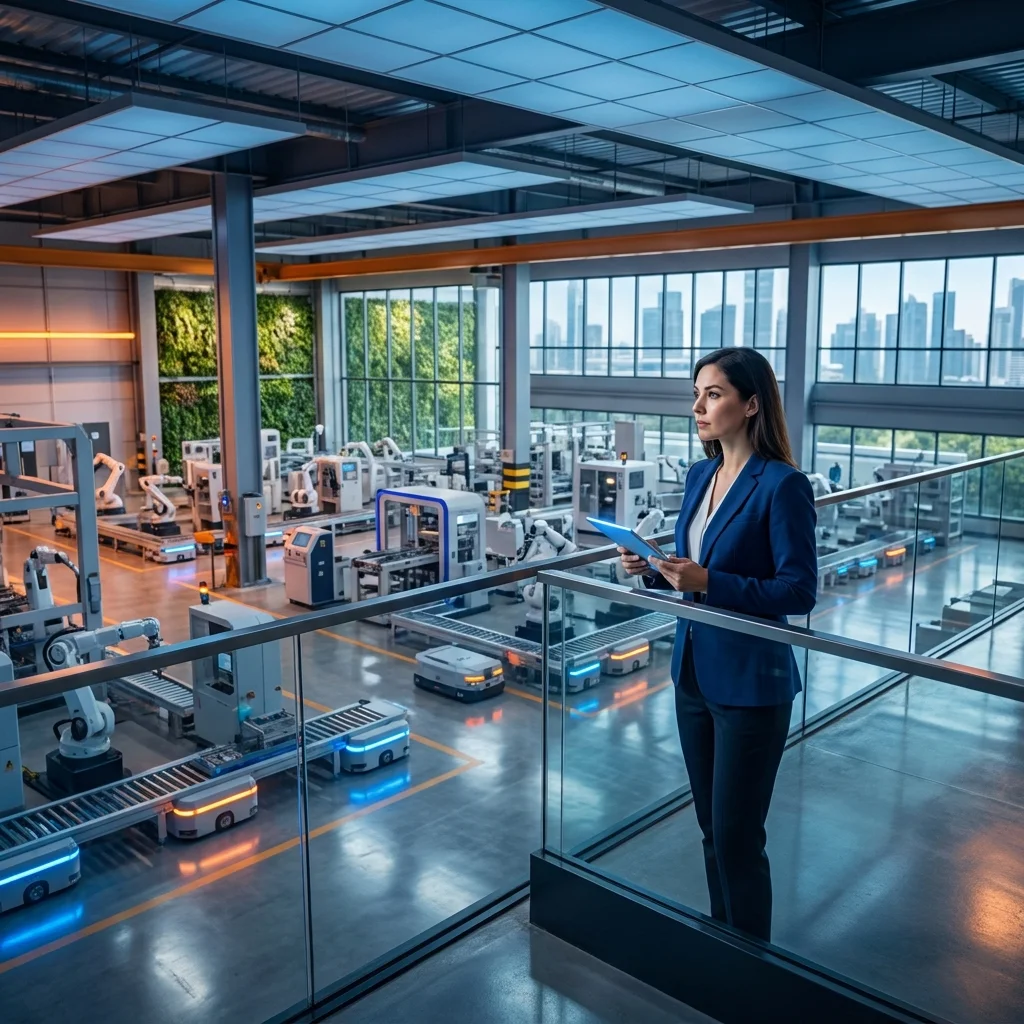
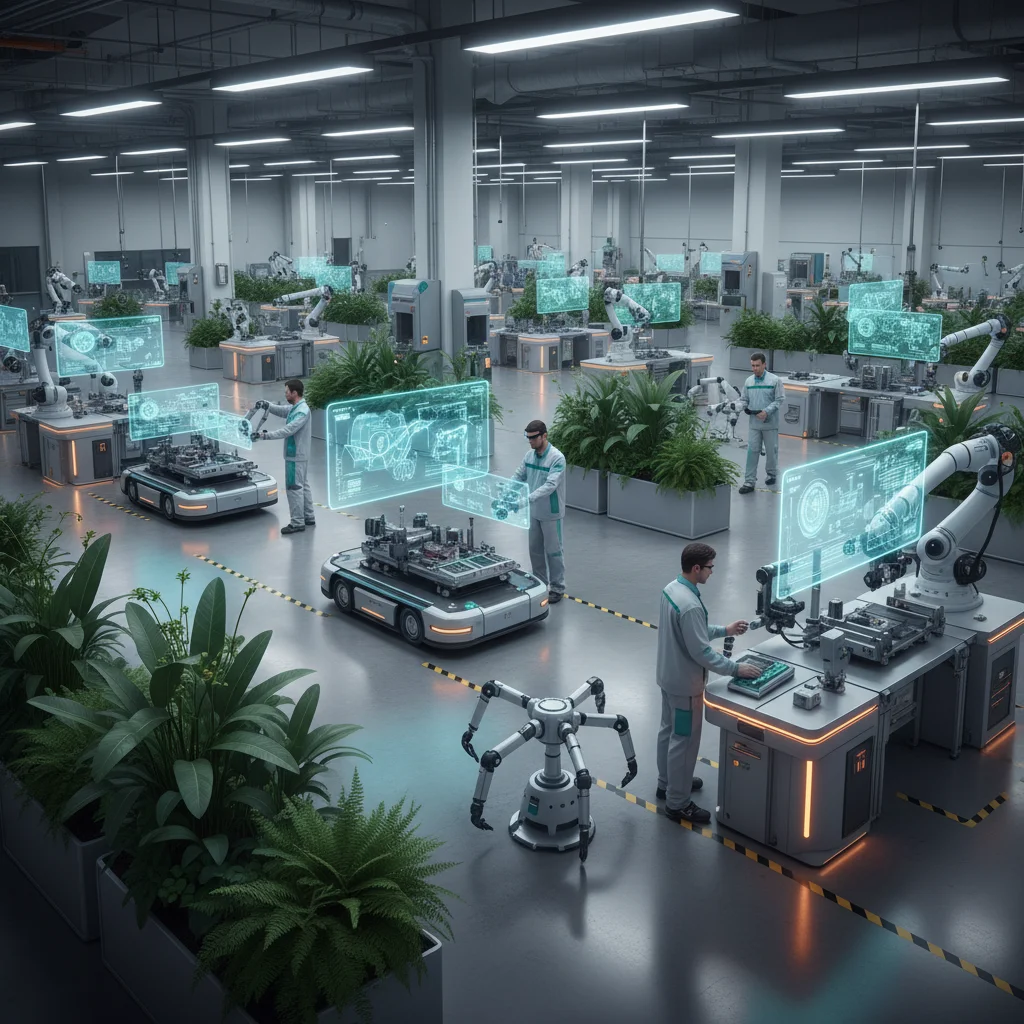
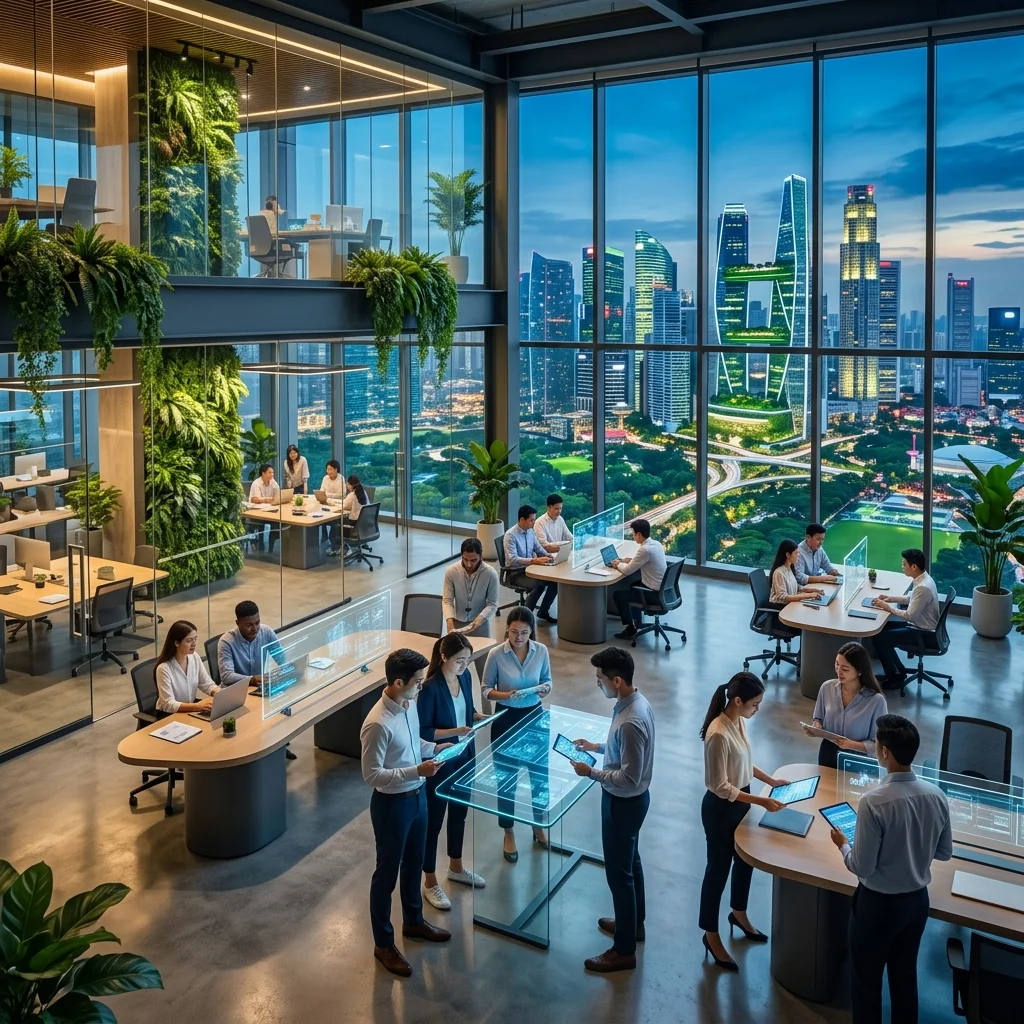
The Unique HR Landscape of Malaysia’s F&B Sector
Malaysia’s vibrant Food & Beverage (F&B) sector is a cornerstone of its economy, characterized by its incredible diversity, from bustling hawker centers to fine dining establishments. However, this dynamic industry presents a unique and complex human resources landscape. Businesses face specific operational and workforce challenges that demand more than traditional HR practices; they require specialized HR tools – applications for Food & Beverage field in malaysia to effectively navigate complexities and truly thrive in this competitive environment.
The F&B industry is inherently fast-paced, customer-service intensive, and often operates on thin margins. These factors underscore the critical importance of efficient HR management. Without the right systems, businesses risk high turnover, legal non-compliance, and an underperforming workforce. Understanding these unique challenges is crucial; implementing intelligent, industry-specific HR solutions is the vital next step for sustained success.
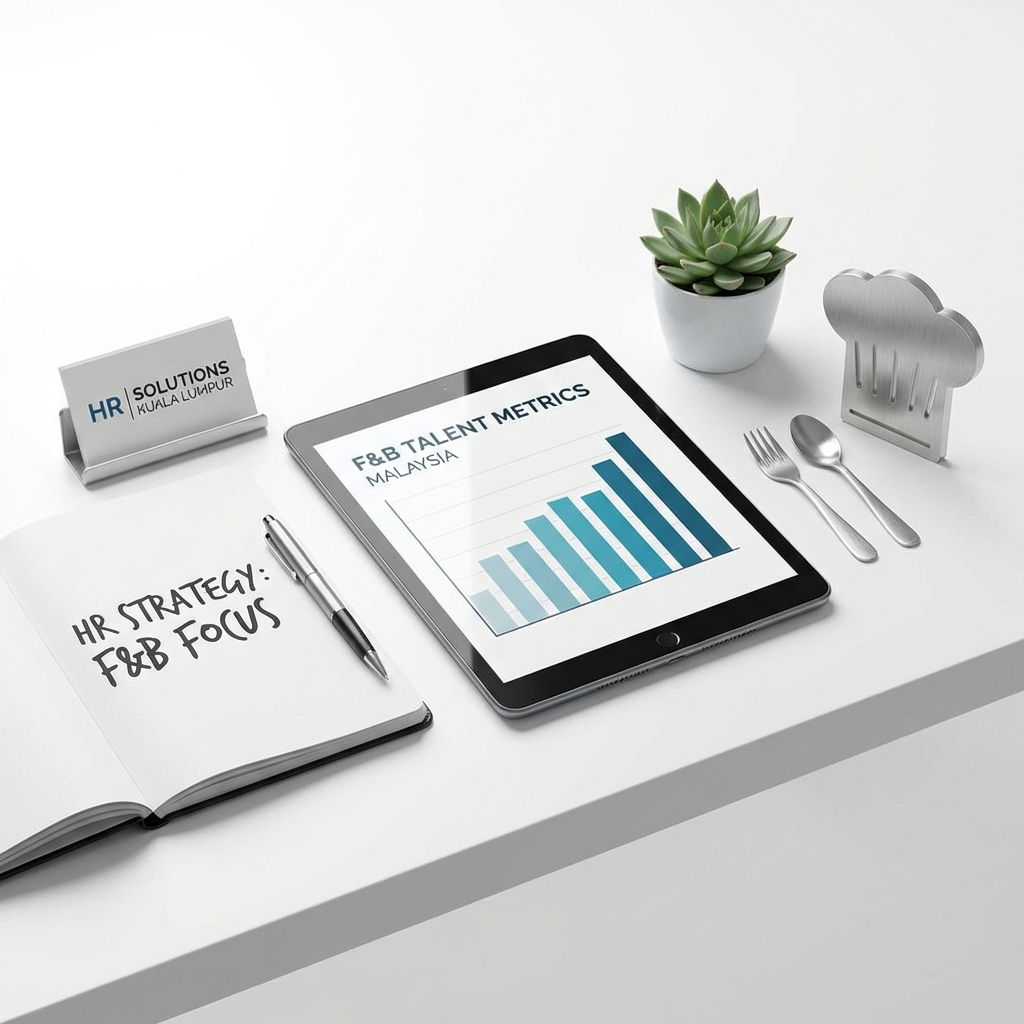
1. High Turnover & Seasonal Staffing Demands
High staff turnover remains a persistent issue in the Malaysian F&B sector, driven by demanding work, irregular hours, and a transient workforce. This cycle of recruitment, training, and replacement strains resources and impacts service quality. Furthermore, the industry experiences significant seasonal fluctuations during festive holidays and tourist seasons, requiring rapid scaling of staffing, which traditional HR methods struggle to manage efficiently.
Specialized HR tools offer robust solutions. They streamline recruitment and onboarding, making it faster to source and integrate new hires for both permanent and temporary roles. Advanced scheduling tools optimize staff deployment based on demand forecasts, minimizing costs and ensuring adequate coverage. These tools also track employee performance and engagement, enabling F&B operators to identify retention risks and implement targeted strategies for a more stable and committed workforce.
2. Navigating Malaysian Labor Laws & Regulations
Compliance with Malaysia’s intricate labor laws is paramount for F&B businesses to avoid penalties and reputational damage. The Employment Act 1955, Minimum Wages Order, EPF, SOCSO, HRDF, and regulations concerning foreign workers and E-wages system all add layers of complexity. Staying updated and ensuring consistent application across a diverse, shift-based workforce is a significant administrative burden for F&B HR departments.
Modern HR tools – applications for Food & Beverage field in malaysia embed these legal requirements directly into their functionalities. They automate payroll calculations, ensuring accurate deductions and proper calculation of overtime and holiday pay in accordance with Malaysian law. Integrated time and attendance systems provide clear audit trails for compliance. These platforms also manage employee records, including foreign worker permits, alerting HR to impending renewals. By automating these processes, F&B businesses significantly reduce compliance risks, saving time and resources. For more detailed information on employment legislation, businesses can refer to the official Malaysian Ministry of Human Resources website.
3. Managing Diverse Workforce & Skill Gaps
Malaysia’s multicultural F&B workforce, comprising local and foreign employees, brings rich diversity but also unique HR challenges such as language barriers, cultural differences, and varied experience levels. Fostering effective communication and an inclusive environment is key. Compounding this are persistent skill gaps in areas like professional culinary techniques, advanced customer service, food hygiene, inventory management, and digital literacy.
HR tools – applications for Food & Beverage field in malaysia provide robust solutions. Learning and development modules within these platforms host tailored training programs, accessible to all employees. They track individual skill sets, identifying areas for improvement and assigning relevant courses. Performance management features facilitate regular feedback and goal setting to bridge skill gaps and develop career paths. Furthermore, these tools streamline internal communication, ensuring all employees receive vital updates, fostering a more cohesive and skilled workforce.
In conclusion, the Malaysian F&B sector’s unique HR challenges demand modern, specialized solutions. High turnover, complex labor laws, and managing a diverse, multi-skilled workforce can overwhelm traditional HR functions. By adopting comprehensive HR tools – applications for Food & Beverage field in malaysia, businesses can transform these hurdles into opportunities for growth and efficiency. These applications empower F&B operators to streamline recruitment, ensure compliance, enhance training, and foster a more engaged and productive team, ultimately paving the way for sustained success in Malaysia’s competitive culinary landscape.
Essential HR Tools for Recruitment & Onboarding in F&B
The bustling Food & Beverage (F&B) industry in Malaysia, with its unique blend of local hawker culture, international fine dining, and dynamic hospitality, faces constant challenges in attracting and retaining talent. High employee turnover, demanding work schedules, and the need for specific skill sets—from culinary artistry to impeccable customer service—make HR a critical yet often overwhelming function. This is where modern HR technology steps in, revolutionizing how F&B businesses streamline their hiring process, from attracting the right talent to efficiently integrating new employees into their fast-paced environments. Leveraging the right HR tools – applications for Food & Beverage field in Malaysia is no longer a luxury but a necessity for competitive advantage.
1. Applicant Tracking Systems (ATS) for F&B Roles
In an industry characterized by high-volume recruitment, an Applicant Tracking System (ATS) is invaluable for Malaysian F&B businesses. An ATS automates and manages the entire recruitment lifecycle, from job posting to offer letter, making it a cornerstone of efficient recruitment software. For F&B, this means effortlessly handling applications for diverse roles like chefs, waiters, bartenders, and kitchen staff across multiple outlets. These systems allow HR teams to quickly filter candidates based on essential criteria such as experience, specific culinary skills, language proficiency (critical in multicultural Malaysia), and even availability for shifts. By centralizing candidate data, an ATS significantly reduces manual screening time, ensures no suitable applicant is overlooked, and provides a superior candidate experience through automated communications. This not only speeds up the hiring process but also enhances the quality of hires, ensuring that the right talent quickly fills crucial positions, maintaining service excellence and operational continuity.
2. Digital Onboarding & Training Modules
Once a candidate is hired, the onboarding process is crucial for retention, especially in an industry with high turnover rates. Digital onboarding platforms streamline the mountain of paperwork traditionally associated with new hires, from employment contracts and EPF/SOCSO registrations to company policies and standard operating procedures. This digital approach ensures consistency, reduces administrative errors, and frees up HR and management time. Beyond paperwork, integrated employee training platforms allow F&B businesses to deploy standardized training modules covering essential areas such as food hygiene, service standards, menu knowledge, point-of-sale (POS) system operation, and customer service protocols. These modules can be accessed on-demand, allowing new employees to learn at their own pace before hitting the floor. The result is a faster time-to-productivity, better-prepared staff, and a more engaging onboarding experience, all contributing to higher employee satisfaction and reduced early turnover in the fast-paced Malaysian F&B sector.
3. Automated Background Checks & Compliance
Trust and safety are paramount in the F&B industry. Automated background check systems integrate seamlessly into the hiring workflow, expediting the verification of previous employment, educational qualifications, and, where legally permissible and relevant in Malaysia, criminal records. This reduces the risk of fraudulent applications and ensures that only trustworthy individuals are brought into customer-facing or food-handling roles. Furthermore, these systems are critical for maintaining compliance with local labor laws, such as the Employment Act 1955, minimum wage requirements, and health and safety regulations enforced by the Ministry of Health. For F&B operations, compliance management systems can also track and manage necessary permits and licenses for staff (e.g., food handler cards). By automating these checks and ensuring adherence to regulatory requirements, F&B businesses mitigate legal risks, protect their brand reputation, and foster a safe and compliant work environment. The integration of technology in hospitality recruitment is rapidly becoming a standard practice for maintaining high operational standards.
In conclusion, the strategic adoption of modern HR tools – applications for Food & Beverage field in Malaysia provides a robust framework for overcoming the sector’s unique hiring and retention challenges. From attracting top talent with efficient Applicant Tracking Systems, to ensuring seamless integration and upskilling with Digital Onboarding and Training Modules, and safeguarding operations with Automated Background Checks and Compliance tools, these technologies empower F&B establishments to build stronger, more resilient teams, ultimately enhancing customer satisfaction and driving business success in a highly competitive market.
Optimizing Payroll & Time Management with HR Software
The vibrant and fast-paced nature of the Food & Beverage (F&B) industry in Malaysia presents unique challenges, particularly when it comes to managing staff effectively. From diverse shift patterns and high staff turnover to complex pay structures involving tips, service charges, and overtime, F&B establishments often grapple with inefficiencies in payroll and time management. This is where specialized HR tools – applications for Food & Beverage field in Malaysia become indispensable. These solutions are specifically designed to streamline operations, enhance accuracy, ensure compliance, and free up valuable management time, allowing F&B businesses to focus on delivering exceptional customer experiences. By automating repetitive tasks and providing real-time data, these systems transform how restaurants, cafes, and hotels handle their most vital asset: their people.
1. Automated Time & Attendance Tracking
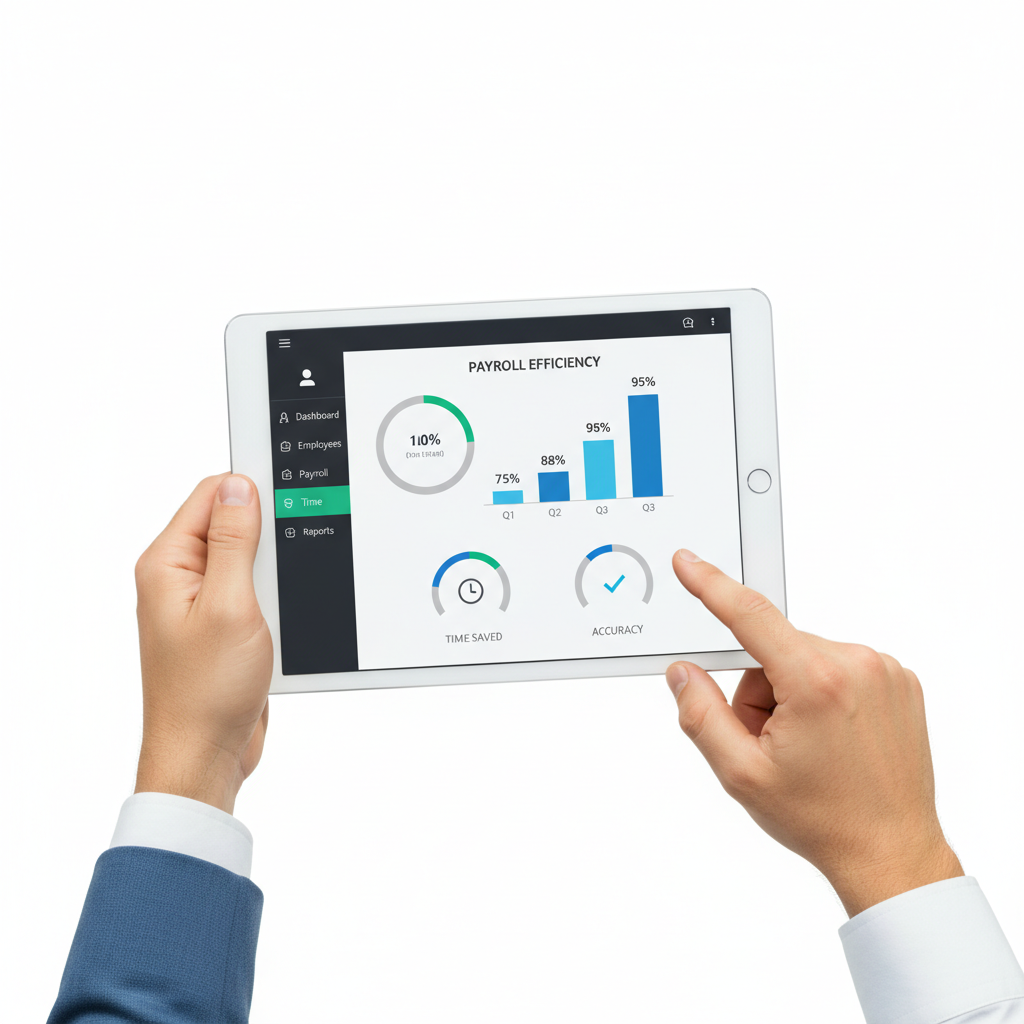
Manual timekeeping methods, such as paper timesheets or spreadsheets, are prone to errors, “buddy punching,” and significant administrative overhead. For F&B establishments with fluctuating staff levels and varied shift timings, these manual processes can quickly become a nightmare. Modern HR software offers robust automated time and attendance tracking features that revolutionize how staff hours are recorded. Employees can clock in and out using various methods, including biometric scanners (fingerprint or facial recognition), secure mobile apps with GPS verification, or dedicated time clocks. This ensures accurate recording of actual working hours, breaks, and overtime. The system automatically calculates total hours worked, flagging any discrepancies or violations of company policies or Malaysian labor laws. Real-time visibility into who is clocked in and where they are located (if using multi-location features) provides managers with immediate oversight, significantly reducing time theft and ensuring proper staffing levels are maintained throughout the day. This automation saves countless hours in manual data entry and reconciliation, allowing F&B managers to dedicate more time to operational excellence. This shift from manual to automated processes is a game-changer for efficient restaurant time tracking solutions.
2. Integrated Payroll Processing & Statutory Contributions (EPF, SOCSO)
Payroll in the F&B sector is inherently complex due to varying hourly rates, shift differentials, service charges, tips, and deductions. Compounding this is the critical need for compliance with Malaysian statutory requirements, including Employees Provident Fund (EPF), Social Security Organisation (SOCSO), Employment Insurance System (EIS), and monthly tax deductions (PCB). HR software designed for the F&B industry integrates time and attendance data directly into its payroll module, eliminating manual calculations and data transfer errors. The system automatically processes wages, overtime, allowances, and deductions, ensuring every payslip is accurate and compliant. Crucially, it calculates and remits statutory contributions to EPF, SOCSO, EIS, and PCB precisely as required by Malaysian law, drastically reducing the risk of penalties due to non-compliance. Many solutions also generate electronic payslips, facilitate direct bank transfers, and produce necessary reports for auditing and government submissions. This comprehensive integration not only streamlines the entire payroll process but also provides peace of mind, knowing that the business adheres to all regulatory obligations, as stipulated by authorities like the Employees Provident Fund (EPF) Malaysia. For F&B payroll software Malaysia, this integration is a cornerstone of operational efficiency and legal adherence.
3. Shift Scheduling & Labor Cost Optimization
One of the most significant challenges in F&B management is creating efficient shift schedules that meet customer demand without incurring excessive labor costs. Understaffing leads to poor service, while overstaffing erodes profits. HR software provides sophisticated tools for shift scheduling, enabling managers to create schedules quickly and effectively. These systems often incorporate features like demand forecasting, which uses historical sales data and upcoming events to predict staffing needs. Managers can drag-and-drop shifts, manage employee availability and time-off requests, and communicate schedules directly to staff via mobile apps. Crucially, these platforms offer real-time labor cost visibility. As schedules are built, the software displays projected labor costs, allowing managers to optimize staffing levels to remain within budget. It also helps in preventing burnout by ensuring compliance with working hour regulations and promoting fair distribution of shifts. By optimizing schedules, F&B businesses can reduce overtime, minimize unproductive idle time, and ensure that skilled staff are available when they are most needed, thereby enhancing both customer satisfaction and profitability. This aspect is vital for hospitality HR management, ensuring that every shift is both productive and cost-effective.
Enhancing Employee Engagement & Performance in F&B
The Food & Beverage (F&B) industry in Malaysia is dynamic and demanding, characterized by high turnover rates and a constant need for skilled, engaged employees. To thrive in this challenging environment, F&B businesses must prioritize employee satisfaction, foster continuous development, and boost overall performance. This is where strategic implementation of HR tools – applications for the Food & Beverage field in Malaysia – becomes indispensable. By leveraging modern HR solutions, businesses can significantly enhance employee engagement, streamline operations, and ultimately improve retention, securing a competitive edge. These tools are crucial for attracting and retaining top talent in a sector where talent is often scarce and highly sought after.
-
Performance Management Systems (PMS) Tailored for F&B
Performance Management Systems (PMS) are no longer just for corporate offices; they are vital for front-line F&B staff. A well-designed PMS tailored for the Malaysian F&B sector moves beyond annual reviews, offering continuous feedback mechanisms essential for a fast-paced environment. These systems can track key performance indicators (KPIs) relevant to F&B roles, such as speed of service for waiters, customer feedback scores for front-of-house staff, upselling rates, and food safety compliance for kitchen teams. For example, a chef’s performance might be evaluated not just on culinary skill, but also on kitchen efficiency, waste reduction, and adherence to recipes. By setting clear, measurable goals and providing regular, constructive feedback, PMS helps employees understand expectations, identify areas for improvement, and celebrate successes. This continuous dialogue fosters a culture of accountability and development, directly impacting service quality and operational efficiency. Furthermore, data collected through PMS can inform promotion decisions, identify training gaps, and ensure fair and objective evaluations, leading to greater employee satisfaction and motivation to boost overall performance.
-
Employee Self-Service (ESS) Portals
In a sector known for its irregular hours and shift-based work, Employee Self-Service (ESS) portals offer unparalleled convenience and empowerment. These digital platforms allow F&B staff to manage various HR-related tasks independently, without needing to contact HR or their manager directly. Imagine a waiter quickly checking their work schedule, requesting a shift swap with a colleague, applying for leave, or accessing their payslips and tax documents – all from their smartphone. This immediate access significantly reduces the administrative burden on HR departments and managers, freeing them to focus on more strategic initiatives. More importantly, ESS portals enhance transparency and give employees greater control over their work-life balance, directly boosting employee satisfaction. For F&B outlets in Malaysia, where staff often juggle multiple responsibilities, the convenience of ESS can be a powerful tool for improving engagement and demonstrating a commitment to employee well-being. It simplifies routine processes, minimizes errors, and allows staff to resolve queries quickly, reducing stress and improving their overall experience.
-
Training & Development Platforms
The F&B industry constantly evolves, from new culinary trends and service standards to stricter hygiene regulations. Consequently, continuous training and development are paramount for maintaining high service quality and staff competency. Digital training and development platforms are transforming how F&B businesses equip their teams. These platforms can host a vast library of e-learning modules covering everything from advanced cooking techniques and bartending skills to crucial food safety protocols and customer service excellence. They can incorporate interactive quizzes, video tutorials, and progress tracking, making learning engaging and measurable. For instance, new hires can complete essential onboarding modules on hygiene and standard operating procedures before stepping onto the floor. For existing staff, these platforms offer opportunities for professional growth, allowing them to upskill, cross-train for different roles, or even pursue management development paths. As highlighted by industry experts, investing in employee training is crucial for fostering development, boosting performance, and ultimately reducing the high turnover rates often seen in F&B. By providing accessible, flexible, and relevant learning opportunities, these platforms not only enhance employee capabilities but also demonstrate a commitment to their career progression, significantly improving retention and building a more skilled, adaptable workforce.
Future Trends & Selecting the Right HR Tools for Malaysian F&B
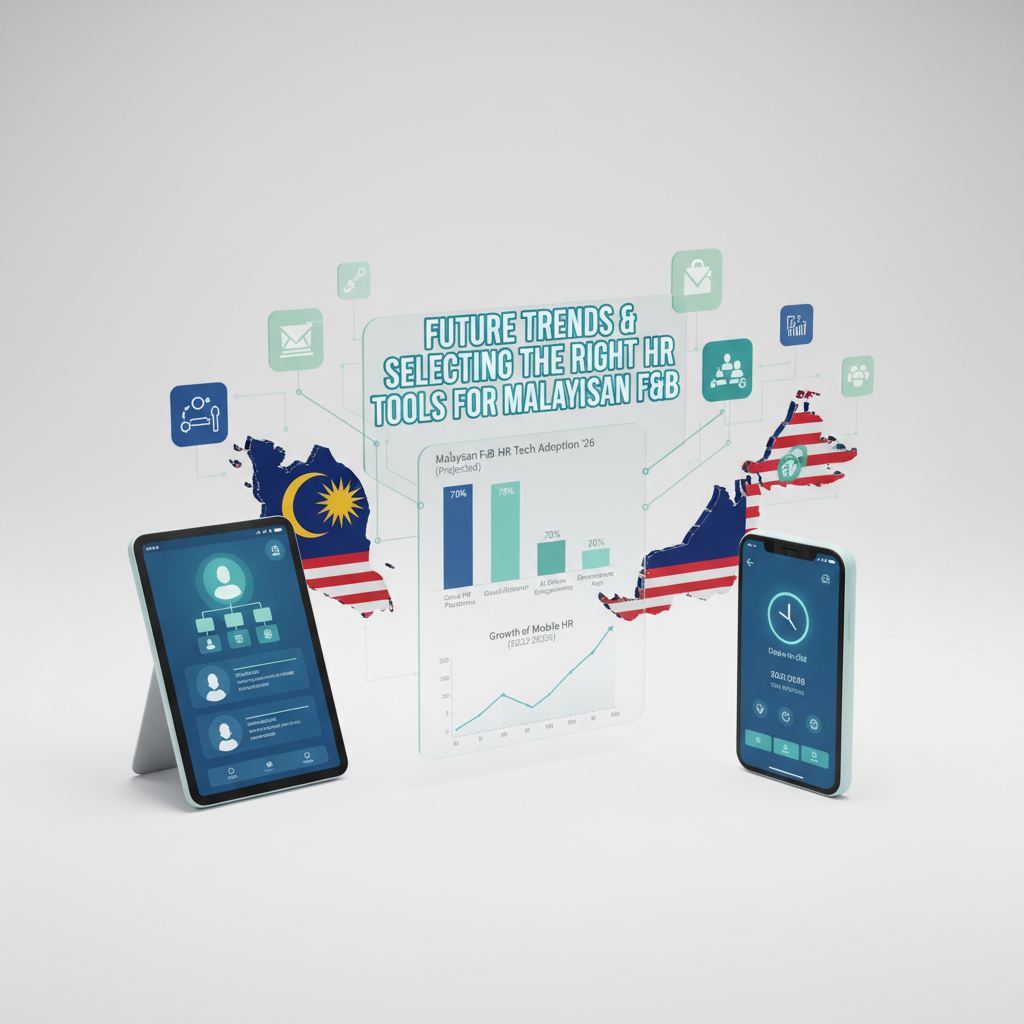
Malaysia’s dynamic Food & Beverage (F&B) sector, characterized by high turnover, diverse shift patterns, and a significant frontline workforce, demands innovative solutions to manage its human capital effectively. As the industry evolves, embracing advanced HR technology is no longer a luxury but a strategic imperative. This section will explore the emerging HR tools – applications for Food & Beverage field in malaysia, focusing on relevant trends for local businesses and offering practical guidance on evaluating and implementing suitable solutions to optimize your HR operations and drive growth.
1. AI & Automation in F&B HR Operations
Artificial Intelligence (AI) and automation are set to revolutionize HR functions within the F&B industry. From streamlining recruitment to optimizing workforce management, these technologies can significantly enhance efficiency and reduce administrative burden. For Malaysian F&B businesses, AI-powered tools can assist with:
- Automated Recruitment & Onboarding: AI can screen resumes, conduct initial chatbot interviews, and automate offer letters, drastically cutting down time-to-hire in a sector where rapid staffing is crucial. This is particularly beneficial for high-volume roles.
- Smart Scheduling: AI algorithms can optimize staff rostering based on predicted demand, employee availability, skills, and labor laws, minimizing overtime costs and ensuring adequate coverage during peak hours.
- Performance Management & Training: AI can analyze performance data to identify training needs, suggest personalized learning paths, and even provide real-time feedback, fostering continuous employee development.
- Payroll & Compliance: Automated systems can integrate with time-tracking, ensuring accurate payroll processing and compliance with Malaysian labor regulations, reducing errors and potential penalties.
Embracing these advancements can free up HR personnel to focus on strategic initiatives rather than repetitive tasks, ultimately improving employee experience and operational agility.
2. Mobile-First HR Solutions for Frontline Staff
The majority of F&B employees are frontline staff, often working non-desk jobs with irregular hours. For them, mobile accessibility is paramount. Mobile-first HR solutions provide a direct, convenient channel for employees to manage their HR needs, leading to higher engagement and satisfaction. Key applications include:
- Clock-in/Clock-out & Leave Management: Employees can easily record their attendance and request leave via their smartphones, simplifying processes and reducing paperwork. Geo-fencing capabilities can ensure accuracy for clock-ins.
- Payslip Access & Benefits Information: Digital payslips delivered directly to mobile devices offer convenience and reduce printing costs. Employees can also access information about their benefits, policies, and company updates on the go.
- Training & Development on Demand: Micro-learning modules and training videos accessible via mobile apps allow staff to upskill during downtime or at their convenience, crucial for maintaining service standards and compliance.
- Internal Communication & Feedback: Mobile platforms facilitate instant communication from management regarding shifts, menu changes, or urgent announcements. They also provide a channel for employees to offer feedback or report issues, fostering a more transparent and responsive workplace culture.
Investing in mobile-centric HR strategies is vital for F&B businesses aiming to connect effectively with their distributed workforce and ensure smooth day-to-day operations.
3. Key Considerations for Implementation & ROI
Selecting and implementing the right HR tools for your Malaysian F&B business requires careful planning and strategic evaluation to ensure a positive Return on Investment (ROI). Consider the following:
- Assess Your Specific Needs: Before looking at vendors, clearly define your pain points, budget, and desired outcomes. Are you struggling with high turnover, inefficient scheduling, or compliance issues? Prioritize solutions that address your most pressing challenges.
- Scalability & Integration: Choose solutions that can grow with your business and integrate seamlessly with existing systems like POS (Point of Sale) or payroll. This prevents data silos and ensures a holistic view of operations.
- User-Friendliness & Support: Given the diverse tech-savviness of F&B staff, a user-friendly interface is crucial for adoption. Evaluate vendor support, training resources, and local support options, which are vital for smooth rollout and ongoing success in Malaysia.
- Data Security & Compliance: HR systems handle sensitive employee data. Ensure the chosen solution complies with Malaysian data protection laws (e.g., PDPA) and has robust security measures in place to protect against breaches.
- Measuring ROI: Establish clear metrics to track the impact of your HR tool investment. This could include reduced administrative time, lower turnover rates, improved employee satisfaction scores, decreased scheduling errors, or compliance cost savings. A pilot program can often help demonstrate early ROI before full-scale deployment.
By meticulously evaluating these factors, F&B businesses can make informed decisions, ensuring their investment in HR technology yields significant long-term benefits for both employees and the bottom line.
Partner with Shelby Global
You are looking for reliable HR Sevice Suppliers? Contact Shelby Global Now! To connect with verified talents and upgrade your orginization.
—————————————
References
– Malaysian Employment Legislation: https://www.mohr.gov.my/index.php/en/legislation
– How Technology Is Reshaping Recruitment in Hospitality – Hotel Executive: https://www.hotelexecutive.com/hr-hospitality/8762/how-technology-is-reshaping-recruitment-in-hospitality
– Employees Provident Fund (EPF) Malaysia: https://www.kwsp.gov.my/
– Why Investing in Employee Training is Crucial for Hotels: https://www.hospitalitynet.org/opinion/4117849.html
– How To Leverage Mobile-First HR Strategies For An Evolving Workforce: https://www.forbes.com/sites/forbeshumanresourcescouncil/2023/10/26/how-to-leverage-mobile-first-hr-strategies-for-an-evolving-workforce/