The Unique HR Challenges in Malaysia’s FMCG Sector
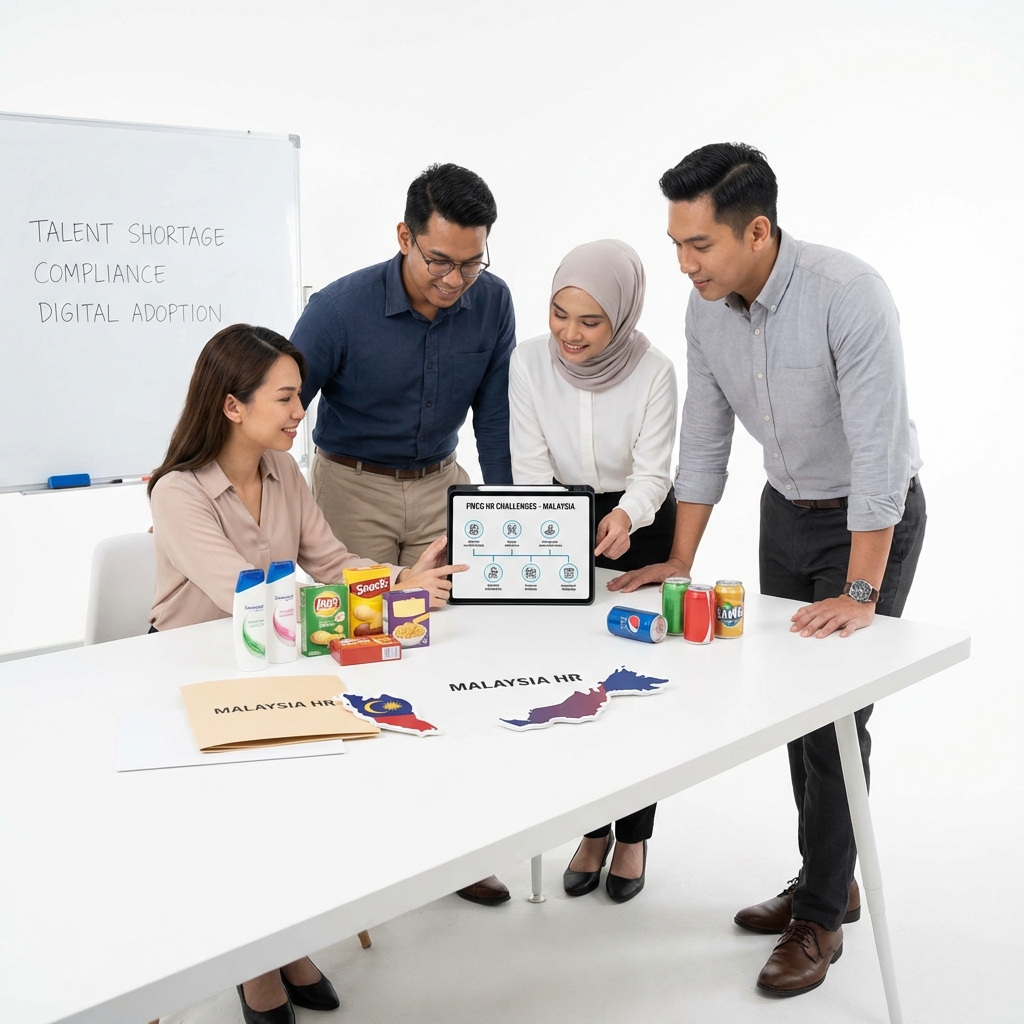
Malaysia’s Fast-Moving Consumer Goods (FMCG) sector is a vibrant and crucial pillar of the national economy, characterized by rapid innovation, intense competition, and a diverse consumer base. While offering immense growth opportunities, this dynamic environment simultaneously presents a complex array of human resource challenges. For FMCG companies operating in Malaysia, effectively managing talent, ensuring operational continuity, and maintaining compliance are not merely administrative tasks but strategic imperatives. Navigating these hurdles requires more than traditional HR practices; it demands the strategic adoption of sophisticated HR tools – applications for FMCG companies in Malaysia. These digital solutions are essential for optimizing HR functions, enhancing employee experience, and driving business resilience in such a fast-paced market. Addressing critical areas like talent management, workforce planning, and regulatory compliance is paramount for success.
1. High turnover rates & talent retention strategies
One of the most persistent HR challenges for Malaysian FMCG companies is the struggle with high employee turnover rates, particularly among frontline staff and sales teams. The demanding nature of the work, often involving long hours, competitive sales targets, and repetitive tasks, can lead to burnout. Furthermore, the robust competition for skilled labor means employees frequently seek better compensation, career advancement, or improved work-life balance elsewhere. This constant churn impacts operational efficiency, increases recruitment and training costs, and can erode institutional knowledge. Effective talent retention strategies are therefore crucial. FMCG companies must implement robust employee engagement strategies, offer competitive remuneration and benefits, and foster clear career development pathways. Modern HR technology can play a pivotal role here, providing insights through HR analytics to identify turnover hotspots, track employee satisfaction, and manage succession planning. By leveraging HR tools – applications for FMCG companies in Malaysia, HR departments can develop targeted retention programs, enhance employee recognition, and ensure ongoing training and development (T&D) aligned with both individual aspirations and business needs.
2. Rapid product cycles & dynamic workforce needs
The FMCG sector is defined by its ceaseless innovation and rapid product cycles. Consumer preferences shift quickly, driven by trends, digital influence, and evolving health and sustainability concerns. This necessitates continuous product development, aggressive marketing campaigns, and agile supply chain management, all of which have profound implications for workforce planning and management. HR departments must contend with dynamic workforce needs, requiring rapid upskilling and reskilling of employees to handle new technologies, changing market demands, and evolving sales strategies. This includes adapting to new digital marketing techniques, e-commerce fulfillment, and data analytics capabilities. The challenge lies in accurately forecasting future skill requirements and swiftly deploying appropriate training and development programs. HR solutions equipped with workforce planning modules and skills management features become invaluable here. They enable companies to assess current skill inventories, identify skill gaps, and allocate resources for targeted training programs. Such agility in managing human capital ensures that the workforce remains competent and adaptable, capable of supporting the company’s fast-paced innovation and market responsiveness.
3. Compliance with Malaysian labor laws & regulations
Operating in Malaysia requires strict adherence to a comprehensive framework of labor laws and regulations, which can be particularly intricate for large, multi-faceted FMCG organizations. Key legislation includes the Employment Act 1955, Employees Provident Fund Act 1991 (EPF), Employees’ Social Security Act 1969 (SOCSO), and the Human Resources Development Act 1992 (HRD Corp). Beyond these, companies must navigate minimum wage orders, industrial relations acts, and various health and safety regulations. Keeping abreast of amendments, ensuring accurate payroll management, managing statutory contributions, and maintaining meticulous employee records are critical to avoid penalties, legal disputes, and reputational damage. The complexity is amplified by the diverse nature of the FMCG workforce, which often includes local and foreign workers, full-time, part-time, and contractual employees. Robust HR management systems are indispensable for automating compliance checks, ensuring accurate payroll processing, generating statutory reports, and maintaining an audit trail of all HR activities. Leveraging specialized HR tools – applications for FMCG companies in Malaysia with built-in Malaysian labor law compliance features significantly reduces administrative burden and mitigates non-compliance risks, allowing HR professionals to focus on strategic initiatives.
In conclusion, the unique blend of rapid market shifts, intense competition, talent mobility, and a complex regulatory environment presents significant HR challenges for Malaysia’s FMCG sector. Successfully navigating these hurdles hinges on a strategic shift towards modern, integrated HR solutions. By embracing advanced HR tools – applications for FMCG companies in Malaysia, organizations can transform their HR functions from purely administrative to genuinely strategic. These tools empower HR departments to not only manage day-to-day operations efficiently but also to proactively address talent retention, workforce adaptability, and legal compliance, ultimately fostering a resilient and competitive business in the dynamic Malaysian market.
Essential HR Tools for Recruitment & Onboarding Efficiency
The Fast-Moving Consumer Goods (FMCG) sector in Malaysia operates at an unparalleled pace, characterized by rapid product cycles, high sales volumes, and a constant need for a robust, adaptable workforce. This environment necessitates a highly efficient talent acquisition and integration process. Manual, time-consuming HR procedures simply won’t cut it. To maintain a competitive edge, FMCG companies in Malaysia are increasingly turning to sophisticated HR tools – applications designed to streamline the initial phases of the employee lifecycle, from recruitment to seamless onboarding. These digital solutions are crucial for quickly filling roles, managing high-volume hiring, and integrating new hires effectively, ensuring that valuable talent contributes to productivity sooner rather than later.
-
Applicant Tracking Systems (ATS) for high-volume hiring
For FMCG companies, high-volume hiring is the norm, whether it’s for sales teams, marketing specialists, supply chain logistics, or manufacturing personnel. Managing hundreds, if not thousands, of applications manually is an impossible task that often leads to missed talent and a poor candidate experience. This is where Applicant Tracking Systems (ATS) prove to be indispensable. An ATS automates and streamlines every stage of the recruitment process, from job posting and resume parsing to candidate screening and interview scheduling.
For FMCG companies in Malaysia, an effective ATS filters applications based on predefined keywords and criteria, allowing HR teams to quickly identify the most qualified candidates for specific roles. This significantly reduces the time-to-hire, a critical metric in a fast-moving industry. Key features include centralized candidate databases, automated communication templates, interview scheduling tools, and analytics dashboards that provide insights into recruitment bottlenecks and source effectiveness. By leveraging such powerful HR tools, FMCG businesses can manage vast talent pools efficiently, ensuring they secure the right individuals to drive market share and operational excellence across their diverse departments.
-
Digital onboarding platforms & document management
Once a candidate accepts an offer, the next crucial step is onboarding – a phase that traditionally involved a mountain of paperwork, manual data entry, and often, a disjointed experience for the new hire. Digital onboarding platforms revolutionize this process, transforming it into a smooth, paperless, and engaging experience. For FMCG companies in Malaysia, these platforms are vital for quickly integrating new employees into the company culture and getting them productive faster, minimizing the common slump associated with initial employment periods.
These HR tools provide new hires with a digital portal to complete all necessary paperwork, such as employment contracts, tax forms, and benefits enrollment, using e-signatures. Beyond mere document management, they facilitate the dissemination of company policies, employee handbooks, and initial training modules even before the first day. This proactive approach ensures compliance with Malaysian labor laws and internal regulations, while also setting clear expectations and fostering a positive first impression. The result is reduced administrative burden on HR, improved data accuracy, and a significantly enhanced new hire experience, allowing new team members to feel valued and ready to contribute from day one.
-
Background check integration & compliance tools
In an industry like FMCG, where trust, safety, and brand reputation are paramount, thorough background checks are non-negotiable. Ensuring that new hires meet specific standards, especially for roles involving product handling, financial responsibilities, or customer interaction, is critical. Integrating background check services directly into your broader HR tools – applications for FMCG companies in Malaysia is a game-changer for efficiency and compliance.
Modern HR platforms allow for seamless initiation and tracking of background checks (e.g., criminal records, employment history, educational verification) directly from the recruitment or onboarding module. This eliminates manual data entry, reduces errors, and significantly speeds up the verification process. Crucially, these integrated compliance tools help FMCG companies adhere to local data privacy laws and employment regulations in Malaysia, mitigating legal risks. By automating and centralizing background checks, businesses can ensure due diligence without causing undue delays in bringing vital talent on board, maintaining operational integrity, and protecting their valuable brand image. For a deeper dive into how comprehensive HR tools applications for FMCG companies in Malaysia can transform your HR operations, exploring integrated solutions is key.
Optimizing Performance & Learning with HR Technology
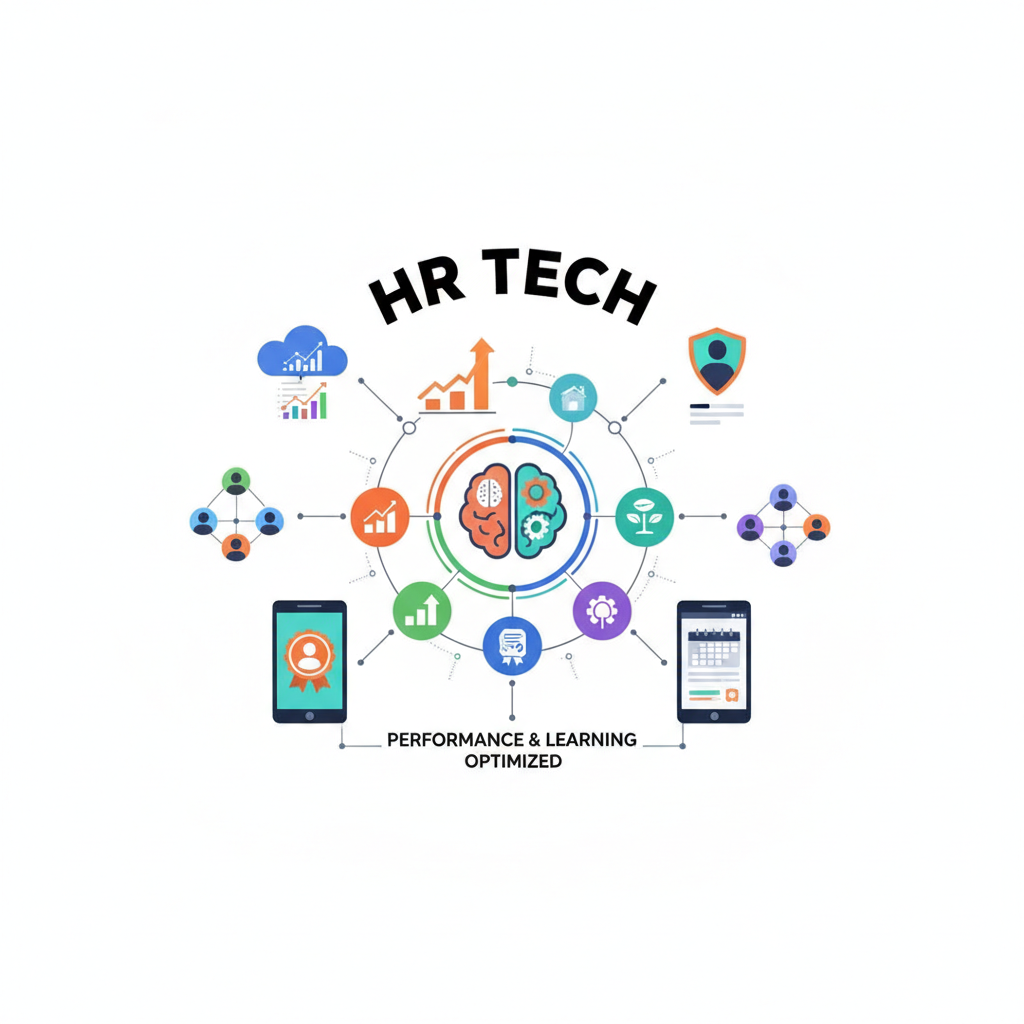
In the high-velocity world of Fast-Moving Consumer Goods (FMCG), agility, efficiency, and continuous innovation are paramount. For FMCG companies in Malaysia, staying competitive means not only delivering quality products but also cultivating a highly skilled and engaged workforce. This requires robust HR strategies, and increasingly, strategic investment in sophisticated HR tools – applications for FMCG companies in Malaysia. These digital solutions are revolutionizing how organizations manage talent, enhance employee development, streamline performance management, and foster a culture of continuous learning, ultimately driving growth in a fast-paced environment.
Addressing the unique challenges of the FMCG sector, such as rapid product cycles, complex supply chains, and demanding customer expectations, requires HR technology that can adapt and scale. Modern HR platforms offer more than just administrative convenience; they provide actionable insights into workforce analytics, identify skills gaps in FMCG, and support talent development Malaysia-wide. By leveraging these powerful HR tools, businesses can transform their human capital into a strategic asset, ensuring their teams are equipped to meet current demands and future market shifts, improving Malaysian workforce productivity.
1. Performance management systems (PMS) for agile reviews
Traditional annual performance reviews often fall short in dynamic FMCG settings. Modern performance management systems (PMS) for agile reviews, however, are designed to support continuous feedback, real-time goal tracking, and frequent check-ins. These HR tools – applications for FMCG companies in Malaysia empower managers and employees with clear visibility into performance metrics, fostering a culture of ongoing improvement rather than periodic assessment. For instance, a PMS can help a sales team in an FMCG company quickly adjust strategies based on daily or weekly sales data, aligning individual goals with broader company objectives in the retail industry HR landscape.
By digitizing performance appraisal software processes, FMCG firms can reduce administrative burdens, provide transparent insights into employee upskilling progress, and link performance directly to career development. This not only enhances individual accountability but also ensures that the entire workforce is agile and responsive to market changes, a critical success factor in the competitive FMCG sector challenges.
2. Learning Management Systems (LMS) for skill development
The need for continuous learning platforms is undeniable in an industry constantly evolving with new products, technologies, and compliance requirements. Learning Management Systems (LMS) for skill development provide a centralized, accessible platform for delivering training content, tracking progress, and managing certifications. For FMCG companies in Malaysia, an LMS can be instrumental in providing on-demand training for product knowledge, supply chain talent management, safety protocols, and even digital marketing skills crucial for online retail expansion. This approach tackles skills gaps in FMCG by offering personalized learning paths and making relevant courses available 24/7.
These advanced HR tools – applications for FMCG companies in Malaysia facilitate employee upskilling and reskilling initiatives, ensuring that the workforce possesses the latest competencies required to drive innovation and maintain operational excellence. From new employee onboarding to leadership development, an effective LMS nurtures a culture of knowledge acquisition, directly contributing to organizational resilience and growth amidst HR technology trends.
3. Employee engagement & feedback platforms for retention
In a competitive job market, retaining top talent is just as crucial as attracting it, particularly within the FMCG sector where operational continuity is key. Employee engagement & feedback platforms for retention offer valuable insights into employee sentiment, morale, and satisfaction. These digital HR solutions allow companies to conduct pulse surveys, gather anonymous feedback, facilitate peer recognition programs, and identify potential issues before they escalate. For Malaysian FMCG companies, understanding and responding to employee needs through these platforms can significantly reduce turnover and boost productivity.
By providing channels for employees to voice their opinions and feel heard, these HR tools – applications for FMCG companies in Malaysia foster a more inclusive and supportive work environment. This proactive approach to employee engagement strategies not only enhances job satisfaction and loyalty but also contributes to a positive company culture, which is a strong predictor of long-term success and supports succession planning within the organization. Investing in these platforms is an investment in the future stability and innovation of your workforce.
In conclusion, the strategic adoption of advanced HR technology is no longer optional but essential for FMCG companies in Malaysia aiming for sustained success. From agile performance management and robust learning systems to insightful employee engagement platforms, these HR tools provide the framework for building a resilient, high-performing, and adaptable workforce ready to tackle the dynamic challenges of the modern marketplace. Embracing these digital HR solutions is a critical step towards optimizing performance, fostering continuous learning, and ensuring long-term competitive advantage.
Streamlining Core HR Operations & Payroll in FMCG
The Fast-Moving Consumer Goods (FMCG) sector in Malaysia operates at a relentless pace, demanding efficiency at every level, including Human Resources. Managing a diverse workforce – from factory floor to field sales, office staff to distribution teams – presents unique HR challenges. To thrive, FMCG companies must move beyond manual, time-consuming administrative tasks. This section delves into fundamental HR functions, highlighting essential HR tools – applications for FMCG companies in Malaysia that automate and simplify administrative tasks, leading to better resource allocation, enhanced accuracy, and a more strategic HR function. Adopting digital HR solutions Malaysia is no longer optional but a necessity for competitive advantage and efficient onboarding processes.
1. Integrated HRIS/HRMS for Centralized Employee Data
At the heart of modern HR operations lies the Human Resources Information System (HRIS) or Human Resources Management System (HRMS). For FMCG companies, an integrated HRIS/HRMS acts as a central repository for all employee data, moving away from disparate spreadsheets and paper files. This HR automation FMCG Malaysia solution streamlines critical processes from recruitment and onboarding to performance management and offboarding. It provides a single source of truth for employee profiles, personal details, contract terms, performance reviews, and training records. Features like an employee self-service portal empower staff to update their personal information, apply for leave, and access payslips, significantly reducing the administrative burden on HR teams. This centralized employee data management system not only improves data accuracy but also provides valuable insights for HR analytics for FMCG, enabling informed decision-making and strategic HR planning FMCG. HR software for manufacturing specific to FMCG needs ensures that even complex shift patterns and remuneration structures are managed effectively, paving the way for talent management in FMCG.
2. Automated Payroll Processing & Compliance Solutions
Payroll in the FMCG sector is inherently complex due to varying shift patterns, overtime rules, performance-based incentives, and statutory deductions. Manual payroll processing is not only error-prone but also extremely time-consuming and carries significant compliance risks. Automated payroll processing & compliance solutions are vital HR tools – applications for FMCG companies in Malaysia. These systems automatically calculate wages, overtime, bonuses, and deductions such as EPF (Employees Provident Fund), SOCSO (Social Security Organization), EIS (Employment Insurance System), and income tax (PCB – Potongan Cukai Bulanan), ensuring strict adherence to Malaysian payroll compliance and labor law compliance tools. By automating these calculations, FMCG companies drastically reduce the risk of costly errors and penalties. Furthermore, these solutions often integrate with financial systems, facilitate direct bank transfers, and generate comprehensive payroll reports, making year-end tax submissions and audits far simpler. This level of payroll automation Malaysia frees up HR and finance teams to focus on more strategic initiatives, rather than getting bogged down in repetitive calculations. For more details on payroll compliance in Malaysia, refer to official guidelines and resources such as those provided by the Lembaga Hasil Dalam Negeri (LHDN), Malaysia’s Inland Revenue Board.
3. Time & Attendance Tracking for Diverse Workforces
Accurate time and attendance tracking is fundamental for managing payroll, ensuring productivity, and maintaining compliance with working hour regulations, particularly for a dynamic FMCG workforce. With employees spread across factories, warehouses, distribution centers, and sales territories, manual methods are inefficient and susceptible to inaccuracies and time theft. Modern time & attendance tracking solutions employ various technologies such as biometric time attendance systems (fingerprint or facial recognition), mobile apps with GPS tracking for field staff, and proximity card readers. These systems accurately record clock-ins and clock-outs, track breaks, calculate total working hours, and manage overtime automatically. This is crucial for FMCG workforce management, where shift changes and varying schedules are common. Automated leave management features within these systems also ensure that vacation, sick leave, and other absences are tracked meticulously and integrated directly into payroll. Implementing robust time tracking solutions FMCG helps companies achieve greater operational efficiency, reduce administrative overheads, ensure fair compensation, and comply with the Employment Act 1955. This adoption of HR technology adoption significantly enhances the overall management of an extensive and mobile employee base.
By embracing these sophisticated HR tools – applications for FMCG companies in Malaysia, businesses can transform their HR departments from administrative cost centers into strategic partners. This not only streamlines core HR operations and payroll but also empowers HR teams to focus on employee development, engagement, and talent retention, ultimately contributing to the company’s growth and competitive edge in the fast-paced FMCG market.
Future Trends & Selecting the Right HR Tools for 2026
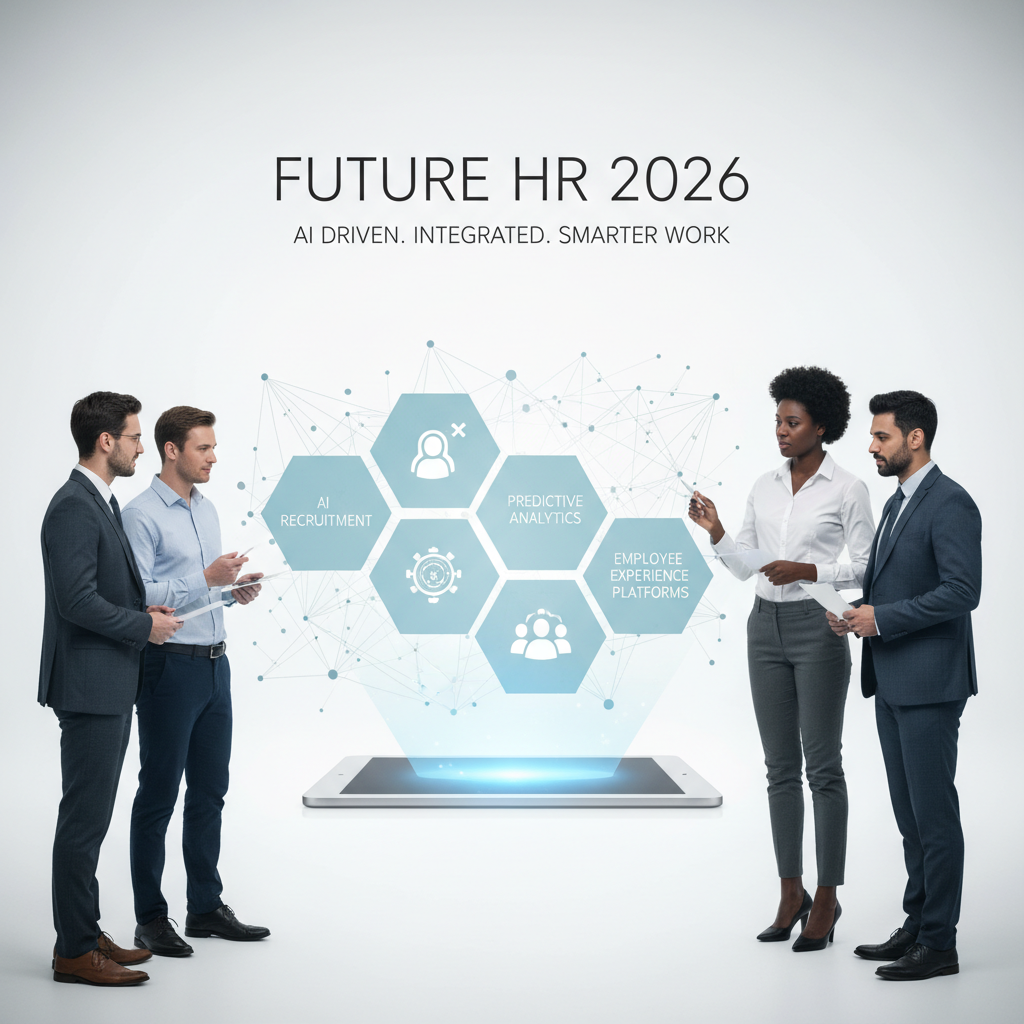
The fast-paced environment of the Fast-Moving Consumer Goods (FMCG) sector in Malaysia demands agile and intelligent Human Resources strategies. As we look towards 2026, the landscape of HR technology is set to undergo a significant transformation, offering unprecedented opportunities for companies to optimize their workforce, enhance employee experience, and drive business growth. Selecting the right HR tools – applications for FMCG companies in Malaysia will not just be about efficiency but about gaining a competitive edge. This section explores emerging HR technology trends and provides practical guidance on evaluating and implementing suitable HR solutions tailored for the unique demands of the Malaysian FMCG market, ensuring a robust digital HR transformation.
-
AI & Machine Learning in HR analytics and predictions
Artificial Intelligence (AI) and Machine Learning (ML) are rapidly becoming indispensable components of modern HR technology trends. For FMCG companies in Malaysia, these technologies offer profound insights, moving HR beyond traditional administrative tasks to strategic foresight. HR analytics platforms powered by AI can process vast amounts of data to identify patterns in employee turnover, predict future staffing needs, and pinpoint areas for skill development programs. Predictive analytics, for instance, can help anticipate which employees might leave, allowing HR to proactively intervene with retention strategies. Furthermore, AI-driven tools streamline recruitment software by automating candidate screening, improving the quality of hires, and reducing time-to-fill. In performance appraisal software, AI can offer objective feedback and identify high-potential employees, fostering a culture of continuous improvement. The ability to leverage such predictive HR analytics will be crucial for managing the dynamic workforce demands prevalent in the FMCG industry, making talent management more data-driven and effective. This integration fundamentally reshapes how talent management systems operate, making them smarter and more responsive.
-
Cloud-based solutions & mobile accessibility
The shift towards cloud-based solutions is undeniable and will be a cornerstone for future-proof HR tools – applications for FMCG companies in Malaysia. Cloud platforms offer scalability, flexibility, and reduced infrastructure costs, making them ideal for companies experiencing rapid growth or fluctuating workforce sizes, common in the FMCG sector. With cloud deployment, HR data and applications are accessible anytime, anywhere, facilitating seamless operations across multiple branches, warehouses, or retail outlets. Equally important is mobile accessibility. A significant portion of the FMCG workforce, particularly those in sales, distribution, or field operations, requires on-the-go access to HR functionalities. Mobile HR apps enable employees to check payslips, request leave, update personal information, or access learning modules directly from their smartphones. This not only enhances employee experience and engagement but also boosts productivity for a workforce that is often away from a traditional desk. These solutions are vital for efficient workforce management solutions, ensuring that payroll processing, attendance tracking, and internal communications are smooth and instantaneous. Implementing such accessible platforms significantly contributes to overall employee engagement platforms.
-
Cost-benefit analysis & vendor selection tips
Selecting the right HR software implementation requires meticulous planning and a thorough cost-benefit analysis. For FMCG companies in Malaysia, it’s crucial to assess not just the upfront investment but also the long-term return on investment (ROI) in terms of efficiency gains, reduced turnover, and improved talent management. When evaluating potential vendors for HR tools – applications for FMCG companies in Malaysia, consider several key factors:
- Scalability: Can the solution grow with your company? The FMCG sector is dynamic, requiring systems that can adapt to changing employee numbers and business needs.
- Integration Capabilities: How well does the HR system integrate with existing ERP, accounting, or operational systems? Seamless integration prevents data silos and enhances overall operational efficiency.
- User Experience (UX): A user-friendly interface is vital for adoption across all employee levels. Poor UX can negate the benefits of even the most powerful features.
- Security & Data Privacy Compliance: Given the sensitive nature of HR data, robust security features and compliance with local and international data protection regulations are non-negotiable.
- Vendor Support & Reputation: Assess the vendor’s track record, customer support quality, and commitment to ongoing updates and innovation. Look for strong local support in Malaysia.
- Customization: Can the system be tailored to specific FMCG operational workflows, such as managing shift patterns or performance incentives unique to sales teams?
This comprehensive vendor evaluation criteria will ensure that the chosen payroll processing tools, talent management systems, and other HR functionalities are not just technologically advanced but also strategically aligned with your business objectives and budget. Investing wisely in these solutions paves the way for a more productive, engaged, and future-ready workforce.
The future of HR in the Malaysian FMCG industry is undeniably digital and data-driven. By strategically adopting AI-powered analytics, embracing cloud and mobile solutions, and meticulously evaluating vendors based on clear business needs, companies can transform their HR departments into powerful engines of growth and innovation. The journey towards selecting and implementing the best HR tools – applications for FMCG companies in Malaysia is an investment in the people who drive success in this competitive market.
Partner with Shelby Global
You are looking for reliable HR Sevice Suppliers? Contact Shelby Global Now! To connect with verified talents and upgrade your orginization.
—————————————
References
– Employment Act 1955: https://www.mohr.gov.my/index.php/en/legislation/acts/acts-under-mohr/employment-act-1955
– Applicant Tracking Systems (ATS) for High-Volume Hiring: https://www.shrm.org/resources-and-tools/hr-topics/talent-acquisition/pages/ats-talent-acquisition-recruit-employees.aspx
– Deloitte’s insights on Performance Management Trends: https://www2.deloitte.com/us/en/insights/topics/talent/performance-management-trends-future-of-work.html
– Lembaga Hasil Dalam Negeri (LHDN): https://www.hasil.gov.my/en/
– Deloitte Human Capital Trends: https://www.deloitte.com/global/en/issues/topics/human-capital-trends.html