Understanding Unique HR Challenges in Malaysian Production
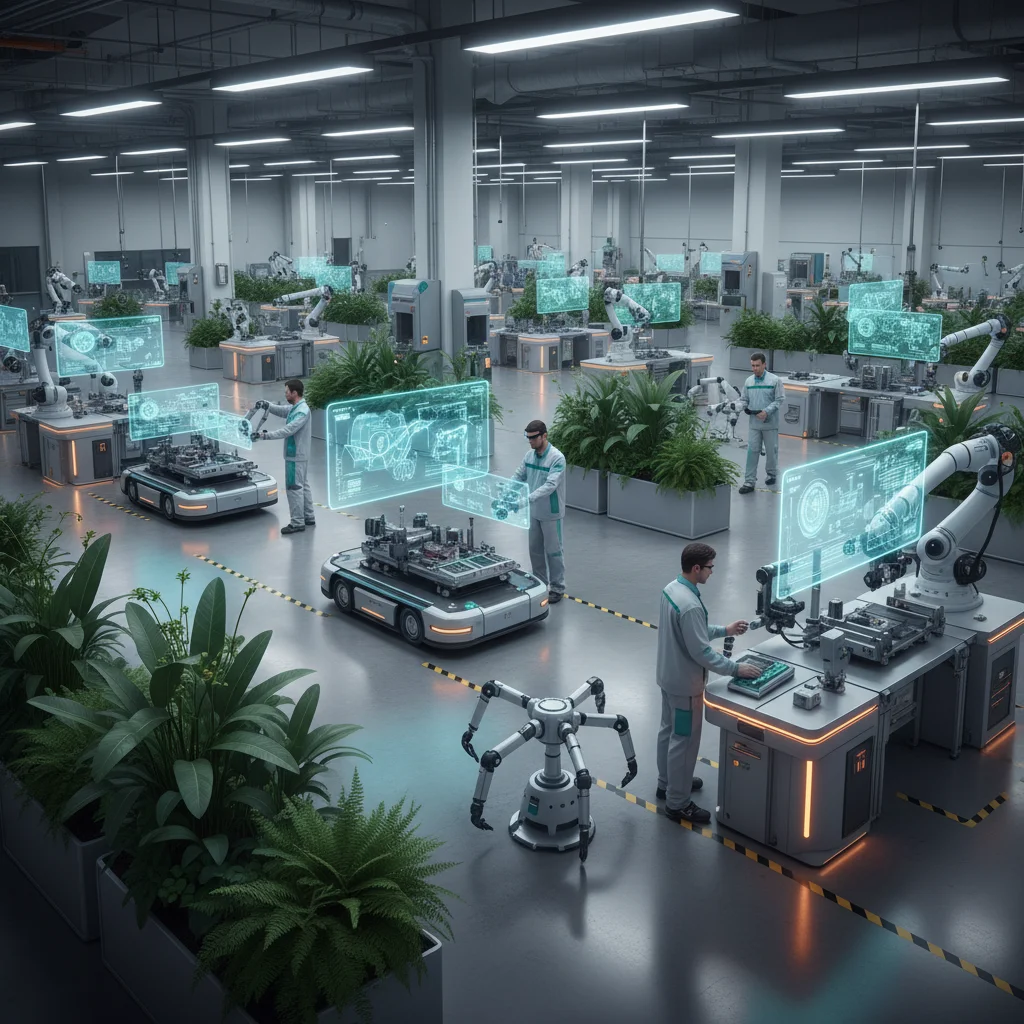
Malaysia’s manufacturing and production sector is a cornerstone of its economy, contributing significantly to GDP and employment. However, operating within this dynamic landscape presents a distinct set of HR challenges that demand specialized attention and tailored solutions. Production companies in Malaysia frequently grapple with a complex interplay of workforce demographics, evolving regulatory frameworks, and specific operational demands. These hurdles necessitate not just reactive HR practices, but proactive strategies, often powered by advanced HR tools – applications for production field in Malaysia, to ensure compliance, foster talent, and maintain operational efficiency.

1.
Navigating Workforce Management & Labor Laws (EPF, SOCSO, HRDF)
One of the most significant challenges for Malaysian production companies lies in meticulously navigating the country’s comprehensive labor laws and statutory contributions. HR departments must ensure stringent compliance with the Employees Provident Fund (EPF), Social Security Organization (SOCSO), and the Human Resources Development Fund (HRDF). The complexities extend beyond simple deductions, encompassing accurate calculations, timely submissions, and precise record-keeping for a diverse workforce, often including local and foreign employees with varying entitlements and regulations. Missteps can lead to hefty penalties, reputational damage, and industrial disputes. Effective HR tools – applications for production field in Malaysia are crucial here, automating payroll, leave management, and statutory contributions, thereby reducing manual errors and ensuring adherence to the latest legislative updates. For instance, understanding the nuances of the HRDF levy and its utilization for workforce upskilling is vital for companies. Learn more about the Human Resources Development Corporation (HRD Corp) and its role in developing local talent.
2.
Strategies for Talent Acquisition & Retention in Manufacturing
The Malaysian production sector, particularly in manufacturing, faces a persistent struggle with talent acquisition and retention. There’s a growing skill gap, with a shortage of qualified local workers willing to enter the production workforce, often perceived as less appealing than other sectors. Companies compete fiercely for skilled technicians, engineers, and experienced production line operators. HR teams must develop innovative strategies not only to attract new talent but also to retain existing employees who might be lured by competitors or other industries. This involves crafting competitive compensation packages, offering clear career development paths, implementing robust training programs, and fostering a positive and inclusive workplace culture. Advanced HR analytics, often integrated within specialized HR software, can help identify attrition patterns, forecast future talent needs, and personalize employee engagement initiatives, thereby optimizing the investment in human capital.
3.
Addressing Safety, Compliance, and On-site Training Needs
Workplace safety is paramount in any production environment, and Malaysia’s Occupational Safety and Health Act (OSHA) imposes strict requirements. Production facilities, with their machinery, processes, and often hazardous materials, demand continuous vigilance and rigorous compliance. HR’s role extends to developing, implementing, and monitoring safety protocols, conducting regular risk assessments, and ensuring all employees receive adequate safety training. On-site training, from standard operating procedures (SOPs) to emergency response drills, is a continuous need, especially with high staff turnover or the introduction of new equipment/processes. Managing training records, certification renewals, and incident reporting manually can be overwhelming. Modern HR tools – applications for production field in Malaysia provide robust learning management systems (LMS) and compliance tracking modules. These applications streamline the scheduling and delivery of training, track employee certifications, and facilitate immediate incident reporting and investigation, ensuring a safer and more compliant operational environment. By centralizing these critical functions, HR can significantly enhance risk management and demonstrate due diligence to regulatory bodies.
Essential HR Tools for Production Workforce Management
In Malaysia’s dynamic manufacturing and production landscape, efficient HR tools – applications for production field in Malaysia are no longer a luxury but a fundamental necessity. Managing a production workforce, often characterized by shifts, overtime, and diverse skill sets, demands robust HR software functionalities. From ensuring accurate attendance to processing timely payroll and maintaining comprehensive employee data, the right HR technology can significantly streamline operations, enhance productivity, and ensure compliance. This section delves into the core HR software solutions crucial for the day-to-day management of your production staff, empowering businesses with smarter production workforce management strategies.
1. Automated Time & Attendance Tracking Systems (Shift & Roster Management)
For any production environment, precision in time and attendance is paramount. Traditional manual methods are prone to errors, lead to payroll discrepancies, and consume valuable HR resources. Modern time attendance system Malaysia solutions offer automated, real-time tracking, critical for managing complex shift patterns and dynamic rosters. These shift scheduling software tools allow HR teams to effortlessly create, adjust, and communicate work schedules, ensuring optimal staffing levels on the production floor. Features like biometric scanners, geo-fencing, and mobile attendance apps facilitate accurate clock-ins and clock-outs, minimizing ‘buddy punching’ and improving accountability. Effective roster management tools also integrate with overtime calculations and leave management, providing a holistic view of employee presence. By automating these processes, companies benefit from reduced administrative burden, improved adherence to working hours, and fair compensation, ultimately boosting employee morale and operational efficiency. This level of real-time attendance tracking is vital for HR automation production facilities.
2. Efficient Payroll Processing & Statutory Compliance Solutions
Processing payroll for a production workforce can be incredibly intricate, involving varying pay rates, overtime, allowances, and mandatory deductions. Payroll processing Malaysia solutions are designed to simplify these complexities, ensuring accuracy and timeliness. Beyond basic salary calculations, these advanced HR software solutions Malaysia integrate seamlessly with time and attendance data, automatically factoring in shifts, holidays, and leave. A critical component is embedded statutory compliance Malaysia, which ensures that all mandatory contributions – such as EPF contributions Malaysia, SOCSO contributions Malaysia, and EIS (Employment Insurance System) – are calculated correctly and remitted on time. This not only mitigates legal risks but also saves substantial time that would otherwise be spent on manual calculations and reconciliations. The best integrated HR platforms offer direct submission capabilities to relevant government agencies, further streamlining the process. Leveraging such workforce management technology transforms payroll from a daunting task into a smooth, compliant operation, allowing HR to focus on strategic initiatives rather than transactional duties.
3. Employee Information Systems (EIS) and Self-Service Portals
A centralized employee data management system is the backbone of effective HR. An Employee Information System (EIS) acts as a single source of truth for all employee-related data, from personal details and employment history to training records and performance reviews. For the production sector, this includes crucial information like certifications for specific machinery, safety training completion, and skill matrices. Complementing the the EIS, employee self-service portal functionalities empower employees to access and update their personal information, view payslips, apply for leave, and check their benefits status independently. This significantly reduces the administrative workload on the HR department, allowing them to redirect efforts towards more strategic initiatives like talent development and retention. Furthermore, a robust EIS portal Malaysia ensures data accuracy and accessibility, providing HR managers with actionable insights for better decision-making. Adopting HR tech for manufacturing not only enhances transparency and convenience for employees but also drives HR digital transformation, making your organization more agile and responsive. An authoritative source like SHRM’s resources on HR Technology highlights the broader benefits of such integrated systems.
Driving Efficiency with Specialized Production HR Applications
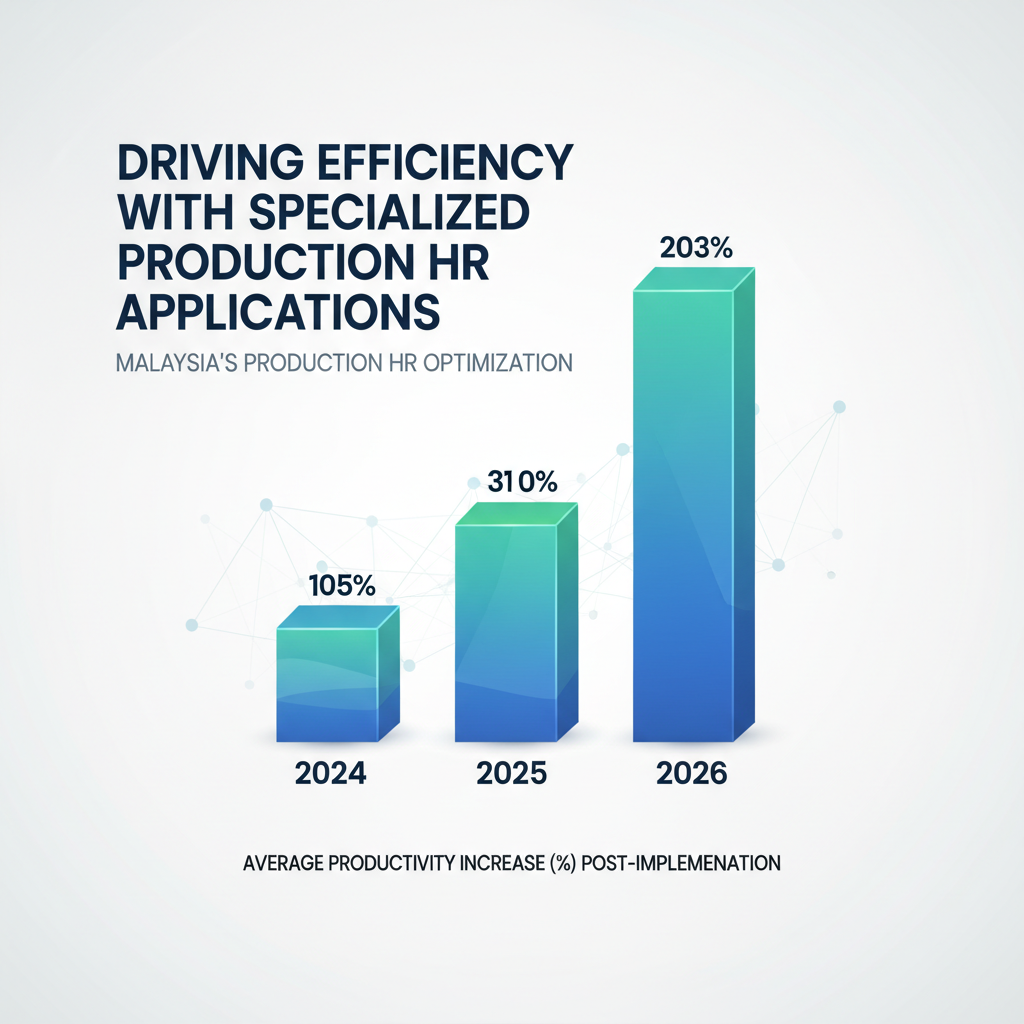
The intricate world of manufacturing, especially within Malaysia’s dynamic industrial landscape, demands more than conventional human resources management. To truly thrive and achieve operational excellence, production facilities require HR tools – applications for production field in Malaysia that are finely tuned to their unique demands. These specialized applications go beyond generic HR functions, delving deep into the operational intricacies, safety protocols, and continuous skill development essential for a high-performing production workforce. By focusing on niche requirements, these HR technologies empower companies to streamline processes, enhance productivity, and cultivate a highly skilled and engaged team, directly impacting the bottom line and ensuring a competitive edge in a globalized market.
1. Performance Management & Skill Matrix Tracking for Production Staff
Traditional performance reviews often fall short in the fast-paced, output-driven production environment. Specialized HR applications offer real-time performance tracking capabilities, allowing managers to monitor key performance indicators (KPIs) such as production output, quality control adherence, machine uptime, and adherence to safety protocols. This immediate feedback loop is crucial for identifying bottlenecks, recognizing high achievers, and providing timely interventions. Beyond mere performance, these sophisticated systems incorporate comprehensive skill matrix tracking. This feature meticulously maps out the competencies of each production staff member, highlighting existing proficiencies and critical skill gaps. For instance, it can track an employee’s proficiency across 18 different machinery types or specific lean manufacturing methodologies. By understanding the collective skill inventory, companies can strategically plan cross-training initiatives, ensure compliance with industry standards, and effectively deploy talent where it’s most needed, thereby contributing significantly to overall efficiency and output quality, a cornerstone of modern manufacturing excellence.
2. Learning & Development Platforms for Safety & Technical Skills
Safety and technical proficiency are non-negotiable in any production setting. Generic e-learning solutions rarely suffice for the complex and hands-on requirements of industrial operations. Specialized Learning & Development (L&D) platforms are custom-built to deliver highly targeted training modules. These platforms can host interactive simulations for operating heavy machinery, virtual reality (VR) training for hazardous procedures, and detailed modules on specific technical skills pertinent to the plant’s unique equipment and processes. Crucially, they facilitate meticulous tracking of safety certifications, compliance training, and continuous professional development, ensuring that all staff remain up-to-date with the latest protocols and technological advancements. Such platforms also enable flexible learning schedules, allowing production staff to undergo training without disrupting critical operational shifts. This proactive approach to skill enhancement not only reduces accident rates and ensures regulatory compliance but also fosters a culture of continuous improvement, directly impacting operational reliability and the longevity of equipment and personnel.
3. Targeted Recruitment & Onboarding Solutions for Plant Operations
Recruiting for production roles presents unique challenges, often requiring specific technical aptitudes, physical capabilities, and a willingness to work demanding schedules. Specialized HR applications address these by offering targeted recruitment solutions that streamline the sourcing, screening, and selection of candidates ideally suited for plant operations. These systems can integrate with vocational training institutions, local talent pools, and industry-specific job boards, ensuring a pipeline of qualified candidates. Furthermore, they facilitate a comprehensive and efficient onboarding process tailored to the production environment. New hires receive immediate access to critical safety briefings, equipment familiarization modules, and team integration protocols even before their first day on the factory floor. This specialized onboarding significantly reduces the time-to-productivity for new employees, minimizes early attrition, and ensures they are quickly integrated into the operational flow, contributing effectively from day one. By proactively managing the talent acquisition lifecycle, companies can build a stable, skilled, and highly motivated production workforce.
In conclusion, the deployment of specialized HR applications is no longer a luxury but a strategic imperative for production facilities in Malaysia aiming for peak efficiency and sustained growth. From precise performance management and skill development to targeted recruitment, these tools collectively form the backbone of a robust human capital strategy, empowering businesses to navigate operational complexities and drive forward in an increasingly competitive industrial landscape.
Integrating HR Tools for Seamless Production Operations
In Malaysia’s dynamic and competitive production landscape, achieving peak operational efficiency is paramount. While investments in advanced machinery and streamlined supply chains are common, the critical role of human resources often remains a siloed function. However, modern demands for holistic efficiency require deep integration: connecting various HR tools with core business systems like Enterprise Resource Planning (ERP) and Manufacturing Execution Systems (MES). This isn’t just about digitizing HR processes; it’s about transforming them into strategic assets that directly contribute to the productivity, safety, and profitability of Malaysian manufacturing operations. For businesses seeking to optimize their workforce and production workflows, leveraging integrated HR tools – applications for production field in malaysia is no longer an option, but a necessity.
1. HRIS Integration with ERP & Manufacturing Execution Systems (MES)
At the core of a sophisticated HR ecosystem is the Human Resources Information System (HRIS). When this vital HR tool integrates seamlessly with ERP and MES, it creates unparalleled synergy for production environments. An integrated HRIS ensures employee master data—including skills, certifications, training records, and shift preferences—is automatically synchronized across all relevant platforms. For Malaysian factories, this means real-time visibility into workforce availability, matching skilled personnel to specific production lines, and ensuring compliance with local labor regulations and safety standards.
Consider a scenario where a rush order demands specific expertise. Integrated systems allow the MES to pull skill data directly from the HRIS, identifying qualified and available employees for overtime. This information then feeds back to the ERP for accurate labor costing and payroll processing. This approach eliminates manual data entry, reduces errors, and significantly speeds up decision-making, crucial for agile manufacturing. Furthermore, time and attendance data from HRIS or integrated time clocks can directly update production costs in the ERP and provide real-time labor utilization metrics to the MES, offering a comprehensive view of operational efficiency. This streamlined information flow is foundational for maximizing the potential of HR tools – applications for production field in malaysia, ensuring human capital is managed as effectively as physical assets.
2. Leveraging Data Analytics & Reporting for Workforce Optimization
The true power of integrated HR tools lies in the wealth of data they generate. Beyond basic record-keeping, these systems, especially when linked with business intelligence (BI) tools, enable sophisticated HR analytics and reporting. For the production field in Malaysia, this translates into actionable insights that drive significant improvements in workforce optimization. Data analytics can uncover patterns in absenteeism, identify key performance indicators (KPIs) related to production output per employee, and even predict potential skill gaps based on future production plans or new technology adoption.
For instance, by analyzing historical data on employee performance, training efficacy, and turnover rates, manufacturers can develop more effective recruitment and retention strategies. Insights from integrated HR and production data can help optimize shift scheduling to minimize overtime costs while maintaining production targets, or identify specific training needs to enhance overall workforce capabilities. The ability to monitor compliance with safety protocols through reporting tools, tracking training completion rates and incident reports, is also critical in a manufacturing setting. As SHRM highlights, HR analytics allow organizations to make data-driven decisions that impact the bottom line, turning raw data into strategic advantage for businesses leveraging HR tools in Malaysia’s production sector.
3. Mobile HR Solutions for On-the-Go Access and Workforce Connectivity
In a production environment, not all employees are desk-bound. Many spend shifts on the factory floor, making traditional desktop-based HR portals less accessible. This is where mobile HR solutions become indispensable. Modern HR tools – applications for production field in Malaysia often include mobile apps that empower employees with self-service capabilities directly from their smartphones or factory-floor terminals. This allows production staff to clock in and out, request leave, view payslips, access training modules (e.g., safety refreshers or new equipment operation guides), and update personal information conveniently and in real-time.
Beyond self-service, mobile HR solutions enhance overall workforce connectivity and communication. Important announcements, shift changes, or safety alerts can be disseminated instantly to all relevant personnel, ensuring everyone is informed and aligned. For managers, mobile access means they can approve leave requests, review team attendance, and access critical HR data even when away from their desks, perhaps while touring the production floor. This accessibility not only boosts employee engagement and satisfaction by giving employees more control over their HR needs but also significantly improves operational responsiveness, making these mobile HR tools – applications for production field in malaysia a cornerstone of modern workforce management.
In conclusion, the strategic integration of HR tools with ERP and MES is no longer a luxury but a fundamental requirement for Malaysian manufacturers aiming for seamless, efficient, and compliant production operations. From optimizing workforce deployment through HRIS integration, leveraging data analytics for informed decision-making, to empowering employees with mobile HR solutions, these applications collectively elevate human capital management into a strategic differentiator. Embracing this holistic approach enables businesses in Malaysia’s production field to foster a more productive, engaged, and resilient workforce, ultimately driving sustainable growth and competitive advantage.
Choosing the Right HR Solution for Your Malaysian Plant (2026)
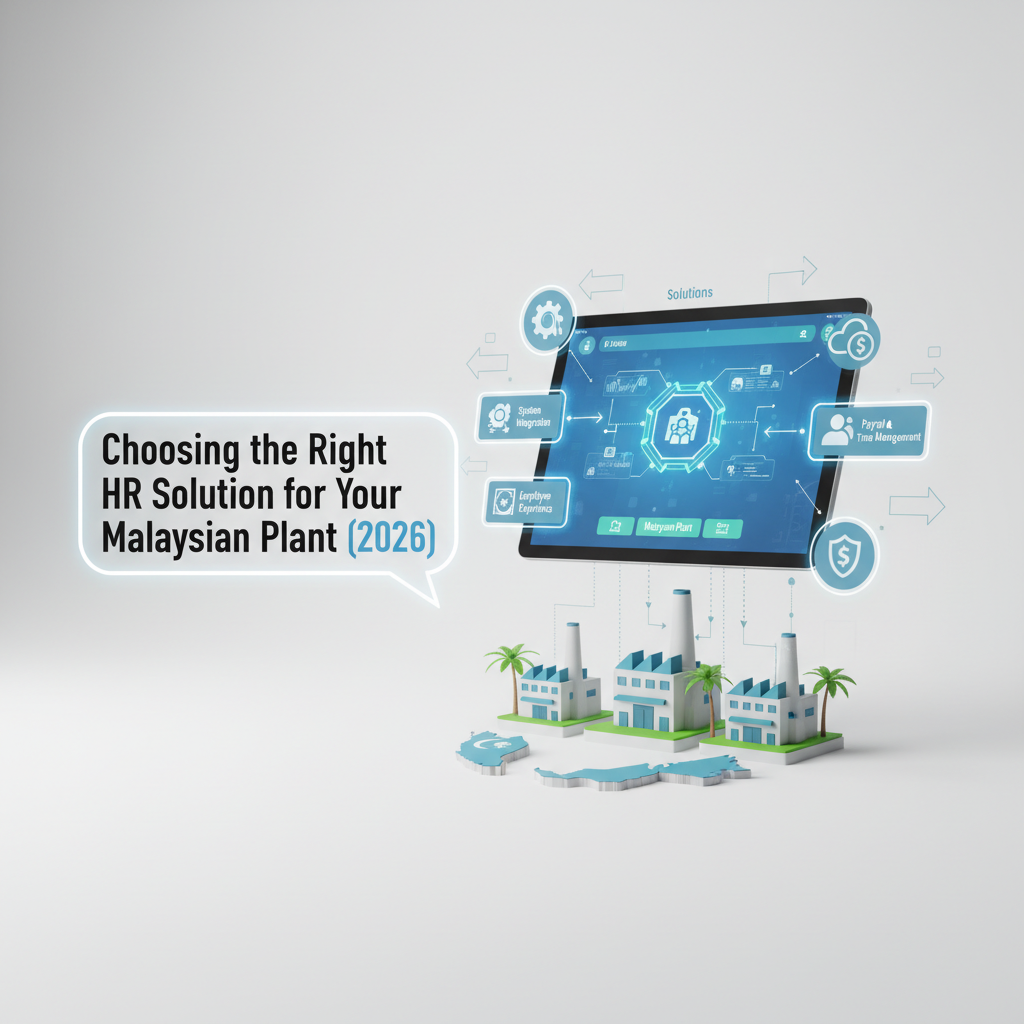
The year 2026 brings new complexities and unparalleled opportunities for manufacturing plants in Malaysia. Optimizing human resources is no longer a mere administrative task but a paramount strategic imperative for maintaining productivity, ensuring compliance, and fostering employee retention. In this dynamic landscape, selecting the right HR tools – applications for production field in Malaysia is not a luxury, but a strategic imperative. This comprehensive guide provides a robust framework for evaluating and choosing HR solutions that not only align with the local context but also ensure scalability and prepare your plant for future industry trends.
-
Key Factors for Selection: Scalability, Features, Local Support, and Cost
When embarking on the journey to select new HR tools for your Malaysian plant, several core considerations must guide your decision-making process to ensure long-term success:
- Scalability: Your chosen solution must be able to grow seamlessly with your business. As your production expands, workforce numbers fluctuate, or new regulations emerge, the HR system should accommodate increased data volume, user numbers, and module additions without significant overhauls or performance degradation. This is crucial for maximizing your long-term return on investment (ROI).
- Features & Functionality: Identify the specific needs of your production environment. Do you require robust time and attendance tracking for shift workers, intricate payroll processing adhering strictly to Malaysian labor laws, comprehensive training management for skills development, or performance management tailored to manufacturing Key Performance Indicators (KPIs)? A feature-rich system that covers core HR, payroll, benefits, recruitment, and talent management relevant to a manufacturing context will offer the most value. Prioritize features that support employee self-service to empower your workforce and significantly reduce administrative burdens on your HR department.
- Local Support & Compliance: This factor is particularly vital in Malaysia. The HR solution must be fully compliant with local labor laws, including EPF, SOCSO, EIS, and LHDN regulations, which are subject to periodic updates. Beyond mere compliance, access to local vendor support – whether technical or advisory – ensures quicker resolution of issues and a deeper understanding of regional nuances. A vendor with a strong presence and an intimate understanding of the Malaysian market can be an invaluable strategic partner.
- Cost-Effectiveness: Evaluate the total cost of ownership (TCO), not just the initial licensing or subscription fee. This includes implementation costs, training expenses, ongoing maintenance fees, support subscriptions, and potential integration fees with existing systems. A clear understanding of the pricing model (e.g., per user, per module, subscription-based) is essential to budget effectively and avoid any hidden expenses.
-
Navigating the Vendor Landscape & Assessing Malaysian Local Support
The market for HR solutions is incredibly diverse, ranging from global technology giants to specialized local providers. For Malaysian plants, a critical aspect of vendor selection is the meticulous assessment of local support:
- Vendor Due Diligence: Begin by shortlisting vendors that specialize in or have a strong track record with manufacturing clients. Request comprehensive demos, detailed case studies, and verifiable references from companies operating in similar production environments within Malaysia. Pay close attention to their implementation methodology and the structure of their post-implementation support.
- Local Presence and Expertise: A vendor with a dedicated Malaysian office or a robust local partner network is highly advantageous. They are better equipped to understand the intricacies of Malaysian business culture, legal frameworks, and local language support needs. Inquire specifically about their team’s local expertise in HR compliance and industry-specific challenges common in the production field in Malaysia.
- Technical Support and SLAs: Investigate the Service Level Agreements (SLAs) offered. What are the guaranteed response times for critical issues? Is support available during your plant’s extended operating hours? Does their support team possess the technical depth to troubleshoot issues related to specific HR tools integration or customization requirements unique to your plant? Prioritize vendors who offer robust, timely, and locally-responsive technical support, as this can significantly reduce operational downtime and staff frustration.
-
Future Trends: AI, Automation, and Remote Workforce Management in Production
The HR landscape is rapidly evolving, driven by technological advancements. Your chosen solution should therefore be future-proof and capable of adapting to emerging trends:
- Artificial Intelligence (AI) and Automation: AI is profoundly transforming HR by automating routine and repetitive tasks, such as initial resume screening, answering employee queries via intelligent chatbots, and predicting attrition risks. For manufacturing, AI can optimize complex workforce scheduling, accurately identify critical skill gaps, and personalize training paths for continuous development. Automation within HR tools – applications for production field in Malaysia can streamline payroll processing, leave management, and compliance checks, thereby freeing up valuable HR staff to focus on strategic initiatives. Embracing these technologies can lead to significant efficiency gains and improved strategic HR capabilities. A recent article from the Forbes Human Resources Council highlighted the increasing adoption of AI in HR processes globally, with many organizations planning significant investments in AI-powered HR solutions over the next 18 months.
- Remote and Hybrid Workforce Management: While manufacturing typically requires a physical presence on the factory floor, administrative, managerial, and specialized technical roles might increasingly shift towards hybrid work models. Your HR system must effectively support remote onboarding processes, performance tracking, seamless communication tools, and robust engagement strategies for a potentially geographically dispersed team. Even for shop floor employees, features like mobile access for payslips, leave requests, or training modules can significantly enhance their overall employee experience.
- Data Analytics and Predictive Insights: Modern HR solutions leverage sophisticated data analytics to provide actionable insights into workforce trends, productivity metrics, and retention patterns. Predictive analytics can help anticipate future staffing needs, identify potential issues before they escalate, and inform proactive strategic decisions, ensuring your plant remains competitive and agile in a rapidly changing market.
Choosing the right HR tools – applications for production field in Malaysia is a pivotal strategic decision that profoundly impacts operational efficiency, regulatory compliance, and overall employee satisfaction. By meticulously evaluating scalability, features, local support, and cost, alongside proactively anticipating future trends like AI and automation, Malaysian plant managers can select a solution that not only meets current demands but also robustly propels their operations towards sustained future success. Invest wisely to empower your workforce and optimize your plant’s most valuable asset – its human capital. For more in-depth insights into specific HR tool functionalities tailored for the manufacturing sector, explore our resources on HR tools – applications for production field in malaysia.
Partner with Shelby Global
You are looking for reliable HR Sevice Suppliers? Contact Shelby Global Now! To connect with verified talents and upgrade your orginization.
—————————————
References
– Human Resources Development Corporation (HRD Corp): https://www.hrdcorp.gov.my/
– SHRM’s resources on HR Technology: https://www.shrm.org/topics-tools/hr-tech
– modern manufacturing excellence: https://www.pwc.com/gx/en/industries/manufacturing/future-of-manufacturing-report.html
– HR Analytics: How to Use Them to Improve Your Business: https://www.shrm.org/resources-and-tools/hr-topics/technology/hr-analytics
– Forbes Human Resources Council: https://www.forbes.com/sites/forbeshumanresourcescouncil/2024/01/29/top-hr-tech-trends-to-watch-in-2024/