The Unique HR Challenges in Malaysia’s Transportation Sector
The transportation sector in Malaysia is a critical backbone of its economy, facilitating trade, commerce, and daily commuting. However, beneath its bustling surface, HR professionals in this dynamic industry grapple with a unique set of challenges that significantly impact operational efficiency, employee morale, and ultimately, profitability. From managing a diverse workforce spread across vast geographical areas to navigating intricate labor laws and addressing persistent talent shortages, these hurdles demand more than traditional HR approaches. This section delves into these specific obstacles, setting the stage for why specialized HR tools and applications for the transportation field in Malaysia are not just beneficial but critically needed to propel the industry forward.
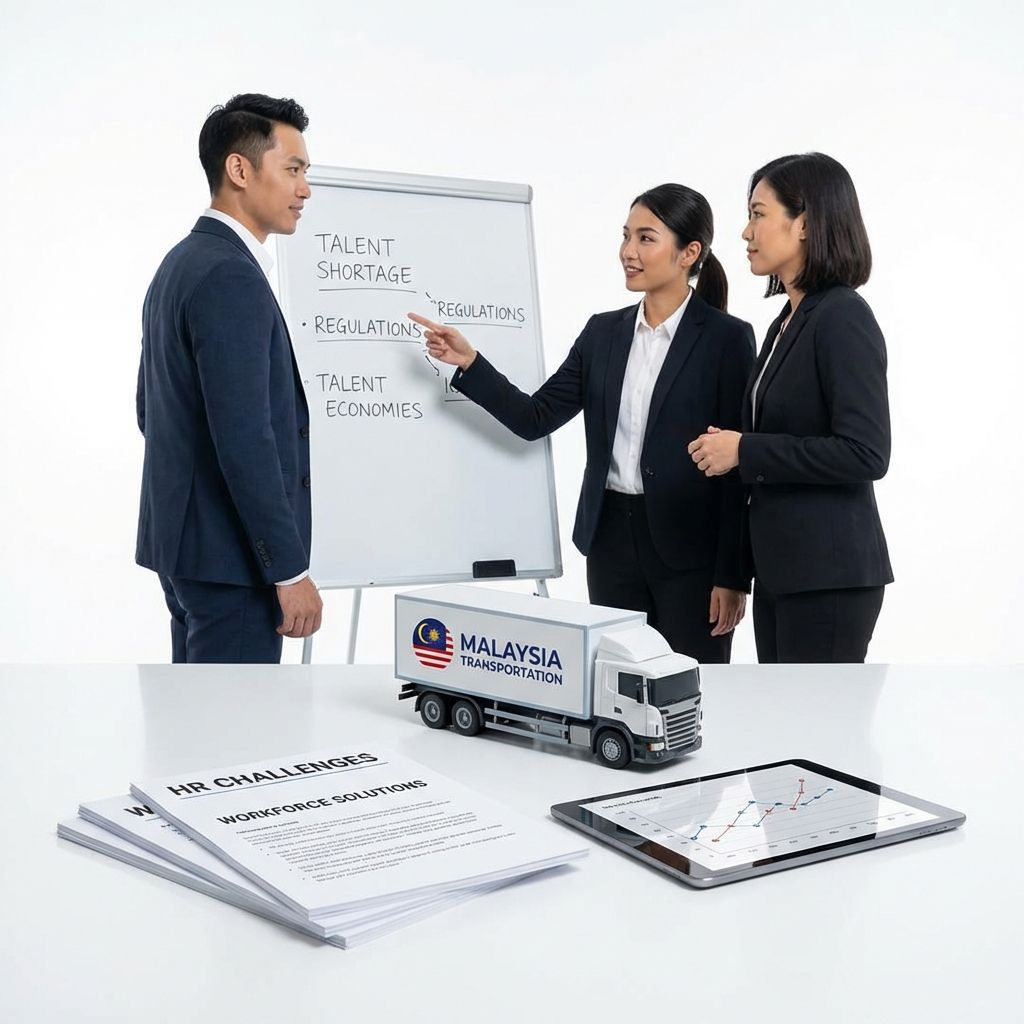
1. Driver Shortage & Retention Challenges
The shortage of skilled drivers – be it for commercial vehicles, public transport, or logistics – represents one of the most pressing HR issues in Malaysia’s transportation sector. An aging workforce, coupled with a lack of new entrants willing to embrace the demanding nature of the job, creates a perpetual struggle for companies to maintain optimal staffing levels. Long working hours, sometimes irregular shifts, and the perceived lack of career progression often deter younger generations. Furthermore, the intense competition for experienced drivers leads to high turnover rates, increased recruitment costs, and a significant impact on service delivery timelines. HR departments are constantly in a reactive mode, scrambling to fill gaps rather than proactively planning for talent development. Specialized HR tools and applications for the transportation field in Malaysia can provide valuable insights into workforce analytics, identify retention risks, streamline recruitment processes, and manage driver training and certification more effectively, helping companies attract and retain vital talent.
2. Navigating Malaysian Labor Law Compliance
Malaysia’s labor landscape is governed by a robust framework of laws, primarily the Employment Act 1955, along with other critical legislations like the Industrial Relations Act 1967, Employees Provident Fund Act 1991, and Employees’ Social Security Act 1969. For transportation companies, ensuring compliance is a monumental task. The complexity arises from varying regulations for different types of employees (e.g., drivers versus office staff), intricate payroll calculations including allowances and overtime, adherence to working hour limits, and meticulous record-keeping for inspections. Non-compliance can lead to hefty fines, legal disputes, reputational damage, and operational disruptions. Furthermore, the constant updates and amendments to these laws require HR professionals to stay continually informed, often without the necessary resources. For example, recent amendments to the Employment Act regarding flexible working arrangements and paternity leave add layers of complexity. An authoritative source on these matters is often the Malaysian Ministry of Human Resources itself, which provides guidelines and updates. Modern HR tools – applications for the transportation field in Malaysia can automate compliance checks, generate accurate payroll, manage leave, and ensure that all documentation aligns with national labor standards, significantly reducing risks and administrative burden.
3. Managing a Geographically Dispersed Workforce
Unlike traditional office-based sectors, the transportation industry operates with a highly dispersed workforce. Drivers are often on the road, logistics personnel are in warehouses, and maintenance teams are at depots, while administrative staff might be in headquarters. This geographical spread presents unique HR challenges in communication, engagement, performance management, and training. Ensuring consistent policy adherence, delivering timely updates, and fostering a sense of community among employees who rarely interact face-to-face become incredibly difficult. Monitoring performance for drivers, for instance, requires integrating data from telematics systems with HR metrics. Traditional HR systems often fall short in connecting these disparate elements. This necessitates HR tools – applications for the transportation field in Malaysia that offer mobile accessibility, real-time communication features, integrated performance management dashboards, and remote learning modules. Such tools empower HR to maintain connectivity, track crucial metrics, and deliver support to every employee, regardless of their location, transforming a scattered workforce into a cohesive, productive unit.
Core HR Tools for Streamlining Operations
The dynamic landscape of the transportation sector in Malaysia presents unique human resource management challenges. From managing diverse workforces—including drivers, logistics coordinators, and administrative staff—to navigating complex labor laws and ensuring operational efficiency, HR departments in this field are constantly seeking innovative solutions. This is where modern HR tools – applications for transportation field in malaysia become indispensable. By leveraging specialized HR software and systems, transportation companies can automate mundane administrative tasks, improve compliance, and significantly boost overall efficiency, allowing them to focus on their core business of moving goods and people across the nation and beyond. These solutions are not just about digitization; they represent a strategic shift towards more effective transportation HR management and robust workforce management solutions Malaysia. Embracing these advanced HR software for logistics is crucial for sustained growth and competitiveness in the Malaysian market, providing critical support for payroll systems for transport companies, and enhancing overall employee data management transport through comprehensive digital HR transformation logistics initiatives.
-
Payroll & Benefits Administration Systems
In the fast-paced transportation industry, managing payroll and benefits can be incredibly intricate. Companies often deal with varying pay structures for drivers (hourly, per trip, mileage-based), overtime calculations, shift differentials, and allowances for travel or dangerous goods. Miscalculations can lead to significant financial penalties, employee dissatisfaction, and compliance issues with Malaysian labor laws. Modern payroll systems for transport companies are specifically designed to streamline these complexities. These sophisticated HR tools automate the calculation of wages, statutory contributions like EPF, SOCSO, and EIS, and income tax deductions (PCB) in accordance with Malaysian regulations. By integrating with time and attendance data, they ensure accuracy and transparency, drastically reducing manual errors and the administrative burden on HR staff.
Beyond basic payroll, these systems also facilitate the seamless administration of employee benefits, including leave management, insurance plans, and other perks relevant to the sector. The benefits extend to employees who gain confidence in accurate and timely payments, fostering greater trust and retention—a critical factor in an industry often facing talent shortages. Adopting robust HR software for logistics payroll is a strategic move towards operational excellence and compliance within the Malaysian transportation field.
-
Time & Attendance Tracking Solutions
Accurate time and attendance tracking is paramount for transportation companies, not only for precise wage calculations but also for ensuring compliance with regulations governing driver hours of service and preventing fatigue-related incidents. Traditional manual methods are prone to errors, manipulation, and consume valuable HR time. Advanced time and attendance tracking solutions offer real-time insights into employee work patterns. These systems often incorporate various technologies such as biometric scanners for office staff, GPS tracking for drivers, and mobile applications that allow employees to clock in/out from remote locations or when starting or ending a route.
For the transportation field, specifically, these solutions can track actual driving hours, rest breaks, and vehicle idle times, providing crucial data for operational efficiency and compliance audits. This data is invaluable for managing absenteeism, optimizing staffing levels, and ensuring that employees, particularly drivers, adhere to safety regulations and maximum permitted working hours. By automating this process, companies can significantly reduce time theft, improve productivity, and ensure fair and accurate compensation. These solutions are a cornerstone of effective workforce management solutions Malaysia for the logistics and transportation sector, aiding in strategic transportation HR management.
-
Employee Information Management (HRIS)
An Employee Information Management System, or HRIS, serves as the central nervous system for all employee-related data within an organization. For transportation companies, where certifications, licenses, and specific training are critical for roles like drivers and heavy machinery operators, a robust HRIS is indispensable. This system centralizes comprehensive employee records, including personal details, contact information, employment history, performance reviews, disciplinary actions, and critically, all relevant licenses (e.g., commercial driving licenses), certifications (e.g., hazardous materials handling), and training records. The ability to quickly access and update this vital information ensures compliance with regulatory bodies and facilitates proactive management of expiring licenses or re-certification requirements.
An HRIS also supports efficient recruitment and onboarding processes, allowing new hires to submit their information digitally and streamlining their integration into the company. Furthermore, it empowers strategic decision-making by providing HR and management with analytics on workforce demographics, skills gaps, and retention rates. Essentially, an HRIS acts as the backbone for effective employee data management transport, driving digital HR transformation and ensuring all critical employee information is accurate, secure, and readily accessible. This fosters a more organized, compliant, and data-driven approach to human resources within the Malaysian transportation industry, ultimately enhancing the overall effectiveness of HR tools – applications for transportation field in malaysia.
Enhancing Workforce Management & Development
Explore HR tools that aid in talent acquisition, performance monitoring, and continuous training, crucial for building a skilled and compliant transportation workforce. The dynamic landscape of Malaysia’s transportation sector demands more than just efficient logistics; it requires a robust and well-managed workforce. From truck drivers navigating bustling highways to intricate operations teams, effective human resource management is the bedrock of sustained success. In an industry facing unique challenges such as driver shortages, rigorous safety regulations, and specialized skill needs, leveraging cutting-edge HR tools – applications for transportation field in malaysia is no longer an option but a strategic imperative. These applications streamline HR processes, enhance employee engagement, and ensure the workforce remains agile and compliant with evolving industry standards. Investing in the right HR technology empowers transportation companies to optimize their human capital, fostering growth and resilience.
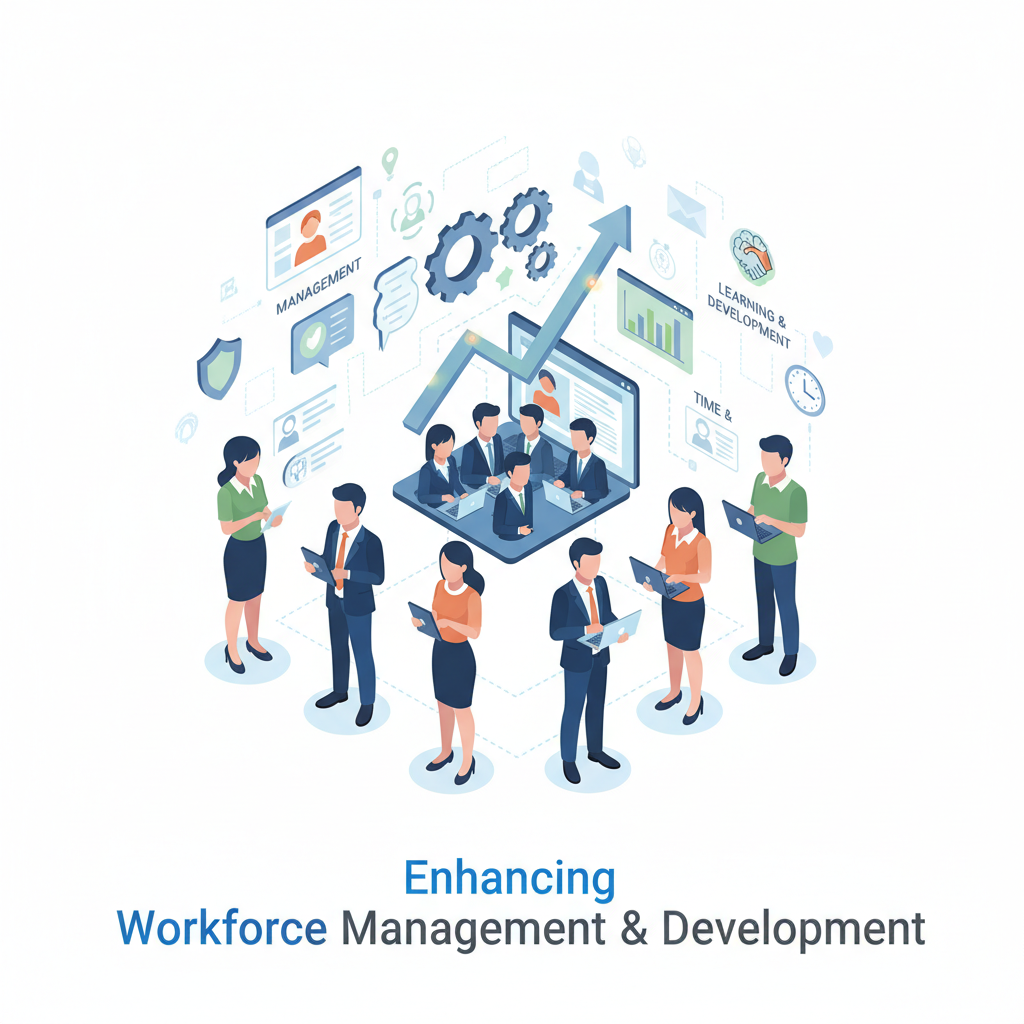
Modern HR tools are specifically designed for the intricate needs of the transportation workforce. These solutions extend beyond basic payroll and attendance, delving into specialized areas like driver management systems, compliance training, and performance analytics. By adopting these advanced platforms, companies can transform their HR departments into strategic partners, driving productivity and ensuring employee well-being and development. Effective transportation workforce management hinges on these integrated solutions, providing a holistic view of talent, from recruitment to retirement.
1. Recruitment & Onboarding Platforms
Attracting and retaining talent is a perpetual challenge in the transportation sector, especially for critical roles like professional drivers and logistics coordinators. Specialized recruitment and onboarding platforms for the Malaysian logistics HR software market offer tailored solutions. These systems automate the entire hiring workflow, from job posting to applicant tracking and communication. Crucially, they facilitate a smoother, more engaging onboarding experience, vital for new employees in a high-turnover industry. Platforms can pre-load necessary training, safety protocols, and company policies, ensuring new hires, particularly drivers, are immediately brought up to speed on compliance requirements. This systematic approach reduces administrative burden, accelerates time-to-productivity, and significantly improves early retention by providing a clear pathway to success. Centralizing applicant data also enables companies to build a talent pipeline, proactively addressing future staffing needs and reducing recruitment costs.
2. Performance Management Software
Monitoring performance effectively is paramount for maintaining operational efficiency and safety in the transportation field. Performance management software tailored for the transportation workforce provides tools to set clear KPIs, track driver behavior, monitor delivery schedules, and evaluate logistics team efficiency. These applications offer continuous feedback and real-time data analytics, moving beyond traditional annual reviews. For drivers, this can involve integrating with telematics systems to monitor fuel efficiency, route adherence, and safe driving. For office staff, it means tracking project completion and customer satisfaction. Insights from these HR tools allow managers to identify top performers, pinpoint areas for improvement, and address issues proactively. This data-driven approach fosters accountability and continuous improvement, directly impacting service quality and operational costs. Objective performance data also supports fair promotion decisions and identifies training needs, contributing to robust talent retention in transport. According to Deloitte, effective performance management is crucial for business outcomes, especially in sectors with high operational risk. The Future of Performance Management: A Guide to the New Rules emphasizes the necessity of agile and continuous feedback systems.
3. Learning & Development (L&D) Modules
The transportation industry constantly evolves, driven by new regulations and technological advancements. Continuous learning and development are thus indispensable for building a skilled and compliant transportation workforce. Learning & Development (L&D) modules within modern HR tools provide structured, accessible, and trackable training programs. These modules host diverse content, including mandatory compliance training for drivers, defensive driving courses, first-aid certifications, and professional development for management staff. For companies in Malaysia, specialized modules address local regulatory nuances. Delivering training online, often via mobile-friendly interfaces, allows employees to access vital learning materials anytime, anywhere, minimizing operational disruption. These platforms also enable HR to track completion rates, assess comprehension, and ensure the workforce meets necessary certifications and compliance training for drivers. This proactive approach enhances safety and efficiency, boosts employee morale, and improves career progression, significantly impacting driver retention and overall fleet HR solutions. By investing in comprehensive L&D, Malaysian transportation companies ensure their teams are equipped with the latest knowledge and skills, adapting seamlessly to industry shifts and maintaining a competitive edge.
Specialized HR Applications for the Transport Field
The transportation industry, particularly in dynamic regions like Malaysia, faces a unique confluence of operational complexities and human resource challenges. Managing a diverse workforce, often spread across different locations and schedules, while simultaneously adhering to strict regulatory compliance and operational efficiency, demands more than conventional HR systems. This is where specialized HR tools – applications for the transportation field in Malaysia become indispensable. These advanced solutions go beyond basic payroll and attendance, integrating seamlessly with critical operational necessities like fleet and route management to create a holistic ecosystem for employee and asset management. By leveraging cutting-edge transportation HR software, companies can streamline processes, enhance driver welfare, and significantly boost overall productivity and safety, transforming traditional HR into a strategic asset.
1. Fleet & Driver Management Integration
One of the cornerstone features of modern HR applications for transport is their robust integration with fleet and driver management systems. These integrated platforms provide a comprehensive view of both human capital and physical assets. For HR departments, this means having immediate access to crucial driver data, including license validity, driving records, certifications, and performance metrics, all linked directly to the vehicles they operate. This allows for optimized driver management systems where assignments can be made based on driver qualifications, vehicle specifications, and route requirements, ensuring efficiency and safety. For instance, an HR system can alert management when a driver’s license is due for renewal or if specific training is required for a new vehicle type. This sophisticated fleet management HR integration capability also extends to tracking vehicle maintenance schedules and linking them to driver responsibilities, fostering accountability. By harmonizing HR functions with real-time operational data, businesses can achieve better resource allocation, minimize downtime, and make data-driven decisions regarding staffing, training, and operational planning across their Malaysian transport operations.
2. Compliance Tracking & Safety Training Modules
In the highly regulated transport sector, maintaining stringent compliance and ensuring driver safety are paramount. Specialized HR applications offer powerful compliance tracking and safety training modules designed to meet these exacting demands. These systems automate the monitoring of regulatory requirements, such as driver hours of service, vehicle inspection schedules, and adherence to local and international transportation laws, which are crucial for operating in Malaysia. The software can track certifications, manage expiry dates, and proactively alert HR and management about upcoming renewals or overdue compliance tasks, significantly reducing the risk of penalties and operational disruptions. Furthermore, these platforms incorporate robust safety training modules. They provide access to digital training resources, track completion of mandatory courses (e.g., defensive driving, hazardous materials handling), and manage records of refresher training. This ensures that all personnel, from new hires to seasoned veterans, are up-to-date with the latest safety protocols and best practices. Integrating a compliance management software within the HR framework allows companies to build a culture of safety, ensuring that their logistics HR solutions not only manage people but also safeguard their well-being and the company’s reputation. This proactive approach to safety and compliance is vital for any successful transport business.
3. Real-time Communication & Dispatch Tools
Effective communication is the lifeblood of the transportation industry. Modern HR applications now often integrate real-time communication and dispatch tools, bridging the gap between HR, dispatchers, and the mobile workforce. These features are critical for managing dynamic operational environments and addressing immediate needs. Drivers can receive instant updates on routes, changes in schedules, or urgent messages directly through their mobile devices, while HR can monitor their availability and communicate important policy updates or welfare checks. For HR, this means more efficient management of employee scheduling transport, allowing for quick adjustments to shifts, managing leave requests, and handling unexpected absences with minimal disruption. The integration also facilitates direct feedback channels, allowing drivers to report issues, suggest improvements, or raise concerns, which HR can then address promptly. This seamless flow of information enhances operational agility and improves driver satisfaction by fostering a sense of connection and support. Whether it’s coordinating emergency responses or simply sharing daily operational briefings, these integrated communication features transform the way transport companies manage their human resources, ensuring everyone is informed and connected, leading to greater efficiency and a more responsive workforce in the competitive Malaysian transport landscape.
The Future of HR Tools in Malaysian Transportation: Trends & Analytics
Malaysia’s transportation sector, a critical pillar of its economy, is undergoing a profound digital transformation. As the industry grapples with evolving demands, workforce challenges, and the imperative for operational efficiency, the role of Human Resources (HR) is shifting dramatically. This section examines emerging trends, the increasing role of data analytics, and what innovations to expect in HR technology that will shape this vital sector. The focus will be on cutting-edge HR tools – applications for transportation field in malaysia, designed to enhance everything from talent acquisition to workforce management, ensuring the sector remains competitive and agile.
The strategic deployment of advanced HR technology is no longer a luxury but a necessity for Malaysian transportation companies. These applications promise to streamline processes, offer deeper insights into human capital, and foster a more engaged and productive workforce, addressing key challenges such as driver shortages, complex shift management, and stringent compliance requirements.
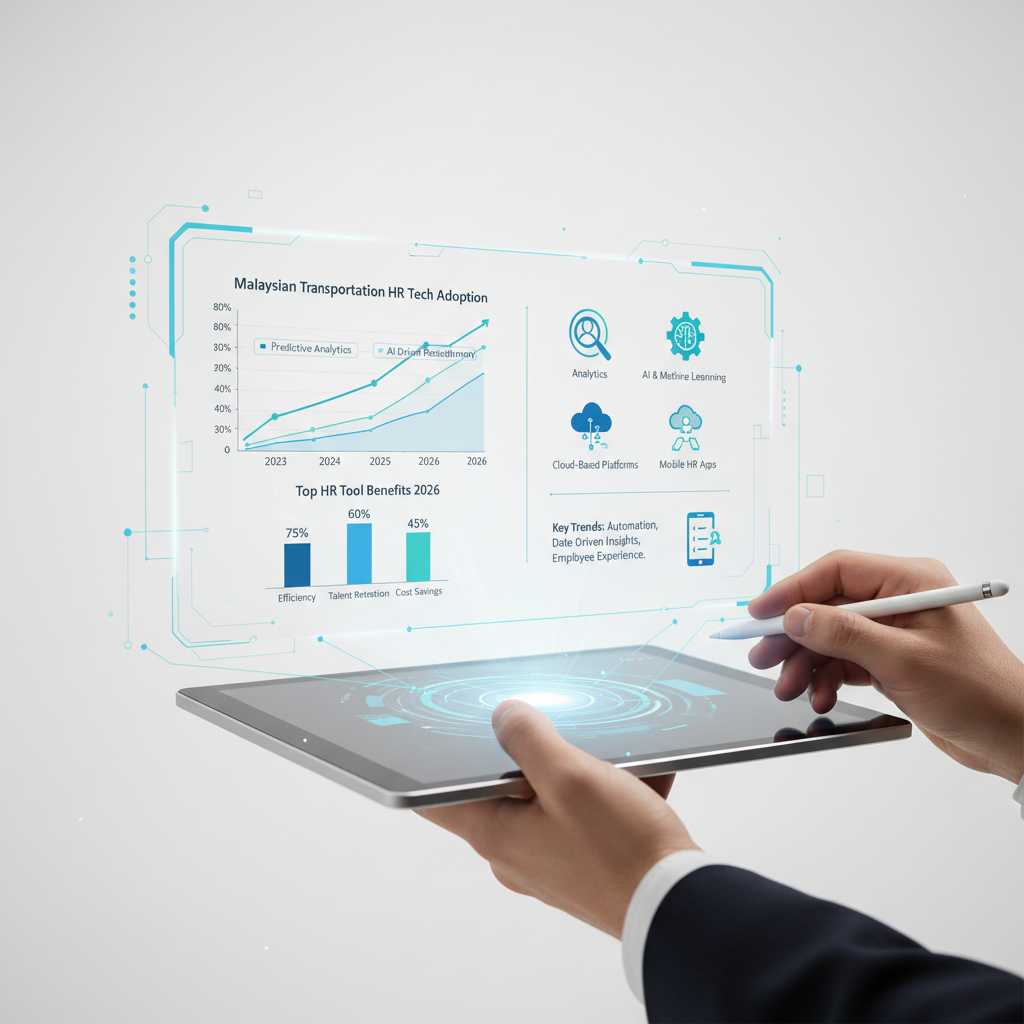
1. Leveraging HR Analytics for Strategic Decisions
The advent of big data and sophisticated analytical platforms is revolutionizing how HR departments operate, particularly within the dynamic Malaysian transportation industry. HR analytics moves beyond basic reporting, offering predictive insights that empower strategic decision-making. Companies can now meticulously analyze vast datasets related to employee performance, turnover rates, training effectiveness, and compensation structures. This capability allows for proactive workforce planning, enabling organizations to anticipate future talent needs and address potential skill gaps well in advance. For instance, by analyzing historical data, companies can predict peak operational periods and staffing requirements for drivers, logistics coordinators, and maintenance personnel, optimizing resource allocation.
Furthermore, HR analytics plays a crucial role in talent retention. Identifying patterns that lead to employee attrition allows companies to implement targeted interventions, improving employee engagement and reducing recruitment costs. Predictive analytics can also assess the effectiveness of various training programs, ensuring that investments in upskilling and reskilling initiatives yield tangible results. This data-driven approach transforms HR from a reactive administrative function into a strategic business partner, vital for optimizing operational efficiency and ensuring long-term success in the competitive transportation landscape. To stay ahead, Malaysian transportation firms must embrace HR tools – applications for transportation field in malaysia that provide actionable insights into their most valuable asset: their people.
2. AI & Automation in HR Processes
Artificial Intelligence (AI) and automation are set to redefine virtually every aspect of HR in the Malaysian transportation sector. AI-powered tools are already enhancing talent acquisition by automating candidate screening, resume parsing, and even conducting initial interviews via chatbots, significantly reducing time-to-hire. For a sector often challenged by high-volume recruitment for roles like drivers and ground staff, this efficiency is invaluable. Beyond recruitment, automation streamlines onboarding processes, benefits administration, and payroll, freeing HR professionals from repetitive tasks to focus on more strategic initiatives like employee development and culture building.
AI’s impact extends to performance management, where algorithms can provide objective feedback, identify high-potential employees, and suggest personalized development plans. Predictive AI models can forecast employee flight risk, allowing HR to intervene proactively. Furthermore, intelligent automation assists in compliance management, ensuring that the transportation sector’s strict regulatory requirements are met consistently. Chatbots and virtual assistants also improve employee experience by providing instant answers to common HR queries, enhancing overall employee satisfaction and engagement within a diverse and often dispersed workforce.
3. Cloud-Based & Mobile HR Solutions
The shift to cloud-based and mobile HR solutions represents a fundamental transformation in how HR services are delivered and accessed. For the Malaysian transportation industry, characterized by a highly mobile workforce, often operating across various locations and shifts, these solutions offer unprecedented flexibility and accessibility. Cloud HR platforms provide scalable, secure, and cost-effective ways to manage all HR functions, from core HR to talent management, without the need for extensive on-premise infrastructure. This means companies can rapidly deploy new features and updates, staying current with the latest technological advancements.
Mobile HR applications are particularly impactful. They allow employees, whether truck drivers on long hauls, bus operators, or logistics personnel, to access payslips, request leave, update personal information, and even complete training modules directly from their smartphones or tablets. This empowers employees, reduces administrative burden on HR staff, and enhances real-time communication. The adoption of such flexible solutions also supports a hybrid work environment, which is increasingly relevant even for roles that require physical presence. Embracing these advanced HR technologies is part of a broader digital transformation that is reshaping the modern workplace globally, as highlighted by industry leaders.
In conclusion, the future of HR in Malaysian transportation is undeniably digital and data-driven. By embracing HR analytics, AI and automation, and cloud-based mobile solutions, the sector can navigate its unique challenges, attract and retain top talent, and achieve new levels of operational excellence. These innovations are not merely tools but strategic enablers, paving the way for a more resilient, efficient, and human-centric transportation industry in Malaysia.
Partner with Shelby Global
You are looking for reliable HR Sevice Suppliers? Contact Shelby Global Now! To connect with verified talents and upgrade your orginization.
—————————————
References
– Malaysian Ministry of Human Resources: https://www.mohr.gov.my/index.php/en/labour-department
– PwC Malaysia: Digital HR Transformation: https://www.pwc.com/my/en/industries/digital-hr.html
– The Future of Performance Management: A Guide to the New Rules: https://www2.deloitte.com/us/en/insights/focus/human-capital-trends/2023/performance-management-trends.html
– Managing safety and health in the transport sector – EU-OSHA: https://osha.europa.eu/en/publications/managing-safety-and-health-transport-sector
– Deloitte Insights: The Future of HR: https://www2.deloitte.com/us/en/insights/topics/human-capital/future-of-hr.html