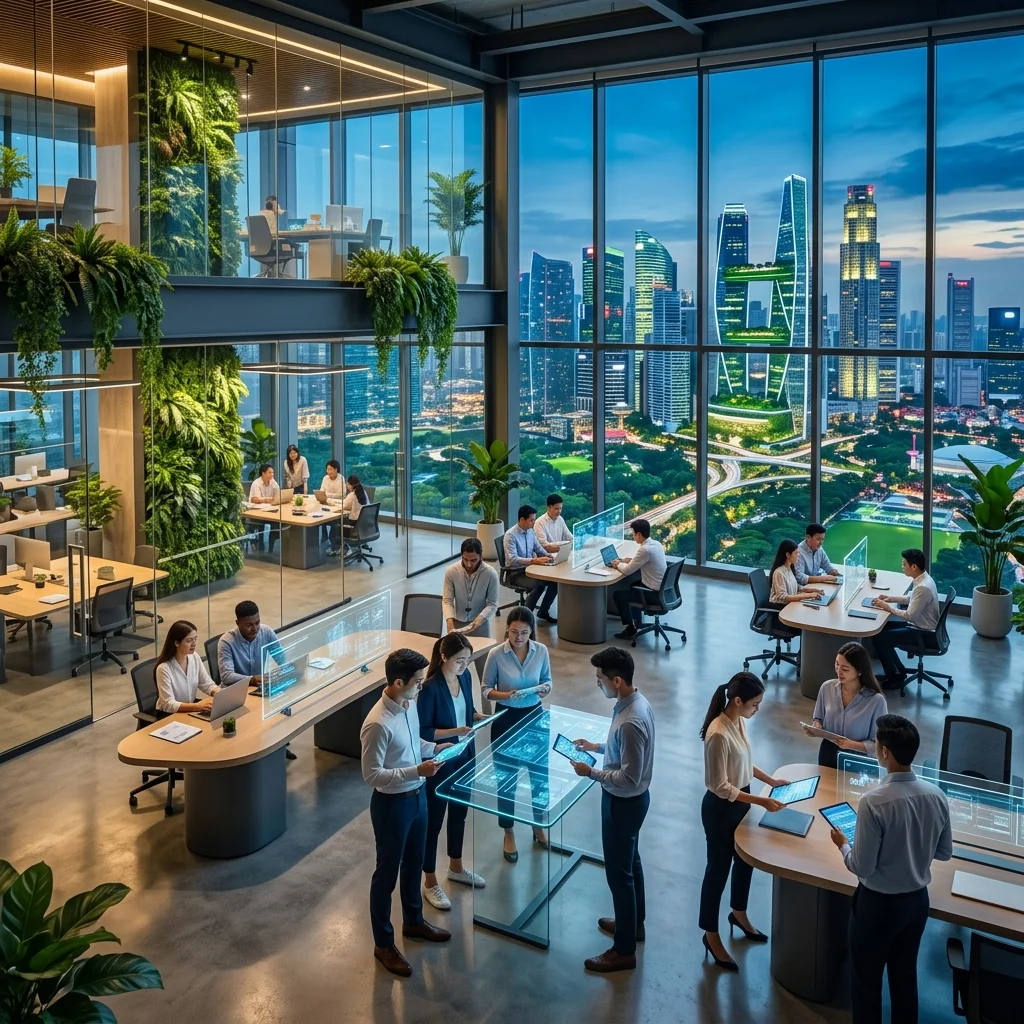
The Evolving Landscape of HR in Malaysian Retail
Understand the unique challenges and opportunities that define human resources management within Malaysia’s dynamic retail sector.
Malaysia’s retail sector is a vibrant, fast-paced industry constantly adapting to consumer trends, economic shifts, and technological advancements. This dynamism profoundly impacts Human Resources (HR), requiring a strategic approach to managing its diverse workforce. From bustling urban malls to local convenience stores, retail businesses depend on effective HR to attract, retain, and develop talent. However, this is no easy feat. HR professionals in this space face a unique set of hurdles, necessitating the adoption of modern HR tools – applications for retail companies in malaysia to streamline operations, enhance employee experience, and ensure compliance. Leveraging these specialized tools is becoming critical for staying competitive and fostering a productive work environment.
1. Retail-Specific HR Challenges (High Turnover, Shift Management)
The Malaysian retail sector grapples with endemic HR challenges, foremost among them being high employee turnover. Factors contributing to this include competitive compensation landscapes, demanding work hours, limited career progression opportunities, and the transient nature of part-time roles. High turnover not only incurs significant recruitment and training costs but also impacts team morale and customer service quality. Effective **talent acquisition** strategies, coupled with robust **employee engagement** programs, are crucial for mitigating this issue. Investing in professional development and fostering a positive workplace culture can significantly improve retention rates.
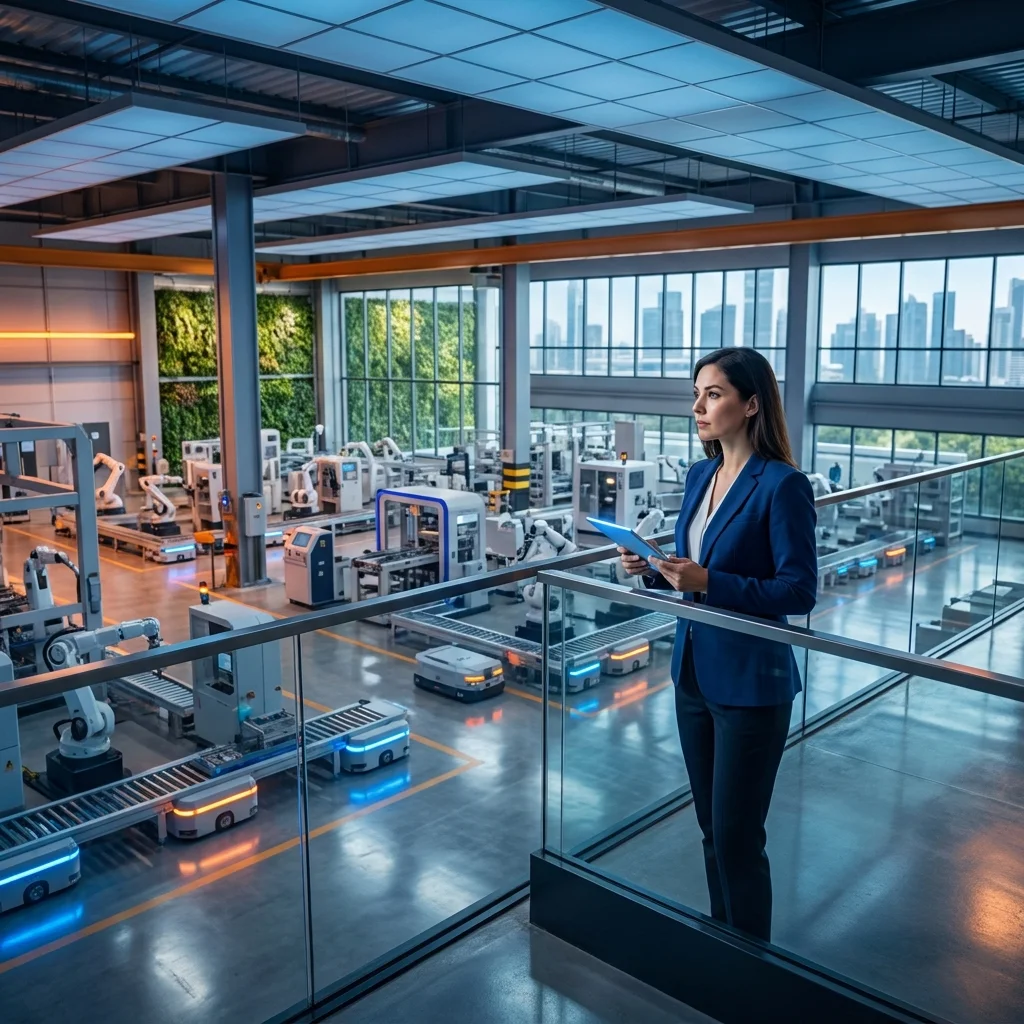
Another substantial challenge is complex **shift management**. Retail operates beyond typical 9-to-5 hours, often requiring varied schedules, weekend work, and extended hours during peak seasons or holidays. Managing diverse employee availability, legal working hour limits, and ensuring adequate staffing levels across multiple locations without incurring excessive overtime is a logistical nightmare without proper systems. This is where dedicated **workforce management** and **shift scheduling** software become indispensable. Such HR tools – applications for retail companies in malaysia enable efficient scheduling, reduce administrative burden, and ensure optimal staffing, directly impacting operational efficiency and customer satisfaction.
2. Impact of Digital Transformation on Retail HR
Digital transformation is reshaping every facet of retail, and HR is no exception. The move from manual processes to integrated digital solutions is revolutionizing how HR departments operate. Modern **HR tools – applications for retail companies in malaysia** encompass a broad spectrum of functionalities, from Applicant Tracking Systems (ATS) for **talent acquisition** to comprehensive Human Resources Information Systems (HRIS) that manage employee data, benefits, and leave. These systems automate routine tasks, freeing up HR professionals to focus on strategic initiatives like employee development and culture building.
The adoption of **cloud HR solutions** provides flexibility and scalability, allowing retail companies to manage HR functions across multiple branches seamlessly. Furthermore, **digital HR** platforms facilitate remote onboarding, performance tracking, and communication, which are particularly beneficial for a geographically dispersed retail workforce. Data-driven decision-making is also empowered through **HR analytics**, providing insights into employee performance, engagement levels, and turnover trends. This enables retail management to proactively address issues and optimize HR strategies. **Performance management** software, for instance, allows for continuous feedback and goal setting, fostering a culture of continuous improvement and employee growth.
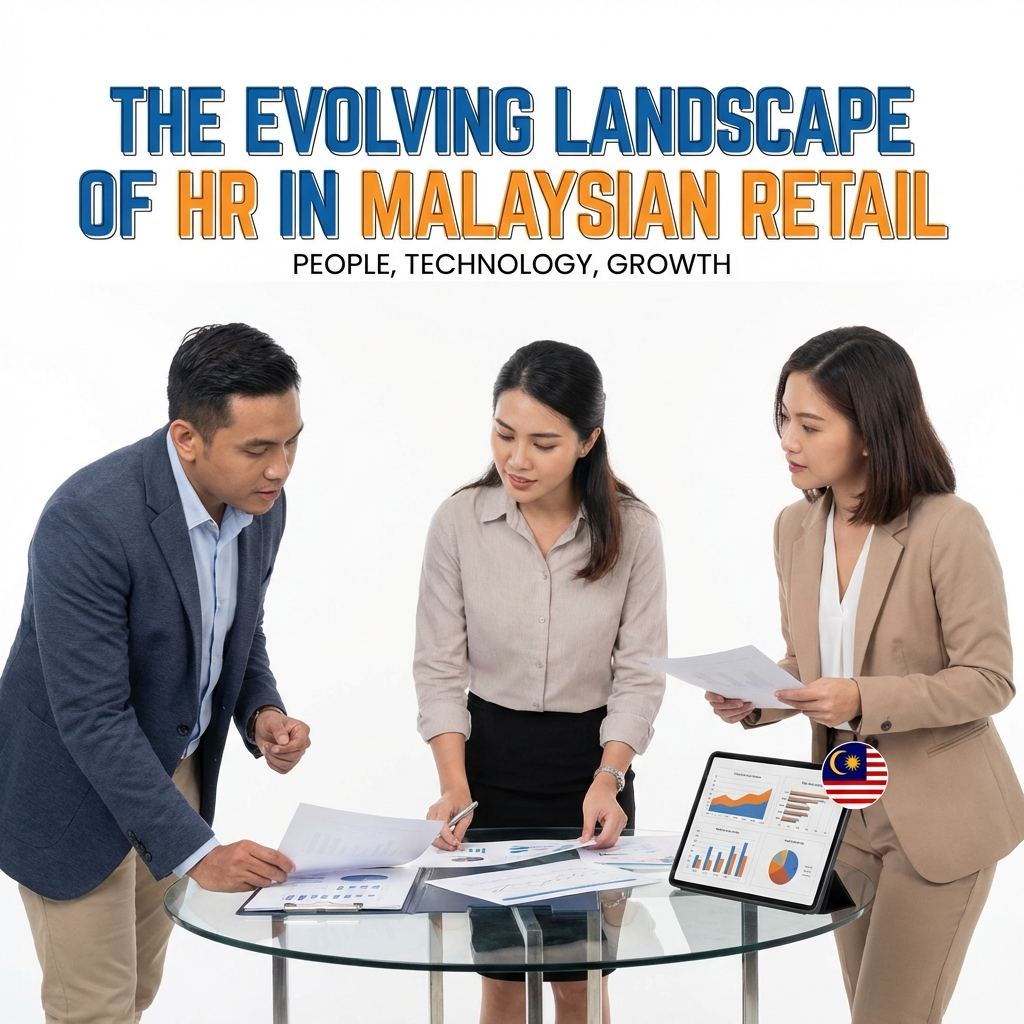
3. Compliance with Malaysian Labor Laws and Regulations
Operating in Malaysia requires strict adherence to a comprehensive framework of labor laws and regulations. The primary legislation, the Employment Act 1955, along with other acts like the Employees Provident Fund (EPF) Act 1991, Employees’ Social Security Act (SOCSO) 1969, and Income Tax Act 1967, dictates aspects such as wages, working hours, leave entitlements, termination procedures, and foreign worker management. Non-compliance can lead to hefty fines, legal disputes, and reputational damage, making it a critical area for HR focus.
Ensuring compliance is a complex task, especially for retailers with a large and diverse workforce. Automated **payroll processing** systems are vital here, accurately calculating wages, overtime, EPF, SOCSO, and income tax deductions in line with current regulations. Integrated HR systems can also track working hours and leave entitlements to prevent violations. Staying updated with amendments to labor laws, such as recent changes to the Employment Act, is imperative. Leveraging HR software that is regularly updated to reflect these legislative changes helps retail companies remain compliant and reduces the risk of errors. For detailed information on Malaysian labor laws, referring to authoritative sources like the Ministry of Human Resources Malaysia is crucial.
In conclusion, the Malaysian retail sector presents a dynamic yet challenging environment for HR. By strategically implementing advanced HR tools – applications for retail companies in malaysia, companies can effectively manage high turnover, optimize complex shift schedules, navigate digital transformation, and ensure full compliance with national labor laws. This proactive approach to HR management is essential for fostering a resilient, engaged workforce and achieving sustainable success in Malaysia’s competitive retail landscape.
Essential HR Tools for Recruitment & Onboarding
Explore the critical applications that streamline the talent acquisition process, from attracting candidates to seamless integration into the team.
In the dynamic retail landscape of Malaysia, effective human resources management is paramount for sustained growth and customer satisfaction. Modern retail operations, often characterized by high employee turnover, multiple outlets, and diverse staffing needs, require robust HR tools – applications for retail companies in Malaysia. These digital solutions are no longer a luxury but a necessity for achieving a streamlined recruitment process, enhancing talent management Malaysia, and fostering a positive employee experience from day one. Investing in the right retail HR solutions empowers businesses to optimize their workforce management technology, ensuring compliance and improving overall operational efficiency through digital HR transformation.
1. Applicant Tracking Systems (ATS) for Retail Hiring
For retail companies, managing a high volume of job applications across various roles and locations can be an overwhelming task. This is where Applicant Tracking Systems (ATS) prove invaluable. An ATS is a software application designed to help recruiters and hiring managers streamline the entire hiring workflow, from posting job openings to managing candidate communications and scheduling interviews. For multi-outlet retailers, an ATS offers centralized control over all recruitment activities, allowing for consistent branding and a unified approach to hiring.
Key benefits include automated resume screening, which filters candidates based on predefined keywords and qualifications, significantly reducing the time human recruiters spend on manual review. This leads to a more efficient and cost-effective hiring cycle. Furthermore, an ATS enhances the candidate experience optimization by providing timely updates and a professional interface, crucial for attracting top talent in a competitive market. It helps track diverse talent pools, manage job requisitions for different store formats, and ensures that the best-fit individuals are identified rapidly, contributing to effective staff management within the Malaysian retail sector.
2. Digital Onboarding Platforms and Compliance
Once the right candidates are identified, the next critical step is onboarding. Traditional paper-based onboarding processes are not only cumbersome but also prone to errors and delays. Digital onboarding platforms transform this experience by automating paperwork, providing new hires with instant access to necessary information, and ensuring critical compliance requirements are met seamlessly. For retail companies in Malaysia, this means automating the collection of essential documents for government bodies like EPF (Employees Provident Fund), SOCSO (Social Security Organization), EIS (Employment Insurance System), and LHDN (Inland Revenue Board), ensuring adherence to HR compliance Malaysia from day one.
These platforms often include features like customizable onboarding workflows, digital form completion with e-signatures, and access to company policies, training modules, and employee handbooks even before their first day. This proactive approach significantly improves employee engagement tools, making new team members feel welcomed and prepared. A smooth digital onboarding process reduces administrative burden on HR teams, accelerates productivity, and decreases new hire drop-off rates, a common challenge in sectors with high turnover like retail. By integrating with existing HRIS (Human Resource Information System), these platforms ensure data consistency and provide a comprehensive overview of the employee lifecycle, especially vital for managing staff across various HR software for multiple outlets.
3. Background Checks and Pre-Employment Assessments
In retail, where employees frequently interact with customers, handle cash, or manage inventory, conducting thorough background checks and pre-employment assessments is indispensable. These crucial steps help mitigate risks, ensure the integrity of the workforce, and guarantee that new hires align with the company’s values and job requirements. Background checks can verify criminal records, educational qualifications, previous employment history, and professional references. This due diligence is particularly important for roles involving sensitive data or financial transactions, protecting both the business and its customers.
Complementing background checks, pre-employment assessments offer objective insights into a candidate’s skills, aptitudes, and personality traits. For retail positions, this might include customer service simulations, sales scenario tests, or personality assessments to gauge teamwork and resilience. Implementing such assessments ensures that candidates not only possess the technical skills but also the soft skills essential for success in a customer-facing environment. These tools contribute significantly to reducing hiring mistakes, improving employee retention, and ultimately boosting the overall quality of the retail workforce. They are a critical component of robust talent acquisition Malaysia strategies, ensuring businesses hire reliable and competent staff who can thrive in the demanding retail environment, thereby enhancing the overall effectiveness of HR operations.
Optimizing Workforce Management & Payroll
In the dynamic landscape of multi-outlet retail operations in Malaysia, efficient workforce management and streamlined payroll are not just administrative tasks; they are strategic imperatives. Managing diverse teams across multiple locations requires sophisticated HR tools – applications for retail companies in Malaysia that can simplify complex processes, enhance employee experience, and ensure compliance. This section examines the vital tools essential for efficient scheduling, accurate time tracking, and streamlined payroll processing, providing a competitive edge for retailers navigating the Malaysian market.
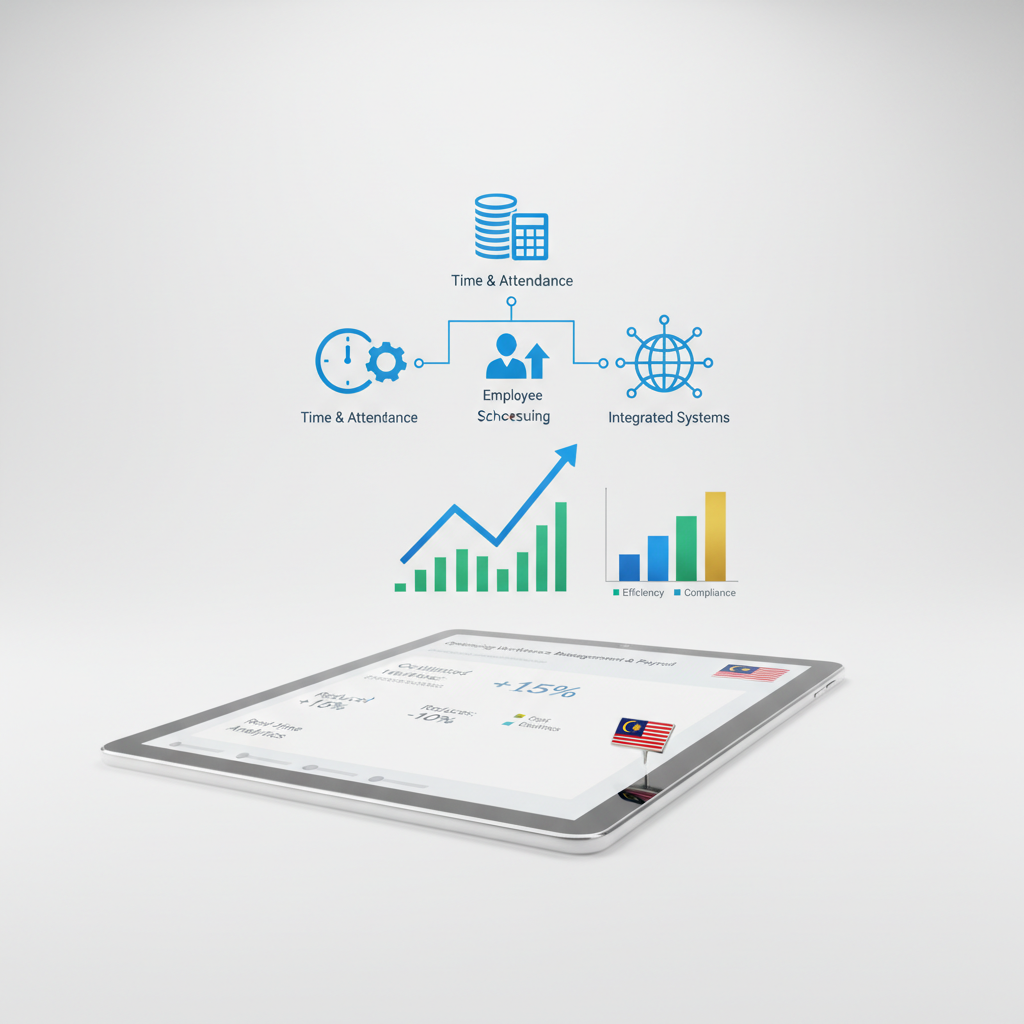
1. Time & Attendance Systems (Biometric, Mobile)
Accurate time and attendance tracking forms the bedrock of fair compensation and regulatory compliance. For multi-outlet retail companies in Malaysia, traditional manual methods are prone to errors and time theft, leading to significant financial losses and administrative burdens. Modern HR tools for retail companies in Malaysia offer advanced time and attendance systems, crucial for workforce optimization.
Biometric time clocks, utilizing fingerprint or facial recognition, provide an irrefutable record of employee check-ins and check-outs, virtually eliminating ‘buddy punching’ and ensuring data integrity. These systems integrate seamlessly with payroll, automatically calculating hours worked, breaks, and overtime. Furthermore, mobile time tracking applications offer unparalleled flexibility, particularly for employees working off-site, across different branches, or those with varying shift patterns. Employees can clock in/out directly from their smartphones, often with geo-fencing capabilities to verify their location, enhancing both accuracy and convenience. This not only streamlines operations but also provides managers with real-time insights into staff presence across all retail outlets, significantly improving staff management software capabilities and overall HR automation.
2. Staff Scheduling Software for Multiple Outlets
One of the most complex challenges in multi-outlet retail is creating efficient and equitable staff schedules. Balancing employee availability, skill sets, labor laws, and fluctuating customer demand across numerous locations requires robust staff scheduling software. These dedicated HR tools – applications for retail companies in Malaysia automate much of this intricate process, reducing the time spent by managers on scheduling from hours to minutes.
Advanced scheduling platforms allow managers to create schedules that optimize staffing levels for peak hours, minimize overtime costs, and ensure adequate coverage at every retail outlet. Features often include drag-and-drop interfaces, automated shift assignments based on rules and employee preferences, and instant communication channels for shift changes or availability updates. Crucially, these systems provide a holistic view of the entire workforce across all branches, enabling better resource allocation and preventing under or overstaffing. This capability is paramount for businesses seeking efficient scheduling and effective workforce management, ultimately leading to higher employee satisfaction and improved operational efficiency.
3. Integrated Payroll and Benefits Administration
The final, and perhaps most critical, component of effective workforce management is accurate and timely payroll processing, coupled with seamless benefits administration. For retail companies in Malaysia, navigating complex local labor laws, tax regulations, and statutory contributions (like EPF, SOCSO, EIS) can be a significant challenge. An integrated HR technology strategy is vital for automating these processes.
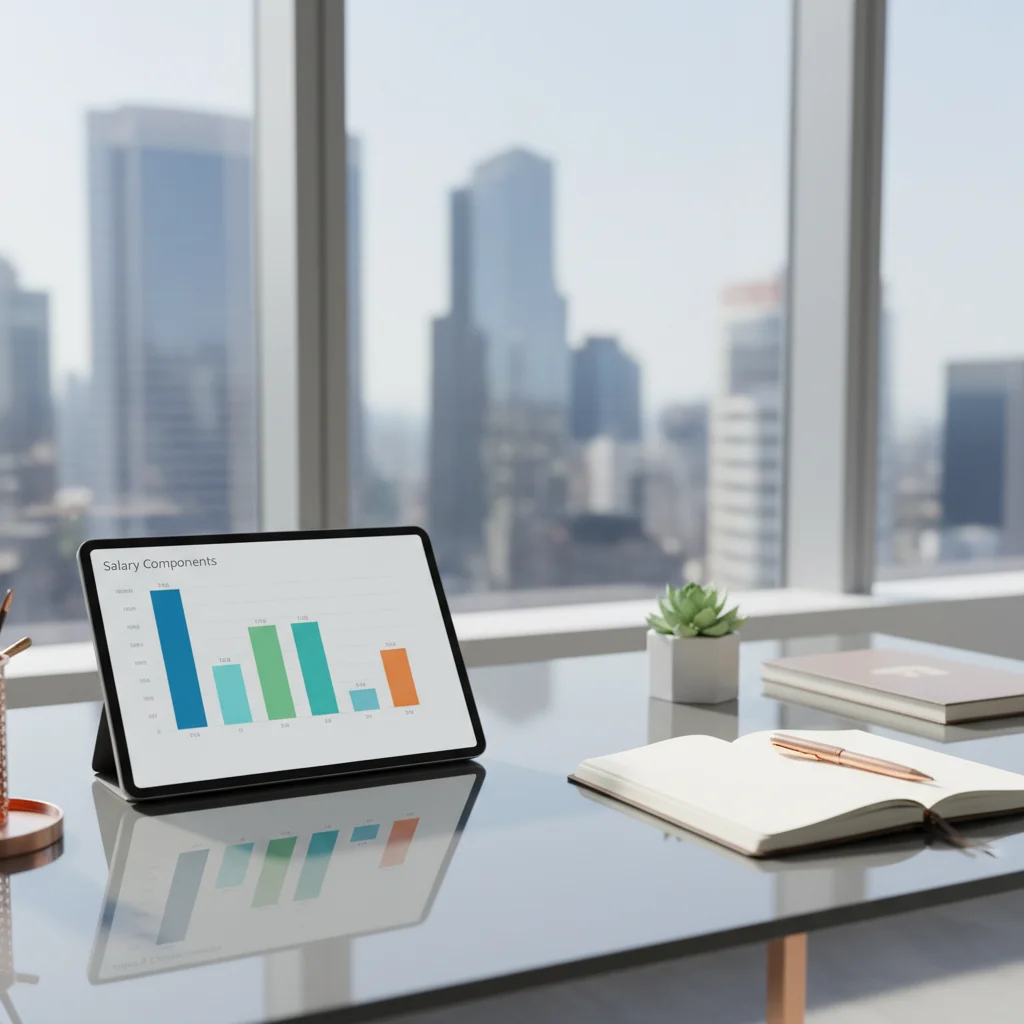
Integrated payroll solutions pull data directly from time and attendance systems, automatically calculating gross pay, deductions, and net pay. This eliminates manual data entry, drastically reduces errors, and ensures compliance with all Malaysian statutory requirements. Beyond payroll, these comprehensive systems also manage employee benefits, including leave tracking, insurance, and other allowances. Employees can access their payslips, apply for leave, and view their benefit summaries through self-service portals, reducing HR’s administrative load and enhancing transparency. By consolidating these functions into a single platform, retail HR software Malaysia ensures not just compliance but also strategic insights into labor costs and employee welfare, making it an indispensable tool for streamlined payroll processing and overall HR automation.
Adopting sophisticated HR tools – applications for retail companies in Malaysia is no longer a luxury but a necessity for multi-outlet operations aiming for efficiency, compliance, and growth. From biometric time tracking and flexible staff scheduling to integrated payroll and benefits administration, these solutions empower retail businesses to optimize their workforce, reduce administrative overheads, and focus on delivering exceptional customer experiences. Investing in these technologies paves the way for a more productive, compliant, and agile retail enterprise in the competitive Malaysian market.
Driving Performance & Employee Development
In today’s dynamic retail landscape, especially within Malaysia, fostering an engaged and highly productive workforce is paramount for sustainable success. Human Resources (HR) departments are increasingly turning to advanced HR technologies to streamline operations, enhance employee capabilities, and cultivate a thriving work environment. These innovative HR tools – applications for retail companies in Malaysia – are critical for continuous performance management, skill enhancement, and driving overall business growth. By embracing digital HR transformation, retail businesses can optimize everything from goal setting and appraisals to staff training and employee engagement, ensuring their teams are well-equipped and motivated.
1. Performance Appraisal and Goal-Setting Tools
The traditional annual performance review is rapidly evolving into a continuous performance management cycle, a shift particularly beneficial for the fast-paced retail sector. Modern performance appraisal and goal-setting tools provide retail companies with robust platforms to facilitate ongoing feedback, monitor progress against objectives, and ensure alignment with strategic business goals. These digital solutions move beyond simple evaluation, offering features like real-time feedback mechanisms, allowing managers to provide immediate coaching and recognition. Employees can actively track their Key Performance Indicators (KPIs) and Objectives and Key Results (OKRs), fostering a sense of ownership and accountability. For Malaysian retailers, implementing such performance management systems means a more agile approach to employee development, identifying training needs promptly, and addressing performance gaps proactively. This leads to enhanced employee productivity solutions, as individual contributions are clearly linked to broader organizational success, ultimately driving better sales outcomes and customer satisfaction. These platforms also often incorporate 360-degree feedback, providing a holistic view of an employee’s performance from peers, supervisors, and even customers, which is invaluable for comprehensive talent management systems and workforce development.
2. Learning Management Systems (LMS) for Retail Staff
Retail staff, from sales associates to store managers, require constant upskilling to stay competitive and provide exceptional customer service. Learning Management Systems (LMS) are indispensable HR tools – applications for retail companies in Malaysia for delivering scalable, effective, and accessible training. These platforms enable retail businesses to create, deploy, and track various training modules, from product knowledge and sales techniques to compliance and customer service best practices. An effective retail training platform ensures that staff receive consistent and standardized training, regardless of their location. Features like microlearning modules, mobile accessibility, and gamification make learning engaging and convenient for employees, who often have varied schedules. The ability to track progress, completion rates, and certifications is vital for demonstrating competency and fostering employee upskilling and career progression. Furthermore, an LMS supports workforce development by identifying skill gaps across the organization and deploying targeted e-learning solutions to address them. This not only boosts individual capabilities but also contributes significantly to staff retention strategies by offering clear pathways for growth and development within the company, making it a cornerstone of HR technology trends in Malaysia.
3. Employee Engagement and Feedback Platforms
Maintaining high employee morale and engagement is a significant challenge and opportunity for retail companies, particularly given the often-high turnover rates in the sector. Employee engagement and feedback platforms offer powerful HR tools – applications for retail companies in Malaysia designed to foster a positive work environment and give every employee a voice. These platforms facilitate regular pulse surveys, anonymous feedback channels, and comprehensive annual surveys, allowing HR and management to gauge employee sentiment, identify areas for improvement, and understand the factors influencing staff morale. Beyond surveys, many platforms incorporate peer recognition features, enabling colleagues to appreciate each other’s efforts and achievements, thereby boosting team spirit and fostering a culture of appreciation. By actively soliciting and responding to feedback, retail companies can build trust, improve communication, and make data-driven decisions that enhance the overall employee experience software. This proactive approach to feedback management not only improves the workplace culture but also significantly contributes to employee productivity solutions and staff retention strategies. Ultimately, an engaged workforce is a productive workforce, leading to reduced absenteeism, higher customer satisfaction, and a stronger brand reputation in the competitive Malaysian retail market. These platforms are essential for digital HR transformation, helping companies gather valuable HR analytics for retail to make informed decisions about their most valuable asset – their people.
Strategic HR Analytics and Future Trends
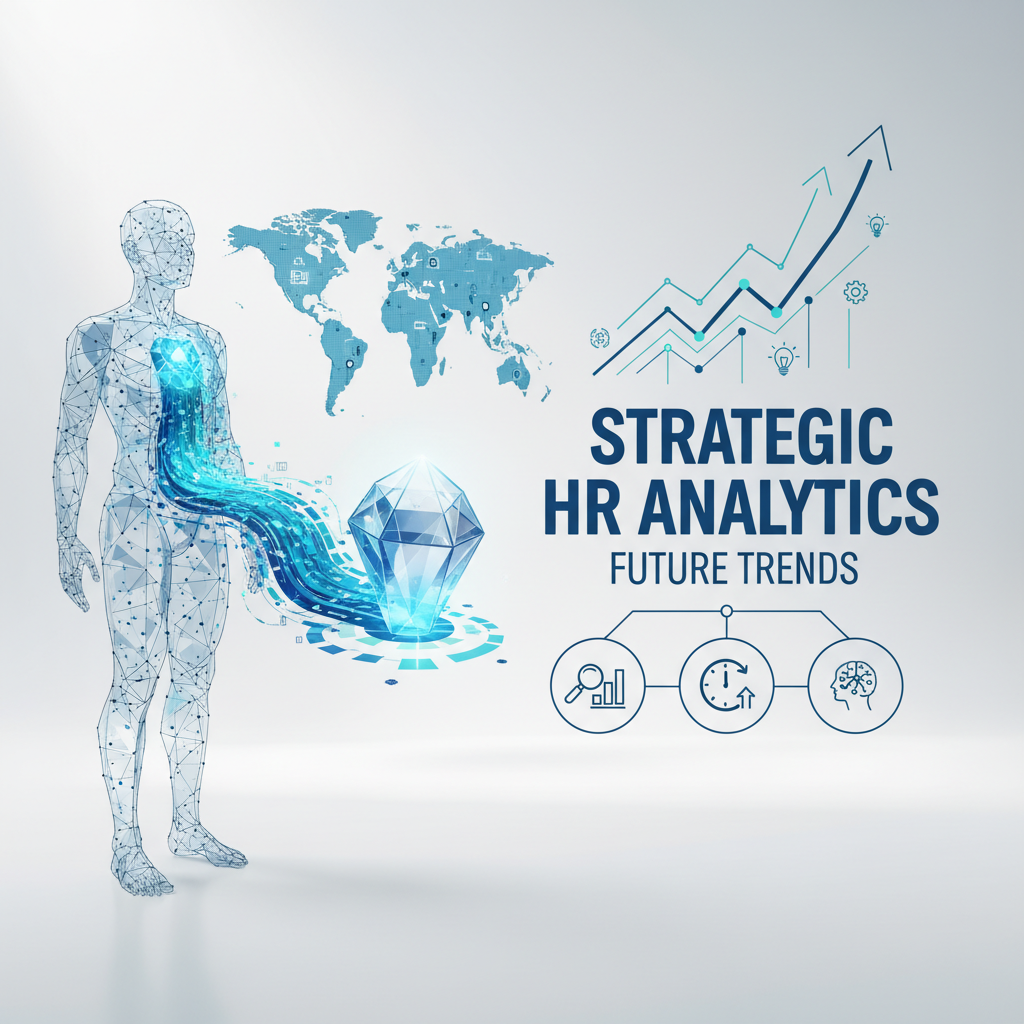
In the competitive landscape of Malaysian retail, the ability to leverage data for strategic decision-making has become paramount. This section delves into how HR tools – applications for retail companies in malaysia are evolving, utilizing data-driven insights and emerging technologies to reshape human resource strategies. By embracing advanced analytics, retail businesses can foster more informed decision-making, enhance employee experience, and drive innovation, ultimately securing a competitive edge in a dynamic market. Understanding these advancements is crucial for any Malaysian retailer aiming for sustainable growth and operational excellence.
1. HR Reporting and Analytics Dashboards for Retail KPIs
The foundation of data-driven HR lies in robust reporting and insightful analytics. For Malaysian retail companies, HR dashboards are no longer just about tracking basic metrics; they are powerful HR tools – applications for retail companies in malaysia that provide real-time visibility into key performance indicators (KPIs). These dashboards transform raw data from various HR systems – payroll, attendance, training, and performance management – into actionable insights. Retail-specific KPIs might include employee turnover rates per store, sales per employee, training completion rates, absenteeism trends, and the effectiveness of recruitment channels. By visualizing these metrics, HR professionals and retail managers can quickly identify areas of concern, understand workforce dynamics, and make proactive decisions.
Advanced HR analytics allows for deeper dives into causation, such as correlating employee engagement scores with sales performance or identifying the predictors of high employee retention. For example, understanding that certain training modules lead to higher customer satisfaction scores among sales associates can directly inform future training investments. This strategic use of data-driven HR allows retailers to optimize staffing levels, reduce recruitment costs, and improve overall workforce productivity. Furthermore, predictive analytics can forecast future HR needs, such as anticipating staffing shortages during peak seasons or identifying flight risks among high-performing employees. The shift from descriptive reporting to predictive and prescriptive analytics empowers Malaysian retailers to move beyond reactive problem-solving towards proactive talent management and strategic workforce planning.
2. AI and Automation in HR Processes
The advent of artificial intelligence (AI) and automation is revolutionizing HR functions, offering unprecedented efficiency and accuracy. In Malaysian retail, AI-powered HR tools – applications for retail companies in malaysia are streamlining routine and repetitive tasks, freeing up HR personnel to focus on more strategic initiatives. Recruitment, for instance, benefits significantly from AI, with smart systems capable of screening thousands of resumes, identifying the best-fit candidates based on specific criteria, and even conducting initial chatbot interviews. This not only speeds up the hiring process but also reduces unconscious bias, leading to more diverse and qualified talent pools for retail stores.
Beyond recruitment, automation extends to onboarding processes, where new hires can complete paperwork, access training materials, and understand company policies through intuitive digital platforms. Payroll management, leave requests, and performance appraisal scheduling can also be automated, minimizing errors and administrative overhead. Chatbots equipped with natural language processing (NLP) can serve as virtual HR assistants, answering common employee queries 24/7, thereby enhancing the employee experience and reducing the burden on HR teams. These technological advancements are not just about cost savings; they are about creating a more responsive, efficient, and engaging HR environment that supports the fast-paced nature of the retail sector.
3. The Future of HR Tools in Malaysian Retail
Looking ahead, the evolution of HR tools – applications for retail companies in malaysia will be characterized by greater integration, personalization, and predictive capabilities. We can anticipate an even deeper embedding of AI and machine learning, moving beyond mere automation to sophisticated predictive models that anticipate workforce needs, employee churn, and skills gaps. Hyper-personalization will become a norm, with HR platforms offering tailored learning paths, benefits packages, and career development opportunities based on individual employee data and preferences.
The concept of the ’employee experience platform’ will gain prominence, consolidating various HR functions – from learning and development to well-being and recognition – into a single, seamless interface. This holistic approach will foster a more engaged and productive workforce, crucial for maintaining high customer service standards in retail. Furthermore, the ethical considerations surrounding data privacy and AI bias will continue to shape the development and deployment of these tools, demanding robust governance and transparency. As Malaysian retail continues its digital transformation journey, the strategic adoption of cutting-edge HR technology will not only optimize operations but also empower employees, ultimately driving sustainable business success in a competitive market. The integration of such advanced technologies represents the ‘nine’ critical steps towards a future-ready HR department.
Partner with Shelby Global
You are looking for reliable HR Sevice Suppliers? Contact Shelby Global Now! To connect with verified talents and upgrade your orginization.
—————————————
References
– Ministry of Human Resources Malaysia – Employment Act 1955: https://www.mohr.gov.my/index.php/en/perundangan/akta-pekerjaan-1955
– Why a Good ATS Is Critical to Your Hiring Success: https://www.shrm.org/resources-and-tools/tools-and-samples/hr-qa/why-good-ats-critical-hiring/
– Benefits of HR Technology Strategy | SHRM: https://www.shrm.org/resourcesandtools/hr-topics/technology/pages/benefits-of-hr-tech-strategy.aspx
– performance management systems: https://www.shrm.org/topics-tools/tools/hr-apps/performance-management-systems
– The New Rules of Data-Driven HR: https://hbr.org/2018/09/the-new-rules-of-data-driven-hr