
The Unique HR Challenges in Singapore’s Transport Sector
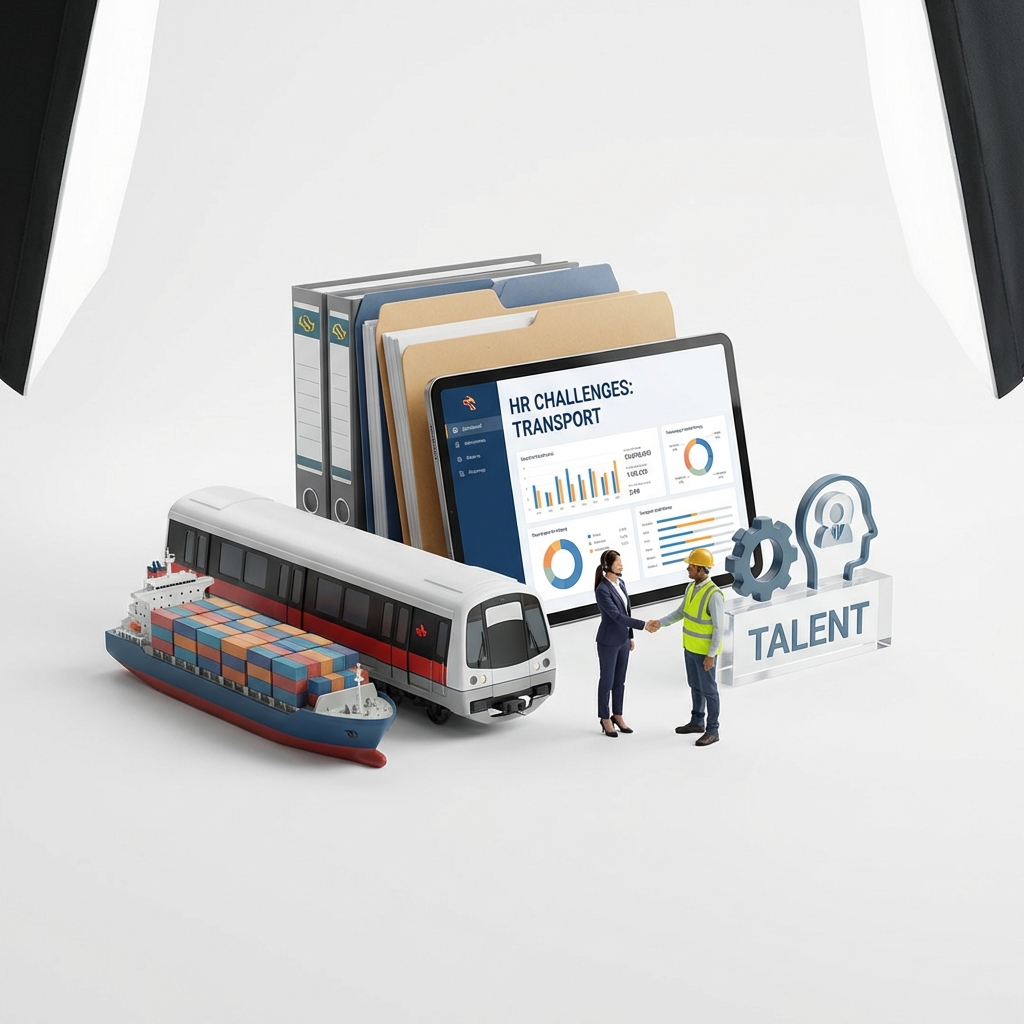
Singapore, a global hub for trade and logistics, relies heavily on a robust and efficient transport sector. From bustling ports to extensive public transit networks and intricate last-mile delivery services, the industry is the lifeblood of its economy. However, beneath this veneer of efficiency lies a complex web of unique Human Resources challenges. This section delves into the specific workforce management difficulties faced by transportation companies in Singapore, setting the context for why specialized HR tools – applications for transportation field in singapore are crucial for navigating this intricate landscape. Without purpose-built solutions, companies struggle to maintain operational excellence, ensure compliance, and foster a productive work environment. The dynamic nature of the transport industry, coupled with Singapore’s unique socio-economic factors, creates a distinct set of hurdles that generic HR systems simply cannot address effectively. Addressing these challenges requires a strategic approach, bolstered by the right technological infrastructure and HR software.
-
Talent acquisition and retention for drivers and operators
One of the most pressing issues in Singapore’s transport sector is the persistent struggle with talent acquisition and retention, particularly for critical roles such as bus drivers, truck operators, and logistics personnel. The demanding nature of these jobs, often involving long hours, shift work, and the need for specific licenses, deters younger generations. There’s an observable aging workforce trend, leading to potential driver shortages. Competition for skilled labor is fierce, not just within the transport sector but also from other industries offering more conventional work schedules. Recruitment strategies must be highly targeted and efficient. Furthermore, retaining this skilled workforce is equally challenging, requiring attractive compensation packages, career development pathways, and improved work-life balance initiatives. Specialized HR tools can streamline the hiring process, from applicant tracking and background checks to onboarding. Beyond acquisition, these HR tools – applications for transportation field in singapore are vital for implementing robust retention strategies, tracking employee engagement, and identifying potential flight risks before they materialize, thus safeguarding against high turnover rates and ensuring operational continuity.
-
Managing a diverse and often mobile workforce effectively
Singapore’s transport sector is characterized by an incredibly diverse workforce, comprising individuals from various nationalities, cultures, and age groups. Managing this melting pot of talent presents unique HR challenges. Communication barriers, cultural differences, and varying expectations around work practices necessitate flexible and sensitive HR approaches. Moreover, a significant portion of the transport workforce—drivers, delivery personnel, and field technicians—is highly mobile, rarely present in a central office. This mobility complicates traditional time tracking, performance management, and internal communication efforts. HR professionals must find innovative ways to engage employees who are constantly on the move, ensuring they feel connected, valued, and informed. Modern HR software specifically designed for mobile workforces can offer features like mobile self-service portals, real-time communication tools, and geofencing for accurate time and attendance tracking. Effective workforce management in this context is paramount for maintaining service quality and operational efficiency.
-
Compliance with Singaporean labor laws and industry regulations
The regulatory environment in Singapore is stringent, and the transport sector is subject to a particularly complex array of labor laws, safety standards, and industry-specific regulations. Non-compliance can result in substantial fines, reputational damage, and even operational suspension. Companies must meticulously adhere to guidelines set by the Ministry of Manpower (MOM) concerning working hours, overtime pay, leave entitlements, and foreign worker quotas. Beyond general labor laws, sector-specific regulations from bodies like the Land Transport Authority (LTA) and Maritime and Port Authority of Singapore (MPA) add further layers of complexity, particularly regarding driver licensing, vehicle maintenance, and safety protocols. Keeping abreast of these ever-evolving legal frameworks and ensuring consistent adherence across a large and mobile workforce is a monumental task. This is where HR tools – applications for transportation field in singapore become indispensable. They can automate compliance checks, maintain accurate payroll records, manage training certifications, and generate audit-ready reports, significantly mitigating legal risks and ensuring adherence to Singapore’s strict employment practices. For detailed insights into the employment landscape, organizations often consult resources provided by the Ministry of Manpower. Robust HR systems are not just about efficiency; they are a critical safeguard for legal and ethical operations.
These pervasive challenges underscore why generic HR systems fall short. The distinct needs of Singapore’s transport sector demand specialized HR tools – applications for transportation field in singapore that can address everything from targeted recruitment and digital training and development to precise time tracking and intricate regulatory compliance. Investing in such solutions is not merely an upgrade; it is a strategic imperative for sustainable growth and competitive advantage in this vital industry.
Essential HR Tools for Recruitment & Onboarding Efficiency
In the fast-paced and highly regulated transportation environment, particularly in a key logistics hub like Singapore, attracting, vetting, and integrating new employees efficiently is paramount. The right HR tools – applications for transportation field in Singapore are no longer a luxury but a necessity for streamlining these critical processes. Technological solutions empower companies to navigate the complexities of talent acquisition, from sourcing skilled drivers to managing intricate compliance requirements. By embracing advanced HR technology, transportation firms can significantly enhance their recruitment software and onboarding solutions. The sector’s diverse roles and often remote staff necessitate specialized HR approaches. Modern HR automation tools transform manual tasks into efficient, data-driven workflows, improving employee integration within the demanding Singapore logistics landscape.
1. Applicant Tracking Systems (ATS) tailored for transport roles
An Applicant Tracking System (ATS) is the cornerstone of modern talent acquisition. For the transportation industry, an ATS must handle high volumes of applications for diverse roles, from drivers to logistics managers. A specialized ATS manages complex hiring workflows, allowing recruiters to efficiently sort candidates based on specific qualifications like commercial driving licenses or heavy vehicle experience. Features such as automated screening, bulk communication, and seamless integration with job boards and industry portals (e.g., for driver hiring) dramatically reduce time-to-hire. These systems centralize candidate data, making tracking progress and communicating updates easier. An effective ATS also analyzes recruitment metrics, offering insights vital for optimizing future hiring strategies in transport HR.
2. Digital onboarding platforms for remote and field staff
Onboarding is critical for new hires to feel welcomed and become productive quickly. For transportation companies with significant remote onboarding and field staff (e.g., drivers, technicians), traditional paper-based processes are inefficient. Digital onboarding platforms revolutionize this experience. These platforms allow new employees to complete all paperwork digitally, sign documents electronically, and access critical company policies, safety manuals, and training modules from anywhere. This is especially beneficial for staff without a regular office presence. By providing a structured, accessible onboarding journey, these digital HR solutions enhance compliance, reduce administrative overhead, and accelerate time-to-productivity. Virtual orientation modules, automated tasks, and digital check-ins contribute to a smoother transition, fostering stronger engagement and reducing early attrition, a concern in high-turnover sectors. These platforms also streamline the distribution of uniforms and equipment, contributing to effective workforce management.
3. Automated background checks and certifications management
Safety and compliance are non-negotiable in the transportation sector. Ensuring all employees, particularly operational staff, meet stringent regulatory requirements is paramount. Manual background checks and certification tracking are labor-intensive and prone to error. Automated background checks integrate directly with reputable screening services to quickly verify driving records, criminal history, and employment references, providing comprehensive risk assessment. This reduces time on manual verification and ensures thorough due diligence. Equally important is certifications management. Drivers require specific licenses, permits, and mandatory safety training. An automated system tracks expiry dates, sends timely reminders for renewals, and provides a centralized, auditable record of all employee certifications. This ensures continuous compliance with local regulations in the transportation field in Singapore and mitigates liabilities from expired licenses. The efficiency gained allows HR teams to focus on strategic initiatives. Deloitte insights highlight the increasing importance of HR technology in driving business outcomes, underscoring the value of such automated systems.
In conclusion, the strategic implementation of these advanced HR tools – applications for transportation field in Singapore offers a transformative approach to recruitment and onboarding. From sourcing top talent with tailored ATS to seamlessly integrating field staff with digital platforms and ensuring unwavering compliance through automated checks, these technologies are indispensable. They not only drive operational efficiency and reduce costs but also cultivate a more engaged, compliant, and productive workforce, essential for navigating the dynamic challenges of the modern transportation industry.
Optimizing Workforce Management with HR Tech Solutions
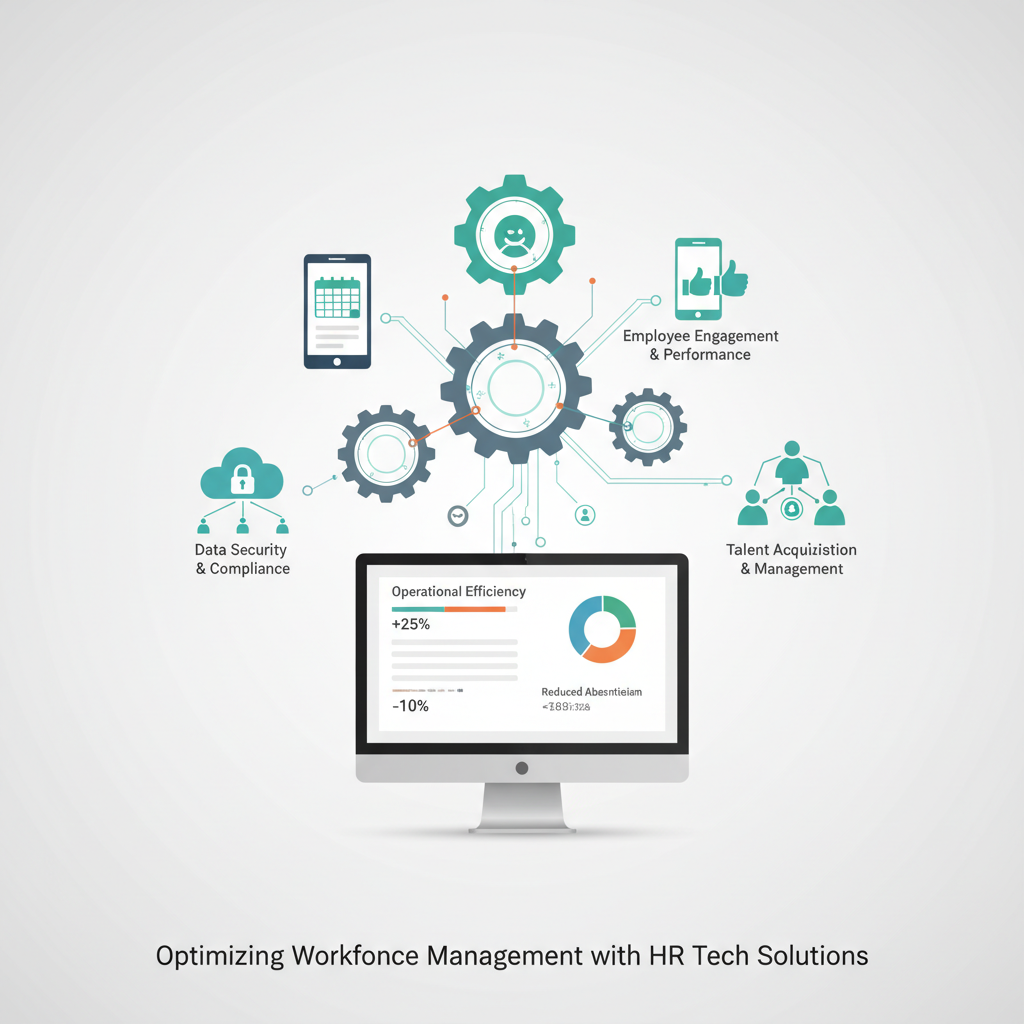
In Singapore’s bustling transportation sector, characterized by high-volume operations and a dynamic, mobile workforce, efficient workforce management is paramount. Traditional, manual processes often struggle to keep pace, leading to inefficiencies, compliance risks, and sub-optimal resource allocation. Modern HR tech solutions are no longer a luxury but a strategic imperative, transforming daily operational efficiency from intricate scheduling to comprehensive performance tracking. These powerful HR tools – applications for transportation field in singapore empower businesses to navigate the complexities of managing a large, distributed team, ensuring seamless operations, enhanced productivity, and a superior employee experience. By leveraging cutting-edge technology, transportation companies can achieve a competitive edge, optimize costs, and foster a more engaged and compliant workforce.
-
Dynamic shift scheduling and rostering software
For transportation companies, where operational demands fluctuate constantly due to traffic conditions, vehicle availability, and varying customer needs, rigid scheduling can cripple efficiency. Dynamic shift scheduling and rostering software provides the agility needed to adapt swiftly. These sophisticated HR tools utilize AI-driven algorithms to create optimized rosters that factor in employee availability, skill sets, regulatory compliance (e.g., driver hours of service regulations), and predicted demand patterns. In Singapore’s transport environment, this means ensuring optimal deployment of drivers, mechanics, and logistics personnel, minimizing idle time, and preventing burnout. Features like automated shift swapping, real-time adjustments for unexpected events, and mobile accessibility for employees to view schedules and request changes significantly boost operational fluidity. This not only reduces administrative burden for HR and operations teams but also enhances employee satisfaction by offering more predictable yet flexible work arrangements, contributing to better retention in a competitive labor market.
-
Real-time time and attendance tracking for mobile employees
Managing the time and attendance of a mobile workforce, such as drivers or field technicians, presents unique challenges that traditional punch clocks cannot address. Real-time time and attendance tracking solutions, often leveraging GPS and geofencing capabilities integrated into mobile apps, are indispensable applications for transportation field in Singapore. These systems allow employees to clock in and out from their designated work locations, providing accurate data for payroll and ensuring compliance with labor laws. Beyond basic timekeeping, these tools offer valuable insights into employee location, route efficiency, and time spent at various job sites. This granular data enables supervisors to monitor productivity, address potential delays proactively, and ensure accountability across the fleet. The automation of attendance records drastically reduces manual data entry errors and streamlines payroll processing, leading to significant cost savings and improved operational oversight. Such systems are crucial for maintaining transparency and fairness in compensation, while also ensuring drivers adhere to scheduled routes and timings.
-
Performance management systems and driver scorecards
Elevating performance and ensuring safety are critical in the transportation industry. Modern performance management systems, especially those incorporating driver scorecards, are powerful HR tools for driving excellence. These systems move beyond annual reviews, offering continuous feedback loops, goal setting, and data-driven insights into employee performance. Driver scorecards, a specialized component, track key metrics such as fuel efficiency, braking habits, acceleration patterns, adherence to speed limits, and delivery times. By providing drivers with personalized performance data and constructive feedback, companies can foster a culture of continuous improvement, enhance safety, and reduce operational costs associated with accidents and fuel consumption. This data can also be used for targeted training programs, identifying high-performers for recognition, and addressing areas of concern. Applications for transportation field in Singapore that integrate these features contribute significantly to developing a highly skilled, safe, and efficient workforce, directly impacting customer satisfaction and overall business profitability.
Enhancing Employee Engagement & Development in Transport
The transportation sector, a critical backbone of Singapore’s economy, faces unique challenges in managing its workforce. From a highly distributed operational team—drivers, logistics personnel, and ground staff—to the imperative for rigorous safety and compliance, fostering a positive work culture and ensuring continuous skill development is paramount. Modern HR technology offers powerful solutions, transforming how transportation companies in Singapore engage their employees, facilitate learning, and streamline communication. By leveraging sophisticated HR tools – applications for transportation field in singapore, organisations can overcome geographical barriers, enhance operational safety, and cultivate a highly engaged, future-ready workforce. These digital HR tools – applications for transportation field in singapore are not just about automation; they are about creating a connected, learning-centric environment that aligns with the evolving HR landscape, driving productivity and retention across the entire value chain, crucial for Singapore transport HR technology.
1. Learning Management Systems (LMS) for safety and compliance training
In an industry where safety is non-negotiable, Learning Management Systems (LMS) are indispensable. For Singapore transport HR technology, an LMS provides a centralised, accessible platform for delivering essential safety compliance training transport, operational procedures, and regulatory updates. Imagine bus drivers accessing bite-sized training modules on new route protocols or logistics personnel completing hazardous materials certifications directly from their mobile devices, anytime, anywhere. This not only ensures that all employees meet mandatory requirements but also promotes continuous learning for transport workers. An effective LMS allows for personalised learning paths, automated tracking of progress and certifications, and the easy updating of content as regulations evolve. This proactive approach to upskilling transport workforce helps mitigate risks, reduces incidents, and significantly enhances the overall operational efficiency and safety culture within the organisation. It’s a foundational element for talent management in transportation, ensuring a skilled and compliant team ready for any challenge.
2. Internal communications platforms for distributed teams
A key challenge for employee engagement in logistics and other transport segments is maintaining seamless communication across a geographically dispersed workforce. Drivers are on the road, ground staff work in different depots, and administrative teams are in offices. Internal communications platforms bridge these gaps, offering real-time connectivity through mobile HR apps for transport. These platforms can disseminate critical updates—such as traffic advisories, operational changes, or emergency alerts—instantly. Beyond operational necessities, they foster a stronger sense of community and belonging. Employees can share feedback, celebrate successes, access company news, and even participate in peer recognition programs. This two-way communication enhances transparency, builds trust, and ensures that everyone, from the frontline employee to senior management, stays informed and connected. By facilitating immediate and inclusive communication, these workforce communication tools transport contribute significantly to a cohesive work environment and improve employee well-being transport sector-wide.
3. Employee feedback and pulse survey tools
Understanding the sentiment of your workforce is crucial for fostering a positive culture and addressing potential issues before they escalate. Employee feedback and pulse survey tools provide invaluable insights into employee engagement in logistics and the broader transport sector. These digital HR solutions Singapore allow organisations to collect anonymous feedback quickly and frequently, moving beyond traditional annual surveys. Short, targeted pulse surveys can gauge morale, assess workload, or solicit opinions on specific initiatives. For performance management for drivers and other staff, continuous feedback mechanisms are vital. This actionable data empowers HR and management to identify pain points, celebrate successes, and implement targeted interventions that improve employee well-being transport sector outcomes. By consistently listening to their employees, transport companies can proactively reduce turnover in transport, enhance job satisfaction, and demonstrate a genuine commitment to their team’s growth and development. This agile approach, informed by HR analytics for logistics companies, creates a responsive and supportive workplace culture.
In conclusion, the strategic deployment of HR technology is no longer a luxury but a necessity for Singapore’s dynamic transportation industry. From ensuring critical safety compliance through robust LMS to fostering an inclusive culture via sophisticated communication platforms and refining strategies based on real-time employee feedback, these digital solutions are central to cultivating a thriving workforce. By embracing these HR tools – applications for transportation field in singapore, companies can not only enhance employee engagement and development but also build resilience, drive operational excellence, and secure a competitive edge in a rapidly evolving global landscape. Predictive HR for fleet management and other advanced functionalities further promise to revolutionize talent strategies, ensuring sustained growth and success for the sector.
The Future of HR Tools in Singapore’s Transportation Landscape 2026
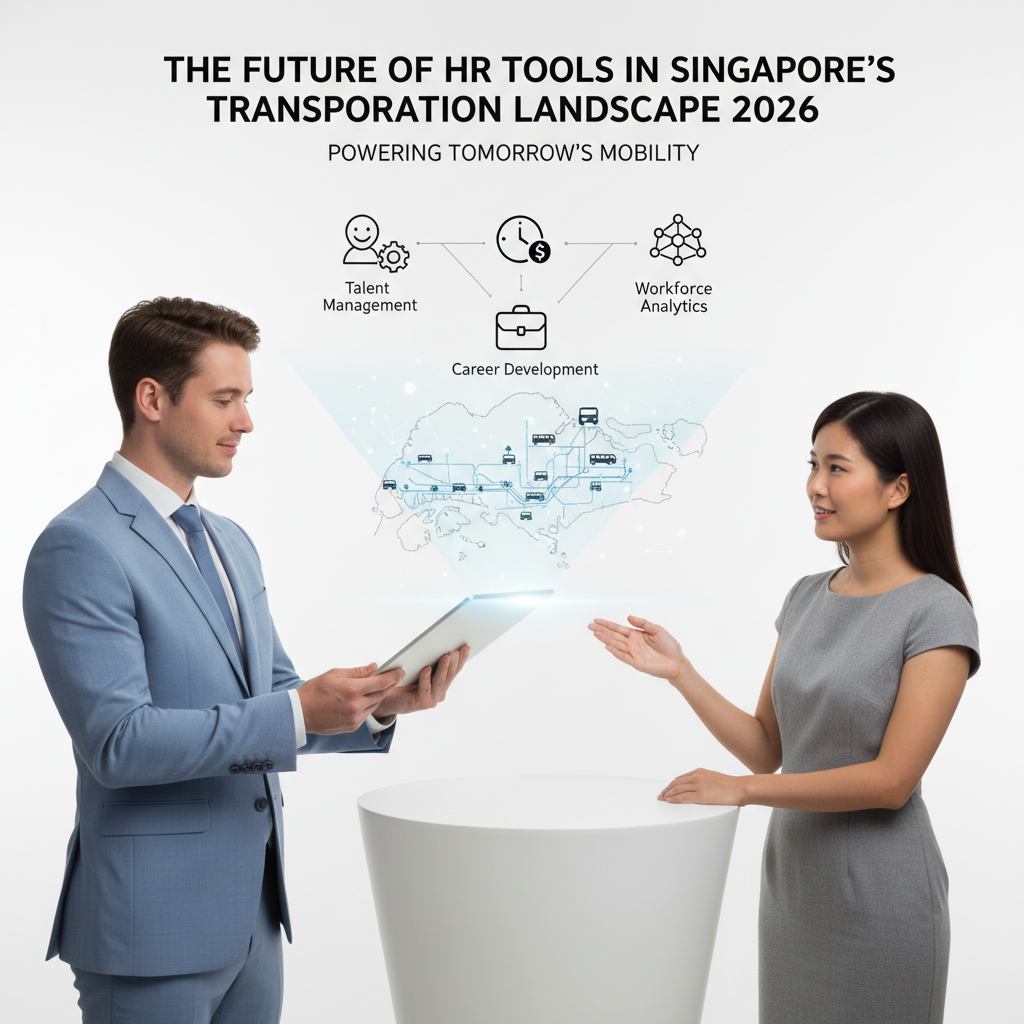
Singapore’s dynamic transportation sector, a critical pillar of its economy, faces unique challenges in workforce management. From attracting and retaining skilled drivers and logistics personnel to optimizing complex scheduling and ensuring regulatory compliance, HR departments are at the forefront of operational efficiency. As 2026 approaches, the imperative for digital transformation is undeniable, with advanced HR tools – applications for transportation field in singapore emerging as crucial enablers for navigating this evolving landscape. These innovations promise to revolutionize how transportation companies manage their human capital, foster agility, and drive sustainable growth in a competitive global hub.
-
AI and automation in HR processes and decision-making
The integration of Artificial Intelligence (AI) and automation is poised to redefine HR functions in Singapore’s transportation industry. AI-powered recruitment platforms will streamline talent acquisition by automating candidate screening, resume parsing, and even initial interview scheduling, allowing HR professionals to focus on strategic human connections. For workforce management, AI algorithms can optimize shift scheduling for drivers and logistics teams, considering variables like traffic patterns, demand fluctuations, and employee preferences, significantly reducing manual effort and improving operational efficiency. Furthermore, automated onboarding processes will ensure a seamless experience for new hires, from document submission to training module assignments. AI will also play a pivotal role in performance management, providing data-driven insights to identify high-potential employees, flag performance gaps, and suggest personalized development plans. This shift towards intelligent automation will not only enhance productivity but also elevate the overall employee experience by freeing up HR teams to engage in more meaningful, high-value activities. Companies can expect a significant reduction in administrative burden, enabling HR to transform from a transactional unit into a strategic partner driving business outcomes.
-
Predictive analytics for workforce planning and retention
Leveraging big data, predictive analytics will become indispensable for transportation companies aiming for proactive workforce planning and robust talent retention strategies. By analyzing historical data on employee turnover, performance, engagement levels, and even external market trends, HR tools will be able to predict future staffing needs, identify potential attrition risks, and pinpoint key factors influencing employee loyalty. For instance, analytics can forecast the demand for specific skill sets – such as autonomous vehicle technicians or data analysts for logistics optimization – allowing companies to initiate upskilling and training & development programs ahead of time. It can also identify patterns in employee departures, enabling targeted interventions and personalized retention efforts, thereby reducing the costs associated with high turnover. Beyond retention, predictive analytics will inform compensation & benefits strategies, ensuring packages remain competitive and attractive. This proactive approach ensures that transportation firms can maintain optimal staffing levels, mitigate skill gaps, and cultivate a stable, highly skilled workforce crucial for sustained operations and adaptability in a rapidly changing environment, including the growing gig economy and the need for flexible remote work arrangements for certain roles.
-
Integrated HRIS for holistic talent and operational management
The future points towards comprehensive, integrated Human Resources Information Systems (HRIS) that consolidate all HR functions into a single, cohesive platform. These advanced HR tools – applications for transportation field in singapore will move beyond basic payroll and record-keeping, offering a holistic view of the entire employee lifecycle. Such systems will seamlessly integrate modules for talent acquisition, performance management, training & development, compensation & benefits, and compliance management, ensuring consistent real-time data across all HR domains. For transportation firms, an integrated HRIS means immediate access to crucial data, enabling faster and more informed decision-making. Imagine a system that connects a driver’s training certifications with their vehicle assignments, performance reviews, and compliance records, all accessible from a central dashboard. This streamlines administrative tasks, enhances data security, and improves overall organizational transparency. Furthermore, these platforms will increasingly incorporate features that support employee engagement and foster a positive employee experience, offering self-service portals, personalized learning paths, and feedback mechanisms. The emphasis will be on creating an intuitive digital environment that supports not just HR but also operational managers in making strategic decisions related to sustainability initiatives and maximizing human capital. According to a Deloitte report on HR technology trends, integrated platforms are crucial for enhancing operational efficiency and strategic insights across industries, a sentiment echoed in Singapore’s push for smart nation initiatives.
Partner with Shelby Global
You are looking for reliable HR Sevice Suppliers? Contact Shelby Global Now! To connect with verified talents and upgrade your orginization.
—————————————
References
– Ministry of Manpower Singapore Sector-Specific Employment Practices: https://www.mom.gov.sg/employment-practices/sector-specific-employment-practices
– Deloitte insights highlight the increasing importance of HR technology in driving business outcomes: https://www2.deloitte.com/us/en/insights/focus/human-capital-trends/2023/hr-technology-future-of-work.html
– How digital transformation is reshaping logistics and supply chains: https://www.weforum.org/agenda/2020/09/logistics-supply-chains-digital-transformation-future-transportation/
– Deloitte Global Human Capital Trends: https://www2.deloitte.com/us/en/insights/topics/talent/global-human-capital-trends.html
– Integrated platforms are crucial for enhancing operational efficiency and strategic insights across industries: https://www2.deloitte.com/content/dam/Deloitte/global/Documents/HumanCapital/gx-hc-hr-technology-report.pdf



































































































