Understanding the Current IT Salary Landscape in Malaysia
This section sets the foundation by analyzing the prevailing market conditions, salary benchmarks, and unique challenges faced by IT CEOs in Malaysia regarding compensation.
For IT CEOs in Malaysia, navigating the complex terrain of compensation is a critical component of strategic planning. Optimizing the salary budget optimizing manners for the CEO of IT field in malaysia is not merely about cost control; it’s about attracting, retaining, and motivating top-tier tech talent in a highly competitive market. Understanding the current IT salary landscape involves a deep dive into market dynamics, global influences, and the specific hurdles in talent acquisition and retention. This insight is crucial for making informed decisions that ensure both financial health and a robust, skilled workforce in the Malaysian IT industry.
1. Malaysian IT Market Salary Benchmarking & Trends
The Malaysian IT sector is dynamic, characterized by consistent growth and an escalating demand for specialized skills. For IT leaders, staying abreast of Malaysian IT market salary benchmarking is paramount. Recent tech salary trends indicate a robust demand for professionals in areas such as cybersecurity, cloud computing (AWS, Azure, GCP), data science, artificial intelligence, and full-stack development. Salaries for these in-demand IT roles have seen upward adjustments, driven by both a scarcity of local expertise and fierce competition from international firms operating within Malaysia or offering remote opportunities.
Benchmarking studies, such as those by leading recruitment agencies, consistently show variations based on experience, specific skill sets, and company size (MNC vs. local SMEs). For instance, an experienced Senior Software Engineer with expertise in AI/ML might command a significantly higher salary compared to a generalist role. Furthermore, the burgeoning startup ecosystem also contributes to the diverse salary landscape, often offering equity or other non-monetary benefits alongside competitive base salaries. CEOs must analyze these specific skill premiums when devising a compensation strategy to ensure their offers remain attractive and competitive within the broader IT talent market in Malaysia.

2. Impact of Global Economic Shifts on Local IT Compensation
The Malaysian IT compensation landscape is not insulated from global economic shifts. Factors such as global inflation, interest rate hikes, and geopolitical uncertainties can directly or indirectly influence local salary structures. For instance, a global economic slowdown might lead to cautious hiring sentiments among multinational corporations (MNCs) and potentially stabilize or slightly depress salary increments. Conversely, increased foreign direct investment (FDI) into Malaysia’s IT sector can fuel demand, pushing IT salaries upwards, particularly for specialized roles, reflecting the IT sector’s growth in the region.
Moreover, the rise of remote work capabilities, amplified by the pandemic, has blurred geographical boundaries. Malaysian IT professionals are now competing with talent pools from across the globe for remote positions, and similarly, local companies might face competition from international firms offering more attractive compensation packages based on higher cost-of-living regions. This dynamic puts additional pressure on local IT CEOs to re-evaluate their IT workforce compensation strategies, considering not just local benchmarks but also regional and global pay scales, especially for highly sought-after skills. Understanding these broader economic currents is vital for developing effective salary budget optimizing manners for the CEO of IT field in malaysia that account for both local market realities and international influences.
3. Challenges in IT Talent Acquisition and Retention in Malaysia
Perhaps one of the most significant hurdles for IT CEOs in Malaysia is the dual challenge of IT talent acquisition and retention. The market demand for IT skills often outstrips supply, leading to a highly competitive hiring environment. Key challenges include a persistent skill gap in Malaysia’s IT sector, where the education system may not always keep pace with rapidly evolving industry needs. This necessitates significant investment in upskilling and reskilling programs for new hires, affecting the overall cost of IT compensation Malaysia.
Furthermore, retention is equally critical. Malaysian IT professionals, especially those with advanced skills, are frequently targets for recruitment by companies in Singapore, Australia, or even remote roles with European and US firms, often lured by more lucrative compensation benchmarks and perceived better career progression. Beyond competitive IT salaries, factors like work-life balance, opportunities for professional development, company culture, and non-monetary benefits play an increasingly vital role in retaining valuable employees. CEOs must adopt holistic HR strategies that go beyond just monetary incentives to foster an environment where employees feel valued and have clear growth paths. Crafting a sustainable compensation strategy requires a nuanced approach that considers both financial rewards and the overall employee experience to combat high turnover and secure long-term talent, providing crucial CEO IT salary insights.
Strategic Compensation & Benefits Redesign
Explore innovative approaches to restructuring compensation packages and employee benefits to ensure competitiveness, fairness, and cost-efficiency while motivating top talent.
In today’s dynamic IT landscape, especially in competitive markets like Malaysia, the ability to attract and retain elite tech talent hinges significantly on a strategically designed compensation and benefits framework. For the CEO of an IT firm in Malaysia, mastering salary budget optimizing manners is not just about cost-cutting; it’s about investing wisely in human capital to drive innovation, productivity, and long-term success. This section delves into proactive strategies for redesigning these critical elements, ensuring they remain competitive, foster fairness, enhance cost-efficiency, and effectively motivate a high-performing workforce.
-
Implementing Performance-Based Pay & Bonus Structures
The traditional fixed salary model often falls short in recognizing and rewarding exceptional contributions, especially within the fast-paced IT sector. Transitioning to performance-based pay and bonus structures offers a powerful mechanism to align individual achievements with organizational goals. This approach involves setting clear, measurable key performance indicators (KPIs) and objectives that directly reflect an employee’s impact on company success – from software development and project completion rates to client satisfaction and innovation metrics. For IT leaders, this means designing frameworks that are transparent, equitable, and directly link pay increments, annual bonuses, or project-based incentives to demonstrable outcomes. Such structures not only incentivize top performers to exceed expectations but also foster a culture of accountability and meritocracy. This strategic shift in compensation restructuring is crucial for motivating top talent, ensuring that compensation packages are perceived as fair, and ultimately driving productivity and innovation within the IT workforce. It’s about recognizing the value individuals bring and rewarding them commensurately, thereby becoming a cornerstone for talent retention in a highly competitive market.
-
Optimizing Employee Benefits Packages for Value
Beyond direct remuneration, a well-optimized employee benefits package is a cornerstone of a competitive total rewards strategy. For IT companies in Malaysia, optimizing benefits involves a nuanced understanding of what truly adds value to employees’ lives while maintaining cost-efficiency. This goes beyond standard health insurance to include flexible benefits options, allowing employees to choose benefits that best suit their individual needs – whether it’s enhanced medical coverage, professional development courses, wellness programs, or family support schemes. Companies can leverage data analytics to assess the utilization and perceived value of existing benefits, streamlining offerings to eliminate underutilized perks and investing in those that demonstrably boost employee well-being and engagement. For example, robust professional development opportunities, including certifications and continuous learning, are highly valued by IT professionals keen on upskilling. By focusing on benefits that genuinely support the physical, mental, and professional growth of employees, organizations can significantly enhance job satisfaction and reduce turnover. Understanding global and regional trends in employee benefits is crucial for benchmarking. A comprehensive survey by Mercer, for instance, often highlights the evolving expectations of the modern workforce, pointing towards flexibility and well-being as key drivers of value. This strategic approach ensures that every dollar spent on benefits yields maximum return in terms of employee satisfaction, loyalty, and overall organizational performance.
-
Leveraging Non-Monetary Rewards for Employee Engagement
While competitive compensation and robust benefits are foundational, non-monetary rewards play an equally vital role in fostering deep employee engagement and loyalty. For the CEO looking at salary budget optimizing manners, understanding the power of non-financial incentives can be a game-changer. These rewards encompass a broad spectrum of initiatives, including opportunities for career growth and advancement, comprehensive professional development programs, recognition for achievements, and a supportive, flexible work environment. Creating a culture where employees feel valued, heard, and empowered to contribute their best goes a long way. This includes implementing structured mentorship programs, providing access to cutting-edge technologies, offering flexible working arrangements (like remote work or compressed workweeks), and celebrating team successes. A strong emphasis on work-life balance, coupled with a positive and inclusive workplace culture, acts as a significant differentiator in attracting and retaining top IT talent. These non-monetary elements enhance job satisfaction, boost morale, and cultivate a sense of belonging, which are often more powerful motivators in the long run than solely monetary incentives. By strategically integrating these non-financial motivators with a competitive total rewards package, IT companies can build a highly engaged workforce, improve retention rates, and ultimately drive sustainable growth without solely relying on escalating salary figures.
Advanced Workforce Planning & Skill Development
In the rapidly evolving Malaysian IT landscape, the ability to align workforce needs with budget realities is paramount for sustained success. For a CEO in the IT field, adopting sophisticated salary budget optimizing manners for the CEO of IT field in malaysia isn’t merely about cost-cutting; it’s about strategic investment in human capital. Effective advanced workforce planning and proactive skill development are no longer optional but essential pillars for long-term growth, talent retention, and achieving competitive advantage. This strategic approach encompasses comprehensive planning, rigorous skill gap analysis, and dedicated investment in employee development programs to future-proof the organization against market shifts and technological advancements.

1. Conducting Skills Gap Analysis and Future-Proofing Roles
The first critical step in advanced workforce planning is a thorough skills gap analysis. This process involves identifying the current competencies within your IT workforce and comparing them against the skills required for future strategic objectives and emerging technologies. In Malaysia’s dynamic IT sector, where digital transformation is accelerating, understanding these discrepancies is vital. For example, as AI, cybersecurity, cloud computing, and data analytics continue to dominate, many existing roles may require updated skill sets. A detailed analysis helps pinpoint where training investments are most needed versus where new talent acquisition might be necessary. This foresight allows CEOs to make informed decisions regarding talent allocation, ensuring that resources are deployed efficiently to mitigate future skill shortages and maintain market competitiveness. By proactively future-proofing roles, companies can reduce reliance on expensive external hiring, thereby contributing significantly to salary budget optimizing manners for the CEO of IT field in malaysia, ensuring that compensation packages are aligned with high-value, future-ready skills. Organizations must regularly assess the future of jobs and critical skills to stay ahead in a volatile market.
2. Investing in Upskilling and Reskilling Programs
Once skill gaps are identified, strategic investment in upskilling and reskilling programs becomes a powerful tool for optimizing salary budgets and enhancing organizational capabilities. Rather than continuously engaging in a costly war for external talent, cultivating existing employees is often a more sustainable and cost-effective strategy. Upskilling enhances an employee’s current capabilities, preparing them for more complex tasks or higher-level roles within their existing function. Reskilling, on the other hand, trains employees for entirely new roles within the company, often in high-demand areas. These programs can include certifications, specialized workshops, mentorship, and project-based learning. The return on investment (ROI) from internal development is substantial, leading to higher employee morale, reduced turnover, and a more agile workforce capable of adapting to technological shifts. Implementing these programs demonstrates a commitment to employee growth, fostering a culture of continuous learning that is attractive to top talent. This proactive approach supports salary budget optimizing manners for the CEO of IT field in malaysia by minimizing recruitment costs and maximizing the productivity and longevity of the existing workforce, contributing to long-term financial health and operational excellence. Exploring strategic salary management approaches can further enhance the impact of these programs.
3. Effective Workforce Planning for Scalability and Cost Control
Strategic workforce planning is the linchpin that connects skill development with fiscal responsibility. For IT CEOs in Malaysia, effective planning is about more than just headcount; it involves forecasting talent demand, analyzing supply, identifying potential talent surpluses or deficits, and developing strategies to address them. This includes integrating succession planning for critical roles, exploring flexible workforce models (e.g., contract workers, remote teams, project-based consultants), and leveraging automation to streamline tasks. By aligning workforce strategies directly with business objectives and financial forecasts, companies can achieve greater scalability without spiraling costs. Data-driven decision-making, utilizing HR analytics to track talent metrics and forecast future needs, is crucial here. This holistic approach enables businesses to respond swiftly to market fluctuations, optimize operational efficiency, and control salary expenses more effectively. By meticulously planning for talent needs, ensuring optimal staffing levels, and strategically allocating compensation, organizations can maintain a lean yet highly effective IT team, demonstrating robust salary budget optimizing manners for the CEO of IT field in malaysia. This ensures that every ringgit spent on talent delivers maximum strategic value and contributes to sustainable competitive advantage in the dynamic Malaysian IT ecosystem.
Adopting Technology and Automation in HR
Learn how embracing HR technology and automation can streamline processes, reduce administrative overheads, and provide data-driven insights for smarter budget decisions. For the CEO of an IT field in Malaysia, understanding the most effective salary budget optimizing manners for the CEO of IT field in Malaysia is paramount for sustainable growth and competitiveness, especially in a competitive talent market.
1. Utilizing HR Analytics for Data-Driven Budget Decisions
In the dynamic IT landscape of Malaysia, leveraging HR analytics is no longer a luxury but a necessity for strategic workforce budgeting. CEOs in the IT sector face unique IT sector HR challenges, from managing high demand for specialized skills to optimizing compensation structures to attract and retain top talent. HR analytics provides a powerful toolset to move beyond reactive decision-making. By analyzing data on employee performance, turnover rates, recruitment costs, and compensation benchmarks, HR departments can provide predictive analytics HR insights that directly inform budget allocations. For instance, understanding the real cost of employee turnover allows for better investment in retention strategies and employee engagement initiatives. Advanced talent analytics can also identify potential skill gaps and forecast future talent needs, enabling proactive talent acquisition and development programs that minimize last-minute, expensive hires. This data-driven approach fosters cost reduction in HR operations and ensures that every dollar spent contributes effectively to the organization’s strategic objectives and overall HR transformation. It’s about ensuring HR cost savings without compromising talent quality and achieving optimized compensation.
2. Automating Payroll and Benefits Administration
Manual payroll and benefits administration are notorious for consuming significant administrative overheads, increasing the risk of errors, and diverting valuable HR resources from strategic initiatives. For IT companies, where precise and timely compensation is critical for employee satisfaction and compliance, automating these processes offers substantial advantages. Modern HR software solutions can handle complex payroll calculations, tax regulations, and benefits enrollment with high accuracy and efficiency. This automation not only streamlines processes but also enhances compliance automation with local labor laws and industry-specific regulations in Malaysia. Furthermore, it frees up HR professionals to focus on more strategic tasks like performance management, employee experience, and developing robust retention strategies. The shift to automated systems leads to immediate HR cost savings by reducing the need for extensive manual checks and rectifying errors, thereby optimizing the HR function and contributing positively to the overall budget. This digital HR strategy is a cornerstone of modern HR operations, ensuring accuracy and efficiency in a rapidly evolving Malaysian tech talent market.
3. Implementing AI Tools for Talent Management & Recruitment
The fierce competition for tech talent in Malaysia necessitates innovative approaches to talent management and recruitment efficiency. Artificial intelligence (AI) tools are revolutionizing how IT companies identify, attract, and develop their workforce. AI-powered recruitment platforms can sift through vast numbers of applications, identify best-fit candidates based on skills and experience, and even automate initial candidate screening, significantly reducing the time-to-hire and associated costs. Beyond recruitment, AI plays a crucial role in talent acquisition and performance management by personalizing employee development paths, predicting flight risks, and even recommending suitable internal mobility opportunities. Chatbots can improve the employee experience by providing instant answers to common HR queries, enhancing employee engagement. Predictive analytics HR, powered by AI, can help forecast future workforce needs, identify skill development areas, and optimize workforce planning. According to Society for Human Resource Management (SHRM) insights on HR technology, organizations are increasingly adopting AI to transform their HR functions, leading to more strategic talent decisions and a more agile workforce. These advancements are critical for an IT CEO focused on salary budget optimizing manners for the CEO of IT field in Malaysia, ensuring that talent investments yield maximum returns.
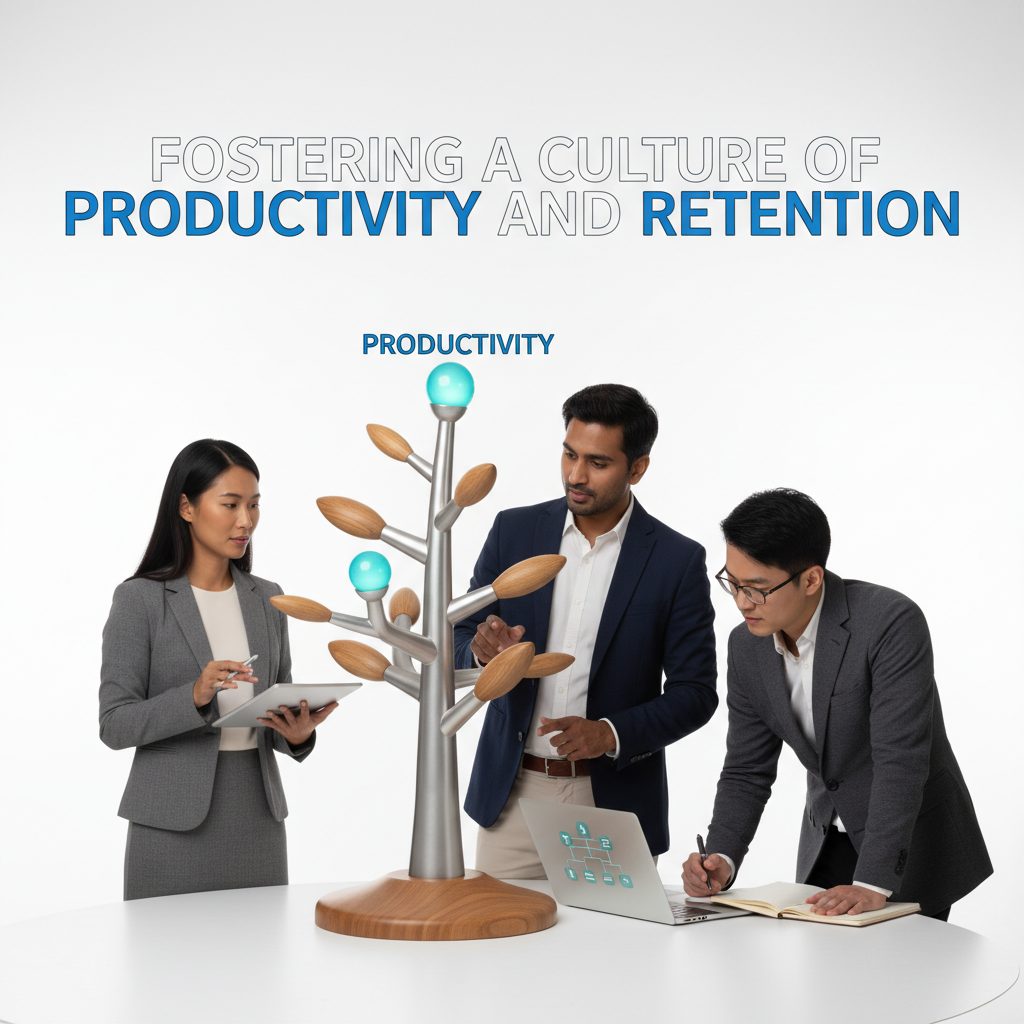
Fostering a Culture of Productivity and Retention
In the fiercely competitive IT landscape of Malaysia, CEOs face the constant dual challenge of attracting and retaining top-tier talent while meticulously managing operational costs. While competitive salaries are undoubtedly crucial, a myopic focus on escalating direct remuneration isn’t always the most sustainable or effective strategy. Astute leaders in the IT sector are increasingly recognizing that long-term success hinges on salary budget optimizing manners for the CEO of IT field in Malaysia, which involve cultivating a robust company culture, embracing flexible work models, and prioritizing comprehensive employee wellbeing initiatives. These holistic approaches not only significantly reduce the often-overlooked costs associated with high turnover but also dramatically enhance overall productivity, ultimately fortifying the organization’s financial health and market position.
1. Promoting Flexible Work Arrangements and Remote Policies
The paradigm shift towards flexible work arrangements, including remote work, hybrid models, and flexible hours, has proven to be a cornerstone of modern talent retention strategies. For IT companies in Malaysia, offering such flexibility is no longer just a perk; it’s a strategic imperative. By allowing employees greater autonomy over their work environment and schedule, companies can tap into a wider talent pool, reduce geographical constraints, and significantly boost employee satisfaction. This flexibility translates directly into enhanced productivity, as employees often report better focus and reduced stress when they can balance professional commitments with personal responsibilities. From a budgetary perspective, embracing flexible work is one of the most effective salary budget optimizing manners for the CEO of IT field in Malaysia. It can lead to substantial savings on office overheads, utilities, and even reduce the need for larger, more expensive office spaces. More importantly, it drastically lowers turnover rates, minimizing the exorbitant costs associated with recruitment, onboarding, and training new hires—costs that often far exceed salary increases in the long run.
2. Enhancing Employee Engagement & Wellbeing Initiatives
Beyond flexibility, investing in comprehensive employee engagement and wellbeing initiatives stands as a critical component in optimizing salary budgets and fostering a thriving workforce. These initiatives, which encompass professional development opportunities, mentorship programs, robust recognition systems, mental health support, and physical wellness challenges, signal to employees that they are valued beyond their immediate output. Such programs contribute to a healthier, happier, and more motivated workforce, directly impacting productivity and reducing absenteeism. For instance, according to a SHRM report on employee wellbeing, organizations with robust wellbeing programs experience lower healthcare costs and higher job satisfaction. By proactively addressing employee stress and burnout, IT companies in Malaysia can prevent costly attrition. When employees feel supported and engaged, they are more likely to commit to the company long-term, reducing the continuous cycle of talent acquisition and its associated expenses. This focus on holistic wellbeing is a sophisticated aspect of salary budget optimizing manners for the CEO of IT field in Malaysia, as it cultivates loyalty and productivity without necessarily increasing base salaries.
3. Building a Strong Employer Brand to Reduce Talent Acquisition Costs
In a competitive market like Malaysia’s IT sector, a strong employer brand is an invaluable asset. It is the reputation an organization holds as a place to work, encompassing its culture, values, and employee experience. A compelling employer brand acts as a magnet for top talent, attracting high-caliber candidates organically, thereby significantly reducing the reliance on expensive external recruitment agencies and headhunters. When a company is known for its positive work environment, growth opportunities, and commitment to its employees, it naturally receives more unsolicited applications from qualified professionals. This not only shortens the time-to-hire but also drastically lowers the per-hire cost. Furthermore, candidates who are drawn to a strong employer brand often align better with the company’s values, leading to higher retention rates post-hire. By proactively investing in employer branding through transparent communication, showcasing employee successes, and highlighting unique cultural aspects, IT leaders in Malaysia can optimize their talent acquisition funnel. This strategic investment in reputation management is a potent example of salary budget optimizing manners for the CEO of IT field in Malaysia, transforming recruitment from a reactive, costly necessity into a proactive, cost-efficient competitive advantage.
Partner with Shelby Global
You are looking for reliable HR Sevice Suppliers? Contact Shelby Global Now! To connect with verified talents and upgrade your orginization.
—————————————
References
– Robert Walters Malaysia Salary Survey & Guide: https://www.robertwalters.com.my/hiring/salary-survey.html
– Mercer Global Compensation and Benefits Surveys: https://www.mercer.com/our-thinking/career/global-compensation-and-benefits-surveys.html
– World Economic Forum – The Future of Jobs Report 2023: https://www.weforum.org/publications/the-future-of-jobs-report-2023/
– Society for Human Resource Management (SHRM) insights on HR technology: https://www.shrm.org/resources-and-tools/hr-topics/technology
– SHRM report on employee wellbeing: https://www.shrm.org/resources-and-tools/hr-topics/wellness-and-wellbeing/Pages/why-employee-well-being-matters.aspx