Introduction to Crafting Effective IT Manager JDs in Malaysia
In Malaysia’s rapidly evolving technological landscape, the demand for exceptional IT management talent is soaring. Companies, from burgeoning startups to established multinational corporations, are fiercely competing for leaders who can navigate complex digital transformations, drive innovation, and foster high-performing technical teams. However, merely posting a job opening is no longer sufficient. To attract and secure top-tier professionals, particularly for critical managerial roles, organisations must master the art of crafting precise, compelling, and strategically aligned job descriptions (JDs). Vague or generic JDs not only fail to capture the attention of the right candidates but also lead to a convoluted recruitment process, wasted resources, and ultimately, a missed opportunity to onboard the talent crucial for sustained growth. This section explores why well-structured job descriptions are critical in the competitive Malaysian market, detailing their effective components, and why tailored approaches, often facilitated by robust Job Description Templates for Manager Levels in IT field in malaysia, are indispensable for success.

1. H3: Why specific JDs matter for IT manager roles
IT manager roles are inherently complex, demanding a unique blend of technical expertise, strategic foresight, and exceptional leadership. A generic job description, rife with clichés and broad statements, utterly fails to convey these nuances, often attracting a flood of unqualified applicants and prolonging the hiring cycle. Highly skilled IT professionals will quickly dismiss vague postings as indicative of a company that doesn’t truly understand its needs or values its talent.
Specific job descriptions, therefore, act as powerful filters. They clearly articulate the precise technical stack required (e.g., Azure cloud architecture, Python for data science, SAP implementation), the expected leadership style, and the strategic impact the role is intended to make. This precision not only attracts candidates with the exact skill set and experience but also ensures they have a realistic expectation of the role’s challenges and rewards. By clearly defining success metrics and responsibilities, specific JDs empower candidates to self-assess their fit, leading to higher-quality applications and a more efficient recruitment process. Furthermore, a well-defined JD enhances employer branding, signaling professionalism and respect for employee contributions – aspects valued by top IT talent in Malaysia.
2. H3: Key components of a winning IT job description
Crafting an effective IT manager job description goes beyond listing duties; it’s about painting a compelling picture of the role’s impact and opportunity. Several key components are essential for a winning JD:
- Clear and Engaging Job Title & Summary: The title should accurately reflect seniority and focus (e.g., “Senior Cloud Solutions Architect Manager,” “Head of Cybersecurity Operations”). The summary offers a concise, captivating overview of the role’s mission and key contributions.
- Detailed Responsibilities: Use action verbs, focusing on outcomes rather than just tasks. For an IT manager, this might include “Lead a team of 10 software engineers,” “Develop and implement IT infrastructure strategies,” or “Oversee vendor relationships.” Quantify responsibilities where possible (e.g., “manage a budget of RM X million”).
- Required Skills and Qualifications: Precision is paramount. Differentiate between “must-have” and “nice-to-have” skills. Include specific technical proficiencies (e.g., AWS, Kubernetes, specific programming languages), relevant certifications (e.g., PMP, CISSP), and educational background. Crucially, don’t overlook soft skills like strategic thinking, problem-solving, and communication.
- Experience Level: Clearly state minimum years of relevant industry and leadership experience.
- Reporting Structure and Team Dynamics: Outline who they report to and if they will have direct reports, describing the team environment.
- Compensation and Benefits: Providing a salary range or competitive benefits can significantly increase applicant interest.
Leveraging well-designed Job Description Templates for Manager Levels in IT field in malaysia can ensure all these critical elements are consistently covered. For broader insights into market expectations, the Hays Asia Salary Guide provides valuable data on IT roles across Malaysia and the wider region, which can inform the structure and competitiveness of your JD.
3. H3: Understanding the Malaysian IT talent landscape
Malaysia’s IT talent landscape is dynamic and multicultural, characterized by a growing pool of skilled professionals but also significant competition for top talent. Government initiatives have fostered a vibrant tech ecosystem, attracting companies and fueling demand across specializations like cloud computing, AI, cybersecurity, and data science.
Attracting top IT managers in Malaysia requires more than just a competitive salary. Candidates increasingly seek roles offering clear career progression, continuous learning, a positive work culture, and work-life balance. They are courted by both local enterprises and global tech giants, making differentiation crucial. Malaysian professionals also value companies demonstrating strong leadership, ethical practices, and positive societal contributions.
Therefore, when crafting JDs, it’s vital to:
- Highlight Growth Opportunities: Articulate potential career paths, training programs, and development budgets.
- Emphasize Company Culture: Describe the working environment, team collaboration, and employee well-being support.
- Showcase Impact: Explain how the IT manager’s role contributes to the company’s broader mission.
- Address Local Market Nuances: Consider local holidays, cultural expectations, and benefits packages that resonate with Malaysian talent.
Understanding these nuances enables companies to tailor their JDs to speak directly to the aspirations and values of Malaysian IT professionals. By doing so, businesses can effectively stand out, attract the most qualified candidates, and build resilient, innovative IT leadership teams. The strategic use of comprehensive Job Description Templates for Manager Levels in IT field in malaysia, adapted to local insights, is a strategic imperative for securing premier IT management talent.
Essential Job Description Templates for IT Project Managers in Malaysia
Crafting a precise and compelling job description is the cornerstone of attracting top-tier IT Project Managers in Malaysia’s dynamic technological landscape. A well-defined JD not only streamlines the recruitment process but also sets clear expectations for the role, ensuring alignment with organizational goals. Given the critical role of IT Project Managers in driving digital transformation and innovation, these templates and guidelines focus on their unique responsibilities, technical acumen, and essential leadership skill sets, tailored for the Malaysian market. For comprehensive guidance on various Job Description Templates for Manager Levels in IT field in malaysia, leveraging detailed frameworks can significantly enhance your hiring strategy.
-
Core responsibilities and duties (e.g., project planning, budget management)
An IT Project Manager in Malaysia is the linchpin connecting strategic vision with operational execution, overseeing projects from inception to completion. Their core responsibilities extend beyond mere task management, encompassing strategic foresight and meticulous resource allocation. Key duties typically include:
- Project Planning & Scope Definition: Defining project scope, objectives, deliverables, and success criteria in collaboration with stakeholders. Developing comprehensive project plans, including detailed work breakdown structures, schedules, and resource allocation plans.
- Budget Management & Financial Oversight: Developing, tracking, and managing project budgets, ensuring projects are delivered within allocated financial parameters. This involves cost estimation, forecasting, and regular financial reporting to stakeholders.
- Risk Management: Identifying, assessing, and mitigating potential project risks and issues. Developing contingency plans and proactive strategies to minimize disruptions and ensure project continuity.
- Stakeholder Communication & Engagement: Serving as the primary point of contact for all project-related communications. Establishing clear communication channels and providing regular updates to stakeholders, including senior management, team members, and clients.
- Team Leadership & Development: Leading, motivating, and managing cross-functional project teams. Fostering a collaborative environment, resolving conflicts, and supporting team members’ professional growth.
- Quality Assurance & Compliance: Ensuring project deliverables meet defined quality standards and comply with relevant industry regulations, company policies, and best practices, crucial in a data-sensitive environment like Malaysia.
- Vendor and Contract Management: Overseeing external vendors and contractors, managing contracts, and ensuring adherence to service level agreements.
-
Required qualifications and experience (e.g., PMP, Agile certifications)
To excel in the demanding role of an IT Project Manager in Malaysia, candidates typically require a robust blend of academic qualifications, professional certifications, and hands-on experience:
- Educational Background: A Bachelor’s degree in Information Technology, Computer Science, Software Engineering, Business Administration, or a related technical field is usually a minimum requirement. A Master’s degree or an MBA focusing on technology management can be advantageous.
- Professional Certifications: Industry-recognized certifications are highly valued. The Project Management Professional (PMP) certification from the Project Management Institute (PMI) is often a prerequisite for senior roles, demonstrating a mastery of global project management standards. Agile certifications such as Certified ScrumMaster (CSM), Professional Scrum Master (PSM), or SAFe Agilist are increasingly critical, reflecting the shift towards agile methodologies in software development and IT projects.
- Experience: Typically, 5-10 years of progressive experience in IT, with at least 3-5 years specifically managing complex IT projects is expected. Experience leading projects involving enterprise software implementation, infrastructure upgrades, digital transformation initiatives, or cybersecurity projects within the Malaysian context is highly sought after.
- Technical Acumen: Strong understanding of the Software Development Life Cycle (SDLC), various project management methodologies (Agile, Waterfall, Hybrid), and proficiency with project management tools (e.g., Jira, Asana, Microsoft Project). Familiarity with current technology trends and frameworks is also essential.
- Soft Skills: Exceptional leadership, communication, negotiation, problem-solving, and decision-making skills are paramount. Cultural sensitivity and the ability to work effectively with diverse teams and stakeholders across different regions of Malaysia are also crucial.
-
Key performance indicators for IT project managers
Measuring the effectiveness of an IT Project Manager goes beyond simply completing tasks. KPIs should reflect their ability to deliver strategic value, manage resources efficiently, and foster positive team dynamics. Relevant KPIs include:
- Project Completion Rate (On Time & Within Budget): The percentage of projects delivered on or before the scheduled deadline and within the allocated budget. This is a fundamental measure of efficiency and planning accuracy.
- Stakeholder Satisfaction: Measured through feedback surveys or formal reviews, reflecting how well the project met stakeholder expectations and communicated progress. High satisfaction often indicates effective expectation management and communication.
- Deliverable Quality: The extent to which project outputs meet defined quality standards, functional requirements, and user acceptance criteria, often measured by defect rates or rework required.
- Resource Utilization Rate: How effectively project resources (human, financial, technological) are utilized throughout the project lifecycle, minimizing waste and maximizing productivity.
- Risk Mitigation Effectiveness: The success rate in identifying, tracking, and mitigating project risks, preventing them from impacting project timelines or budgets.
- Team Performance & Morale: Assessed through team feedback, retention rates, and productivity metrics, indicating the project manager’s ability to lead and motivate their team effectively.
- ROI/Business Value Delivered: For certain projects, measuring the actual return on investment or the tangible business value generated post-implementation, aligning project outcomes with strategic organizational goals.
By using these detailed templates, organizations can attract, evaluate, and retain highly effective IT Project Managers who are critical to achieving technological objectives and sustained growth in Malaysia.
Crafting JDs for Software Development Managers in the Malaysian Context
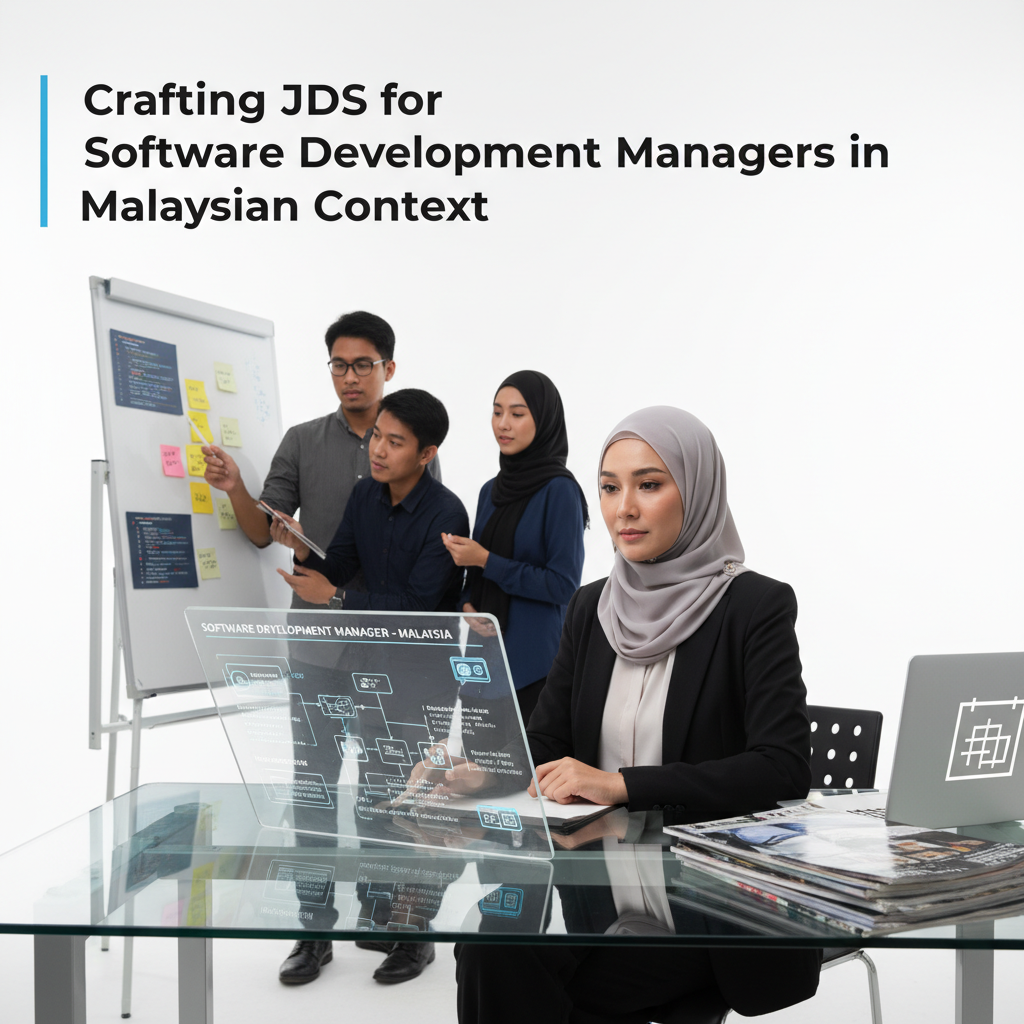
A deep dive into job description templates tailored for Software Development Managers, emphasizing technical leadership, team management, and architectural oversight within the Malaysian tech scene. Attracting top-tier talent for critical leadership roles requires precision, especially in a dynamic market like Malaysia. For companies aiming to strengthen their software development capabilities, a well-structured job description (JD) is not just a formality but a strategic tool to articulate expectations and highlight opportunities. This guide focuses on creating comprehensive Job Description Templates for Manager Levels in IT field in malaysia, ensuring they resonate with the aspirations of experienced professionals and the specific needs of local tech companies.
In Malaysia’s rapidly evolving tech landscape, Software Development Managers are pivotal. They bridge the gap between high-level business objectives and day-to-day coding, ensuring projects are delivered efficiently and to the highest quality standards. Crafting their JDs demands a keen understanding of both technical depth and leadership acumen, considering the local talent pool and prevailing industry trends.
1. Technical leadership and team management responsibilities
A Software Development Manager in Malaysia isn’t just a project coordinator; they are a beacon of technical excellence and a mentor to their team. The JD must clearly delineate the dual mandate of guiding technical direction while nurturing team growth. Key responsibilities to highlight include leading architectural discussions, making critical technology choices, and ensuring best practices are followed across the development lifecycle. Simultaneously, the role involves robust team management: setting clear goals, conducting performance reviews, fostering a collaborative environment, and championing career development for individual contributors. Emphasizing experience with Agile development practices, scrum methodologies, and effective conflict resolution is crucial. This section should clearly state the expectation for the candidate to inspire and motivate a high-performing engineering team, driving both individual and collective success within the Malaysian tech talent landscape.
2. Necessary programming languages and framework expertise
While a manager’s role is less about hands-on coding, a strong grasp of the underlying technologies is non-negotiable for credible technical leadership. The JD should specify the core programming languages and frameworks relevant to the company’s stack. Common requirements in Malaysia include proficiency in Java, Python, .NET (C#), or JavaScript/TypeScript with frameworks like React, Angular, or Vue.js. Expertise in database technologies (SQL, NoSQL), cloud platforms (AWS, Azure, Google Cloud), and containerization (Docker, Kubernetes) is increasingly vital for developing cloud-native solutions. The description should seek candidates who can not only understand these technologies but also evaluate their suitability for various projects, guide their implementation, and troubleshoot complex technical challenges. Architectural oversight, including designing scalable, resilient, and secure systems, must be a prominent feature of this section, reflecting the need for managers who can provide strategic technical direction.
3. Driving innovation and software quality standards
Innovation is the lifeblood of the software industry, and Software Development Managers are key drivers of this culture. Their JDs should underscore the responsibility for identifying and integrating emerging technologies, processes, and tools that can enhance productivity, product quality, and competitive advantage. This includes a mandate to foster a culture of continuous improvement, where experimentation and learning are encouraged. Moreover, maintaining stringent software quality standards is paramount. The role should demand a deep understanding of quality assurance methodologies, automated testing frameworks, continuous integration/continuous deployment (CI/CD) pipelines, and robust code review processes. Candidates must demonstrate a track record of implementing and enforcing these standards, ensuring that delivered software is reliable, performant, and maintainable. This section should clearly communicate the expectation that the manager will not only lead projects but also elevate the overall engineering maturity and foster a forward-thinking approach within the team, contributing significantly to the company’s long-term success in the competitive Malaysian market.
Specialized Templates for IT Infrastructure & Operations Managers in Malaysia
In Malaysia’s rapidly evolving digital landscape, the backbone of any successful enterprise lies within its robust IT infrastructure. For businesses to thrive, they require adept leaders who can manage complex networks, safeguard critical data, and ensure seamless operations. This section delves into specialized Job Description Templates for Manager Levels in IT field in malaysia, specifically designed for those overseeing critical IT infrastructure, network operations, and system administration—roles vital for maintaining business continuity and driving technological advancement across various sectors in the nation.
The role of an IT Infrastructure & Operations Manager in Malaysia is multifaceted, demanding a blend of technical expertise, strategic foresight, and leadership acumen. These templates are crafted to articulate the precise responsibilities and qualifications required for professionals who ensure the stability, security, and scalability of an organization’s technological assets. By providing clear, comprehensive, and SEO-optimized job descriptions, companies can attract top-tier talent capable of navigating the challenges and opportunities presented by modern IT environments, from on-premise solutions to expansive cloud deployments. We’ll explore key areas these managers are expected to master.
1. Managing network, server, and cloud infrastructure
At the core of IT operations is the efficient management of an organization’s fundamental technological architecture. An IT Infrastructure & Operations Manager is typically responsible for designing, implementing, and maintaining the entire network infrastructure, including LANs, WANs, VPNs, and wireless systems, ensuring optimal performance and reliability. This includes overseeing server infrastructure, both physical and virtual, ensuring high availability, capacity planning, and proactive maintenance to prevent downtime. As Malaysian businesses increasingly embrace digital transformation, proficiency in cloud infrastructure management (e.g., AWS, Azure, Google Cloud Platform) becomes paramount.
The job descriptions for this domain emphasize responsibilities such as monitoring network traffic, troubleshooting connectivity issues, performing regular server audits, and managing virtualized environments. Managers in this role are also tasked with developing and enforcing network security policies, implementing necessary upgrades, and optimizing infrastructure for cost-efficiency and scalability. They lead teams of network engineers, system administrators, and cloud specialists, ensuring that all components work in harmony to support business objectives. Expertise in scripting, automation tools, and infrastructure-as-code principles is highly valued, reflecting the push towards more agile and efficient IT operations.
2. IT security and compliance oversight
In an era of escalating cyber threats, the security posture of an organization’s IT infrastructure is non-negotiable. An IT Infrastructure & Operations Manager holds a critical role in establishing and enforcing robust IT security protocols and ensuring compliance with relevant regulatory frameworks. In Malaysia, adherence to data protection laws like the Personal Data Protection Act (PDPA) 2010, alongside international standards such as ISO/IEC 27001 for information security management, is vital. Job descriptions will clearly outline responsibilities for developing and implementing comprehensive security policies, conducting regular risk assessments, and managing vulnerability testing and penetration testing initiatives.
This oversight extends to managing identity and access management (IAM) systems, overseeing security incident response plans, and ensuring continuous monitoring of security events. The manager must stay abreast of the latest cybersecurity threats and mitigation strategies, guiding their team in implementing best practices to safeguard sensitive data and intellectual property. The ability to articulate complex security concepts to non-technical stakeholders and foster a culture of security awareness across the organization is also a key requirement. For deeper insights into national initiatives, referring to resources like CyberSecurity Malaysia can provide valuable context for local cybersecurity frameworks.
3. Disaster recovery and business continuity planning
The ability to recover from unforeseen disruptions and maintain continuous business operations is a hallmark of resilient IT infrastructure. A crucial component of an IT Infrastructure & Operations Manager’s role involves the development, implementation, and regular testing of robust disaster recovery (DR) and business continuity planning (BCP) strategies. These plans are designed to minimize downtime, reduce data loss, and ensure the rapid restoration of critical IT services following events such as natural disasters, cyber-attacks, or major system failures.
Key responsibilities in this area include identifying critical systems and data, defining Recovery Time Objectives (RTO) and Recovery Point Objectives (RPO), and establishing clear communication protocols during crises. The manager is responsible for leading DR drills and simulations, meticulously documenting procedures, and ensuring that backup and restoration mechanisms are fully functional and regularly verified. They work closely with other departments to understand their operational dependencies and integrate IT recovery plans into broader organizational BCPs. This ensures that even in the face of significant challenges, the business can swiftly resume operations, protecting revenue, reputation, and customer trust. These specialized Job Description Templates for Manager Levels in IT field in malaysia empower organizations to articulate these vital requirements effectively, attracting leaders who are not just reactive but proactively build resilient and future-proof IT landscapes.
Best Practices for Customizing and Optimizing Your IT Manager JDs for 2026
Practical advice on how to adapt these templates to specific company needs, incorporate local legal requirements, and ensure your job descriptions remain competitive and attractive for future talent.
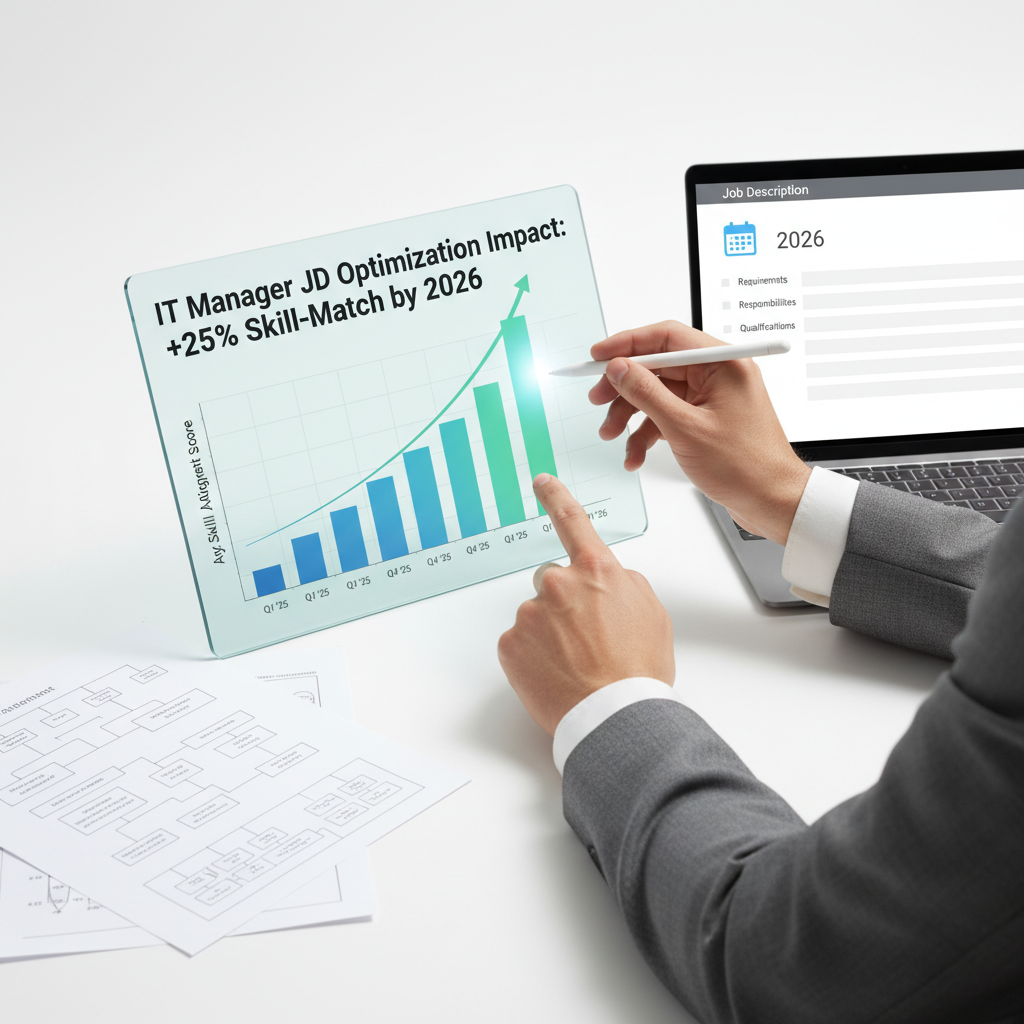
When crafting effective Job Description Templates for Manager Levels in IT field in malaysia for 2026 and beyond, generic templates simply won’t cut it. To attract top-tier talent in Malaysia’s competitive IT landscape, customization and optimization are paramount. This section will guide you through crucial best practices to refine your IT Manager JDs, ensuring they resonate with both your organizational goals and the aspirations of future tech leaders. Adapting these templates for specific company needs is vital for securing the right IT talent acquisition Malaysia, particularly as roles become increasingly specialized and technology evolves at an unprecedented pace.
1. Incorporating Company Culture and Values
A job description is more than just a list of responsibilities and qualifications; it’s a window into your organization’s soul. By embedding your company culture and core values directly into your IT Manager JDs, you create a powerful filter, attracting candidates whose personal ethos aligns with your workplace environment. For example, if your company thrives on innovation and agile methodologies, highlight this by mentioning opportunities for continuous learning, experimentation, and cross-functional collaboration. If work-life balance and employee well-being are priorities, describe the support systems in place, flexible work arrangements, or wellness programs. Beyond technical prowess, IT managers today are expected to be strong leaders, mentors, and collaborators. Describing a culture that fosters growth, open communication, and shared success will not only appeal to highly skilled professionals but also give them a realistic preview of what it’s like to work within your team. This strategic alignment helps reduce turnover and builds a more cohesive and productive workforce, ensuring that the candidates you attract through your Job Description Templates for Manager Levels in IT field in malaysia are a perfect cultural fit.
2. Legal Considerations and Local Labor Laws in Malaysia
Navigating the legal landscape is crucial when developing IT Manager JDs, especially within Malaysia. Compliance with the country’s labor laws, primarily the Employment Act 1955 (and its subsequent amendments), is non-negotiable. Your job descriptions must avoid any discriminatory language related to age, gender, race, religion, or disability, aligning with Malaysia’s anti-discrimination principles. Clearly state the employment type (full-time, part-time, contract), working hours, and any benefits mandated by law, such as EPF (Employees Provident Fund), SOCSO (Social Security Organization), and EIS (Employment Insurance System) contributions. While specific salary figures aren’t always required in JDs, any mention of compensation or benefits should accurately reflect legal minimums and company policies. It’s also wise to include a general statement about adherence to local labor laws and regulations. For comprehensive guidance on compliance, employers should refer to official sources like the Ministry of Human Resources Malaysia. Failing to comply can lead to significant legal repercussions, reputational damage, and difficulties in attracting and retaining talent. Ensure your Job Description Templates for Manager Levels in IT field in malaysia are thoroughly vetted by HR and legal counsel familiar with Malaysian employment law to mitigate risks effectively.
3. Future-proofing JDs for Evolving IT Roles (e.g., AI/ML integration)
The IT landscape is in a constant state of flux, driven by rapid advancements in technologies like Artificial Intelligence, Machine Learning, cloud computing, and cybersecurity. To ensure your IT Manager JDs remain relevant and attractive for future IT roles, they must be future-proofed. This involves anticipating upcoming technological shifts and integrating emerging skill requirements. For instance, an IT Manager JD in 2026 might not just ask for “experience with data management” but specify “proficiency in data governance frameworks, experience with AI/ML pipeline management, or oversight of cloud-based data lakes.” Emphasize soft skills like adaptability, continuous learning, strategic thinking, and the ability to lead diverse, often remote, technical teams. Highlighting opportunities for professional development, certifications in new technologies (e.g., AWS, Azure, Google Cloud), and involvement in innovative projects can significantly enhance your JD’s appeal. Rather than listing a rigid set of tools, focus on the underlying competencies and the capacity to learn new ones quickly. For instance, instead of “expert in specific database X,” consider “ability to design and manage scalable database solutions, adapting to evolving data storage technologies.” This forward-thinking approach ensures your Job Description Templates for Manager Levels in IT field in malaysia don’t quickly become obsolete and consistently attract IT managers who are ready to lead your organization through the next wave of digital transformation.
Partner with Shelby Global
You are looking for reliable HR Sevice Suppliers? Contact Shelby Global Now! To connect with verified talents and upgrade your orginization.
—————————————
References
– Hays Asia Salary Guide: https://www.hays.com.my/salary-guide
– Project Management Professional (PMP) Certification: https://www.pmi.org/certifications/project-management-professional
– The 8 Essential Skills of a Great Technical Leader: https://dzone.com/articles/the-8-essential-skills-of-a-great-technical-leader
– CyberSecurity Malaysia: https://www.cybersecurity.my/en/index.html
– Ministry of Human Resources Malaysia: https://www.mohr.gov.my/