Why Effective Job Descriptions Matter for Medical Managers in Malaysia
In Malaysia’s dynamic and rapidly expanding medical sector, the competition for top talent, especially for managerial roles, is fiercer than ever. Medical facilities, from private hospitals to specialized clinics, are constantly seeking leaders who can drive efficiency, innovation, and exceptional patient care. At the core of attracting these invaluable professionals and ensuring their success lies a often-underestimated tool: a well-crafted job description. These documents are far more than just administrative formalities; they are strategic assets that define roles, clarify expectations, and act as the foundational blueprint for an organization’s HR and talent management strategy. For medical managers in Malaysia, comprehensive Job Description Templates for Manager Levels in medicine field in malaysia are crucial for navigating this complex landscape, attracting the right fit, and establishing clear pathways for performance and compliance within the unique Malaysian context.

1. Attracting Qualified Candidates in a Competitive Market
The Malaysian medical sector is characterized by a significant demand for skilled professionals, particularly in leadership and management positions. Recruiting for roles such as Hospital Operations Manager, Clinic Administrator, or Head of Nursing requires a meticulous approach to ensure that candidates not only possess the necessary clinical or administrative expertise but also align with the institution’s culture and strategic objectives. An effective job description acts as the primary marketing tool for these critical roles. It goes beyond a simple list of duties, articulating the role’s impact, growth potential, and the unique challenges and rewards it offers. By clearly outlining the specific responsibilities, required qualifications (e.g., medical degrees, management certifications, years of experience in healthcare leadership), and essential soft skills (e.g., communication, problem-solving, team leadership), a well-structured job description helps filter out unsuitable applicants. This precision saves significant time and resources during the recruitment process, allowing HR and hiring managers to focus on a pool of truly qualified and engaged candidates who understand the specific demands of managerial roles within the Malaysian medical field. Furthermore, a compelling description can highlight the institution’s commitment to employee development, a significant draw for ambitious medical professionals looking to advance their careers.
2. Ensuring Legal Compliance with Malaysian Labour Laws
Navigating the intricacies of Malaysian labour laws is paramount for any employer, and the medical sector is no exception. The Employment Act 1955, alongside other specific regulations, sets forth guidelines concerning recruitment, employment terms, working conditions, and termination. A meticulously drafted job description plays a critical role in ensuring legal compliance and mitigating potential legal risks. It must accurately reflect the role’s scope, ensuring that the terms of employment, classification of employee (e.g., full-time, part-time), and benefits comply with national statutes. For instance, the job description should avoid discriminatory language based on age, gender, race, or religion, as outlined by various human rights and employment guidelines in Malaysia. Moreover, by clearly defining the job’s functions and required competencies, employers can justify their hiring decisions if questioned, providing a transparent and objective basis for selection. This is particularly vital in the context of salary scales, leave entitlements, and other benefits, all of which must adhere to Malaysian legal standards. Engaging with comprehensive guidelines, such as those provided by the Ministry of Human Resources Malaysia, when creating or reviewing job descriptions, is essential to ensure that practices are fair, transparent, and fully compliant with the nation’s robust employment framework.
3. Setting Clear Performance Expectations and KPIs
Beyond recruitment, effective job descriptions serve as the bedrock for performance management and employee development. For medical managers, whose roles often encompass complex responsibilities from patient safety protocols to financial oversight, clarity is paramount. A well-defined job description explicitly outlines the key performance indicators (KPIs) and expected outcomes for the role. This might include specific targets for patient satisfaction scores, operational efficiency metrics (e.g., bed occupancy rates, turnaround times for procedures), budget adherence, staff retention, or compliance with clinical governance standards. When managers understand precisely what is expected of them, they are better equipped to prioritize tasks, allocate resources effectively, and measure their own success. This clarity also fosters a culture of accountability and transparency, where performance reviews become objective discussions based on established criteria, rather than subjective assessments. Moreover, clear job descriptions are invaluable for identifying training and development needs, facilitating career progression within the institution, and ensuring that managerial contributions directly align with the broader strategic goals of the medical facility. In a sector where leadership directly impacts lives, providing medical managers with a precise roadmap for success is not just beneficial—it’s imperative.
Essential Elements of a Manager-Level Job Description in Medicine
Crafting effective job descriptions for managerial positions in the medical field, particularly within Malaysian healthcare, is crucial for attracting top talent. A well-structured job description is the cornerstone for successful recruitment, clearly outlining expectations and requirements. This section breaks down the core elements required for comprehensive job descriptions tailored for manager-level roles in Malaysian healthcare facilities, ensuring clarity, compliance, and strategic alignment. For organizations enhancing talent acquisition for clinical leadership and hospital administration jobs, these elements form the backbone of effective job description templates for manager levels in the medicine field in Malaysia.
1. Job Title, Department, and Reporting Structure
The initial and most fundamental section for any manager-level job description in medicine is the clear articulation of the job title, its department, and reporting structure. In Malaysian healthcare, precision prevents ambiguity. The job title must accurately reflect the role’s seniority and scope, distinguishing a “Clinical Operations Manager” from a “Department Head.” This clarity helps candidates gauge relevance and organizations align the role within their hierarchy.
Equally important is specifying the department (e.g., “Medical Imaging Department”) for immediate operational context. Detailing the reporting structure—who the manager reports to (e.g., “reports to the Chief Medical Officer”) and, if applicable, who reports to them—is critical. This establishes the chain of command, clarifies accountability, and indicates autonomy. A well-defined structure aids career progression, making the role attractive to ambitious professionals seeking healthcare management roles and leadership development within the Malaysian medical sector.
2. Summary of Role and Key Responsibilities
Following foundational details, a concise yet comprehensive summary of the role is paramount. This brief narrative, typically 2-3 sentences, encapsulates the primary purpose and overarching goals. For example, a “Clinical Services Manager” summary might state: “Responsible for overseeing efficient clinical service delivery, ensuring patient safety and quality care, and leading a team to achieve departmental objectives.” This provides immediate understanding of the role’s strategic importance and contribution to operational excellence.
The “Key Responsibilities” section then elaborates on core duties. Managerial intricacies in medicine extend beyond clinical tasks to include strategic planning, budget management, staff supervision, performance evaluation, regulatory compliance (pertinent to Malaysia’s healthcare regulations), inter-departmental coordination, and quality improvement. Using strong action verbs (e.g., “Develop,” “Manage,” “Lead,” “Implement”) ensures clarity. Examples:
- Develop and implement departmental policies in alignment with Ministry of Health guidelines.
- Lead, mentor, and evaluate a multidisciplinary team.
- Oversee budget planning and resource allocation.
- Ensure compliance with national healthcare standards and hospital protocols.
- Manage quality improvement projects.
- Facilitate effective communication and collaboration across departments.
This detailed breakdown helps candidates understand day-to-day and strategic demands, assisting organizations in attracting individuals with specific skills for medical manager requirements and strategic hiring in the healthcare sector.
3. Required Qualifications, Skills, and Experience
This section is critical for screening and selecting candidates with the necessary academic background, professional competencies, and practical expertise for manager-level roles. For healthcare management roles in Malaysia, qualifications typically include a relevant medical degree (e.g., MBBS, B.Pharm) combined with postgraduate qualifications in healthcare administration or business management (e.g., MBA, MHA). Certifications in project management or quality assurance are also highly valued for operational excellence.
Experience requirements should be precise, detailing both years and type. For a managerial role, this often includes minimum years in a clinical setting, followed by several years in a supervisory or leadership capacity within a healthcare organization. Experience in the Malaysian healthcare system, local regulations, and cultural nuances are significant advantages. Specify if experience in a particular specialty or setting (e.g., tertiary care hospital) is mandatory.
Beyond formal qualifications, the “Skills” component identifies essential competencies, encompassing both soft skills (e.g., leadership, communication, problem-solving, decision-making, team-building) and technical abilities (e.g., proficiency in healthcare information systems, data analysis, budgeting, clinical governance). Emphasizing these diverse skill sets helps identify well-rounded candidates who can drive organizational goals, aligning with HR best practices in healthcare and optimizing talent acquisition. For deeper insights, SHRM’s guide on how to write a job description provides valuable perspectives for medical manager requirements.
Customizing Templates for Diverse Medical Manager Positions
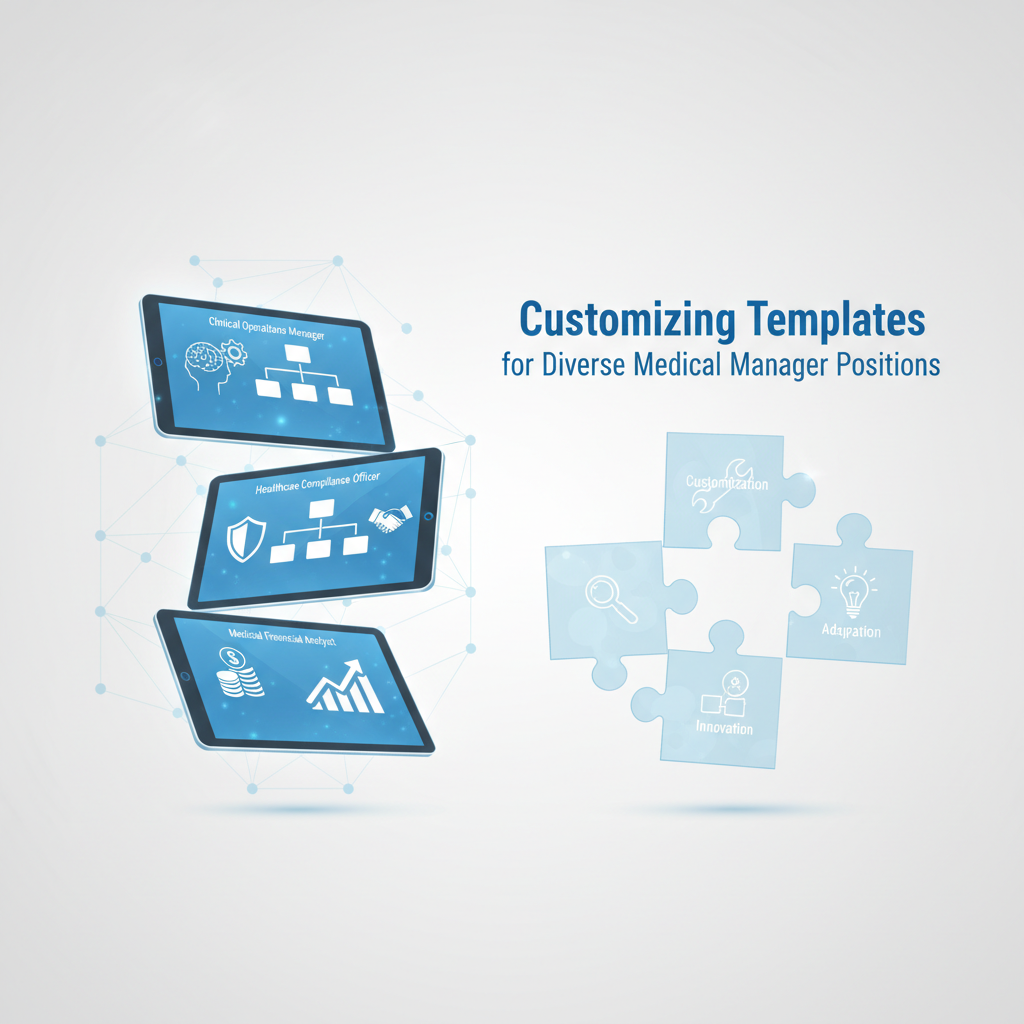
Understanding how to adapt generic templates to fit specialized managerial roles, from clinic administrators to department heads, across various medical disciplines in Malaysia, is crucial for effective recruitment and talent management. In Malaysia’s dynamic healthcare landscape, the nuances of each managerial position demand more than a one-size-fits-all approach. Effective Job Description Templates for Manager Levels in medicine field in malaysia are not just administrative tools; they are strategic documents that attract the right talent, set clear expectations, and define career pathways. Tailoring these templates involves a deep dive into the specific operational, clinical, and leadership demands of each role, ensuring that the job descriptions accurately reflect the scope, responsibilities, and required competencies. This customization is vital for positions ranging from clinic operations managers and nursing supervisors to medical directors and hospital administrators, each requiring a distinct set of skills and experiences.
-
Clinic Manager vs. Department Head: Differentiating Roles
While both clinic managers and department heads hold critical supervisory roles within medical facilities, their responsibilities and strategic focus often differ significantly. A clinic manager job description typically focuses on the day-to-day operational efficiency of a single clinic or a small group of clinics. This includes patient flow management, staff scheduling, inventory control, billing procedures, and ensuring compliance with local health regulations. Their scope is usually localized, emphasizing excellent patient experience and smooth clinical operations. Key performance indicators might revolve around patient satisfaction, appointment efficiency, and revenue generation for their specific clinic.
Conversely, a department head, such as the Head of Cardiology or Head of Nursing, often oversees a larger, specialized medical department within a hospital or a multi-disciplinary medical center. Their role encompasses broader strategic planning, budget management for the entire department, quality assurance programs specific to their medical discipline, and fostering inter-departmental collaboration. They are responsible for the clinical outcomes and professional development of a larger team of medical professionals, including doctors, nurses, and allied health staff. Their job description templates must articulate a higher level of clinical expertise, strategic leadership, and potentially research and training responsibilities. Differentiating these roles accurately in their respective Job Description Templates for Manager Levels in medicine field in malaysia is paramount to attracting candidates with the right blend of operational prowess and strategic foresight.
-
Specialized Skills for Clinical Operations Managers
Clinical Operations Managers are the backbone of efficient healthcare delivery. Their job descriptions must explicitly detail the specialized skills required to navigate the complex environment of medical operations. Beyond general management capabilities, these managers need a deep understanding of healthcare regulations specific to Malaysia, such as those governed by the Ministry of Health, and clinical governance frameworks. Proficiency in healthcare information systems (HIS) and electronic medical records (EMR) is often non-negotiable, as is experience with patient scheduling software and medical coding. Analytical skills are crucial for data interpretation, process improvement, and identifying bottlenecks in patient care pathways.
Furthermore, a strong grasp of supply chain management for medical consumables, equipment maintenance protocols, and risk management strategies are vital. They must demonstrate excellent problem-solving abilities, particularly when dealing with operational disruptions or patient care issues. Communication skills are paramount for liaising with medical staff, administrative teams, patients, and external vendors. When crafting Job Description Templates for Manager Levels in medicine field in malaysia for this role, emphasize experience in Lean Six Sigma or similar process improvement methodologies within a healthcare context. The ability to manage budgets, optimize resource allocation, and implement quality improvement initiatives directly impacts a facility’s efficiency and patient safety.
-
Leadership Qualities for Medical Directors
The Medical Director position represents the pinnacle of clinical leadership within a hospital or healthcare system. Their job description templates must highlight a robust combination of extensive clinical experience, strategic vision, and exceptional leadership qualities. Beyond holding relevant medical qualifications and often specialist board certifications, a Medical Director must possess proven leadership capabilities in a complex healthcare environment. This includes the ability to inspire and motivate a diverse team of medical professionals, foster a culture of excellence and continuous improvement, and make critical decisions that impact patient care, clinical research, and medical education.
Strategic thinking is essential, as Medical Directors are often instrumental in setting clinical policies, developing new service lines, and ensuring adherence to the highest standards of medical ethics and patient safety. They must be adept at conflict resolution, possess strong negotiation skills, and be capable of representing the organization to external stakeholders, regulatory bodies, and the wider medical community. For an authoritative source on the importance of leadership in healthcare, the American College of Healthcare Executives (ACHE) provides valuable insights into the competencies required for senior medical leadership roles. See their resources on healthcare leadership development. While ACHE is US-based, its principles for leadership are widely applicable globally, including in Malaysia, reflecting universal best practices for medical directors. The job description should also detail experience in clinical governance, quality assurance, and a track record of implementing successful healthcare initiatives.
Crafting effective job descriptions (JDs) for medical manager roles in Malaysia is not merely an administrative task; it’s a strategic imperative for attracting top talent, ensuring compliance, and fostering organizational success. In Malaysia’s dynamic healthcare landscape, where regulations evolve and the demand for skilled Job Description Templates for Manager Levels in medicine field in malaysia is constant, well-articulated JDs are crucial. They serve as the foundation for successful talent acquisition, setting clear expectations for medical managers and guiding their professional development. Conversely, poorly written JDs can lead to misaligned hires, high turnover, and compliance issues. This section explores best practices and common pitfalls to help organizations develop robust JDs that resonate with qualified candidates and uphold industry standards.
1. Using Action Verbs and Measurable Outcomes
An impactful job description goes beyond listing responsibilities; it paints a vivid picture of the role’s contribution and expected achievements. The strategic use of action verbs empowers candidates to visualize themselves performing the duties, while measurable outcomes provide clear performance metrics for success. For manager levels in the medicine field in Malaysia, this means moving beyond passive language like “responsible for” to active verbs such as “leads,” “develops,” “implements,” “oversees,” and “coordinates.”
For instance, instead of “Responsible for managing a team,” consider “Leads and mentors a team of healthcare professionals to achieve departmental goals.” Similarly, specify measurable outcomes. Rather than “Improve patient satisfaction,” articulate “Achieve a minimum of 90% patient satisfaction score through continuous service improvement initiatives.” For financial oversight, instead of “Manage departmental budget,” state “Oversee and optimize departmental budget, aiming for a 5% reduction in operational costs year-on-year without compromising service quality.” Including these specifics not only attracts candidates who are driven by impact but also sets clear benchmarks for performance appraisals, ensuring that new medical managers understand exactly what success looks like in their healthcare roles. These details are critical for effective recruitment and talent matching in competitive fields.
2. Avoiding Discriminatory Language and Bias
In Malaysia, as with many global economies, fostering an inclusive workplace is paramount, not just ethically but legally. Malaysian labor laws, while evolving, emphasize fair employment practices. Therefore, Job Description Templates for Manager Levels in medicine field in malaysia must be meticulously crafted to avoid any language that could be perceived as discriminatory or biased. Common pitfalls include specifying age ranges, gender preferences, marital status, religion, race, or even subtly hinting at physical attributes unrelated to job performance.
The focus must consistently remain on skills, experience, qualifications, and competencies. Instead of stating “young, energetic manager,” opt for “dynamic and proactive leader with proven experience.” Avoid gender-specific pronouns like “he” or “she” by using neutral language such as “the candidate” or “the successful applicant.” While certain physical requirements might be justifiable for specific roles (e.g., ability to lift a certain weight for physically demanding positions), these must be genuinely job-related and clearly articulated without implying bias. Regular training and awareness programs for HR personnel and hiring managers on inclusive hiring practices and non-discriminatory language are essential. Adhering to these HR best practices ensures compliance with legal frameworks and helps organizations attract a diverse pool of talent, enhancing the candidate experience and reinforcing a commitment to equality.
3. Regularly Reviewing and Updating Job Descriptions
The Malaysian healthcare sector is characterized by rapid advancements, policy shifts, and evolving patient needs. Consequently, Job Description Templates for Manager Levels in medicine field in malaysia cannot remain static. A JD that was effective five years ago may be obsolete today. Regular review and updating are critical to ensure that JDs accurately reflect the current demands of healthcare roles and the strategic direction of the organization.
Best practice dictates a comprehensive review at least annually, or whenever there are significant organizational changes, technology upgrades, or shifts in the regulatory environment. This process should involve collaboration between HR, the hiring manager, and potentially existing incumbents in similar roles to gather practical insights. Key areas for review include responsibilities, required skills, necessary qualifications, reporting lines, and performance metrics. An updated JD ensures that the organization remains competitive in attracting top talent, provides accurate information for career growth paths, and aids in maintaining compliance with labor laws and industry standards. Failing to update JDs can lead to discrepancies, confusion, and hinder effective talent acquisition efforts, ultimately impacting the organization’s ability to achieve its strategic objectives within the Malaysian medical field.
Leveraging Technology for JD Creation and Recruitment in Malaysia
Discover tools and platforms that can streamline the job description creation process and enhance recruitment efforts for medical manager roles in Malaysia.
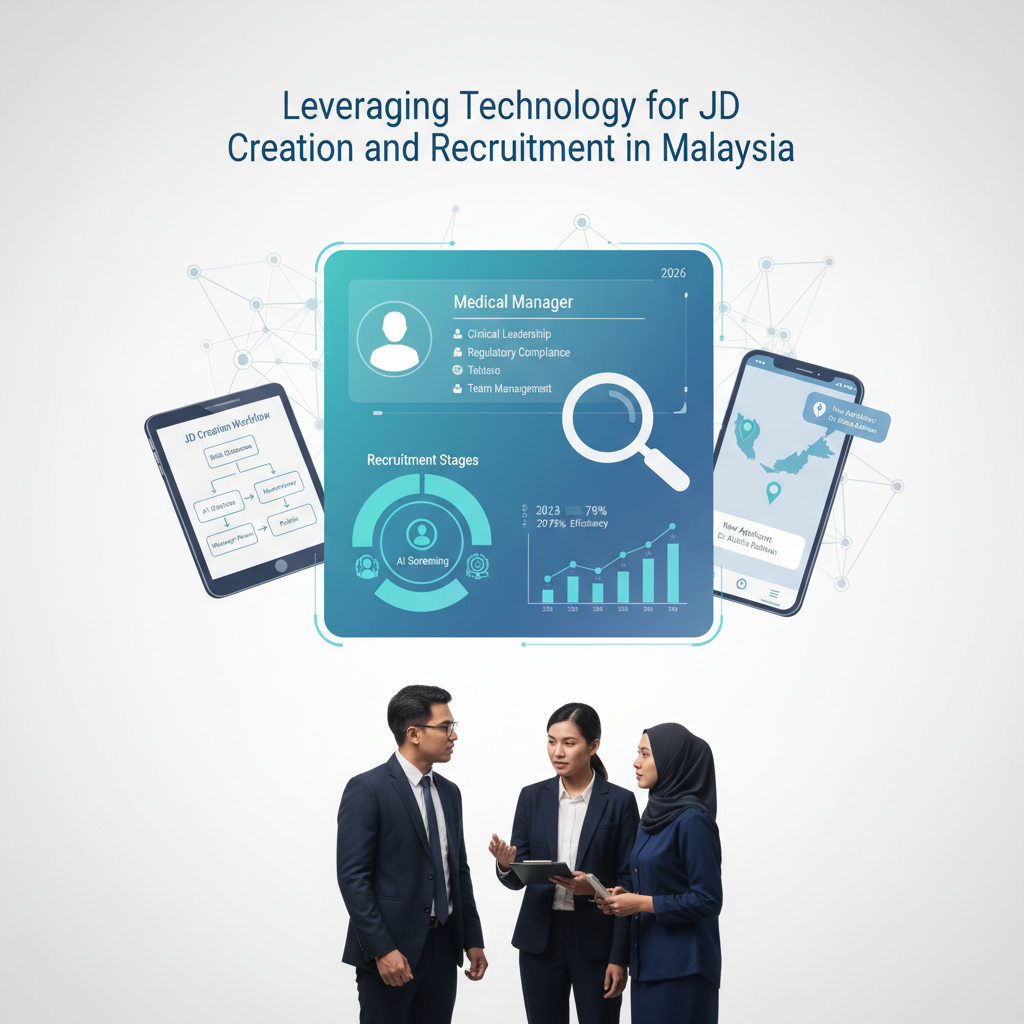
In Malaysia’s rapidly evolving healthcare landscape, attracting and retaining top-tier talent for managerial positions within the medical field presents unique challenges. From navigating regulatory complexities to identifying candidates with specialized skills, the traditional approaches to job description (JD) creation and recruitment can be time-consuming and inefficient. Fortunately, embracing technological advancements offers a powerful solution, enabling organizations to streamline their processes and secure the best candidates for critical roles, including those requiring robust Job Description Templates for Manager Levels in medicine field in malaysia.
1. Utilizing ATS (Applicant Tracking Systems) for Efficiency
Applicant Tracking Systems (ATS) have become indispensable for modern recruitment, especially in sectors like healthcare that often deal with a high volume of specialized applications. For medical manager recruitment in Malaysia, an ATS can significantly improve efficiency by automating key stages of the hiring funnel. These digital tools streamline the process from initial application submission to candidate screening and interview scheduling. By centralizing applicant data, an ATS helps recruiters manage diverse applications for medical manager roles more effectively, ensuring no suitable candidate is overlooked.
Implementing an ATS is a crucial component of effective medical recruitment strategies Malaysia. It allows for advanced filtering and keyword matching, identifying candidates whose resumes align closely with the requirements outlined in specialized healthcare manager job descriptions Malaysia. This not only speeds up the initial review process but also enhances the overall candidate experience Malaysia by providing clear communication and status updates. For hospitals and clinics, investing in applicant tracking systems for hospitals translates into a more organized, compliant, and ultimately more successful talent acquisition in Malaysian medical sector.
2. AI-Powered JD Generators and Optimization Tools
Creating comprehensive and effective job descriptions for manager levels in the medical field demands precision, clarity, and compliance with local labor laws. AI-powered JD generators and optimization tools are revolutionizing this process. These sophisticated platforms can analyze industry trends, prevailing market salaries, and specific role requirements to generate tailored job descriptions. They assist in crafting clear, concise, and attractive content that resonates with potential candidates in the Malaysian medical sector.
Furthermore, AI tools are excellent for optimizing job postings for medical roles by suggesting relevant keywords that enhance visibility on various job boards and professional networks. This ensures that the healthcare manager job descriptions Malaysia reach the right audience, improving the quality and quantity of applications. For organizations aiming for best practices for medical JD writing, these tools also help ensure compliance in medical job advertising Malaysia, avoiding potential legal pitfalls by adhering to fair hiring guidelines and local regulations. By leveraging these digital tools for HR in healthcare, companies can develop highly optimized and compelling job descriptions that accurately reflect the nuances of managerial positions in medicine.
3. The Impact of Telemedicine on Managerial Role Descriptions
The global shift towards telemedicine, significantly accelerated in recent years, has profoundly impacted the operational models and, consequently, the managerial roles within healthcare. For medical managers in Malaysia, this means their responsibilities now often extend to overseeing digital health platforms, managing remote teams, and ensuring the seamless delivery of virtual care services. As such, job descriptions for these roles must evolve to reflect these new competencies and expectations.
Evolving roles in Malaysian healthcare necessitate a re-evaluation of required skills. Managerial JDs must now emphasize digital literacy, experience with telehealth management requirements, and the ability to lead and motivate teams remotely. Skills in data analytics for patient outcomes, cybersecurity protocols for patient data, and understanding regulatory frameworks for virtual care are becoming increasingly vital. Technology plays a crucial role not only in delivering telemedicine but also in helping HR departments adapt by providing frameworks and insights into these changing requirements. Organizations must update their JDs to clearly articulate the need for competencies such as digital health transformation, remote patient management skills, and agile project management in a virtual environment. This forward-thinking approach ensures that candidates are fully aware of the multifaceted nature of modern medical management.
In conclusion, the strategic integration of technology into JD creation and recruitment processes is no longer optional but a necessity for healthcare organizations in Malaysia. From enhancing efficiency with ATS and optimizing content with AI to adapting to the transformative impact of telemedicine on job roles, technology empowers recruiters to navigate the complexities of the medical talent market more effectively. Embracing these tools ensures that healthcare providers can attract, assess, and onboard the exceptional medical managers required to drive success in Malaysia’s dynamic healthcare future.
Partner with Shelby Global
You are looking for reliable HR Sevice Suppliers? Contact Shelby Global Now! To connect with verified talents and upgrade your orginization.
—————————————
References
– Ministry of Human Resources Malaysia: https://www.mohr.gov.my/
– How to Write a Job Description – SHRM: https://www.shrm.org/resources-and-tools/tools-and-samples/how-to-guide/how-to-write-a-job-description/
– American College of Healthcare Executives (ACHE) resources on healthcare leadership development: https://www.ache.org/career-resource-center/competencies
– How to Write Inclusive Job Descriptions: https://www.shrm.org/resources-and-tools/hr-topics/talent-acquisition/pages/how-to-write-inclusive-job-descriptions.aspx
– World Health Organization – Digital Health and Innovation: https://www.who.int/teams/digital-health-and-innovation