Foundations of Employment Law in Malaysian Entertainment
This section covers the basic legal framework governing employment in Malaysia and how its provisions specifically apply to the dynamic entertainment sector, from film sets to concert venues.
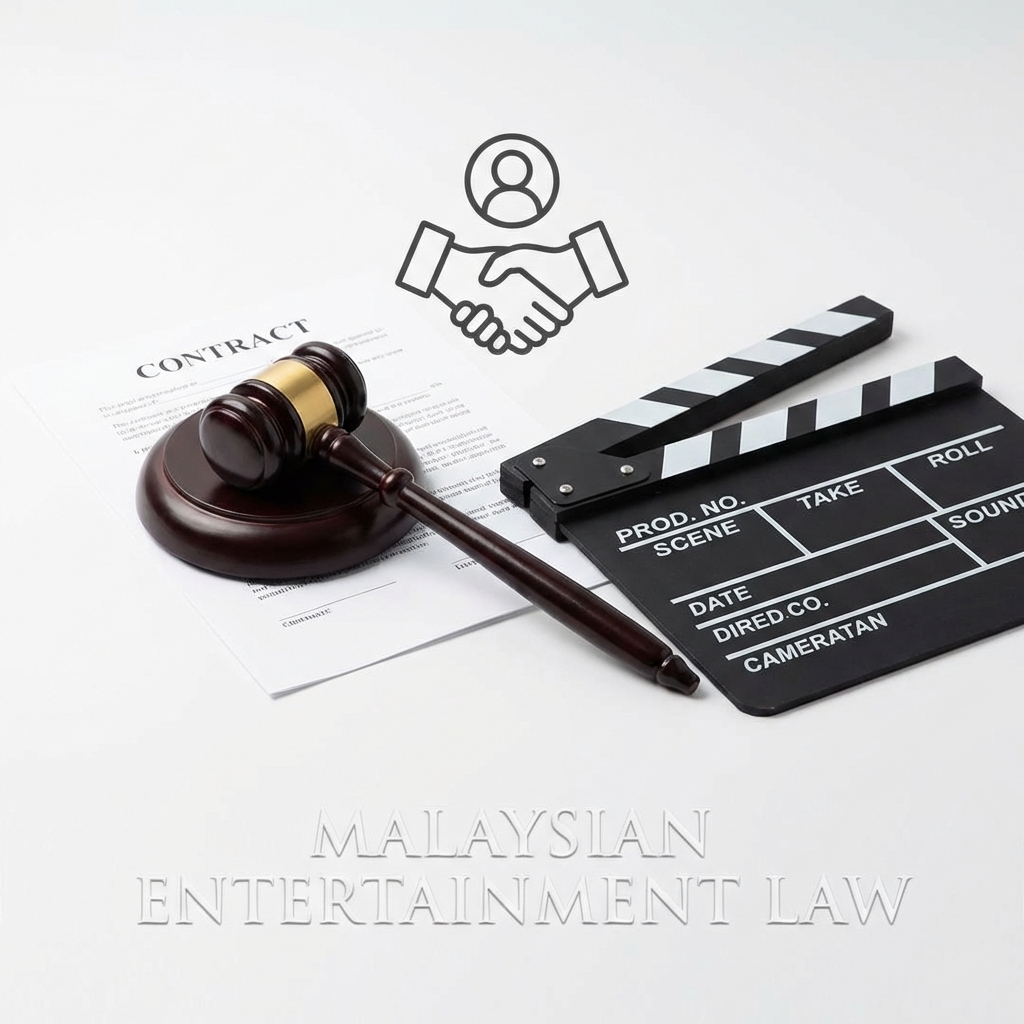
The Malaysian entertainment industry, a vibrant and rapidly expanding sector encompassing film, television, music, theatre, and live events, operates within a complex web of legal regulations. Understanding the Legal HR terms & conditions for Entertainment field in malaysia is crucial for producers, artists, crew members, and talent agencies alike. While the industry thrives on creativity and flexibility, it is fundamentally governed by the nation’s core labour laws, primarily the Employment Act 1955, alongside other relevant statutes and common law principles. This section delves into the foundational legal framework, highlighting its specific applications and challenges within the dynamic entertainment landscape, ensuring compliance and fair practices across film sets, concert venues, and production studios.
1. Employment Act 1955: Key Provisions & Updates
The cornerstone of Malaysian employment law is the Employment Act 1955 (EA 1955). Initially enacted to protect manual labourers and lower-wage workers, its scope has significantly expanded over the years to cover virtually all employees regardless of their wages, following amendments that took effect on 1 January 2023. These updates are particularly relevant to the entertainment sector. Key provisions include regulations on working hours (up to 45 hours per week), rest days, annual leave, public holidays, sick leave, maternity protection (98 days), paternity leave (7 days), and termination benefits. For the entertainment industry, understanding these statutory entitlements is vital for drafting contracts, especially for production crew, administrative staff, and full-time technical personnel who clearly fall under the “employee” classification. The recent amendments also introduced new provisions like flexible working arrangements, the presumption of employment in certain circumstances, and enhanced protection against discrimination and forced labour, which are pertinent when dealing with diverse talent pools and transient project-based work. Staying abreast of these updates is paramount for ensuring legal HR terms & conditions in Malaysian entertainment are compliant and equitable. For a comprehensive overview of the Act, refer to the Malaysian Department of Labour’s resources.
2. Independent Contractors vs. Employees: Classification Challenges in Entertainment
One of the most persistent legal conundrums in the entertainment sector globally, and certainly in Malaysia, revolves around the classification of talent and crew. Is an actor on a film set an employee or an independent contractor? What about a session musician, a freelance lighting technician, or a choreographer hired for a single production? The distinction is critical because employees are entitled to the full protections and benefits under the EA 1955, including statutory leave, social security contributions (EPF, SOCSO), and protection against unfair dismissal. Independent contractors, conversely, operate under a contract for services, not a contract of service, and are typically not afforded these protections.
Malaysian courts use a multi-factor test to determine employment status, often considering factors like control over work, integration into the business, provision of tools, and the degree of financial risk. In the entertainment industry, where project-based work, short-term engagements, and unique skill sets are common, many professionals operate as freelancers. Misclassifying an employee as an independent contractor can lead to significant legal liabilities, including claims for unpaid benefits, statutory contributions, and penalties. Production houses and event organisers must meticulously review their engagement agreements to ensure they accurately reflect the true nature of the working relationship, especially concerning contractual terms and conditions for artists and crew. Clear documentation and understanding of the working relationship are key to mitigating legal risks associated with Legal HR terms & conditions for Entertainment field in malaysia.
3. Navigating Union Agreements and Collective Bargaining in the Arts
While trade unionism in Malaysia’s private sector has traditionally been less prevalent compared to some Western nations, its presence in specific industries, including parts of the entertainment sector, is noteworthy. Trade unions in the arts and entertainment, though perhaps smaller, play a crucial role in advocating for their members’ rights, negotiating better working conditions, and establishing industry standards. Examples might include associations for musicians, actors, or technical crew members.
Where recognised unions exist, employers are often bound by collective bargaining agreements (CBAs) which supplement and often enhance the provisions of the Employment Act 1955. These agreements can dictate minimum wages for specific roles, working hours, overtime rates, allowances, and dispute resolution mechanisms. Navigating these agreements requires a deep understanding of industrial relations law and a willingness to engage in good-faith negotiations. For producers and employers, understanding the landscape of unionisation within their specific niche of the Malaysian entertainment industry is essential. Adherence to these collective agreements not only ensures legal compliance but also fosters positive labour relations, potentially preventing industrial disputes and ensuring smooth production processes. Establishing clear Legal HR terms & conditions for Entertainment field in malaysia often involves factoring in these industry-specific agreements.
The legal framework governing employment in the Malaysian entertainment sector is multifaceted, demanding careful consideration of statutory obligations, contractual nuances, and industry-specific practices. From the foundational Employment Act 1955 and its recent updates to the intricate classification of independent contractors versus employees, and the significance of union agreements, each aspect contributes to a robust yet challenging legal environment. Proactive compliance and a thorough understanding of these Legal HR terms & conditions for Entertainment field in malaysia are indispensable for fostering a sustainable, fair, and thriving entertainment industry that respects the rights of all its contributors. For further insights and specific guidance on these matters, you can explore resources on Legal HR terms & conditions for Entertainment field in malaysia.
Essential Contractual Agreements for Talent & Crew
Explore the various types of contracts crucial for the entertainment industry, ensuring all parties – from performers to production crew – have fair, legally binding, and compliant arrangements.
-
Artist Management Agreements & Talent Contracts Best Practices
In the vibrant entertainment landscape of Malaysia, robust Legal HR terms & conditions for Entertainment field in malaysia are paramount, especially when it comes to artist management and talent agreements. These contracts are the bedrock upon which careers are built, defining the scope of representation, remuneration, and crucial aspects like exclusivity. A well-drafted artist management agreement typically outlines the manager’s duties, the duration of the agreement, the commission structure (often a percentage of the artist’s earnings), and territories of operation. For talent contracts, whether for actors, musicians, or influencers, clarity on deliverables, performance fees, usage rights, and termination clauses is essential. Best practices dictate that these agreements must clearly delineate intellectual property ownership, especially for original works created during the contract period. Ensuring transparency and mutual understanding at this stage helps prevent future disputes, fostering a professional relationship between artists and their representatives. Consideration must also be given to specific entertainment contracts Malaysia legal nuances, ensuring compliance with local laws and industry standards, providing security for both parties involved in the dynamic Malaysian arts scene. These agreements are pivotal for career growth and financial stability in the competitive industry.
-
Crew & Technical Staff Employment Contracts: Key Clauses
Beyond the talent, the backbone of any successful production in Malaysia lies with its dedicated crew and technical staff. Their employment contracts demand meticulous attention to detail, ensuring compliance with Malaysian labour laws, particularly the Employment Act 1955. Key clauses in these production crew contracts typically cover job descriptions, working hours, remuneration (including overtime and allowances), leave entitlements, and health and safety protocols. Given the often project-based nature of the entertainment industry, clarity on fixed-term versus permanent employment, and the conditions for contract termination, is crucial. For roles involving specialized skills, such as cinematographers, sound engineers, or lighting technicians, confidentiality clauses and non-disclosure agreements are often incorporated to protect sensitive production information. These contracts must also address insurance provisions, particularly for roles involving inherent risks. Adherence to Malaysian employment law entertainment is not just a legal obligation but also a commitment to fair labour practices, ensuring that everyone, from the gaffer to the script supervisor, is protected and appropriately compensated. This holistic approach to talent agreements Malaysia extends to all personnel, establishing a stable and legally sound working environment for all.
-
Royalty, Licensing, and Intellectual Property Rights Clauses
In an industry driven by creativity, the protection and monetization of intellectual property in entertainment are paramount. Royalty and licensing agreements are fundamental for creators, producers, and distributors to derive income from their work. These clauses precisely define how copyrighted material – be it music, scripts, films, or artistic designs – can be used, reproduced, and distributed. Key elements include the scope of the license (e.g., specific territories, duration, media formats), the royalty rate (percentage of sales or fixed fees), payment schedules, and auditing rights to ensure accurate reporting. For creators, establishing clear ownership of intellectual property from the outset is vital, especially when collaborating or working under work-for-hire agreements. These clauses also address potential infringements and the remedies available. Navigating the complexities of royalty agreements Malaysia requires a deep understanding of the Copyright Act 1987 and other relevant IP legislation. Properly structured agreements safeguard artistic creations, enabling creators and rights holders to control their assets and maximize their commercial potential, thereby underpinning the financial viability and sustainability of the entertainment sector.
Wages, Working Hours, and Welfare in the Industry
The vibrant and dynamic Malaysian entertainment sector, encompassing everything from film and television production to live performances and digital content creation, presents unique challenges and opportunities regarding employment practices. For both employers and talent, a comprehensive understanding of legal HR terms & conditions for the Entertainment field in Malaysia is paramount. This section addresses critical aspects of compensation, permissible working conditions, and protective measures designed to safeguard individuals working within this field, ensuring compliance with the nation’s robust labor laws and promoting ethical practices across the board. Adhering to these regulations is crucial for fostering a fair and sustainable environment for all creative professionals in Malaysia.
Understanding the intricacies of Malaysian entertainment labor law is not merely a formality but a foundational element for a thriving industry, protecting the rights of performers, crew members, and administrative staff alike. Key areas of focus include equitable pay, manageable working hours, and robust safety protocols, all designed to uphold the dignity and well-being of individuals contributing to Malaysia’s cultural landscape.

1. Minimum Wage & Overtime Regulations for Entertainment Workers
Just like any other sector, the Malaysian entertainment industry is subject to the National Minimum Wage Order (NMWO), which stipulates a baseline salary for all employees regardless of their position or industry. Currently, the minimum wage applies to all workers, including those engaged in artistic, technical, or support roles within entertainment productions and venues. This ensures that even entry-level stagehands, junior production assistants, or new performers receive a fair starting wage, safeguarding against exploitation and upholding basic entertainment industry employment rights Malaysia. Employers must ensure that contractual agreements, particularly performer contracts Malaysia, clearly reflect compliance with these minimum wage requirements.
Beyond the basic wage, overtime regulations, as outlined in the Employment Act 1955, are equally vital. Entertainment projects often demand irregular and extended hours, particularly during intense filming schedules, rehearsals, or live events. Employees working beyond the statutory eight hours a day or 48 hours a week are entitled to overtime pay at prescribed rates, typically 1.5 times the hourly rate for normal workdays, 2 times for rest days, and 3 times for public holidays. It is critical for production houses and entertainment companies to accurately track working hours and compensate employees accordingly to avoid legal repercussions and ensure fair treatment for all.
2. Compliance with Working Hours & Rest Day Requirements
The demanding nature of the entertainment industry often blurs the lines of conventional work-life balance, making strict adherence to working hour and rest day regulations crucial for artist welfare Malaysia and overall employee well-being. The Employment Act 1955 generally limits working hours to eight hours a day and 48 hours a week, with specific provisions for spread-over periods and maximum hours allowed. While exceptions can be made for certain job types or industries, these must still operate within legal frameworks that prioritize employee health and safety. For instance, while a film shoot might extend for long periods, employers are obligated to provide adequate breaks, meal times, and ensure that employees do not exceed maximum consecutive working hours.
Furthermore, requirements for rest days, annual leave, and public holidays are non-negotiable. Every employee is entitled to at least one rest day per week. Employers in the entertainment sector must meticulously plan schedules to incorporate these mandatory breaks, ensuring that performers, technical crew, and support staff receive sufficient rest to recover and perform optimally. Neglecting these basic employment regulations for creative professionals Malaysia can lead to burnout, decreased productivity, and legal disputes, ultimately harming the industry’s reputation and sustainability. Proper scheduling and respect for these entitlements are vital for maintaining a healthy and productive workforce.
3. Occupational Safety & Health (OSH) in Entertainment Venues and Productions
The Occupational Safety & Health Act (OSHA) 1994 mandates that employers take all reasonably practicable steps to ensure a safe working environment entertainment Malaysia. This is particularly significant in the entertainment industry, where diverse and often high-risk activities are common. From complex stage setups, intricate lighting rigs, and pyrotechnics to demanding physical performances, stunts, and the use of heavy equipment on sets, the potential for accidents is considerable. Employers, production companies, and venue operators bear the primary responsibility for conducting thorough risk assessments, implementing safety protocols, and providing appropriate training and personal protective equipment (PPE) to all workers.
Specific OSH considerations include ensuring the structural integrity of temporary sets and stages, safe operation of audiovisual equipment, emergency preparedness plans for crowded venues, and managing electrical hazards. For roles involving physically demanding tasks or stunts, stringent safety checks and qualified supervisors are indispensable. Beyond physical safety, the OSH Act also implicitly covers psychological well-being, requiring employers to mitigate risks such as excessive stress, harassment, and bullying that can be prevalent in high-pressure creative environments. Regular safety audits, clear communication channels for reporting hazards, and a proactive approach to OSH are critical for protecting the lives and health of all individuals involved in Malaysian entertainment productions.
Special Considerations for Performers & Minors
The dynamic and often high-stakes environment of the entertainment industry necessitates a robust framework of legal and HR considerations, particularly when dealing with vulnerable groups. Ensuring ethical practices and compliance with Legal HR terms & conditions for Entertainment field in malaysia is paramount, especially when engaging child performers and foreign talent. These groups require specific legal protections and unique administrative requirements that go beyond standard employment contracts, encompassing everything from work permits to educational welfare and stringent confidentiality protocols. Overlooking these nuances can lead to severe penalties, reputational damage, and ethical breaches, making a comprehensive understanding essential for all stakeholders in the Malaysian entertainment sector.
-
Child Performers: Permits, Guardianship, and Educational Welfare
Engaging child performers, defined under Malaysian law as individuals under 18 years of age, involves a stringent set of child performance regulations. The primary legislation governing the employment of children, including in the entertainment sector, is the Children and Young Persons (Employment) Act 1966. This Act sets clear limitations on working hours, types of work, and provides for the welfare of young workers. For children involved in performing arts, specific permits are often required from relevant government bodies, ensuring that the work does not interfere with their education or health. Productions must obtain parental or legal guardian consent, and a responsible adult must always be present on set to supervise the minor. This adult is typically a parent, legal guardian, or an appointed tutor, whose role extends to safeguarding the child’s well-being and enforcing set rules.
Beyond permits and guardianship, the educational welfare of child performers is a critical concern. Productions must make reasonable accommodations to ensure children continue their schooling, either through on-set tutors, flexible scheduling, or approved homeschooling arrangements. The environment must be safe, free from exploitation, and conducive to the child’s physical and psychological development. Detailed talent contracts Malaysia for child performers must explicitly outline working hours, remuneration, rest periods, and provisions for education and supervision, ensuring full compliance with entertainment industry labor law. This diligent approach not only meets legal obligations but also upholds the industry’s ethical responsibilities towards its youngest talents.
-
Foreign Talent: Work Permits, Immigration Compliance, and Quotas
Malaysia’s vibrant entertainment scene frequently attracts international artists and production crew, necessitating a clear understanding of regulations pertaining to foreign talent. The engagement of non-Malaysian performers or crew members is governed by strict immigration laws and labor policies. The primary requirement for foreign talent is obtaining the appropriate work permit or professional visit pass, often facilitated through the Malaysian Immigration Department and sometimes involving agencies like MyCreative Ventures for certain creative sectors. Employers must meticulously prepare documentation, including valid passports, educational qualifications, professional portfolios, and detailed engagement contracts, to justify the need for foreign expertise. These processes are designed to protect local job markets while allowing access to specialized global talent.
Crucially, productions must navigate specific quotas and policies that prioritize local talent development. While there are provisions for bringing in foreign specialists, the government often encourages the transfer of skills to Malaysian professionals. Understanding the nuances of foreign artist visas and the application processes is vital to prevent delays or legal complications. Compliance extends beyond initial permit acquisition to include regular renewals, adherence to visa conditions, and ensuring that foreign talent’s employment terms align with Malaysian labor standards, including minimum wage requirements and workplace safety. This intricate process underscores the importance of robust HR diligence when integrating international professionals into the local entertainment landscape. A failure to comply can lead to hefty fines, deportation, and blacklisting for future engagements, making adherence to Legal HR terms & conditions for Entertainment field in malaysia non-negotiable for all employers. For comprehensive guidance on employment regulations in Malaysia, consult official sources.
-
Confidentiality and Non-Disclosure Agreements (NDAs) for Sensitive Content
The entertainment industry thrives on creativity, often involving highly sensitive and proprietary information, from unreleased scripts and plot details to casting decisions, marketing strategies, and personal details of high-profile individuals. Therefore, NDA entertainment sector agreements are indispensable tools for protecting intellectual property and maintaining secrecy. These legally binding contracts are crucial not only for performers but also for crew members, production staff, and even third-party vendors who may gain access to confidential information during a project. The scope of an NDA typically covers a broad range of information, explicitly defining what constitutes confidential material and outlining the obligations of the signing parties to keep such information private.
Given the prevalence of social media and rapid information dissemination, NDAs are more vital than ever in preventing leaks that could jeopardize a production’s success or damage an individual’s reputation. For performers, especially those involved in high-profile or sensitive projects, NDAs often extend to personal conduct clauses, restricting discussions about the project even with close contacts. Breaches of these agreements can lead to severe legal consequences, including injunctions, significant financial penalties, and demands for damages. It’s imperative that all parties understand the terms and implications of the NDA before signing. Comprehensive talent contracts Malaysia should always incorporate robust confidentiality clauses, safeguarding the interests of both the production and the individuals involved, reinforcing the overall performer welfare and stability within the creative ecosystem. For further insights into legal HR frameworks in the entertainment industry, explore resources on Legal HR terms & conditions for Entertainment field in malaysia.
Dispute Resolution and Compliance Best Practices
Gain insights into effective strategies for handling conflicts, resolving disputes, and maintaining robust legal compliance within the HR practices of the Malaysian entertainment industry. The dynamic and often high-profile nature of the entertainment sector in Malaysia presents unique challenges for human resource management. Navigating talent contracts, project-based employment, and public scrutiny requires a meticulous approach to Legal HR terms & conditions for Entertainment field in malaysia. Ensuring fair treatment, fostering a safe working environment, and adhering to the latest labor legislation are not just good practices; they are essential for mitigating risks, protecting reputations, and maintaining a thriving industry.
1. Handling Grievances, Harassment Claims, and Workplace Discrimination
In an industry often characterized by intense pressure, diverse personalities, and unconventional working hours, clear and accessible mechanisms for workplace dispute resolution Malaysia are paramount. Entertainment companies must establish robust protocols for addressing grievances promptly and impartially. This includes having a well-communicated policy for reporting issues, clear investigative procedures, and designated personnel trained in conflict resolution. Harassment claims, whether sexual, psychological, or based on power dynamics, demand immediate and sensitive action. Employers are legally obligated to provide a safe working environment, and failure to address such claims can lead to severe legal repercussions and irreparable reputational damage. Similarly, preventing workplace discrimination on grounds such as gender, race, religion, or disability is crucial. HR departments should regularly review their policies and provide training to all staff, from production assistants to executive producers, on acceptable conduct and employee grievance procedures. A transparent process ensures that all parties feel heard and that appropriate disciplinary actions are taken where necessary, fostering an environment of trust and respect, vital for the creative process.
2. Termination of Employment: Legal Procedures and Severance
The nature of entertainment often involves project-based work, temporary contracts, and fluctuating demand, making employment termination a frequent occurrence. However, even in such environments, adherence to Malaysian labor law entertainment is non-negotiable. Employers must understand the distinctions between fixed-term contracts, contracts for service, and permanent employment regarding termination clauses. Unlawful termination can result in significant penalties, including claims for unfair dismissal Malaysia under the Industrial Relations Act 1967. Key considerations include providing adequate notice periods, ensuring valid grounds for dismissal (e.g., misconduct, poor performance after due process, redundancy), and calculating appropriate severance pay or benefits as stipulated by the Employment Act 1955 and relevant contractual agreements. For roles that are often short-term or project-specific, clarity in initial contracts about the duration and conditions of employment is vital. HR professionals in this sector must possess a thorough understanding of these legal nuances to execute terminations fairly and lawfully, thereby protecting both the employee’s rights and the company’s legal standing.

3. Staying Compliant: Regular HR Audits and Legal Updates for 2026
The landscape of labor law is constantly evolving, and the Malaysian entertainment industry is not exempt from these changes. Maintaining robust entertainment industry HR compliance requires a proactive and continuous effort. Regular HR audits are an invaluable tool for identifying potential non-compliance issues before they escalate into disputes or legal challenges. These audits should cover all aspects of HR, from recruitment and contract management to payroll, leave entitlements, and disciplinary processes, ensuring alignment with the Employment Act 1955 (as amended), Industrial Relations Act 1967, and other relevant subsidiary legislations. Furthermore, staying abreast of legal updates for 2026 and beyond is critical. This includes changes related to minimum wage, working hours, flexible work arrangements, and amendments to anti-discrimination laws. Investing in ongoing professional development for HR staff and legal counsel is a HR best practices entertainment companies should adopt. Establishing strong internal policies, providing regular training, and implementing robust record-keeping systems are foundational to building a resilient and legally sound HR framework. By embracing these best practices, entertainment companies in Malaysia can minimize legal risks, enhance their reputation, and create a positive and productive environment for all their talent and staff.
Partner with Shelby Global
You are looking for reliable HR Sevice Suppliers? Contact Shelby Global Now! To connect with verified talents and upgrade your orginization.
—————————————
References
– Malaysian Department of Labour’s resources: https://www.mohr.gov.my/index.php/en/labour-laws-and-regulations
– Ministry of Human Resources Malaysia: https://www.mohr.gov.my/index.php/en/
– :
– Malaysian Ministry of Human Resources: https://www.mohr.gov.my/index.php/en/
– Ministry of Human Resources Malaysia: https://www.mohr.gov.my/