Decoding Malaysia’s Ecommerce Landscape Today
Malaysia’s e-commerce landscape is a vibrant and rapidly evolving ecosystem, propelled by increasing digital literacy, robust internet penetration, and a tech-savvy consumer base. This section provides a snapshot of the current state of the Malaysian e-commerce market, outlining its size, key segments, and recent performance metrics, offering insights critical for businesses aiming to thrive in this dynamic environment. Understanding the market demand trend report of Ecommerce field in malaysia is essential for strategic planning and capitalizing on emerging opportunities within the digital economy Malaysia.

1. Current Market Size and Growth Trajectory
The Malaysian e-commerce market has demonstrated remarkable resilience and growth, firmly establishing itself as a cornerstone of the nation’s digital economy. Propelled by the accelerating shift to online shopping, the market size continues its upward trajectory. Recent data indicates a substantial increase in Gross Merchandise Value (GMV), with projections pointing towards continued double-digit growth rates in the coming years. This surge in ecommerce market size Malaysia is largely attributed to improved logistics infrastructure, secure online payment gateways, and the enhanced convenience offered by e-commerce platforms. Analysts project the Malaysian e-commerce revenue to reach significant figures, underscoring its pivotal role in the region. For instance, Statista forecasts substantial annual growth for the Malaysian e-commerce market, driven by segments like fashion, electronics, and food & personal care. The sustained expansion reflects evolving consumer behavior, with a growing preference for digital channels for product discovery and purchasing. This robust ecommerce growth trajectory solidifies Malaysia’s position as a key player in Southeast Asia’s digital commerce arena, attracting both local and international investors.
2. Dominant Platforms and Key Players
The competitive landscape of Malaysian e-commerce is dominated by a few major players who have captured significant market share through aggressive marketing, extensive product offerings, and superior user experience. Shopee and Lazada remain the undisputed giants, consistently leading in terms of traffic, transactions, and brand recognition. These top ecommerce platforms Malaysia offer a vast array of products, from electronics and fashion to home goods and groceries, catering to diverse consumer needs. In recent years, the emergence of social commerce platforms like TikTok Shop has added a new dimension, leveraging influencer marketing and live stream shopping to engage younger demographics and drive impulse purchases. Local niche platforms also carve out segments, focusing on specific product categories or unique consumer experiences. The intense competition among these dominant ecommerce players Malaysia often translates into competitive pricing, frequent promotions, and innovative features, benefiting Malaysian online consumers. Furthermore, the push for cross-border e-commerce by these players has expanded options for shoppers, allowing them access to a wider global selection of goods, further fueling the market’s dynamism and influencing overall online retail trends Malaysia.
3. Consumer Demographics and Online Penetration
Malaysia boasts one of the highest internet penetration rates in Southeast Asia, with a significant majority of its population actively engaging in online activities, including e-commerce. The consumer demographic is relatively young, with a large proportion of millennials and Gen Z driving online purchasing habits. These segments are highly digitally literate, comfortable with mobile commerce Malaysia, and influenced by social media trends. Mobile devices are the primary mode of accessing e-commerce platforms, highlighting the importance of mobile-first strategies for retailers. Urban areas exhibit higher online shopping frequency, though rural penetration is steadily increasing thanks to improved connectivity and logistical networks. Factors such as convenience, variety, competitive pricing, and the availability of diverse payment options—including e-wallets and online banking—are key drivers for Malaysian online consumers. The growing trust in online transactions, coupled with robust consumer protection measures, further encourages digital adoption across various age groups. This broad online penetration and evolving consumer behavior underscore the immense potential and ongoing transformation within the Malaysian e-commerce sector, marking significant ecommerce user demographics shifts.
Key Drivers Shaping Consumer Demand in Malaysia
The Malaysian e-commerce landscape is undergoing a dynamic transformation, driven by a confluence of factors that are reshaping consumer demand and purchasing habits. This section explores the fundamental forces propelling this robust e-commerce growth in Malaysia, delving into evolving consumer preferences, the rapid pace of technological advancements, and the strengthening digital infrastructure. Understanding these underlying factors is crucial for businesses aiming to thrive within this competitive digital marketplace, providing insights into the market demand trend report of Ecommerce field in malaysia. From the increasing ease of online transactions to the desire for boundless product choices, these drivers collectively paint a picture of a nation rapidly embracing the digital economy.
-
Rising Digital Literacy and Smartphone Adoption
One of the primary catalysts for the burgeoning e-commerce growth Malaysia is the remarkable increase in digital literacy Malaysia and the widespread smartphone penetration Malaysia. With internet penetration Malaysia reaching approximately 96.8% in 2023, a vast majority of Malaysians are now connected, bridging the digital divide and enabling more individuals to participate in online shopping Malaysia. The omnipresence of smartphones has transformed these devices into personal shopping portals, making mobile commerce not just a trend but a dominant channel for transactions. This accessibility means that consumers across urban and rural areas can browse, compare, and purchase goods and services with unprecedented ease. As digital skills improve, so does consumer confidence in engaging with online platforms, further fueling the demand for digital retail solutions. This significant shift in consumer behavior Malaysia indicates a lasting preference for digital interaction and transaction.
-
Impact of Digital Payments and Fintech Innovation
The revolution in fintech adoption Malaysia has undeniably played a pivotal role in accelerating the digital transformation Malaysia of the retail sector. The proliferation of e-wallet usage Malaysia, alongside robust payment gateway Malaysia systems, has made online transactions seamless, secure, and incredibly convenient. Consumers are increasingly opting for cashless transactions, driven by the speed and security offered by various digital payment platforms. This move away from traditional payment methods has not only streamlined the checkout process but also fostered greater trust in online purchases. Innovations such as ‘Buy Now Pay Later’ schemes and integrated banking apps have further empowered consumers, offering flexible payment options that align with modern financial management. The convenience and security inherent in these advanced payment solutions directly contribute to the increasing comfort and willingness of Malaysians to engage in online commerce, directly impacting market trends ecommerce Malaysia.
-
Shifting Preferences for Convenience and Product Variety
Modern Malaysian consumers exhibit a clear shift in consumer preferences Malaysia, prioritizing convenience shopping and unparalleled product variety online. The fast-paced urban lifestyle, coupled with improved logistics and delivery services, has made the allure of doorstep delivery irresistible. The ability to shop 24/7, without the constraints of physical store hours or geographical limitations, offers a level of convenience that traditional retail struggles to match. Furthermore, the global nature of e-commerce platforms provides access to an almost infinite array of products, from niche international brands to locally handcrafted items, far exceeding what any single physical store can offer. This extensive selection allows consumers to find precisely what they are looking for, compare prices effortlessly, and discover new products, thus satisfying a deep-seated desire for choice and customization. This drive for variety and convenience is a significant factor in the sustained demand for online retail channels, shaping the overall e-commerce growth in Malaysia.
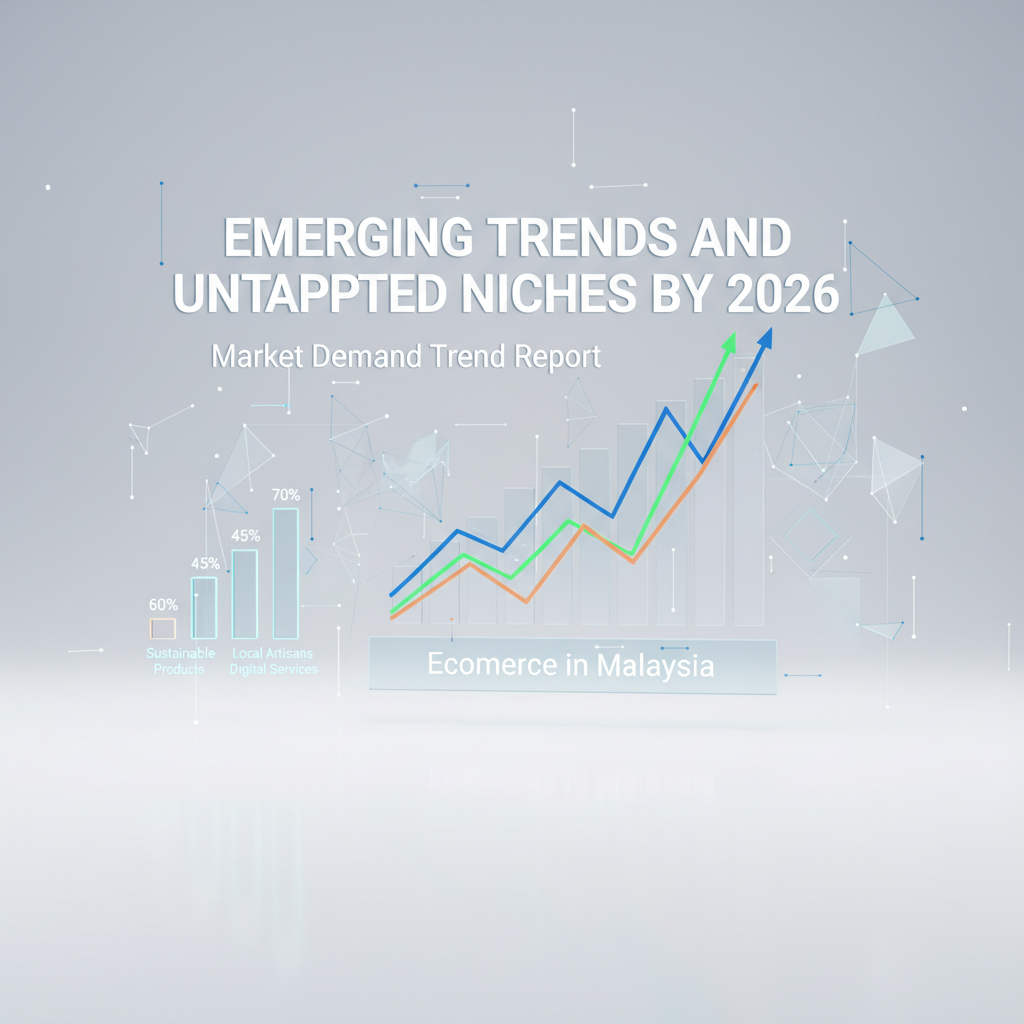
Emerging Trends and Untapped Niches by 2026
As the digital landscape evolves at an unprecedented pace, understanding the future trajectory of online retail is paramount for businesses aiming to thrive. This section offers a market demand trend report of Ecommerce field in Malaysia, identifying the next big waves, nascent technologies, burgeoning product categories, and transformative retail models poised to drive demand through 2026. The Malaysian e-commerce sector is dynamic, fueled by high internet penetration and a tech-savvy population, making it fertile ground for innovation and new market entrants.
1. Growth of Social Commerce and Live Shopping
Social commerce is rapidly transitioning from a nascent concept to a dominant force in the Malaysian e-commerce sphere. Platforms like TikTok Shop, Instagram, and Facebook are increasingly integrating direct shopping functionalities, blurring the lines between social interaction and retail. Live shopping, in particular, is witnessing exponential growth, driven by the authenticity and interactivity it offers. Malaysian consumers are drawn to real-time demonstrations, Q&A sessions with sellers, and exclusive flash deals available during live streams. Influencers and key opinion leaders (KOLs) play a pivotal role, leveraging their trusted relationships with followers to drive sales. Brands that successfully integrate engaging storytelling, interactive content, and seamless checkout processes within social media environments will capture significant market share. This trend is not just about selling products; it’s about building communities and fostering direct, personalized connections with customers, thereby enhancing brand loyalty and driving repeat purchases in the competitive Malaysian e-commerce market.
2. Potential for Cross-Border E-commerce Expansion
The Malaysian e-commerce market is ripe for significant expansion in cross-border trade, both inbound and outbound. With improved logistics, streamlined payment gateways, and regional free trade agreements, Malaysian businesses are increasingly looking beyond domestic borders to reach international consumers, particularly within Southeast Asia and beyond. Conversely, international brands are recognizing Malaysia’s growing consumer spending power and its strategic location as a gateway to the ASEAN market. Platforms facilitating easier international shipping, customs clearance, and multi-currency transactions will be crucial enablers. This trend presents immense opportunities for local SMEs to tap into a global customer base, offering unique Malaysian products and services. Simultaneously, it means increased competition from global players, pushing local businesses to innovate in product differentiation, customer service, and digital marketing strategies to remain competitive. The government’s initiatives to support digital transformation and export growth further bolster this potential, making cross-border e-commerce a critical component of future market demand in Malaysia.
3. Rise of Sustainable and Niche Product Marketplaces
A growing segment of Malaysian consumers, particularly the younger demographic, is becoming more conscious about environmental and social impact, leading to a surge in demand for sustainable and ethically sourced products. This shift in consumer values is paving the way for the emergence and growth of niche product marketplaces. These platforms cater to specific interests and values, ranging from organic food and eco-friendly fashion to handmade crafts, personalized goods, and specialty electronics. Consumers are actively seeking transparency in supply chains, locally produced items, and brands committed to responsible practices. Marketplaces focusing on these attributes, such as those promoting zero-waste living or supporting local artisans, are poised for significant growth. Furthermore, the demand for highly specialized products that are not readily available in mainstream retail is creating opportunities for hyper-focused online stores. Businesses that can identify and cater to these specific, often underserved, market segments with authentic, high-quality, and value-driven offerings will unlock new growth avenues and redefine retail models in the Malaysian e-commerce landscape. For a broader perspective on the evolving digital retail landscape in the region, refer to the Malaysian e-commerce market outlook.
Navigating Challenges and Seizing Opportunities
The burgeoning e-commerce landscape in Malaysia presents a dual scenario of immense growth potential coupled with significant operational hurdles. While the digital economy continues its aggressive expansion, driven by increasing internet penetration and smartphone adoption, businesses must adeptly navigate a complex web of logistics, intense competition, and the perennial need to build consumer trust. Success in this dynamic environment hinges not just on identifying market gaps, but on developing robust strategies informed by a comprehensive understanding of the current climate. A thorough examination, often gleaned from a market demand trend report of Ecommerce field in malaysia, is crucial for any enterprise aiming to thrive in this vibrant but challenging sector.
1. Logistics and Last-Mile Delivery Innovations
One of the most persistent challenges for e-commerce businesses in Malaysia is the intricate domain of logistics and last-mile delivery. The country’s geographical split between Peninsular and East Malaysia, coupled with varying infrastructure quality, traffic congestion in urban areas, and the high cost of reaching remote customers, often translates into delayed deliveries and increased operational expenses. Consumers, increasingly accustomed to instant gratification, demand faster, cheaper, and more reliable shipping options.
To overcome these hurdles, businesses are investing in innovative solutions. This includes leveraging advanced analytics and AI for route optimization, which can significantly reduce delivery times and fuel costs. Partnerships with local logistics providers, specializing in specific regions or types of delivery (e.g., cold chain for perishables), are also becoming vital. Furthermore, the development of robust warehouse networks, including micro-fulfillment centers closer to urban demand, and the implementation of automated sortation systems are streamlining the order fulfillment process. Exploring alternative delivery methods, such as parcel lockers and designated pick-up points, provides flexibility for consumers and reduces failed delivery attempts. The Malaysia Digital Economy Corporation (MDEC) continually highlights the importance of improving logistics infrastructure to support the nation’s digital growth, acknowledging the critical role of an efficient supply chain in overall e-commerce success. Understanding the logistics challenges highlighted in any market demand trend report of Ecommerce field in malaysia is paramount for strategic planning.
2. Building Consumer Trust and Data Security
In an online environment, the absence of physical interaction necessitates an even greater emphasis on building and maintaining consumer trust. Malaysian consumers, like their global counterparts, are increasingly wary of product authenticity, payment security, and the privacy of their personal data. Incidents of online fraud, misrepresented products, or poor customer service can quickly erode confidence and damage a brand’s reputation beyond repair.
Strategies to foster trust revolve around transparency and reliability. This includes providing clear, accurate product descriptions, high-resolution images, and, crucially, facilitating genuine customer reviews and ratings. Implementing robust and secure payment gateways that comply with international standards (e.g., PCI DSS) is non-negotiable. Furthermore, a strong commitment to data security, with clear privacy policies and adherence to regulations like Malaysia’s Personal Data Protection Act (PDPA), reassures customers that their sensitive information is safe. Excellent, responsive customer service, including clear return and refund policies, also plays a pivotal role in resolving issues promptly and maintaining positive relationships. Building this foundational trust is essential for long-term customer loyalty and positive word-of-mouth, which is invaluable in a competitive market. A recent Statista report underscores the growing revenue in Malaysian e-commerce, directly correlated with consumer confidence in secure transactions and reliable platforms.
3. Competitive Landscape and Differentiation Strategies
The Malaysian e-commerce market is characterized by intense competition, dominated by well-established regional giants like Shopee and Lazada, alongside a burgeoning number of niche local players. This crowded landscape often leads to price wars and makes it challenging for new entrants or smaller businesses to capture market share and achieve sustainable growth.
To stand out, businesses must identify and capitalize on unique differentiation strategies. This could involve specializing in specific niches such as ethically sourced products, halal-certified goods, or highly personalized items that cater to an underserved segment. Offering a superior customer experience, from intuitive website design and seamless navigation to personalized recommendations and post-purchase support, can create significant competitive advantage. Adopting an omnichannel approach, integrating online sales with physical retail presence, allows businesses to offer flexibility and cater to diverse consumer preferences. Effective digital marketing, including targeted SEO, engaging social media campaigns, and strategic influencer collaborations, is vital for brand visibility. Loyalty programs and exclusive offers can also foster repeat purchases and brand advocacy. Critically, businesses should consistently analyze insights from a market demand trend report of Ecommerce field in malaysia to pinpoint emerging trends, consumer preferences, and gaps in the existing market offerings to forge a distinct path to success.
Conclusion
Navigating the Malaysian e-commerce landscape requires a proactive, adaptable, and data-driven approach. While challenges in logistics, trust-building, and competition are significant, they also present fertile ground for innovation and strategic differentiation. By addressing these obstacles head-on with innovative solutions, transparent practices, and a keen eye on market trends, e-commerce businesses can not only overcome hurdles but also seize abundant opportunities, paving the way for sustainable growth and a commanding presence in Malaysia’s vibrant digital economy.
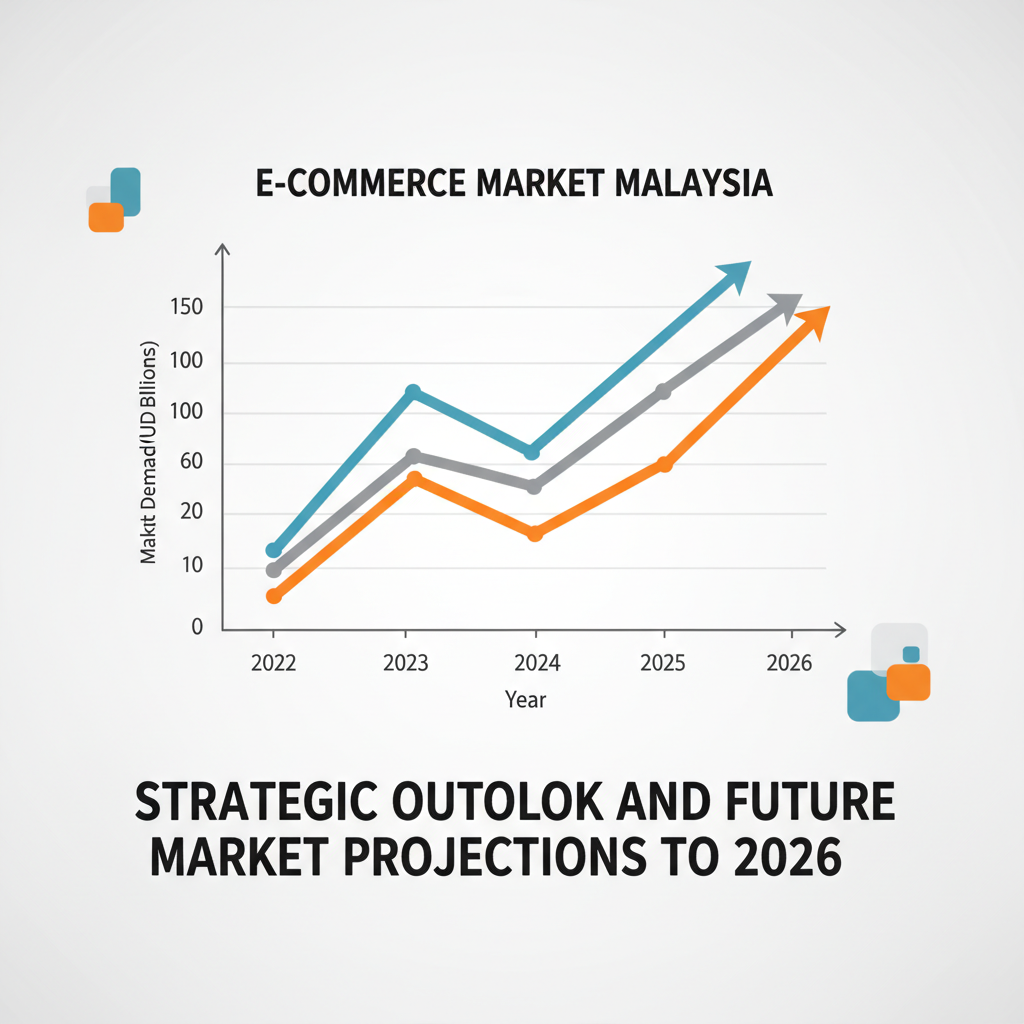
Strategic Outlook and Future Market Projections to 2026
Conclude with a forward-looking analysis, offering forecasts for the Malaysian e-commerce market and actionable recommendations for businesses aiming to thrive in the coming years.
1. Projected Market Growth and Investment Areas
The Malaysian e-commerce landscape is poised for sustained robust growth through 2026, driven by several key factors including increasing internet penetration, rising disposable incomes, and the continuous shift in consumer behavior towards online shopping. Analysts project significant expansion, with reports like the e-Conomy SEA 2023 report highlighting Southeast Asia’s digital economy resilience. The market will see a strong emphasis on `mobile commerce`, as smartphone penetration remains high and consumers increasingly prefer shopping via apps. Investment areas will primarily focus on enhancing logistical infrastructure to support faster delivery times, particularly in last-mile delivery, and developing advanced `digital payments` solutions to ensure secure and seamless transactions. Furthermore, the burgeoning `cross-border e-commerce` segment presents immense opportunities for businesses to tap into global markets and for international players to enter Malaysia. Niche markets, particularly those catering to specific interests or sustainable products, are also expected to witness accelerated growth, signaling a maturation of consumer preferences and the importance of `brand building` that resonates with specific demographics. Companies leveraging data analytics and AI for predictive purchasing patterns will gain a significant competitive edge.
2. Importance of Personalization and Customer Experience
In a crowded digital marketplace, the battle for consumer attention will increasingly be won through superior `customer experience` and hyper-personalization. Generic approaches will no longer suffice; businesses must invest in `data analytics` to understand individual customer preferences, browsing history, and purchasing patterns. Leveraging AI, e-commerce platforms can offer tailored product recommendations, personalized marketing messages, and dynamic pricing, thereby enhancing engagement and fostering `customer loyalty`. The rise of `social commerce` means integrating shopping directly within social media platforms, creating a more interactive and seamless path to purchase. Furthermore, an effective `omni-channel strategy` will be critical, allowing customers to move fluidly between online and offline touchpoints, such as browsing online and picking up in-store, or vice-versa. Ensuring intuitive user interfaces, swift customer service responses, and hassle-free return policies will be paramount. For businesses seeking to understand the broader trends influencing consumer behavior, a comprehensive market demand trend report of Ecommerce field in malaysia provides invaluable insights into evolving expectations and preferences.
3. Policy and Regulatory Influences on Future Growth
Government policies and regulatory frameworks will play a pivotal role in shaping the future trajectory of Malaysia’s e-commerce sector. Initiatives aimed at digital transformation, such as the Malaysia Digital Economy Blueprint (MyDIGITAL), are expected to foster a conducive environment for innovation and growth. Key areas of focus will include developing a robust `skilled workforce` to meet the demands of a digital economy, through education and training programs in areas like cybersecurity, data science, and digital marketing. `Infrastructure development`, particularly in expanding high-speed internet access to rural areas, will remain crucial to bridge the digital divide and unlock new market segments. Data privacy regulations, inspired by global benchmarks, will likely be strengthened, requiring businesses to adopt more transparent and secure data handling practices. Cross-border trade agreements and streamlined customs procedures will facilitate international e-commerce. Staying abreast of these changes and ensuring compliance will not only mitigate risks but also open new avenues for growth. Businesses that actively engage with policy developments and advocate for a supportive regulatory environment will be better positioned to capitalize on future opportunities and navigate potential challenges in the dynamic Malaysian e-commerce ecosystem.
Partner with Shelby Global
You are looking for reliable HR Sevice Suppliers? Contact Shelby Global Now! To connect with verified talents and upgrade your orginization.
—————————————
References
– Statista E-commerce Outlook Malaysia: https://www.statista.com/outlook/eservices/ecommerce/malaysia
– e-commerce growth in Malaysia: https://datareportal.com/reports/digital-2023-malaysia
– Statista E-commerce Market in Malaysia Report: https://www.statista.com/outlook/dmo/ecommerce/malaysia
– eCommerce – Malaysia | Statista Market Forecast: https://www.statista.com/forecasts/816962/ecommerce-revenue-in-malaysia
– e-Conomy SEA 2023 Report by Google, Temasek, Bain & Company: https://www.bain.com/insights/e-conomy-sea-2023/