Current Risk Landscape in Malaysian Education
Malaysia’s education sector, a critical pillar for national development, currently navigates a complex array of challenges that demand immediate and strategic attention. The ongoing global shifts, coupled with domestic socio-economic dynamics, have significantly reshaped the educational environment, introducing new vulnerabilities and exacerbating existing ones. Understanding the trend report of the risk of education field in Malaysia is crucial for policymakers, educators, and stakeholders alike to build resilience and foster sustainable growth. This overview delves into the immediate and pressing risks impacting the Malaysian education sector, specifically focusing on critical financial, societal, and health-related challenges that shape its future trajectory. Addressing these Malaysian education challenges requires a holistic and integrated approach to ensure equitable and quality learning experiences for all.

1. Economic Vulnerabilities & Funding Gaps
The financial stability of the Malaysian education system faces considerable strain, primarily due to global economic fluctuations and domestic budget reallocations. While education remains a high-priority sector, funding disparities continue to be a significant concern. Public institutions, particularly those in underserved rural areas, often grapple with inadequate resources for infrastructure development, technological upgrades, and teacher training. This creates an uneven playing field, where schools with better access to funding can offer superior facilities and pedagogical tools, widening the gap with those that cannot. Private education, while robust, often remains inaccessible to lower-income families, further entrenching educational inequity. The recent economic slowdowns have compounded these issues, leading to potential cuts in operational budgets, affecting everything from curriculum development to extracurricular activities. Furthermore, the reliance on government allocations means that the education sector is susceptible to economic downturns, impacting long-term planning and investment in critical areas. Addressing these post-pandemic education risks financially is paramount for maintaining the quality and accessibility of education across the nation. A comprehensive review of education financing models, perhaps drawing lessons from international benchmarks, could offer pathways to more sustainable and equitable funding mechanisms, ensuring that every student has a fair chance regardless of their socio-economic background. The World Bank has consistently highlighted the importance of robust education financing in developing nations (e.g., World Bank Report on Education Financing).
2. Digital Divide & Access Inequality
The rapid acceleration of digitalization in education, prompted largely by the pandemic, has brought to light the persistent digital divide across Malaysia. While urban centers often boast reliable internet access and digital devices, many rural and remote communities still struggle with limited connectivity and a lack of essential hardware. This disparity significantly impacts access to online learning platforms, digital resources, and opportunities for developing crucial technological literacy in education. Students from disadvantaged backgrounds are often left behind, unable to participate fully in hybrid or remote learning models. This online learning gap not only hinders academic progress but also exacerbates social inequalities, limiting future career prospects for a significant segment of the student population. Moreover, even where technology is available, the varying levels of digital proficiency among both students and educators present another layer of challenge. Comprehensive training programs for teachers and digital literacy initiatives for students are vital to bridge this gap. Ensuring educational equity Malaysia in the digital realm is not merely about providing devices, but about creating an ecosystem where everyone can leverage technology for effective learning. Without concerted efforts to provide equitable access and skills, the promise of digital education risks becoming another source of disadvantage for vulnerable communities.
3. Mental Health Crisis Among Students & Educators
A deeply concerning and increasingly prevalent risk is the escalating mental health crisis within the Malaysian education community. Years of academic pressure, societal expectations, and the lingering effects of the pandemic have taken a toll on both students and educators. High-stakes examinations, competitive environments, and the struggle to adapt to new learning modalities contribute to increased stress, anxiety, and depression among students. The absence of sufficient mental health support services within schools means that many students’ struggles go unnoticed or unaddressed, potentially leading to long-term psychological impacts. Furthermore, educators are not immune to these pressures. Teachers face immense workloads, the challenges of managing diverse classrooms, adapting to new curricula, and often, personal struggles. This leads to burnout, stress, and a decline in overall teacher mental health support, which in turn affects their ability to provide effective and empathetic instruction. Addressing student well-being Malaysia requires a multi-pronged approach, including integrating mental health literacy into the curriculum, providing accessible counseling services, and fostering a supportive school environment. Investing in comprehensive well-being programs for both students and staff is no longer a luxury but a necessity for the health and sustainability of the entire education system. The long-term implications of neglecting this crisis could severely undermine the quality and effectiveness of education in Malaysia, necessitating urgent policy interventions. For a more detailed understanding of the challenges and potential solutions, stakeholders can refer to the trend report of the risk of education field in Malaysia which offers deeper insights into these critical areas and informs future strategies for the future of Malaysian schooling.
Technological Disruption & Adaptation Challenges
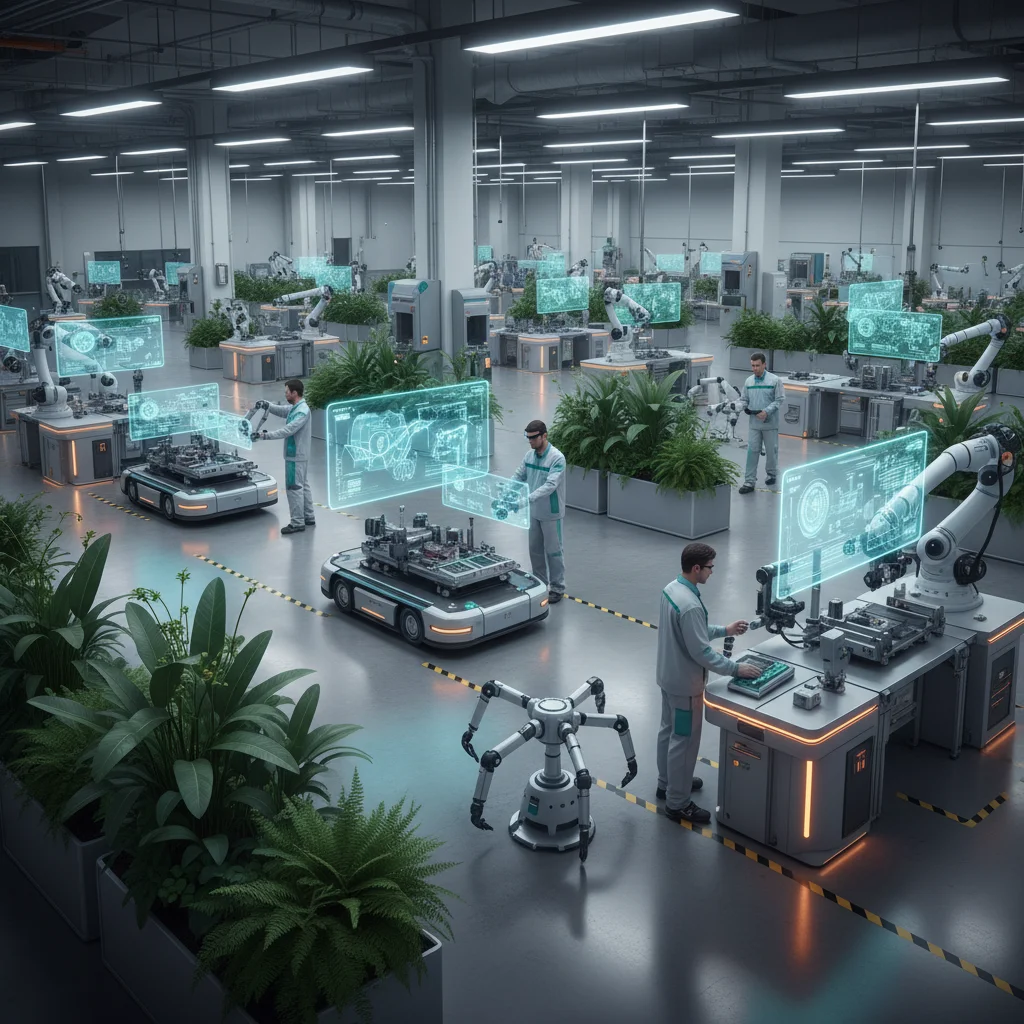
The education sector in Malaysia, much like its global counterparts, stands at a pivotal juncture, grappling with the profound impact of rapid technological advancements. This era of technological disruption introduces a complex array of new risks and necessitates significant adaptations within educational institutions. Understanding the trend report of the risk of education field in Malaysia is crucial for policymakers, educators, and stakeholders to strategically navigate these changes. From the foundational shift towards digital learning environments to the nuanced ethical dilemmas posed by artificial intelligence, these advancements compel educational systems to re-evaluate traditional pedagogies, infrastructure, and administrative practices. The challenge lies not just in adopting new technologies but in anticipating their long-term implications, addressing potential educational technology risks, and fostering a resilient and adaptable learning ecosystem. This calls for proactive measures in areas such as digital transformation in education, ensuring digital literacy for educators, and promoting educational innovation.
1. Cybersecurity Threats & Data Privacy Concerns
With the increasing digitalization of educational processes, institutions are becoming prime targets for cybersecurity threats. The move towards digital platforms for everything from student registration to online assessments means that vast amounts of sensitive personal data are now stored electronically. This proliferation of data raises significant data privacy concerns. Malicious actors, ranging from individual hackers to sophisticated cybercriminal groups, constantly seek vulnerabilities to exploit, leading to data breaches, ransomware attacks, and disruption of critical services. For Malaysian educational institutions, protecting student and staff data, academic records, and intellectual property is paramount. Implementing robust cybersecurity frameworks, regular security audits, and comprehensive data encryption protocols are no longer optional but essential. Furthermore, compliance with national and international data protection regulations, such as the Personal Data Protection Act (PDPA) in Malaysia, is critical to maintaining trust and avoiding severe legal and reputational damage. Educators and students alike need continuous training on best practices for data security education, recognizing phishing attempts, and understanding their role in safeguarding digital assets. For more insights on ensuring data privacy and security in digital learning, refer to authoritative sources like UNESCO’s guidance on data protection, which emphasizes the global importance of these measures.
2. The Evolving Role of AI in Learning & Assessment
Artificial Intelligence (AI) presents both unprecedented opportunities and significant challenges for the education sector. AI-powered tools promise personalized learning experiences, automated grading, intelligent tutoring systems, and predictive analytics that can identify at-risk students. However, the evolving role of AI in learning & assessment also introduces complex ethical and practical dilemmas. Concerns include algorithmic bias, which can perpetuate or exacerbate existing inequalities, and the potential for over-reliance on technology leading to a diminished role for human interaction in learning. The integrity of assessments is also a major challenge, with advanced AI tools capable of generating sophisticated responses that blur the lines between human and machine output. Developing clear guidelines for the ethical use of AI, ensuring transparency in algorithms, and fostering critical thinking skills to evaluate AI-generated content are essential. For the future of education Malaysia, it’s vital to invest in research and development to tailor AI solutions to local contexts, providing educators with the necessary training to effectively integrate AI into their teaching practices while mitigating potential risks. Discussions around AI in Malaysian schools must therefore encompass not just technological adoption but also pedagogical transformation and ethical oversight.
3. Ensuring Effective Remote & Hybrid Learning
The COVID-19 pandemic accelerated the adoption of remote and hybrid learning models, revealing both their potential and their limitations. While these models offer flexibility and access, particularly for underserved populations, ensuring their effectiveness remains a persistent challenge. Key hurdles include disparities in digital access and infrastructure, often leading to an increase in EdTech adoption barriers for students from lower socio-economic backgrounds. The quality of online instruction, student engagement, and the mental well-being of both learners and educators are critical factors that need continuous attention. Educational institutions must invest in robust, scalable digital infrastructure and provide ongoing professional development for educators to master online pedagogical strategies. This includes training in digital content creation, virtual classroom management, and effective online assessment techniques. Furthermore, strategies to foster a sense of community and combat isolation in online environments are crucial. As Malaysia moves forward, hybrid models are likely to become a permanent fixture, necessitating a proactive approach to address online learning challenges, ensuring equitable access, and maintaining high standards of educational quality across all learning modalities. This adaptation requires strategic planning that considers technology, pedagogy, and student support systems holistically, aligning with the broader recommendations found in the trend report of the risk of education field in Malaysia.
In conclusion, navigating the landscape of technological disruption requires a multifaceted approach that prioritizes security, ethical considerations, and pedagogical innovation. Malaysian educational institutions must be agile, proactive, and committed to continuous adaptation to harness the benefits of technology while effectively mitigating its inherent risks. This strategic foresight will ensure a resilient and high-quality educational future for all.
Policy, Governance, and Regulatory Hurdles
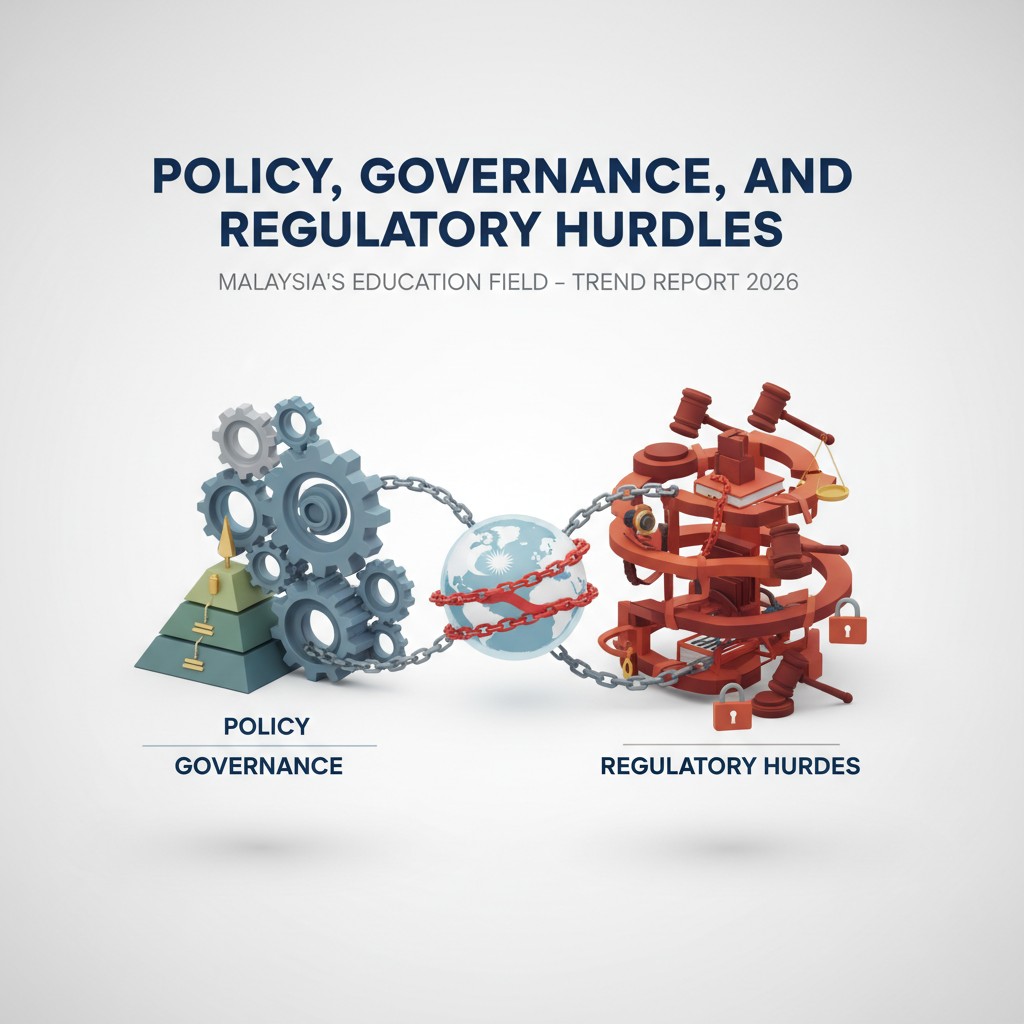
Analyzing the challenges stemming from existing policies, governance structures, and the regulatory environment affecting educational institutions in Malaysia is crucial for understanding the trend report of the risk of education field in Malaysia. The nation’s aspirations for a knowledge-based economy and a globally competitive workforce are continually shaped and, at times, constrained by its overarching educational frameworks. These frameworks, while designed to provide structure and quality, often face hurdles in adapting to rapid global shifts, technological advancements, and evolving societal demands, thereby posing significant risks to the education sector’s efficacy and relevance.
1. Curriculum Relevance & Future Skills Gap
One of the most pressing policy challenges identified in the trend report of the risk of education field in Malaysia pertains to curriculum relevance and its impact on the future skills gap. Malaysia’s education system, historically rooted in a more traditional, content-driven approach, struggles to agilely integrate future-ready skills such as critical thinking, creativity, digital literacy, and complex problem-solving. Existing policies and regulatory bodies often involve lengthy bureaucratic processes for curriculum review and revision, creating a significant lag between industry demands and educational offerings. This sluggish adaptation means that graduates may emerge from the system ill-equipped for the demands of a rapidly evolving job market, exacerbating unemployment among youth and hindering national economic growth. The disconnect between what is taught and what the industry needs is a critical risk, necessitating a more dynamic and responsive policy framework that facilitates continuous curriculum updates and promotes interdisciplinary learning. Bridging this gap requires policies that encourage strong collaboration between educational institutions, industry stakeholders, and government bodies to ensure that curricula are consistently aligned with the demands of the 21st-century economy and beyond.
2. Teacher Training & Professional Development Deficits
The effectiveness of any education system hinges on the quality of its educators, and Malaysia faces considerable policy and regulatory hurdles in this domain. The trend report of the risk of education field in Malaysia highlights significant deficits in existing teacher training programs and continuous professional development (CPD) frameworks. Initial teacher education often adheres to outdated methodologies, failing to adequately prepare teachers for contemporary pedagogical approaches, technological integration, and inclusive education practices. Furthermore, regulatory frameworks for CPD are often fragmented, lacking systematic evaluation and incentives for ongoing skill enhancement. Policies may mandate a certain number of CPD hours, but the quality and relevance of these programs can vary widely. This leads to a teaching force that may not be fully equipped to deliver a modern curriculum or address the diverse learning needs of students. The governance structure around teacher promotion and appraisal also sometimes prioritizes administrative tasks over pedagogical excellence, further disincentivizing innovation and continuous improvement in the classroom. Addressing these deficits requires comprehensive policy reforms that ensure rigorous initial teacher training, establish robust, research-informed CPD pathways, and create a supportive regulatory environment that values and rewards pedagogical innovation and continuous learning among educators. For more insights into national education policies, an authoritative resource can be found at the Ministry of Education Malaysia.
3. Impact of International Education Trends on Local Policies
The globalized nature of education means that Malaysian policies and governance structures cannot exist in isolation. The trend report of the risk of education field in Malaysia underscores the challenge of balancing local context with the imperative to align with international education trends. The rapid rise of digital learning platforms, the increasing demand for personalized education, and the emphasis on global competencies present a dilemma for local policymakers. While there is a push to adopt best practices from leading education systems worldwide, existing regulatory frameworks may be too rigid or slow to accommodate these innovations. For instance, policies governing online learning accreditation, quality assurance for transnational education, or the integration of AI in classrooms might lag behind international developments, potentially placing Malaysian institutions at a disadvantage. Moreover, the governance structures of public and private institutions, often designed with a strong local focus, may struggle to facilitate genuine international collaboration or attract global talent effectively. This creates a risk of Malaysia’s education system becoming less competitive globally, both in terms of attracting international students and in producing graduates with internationally recognized qualifications and skills. A proactive policy approach is vital, one that fosters agility, encourages experimentation with new educational models, and leverages international benchmarks to continuously elevate the quality and relevance of Malaysian education without sacrificing its unique cultural and national identity. You can find more information on the risks and trends impacting the sector by exploring the trend report of the risk of education field in malaysia.
Socio-Economic & Demographic Pressures
Malaysia’s education landscape is at a critical juncture, continuously reshaped by dynamic socio-economic and demographic forces. Understanding these pressures is crucial for any comprehensive trend report of the risk of education field in Malaysia. These broader societal shifts present formidable challenges to the stability, equity, and accessibility of education, necessitating proactive strategies to ensure future readiness and sustainable development. Issues ranging from the outflow of skilled professionals to deeply entrenched disparities in education quality, and evolving family dynamics, collectively define a complex risk environment. Addressing these facets is paramount to fortifying Malaysia’s human capital and securing its place in a competitive global economy, where the demand for high-quality, equitable, and relevant education has never been more pressing. The overarching aim must be to cultivate an education system resilient enough to navigate these pressures while ensuring every Malaysian child has access to opportunities that foster critical skills and knowledge for a thriving future.
1. Brain Drain & Talent Retention Issues
One of the most significant socio-economic pressures impacting Malaysia’s education sector is the persistent challenge of brain drain and its corollary, talent retention. This phenomenon sees a substantial number of highly educated and skilled Malaysians opting for professional opportunities abroad, often driven by better remuneration, career advancement prospects, and a more conducive work-life balance. The implications for the education system are multifaceted: it depletes the pool of potential educators, researchers, and innovative thinkers who could otherwise contribute to national development. Universities struggle to retain top academic talent, impacting research output and the quality of higher education. Moreover, the long-term talent exodus results in a significant skills mismatch within the local workforce, undermining Malaysia’s economic competitiveness. Efforts to reverse this trend require not only attractive economic incentives but also a robust ecosystem that values and nurtures local talent, ensuring that the investments made in their education yield returns within the country. According to various analyses, including reports from bodies like the World Bank and local think tanks, the brain drain issue continues to be a concern, impacting sectors critical for growth. For instance, data indicates a substantial portion of Malaysian graduates work overseas, highlighting the severity of the challenge and its profound impact on the nation’s human capital development. For a deeper insight into the scope of this issue, a comprehensive report from The Star on Malaysia’s talent drain further elaborates on the urgency of plugging this outflow.
2. Disparities in Educational Quality (Urban vs. Rural)
The stark rural-urban divide in Malaysia remains a critical challenge, fundamentally affecting education quality and equitable access. Students in urban centers often benefit from better-resourced schools, a wider array of extracurricular activities, greater access to technology, and a higher concentration of experienced teachers and specialized subjects. Conversely, rural schools frequently grapple with inadequate infrastructure, limited access to digital learning tools, and a shortage of qualified educators, particularly in specialized fields like science, technology, engineering, and mathematics (STEM). This disparity perpetuates an unequal playing field, hindering the academic and professional mobility of students from rural backgrounds. While government initiatives aim to bridge this gap through various development programs and infrastructure upgrades, the progress is often slow and insufficient to fully address the systemic issues. The digital divide further exacerbates these inequalities, as access to reliable internet and personal computing devices remains a luxury for many in remote areas. Ensuring uniformity in teacher development, curriculum delivery, and resource allocation across all schools is vital to achieving true equity. Without concerted efforts to uplift educational standards in rural areas, Malaysia risks leaving a significant portion of its youth behind, impacting the nation’s overall human capital development and social cohesion. This persistent gap highlights a major risk to the long-term stability and fairness of the Malaysian education system.
3. Changing Parental Expectations & Engagement
The socio-economic landscape has also significantly reshaped parental involvement and expectations regarding their children’s education. Driven by global competitiveness, rising living costs, and an increased awareness of different pedagogical approaches, Malaysian parents are becoming more discerning and demanding. There’s a noticeable shift towards seeking perceived ‘better’ educational opportunities, whether through private institutions, international schools, or extensive private tutoring, even among middle-income families. This trend stems from anxieties about exam-centric systems, the relevance of public school curricula for future readiness, and concerns over the quality of instruction. The digital age has further transformed engagement, with parents having greater access to information about schooling options and educational trends, often leading to more active (and sometimes critical) participation in their children’s learning journey. While increased parental engagement can be beneficial, it also places additional pressure on the public education system, which must adapt to evolving demands for personalized learning, advanced skill development, and strong academic outcomes. Schools are tasked with balancing traditional teaching methods with modern approaches to meet these expectations, often with limited resources. Understanding and proactively addressing these changing parental dynamics is crucial for maintaining public trust in the national education system and ensuring its continued relevance and appeal to future generations of Malaysian families. Failure to adapt could accelerate the flight of students to alternative educational pathways, further fragmenting the national education landscape.
Building Resilience: Strategies & Future Outlook 2026
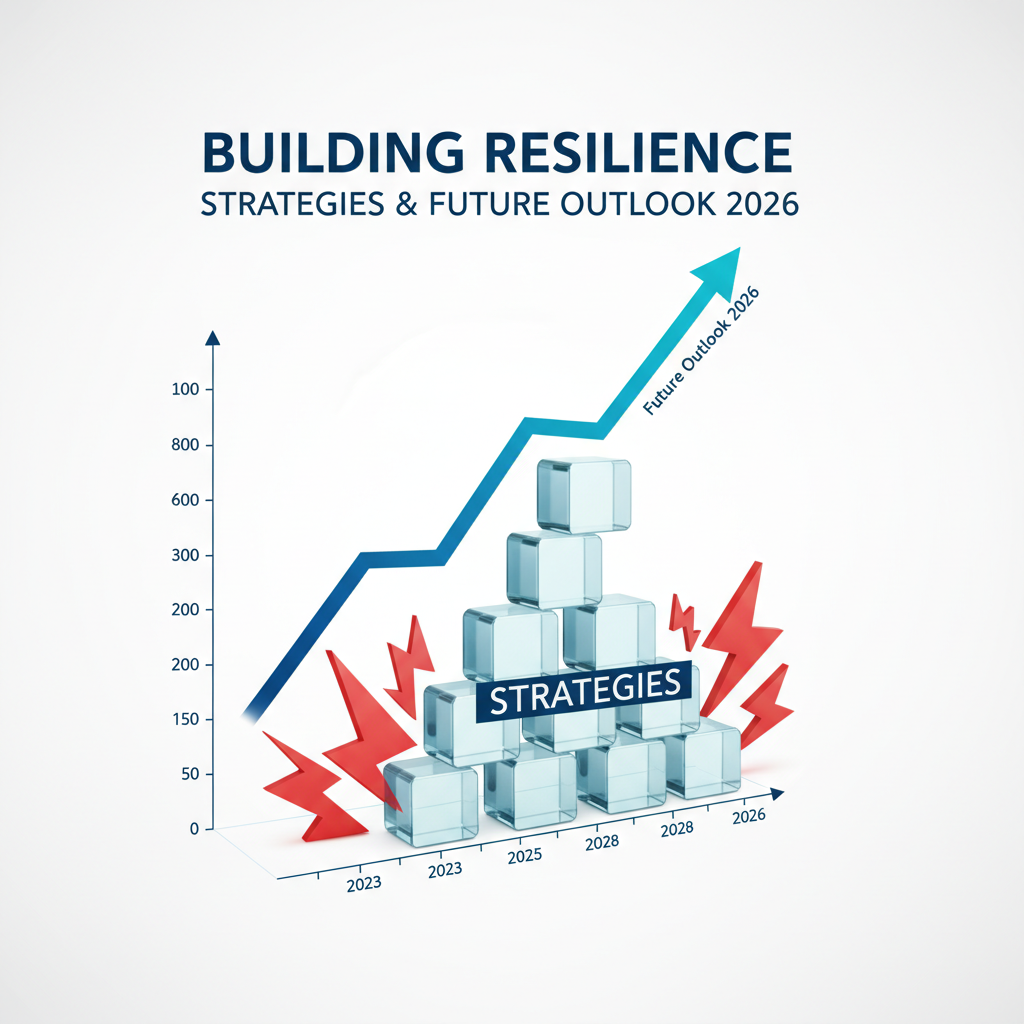
Outlining proactive strategies and forward-looking solutions for Malaysian education to mitigate identified risks and foster greater resilience by 2026. As Malaysia navigates an increasingly complex global landscape, the trend report of the risk of education field in Malaysia highlights critical vulnerabilities that demand immediate and strategic intervention. This section delves into actionable strategies designed to future-proof the nation’s educational ecosystem, ensuring it remains robust, relevant, and responsive to emerging challenges and opportunities.
1. Fostering Lifelong Learning & Reskilling Initiatives
The rapid pace of technological advancement and shifting economic paradigms necessitate a fundamental re-evaluation of educational pathways. To address the skills gap identified in recent analyses of Malaysian education challenges, robust lifelong learning and reskilling initiatives are paramount. By 2026, Malaysia must establish a comprehensive national framework that promotes continuous learning beyond traditional academic cycles. This involves developing accessible, flexible, and industry-relevant programs that cater to diverse age groups and career stages. Investment in digital learning platforms, micro-credentials, and vocational training can empower individuals to adapt to evolving job markets, enhancing national human capital. Such initiatives are crucial for cultivating a culture of perpetual learning, ensuring that the workforce remains agile and equipped with future-ready competencies, thereby strengthening educational resilience in Malaysia. Furthermore, public-private partnerships should be leveraged to co-create curricula that anticipate future skill demands, moving beyond static qualification models towards dynamic capability development. This proactive approach not only mitigates educational risks but also positions Malaysia as a hub for skilled talent.
2. Strengthening Industry-Academia Collaboration
A significant finding from the trend report of the risk of education field in Malaysia is the persistent disconnect between academic output and industry needs. Bridging this gap is critical for enhancing the employability of graduates and ensuring the relevance of educational programs. By 2026, a concerted effort must be made to deepen industry-academia collaboration across all levels of education. This involves more than just internships; it requires integrated curriculum development where industry experts co-design courses, provide real-world projects, and offer mentorship. Establishing innovation hubs, joint research ventures, and technology transfer offices within educational institutions can foster a symbiotic relationship, driving both academic excellence and economic growth. Furthermore, encouraging faculty exchange programs and shared laboratory facilities can create a vibrant ecosystem for knowledge transfer and practical skill development. This strategic alliance ensures that graduates are not only academically proficient but also possess the practical skills and industry insights demanded by employers, directly addressing skill gaps in Malaysia. For instance, initiatives like Germany’s dual education system serve as a testament to the power of integrating theoretical learning with practical workplace experience, a model Malaysia could adapt and localize for sustainable impact.
3. Developing Robust Crisis Preparedness Frameworks
The unforeseen disruptions of recent years have underscored the urgent need for comprehensive crisis preparedness frameworks within the Malaysian education system. To build educational resilience in Malaysia, it is imperative to move beyond reactive measures and establish proactive strategies by 2026. This includes developing clear protocols for managing various crises, from pandemics and natural disasters to cybersecurity threats and economic downturns. Key components of such frameworks should include resilient infrastructure (both physical and digital), flexible learning models (e.g., hybrid and online learning capabilities), and well-trained staff equipped to implement emergency response plans. Regular drills and simulations are essential to test these frameworks and ensure rapid, effective responses. Furthermore, investing in mental health support for students and educators during times of crisis is a critical, often overlooked, aspect of preparedness. Lessons learned globally from organizations like UNESCO emphasize the importance of integrated approaches to disaster risk reduction in education, which encompasses everything from safe school construction to curriculum inclusion of disaster preparedness. By integrating these elements, Malaysia can ensure continuity of learning and safeguard the well-being of its educational community against future shocks, bolstering the overall stability of the education field in Malaysia.
Partner with Shelby Global
You are looking for reliable HR Sevice Suppliers? Contact Shelby Global Now! To connect with verified talents and upgrade your orginization.
—————————————
References
– World Bank Report on Education Financing: https://www.worldbank.org/en/topic/education/brief/financing-education-in-developing-countries
– UNESCO’s Guidance on Data Protection in Digital Learning: https://www.unesco.org/en/articles/ensuring-data-privacy-and-security-digital-learning
– Ministry of Education Malaysia: https://www.moe.gov.my/en/
– The Star on Malaysia’s talent drain: https://www.thestar.com.my/news/nation/2023/10/05/talent-drain-a-problem-that-needs-to-be-plugged
– integrated approaches to disaster risk reduction in education: https://unesdoc.unesco.org/ark:/48223/pf0000373809