Understanding the Malaysian F&B Labor Market Landscape
CEOs need a deep understanding of the current economic conditions and labor market trends specific to the Malaysian Food & Beverage sector to make informed salary and budgeting decisions. The dynamic nature of Malaysia’s F&B industry, coupled with evolving economic landscapes, necessitates a strategic approach to managing human capital. For any CEO in the Food & Beverage field in Malaysia, mastering effective salary budget optimizing manners is paramount not only for financial stability but also for attracting and retaining the best talent. Navigating these complexities requires an informed perspective on wage benchmarks, regulatory impacts, and the pervasive challenge of talent acquisition and skill development.

-
Current Wage Benchmarks for Key F&B Roles in Malaysia
A critical component of effective salary budget optimizing manners for CEO of Food & Beverage field in Malaysia involves a thorough understanding of current wage benchmarks. The F&B sector encompasses a wide array of roles, from entry-level service staff like waiters and kitchen assistants to highly skilled chefs, restaurant managers, and specialized baristas. Wage expectations for these roles vary significantly based on factors such as location (urban versus rural), the type of establishment (fine dining, casual, quick service, hotel F&B), an individual’s experience level, and the specific skill sets required. For instance, a head chef in a high-end Kuala Lumpur restaurant will command a substantially different salary compared to a line cook in a regional café.
CEOs must regularly access up-to-date market data to ensure their compensation packages remain competitive. Relying on outdated figures can lead to either overspending or, more commonly, an inability to attract and retain quality talent. Sources such as industry-specific salary surveys, data from HR consulting firms, and even insights from recruitment agencies specializing in the F&B sector can provide invaluable benchmarks. Understanding these benchmarks allows CEOs to allocate their payroll efficiently, ensuring that competitive salaries are offered for critical roles without unnecessary expenditure on others. A recent report by the Department of Statistics Malaysia (DOSM) often provides insights into average salaries across various sectors, including services, which can be a valuable starting point for F&B executives looking to establish fair and competitive pay structures.
-
Impact of Minimum Wage Policies on F&B Operational Costs
Malaysia’s minimum wage policy is a significant external factor directly impacting the operational costs of F&B businesses. Periodic adjustments to the minimum wage, such as the increase to RM1,500 effective May 1, 2022, have profound implications, particularly for businesses with a large proportion of entry-level and semi-skilled workers. While these policies aim to improve the welfare of workers, they inevitably lead to higher labor costs, squeezing profit margins if not managed proactively.
Beyond the direct increase in salaries for minimum wage earners, there are often ripple effects. Wage compression can occur, where the pay gap between entry-level staff and slightly more experienced workers narrows, potentially leading to dissatisfaction among the latter. This might necessitate adjustments across the entire wage structure to maintain internal equity and motivate staff. CEOs in the Malaysian F&B sector must integrate these policy changes into their financial forecasting and salary budget optimizing manners for CEO of Food & Beverage field in Malaysia. Strategies to mitigate the impact include enhancing productivity through automation where feasible (e.g., self-ordering kiosks), optimizing staff scheduling, investing in upskilling employees to justify higher wages through increased value, and exploring potential, carefully considered menu price adjustments. A proactive approach to understanding and planning for these legislative shifts is crucial for sustainable business operations.
-
Addressing Talent Shortages and Skill Gaps in Malaysian F&B
The Malaysian F&B sector consistently faces challenges related to talent shortages and prevailing skill gaps. Attracting and retaining qualified staff remains a persistent hurdle, often attributed to the demanding nature of the work, long hours, and sometimes, the perception of limited career progression. The departure of foreign workers post-pandemic exacerbated these issues, pushing local businesses to rethink their talent strategies. Specific skill gaps are also evident, ranging from advanced culinary techniques and digital literacy (for online ordering systems, social media marketing) to high-level customer service and managerial competencies.
For CEOs focused on salary budget optimizing manners for CEO of Food & Beverage field in Malaysia, addressing these talent challenges requires more than just competitive wages. It demands a holistic strategy encompassing talent development, improved workplace culture, and innovative recruitment. Implementing robust internal training programs, offering clear career progression paths, and fostering a supportive work environment can significantly boost retention. Furthermore, collaborating with vocational training institutions to develop tailored curricula can help bridge skill gaps directly. Creative recruitment strategies, such as showcasing positive work environments and benefits beyond salary, are also vital. For comprehensive insights into navigating these challenges and implementing effective strategies, further information can be found on optimizing salary budgets for Food & Beverage CEOs in Malaysia. This proactive approach to human capital management is essential for long-term success and sustainability in a competitive market.
Strategic Compensation Planning for Attracting Top F&B Talent
The dynamic landscape of Malaysia’s Food & Beverage (F&B) sector presents both immense opportunities and significant challenges, particularly in securing and retaining top-tier talent. For a CEO in the Food & Beverage field in Malaysia, mastering salary budget optimizing manners for CEO of Food & Beverage field in malaysia is not just about cutting costs; it’s a strategic imperative for long-term success. A well-crafted compensation strategy transcends mere paychecks, becoming a powerful tool to attract skilled chefs, experienced managers, and innovative service professionals who drive growth, enhance customer experience, and maintain operational excellence. This section delves into creating a competitive compensation structure that not only magnetizes high-performing individuals but also ensures their sustained commitment, all while preserving the company’s financial health. The goal is to design a remuneration package that resonates with potential employees, reflects their value, and positions the company as an employer of choice in a fiercely competitive market.
1. Designing Competitive Base Salaries and Performance-Based Bonuses
A foundational element of attracting top F&B talent lies in establishing base salaries that are not just fair but demonstrably competitive within the Malaysian market. This requires rigorous market research, benchmarking against industry peers, and understanding regional cost-of-living factors. While a solid base provides stability, the real differentiator often comes from integrating robust performance-based bonuses. These should be meticulously designed, directly linking individual, team, and company achievements to tangible financial rewards. For front-of-house staff, incentives might be tied to customer satisfaction scores or upselling; for chefs, food cost control or menu innovation success; and for management, revenue growth or profit margins. Transparency in bonus structures is crucial, ensuring employees understand how their efforts translate into additional compensation. This dual approach of competitive fixed pay combined with motivating variable pay incentivizes excellence, encouraging employees to consistently exceed expectations and contribute directly to the company’s bottom line.
2. Implementing Variable Pay Structures and Incentive Programs
Beyond traditional bonuses, adopting sophisticated variable pay structures and incentive programs can significantly enhance a company’s ability to attract and retain high-calibre F&B professionals. These structures are integral to salary budget optimizing manners for CEO of Food & Beverage field in malaysia, as they align employee remuneration directly with company performance, thereby managing fixed costs more effectively. Examples include profit-sharing schemes, where a percentage of company profits is distributed among employees, fostering a sense of ownership. Commission structures, particularly relevant for catering sales or events managers, directly reward successful revenue generation. Long-term incentive plans, such as phantom stock options or deferred cash bonuses, can be particularly appealing to senior management, tying their commitment to the company’s sustained growth over several years. The key is to tailor these programs to specific roles and desired outcomes, ensuring they are perceived as fair, achievable, and genuinely rewarding. By shifting a portion of compensation to performance-based incentives, companies can optimize their salary budget while simultaneously driving a culture of high performance and accountability.
3. Leveraging Non-Monetary Benefits and Employee Value Proposition
While monetary compensation is vital, a truly compelling Employee Value Proposition (EVP) for F&B talent in Malaysia extends far beyond the paycheck. Savvy CEOs understand that non-monetary benefits play a crucial role in both attracting and, more importantly, retaining employees, serving as indirect salary budget optimizing manners. These encompass a wide array of offerings:
- Career Development: Opportunities for professional growth, including advanced culinary training, management courses, and clear promotion paths.
- Work-Life Balance: Flexible scheduling options, reasonable working hours, and paid time off.
- Health and Wellness: Comprehensive health insurance, wellness programs, and mental health support.
- Positive Work Culture: A supportive, inclusive environment where contributions are recognized, and teamwork is celebrated. Regular recognition programs, even simple ones, can have a profound impact.
- Employee Perks: Discounts on company products, staff meals, or access to exclusive events.
Building a strong EVP communicates that the company invests in its people’s holistic well-being and future. Indeed, insights from industry leaders like Gartner indicate that organizations with an effective EVP can significantly improve new hire commitment and reduce annual employee turnover. This holistic approach not only makes a compensation package more attractive but also fosters loyalty, reduces recruitment costs, and enhances overall productivity, ultimately supporting long-term financial viability.
Ultimately, strategic compensation planning for F&B talent in Malaysia is a nuanced process that demands a holistic view. By thoughtfully combining competitive base salaries, dynamic variable pay structures, and a compelling array of non-monetary benefits, CEOs can construct an Employee Value Proposition that attracts the best and brightest. This integrated approach not only optimizes the salary budget optimizing manners for CEO of Food & Beverage field in malaysia but also cultivates a high-performing, loyal workforce, ensuring the company’s sustained growth and leadership in a vibrant culinary landscape. Investing wisely in human capital through a well-designed compensation strategy is the most potent recipe for long-term success.
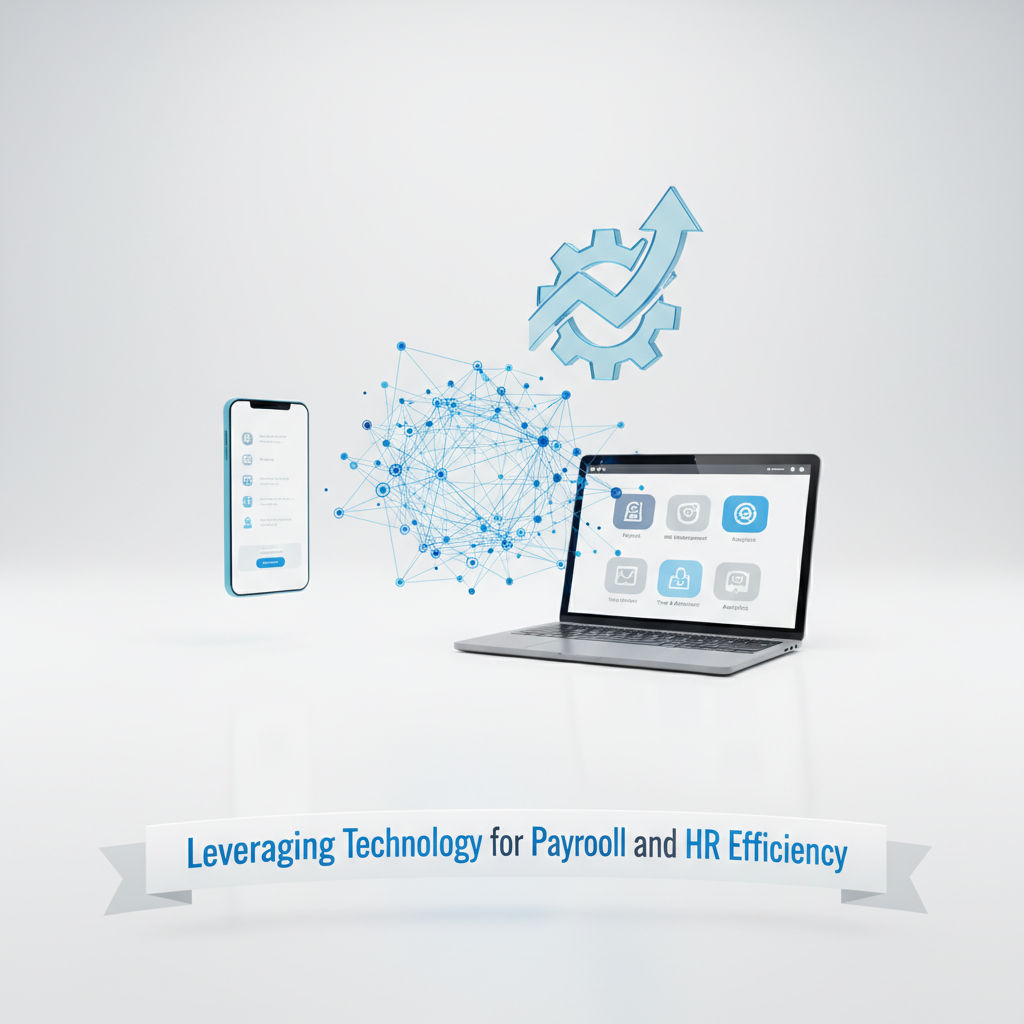
Leveraging Technology for Payroll and HR Efficiency
In the dynamic and competitive Food & Beverage (F&B) sector in Malaysia, efficient human resource management is paramount for sustained success. For CEOs, the challenge often lies in optimizing operational costs while ensuring employee satisfaction and strict adherence to local regulations. This section explores how embracing technological solutions can revolutionize payroll and HR functions, significantly reducing administrative burdens, enhancing data accuracy, and providing invaluable insights for more effective salary budgeting and forecasting – key elements in finding efficient salary budget optimizing manners for CEO of Food & Beverage field in malaysia. By automating routine tasks and leveraging powerful data analytics, F&B businesses can transform their HR and payroll departments from cost centers into strategic assets.
1.
Benefits of HRIS and Integrated Payroll System Implementation
The foundation of modern HR and payroll efficiency lies in the implementation of robust Human Resources Information Systems (HRIS) and integrated payroll platforms. For F&B establishments, which often contend with high employee turnover, diverse work shifts, and intricate pay structures, these systems are game-changers. An HRIS centralizes all employee data, from onboarding to offboarding, including personal details, leave records, performance reviews, and training histories. When integrated with a payroll system, this eliminates redundant data entry, drastically reducing the chances of errors that can lead to costly rework or compliance issues. Real-time updates mean that changes in employee status, such as promotions or salary adjustments, are immediately reflected across all relevant modules. This integration not only streamlines core processes like leave management, attendance tracking, and expense claims, but also frees up HR personnel from time-consuming manual tasks. The resulting administrative overhead reduction allows HR teams to focus on strategic initiatives like talent development and employee engagement, directly contributing to a more stable and productive workforce – a crucial aspect for any F&B CEO looking to optimize resource allocation.
2.
Utilizing Data Analytics for Compensation Strategy and Forecasting
Beyond merely processing payments, integrated HR and payroll systems unlock the power of data analytics, providing CEOs with critical insights for strategic decision-making. These platforms collect a wealth of information – from hiring trends and turnover rates to salary demographics and performance metrics. By analyzing this data, F&B leaders can identify patterns, understand the drivers of employee retention, and pinpoint areas where compensation strategies might need adjustment. For instance, data analytics can reveal if certain pay grades are experiencing higher turnover, indicating a need for market adjustments, or if incentive programs are effectively driving desired employee behaviors. This data-driven approach is invaluable for compensation strategy and forecasting, allowing CEOs to model different scenarios, project future payroll costs accurately, and align salary budgets with business performance goals. Leveraging these insights is one of the most effective salary budget optimizing manners for CEO of Food & Beverage field in malaysia, ensuring that every ringgit spent on compensation is optimized for maximum return on investment and contributes directly to the company’s financial health. It moves budgeting from a reactive exercise to a proactive, strategic advantage.
3.
Automating Compliance and Reporting for Malaysian Labor Laws
Navigating the intricacies of Malaysian labor laws and statutory contributions can be a significant challenge for F&B businesses, especially with frequent changes in regulations. Automated HR and payroll systems are indispensable tools for ensuring seamless compliance. These systems are designed to incorporate the latest legislative requirements, automatically calculating and deducting contributions for the Employees Provident Fund (EPF), Social Security Organization (SOCSO), Employment Insurance System (EIS), and income tax (PCB). This automation drastically reduces the risk of human error, penalties, and potential legal disputes that can arise from non-compliance. Furthermore, these platforms can generate comprehensive reports required by various regulatory bodies, simplifying the submission process and ensuring timely adherence to deadlines. For a CEO, the peace of mind that comes with knowing the company is compliant with all local regulations, including those enforced by the Ministry of Human Resources Malaysia, is immeasurable. This not only safeguards the company’s reputation but also allows management to focus on core business operations rather than getting bogged down in administrative compliance hurdles, thereby indirectly supporting the overall strategy for optimizing operational costs, including salary budgets.
Cost Control and Budget Allocation Best Practices for F&B
The Food & Beverage (F&B) sector, particularly in Malaysia, presents a dynamic yet challenging landscape for CEOs striving for both profitability and operational excellence. A critical aspect of this balance lies in effective cost control, with labor costs often representing a significant portion of the operating budget. Navigating this without compromising employee morale, service quality, or the overall guest experience requires strategic foresight and a nuanced approach to salary budget optimizing manners for CEO of Food & Beverage field in Malaysia. This section outlines practical strategies for CEOs to optimize their F&B salary budget, ensuring sustainable growth and a thriving workforce.
1. Effective Workforce Planning and Optimized Scheduling
One of the most impactful ways to control labor costs without sacrificing quality is through meticulous workforce planning and sophisticated scheduling. CEOs in the F&B field must move beyond reactive staffing to a proactive, data-driven approach. This involves analyzing historical sales data, peak hours, seasonal fluctuations, and event calendars to accurately forecast staffing needs. Predictive analytics tools can be invaluable here, allowing managers to anticipate demand more precisely and avoid both overstaffing (leading to unnecessary wage expenses) and understaffing (resulting in diminished service quality and employee burnout).
Implementing flexible staffing models is another best practice. This could involve cross-training employees to cover multiple roles, utilizing part-time or casual staff during high-demand periods, and staggering shifts to match operational needs throughout the day. For instance, a café might require more baristas in the morning rush but fewer in the late afternoon, while a restaurant might need more kitchen and waiting staff during dinner service. Optimized scheduling software, often leveraging AI, can automate these complex calculations, minimizing overtime costs, ensuring fair distribution of shifts, and improving employee satisfaction by accommodating preferences where possible. Such strategic planning ensures every ringgit spent on wages contributes directly to operational efficiency and customer satisfaction, embodying true cost control.
2. Analyzing Return on Investment (ROI) for Salary Investments
Viewing salaries not merely as expenses but as strategic investments is crucial for long-term success in the F&B sector. CEOs should implement robust metrics to analyze the return on investment (ROI) for their salary budget. Key performance indicators (KPIs) like revenue per employee, customer satisfaction scores directly correlated with service staff, and employee turnover rates can provide clear insights. High staff turnover, for instance, incurs significant hidden costs in recruitment, training, and lost productivity, negating initial “savings” from lower wages.
Investing in competitive salaries, benefits, and professional development programs often yields a positive ROI through increased employee retention, higher productivity, and improved service quality. Engaged and skilled employees are more likely to deliver exceptional customer experiences, leading to repeat business and positive reviews – directly impacting the bottom line. Furthermore, performance-based incentive programs, such as bonuses tied to sales targets or customer feedback, can motivate staff to exceed expectations, aligning individual performance with business goals. Regularly reviewing these metrics allows CEOs to refine their salary budget allocation, ensuring that investments in human capital translate into tangible business benefits, thereby optimizing salary spend for the Food & Beverage field in Malaysia.
3. Negotiating Smartly with Recruitment Agencies and Staffing Solutions
For many F&B businesses, recruitment agencies and staffing solutions are indispensable, especially when scaling operations or filling specialized roles. However, the fees associated with these services can quickly escalate labor costs. CEOs must adopt a proactive and discerning approach to negotiating with these providers. Start by thoroughly scrutinizing fee structures, understanding whether they are percentage-based, flat-fee, or success-based, and what value-added services are included (e.g., background checks, initial training, replacement guarantees).
Building long-term strategic partnerships with a select few agencies can often lead to more favorable terms, preferred rates, and a deeper understanding of your specific needs and company culture. Avoid being locked into exclusivity agreements without clear benefits. Furthermore, explore hybrid models where possible, combining direct recruitment for entry-level positions with agency support for senior or niche roles. Always compare quotes from multiple providers and be prepared to negotiate not just on price, but also on the quality of candidates, speed of placement, and post-placement support. By becoming an informed and strategic negotiator, CEOs can significantly reduce recruitment overheads, ensuring a more efficient salary budget optimizing manners for CEO of Food & Beverage field in Malaysia without compromising on securing top talent.
Future-Proofing Salary Budgets Amidst Economic Shifts in Malaysia
In Malaysia’s vibrant yet volatile F&B sector, CEOs face the constant challenge of managing salary budgets while navigating unpredictable economic currents, market fluctuations, and evolving industry trends. Building flexibility and resilience into these budgets is paramount for long-term sustainability and growth. Proactive strategies for salary budget optimizing manners for CEO of Food & Beverage field in malaysia are not just about cost-cutting, but about strategic investments in human capital that drive productivity and adaptability. This section outlines key approaches for F&B leaders to fortify their compensation structures against future uncertainties.

1. Scenario Planning for Economic Volatility and Inflationary Pressures
Malaysia, an open economy, is susceptible to global economic shifts, commodity price fluctuations, and local policy changes, all of which can lead to significant economic volatility and inflationary pressures. F&B CEOs must move beyond static budgeting by embracing robust scenario planning. This involves developing multiple budget models – optimistic, pessimistic, and most likely – based on various economic indicators like GDP growth forecasts, inflation rates, and consumer spending patterns. For instance, monitoring Malaysian economic outlook and inflation trends from authoritative sources can provide critical insights.
Key to this strategy is incorporating flexible compensation structures. This might include a higher variable pay component tied to company or individual performance, allowing for adjustments without drastically altering fixed costs. Contingency funds specifically allocated for salary increments or retention bonuses during unexpected economic upturns, or for temporary salary adjustments during downturns, can also provide a crucial buffer. Furthermore, exploring non-monetary benefits and employee perks can maintain morale and attract talent even when direct salary increases are constrained, optimizing overall budget utility.
2. Upskilling and Reskilling Workforce for Future F&B Demands
The F&B landscape in Malaysia is rapidly evolving, driven by technological advancements (e.g., automation, online delivery platforms), changing consumer preferences (e.g., healthy eating, sustainability), and increasing competition. Future-proofing salary budgets also means investing strategically in human capital. By upskilling and reskilling the existing workforce, F&B businesses can enhance productivity, reduce reliance on external hiring for specialized roles, and create a more agile team capable of adapting to new demands.
This involves identifying skill gaps and implementing targeted training programs in areas such as digital marketing, culinary innovation, sustainable practices, advanced customer service, and data analytics for operational efficiency. Cross-training employees not only builds versatility but also improves internal mobility, making the workforce more resilient to staff turnover and sudden operational shifts. While training incurs upfront costs, it significantly optimizes the salary budget in the long run by fostering a highly competent and adaptable team that can drive innovation and operational excellence, thereby justifying competitive remuneration and reducing the need for costly external talent acquisition.
3. Building a Culture of Performance, Productivity, and Accountability
An effective salary budget is one that directly correlates with business outcomes. Establishing a strong culture of performance, productivity, and accountability ensures that every Ringgit spent on salaries contributes meaningfully to the company’s success. This approach emphasizes transparent key performance indicators (KPIs) and regular performance reviews, linking compensation directly to measurable results.
For F&B CEOs, this means implementing performance-based remuneration systems where a portion of an employee’s salary or bonuses is tied to individual, team, or company goals, such as sales targets, customer satisfaction scores, waste reduction, or operational efficiency. Rewarding high performers not only incentivizes excellence but also helps retain top talent, reducing the costs associated with recruitment and training new staff. Moreover, fostering an environment where employees take ownership of their roles and are accountable for their contributions naturally leads to higher productivity and more efficient resource utilization, ensuring that salary expenditure yields maximum return on investment. This focus on meritocracy also strengthens employee engagement and motivation, critical elements for navigating economic challenges successfully.
Partner with Shelby Global
You are looking for reliable HR Sevice Suppliers? Contact Shelby Global Now! To connect with verified talents and upgrade your orginization.
—————————————
References
– Department of Statistics Malaysia (DOSM): https://www.dosm.gov.my/portal-main/
– Gartner – The HR Leader’s Guide to Building an Effective Employee Value Proposition: https://www.gartner.com/en/articles/the-hr-leaders-guide-to-building-an-effective-employee-value-proposition
– Ministry of Human Resources Malaysia: https://www.mohr.gov.my/
– How to Build Strong Partnerships With Recruiters: https://www.shrm.org/resources–and–tools/hr-topics/talent-acquisition/how-to-build-strong-partnerships-with-recruiters/
– :