
Organizational Scale and HR Department Size
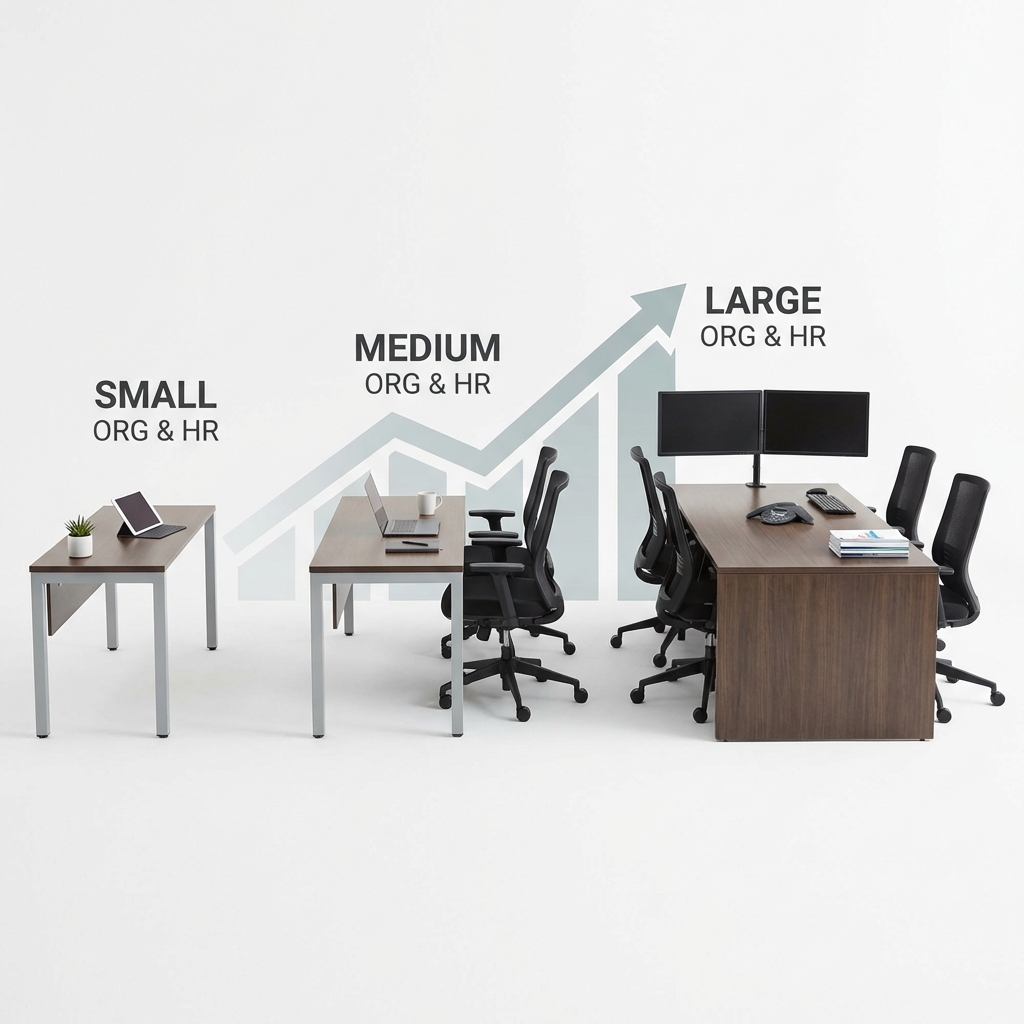
The vibrant Malaysian film industry presents a fascinating case study in how organizational scale directly influences the structure and complexity of HR departments. Whether a company operates as a nimble Small and Medium Enterprise (SME) or a sprawling corporate entity, the differences between the SMEs’ HR Structure and the Corporates’ HR Structure in Films field in Malaysia are profound. This section highlights how company size dictates the scale, resources, and strategic involvement of HR functions.
1. Lean HR Teams and Multi-Tasking in Film SMEs
Film SMEs in Malaysia, characterized by project-based work and smaller core teams, typically operate with highly lean HR structures. HR might be handled by a single generalist, an administrative manager, or even the founder, embodying multi-tasking. Responsibilities include payroll, benefits administration, recruitment for specific film projects, contract management, and basic Malaysian labor law compliance. The focus is predominantly operational and reactive, addressing immediate needs like onboarding new production teams or resolving urgent workplace issues. Strategic HR planning or intricate compensation schemes are often secondary due to limited resources and fluctuating film production demands. SMEs frequently rely on external consultants for specialized needs, maintaining agility without large in-house HR overhead.
2. Specialized HR Functions and Departments in Corporate Film Houses
In contrast, corporate film houses in Malaysia, including large studios or international distributors, boast far more specialized and departmentalized HR structures. These organizations feature dedicated HR departments with multiple teams focusing on specific domains: talent acquisition (recruiting directors, producers, key crew), compensation and benefits (managing complex pay structures and health schemes), HR business partners (aligning HR with departmental goals), learning and development, and employee relations. Compliance with national and international labor laws and complex union agreements becomes a critical, specialized function. This departmentalization allows for a more strategic approach to human capital, ensuring robust policies, nurtured talent, and a competitive organization. As insights on HR support highlight, strategic HR is indispensable as organizations grow and manage a larger, diverse workforce.
3. Impact on HR Budgets, Resources, and Technology Adoption
The differences between the SMEs’ HR Structure and the Corporates’ HR Structure in Films field in Malaysia are most evident in HR budgets, available resources, and technology adoption. Film SMEs generally allocate minimal budgets, treating HR as an administrative cost. Resources are constrained, meaning less spent on HR staff development, sophisticated recruitment tools, or comprehensive employee wellness. Technology adoption is limited to basic payroll software or cloud-based tools, with many processes remaining manual, prioritizing cost-efficiency and flexibility crucial for unpredictable financial cycles.
Conversely, corporate film houses invest significantly. Their budgets accommodate larger staff, extensive training, robust employee engagement, and state-of-the-art HR technology. They leverage integrated Human Resources Information Systems (HRIS) for managing employee data, applicant tracking systems (ATS), performance management software, and even AI-driven analytics. This substantial investment reflects a strategic understanding that human capital is a key differentiator, optimizing workforce performance, ensuring compliance, and building a strong employer brand. The scale of investment directly correlates with the scale of operations, fostering a sophisticated and data-driven HR environment.
In conclusion, organizational scale within the Malaysian film industry fundamentally shapes the HR landscape. SMEs thrive on agility and multi-tasking with lean teams and external expertise, while corporate film houses build robust, specialized HR departments with significant investments in talent, technology, and strategic planning. These contrasting approaches reflect each entity’s unique operational demands and strategic objectives within Malaysia’s vibrant cinematic ecosystem.
Scope of HR Functions and Responsibilities
The landscape of Human Resources (HR) in the film industry, particularly in Malaysia, presents a fascinating study in adaptability and specialization. The breadth of HR tasks varies significantly, from comprehensive generalist roles in small and medium-sized enterprises (SMEs) to highly compartmentalized departments within larger corporations. This distinction is particularly pronounced when examining the Differences between the SMEs’ HR Structure and the Corporates’ HR Structure in Films field in malaysia, especially concerning the prevalent project-based hiring models unique to cinematic production.
1. Generalist HR Roles & Project-Based Recruitment in Indie Film Companies
In Malaysia’s vibrant independent film scene, often characterized by indie production houses and SMEs, HR functions are typically managed by generalists. These professionals wear multiple hats, overseeing everything from recruitment and onboarding to payroll, employee relations, and compliance. Given the project-based nature of film production, a significant portion of their work revolves around temporary, contract, or freelance engagements. Recruitment is often agile and focused on specific project needs, such as hiring a director of photography, a sound designer, or an entire crew for a film shoot that might last a few weeks or months.
Project-based recruitment demands a keen understanding of industry networks, rapid talent assessment, and flexible contracting. HR generalists in these settings are instrumental in drafting short-term agreements, navigating union regulations (if applicable), and managing the ebb and flow of a transient workforce. They must be adept at onboarding and offboarding large numbers of personnel quickly, ensuring legal compliance, and fostering a positive, albeit temporary, work environment. Their ability to manage diverse talent pools, often comprising individuals with highly specialized skills, is crucial for the successful execution of each film project. This setup requires resilience and a proactive approach, as HR needs can shift dramatically from one production to the next.
2. Specialized HR in Large Film Studios (e.g., Talent Acquisition, Compensation & Benefits, Legal)
Conversely, large film studios, often those involved in major international co-productions or operating with significant infrastructure in Malaysia, boast highly specialized HR departments. Here, the HR structure mirrors that of other large corporations, but with a unique industry flavour. For instance, ‘Talent Acquisition’ might not just involve traditional recruitment but also complex casting processes for actors, negotiation with agents, and securing highly sought-after crew members with specific expertise (e.g., visual effects supervisors, stunt coordinators). These specialists manage extensive talent databases and pipeline critical skills for future projects.
Compensation and Benefits (C&B) departments handle intricate pay structures, including residuals, royalties, and complex performance-based incentives unique to the entertainment industry. They navigate international tax implications and benefit packages for a global workforce. Furthermore, ‘HR Legal and Compliance’ becomes a critical function, dealing with intellectual property rights, international labor laws, immigration for foreign talent, and intricate contract negotiations that can impact the entire production. Other specialized areas might include HR Information Systems (HRIS) for managing vast amounts of project and personnel data, and Learning & Development focusing on niche skills crucial for advanced filmmaking techniques. The complexity and unique challenges of HR in this sector underscore why specialized departments are essential for mitigating risks and optimizing human capital. Indeed, the entertainment industry truly makes HR a blockbuster job, demanding expertise across a broad spectrum of unique situations.
3. Strategic vs. Operational HR Focus and Decision-Making Authority
The differing HR structures inherently lead to distinct strategic and operational focuses. In indie film companies and SMEs, the HR generalist, while often overwhelmed with day-to-day operational tasks (payroll, recruitment for immediate needs), frequently has direct, albeit informal, strategic input due to their proximity to company leadership. Decisions about budget allocation for talent, training needs, and organizational culture are often made in conjunction with the producer or company director.
In large film studios, HR operates at a much higher strategic level. Senior HR leaders (e.g., VP of HR, Chief People Officer) are integral to the executive team, participating in long-term planning, organizational design, and talent strategy that aligns with the studio’s global vision and slate of productions. Their focus shifts from individual project hiring to building sustainable talent pipelines, fostering leadership development, and shaping a robust organizational culture across multiple departments and projects. Decision-making authority is distributed, with strategic decisions made at the executive level and operational execution managed by specialized teams, each contributing to the broader HR strategy.
Ultimately, whether an HR professional in the Malaysian film industry is a multi-talented generalist or a hyper-focused specialist, their role is paramount in navigating the industry’s unique demands, ensuring that creative visions are supported by efficient, compliant, and well-managed human capital.
Talent Management and Development Approaches
The Malaysian film industry, a vibrant and increasingly globalized sector, operates on a unique, often project-based model that significantly shapes its approach to attracting, retaining, and developing talent. A stark contrast emerges when comparing the talent management strategies of Small and Medium-sized Enterprises (SMEs)—typically independent production houses or specialized service providers—and larger Corporates—often established studios or media conglomerates. The fundamental Differences between the SMEs’ HR Structure and the Corporates’ HR Structure in Films field in Malaysia dictate everything from recruitment to career progression.

1. Informal Talent Nurturing & Networking in Film SMEs
For Malaysian film SMEs, the approach to talent management is often deeply rooted in an organic, relationship-driven ecosystem. Lacking dedicated HR departments, these entities rely heavily on word-of-mouth, personal networks, and project-specific recommendations to attract talent. Newcomers are frequently nurtured through informal apprenticeships, learning on the job from seasoned professionals within tight-knit project teams. Mentorship, though unstructured, is a crucial component, fostering a strong sense of camaraderie and collective problem-solving. Retention strategies often revolve around a positive work environment, creative freedom, and the opportunity to work on diverse, passion-driven projects. The ‘HR structure’ in these SMEs is typically decentralized, with project managers or even company owners directly handling recruitment, motivation, and conflict resolution. This informal setup allows for incredible agility and a close understanding of individual team members’ strengths and weaknesses, but can also lead to inconsistencies in training and career development.
2. Structured Career Paths, Performance Management & Training in Corporate Film
In contrast, Corporates in the Malaysian film industry adopt a more formalized and systematic approach to talent management. They often boast dedicated HR departments responsible for robust recruitment processes, including structured interviews, skill assessments, and background checks. Attracting talent involves offering competitive salaries, comprehensive benefits, and clear pathways for career advancement. These organizations are more likely to implement defined job roles, performance review systems, and regular feedback mechanisms. Talent development is often supported by formal training programs, workshops, and opportunities for upskilling in technical or leadership areas, sometimes even sponsoring external certifications. The goal is long-term employee retention through stability, professional growth, and a secure working environment. While this structured approach provides consistency and clarity, it can sometimes be perceived as less flexible or personal than the SME model, a key difference in HR structure.
3. Handling Freelance vs. Permanent Staffing and Workforce Flexibility
Perhaps the most significant difference lies in workforce composition and flexibility. Film SMEs are overwhelmingly reliant on a project-based freelance workforce. For them, efficiency dictates assembling bespoke teams for each film, commercial, or series, hiring specialists on contract for the duration of a project. This provides immense flexibility and cost-effectiveness, allowing them to scale up or down rapidly. Their ‘HR’ efforts here focus on efficient contract management, maintaining a network of reliable freelancers, and ensuring timely payments. This model, while agile, presents challenges in talent retention and ensuring consistent quality or brand loyalty. Conversely, corporate film entities typically maintain a core of permanent staff for critical functions—production management, finance, marketing, and senior creative roles—providing stability and institutional knowledge. They strategically augment this core with freelancers for project-specific roles or during peak production cycles. This hybrid model allows them to balance stability with the necessary flexibility of the film industry. The rise of the gig economy has influenced both, but corporates are better positioned to integrate and manage a diverse workforce, often investing in HR technologies for contractor management. Understanding the implications of this flexible workforce is crucial, as explored in resources like the World Economic Forum’s insights on the future of work and the gig economy, which highlights how the landscape of employment is evolving globally, impacting industries like film.
In conclusion, while both SMEs and Corporates contribute vitally to the Malaysian film industry, their talent management and development approaches are shaped by their scale, resources, and operational models. SMEs thrive on informality, personal connections, and agile project-based teams, fostering talent through direct experience and networking. Corporates offer structured career paths, formalized training, and greater stability, leveraging a blend of permanent and freelance staff. These fundamental Differences between the SMEs’ HR Structure and the Corporates’ HR Structure in Films field in Malaysia create a diverse talent ecosystem, each playing a crucial role in nurturing the country’s cinematic future.
Compensation, Benefits, and Compliance Standards
The Malaysian film industry, a vibrant ecosystem of creativity and commerce, presents a stark contrast in human resources practices between its two dominant entity types: Small and Medium-sized Enterprises (SMEs) and larger corporate players. Understanding the Differences between the SMEs’ HR Structure and the Corporates’ HR Structure in Films field in malaysia is crucial for talent, policymakers, and investors alike. This section details the disparities in compensation packages, employee benefits, and the adherence to Malaysian labor laws and film industry-specific regulations, highlighting how these variances impact talent attraction, retention, and overall industry sustainability.
1. Flexible Compensation & Project-Based Pay in SME Film Projects
SME film projects, characterized by their agile nature and often constrained budgets, predominantly rely on flexible compensation and project-based pay structures. Unlike traditional employment, artists, technicians, and crew members are frequently engaged on a contractual or freelance basis, remunerated per project, per day, or even per task. This model offers SMEs the agility to scale their workforce according to specific production needs and budget availability, avoiding the overheads associated with permanent employment. For the talent, it provides flexibility and exposure to diverse projects, yet often comes with the trade-off of inconsistent income, lack of long-term job security, and limited access to structured benefits like paid leave or health insurance. While this system fosters entrepreneurship and allows for quick team formation, it also places the onus of financial planning and self-provision for social security squarely on the individual. The focus remains on immediate deliverables rather than long-term career development within a single entity, making a significant distinction in the Differences between the SMEs’ HR Structure and the Corporates’ HR Structure in Films field in malaysia.
2. Standardized Benefits, Salary Structures & Employee Perks in Corporates
In stark contrast, corporate entities within the Malaysian film industry typically offer standardized benefits, well-defined salary structures, and an array of employee perks. These larger organizations possess the financial stability and operational scale to invest in comprehensive human resource frameworks. Employees usually receive fixed monthly salaries, often benchmarked against industry standards and professional experience. Beyond basic remuneration, these packages often include extensive medical and life insurance, generous annual leave allocations, sick leave, and mandatory contributions to the Employees Provident Fund (EPF) and Social Security Organization (SOCSO). Furthermore, corporate environments frequently provide opportunities for professional development, training programs, clear career progression paths, and additional perks such as transportation allowances, performance bonuses, and even mental wellness support. This structured approach not only enhances job security and financial stability for employees but also significantly aids in attracting and retaining top-tier talent. The provision of such robust benefits creates a distinct competitive advantage for corporates, highlighting fundamental Differences between the SMEs’ HR Structure and the Corporates’ HR Structure in Films field in malaysia in employee welfare and long-term engagement.
3. Navigating Malaysian Labor Laws, EPF, SOCSO & Film Industry Guild Standards
Adherence to Malaysian labor laws, including the Employment Act 1955, Employees Provident Fund Act 1991, and Employees’ Social Security Act 1969 (SOCSO), presents varying challenges for SMEs and corporates. Larger corporate film entities typically boast dedicated HR departments or legal teams well-versed in these regulations. They ensure meticulous compliance with minimum wage requirements, working hours, overtime pay, statutory contributions to EPF and SOCSO, and other employment standards. This rigorous adherence mitigates legal risks and fosters a reputation as a responsible employer. For SMEs, however, navigating this complex legal landscape can be daunting. Many operate with limited administrative resources, leading to potential oversights or less formal compliance, especially when dealing with short-term project-based contracts. While the law mandates contributions for eligible employees regardless of company size, the practical implementation and understanding of nuances can differ significantly. Beyond general labor laws, both types of entities must also consider specific film industry guild standards and best practices, often advocated by bodies like FINAS (National Film Development Corporation Malaysia) or various professional associations. These standards, while sometimes informal, can influence ethical practices, fair treatment, and professional conduct within productions. Ensuring compliance across all these facets is vital for maintaining a healthy and sustainable film industry. For more detailed information on Malaysian labor laws, refer to the Ministry of Human Resources Malaysia.
Technology Adoption and HR Innovation
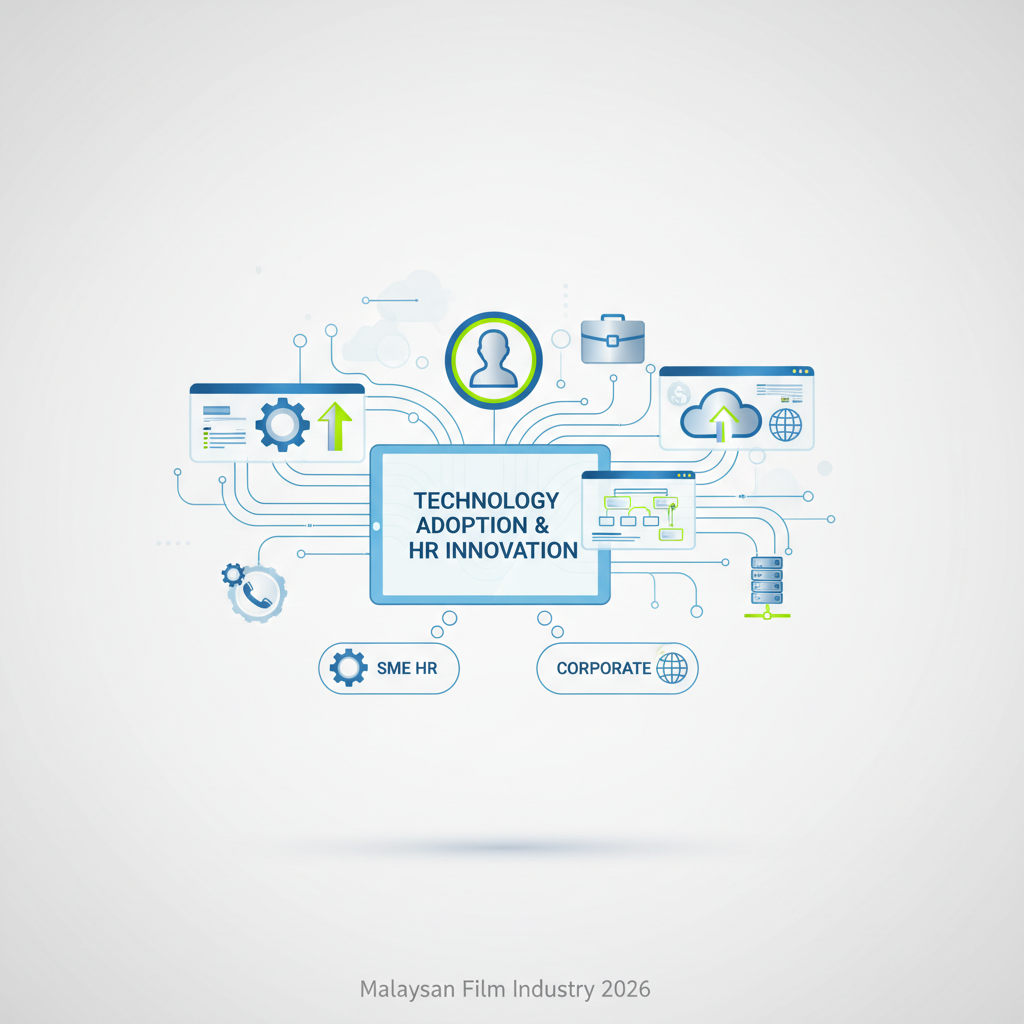
The Malaysian film sector, a dynamic blend of traditional storytelling and modern production techniques, presents a unique landscape for Human Resources (HR). As the industry evolves, so too does the imperative for efficient HR management. This section analyzes how HR technology and innovative practices are integrated (or not) into the HR structures of SMEs and Corporates within this vibrant sector, impacting crucial aspects like efficiency and data analysis. The Differences between the SMEs’ HR Structure and the Corporates’ HR Structure in Films field in Malaysia are particularly stark when examining their approach to technology, directly influencing their operational capabilities and strategic HR insights.
1. Manual Processes & Basic HR Tools in Smaller Film Companies
Smaller film companies and independent production houses in Malaysia, often operating as SMEs, typically face significant resource constraints. This directly translates into their HR functions predominantly relying on manual processes and basic, often disparate, HR tools. Spreadsheets remain a common method for tracking employee data, leave, and even payroll, while communication might be ad-hoc via messaging apps rather than integrated platforms. The adoption of dedicated HR software is limited, usually due to perceived high costs, lack of technical expertise, and a focus on core production activities over administrative overhead.
This reliance on manual systems severely impacts efficiency. Tasks like onboarding, attendance tracking, and benefits administration become time-consuming and prone to human error. Furthermore, the absence of integrated systems means data analysis is either non-existent or extremely laborious. Decision-making regarding talent acquisition, retention, or performance management often lacks empirical backing, relying instead on intuition or limited anecdotal evidence. While these companies possess agility, their growth can be hampered by an inability to scale HR operations effectively, manage compliance across diverse film projects, or harness employee data for strategic advantage.
2. HRIS, Payroll Systems & Advanced Analytics in Large Studios
In stark contrast, large film studios and corporate entities within the Malaysian film sector exhibit a more sophisticated approach to HR technology. These organizations understand that robust HR infrastructure is critical for managing large and often project-based workforces, ensuring compliance, and fostering a high-performance culture. They invest in comprehensive Human Resources Information Systems (HRIS) that integrate various HR functions, from recruitment and onboarding to performance management and learning & development.
Advanced payroll systems are standard, ensuring accurate and timely compensation, often with features for complex tax calculations and statutory contributions specific to Malaysia. Beyond basic automation, these corporates leverage HR analytics to gain deep insights into their workforce. This includes analyzing recruitment pipelines, predicting talent gaps, assessing training effectiveness, and understanding employee turnover drivers. The ability to generate real-time reports and dashboards empowers HR leaders to make data-driven decisions that directly contribute to strategic business objectives, such as optimizing production schedules through better talent allocation or enhancing employee engagement to reduce costly reshoots. Keeping abreast of the latest HR technology trends is a continuous effort for these larger players, aiming to stay competitive in a globalized industry.
3. Future Trends, Digital Transformation & Remote Work Management in Film HR
The future of HR in the Malaysian film sector, for both SMEs and Corporates, is irrevocably tied to digital transformation. Cloud-based HR solutions are becoming increasingly accessible and affordable, offering SMEs a viable pathway to upgrade from manual processes without significant upfront investment. Artificial intelligence (AI) and machine learning (ML) are set to revolutionize recruitment, talent matching, and even employee experience, offering personalized learning paths and predictive analytics.
Moreover, the global shift towards remote and hybrid work models, accelerated by recent events, presents both challenges and opportunities for film HR. Managing remote crews, ensuring seamless communication, and maintaining team cohesion across dispersed locations necessitate specialized HR tech, such as advanced collaboration tools, robust cybersecurity measures, and performance management systems tailored for remote oversight. Corporates are more likely to lead this charge, leveraging their existing tech infrastructure, while SMEs face the dual challenge of adopting new tech and adapting their traditional production models. The Differences between the SMEs’ HR Structure and the Corporates’ HR Structure in Films field in Malaysia will likely persist, but increased access to affordable cloud solutions and a growing awareness of HR tech’s strategic value could narrow the gap. Ultimately, a strategic approach to HR technology is no longer a luxury but a necessity for the Malaysian film industry to thrive globally, ensuring efficiency, data-driven insights, and adaptability in a rapidly changing world of work.
Partner with Shelby Global
You are looking for reliable HR Sevice Suppliers? Contact Shelby Global Now! To connect with verified talents and upgrade your orginization.
—————————————
References
– Why Small Businesses Need HR Support: https://www.forbes.com/sites/forbeshumanresourcescouncil/2021/08/17/why-small-businesses-need-hr-support/?sh=2f2e519c5222
– How the entertainment industry makes HR a blockbuster job: https://www.hrdive.com/news/hr-entertainment-hollywood-labor/610574/
– The future of work is hybrid: How can the gig economy grow to its full potential?: https://www.weforum.org/agenda/2023/06/gig-economy-future-of-work-freelancers-employee-benefits/
– Ministry of Human Resources Malaysia: https://www.mohr.gov.my/
– Latest HR Technology Trends from SHRM: https://www.shrm.org/resources-and-tools/hr-topics/technology-and-hr/pages/top-hr-technology-trends-of-2024.aspx



































































































