Economic Volatility and Consumer Spending Shifts
The Malaysian retail sector, a vibrant cornerstone of the nation’s economy, finds itself navigating an increasingly turbulent economic landscape. Profound macroeconomic factors, persistent inflationary pressures, and the resulting fluctuations in consumer purchasing power are reshaping its stability and growth trajectory. Retailers, from hypermarkets to niche boutiques, are grappling with unprecedented challenges that demand agile strategies and a deep understanding of evolving market dynamics. This period of economic flux underscores the critical need for businesses to adapt, innovate, and meticulously analyze the trend report of the risk of Retail field in malaysia to mitigate potential downturns and capitalize on emerging opportunities.

1. Inflationary Pressures and Cost of Living Impact
Malaysia has not been immune to the global surge in inflation, which has significantly eroded the purchasing power of its citizens. Rising costs of essential goods and services, including food, fuel, utilities, and transportation, have placed immense strain on household budgets. For retailers, this translates into a dual challenge: increased operational costs due to higher raw material prices, logistics, and labor, coupled with a consumer base that has less discretionary income. Businesses are caught between the need to absorb some of these rising costs to remain competitive and the imperative to pass them on to consumers, risking sales volumes. This delicate balancing act demands innovative cost-management strategies and a keen awareness of consumer price sensitivity. As documented in various analyses, persistent inflation directly impacts retail profit margins and can lead to a contraction in overall market size for non-essential goods. Understanding these dynamics is crucial for any comprehensive economic and financial outlook in Malaysia, especially concerning the retail industry.
2. Changing Consumer Disposable Income and Purchasing Habits
The immediate consequence of inflationary pressures and a fluctuating economy is a noticeable shift in consumer disposable income and, subsequently, purchasing habits. With less money available after covering necessities, Malaysian consumers are becoming more discerning and value-conscious. There’s a pronounced trend towards prioritizing essential goods, seeking promotions and discounts, and opting for more affordable private-label brands over premium alternatives. Discretionary spending on non-essential items like apparel, electronics, and luxury goods often takes a backseat. This shift compels retailers to re-evaluate their product assortments, pricing strategies, and marketing approaches. Retailers must focus on delivering perceived value, enhancing customer loyalty programs, and even exploring subscription models or bundled offers to entice budget-conscious shoppers. Businesses that fail to adapt to these evolving consumer preferences risk losing market share to more agile competitors who can effectively cater to the new demand for affordability and utility. The evolving landscape necessitates constant monitoring of consumer sentiment to stay ahead in the competitive retail environment.
3. Impact of Interest Rates on Retail Financing
The central bank’s response to inflation often involves adjusting interest rates, a move that has far-reaching implications for both consumers and retailers. Higher interest rates increase the cost of borrowing for consumers, impacting everything from housing loans and car financing to credit card debts. This directly reduces the amount of disposable income available for retail purchases, further dampening consumer spending, particularly on big-ticket items. For retailers, elevated interest rates translate into higher costs for business loans, inventory financing, and capital expenditures for expansion or technology upgrades. This can stifle investment, slow down growth initiatives, and put additional pressure on cash flow. Smaller retailers, in particular, may struggle to secure affordable credit, impacting their ability to stock inventory or modernize operations. The interplay between interest rates, consumer credit availability, and retailers’ operational financing adds another layer of complexity to managing retail risk in the current economic climate. A thorough trend report of the risk of Retail field in malaysia would certainly highlight this financial vulnerability.
In conclusion, the Malaysian retail sector is at a critical juncture, continuously reshaped by economic volatility. Navigating inflationary headwinds, adapting to shifting consumer spending patterns, and managing the ramifications of interest rate adjustments are paramount for survival and growth. Retailers who embrace data-driven decision-making, invest in agile supply chains, and foster strong customer relationships will be best positioned to thrive amidst these ongoing challenges and capitalize on the opportunities presented by an evolving marketplace.
Digital Disruption and Cybersecurity Threats
The Malaysian retail sector is in the throes of a profound digital transformation, propelled by rapidly evolving consumer behaviors and technological advancements. This accelerating reliance on e-commerce platforms, coupled with intricate digital transformation initiatives, has undeniably unlocked new growth avenues. However, it simultaneously ushers in a complex array of challenges, significantly escalating the risks associated with data breaches, online fraud, and platform vulnerabilities. Understanding the trend report of the risk of Retail field in malaysia is crucial for businesses navigating this dynamic landscape, as the promise of digital innovation often comes hand-in-hand with heightened cybersecurity threats and operational complexities for retail technology.
1. Rise of E-commerce and Omnichannel Challenges
Malaysia’s e-commerce growth has experienced exponential growth, a trend significantly accelerated by recent global events. Consumers now seamlessly transition between online and offline channels, demanding integrated and personalized experiences. This rise of e-commerce has led many retailers to invest heavily in digital transformation, building robust online storefronts, mobile applications, and sophisticated supply chain logistics. However, this omnichannel approach introduces multifaceted cybersecurity challenges. Managing consistent customer experiences across various touchpoints – physical stores, websites, social media, and marketplaces – requires intricate data synchronization and robust IT infrastructure. The increasing transaction volumes and diverse payment gateways also amplify the surface area for online fraud and security breaches. Retailers must contend with balancing the convenience of digital shopping with the imperative for ironclad payment security and data integrity, ensuring customer trust remains paramount. Furthermore, the rapid adoption of new digital platforms can inadvertently create platform vulnerabilities if not rigorously tested and secured from the outset.
2. Data Privacy and Cybersecurity Vulnerabilities
With the surge in digital transactions and customer data collection, data privacy and cybersecurity vulnerabilities have become central concerns for Malaysian retailers. Personal identifiable information (PII), payment details, and browsing habits are frequently stored, processed, and transmitted across various systems, making them prime targets for cybercriminals. Data breaches can lead to significant financial losses, reputational damage, and erosion of customer trust, not to mention potential legal ramifications under data protection regulations like Malaysia’s Personal Data Protection Act (PDPA) for regulatory compliance. The sheer volume and sensitivity of data handled by retailers necessitate a proactive and multi-layered cybersecurity strategy. This includes strong encryption, regular security audits, employee training on phishing and social engineering tactics, and robust incident response plans. The sophisticated nature of modern cyber threats, from ransomware attacks to advanced persistent threats, means that retailers must continuously update their defenses. Securing supply chain security, where third-party vendors and logistics partners often access sensitive data, is another critical component of mitigating risk. According to a PwC report on Global Digital Trust Insights, cyber threats are continuously evolving, emphasizing the need for robust and adaptive security measures across all sectors, including retail.
3. AI & Automation Adoption Risks and Opportunities
The adoption of Artificial Intelligence (AI) and automation is rapidly transforming the retail experience in Malaysia, offering unprecedented opportunities for personalization, operational efficiency, and predictive analytics. From AI in retail for AI-powered chatbots for customer service to automated inventory management systems and data-driven marketing campaigns, these technologies promise significant competitive advantages. However, their integration also introduces a new layer of AI & automation adoption risks. The reliance on complex algorithms and machine learning models raises concerns about data integrity, algorithmic bias, and the potential for new attack vectors. For instance, if AI systems are trained on compromised data, they can perpetuate errors or even malicious activities. Securing AI models against adversarial attacks, ensuring transparency in decision-making processes, and managing the ethical implications of data usage are critical challenges. Furthermore, automation in processes like warehousing and supply chain management, while boosting efficiency, also means that any breach in these automated systems could have widespread operational impact. Retailers must carefully evaluate the security implications of deploying AI and automation, implementing robust governance frameworks, and ensuring that these technologies are developed and deployed with ‘security by design’ principles. This strategic foresight is essential to harness the full potential of these innovations while effectively mitigating emerging risks and ensuring platform vulnerabilities are addressed proactively.
Supply Chain Resilience and Geopolitical Impacts
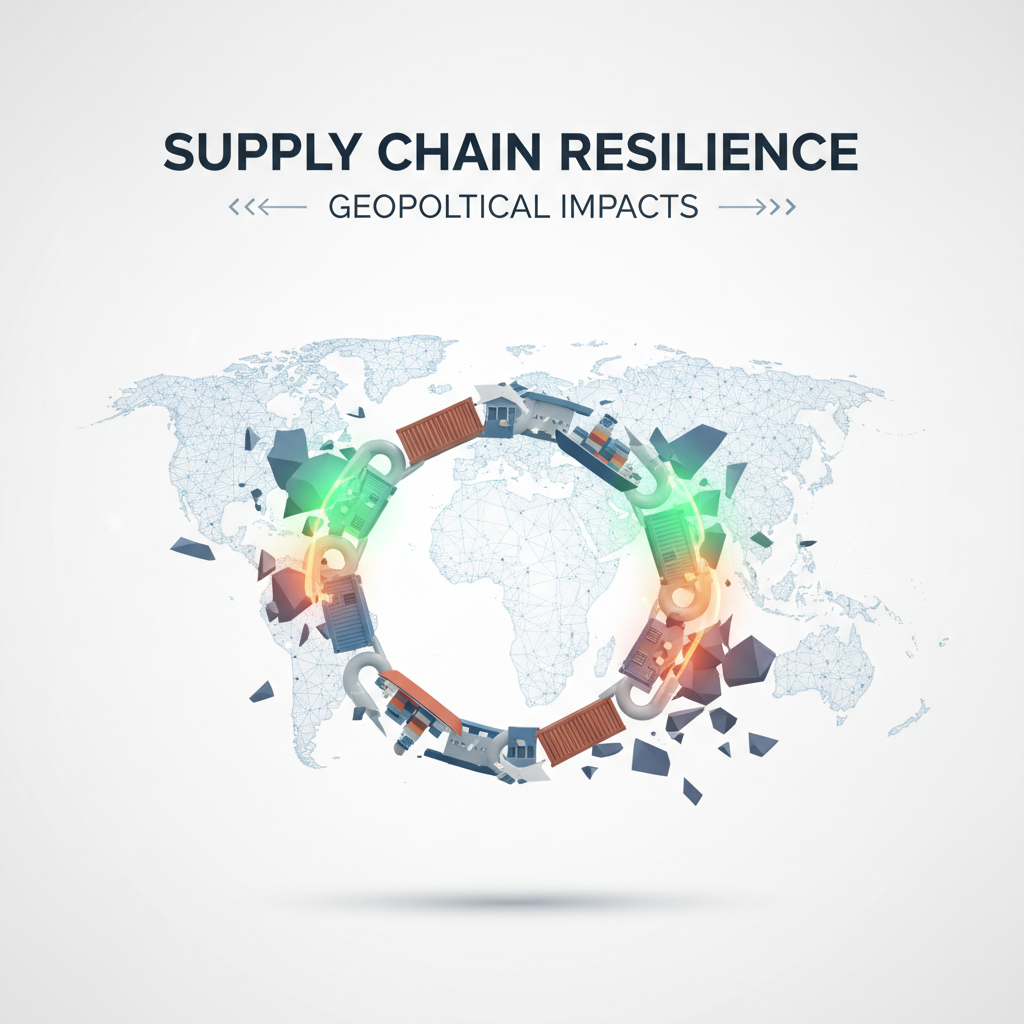
The global retail landscape is in a constant state of flux, grappling with an intricate web of vulnerabilities that challenge traditional operational models. For retailers in Malaysia, understanding and mitigating these risks is paramount for sustained growth and profitability. This section delves into the critical vulnerabilities within global and local supply chains, including pervasive logistics disruptions, persistent raw material shortages, and the far-reaching effects of geopolitical events on retail operations and inventory management. The increasing complexity necessitates a proactive approach to the trend report of the risk of Retail field in malaysia, highlighting the urgent need for enhanced supply chain resilience.
1. Global Supply Chain Disruptions and Local Impact
Recent years have underscored the fragility of global supply chains. Events ranging from the COVID-19 pandemic to geopolitical conflicts and extreme weather phenomena have exposed critical weaknesses, leading to significant logistics disruption retail. Shipping delays, port congestion, and labor shortages have created ripple effects, delaying product delivery and increasing transportation costs. For Malaysian retailers, this translates directly into higher operational expenses and compromised stock availability. The reliance on international trade for a vast array of goods, from consumer electronics to fashion and food, means that raw material shortages retail originating continents away can severely impact local manufacturing and product offerings. Building supply chain resilience Malaysia is no longer an option but a strategic imperative. Retailers must diversify sourcing, explore regionalization, and invest in robust tracking systems to pre-empt and respond to these global tremors, thereby mitigating overall retail risk Malaysia.
2. Inventory Management and Stockout Risks
The unpredictability stemming from supply chain disruptions directly impacts inventory management challenges. Retailers often find themselves in a difficult position: either holding excessive buffer stock, tying up capital and incurring storage costs, or running lean, risking significant stockout risks retail. Stockouts not only result in lost sales but also lead to customer dissatisfaction and potential brand damage, especially in a competitive market influenced by rapid consumer behavior shifts Malaysia. Effective inventory management now requires advanced analytics, demand forecasting tools, and real-time visibility across the entire supply chain. Technologies such as AI and machine learning can help predict demand fluctuations and potential bottlenecks, enabling retailers to optimize stock levels more effectively. Furthermore, the rise of e-commerce risks Malaysia demands agile inventory strategies to fulfill online orders efficiently, bridging the gap between physical and digital storefronts.
3. Geopolitical Tensions and Trade Barriers
Geopolitical tensions are increasingly shaping the global trade landscape, posing significant geopolitical impact retail. Trade wars, sanctions, and regional conflicts can rapidly erect trade barriers retail Malaysia, disrupting established sourcing channels and increasing import duties. This directly affects product pricing and consumer affordability, contributing to inflation retail sector. Furthermore, political instability in key manufacturing or transit regions can halt production or block shipping routes, making it imperative for retailers to have contingency plans and diversified supplier networks. The drive towards greater self-sufficiency or regional cooperation in certain industries also necessitates a re-evaluation of sourcing strategies. Retailers must monitor global political developments closely and understand their potential economic implications, particularly regarding economic instability retail. Adapting to these shifts requires strategic foresight, robust risk assessments, and sometimes, investments in local production or alternative markets. The emphasis on sustainability supply chain practices is also growing, as geopolitical shifts often intertwine with environmental policies and ethical sourcing demands. Companies are also increasing their focus on cybersecurity retail to protect their increasingly digital supply chains from state-sponsored attacks or other malicious actors. As highlighted in Deloitte’s insights on supply chain trends, navigating these complex geopolitical currents is crucial for retail survival and growth.
In conclusion, the modern retail environment in Malaysia is characterized by dynamic and interconnected risks. From the microscopic vulnerabilities of a single raw material to the macroscopic shifts caused by geopolitical power plays, every element demands attention. Building true supply chain resilience requires a multi-faceted strategy encompassing technological adoption, supplier diversification, enhanced risk intelligence, and a proactive stance towards global events. This comprehensive approach is essential for any retailer looking to thrive amidst the ongoing challenges and maintain competitive advantage, as highlighted in the trend report of the risk of Retail field in malaysia.
Evolving Competitive Landscape and Market Saturation
The Malaysian retail sector, a significant pillar of the nation’s economy, finds itself at a critical juncture, grappling with an increasingly complex and challenging environment. A comprehensive understanding, as detailed in the trend report of the risk of Retail field in malaysia, reveals that the industry is navigating significant headwinds driven by intensifying competition, the emergence of disruptive business models, and pervasive market saturation across various segments. These factors collectively amplify operational risks and necessitate strategic recalibration for sustained growth and profitability. The current landscape demands that retailers not only adapt to immediate shifts but also anticipate future trends to remain resilient amidst these formidable challenges. Businesses must consider Malaysian retail risks holistically, encompassing everything from consumer behaviour shifts to global economic pressures and the pervasive issue of market saturation Malaysia.
-
Intense Competition from Local and International Players
The Malaysian retail arena is characterized by fierce competition, a dynamic that has escalated considerably over recent years. Both well-established local conglomerates and aggressive international entrants are vying for a share of the consumer wallet, leading to an environment of intense retail competition. Local players, deeply entrenched in the Malaysian market, leverage their understanding of local consumer preferences, extensive distribution networks, and strong brand loyalty. However, they face formidable challenges from global retail giants such as IKEA, H&M, and various supermarket chains, which bring with them economies of scale, sophisticated supply chain resilience, and often, innovative retail concepts. The influx of these international brands, particularly in categories like fashion, F&B, and home furnishings, has fragmented the market further, making it harder for individual retailers to differentiate themselves effectively.
Moreover, the rise of e-commerce platforms has democratized market access, allowing smaller local businesses to compete directly with larger entities, while simultaneously inviting cross-border competition from regional and global online marketplaces. This has led to greater price transparency and increased consumer expectations for value and convenience, influencing consumer spending trends. The pressure to offer competitive pricing and superior service is immense, often squeezing profit margins. Retailers must continually innovate their offerings and enhance their customer experience retail strategies to stand out in this crowded field. A recent analysis by KPMG on the Malaysian retail market highlights the significant impact of evolving consumer behaviour and heightened competition, underscoring the urgent need for strategic adaptation.
-
Emergence of New Retail Formats and Business Models
The traditional retail model in Malaysia is being reshaped by the proliferation of innovative formats and disruptive business models. The rise of discount retailers impact has been particularly notable, offering consumers budget-friendly alternatives that put immense pressure on mid-to-high-end retailers. These discount formats often thrive on high volume and lean operations, forcing competitors to re-evaluate their pricing strategies and operational efficiencies. Beyond brick-and-mortar, the phenomenal e-commerce growth Malaysia continues to transform how consumers shop. Online marketplaces, direct-to-consumer (D2C) brands, and social commerce platforms have carved out significant market shares, compelling traditional retailers to accelerate their digital transformation retail efforts.
The imperative for retailers to adopt omnichannel strategies has never been stronger. Consumers expect seamless transitions between online and offline shopping experiences, demanding services like click-and-collect, in-store returns for online purchases, and personalized recommendations across all touchpoints. Furthermore, subscription boxes, pop-up stores, and experiential retail concepts are gaining traction, offering novelty and unique value propositions. These new models require significant investment in technology, logistics, and data analytics, posing a challenge for businesses with legacy systems or limited capital. The evolving landscape also highlights the need for continuous retail innovation beyond just sales, touching on supply chain, customer engagement, and sustainability.
-
Talent Shortages and Workforce Development Challenges
Despite the vibrant growth and dynamism of the Malaysian retail sector, it continues to grapple with persistent workforce challenges retail, particularly in attracting, retaining, and developing skilled talent. A significant talent shortage Malaysia exists across various levels, from front-line sales associates to specialized roles in e-commerce, digital marketing, data analytics, and supply chain management. The perception of retail jobs often being low-skilled and low-wage deters potential candidates, especially younger generations seeking more dynamic and rewarding career paths.
Furthermore, the rapid pace of technological advancements and the shift towards digital retailing necessitate a workforce equipped with new competencies. Many existing retail employees may lack the skills required for tasks involving advanced analytics, AI-driven customer service, or sophisticated inventory management systems. Bridging this skills gap requires substantial investment in continuous training and development programs. Retailers must also focus on creating attractive career progression pathways and fostering inclusive work environments to improve retention. Without a skilled and motivated workforce, implementing sustainability in retail initiatives or navigating economic headwinds retail effectively becomes significantly harder. Addressing these critical human capital challenges is paramount for long-term operational resilience and competitive advantage in a saturated and competitive market.
Regulatory Compliance and ESG Pressures
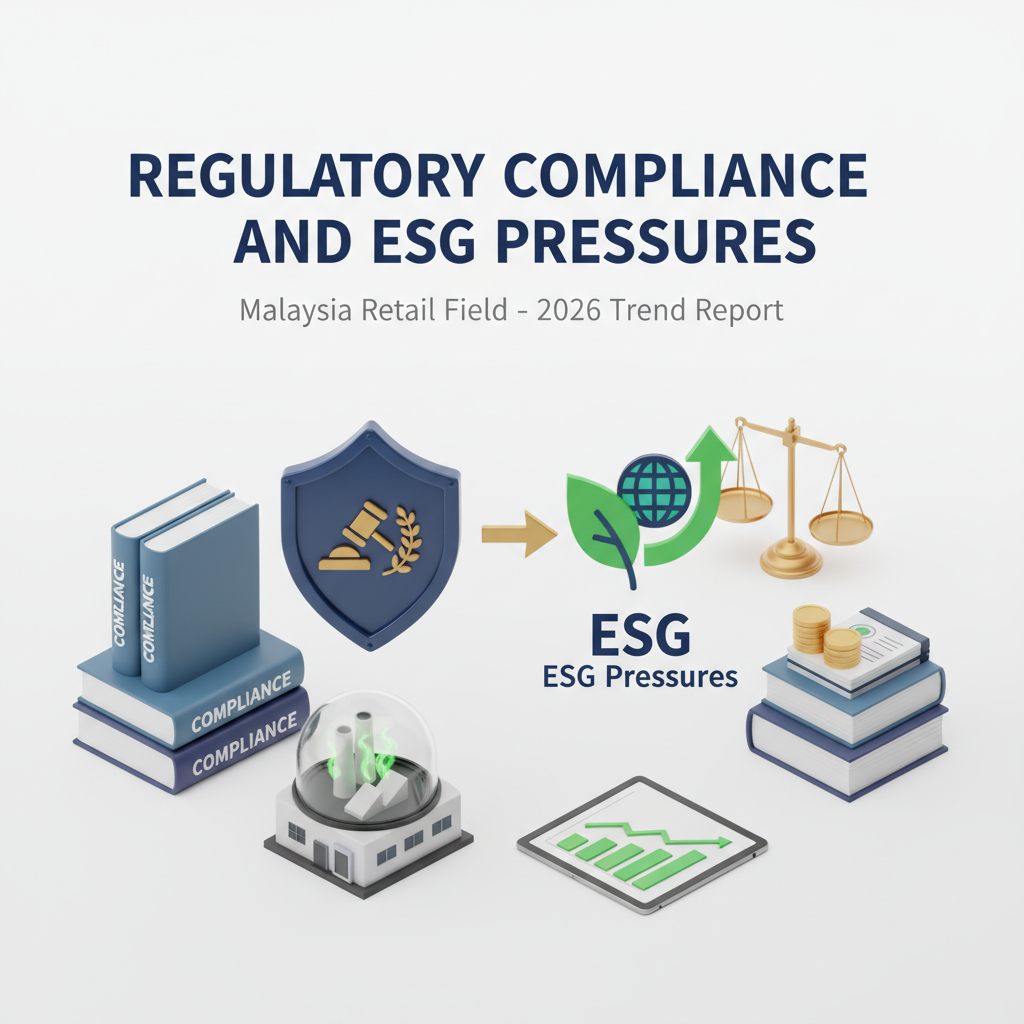
The Malaysian retail landscape is undergoing a profound transformation, driven by heightened governmental scrutiny and dynamically evolving ESG expectations. This section explores the significant implications of these forces for the trend report of the risk of Retail field in malaysia, highlighting how proactive adaptation to regulatory compliance and ESG pressures is no longer optional but a critical imperative for sustained growth and market relevance among retail businesses Malaysia.
1. Navigating New Consumer Protection Laws and Standards
The digital age, coupled with increasing consumer awareness, has intensified focus on consumer protection laws within Malaysia. Retailers must meticulously navigate the intricacies of the Consumer Protection Act 1999, which governs areas from misleading advertisements to unfair contract terms. Beyond this, the rapid expansion of online commerce necessitates strict adherence to e-commerce regulations, ensuring transparency in pricing, product descriptions, and return policies. Perhaps one of the most critical aspects is data privacy, mandated by the Personal Data Protection Act (PDPA) 2010. Retail businesses are obligated to safeguard customer information, from purchase history to personal details, ensuring secure storage and ethical use. Non-compliance carries severe penalties, including hefty fines and reputational damage. Proactive measures, such as clear privacy policies, robust data security protocols, and transparent communication, are essential for building and maintaining customer trust. The Ministry of Domestic Trade and Consumer Affairs (KPDNHEP) plays a pivotal role in enforcing these standards, making it crucial for retailers to stay abreast of all legal updates. Further details on consumer rights can be found on the official KPDNHEP consumer protection page.
2. Environmental Sustainability and Ethical Sourcing Demands
The global push for environmental sustainability is reverberating strongly across the Malaysian retail sector. Consumers, investors, and regulators are collectively demanding that businesses demonstrate a commitment to eco-friendly practices. This translates into significant pressure for effective waste management, particularly concerning single-use plastics, packaging materials, and electronic waste. Retailers are expected to explore innovative solutions for plastic reduction, promote recycling initiatives, and adopt circular economy principles. Furthermore, measuring and reducing a company’s carbon footprint is becoming a key performance indicator. This involves optimizing logistics, energy efficiency in stores and warehouses, and investing in renewable energy sources. Equally important is the demand for ethical sourcing. Consumers want assurance that the products they buy are not linked to deforestation, environmentally harmful production methods, or unfair labor practices. Achieving supply chain transparency is therefore paramount, requiring retailers to meticulously vet their suppliers and ensure their entire value chain adheres to stringent environmental and social standards. The rising tide of ESG expectations means that greenwashing is no longer an option; genuine, measurable efforts towards sustainability are critical for long-term brand relevance and competitive advantage.
3. Social Responsibility and Labor Practice Compliance
Beyond environmental concerns, the ‘Social’ aspect of ESG places significant demands on retailers regarding social responsibility and labor practices. Malaysian retailers operate under the purview of comprehensive labor laws, primarily the Employment Act 1955, which mandates standards for fair wages, working hours, and leave entitlements. However, global scrutiny often extends beyond minimum legal requirements, emphasizing ethical recruitment, worker welfare, and the eradication of forced labor – a critical issue in international supply chains. Ensuring worker safety and health in both retail outlets and upstream manufacturing facilities is non-negotiable, requiring robust policies and regular audits. Additionally, fostering diversity and inclusion within the workforce, providing opportunities for local communities, and engaging in philanthropic initiatives contribute positively to a retailer’s social license to operate. Transparent reporting on social metrics, and active community engagement are vital components of a successful retail strategy in an environment of increasing governmental scrutiny and stakeholder expectations.
Partner with Shelby Global
You are looking for reliable HR Sevice Suppliers? Contact Shelby Global Now! To connect with verified talents and upgrade your orginization.
—————————————
References
– Economic and Financial Developments – Bank Negara Malaysia: https://www.bnm.gov.my/publications/economic-financial-developments
– PwC report on Global Digital Trust Insights: https://www.pwc.com/gx/en/issues/cybersecurity/global-digital-trust-insights.html
– :
– :
– official KPDNHEP consumer protection page: https://www.kpdn.gov.my/en/pages/consumer-protection