
Overview of Malaysia’s Sales Landscape
This section provides a foundational understanding of the current state and overall significance of the sales field within Malaysia’s dynamic economy.
Malaysia, with its rapidly evolving economy and strategic position in Southeast Asia, presents a vibrant and complex sales landscape. The sales sector is not merely a component but a crucial engine driving economic growth, facilitating trade, and connecting businesses with consumers across diverse industries. Understanding the nuances of this field requires a deep dive into its structure, key drivers, and the professionals who shape its future. A comprehensive market demand trend report of sale field in malaysia reveals a sector undergoing significant transformation, influenced by technological advancements, shifting consumer behaviors, and global economic currents. The dynamism of the Malaysian market means that sales professionals and businesses must remain agile, continuously adapting their strategies to capture emerging opportunities and overcome challenges.
-
Current Market Size and Contribution to GDP
The sales sector in Malaysia contributes substantially to the nation’s Gross Domestic Product (GDP), reflecting its integral role in driving economic activity. From retail and wholesale trade to B2B transactions in high-tech manufacturing and services, sales channels are the arteries of commerce. Malaysia’s robust economic performance, characterized by consistent growth and diversification, directly correlates with the strength of its sales and marketing efforts. For instance, the trade and services sector, which encompasses a vast array of sales-driven activities, consistently remains a significant contributor to the nation’s economic output. According to the Department of Statistics Malaysia (DOSM), the services sector, including wholesale and retail trade, recorded consistent expansion, underpinning the importance of effective sales strategies. Tracking sales performance indicators Malaysia is crucial for businesses to benchmark their success and identify growth areas, highlighting the continuous demand for skilled sales professionals. The sector’s growth is further propelled by rising disposable incomes, urbanization, and a burgeoning middle class, all of which fuel consumer demand and expand the market for various goods and services.
-
Key Industries Driving Sales Demand
Several industries are particularly instrumental in driving sales demand across Malaysia, each with unique market dynamics and sales approaches. The manufacturing sector, especially in electronics, chemicals, and automotive components, generates substantial B2B sales, requiring specialized knowledge and long-term relationship building. Here, B2B sales trends Malaysia indicate a move towards solutions-based selling and value-added propositions. Concurrently, the burgeoning services sector, encompassing financial services, tourism, healthcare, and education, relies heavily on direct sales and customer relationship management. The most transformative driver, however, is the rapid E-commerce sales growth Malaysia. The digital marketplace has opened unprecedented avenues for both local SMEs and international giants, necessitating a strong focus on digital marketing and online sales conversion. This shift is deeply rooted in evolving consumer behavior shifts Malaysia, with a growing preference for convenience, online research, and digital transactions. Consequently, the adoption of digital transformation in sales Malaysia strategies, including AI-driven analytics and CRM systems, has become imperative for businesses aiming to stay competitive and capture market share.
-
Overview of Sales Professional Demographics
The sales workforce in Malaysia is diverse, comprising individuals from various backgrounds, age groups, and skill levels. Historically, sales roles often attracted individuals based on personality and resilience. However, the modern sales environment demands a more sophisticated skill set. Today’s Malaysian sales professional is increasingly tech-savvy, data-driven, and adept at cross-cultural communication. The workforce reflects a mix of seasoned veterans and a growing pool of younger talent, many of whom are entering the field with formal business and marketing education. There is a strong emphasis on continuous sales training and development Malaysia, as companies invest in equipping their teams with negotiation skills, product knowledge, and proficiency in sales technology adoption Malaysia. Customer Relationship Management (CRM) software, sales automation tools, and analytics platforms are now standard tools. Furthermore, while urban centers like Kuala Lumpur, Selangor, and Penang naturally host larger concentrations of sales professionals, there are discernible regional sales disparities Malaysia in terms of industry focus and required expertise. The future of sales jobs Malaysia points towards roles that integrate technology, strategic thinking, and emotional intelligence, moving beyond traditional transactional selling to a more consultative and relationship-centric approach.

Key Drivers of Market Demand in Sales (2023-2026)
The Malaysian sales landscape is undergoing a dynamic transformation, driven by a confluence of technological advancements, evolving consumer behaviors, and strategic governmental directives. As businesses navigate a competitive environment, understanding the primary factors propelling the demand for skilled sales professionals and innovative sales services is crucial for strategic planning. This section explores the significant influences shaping the market demand trend report of sale field in malaysia from 2023 to 2026, highlighting key growth areas and the competencies required for success in this rapidly expanding market. The escalating demand for talent reflects a broader economic pivot towards digitalization, sustainability, and targeted market penetration, necessitating robust sales force development and adaptable strategies.
1. Digital Transformation and E-commerce Boom
Malaysia’s accelerated digital transformation, significantly spurred by the pandemic and subsequent shifts in consumer purchasing habits, stands as a paramount driver for sales demand. The growth of Malaysia’s digital economy has created an unprecedented demand for professionals adept at navigating online channels, leveraging data analytics, and implementing advanced digital sales strategies. The nation’s vibrant e-commerce sector, characterized by increasing online retail penetration and sophisticated consumer engagement platforms, requires sales teams that can excel in an omnichannel environment.
Businesses are heavily investing in technologies like Artificial Intelligence (AI) for customer relationship management (CRM), Big Data for predictive sales analytics, and automation to streamline the sales pipeline. This shift has not only increased online transactions but also necessitated a qualitative change in sales roles. Professionals are now expected to be digitally proficient, capable of managing online campaigns, engaging customers through social selling, and personalizing experiences across digital touchpoints. The emphasis is on inbound sales methodologies and content-driven engagement, requiring a blend of traditional sales acumen with digital marketing integration skills. This rapid evolution means businesses are actively seeking talent capable of driving B2B sales growth through digital channels and enhancing the overall customer experience (CX) focus in the digital realm, underpinning the ongoing need for continuous talent acquisition in sales across Malaysia.
2. Rise of Niche Markets (e.g., Green Tech, Halal Industry)
Beyond the digital mainstream, Malaysia is witnessing a significant surge in demand driven by the emergence and expansion of specialized, niche markets. These sectors often require highly specific product knowledge, regulatory understanding, and cultural sensitivities, creating unique sales opportunities. Two prominent examples are the Green Technology sector and the Halal Industry.
The Green Technology sector, propelled by global sustainability initiatives and national commitments to climate action, is experiencing robust growth. This includes renewable energy, energy efficiency solutions, green building materials, and waste management technologies. Sales professionals in this area must possess a deep understanding of complex technical solutions, environmental policies, and the ability to articulate long-term value propositions related to sustainable business practices. The demand here is not just for volume but for high-value consultative sales, often targeting B2B clients and government projects keen on sustainable development. This represents a significant area for export opportunities for Malaysia as it positions itself as a regional hub for green solutions.
Similarly, Malaysia’s strategic position as a global leader in the Halal industry continues to drive substantial sales demand. Encompassing not just food but also finance, pharmaceuticals, cosmetics, and tourism, this industry requires sales professionals who understand Halal certification processes, Islamic consumer ethics, and international Halal trade regulations. The emphasis is on building trust and rapport within a culturally sensitive framework, demanding specialized sales roles and a nuanced approach to market penetration. Both these niche markets contribute significantly to SME market expansion, as smaller businesses innovate and cater to these specialized demands, further fueling the need for adaptable and knowledgeable sales teams.
3. Government Initiatives and Economic Policies
The Malaysian government’s proactive stance through various initiatives and supportive economic policies plays a pivotal role in shaping sales demand. These policies often create new market opportunities, stimulate investment, and foster a conducive business environment for growth across multiple sectors. Key frameworks such as the Malaysia Digital Economy Blueprint (MDEB), National Energy Policy, and various stimulus packages are designed to accelerate economic recovery and drive long-term development.
Government-led infrastructure projects, including advancements in 5G connectivity and public transportation, indirectly fuel demand for B2B sales across construction, technology, and logistics sectors. Furthermore, investment incentives aimed at attracting foreign direct investment (FDI) and promoting local entrepreneurship lead to the expansion of businesses and the creation of new ventures, each requiring robust sales teams. Export promotion programs, designed to boost Malaysian products and services globally, open up international sales avenues, necessitating professionals skilled in international trade and cross-cultural negotiations.
The government’s focus on upskilling the workforce and fostering innovation also contributes indirectly by creating a more capable sales talent pool and encouraging businesses to adopt more sophisticated sales strategies. These economic policies provide a stable foundation for growth, fostering an environment where market demand for sales professionals remains consistently strong, driving continuous sales force development to meet evolving industry needs and maintain competitive advantage in both domestic and international arenas.
Overall, the confluence of aggressive digital adoption, the maturation of specialized industries, and supportive governmental frameworks ensures a robust and expanding demand for sales professionals in Malaysia through 2026. Businesses must prioritize equipping their sales teams with digital competencies, industry-specific knowledge, and an understanding of the evolving regulatory landscape to capitalize on these multifaceted drivers and maintain a competitive edge in this dynamic market.
Emerging Trends and Challenges in the Sales Field
Delve into the innovative methodologies, technological advancements, and significant obstacles currently shaping and impacting sales roles and strategies in Malaysia.
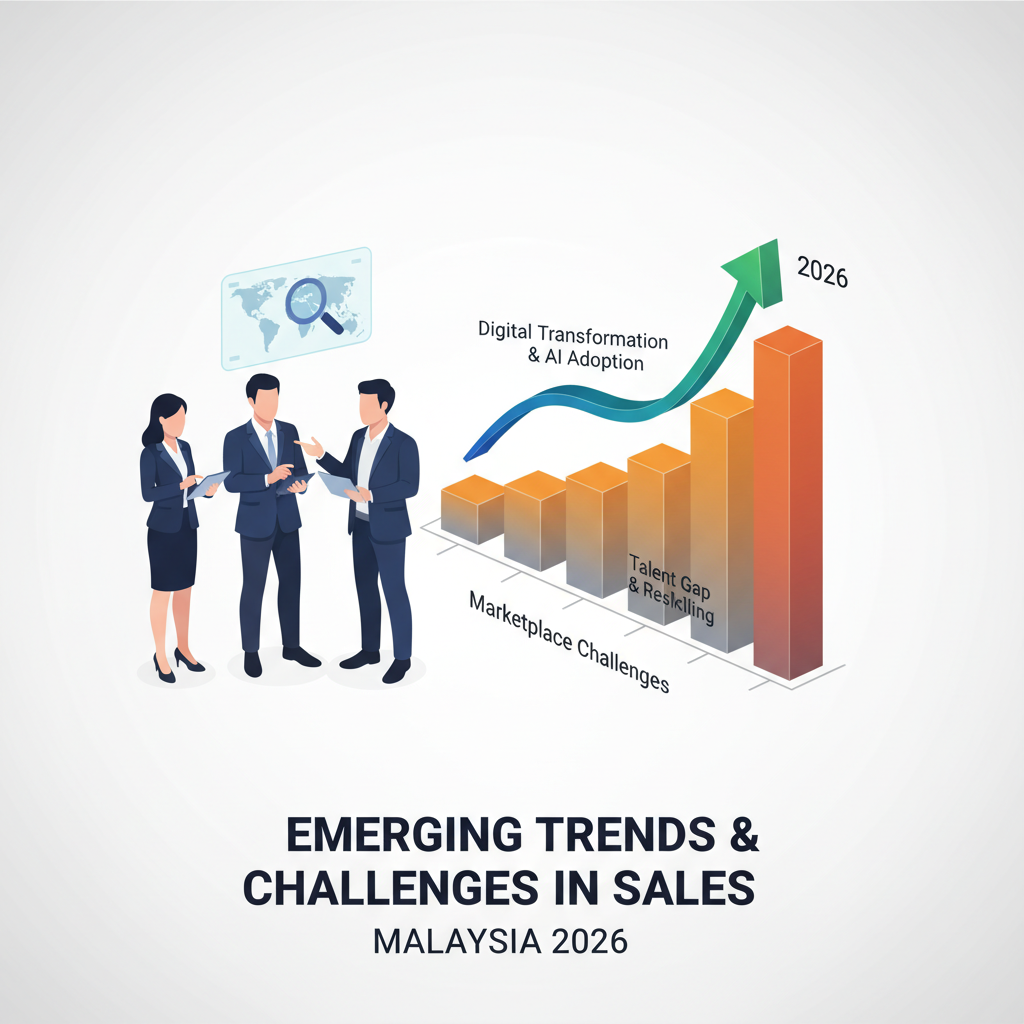
The sales landscape in Malaysia is undergoing a profound transformation, driven by rapid technological advancements, evolving customer expectations, and a dynamic global economy. For businesses to thrive, understanding the market demand trend report of sale field in malaysia is crucial. Sales professionals are no longer mere order-takers but strategic partners, equipped with sophisticated tools and a deep understanding of customer needs. This shift presents both immense opportunities and significant challenges, necessitating continuous adaptation and skill development.
1. AI, Automation, and CRM Adoption
Artificial Intelligence (AI) and automation are rapidly redefining the operational efficiency and strategic capabilities within the Malaysian sales sector. From intelligent lead scoring and predictive analytics to automated outreach and personalized customer journeys, AI-powered tools are freeing sales teams from mundane, repetitive tasks. This allows them to focus on high-value activities that require human intuition and relationship building. Customer Relationship Management (CRM) systems, bolstered by AI functionalities, have become indispensable. They serve as central hubs for customer data, enabling sales professionals to gain a 360-degree view of their clients, personalize interactions, and forecast sales with greater accuracy. The adoption of these technologies is not just a trend; it’s a fundamental shift towards data-driven sales strategies that enhance productivity, optimize resource allocation, and ultimately improve the bottom line. Malaysian businesses that embrace these digital tools are better positioned to respond to market fluctuations and gain a competitive edge in a demanding market.
2. Shift to Consultative and Value-Based Selling
The days of aggressive, product-centric selling are fading, replaced by a more sophisticated approach: consultative and value-based selling. Modern Malaysian consumers, armed with vast amounts of information, expect more than just product features; they seek solutions to their problems and value that extends beyond the initial transaction. Sales professionals are now expected to act as trusted advisors, deeply understanding their clients’ pain points, business objectives, and long-term goals. This involves active listening, insightful questioning, and the ability to tailor solutions that genuinely address specific customer needs. The focus has moved from “what can I sell?” to “how can I help?”. This methodology builds stronger, more sustainable client relationships, fostering loyalty and repeat business. It’s a trend that underscores the importance of empathy, strategic thinking, and a long-term perspective in the sales process. According to a Gartner report on B2B buying, buyers spend significant time researching independently, making the consultative approach even more critical for sales to add value.
3. Talent Shortage and Skill Gap Concerns
Despite the technological advancements, human capital remains the bedrock of successful sales. However, the Malaysian sales field faces significant challenges regarding talent acquisition and development. There’s a growing talent shortage, particularly for roles requiring advanced digital literacy, data analysis skills, and expertise in complex solution selling. The traditional sales skill set is no longer sufficient; today’s sales professionals must possess a blend of technical acumen, emotional intelligence, negotiation prowess, and adaptability. Many existing sales teams may lack the necessary competencies to leverage new technologies effectively or engage in consultative selling. This skill gap necessitates robust training and development programs focusing on areas like AI tool proficiency, advanced communication techniques, strategic thinking, and understanding complex customer ecosystems. Companies in Malaysia must invest in upskilling their workforce and attracting new talent with these evolving capabilities to bridge this gap and remain competitive in a rapidly changing sales environment. Addressing these concerns is vital for sustained growth and innovation within the sales sector.
In-Demand Sales Roles and Skillsets
The Malaysian sales landscape is undergoing a dynamic transformation, driven by technological advancements, evolving consumer behaviour, and robust economic growth. For professionals eyeing a successful career in this vibrant sector, understanding the current market demand trend report of sale field in malaysia is crucial. Employers are actively seeking individuals who not only meet sales targets but also possess a blend of strategic insight, digital proficiency, and exceptional interpersonal skills. This section delves into the specific job roles experiencing high demand and outlines the essential competencies and qualifications highly sought after by employers in the Malaysian sales market, providing a clear roadmap for aspiring and seasoned sales professionals alike.
-
Top Sales Positions with High Growth Potential
Malaysia’s economic diversification and digital acceleration have spurred demand for several key sales roles. Business Development Managers (BDMs) are consistently in high demand, tasked with identifying new market opportunities, forging strategic partnerships, and driving revenue growth. These roles often require a keen understanding of market dynamics, strong analytical abilities, and the capacity to build robust client relationships, particularly within the B2B sector. Similarly, Key Account Managers are vital for maintaining and expanding relationships with existing high-value clients, requiring excellent client servicing, negotiation, and problem-solving skills to ensure long-term customer loyalty and upselling opportunities.
The rise of e-commerce and digital platforms has also created a surge in demand for Digital Sales Specialists and E-commerce Sales Managers. These professionals are adept at leveraging online channels, social media, and digital marketing strategies to generate leads, manage online sales funnels, and optimize conversion rates. With Malaysia’s increasing adoption of Industry 4.0 technologies, Sales Engineers are also becoming indispensable, particularly in sectors like IT, manufacturing, and telecommunications. They combine technical expertise with sales acumen, bridging the gap between complex products or services and client needs. Professionals in these roles often command competitive remuneration and significant career progression opportunities, reflecting their strategic importance in today’s market.
-
Essential Soft Skills for Modern Sales Professionals
While technical proficiency is important, the human element remains paramount in sales. Exceptional communication skills are foundational, enabling professionals to articulate value propositions clearly, listen actively to client needs, and build rapport effectively across diverse cultural backgrounds prevalent in Malaysia. This extends beyond verbal communication to persuasive writing for proposals and presentations. Negotiation and persuasion are equally critical, allowing sales professionals to navigate complex deals, overcome objections, and achieve mutually beneficial outcomes.
Empathy and active listening are increasingly valued, as they enable a deeper understanding of customer pain points and foster trust, moving beyond transactional selling to consultative partnerships. Modern sales professionals must also exhibit high adaptability and resilience, given the fast-paced and often challenging nature of the sales environment. The ability to pivot strategies, learn from setbacks, and maintain a positive outlook is crucial for sustained success. Finally, problem-solving capabilities are essential. Clients today seek solutions, not just products, and a salesperson who can diagnose issues and present tailored solutions becomes an invaluable asset. These soft skills differentiate top performers and are often cited by employers as key indicators of long-term potential.
-
Technical Skills: Data Analytics and Digital Marketing
In an increasingly data-driven world, sales professionals in Malaysia must arm themselves with robust technical skills to remain competitive. Proficiency in data analytics is no longer a niche skill but a fundamental requirement. This involves more than just knowing how to use CRM systems like Salesforce or HubSpot; it means being able to interpret sales data, identify trends, forecast sales, and derive actionable insights to refine strategies and identify new opportunities. Understanding customer behaviour patterns through data allows for highly targeted approaches, improving lead quality and conversion rates.
Furthermore, a solid grasp of digital marketing principles is indispensable. This includes an understanding of search engine optimization (SEO), search engine marketing (SEM), social media marketing, and content marketing. While sales and marketing are distinct functions, an integrated approach significantly enhances effectiveness. Sales professionals who understand how to leverage LinkedIn for social selling, craft compelling email campaigns, or even contribute to blog content can generate their own leads and nurture prospects more efficiently. Familiarity with various digital tools and platforms, coupled with the ability to analyze digital campaign performance, allows salespeople to become more self-sufficient and contribute strategically to the entire customer journey, making them highly sought after in the evolving Malaysian sales landscape. Staying updated with these technical advancements is key to navigating and succeeding in the competitive Malaysian employment trends as identified by various industry reports.
Future Outlook and Strategic Recommendations for Sales Professionals
The Malaysian sales landscape is experiencing an unprecedented transformation, driven by rapid technological advancements, evolving consumer behaviors, and a dynamic global economy. For current and aspiring sales professionals, understanding these shifts is not merely beneficial but essential for long-term career success and sustained growth. This section offers a forward-looking perspective on the market demand trend report of sale field in malaysia, along with actionable advice to thrive amidst these changes. Adapting to new sales technologies, mastering complex selling skills, and cultivating a robust professional network will be paramount for those aiming to lead in this competitive environment.

1. Projected Growth Areas and Opportunities
The Malaysian economy’s trajectory points towards several burgeoning sectors that will significantly impact future sales opportunities. The most prominent among these is the digital economy and e-commerce, which continues its explosive growth. As more businesses and consumers shift online, the demand for sales professionals adept at digital marketing, online lead generation, and managing complex e-commerce sales funnels will skyrocket. Beyond retail, the Business-to-Business (B2B) sector, particularly in technology solutions, cloud services, and data analytics, presents immense potential. Companies are increasingly investing in digital transformation initiatives, creating a strong market for sales professionals who can articulate value in sophisticated technological solutions. Furthermore, the healthcare technology, renewable energy, and fintech industries are also projected to see substantial expansion, requiring specialized sales expertise. Understanding the intricacies of these industries, from regulatory frameworks to specific customer pain points, will position sales professionals for significant success in the Malaysian sales market.
2. Strategies for Career Development and Upskilling
To remain competitive in Malaysia’s evolving sales field, continuous learning and targeted upskilling are non-negotiable. Future-proof sales professionals will need to cultivate a diverse skill set that blends traditional sales acumen with advanced digital capabilities. Key areas for professional development include:
- Digital Fluency and Sales Technology: Proficiency in CRM systems (e.g., Salesforce), sales automation tools, and lead nurturing platforms is critical. Understanding how AI in sales can personalize customer interactions and streamline processes will also provide a distinct advantage.
- Data Analytics in Sales: The ability to interpret sales data, identify trends, and make data-driven decisions will be invaluable for optimizing strategies and achieving targets.
- Customer Experience (CX) Expertise: Sales is no longer just about closing deals; it’s about building long-term relationships through exceptional customer experiences. Developing skills in customer success management and understanding customer journey mapping is crucial.
- Soft Skills Reinforcement: While technology advances, human elements like emotional intelligence, advanced negotiation, persuasive communication, and adaptability remain paramount. These skills enable sales professionals to navigate complex client relationships and unpredictable market conditions effectively.
Pursuing certifications in sales management, digital selling, or specific industry knowledge will further enhance a professional’s marketability and career progression, preparing them for the future of sales in Malaysia.
3. Leveraging Networking and Professional Associations
In a rapidly changing sales environment, the power of a strong professional network cannot be overstated. Networking offers access to mentorship, industry insights, potential job opportunities, and collaborative partnerships. Sales professionals should actively engage in local and regional industry events, seminars, and workshops. Joining professional sales associations, such as the Malaysian Sales & Marketing Association (MSMA) or chambers of commerce, provides a platform for knowledge exchange, best practice sharing, and continuous professional development. Online platforms like LinkedIn are indispensable for building and maintaining a digital professional presence, connecting with peers, thought leaders, and potential clients. Proactive engagement in these communities—sharing insights, asking questions, and contributing value—not only raises an individual’s profile but also keeps them abreast of the latest market demand trend reports and emerging opportunities in the Malaysian sales field. Cultivating these connections fosters a resilient career path, opening doors that might otherwise remain closed.
The future of the sales field in Malaysia is vibrant and full of potential for those willing to embrace change and commit to continuous growth. By strategically focusing on emerging growth areas, investing in skill development, and actively leveraging professional networks, sales professionals can not only navigate but also lead the transformation of sales in Malaysia.
Partner with Shelby Global
You are looking for reliable HR Sevice Suppliers? Contact Shelby Global Now! To connect with verified talents and upgrade your orginization.
—————————————
References
– Department of Statistics Malaysia (DOSM): https://www.dosm.gov.my/portal-main/release-content/quarterly-national-accounts-q4-2023
– Malaysia’s Digital Economy Growth: https://www.mdec.my/digital-economy-initiatives/digital-economy-initiatives-malaysia/
– Gartner report on B2B buying: https://www.gartner.com/en/sales/insights/b2b-buying-journey
– Randstad Malaysia HR Trends and Talent Insights: https://www.randstad.com.my/hr-trends/talent-trends/
– E-commerce – Malaysia | Statista Market Forecast: https://www.statista.com/outlook/dmo/ecommerce/malaysia



































































































