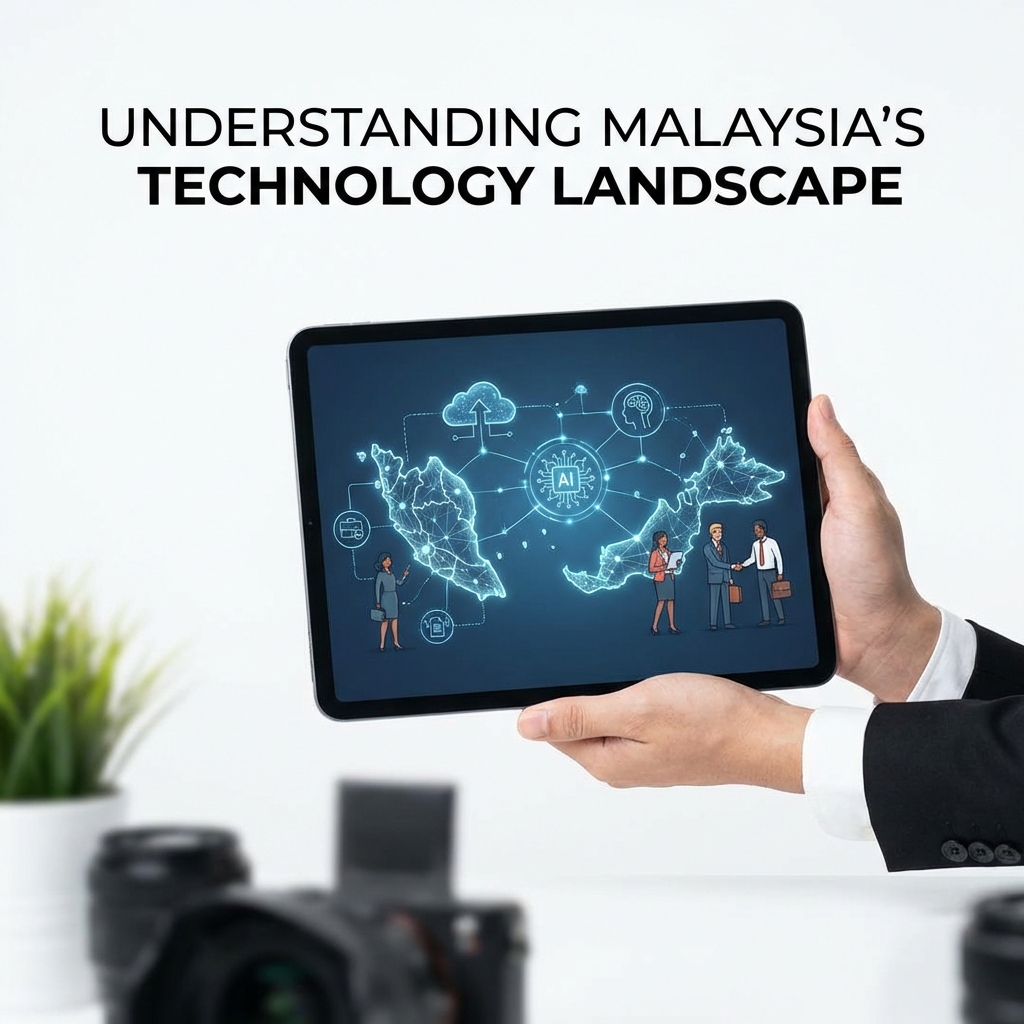
Understanding Malaysia’s Technology Landscape
This section sets the stage by providing an overview of Malaysia’s current digital economy and the foundational elements driving its tech sector’s growth. As Malaysia continues its journey towards becoming a high-income, digitally-driven nation, a comprehensive market demand trend report of technology field in Malaysia becomes increasingly vital for businesses, investors, and policymakers alike.
1. Overview of Malaysia’s Digital Economy Blueprint
Malaysia’s commitment to digital transformation is encapsulated in its Digital Economy Blueprint, also known as MyDIGITAL. Launched with ambitious targets, MyDIGITAL aims to accelerate the adoption of digital technologies across all sectors, from public services to private enterprises and individuals. This blueprint envisions Malaysia as a regional leader in the digital economy, driving innovation, fostering digital inclusivity, and enhancing productivity. Key initiatives include expanding digital infrastructure, promoting digital literacy, encouraging e-commerce adoption, and nurturing a vibrant start-up ecosystem. The government’s focus on attracting foreign direct investment in high-tech sectors and developing local digital talent further underpins this vision. Understanding the objectives and progress of MyDIGITAL is crucial for any market demand trend report of technology field in Malaysia, as it directly influences policy direction, investment priorities, and emerging opportunities in areas like AI, cloud computing, cybersecurity, and the Internet of Things (IoT).
2. Key Pillars and Growth Drivers of the Tech Sector
Malaysia’s tech sector is propelled by several key pillars and growth drivers. Firstly, robust government support, through agencies like the Malaysia Digital Economy Corporation (MDEC), provides strategic guidance, incentives, and infrastructure development. Secondly, a growing digitally-savvy population and increasing internet penetration create a fertile ground for digital service consumption and innovation. The demand for digital solutions in areas such as fintech, health tech, edutech, and e-commerce continues to surge, driven by changing consumer behaviors and the ongoing digitalization of traditional industries. Furthermore, Malaysia’s strategic geographical location, competitive operating costs, and relatively skilled workforce make it an attractive hub for regional tech operations and R&D. The country is also seeing a rise in venture capital funding and incubation programs, fostering a dynamic start-up culture. These factors collectively contribute to a robust and evolving tech landscape, necessitating continuous analysis of sub-sectors and their specific growth trajectories within any comprehensive market demand trend report of technology field in Malaysia.
3. Methodology and Scope of the Market Demand Trend Report
To provide an accurate and actionable market demand trend report of technology field in Malaysia, a rigorous methodology is employed. This report integrates both quantitative and qualitative research approaches. Quantitative data is gathered from official statistics, industry reports, financial disclosures, and market sizing analyses, covering key metrics such as investment volumes, revenue growth, employment figures, and technology adoption rates across various industries. Qualitative insights are derived through expert interviews with industry leaders, policymakers, start-up founders, and technology implementers. The scope of this report encompasses crucial technology segments, including but not limited to, Artificial Intelligence (AI) and Machine Learning, Cloud Computing, Cybersecurity, Big Data Analytics, Internet of Things (IoT), Fintech, and Advanced Manufacturing (Industry 4.0 technologies). It also examines cross-cutting themes such as digital talent availability, regulatory frameworks, and sustainability in tech. By combining a broad scope with detailed analysis, the report aims to offer a holistic view of the current landscape and future prospects, identifying emerging opportunities and potential challenges for stakeholders operating within or looking to enter Malaysia’s dynamic technology sector.
Emerging Technology Demand & Adoption Trends
Malaysia is experiencing a profound digital transformation, propelled by a dynamic interplay of government initiatives, increasing digital literacy, and a robust investment landscape. Understanding the evolving market demand trend report of technology field in malaysia is crucial for businesses aiming to remain competitive and for policymakers seeking to foster sustainable economic growth. This section delves into the specific technological domains witnessing significant demand and widespread adoption across various industries within Malaysia, highlighting their transformative impact and immense potential to reshape the nation’s digital future.
1. Growth of Artificial Intelligence and Machine Learning Applications
Artificial Intelligence (AI) and Machine Learning (ML) are no longer futuristic concepts in Malaysia; they are integral components of modern business strategies across sectors. From enhancing customer experiences to optimizing operational efficiencies, the adoption of AI/ML applications is accelerating rapidly. In finance, AI-driven solutions are being deployed for fraud detection, personalized banking services, and sophisticated risk assessment. The manufacturing sector leverages ML for predictive maintenance, quality control, and supply chain optimization, leading to significant reductions in downtime and waste. Healthcare is seeing AI improve diagnostic accuracy and personalize treatment plans, while e-commerce platforms utilize ML algorithms for recommendation engines and targeted advertising. The Malaysian government, recognizing the strategic importance of AI, has outlined a National AI Framework to guide its development and ethical deployment, fostering an ecosystem ripe for innovation and investment. This surge in demand is driving the need for skilled AI engineers, data scientists, and ethical AI specialists, signaling a new era of data-driven decision-making and innovation for Malaysian enterprises.
2. Cloud Computing Expansion and Data Center Investments
Cloud computing has emerged as a cornerstone of Malaysia’s digital infrastructure, facilitating unparalleled scalability, flexibility, and cost-efficiency for businesses of all sizes. The shift from traditional on-premise IT infrastructure to cloud-based solutions (IaaS, PaaS, SaaS) is a dominant trend, driven by the imperative for agile operations, remote work capabilities, and access to advanced analytics. Major global cloud service providers have significantly expanded their presence and investments in Malaysia, establishing hyperscale data centers that meet growing local and regional demand. This influx of investment not only boosts digital sovereignty but also provides businesses with access to state-of-the-art cloud services, enabling them to innovate faster and connect globally. Industries such as financial services, telecommunications, and public sector agencies are increasingly adopting hybrid cloud strategies to balance security, compliance, and performance requirements. The ongoing expansion of cloud infrastructure is pivotal to supporting Malaysia’s digital economy, enabling everything from seamless e-government services to robust e-commerce platforms and the burgeoning IoT ecosystem.
3. The Imperative of Cybersecurity Solutions Across Sectors
As Malaysia accelerates its digital adoption, the imperative for robust cybersecurity solutions has never been greater. The increasing frequency and sophistication of cyber threats pose significant risks to critical national infrastructure, corporate intellectual property, and individual privacy. Consequently, demand for advanced cybersecurity solutions — including threat detection and response, data encryption, identity and access management, and compliance consulting — is surging across all sectors. Financial institutions are continuously strengthening their defenses against cyber-attacks and financial fraud, while government agencies are investing in protecting sensitive citizen data. Small and Medium Enterprises (SMEs), often targeted due to perceived vulnerabilities, are also recognizing the critical need for comprehensive cybersecurity strategies. Furthermore, regulatory frameworks such as the Personal Data Protection Act (PDPA) underscore the legal and ethical obligations for data security, driving organizations to prioritize cybersecurity investments. This heightened awareness and investment are not just about protecting against breaches; they are about building trust in the digital economy and ensuring the secure and sustainable growth of Malaysia’s digital future. Projections for Malaysia’s digital economy outlook emphasize the foundational role of strong cybersecurity in achieving ambitious growth targets.
In conclusion, the demand for AI/ML, cloud computing, and advanced cybersecurity solutions is defining Malaysia’s technological trajectory. These emerging trends are not merely isolated developments but interconnected pillars supporting the nation’s ambitious digital agenda. Businesses that strategically invest in these areas will be well-positioned to capitalize on new opportunities, drive innovation, and contribute to Malaysia’s journey towards becoming a leading digital economy. Staying abreast of this evolving market demand trend report of technology field in malaysia is essential for sustained success and impact.
Talent & Workforce Demands in Malaysian Tech
Malaysia’s ambition to become a digital economy powerhouse hinges significantly on its ability to cultivate and retain a highly skilled tech workforce. This section will examine the critical demand for skilled professionals, identifying in-demand roles, skills gaps, and the initiatives being undertaken to develop a robust tech workforce, providing valuable insights into the market demand trend report of technology field in Malaysia.
The rapid pace of digital transformation in Malaysia has unequivocally amplified the demand for a skilled and adaptable tech workforce. As the nation strives to solidify its position as a regional digital hub, the urgent need for proficient professionals across various technological domains has become a critical strategic imperative. A deep dive into the market demand trend report of technology field in Malaysia reveals a dynamic landscape where certain skills and roles are experiencing unprecedented growth, while persistent skills gaps challenge the pace of innovation and economic expansion. This imbalance not only impacts individual companies vying for top talent but also shapes the overall trajectory of Malaysia’s digital economy. Understanding these dynamics is crucial for both job seekers and policymakers alike.
1. Most Sought-After Tech Skills and Job Roles
The market demand trend report of technology field in Malaysia consistently highlights several areas of acute talent shortage. Among the most sought-after skills are those pertaining to cybersecurity, data science and analytics, artificial intelligence (AI) and machine learning (ML), cloud computing, and full-stack development. Companies across sectors, from finance to manufacturing, are aggressively seeking professionals who can leverage these technologies to drive efficiency, innovation, and competitive advantage. Specific job roles experiencing high demand include:
- Cybersecurity Specialists: With an increasing threat landscape, roles such as Security Analysts, Ethical Hackers, and Cybersecurity Architects are critical to protecting digital assets.
- Data Scientists & Analysts: Professionals capable of extracting insights from big data, building predictive models, and informing strategic decisions are invaluable.
- AI/ML Engineers: Expertise in developing and deploying AI/ML models for automation, personalization, and advanced analytics is highly prized.
- Cloud Architects/Engineers: Skills in designing, implementing, and managing cloud infrastructure (AWS, Azure, Google Cloud) are essential for digital transformation.
- Software Developers (Full-stack, Front-end, Back-end): The continuous development of new applications and platforms ensures a steady demand for skilled coders, particularly those proficient in modern frameworks and languages.
- UI/UX Designers: User experience is paramount, driving demand for designers who can create intuitive and engaging digital interfaces.
This significant demand underscores a clear signal: investing in these core competencies is vital for career progression and business growth within Malaysia’s tech ecosystem.
2. Strategies for Bridging the Digital Skills Gap
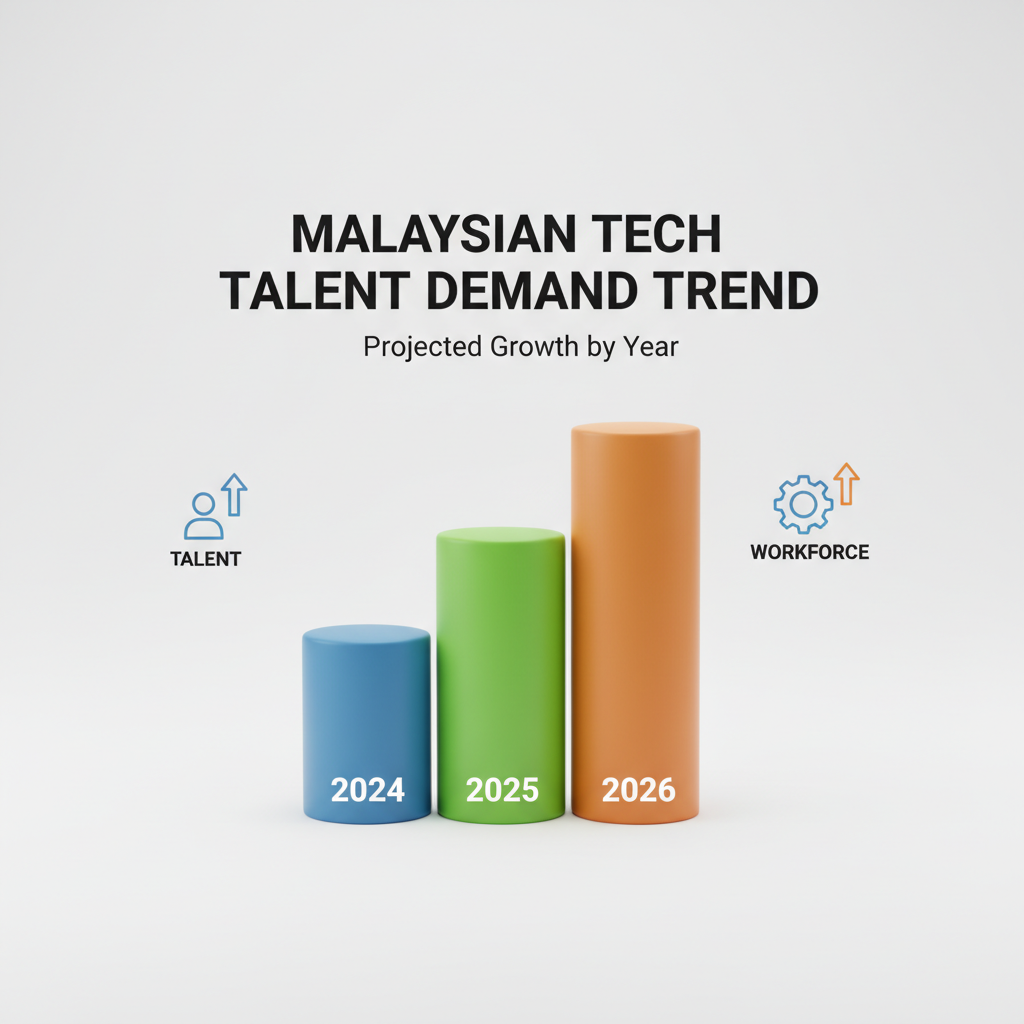
Addressing the pervasive digital skills gap is paramount for Malaysia to realize its digital ambitions. Several strategic approaches are being deployed to tackle this challenge. One key strategy involves fostering closer collaboration between academia and industry. Universities are increasingly partnering with tech companies to co-design curricula, offer internships, and provide practical, industry-relevant training that directly aligns with current market needs. This ensures graduates are equipped with immediately applicable skills upon entering the workforce. Furthermore, reskilling and upskilling initiatives for existing professionals are gaining traction. Online learning platforms, specialized bootcamps, and certification programs are crucial in helping mid-career professionals transition into tech roles or enhance their current capabilities in areas like advanced data analytics or cloud security. Promoting STEM education from an early age and encouraging greater participation of women in tech are also long-term strategies aimed at expanding the talent pipeline. The effectiveness of these strategies is crucial for shaping the future market demand trend report of technology field in Malaysia.
3. Government and Industry Initiatives for Tech Talent Development
Both the Malaysian government and private sector are actively investing in robust initiatives aimed at nurturing a sustainable tech talent pool. Government agencies, such as the Malaysia Digital Economy Corporation (MDEC), play a pivotal role in driving national tech development programs. MDEC’s various initiatives, including the Digital Talent Development Program and the MyDigital blueprint, aim to accelerate digital adoption and foster a competitive digital workforce. These programs often provide funding, training subsidies, and networking opportunities for aspiring tech professionals and startups. For instance, the FutureLabs programme is designed to develop a sustainable talent ecosystem by connecting industry with training providers.
Industry players are also stepping up with their own contributions. Many multinational corporations (MNCs) and local tech giants have established internal academies, mentorship programs, and scholarships to cultivate homegrown talent. These initiatives not Sand only focus on technical prowess but also emphasize crucial soft skills like critical thinking, problem-solving, and collaboration, which are equally vital in today’s dynamic work environment. The synergy between government policy and private sector commitment is creating a conducive environment for tech talent to thrive, ensuring that the market demand trend report of technology field in Malaysia reflects a robust and growing ecosystem. For a more comprehensive look at these trends, exploring a detailed internal report on the subject can be beneficial: market demand trend report of technology field in malaysia.
Investment & Innovation Ecosystem Development
The vibrant landscape of Malaysia’s technology field is increasingly shaped by dynamic financial and infrastructural developments. A comprehensive understanding of these facets is crucial for anyone seeking insights into the market demand trend report of technology field in Malaysia. This section delves into the critical role played by venture capital flows in Malaysia, the burgeoning startup ecosystem growth Malaysia, and the strategic establishment of innovation hubs Malaysia, all of which are pivotal in driving the nation’s digital transformation and economic diversification.
1. Trends in Venture Capital and Startup Funding in Malaysia
Malaysia’s startup ecosystem has witnessed a remarkable surge in venture capital (VC) and startup funding over recent years, signaling strong investor confidence and a fertile ground for innovation. This growth is underpinned by an expanding pool of both local and international VC firms, angel investors, and corporate venture arms increasingly looking to tap into Southeast Asia’s burgeoning digital economy. Sectors such as fintech, e-commerce, artificial intelligence, and proptech have particularly attracted significant investment, reflecting evolving consumer and industrial demands. The government’s initiatives, coupled with a supportive regulatory framework, have also played a crucial role in de-risking early-stage investments and fostering a more robust funding environment. Crowd-funding platforms and private equity funds are also gaining traction, offering alternative financing avenues for promising startups. The ongoing push for digitalization across various industries continues to fuel investor interest, as companies race to leverage technology for efficiency and market expansion. Understanding these financial currents is key to grasping the overall market demand trend report of technology field in Malaysia, as funding flows often dictate which technological innovations gain traction and scale.
2. Rise of Innovation Hubs and R&D Centers
Parallel to the rise in funding, Malaysia has strategically invested in the development of a robust network of innovation hubs and R&D centers. These centers serve as crucial incubators and accelerators, providing startups and tech companies with vital resources, mentorship, co-working spaces, and access to advanced research facilities. Locations like Cyberjaya, Kuala Lumpur City Centre, and Penang have emerged as significant clusters, fostering collaboration between academia, industry players, and government bodies. These hubs are instrumental in nurturing talent, facilitating knowledge transfer, and accelerating the commercialization of research outcomes. The establishment of specialized labs focused on emerging technologies such as blockchain, IoT, and advanced manufacturing further underscores Malaysia’s commitment to becoming a regional innovation powerhouse. By centralizing resources and expertise, these hubs create synergistic environments that drive sustained innovation and technological advancement, positioning Malaysia favorably in the global tech landscape. These strategic developments are integral to the nation’s broader Malaysia Digital Economy Blueprint, aiming to propel the country into a digitally-driven, high-income nation.
3. Government Policies Supporting Tech Investment and Innovation
The Malaysian government has consistently demonstrated strong commitment to fostering a vibrant tech ecosystem through a suite of supportive policies and initiatives. Agencies such as the Malaysia Digital Economy Corporation (MDEC), National Technology and Innovation Sandbox (NTIS), and Cradle Fund Sdn Bhd play pivotal roles in this endeavor. MDEC, for instance, leads the charge in driving the digital economy, attracting foreign direct investment (FDI) in tech, and nurturing local talent through various programs and incentives. Policies include tax incentives for R&D activities, grants for startups and SMEs, favorable regulatory sandboxes for fintech and emerging technologies, and initiatives aimed at upskilling the workforce for the digital age. Furthermore, the government actively promotes public-private partnerships to bridge gaps in funding and expertise, ensuring that innovation translates into tangible economic growth. These proactive measures not only attract global tech giants but also empower local entrepreneurs, cultivating an environment ripe for technological breakthroughs and sustainable economic development. Such comprehensive governmental support is indispensable for securing Malaysia’s position as a leading investment and innovation hub in Southeast Asia, ensuring continuous growth and adaptation in the face of evolving market demands.
Future Outlook & Strategic Recommendations to 2026
Malaysia’s technology sector is set for significant transformation and growth as it progresses towards becoming a high-income, digitally-driven nation. Robust digital adoption, strategic government initiatives, and a burgeoning talent pool underpin this exciting future. This section offers a forward-looking perspective, detailing projections for Malaysia’s tech market and actionable strategic recommendations for businesses, investors, and policymakers to capitalize on emerging opportunities and ensure sustainable sector development.
1. Projections for Malaysia’s Tech Market Growth up to 2026
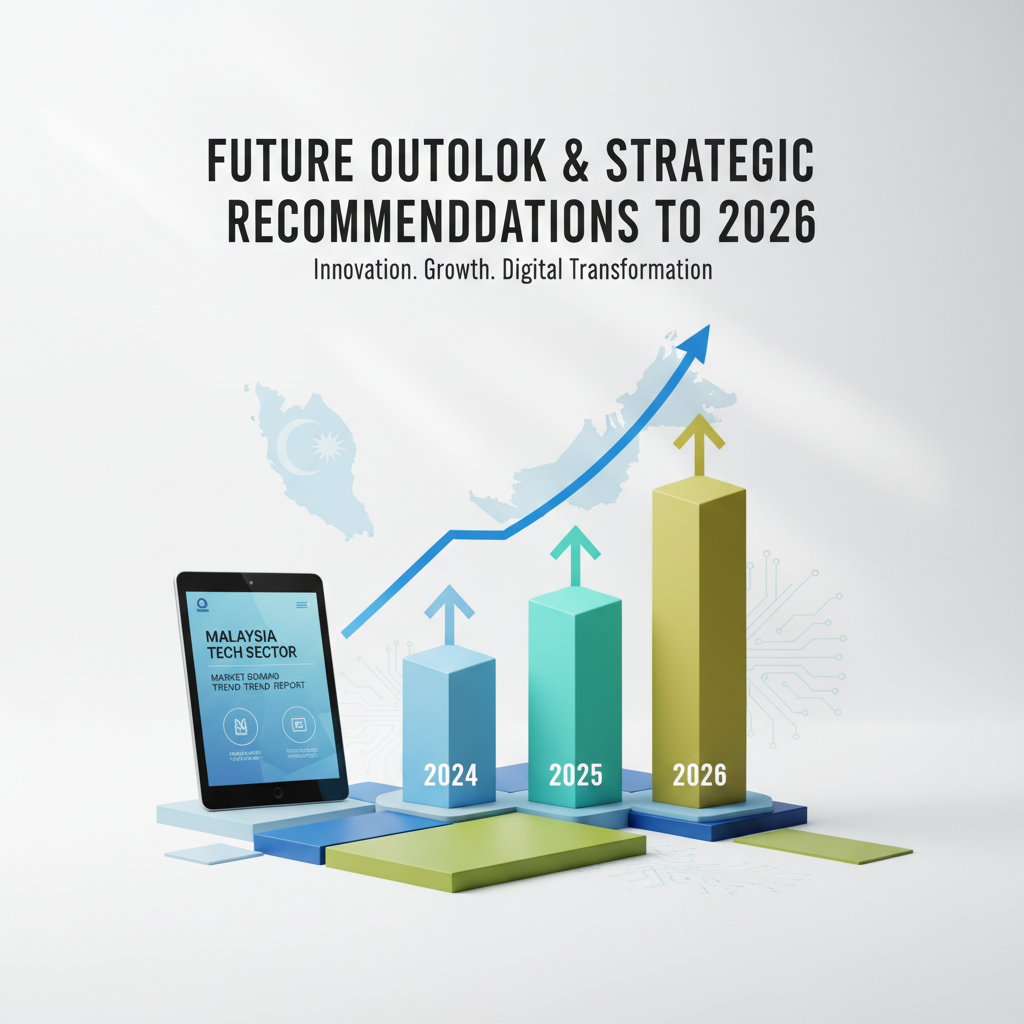
The outlook for Malaysia’s technology market remains strong, driven by accelerating digital transformation and increased government support. Up to 2026, we anticipate continued robust growth, particularly in areas aligning with the Fourth Industrial Revolution (4IR). Cloud computing will remain foundational, with businesses increasingly migrating for scalability, fueling demand for data analytics, cybersecurity, and managed IT solutions. Artificial Intelligence (AI) and Machine Learning (ML) are expected to transition into practical applications, enhancing productivity across healthcare, finance, and manufacturing. The Internet of Things (IoT) will see broader adoption in smart cities, industrial automation, and connected consumer devices, generating vast datasets.
Cybersecurity will be paramount due to increasing threats and stricter data privacy regulations, experiencing substantial investment. Fintech innovations will continue to disrupt traditional financial services, with digital payments, P2P lending, and blockchain gaining traction. The “Malaysia Digital” initiative will crucially foster a vibrant digital ecosystem, further boosting the overall market demand trend report of technology field in Malaysia. We foresee annual double-digit growth for key segments, driven by domestic demand and Malaysia’s position as a regional digital hub.
2. Key Opportunities for Local and International Stakeholders
Malaysia presents significant opportunities for local and international stakeholders. For businesses, burgeoning demand for enterprise solutions offers substantial growth for SaaS, PaaS, and IaaS providers, especially those tailoring solutions for SMEs undergoing digital transformation. The smart manufacturing sector, supported by Industry4WRD, provides avenues for firms in industrial IoT, robotics, and automation. Opportunities also abound in green tech and sustainable technology, aligning with global climate goals.
International investors will find an attractive environment with competitive operating costs, a skilled workforce, and strategic access to Southeast Asian markets. Investment opportunities are strong in venture capital for early-stage tech startups, private equity in scaling tech companies, and strategic partnerships for technology transfer. Collaboration between local universities and foreign tech firms can foster R&D. The push for digital government services also opens doors for technology providers. MDEC actively positions Malaysia as a leading digital economy, attracting significant foreign direct investment. This commitment underscores a supportive environment for innovation, making it opportune for stakeholders. MDEC’s initiatives are crucial for understanding the landscape.
3. Actionable Recommendations for Sustainable Tech Sector Development
To ensure the sustainable growth and competitiveness of Malaysia’s technology sector, a multi-pronged approach involving businesses, investors, and policymakers is essential.
For Businesses:
- Talent Development: Prioritize upskilling and reskilling in emerging technologies (AI, ML, cybersecurity); foster continuous learning.
- Innovation & R&D: Allocate resources to R&D, perhaps via academic partnerships, to create proprietary solutions and maintain competitiveness.
- Strategic Partnerships: Collaborate with local startups, international tech giants, and government agencies to access new markets and co-develop solutions.
- Niche Market Focus: Identify specific industry pain points solvable with technology for deeper market penetration.
For Investors:
- Diversify Portfolios: Explore high-growth areas like green tech, edutech, and health tech.
- Support Local Startups: Provide early-stage funding and mentorship for promising Malaysian tech startups to scale globally.
- Long-Term Vision: Adopt a long-term investment horizon, acknowledging time for tech innovations to mature.
For Policymakers:
- Enhance Digital Infrastructure: Continue investing in high-speed internet, 5G deployment, and secure data centers.
- Refine Regulatory Frameworks: Develop agile policies fostering innovation while ensuring data privacy, IP protection, and fair competition.
- Incentivize R&D and FDI: Offer attractive incentives (tax breaks, grants) for R&D and foreign direct investment in critical tech areas.
- Strengthen Education & Skills: Align curricula with industry needs to produce a future-ready workforce.
- Promote Digital Inclusivity: Ensure tech benefits reach all segments, bridging the digital divide.
By implementing these recommendations, Malaysia can solidify its position as a regional tech powerhouse. For further insights, refer to a comprehensive market demand trend report of technology field in Malaysia.
Partner with Shelby Global
You are looking for reliable HR Sevice Suppliers? Contact Shelby Global Now! To connect with verified talents and upgrade your orginization.
—————————————
References
– Malaysia Digital Economy Corporation (MDEC): https://mdec.my/
– Malaysia’s digital economy poised for strong growth: https://www.thestar.com.my/business/business-news/2023/12/12/malaysias-digital-economy-poised-for-strong-growth
– FutureLabs programme by MDEC: https://mdec.my/industry-digitalisation/digital-talent-development/futurelabs/
– Malaysia Digital Economy Blueprint: https://mdec.my/malaysiadigital/
– MDEC’s initiatives: https://mdec.my/news/mdec-aims-to-attract-digital-investments-of-rm42-bil-in-2023/