Overview of Malaysia’s Travel Market Landscape
Malaysia’s travel market landscape, a cornerstone of its national economy, has demonstrated remarkable resilience and dynamic shifts over the past few years. Before the global pandemic, the industry was a vibrant engine of growth, contributing significantly to the nation’s GDP and employment. The subsequent period of disruption compelled a re-evaluation and accelerated a journey of recovery, making the insights from a comprehensive market demand trend report of Travels field in malaysia more crucial than ever.
1. Pre-pandemic vs. Post-pandemic performance benchmarks
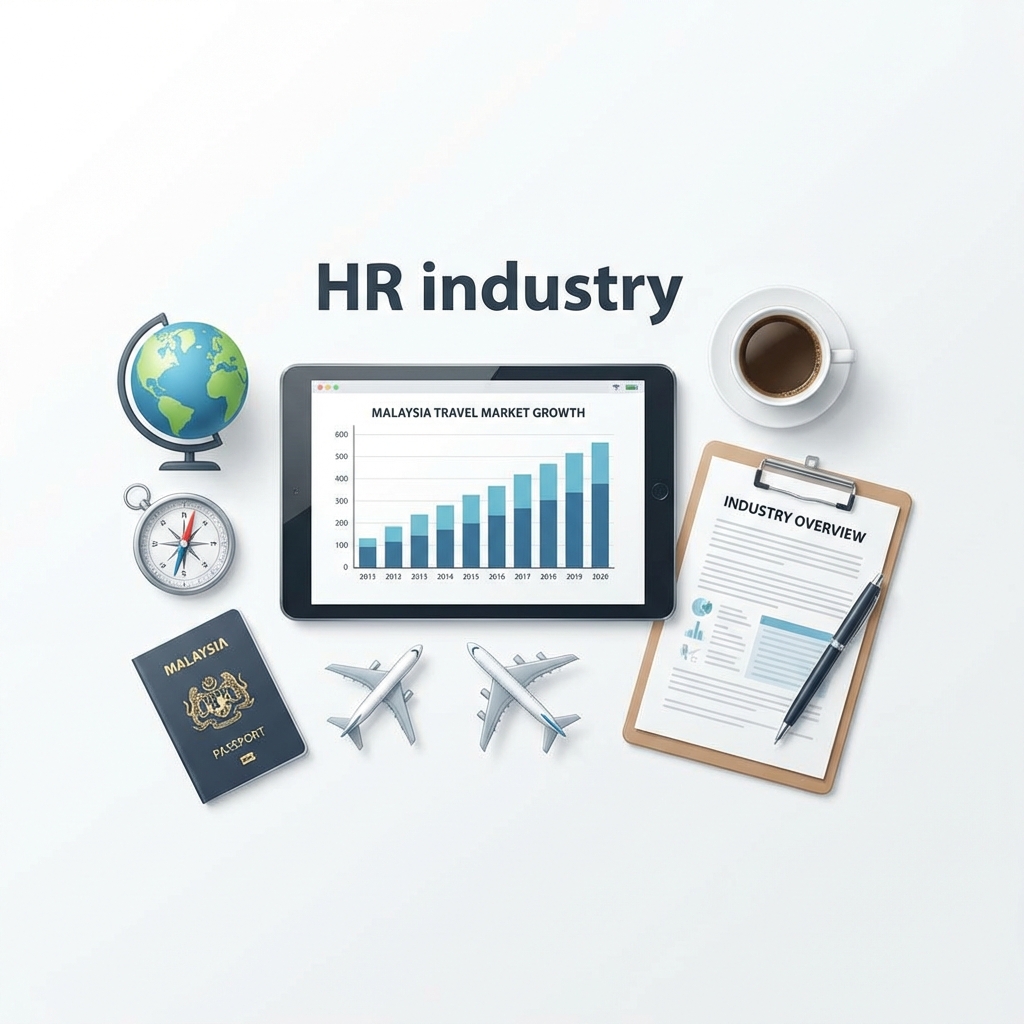
Prior to the COVID-19 pandemic, Malaysia’s travel industry was on a robust upward trajectory. In 2019, the country welcomed 26.1 million international tourist arrivals, generating RM86.14 billion in tourism receipts, firmly establishing itself as a preferred destination in Southeast Asia. This period saw sustained growth in inbound tourism Malaysia, driven by its diverse cultural offerings, natural beauty, and modern infrastructure. The ensuing pandemic brought an unprecedented halt, with international borders largely closed, resulting in a drastic decline in arrivals and revenue. The initial phase of recovery was heavily reliant on domestic tourism, bolstered by government initiatives and campaigns encouraging Malaysians to explore their own country. As borders gradually reopened, the focus shifted towards rebuilding international confidence and attracting travelers back. Post-pandemic benchmarks reveal a strong rebound, albeit with new dynamics. While 2022 saw a significant uptick with 10.1 million foreign tourists and RM28.3 billion in receipts, 2023 further solidified this recovery, aiming to surpass pre-pandemic levels. The recovery journey highlights new priorities, including enhanced health and safety protocols and a greater emphasis on digital services, transforming the operational landscape for travel businesses.
2. Key segments: leisure, business, medical, eco-tourism
The Malaysian travel market is characterized by its diverse and evolving segments. Leisure travel trends Malaysia remain a dominant force, appealing to families, adventure seekers, and cultural enthusiasts alike. Popular destinations range from the pristine beaches of Langkawi and the historical charm of Malacca to the vibrant cityscapes of Kuala Lumpur. The Malaysia travel market segments also include a thriving business (MICE – Meetings, Incentives, Conferences, Exhibitions) sector, particularly strong in metropolitan hubs like Kuala Lumpur and Penang, which host numerous international events and conventions. This MICE Malaysia segment plays a vital role in showcasing Malaysia’s capabilities as a global business hub. Furthermore, medical tourism Malaysia has gained international acclaim, attracting patients from Indonesia, Singapore, and the Middle East for high-quality, affordable healthcare services, particularly in areas like cardiology, orthopaedics, and fertility treatments. The country’s commitment to sustainable tourism Malaysia is evident in the growing eco-tourism segment, with destinations like Borneo (Sabah and Sarawak) offering unique wildlife encounters, rainforest adventures, and cultural experiences that resonate with environmentally conscious travelers. This segment is crucial for preserving Malaysia’s natural heritage while fostering community development.
3. Economic contribution and growth trajectory of the travel sector
The economic impact tourism Malaysia cannot be overstated. Before the pandemic, the travel and tourism sector contributed approximately 13.3% to Malaysia’s GDP in 2019, supporting millions of jobs directly and indirectly. The subsequent downturn underscored the sector’s vulnerability but also highlighted its indispensable role in the national economy. The government has implemented various stimulus packages and promotional campaigns, such as the ‘Cuti-Cuti Malaysia’ initiative and targeted international marketing efforts, to accelerate tourism recovery Malaysia. Looking ahead, the growth trajectory is optimistic, underpinned by strategic investments in infrastructure, enhanced digital marketing efforts, and a focus on niche markets. The ongoing digital transformation travel Malaysia is reshaping how travel services are marketed and consumed, improving efficiency and reach. The Ministry of Tourism, Arts and Culture (MOTAC) has outlined ambitious targets, aiming for continued growth in tourist arrivals and receipts, with a strong emphasis on high-yield visitors. Challenges such as global economic uncertainties and climate change impacts remain pertinent, yet Malaysia’s strategic geographical position, diverse attractions, and robust policy support position it well for sustained growth. According to the World Tourism Organization (UNWTO), global tourism is set to reach pre-pandemic levels in 2024, a trend Malaysia is actively leveraging. The nation’s dedication to developing a resilient and diversified travel market, supported by ongoing analysis and adaptation to global trends, ensures its continued economic significance.
Driving Factors Behind Travel Demand in Malaysia
Malaysia’s travel industry is a vibrant ecosystem, constantly evolving in response to both internal dynamics and external forces. Understanding the core reasons stimulating growth and shifts in travel preferences among consumers, both domestically and internationally, is crucial for any market demand trend report of Travels field in malaysia. Several key factors underpin the robust expansion and diversification seen within the Malaysian tourism sector, shaping future development and investment opportunities. These drivers range from changing consumer behaviors to strategic government interventions and the broader global economic landscape, collectively contributing to the unique travel patterns observed across the nation.
1. Rising domestic tourism and local exploration trends
The past few years have witnessed a significant surge in domestic tourism, solidifying its position as a primary driver for the Malaysian tourism growth. Malaysians are increasingly exploring their own backyard, driven by a renewed appreciation for local heritage, natural wonders, and cultural diversity. This trend is not merely a post-pandemic phenomenon but reflects deeper shifts in domestic travel preferences. Travelers are seeking authentic experiences, often prioritizing destinations that offer ecotourism Malaysia opportunities, such as national parks, rainforests, and marine sanctuaries. There’s also a growing interest in cultural tourism Malaysia, with visitors keen to delve into the country’s multi-ethnic tapestry, exploring historical sites, traditional villages, and culinary delights. The accessibility and affordability of local travel, coupled with increased digital content showcasing hidden gems, have further fueled this desire for local exploration. This shift not only supports local businesses and communities but also creates a more sustainable tourism model, reducing reliance on international arrivals and fostering a resilient domestic travel market.
2. Impact of government initiatives and tourism policies (e.g., ‘Cuti-Cuti Malaysia’)
Government interventions play a pivotal role in shaping travel demand, and Malaysia is no exception. Strategic government tourism campaigns have historically been effective in stimulating both domestic and international travel. Programs like ‘Cuti-Cuti Malaysia’ are prime examples, actively encouraging locals to travel within the country through promotional packages, public awareness campaigns, and incentives. These initiatives are designed to boost local economies, especially during off-peak seasons or challenging times. Beyond promotional activities, government policies related to infrastructure development – such as improved transportation networks and connectivity to remote areas – directly enhance accessibility and convenience for travelers. Furthermore, investments in tourism product development, sustainability frameworks, and digital transformation initiatives underline a holistic approach to strengthening the sector. Such policies are critical in positioning Malaysia as an attractive destination, ensuring that the necessary support structures are in place to accommodate the evolving regional travel patterns and preferences of a diverse traveler base, thereby significantly influencing overall market demand trend report of Travels field in malaysia.
3. Influence of global economic stability and regional connectivity
The broader global economic climate and Malaysia’s strategic position within Southeast Asia profoundly influence its travel demand. Periods of global economic stability generally correlate with increased discretionary spending on travel, particularly from key international source markets. Conversely, economic downturns can lead to a contraction in long-haul travel, emphasizing the resilience of regional short-haul markets. Malaysia benefits significantly from its regional connectivity, with well-established air and land routes facilitating travel from neighboring ASEAN countries, China, and India. The rise of low-cost carriers has further democratized air travel, making regional trips more affordable and frequent. Geopolitical stability, visa policies, and currency exchange rates also play critical roles, directly impacting the attractiveness and feasibility of Malaysia as a travel destination. As the global landscape continues to shift, understanding these macroscopic factors is essential for forecasting economic impact on travel and adapting tourism strategies. The interconnectedness of the global economy means that external shocks and opportunities alike rapidly translate into shifts in market demand trend report of Travels field in malaysia, requiring continuous monitoring and agile responses from industry stakeholders.
Emerging Consumer Travel Trends and Preferences
The global travel landscape is in constant flux, shaped by shifting demographics, technological advancements, and a heightened awareness of global issues. Examining how traveler behaviors are evolving is crucial for stakeholders in the tourism sector, especially when compiling a comprehensive market demand trend report of Travels field in malaysia. New preferences and demands are rapidly shaping the market, from a profound commitment to sustainability to an insatiable appetite for deeply personalized experiences. Understanding these evolving dynamics is not merely advantageous; it is essential for fostering resilient and competitive tourism offerings. Malaysia, with its rich cultural tapestry and diverse natural attractions, is particularly well-positioned to adapt to these shifts, provided its industry players are attuned to the emerging expectations of modern travelers.
1. Shift towards sustainable and experiential travel
One of the most significant transformations in traveler behavior is the pronounced shift towards sustainable and experiential travel. Modern consumers are increasingly conscious of their environmental footprint and the social impact of their journeys. This awareness translates into a preference for eco-friendly accommodations, responsible tour operators, and activities that genuinely benefit local communities. A recent study highlighted that a vast majority of global travelers are keen on making more sustainable choices, even if it means paying a premium. This global trend is echoed in Malaysia, where travelers are seeking out destinations and activities that promote conservation, cultural preservation, and ethical engagement.
Beyond sustainability, the desire for authentic, immersive experiences is paramount. Tourists are moving away from superficial sightseeing in favor of deeper connections with local cultures, traditions, and natural environments. This could involve participating in traditional cooking classes, engaging in community-based tourism projects, or exploring remote natural parks with local guides. For Malaysia, this trend presents immense opportunities to showcase its vibrant indigenous cultures, diverse ecosystems like those in Borneo, and unique culinary heritage, offering truly memorable and impactful journeys. The focus is no longer just on “what to see” but “what to feel” and “what to learn,” transforming trips into meaningful personal growth experiences. According to a Booking.com report on sustainable travel intentions, Asian travelers, including those in Malaysia, are showing significant interest in sustainable options, underscoring the urgency for the industry to respond.
2. Growing demand for personalized and niche travel experiences
The era of one-size-fits-all tourism is rapidly fading, giving way to a burgeoning demand for personalized and niche travel experiences. Travelers today expect itineraries tailored to their specific interests, preferences, and even their mood. This trend is fueled by the vast availability of information and the ability to customize nearly every aspect of daily life, extending naturally to travel. Whether it’s a bespoke culinary tour exploring Malaysian street food, a specialized photography workshop in the highlands, an adrenaline-fueled adventure trip through the rainforest, or a wellness retreat focusing on traditional Malay healing practices, niche markets are expanding rapidly.
Technology plays a pivotal role in enabling this personalization, with AI-driven recommendation engines and sophisticated booking platforms allowing travelers to craft their ideal trips. This also opens doors for smaller, specialized operators who can cater to very specific interests that larger, conventional tour companies might overlook. For businesses compiling a market demand trend report of Travels field in malaysia, understanding these granular preferences is key to developing innovative products and services that resonate with discerning travelers. From specialized cultural immersions to unique adventure sports, the market rewards those who can offer distinct and memorable journeys. Further insights into how these preferences are shaping the local industry can be found in a detailed market demand trend report of Travels field in Malaysia, which highlights opportunities for targeted development.
3. The rise of digital nomads and work-from-anywhere tourism
The global pandemic irrevocably altered work patterns, accelerating the adoption of remote work and giving rise to a new class of travelers: digital nomads. These individuals combine work and travel, often spending extended periods in various destinations, contributing to local economies not just as tourists but also as temporary residents. This “work-from-anywhere” tourism model demands a different set of infrastructure and services, including reliable high-speed internet, comfortable co-working spaces, and accommodation options suitable for longer stays, often with kitchen facilities.
Malaysia, with its relatively affordable cost of living, vibrant cultural scene, excellent connectivity, and a growing expatriate community, is increasingly becoming an attractive destination for digital nomads. Cities like Kuala Lumpur and Penang, and even coastal towns, offer the blend of urban amenities, natural beauty, and cultural experiences that appeal to this segment. Governments and tourism bodies worldwide are recognizing this trend and developing specific visas and incentives to attract digital nomads, understanding their potential to inject fresh capital and diverse skills into the local economy. For the Malaysian travel industry, catering to this segment requires a strategic focus on long-term rental options, co-working facilities, and community-building initiatives that make temporary residents feel welcome and supported. This segment represents a dynamic opportunity for sustained tourism growth beyond traditional short-term holidaymakers, profoundly impacting the overall market demand trend report of Travels field in malaysia.
Technological Advancements and Digitalization in Malaysian Travel
The Malaysian travel sector is undergoing a profound transformation, largely driven by rapid technological advancements and increasing digitalization. This shift is not merely about adopting new tools; it’s a fundamental re-shaping of how travel services are consumed, delivered, and marketed. As highlighted in a recent market demand trend report of Travels field in malaysia, digital innovation has become a core determinant of competitiveness and growth within the industry. From streamlining booking processes to enriching in-destination experiences and revolutionizing marketing strategies, technology is at the forefront of defining the future of Malaysian tourism, catering to a new generation of digitally-savvy travelers and enhancing operational efficiencies across the board.
1. Impact of online travel agencies (OTAs) and direct bookings
The proliferation of Online Travel Agencies (OTAs) like Agoda, Booking.com, and Expedia has irrevocably altered the landscape of travel bookings in Malaysia. These platforms have democratized access to a vast array of accommodation, flights, and tour packages, empowering consumers with unprecedented choice and price transparency. For travelers, OTAs offer convenience, comprehensive comparisons, and often attractive deals, making them a primary gateway for planning trips. This rise has also spurred significant competition among service providers, pushing hotels, airlines, and tour operators to optimize their online presence and pricing strategies.
However, the dominance of OTAs also comes with commissions, prompting many businesses to bolster their direct booking channels. Hotels and airlines are investing heavily in user-friendly websites, mobile apps, and loyalty programs to incentivize direct reservations. This dual approach aims to balance the broad reach of OTAs with the higher profitability and customer relationship building potential of direct bookings. The ongoing battle for direct bookings versus OTA reliance is a critical trend documented in any comprehensive market demand trend report of Travels field in malaysia, indicating a strategic imperative for local players to maintain a strong digital storefront while leveraging the marketing power of third-party platforms. The balance between these two channels remains a dynamic challenge, requiring sophisticated digital marketing and customer engagement strategies.
2. Adoption of AI, big data, and mobile solutions in travel
The integration of artificial intelligence (AI), big data analytics, and robust mobile solutions is propelling the Malaysian travel industry into a new era of personalization and efficiency. AI-powered chatbots and virtual assistants are becoming common on travel websites and apps, providing instant customer support, answering queries, and even recommending personalized itineraries based on past preferences and real-time data. This enhances the customer experience by offering 24/7 assistance and reducing the need for human intervention in routine tasks.
Big data, on the other hand, is the engine driving these intelligent systems. By analyzing vast amounts of traveler data—including search histories, booking patterns, social media activity, and in-destination behavior—travel companies can gain deep insights into market trends, predict demand, and tailor offerings with unprecedented precision. This allows for dynamic pricing, personalized marketing campaigns, and the creation of bespoke travel packages that resonate more deeply with individual preferences. Mobile solutions further empower this trend, with dedicated apps offering seamless booking, mobile check-ins, digital keys, real-time updates, and in-destination navigation. The ubiquity of smartphones means that the entire travel journey, from inspiration to post-trip sharing, can be managed from a single device, a key factor shaping the market demand trend report of Travels field in malaysia. According to a report by the World Tourism Organization, technological innovation, especially in data analytics and mobile access, is paramount for sustainable tourism development globally.
3. Social media’s role in travel planning, inspiration, and promotion
Social media platforms have evolved from mere communication tools into powerful engines for travel inspiration, planning, and promotion within Malaysia. Platforms like Instagram, TikTok, Facebook, and YouTube are brimming with user-generated content (UGC) – stunning photos, engaging videos, and authentic reviews – that significantly influence potential travelers. This visual storytelling often serves as the initial spark for travel ideas, with users discovering new destinations, hidden gems, and unique experiences through their social feeds.
Travelers increasingly turn to social media for recommendations, checking out reviews from friends and influencers, and engaging directly with travel brands. Influencer marketing has become a cornerstone of promotional strategies, with local and international personalities showcasing Malaysian destinations and experiences to vast audiences. Furthermore, social media enables travel businesses to engage directly with their target audience, build communities, and run highly targeted advertising campaigns. From virtual tours and live streams to interactive polls and direct messaging for bookings, these platforms offer diverse avenues for engagement. Understanding and harnessing the power of social media for destination marketing and customer interaction is a crucial element for success, as consistently indicated by any market demand trend report of Travels field in malaysia examining digital engagement. To delve deeper into how these digital shifts are impacting the industry, consider exploring a detailed market demand trend report of Travels field in malaysia. The dynamic interplay between social media, user-generated content, and direct marketing continues to redefine how Malaysian travel experiences are discovered and consumed.
Future Outlook and Strategic Implications for Travel Businesses
Provides a forward-looking perspective, outlining predictions and actionable insights for stakeholders in the Malaysian travel sector until 2026 and beyond.
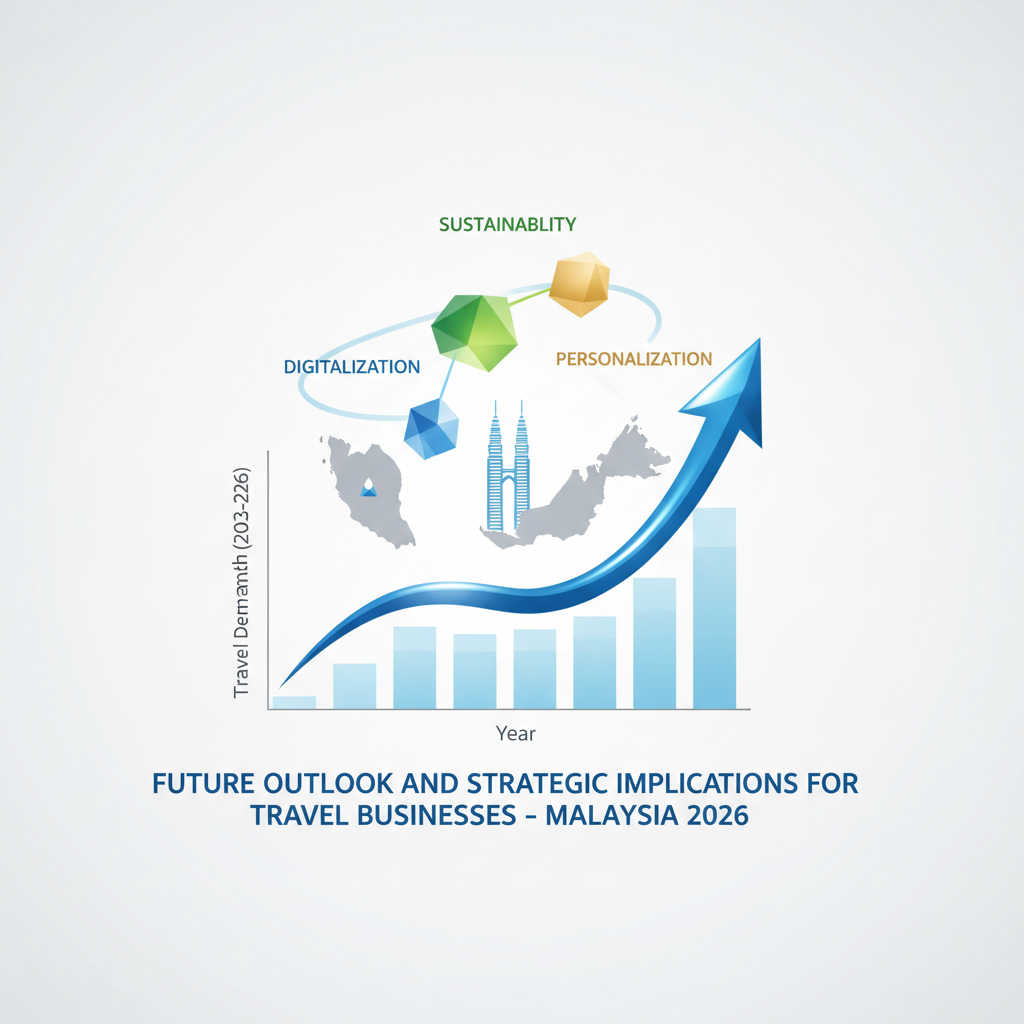
The Malaysian travel sector stands at the precipice of significant transformation, propelled by evolving consumer behaviors, technological advancements, and a renewed global interest in unique cultural and natural experiences. As we delve into the market demand trend report of Travels field in malaysia, it becomes clear that adaptability, innovation, and sustainability will be the cornerstones for success until 2026 and beyond. This forward-looking analysis offers a strategic roadmap for businesses navigating this dynamic landscape, emphasizing growth areas, potential challenges, and actionable recommendations.
-
Forecasted growth areas and potential challenges
The Malaysian tourism landscape is poised for robust Malaysian tourism growth, primarily driven by a resurgence in both domestic and international travel. Post-pandemic, domestic travel trends Malaysia indicate a strong preference for local exploration, short getaways, and nature-based activities, which will continue to underpin the sector’s recovery. Concurrently, the steady increase in international tourist arrivals Malaysia, particularly from key markets like Singapore, Indonesia, China, and India, is expected to bolster inbound tourism significantly. Niche segments such as medical tourism, MICE (Meetings, Incentives, Conferences, and Exhibitions), and particularly ecotourism opportunities, are projected to be high-growth areas. The government’s emphasis on promoting lesser-known destinations and cultural heritage sites will further diversify the tourist offering.
However, this optimistic outlook is not without its challenges. Geopolitical tensions, global economic uncertainties, and potential new health crises could disrupt travel patterns. Internally, concerns around environmental sustainability, adequate infrastructure development travel in remote areas, and a persistent labor shortage within the hospitality sector pose significant hurdles. Furthermore, intense competition from neighboring countries for tourist dollars demands constant innovation and differentiation from Malaysian operators.
-
Strategies for market penetration and sustainable growth
To capitalize on the forecasted growth and mitigate challenges, strategic shifts are imperative. A major focus must be on digital transformation travel Malaysia. Businesses must accelerate travel technology adoption, leveraging AI for personalized recommendations, big data analytics for market insights, and seamless digital platforms for bookings and customer service. Enhancing the online presence and embracing social media marketing will be crucial for reaching a wider audience and catering to the modern traveler’s research and booking habits.
Product diversification and the creation of personalized travel experiences are also key. Moving beyond traditional sightseeing, operators should curate unique itineraries that offer immersive cultural experiences, adventure tourism, and wellness retreats. Investing in sustainable tourism initiatives is no longer optional but a necessity. This includes promoting responsible travel, supporting local communities, reducing carbon footprints, and preserving Malaysia’s rich biodiversity. Finally, continued focus on infrastructure development travel, especially in enhancing connectivity and accessibility to emerging tourist hubs, will be vital for sustained growth.
-
Key recommendations for industry stakeholders
For policymakers, continued investment in tourism infrastructure, streamlined visa processes, and favorable policies to attract foreign investment are crucial. Emphasizing skill development and retention programs for the hospitality workforce can address labor shortages. Promoting Malaysia as a sustainable travel destination through global campaigns will also enhance its appeal. According to The Star, Malaysia is targeting 16.1 million tourist arrivals this year, underscoring the potential for growth with supportive policies.
Hoteliers should prioritize technological upgrades, offering smart room experiences and efficient digital check-ins. Developing unique, localized offerings that reflect Malaysian culture can differentiate properties. Investing in staff training for exceptional customer service and multilingual capabilities will further enhance the visitor experience. Tour operators must focus on creating flexible, customizable packages that cater to diverse interests and budgets. Leveraging digital marketing, forging strategic partnerships with airlines and local businesses, and actively seeking feedback to refine offerings will be paramount. All stakeholders must recognize that collaboration, data-driven decision-making, and a commitment to long-term sustainability are essential for Malaysia to solidify its position as a premier global travel destination in line with the market demand trend report of Travels field in malaysia.
Partner with Shelby Global
You are looking for reliable HR Sevice Suppliers? Contact Shelby Global Now! To connect with verified talents and upgrade your orginization.
—————————————
References
– World Tourism Organization (UNWTO) report on global tourism recovery: https://www.unwto.org/news/global-tourism-to-reach-pre-pandemic-levels-in-2024
– Tourism Statistics Malaysia: https://www.dosm.gov.my/v1/index.php?r=column/cthemeByCat&cat=160&bul_id=MTg4Vk5tV1VraFpLNXlXSW15bFhvQT09&menu_id=L0pheU43NWJwRWVSZklWdzQyaXpYQT09
– Booking.com report on sustainable travel intentions: https://partner.booking.com/en-gb/new-booking-com-report-reveals-sustainable-travel-intentions-soaring-across-asia
– :
– Malaysia targets 16.1 million tourist arrivals this year: https://www.thestar.com.my/news/nation/2024/01/10/malaysia-targets-161mil-tourist-arrivals-this-year