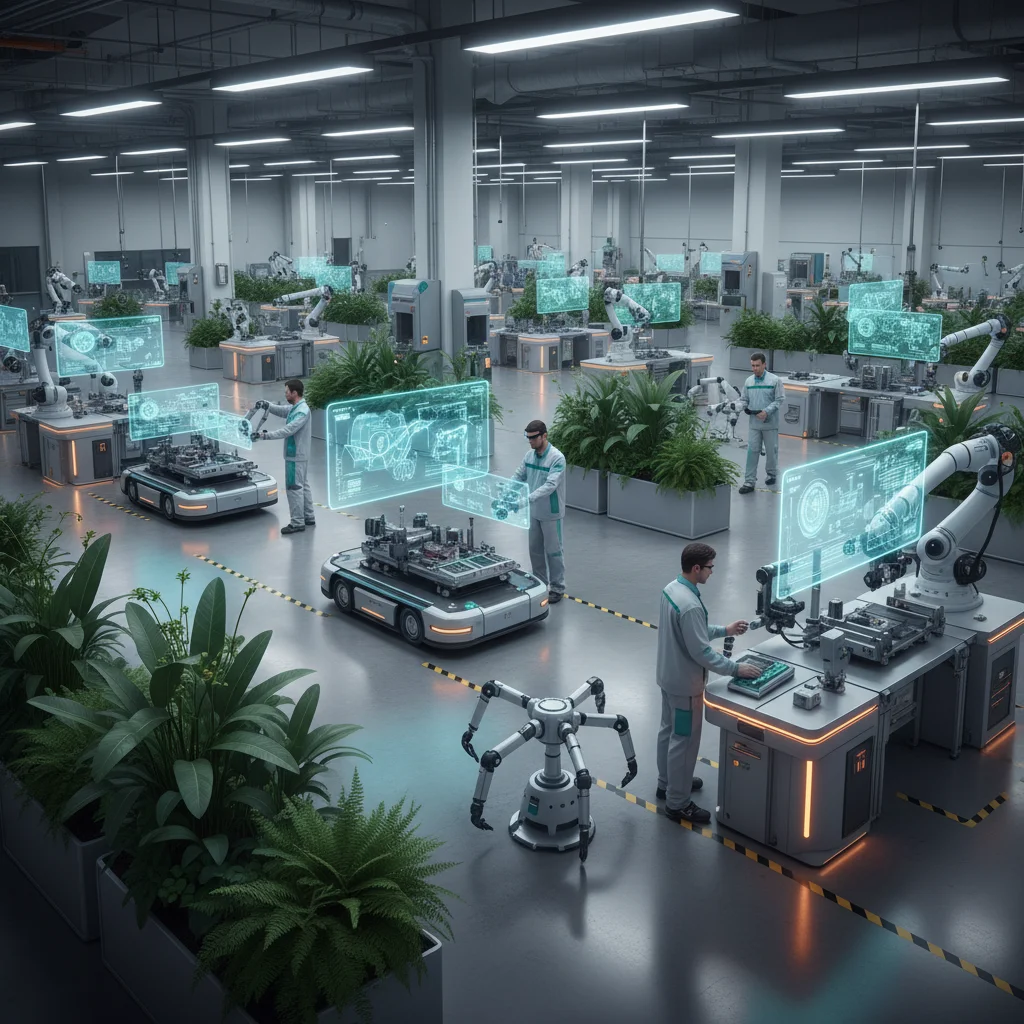
Introduction to Vietnam’s Production Landscape
Vietnam has rapidly emerged as a pivotal player in the global manufacturing arena, transforming its economic landscape over the past few decades. This section provides an essential overview of Vietnam’s production field, highlighting its strategic importance in the global supply chain and setting the stage for a comprehensive market demand analysis. Its dynamic growth, fueled by a strategic location and proactive economic policies, positions it as a critical focus for businesses and investors worldwide. Understanding the intricate dynamics of its production capabilities and the factors influencing its output is crucial for anyone keen on the market demand trend report of production field in vietnam.
1. Defining Vietnam’s Industrial and Manufacturing Sectors
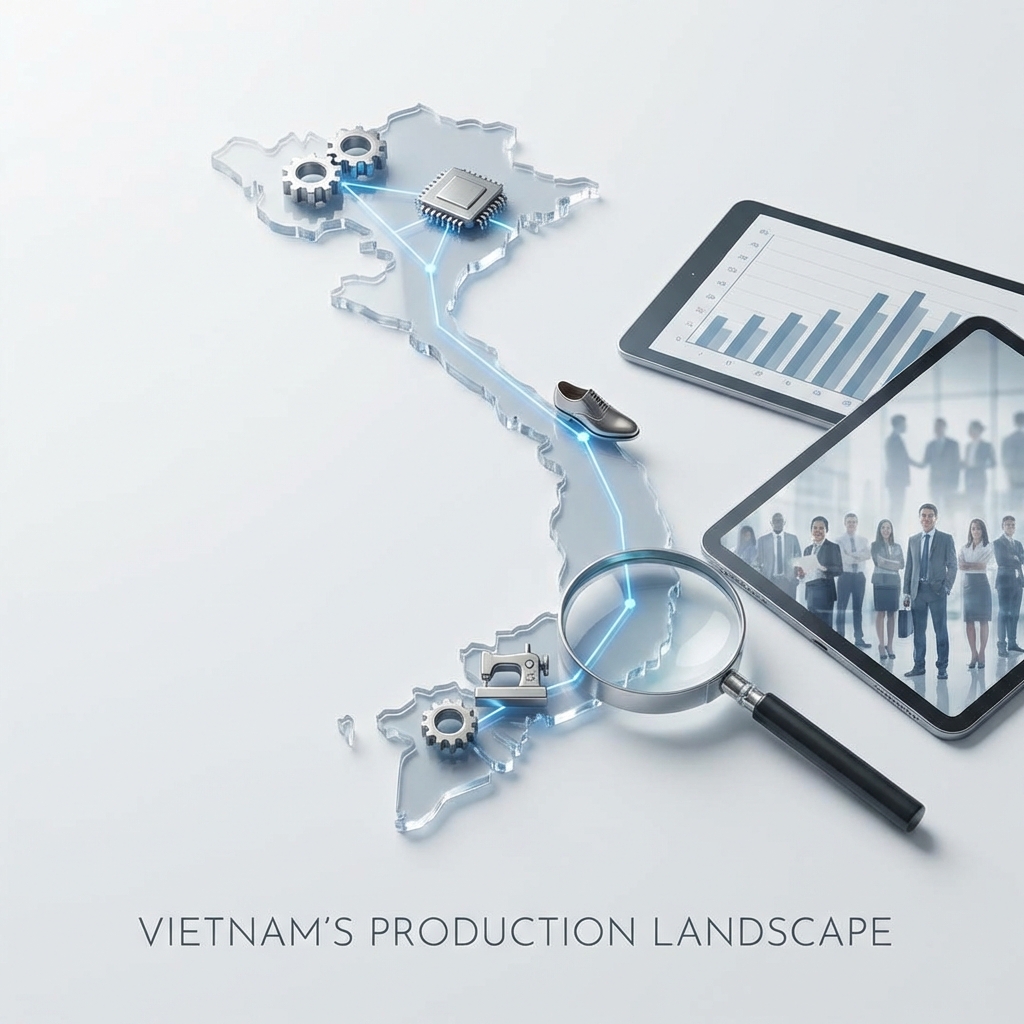
Vietnam’s industrial and manufacturing sectors are the backbone of its economic success, characterized by rapid diversification and growth. What began primarily with light industries like textiles and footwear has evolved into a sophisticated manufacturing hub, encompassing high-tech electronics, automotive components, machinery, and processed foods. This transformation is largely attributed to significant foreign direct investment (FDI), robust policy support, and a young, adaptable labor force. The country’s industrial production has consistently expanded, making it an export-driven economy that plays a vital role in the global supply chain. Key manufacturing zones and economic parks across the nation have attracted major international players, leveraging Vietnam’s competitive advantage in cost-efficiency and skilled labor. The ongoing shift towards higher value-added production signifies a maturing industrial base, ready for future advancements in areas such as technology adoption and automation.
2. The Role of Market Demand in Economic Growth
The interplay between market demand and Vietnam’s economic growth is profound. Both domestic and international demand act as critical catalysts, driving production capacity and fostering innovation. Globally, Vietnam benefits from its participation in numerous trade agreements, opening doors to vast international markets for its manufactured goods. This strong external consumer demand for ‘Made in Vietnam’ products, from smartphones to apparel, dictates production volumes and strategic investment decisions. Domestically, a burgeoning middle class and increasing disposable incomes are fueling a growing internal market, creating diversified demand for local industries. Therefore, understanding and forecasting shifts in market demand are not merely academic exercises but essential for sustaining Vietnam’s growth trajectory. Continuous market analysis is crucial to identify emerging opportunities and anticipate challenges, allowing businesses to adapt their production strategies and remain competitive in a dynamic global economy.
3. Purpose and Scope of This Production Trend Report
The primary purpose of this detailed market demand trend report of production field in vietnam is to provide a comprehensive and actionable understanding of the current and future landscape. It aims to dissect the key drivers, challenges, and opportunities shaping Vietnam’s industrial and manufacturing sectors. The scope encompasses an in-depth analysis of various sub-sectors, examining their growth trajectories, investment patterns, and technological advancements. We will explore how factors such as evolving technology adoption, shifts in global trade policies, and emerging sustainability initiatives are impacting production capacity and influencing future demand. This report is designed to be an invaluable resource for investors seeking to capitalize on Vietnam’s potential, businesses looking to optimize their supply chains, and policymakers aiming to foster continued economic growth. By offering data-driven insights and strategic recommendations, this analysis will empower stakeholders to make informed decisions and navigate the complexities of Vietnam’s rapidly evolving production environment effectively.
Current State of Production Demand Analysis
Examines the present market demand for various production sectors in Vietnam, identifying key growth drivers, recent performance, and significant shifts impacting output.
Vietnam’s production landscape continues to be a dynamic and pivotal component of its robust economic growth. The nation’s strategic location, pro-business policies, and increasing integration into global supply chains have fostered a significant expansion in its industrial capacity. This section provides a comprehensive market demand trend report of the production field in Vietnam, scrutinizing the current state of demand, the forces propelling it, the performance across major sectors, and the external factors shaping its trajectory. Understanding these dynamics is crucial for businesses aiming to capitalize on Vietnam’s ongoing economic transformation and its position as a global manufacturing hub. The analysis will highlight areas of significant expansion and potential challenges within Vietnam manufacturing growth.
-
Key Demand Drivers: Domestic Consumption and Export Growth
The twin engines of domestic consumption and export growth are primarily fueling the **market demand trend report of the production field in Vietnam**. Domestically, a burgeoning middle class, rapid urbanization, and rising disposable incomes have translated into a robust appetite for consumer goods and services. This expanding internal market provides a stable base for local production, from processed foods and beverages to consumer electronics and household appliances. Government initiatives promoting local industries and infrastructure development further stimulate this internal demand, bolstering various segments of industrial output Vietnam.
Concurrently, Vietnam’s strategic integration into the global economy through a network of Free Trade Agreements (FTAs), including the CPTPP, EVFTA, and RCEP, has supercharged its export capabilities. These agreements have opened new markets and reduced trade barriers, making Vietnamese products more competitive internationally. The global trend of supply chain diversification, where multinational corporations seek to de-risk their operations by expanding beyond single production hubs, has significantly benefited Vietnam. This has led to a surge in FDI in Vietnam production, particularly in high-tech manufacturing, driving demand for intermediate goods and sophisticated production processes. Further insights into these shifting dynamics and comprehensive analyses can be found in a detailed market demand trend report.
-
Performance Review of Major Production Sectors (e.g., Electronics, Textiles, Automotive)
A closer look at Vietnam’s major production sectors reveals varying degrees of resilience and growth. The electronics manufacturing Vietnam sector remains a powerhouse, consistently attracting significant foreign direct investment and cementing Vietnam’s role as a key player in the global technology supply chain. Giants like Samsung, Intel, and LG have established extensive operations, driving robust demand for components and related services. This sector’s export performance Vietnam continues to be a major contributor to the national GDP.
The textile industry Vietnam demand has traditionally been a cornerstone of the economy, known for its strong export orientation. While facing headwinds from global economic slowdowns and shifting fashion trends, the sector is adapting by moving towards higher-value-added products, sustainable manufacturing practices, and more intricate supply chain management. This strategic shift aims to maintain its competitive edge and cater to evolving global consumer preferences. The automotive sector Vietnam, while smaller in scale compared to electronics and textiles, is experiencing notable growth driven by increasing domestic market Vietnam demand and local assembly initiatives. Manufacturers like VinFast are not only serving the local market but also exploring international expansion, highlighting a growing sophistication in Vietnam’s production capacity Vietnam. Other key growth sectors Vietnam include footwear, furniture, and agriculture processing, all contributing significantly to the industrial output Vietnam. According to the World Bank’s recent reports, Vietnam’s manufacturing sector continues to show strong resilience and growth potential, driven by global demand and ongoing economic reforms. For a deeper understanding of Vietnam’s overall economic health and sectoral performance, refer to the World Bank’s Vietnam Economic Update which provides comprehensive data and analysis.
-
Impact of Regional and Global Economic Factors on Current Demand
The current market demand trend report of the production field in Vietnam is inevitably shaped by a complex interplay of regional and global economic factors. Global inflation, rising interest rates in key export markets, and the persistent threat of recession in major economies (e.g., the US, EU) have introduced volatility and uncertainty. This has led to a cautious approach from international buyers, impacting export performance Vietnam, particularly in discretionary consumer goods.
Geopolitical tensions and ongoing supply chain disruptions, though easing from pandemic peaks, continue to pose challenges, affecting the cost and availability of raw materials and logistics. However, Vietnam’s proactive stance in signing numerous FTAs and its appeal as a stable investment destination have buffered some of these impacts. Regional economic resilience Vietnam, bolstered by intra-ASEAN trade and initiatives like RCEP, provides a degree of stability amidst global turbulence. The overall economic resilience Vietnam has been remarkable, yet businesses must remain vigilant about market shifts Vietnam production, adapting strategies to navigate these external pressures. While some sectors might experience a slowdown in demand from traditional markets, others, especially those involved in high-tech or diversified supply chains, might find new opportunities.
Future Market Demand Trends & Projections (2023-2026)
Vietnam’s production field is poised for significant evolution, driven by global economic shifts and domestic policy initiatives. This section forecasts future demand patterns, outlining expected growth areas, the integration of emerging technologies, and long-term shifts anticipated through 2026. Understanding these dynamics is crucial for businesses aiming to capitalize on the evolving market demand trend report of production field in Vietnam.

1. Projected Growth in High-Tech Manufacturing and Green Production
Vietnam is rapidly cementing its position as a global manufacturing hub, with projections indicating robust growth in high-tech manufacturing. The period 2023-2026 will see increased foreign direct investment (FDI) channeled into sectors like electronics, semiconductors, and precision machinery. This surge is fueled by global supply chain diversification strategies and Vietnam’s competitive labor costs, strategic geographic location, and supportive government policies. For instance, the electronics sector, a cornerstone of Vietnam’s exports, is expected to continue its upward trajectory, driven by demand for consumer electronics, automotive components, and industrial equipment. This expansion is not just about volume but also about value addition, as manufacturers are encouraged to move up the value chain.
Simultaneously, green production is emerging as a critical growth area. With increasing global emphasis on sustainability and climate action, Vietnamese manufacturers are under pressure and seeing opportunities to adopt eco-friendly practices. This includes investments in renewable energy sources for manufacturing operations, waste reduction technologies, and the production of sustainable goods. Government incentives and international partnerships are accelerating this shift, positioning Vietnam to become a leader in green manufacturing within the ASEAN region. The demand for products manufactured with a lower carbon footprint will increasingly influence purchasing decisions, creating a significant competitive advantage for compliant producers. This trend aligns with global efforts towards a circular economy, making sustainable practices not just an ethical choice but an economic imperative for the production field in Vietnam. For more insights into Vietnam’s economic trajectory, refer to the World Bank’s overview of Vietnam’s economy.
2. Influence of Digital Transformation and Industry 4.0 Adoption
The widespread adoption of digital transformation and Industry 4.0 technologies will profoundly reshape the market demand trend report of production field in Vietnam from 2023 to 2026. Manufacturers are increasingly integrating automation, artificial intelligence (AI), the Internet of Things (IoT), and big data analytics into their operations. This digital pivot is not merely about efficiency; it’s about enhancing productivity, improving quality control, and enabling more flexible and responsive production lines. Small and medium-sized enterprises (SMEs) are also beginning to embrace these technologies, often with government support and through partnerships with technology providers, bridging the digital divide.
The demand for smart factory solutions, predictive maintenance systems, and automated logistics will skyrocket. This transformation will lead to new skill requirements in the workforce, prompting educational reforms and vocational training programs focused on digital competencies. Furthermore, the data generated from interconnected factories will provide invaluable insights, allowing companies to optimize processes, forecast demand with greater accuracy, and innovate new products and services tailored to specific consumer needs. This technological shift will significantly enhance Vietnam’s competitiveness on the global stage, attracting higher-value manufacturing projects and further embedding the country into global technology supply chains. The drive for operational excellence and innovation will be a defining characteristic of the Vietnamese production field in the coming years.
3. Anticipated Shifts in Consumer Preferences and Global Sourcing Strategies
Consumer preferences are undergoing dynamic shifts, influencing demand patterns within Vietnam’s production landscape. There’s a growing global inclination towards personalized products, ethically sourced goods, and sustainable brands. This necessitates greater agility and transparency in the manufacturing process. Vietnamese producers that can adapt to these nuanced demands, offering customization options, traceable supply chains, and eco-friendly products, will gain a significant competitive edge. The local market, too, is seeing a rise in discerning consumers who value quality, brand reputation, and sustainability.
Simultaneously, global sourcing strategies are evolving, driven by geopolitical considerations, supply chain resilience concerns, and the pursuit of efficiency. While “China Plus One” strategies continue to divert manufacturing to Vietnam, there’s also an increased focus on regional supply chain hubs. This means Vietnamese manufacturers will need to strengthen their domestic and regional linkages, fostering a more robust and self-reliant ecosystem. The demand for diversified supplier bases and localized production capabilities will further accelerate this trend. For businesses seeking a comprehensive overview of these shifts, the market demand trend report of production field in Vietnam offers valuable insights into navigating these complex changes. These dual pressures — evolving consumer tastes and reconfigured global supply chains — will shape the strategic direction and investment priorities for Vietnam’s production sector through 2026.
Challenges and Opportunities for Production Expansion
Vietnam’s production field stands at a pivotal juncture, characterized by dynamic growth alongside significant hurdles. As global economies continue to recalibrate, understanding the market demand trend report of production field in Vietnam becomes paramount for stakeholders. This section delves into the primary obstacles hindering the country’s robust manufacturing sector, such as persistent supply chain issues and the critical need for labor availability, while simultaneously highlighting strategic opportunities for sustained growth and investment. The nation’s journey towards becoming a high-value manufacturing hub is propelled by strong industrial production growth and a proactive approach to economic resilience, attracting substantial foreign direct investment (FDI) Vietnam.
1. Navigating Global Supply Chain Disruptions and Building Resilience
The global supply chain landscape has undergone profound shifts, impacting Vietnam’s export-oriented production significantly. From geopolitical tensions to natural disasters and the lingering effects of the pandemic, the fragility of traditional supply networks has been exposed. For Vietnam’s manufacturing sector, this translates into challenges such as increased lead times, higher logistics costs, and unpredictable access to critical raw materials and components. Building robust supply chain resilience is no longer an option but a strategic imperative. This involves a multi-pronged approach: fostering greater supply chain diversification, investing in advanced logistics infrastructure Vietnam, and promoting closer regional integration to create more localized and resilient networks. Companies are increasingly exploring nearshoring and friendshoring strategies, presenting a unique opportunity for Vietnam to solidify its position as a reliable alternative production base. Enhancing the nation’s ability to manage global trade dynamics and adapt swiftly to disruptions will be crucial for maintaining its competitive edge and ensuring stable industrial production growth. According to the World Economic Forum’s insights on global value chains, strategic foresight and adaptive frameworks are essential for futureproofing manufacturing operations.
2. Addressing Skilled Labor Shortages and Workforce Development
While Vietnam boasts a youthful and often cited competitive labor costs advantage, the rapid expansion and technological advancements within its manufacturing sector have illuminated a growing skills gap. The demand for highly skilled labor, particularly in areas like automation in manufacturing, digital transformation manufacturing, and precision engineering, frequently outstrips supply. This shortage poses a significant challenge to production innovation and the country’s aspirations to move up the value chain. Addressing this requires comprehensive workforce development programs, emphasizing vocational training Vietnam and upskilling initiatives tailored to industry needs. Collaborative efforts between the government, educational institutions, and private enterprises are vital to design curricula that align with the evolving demands of modern manufacturing. Investing in continuous learning, digital literacy, and specialized technical training will not only empower the existing labor force but also attract new talent, fostering an environment where innovation in production processes can thrive. Closing this skills gap is critical for sustaining industrial growth and for businesses seeking a comprehensive market demand trend report of production field in Vietnam to identify future human resource needs.
3. Investment Incentives and Policy Support for Production Innovation
Recognizing the pivotal role of production innovation in achieving sustainable economic development, the Vietnamese government has been proactive in implementing government support for industry and attractive investment incentives. These policies aim to encourage foreign direct investment (FDI) Vietnam, particularly in high-tech, environmentally friendly, and R&D-intensive sectors. Strategic tax breaks, land lease incentives, and streamlined administrative procedures are designed to foster an ecosystem conducive to advanced manufacturing and sustainable manufacturing practices. Beyond financial incentives, there is a strong emphasis on improving infrastructure development, including specialized industrial parks and efficient logistics networks, to support sophisticated production operations. Policies also promote technology adoption and digital transformation, encouraging local enterprises to integrate Industry 4.0 technologies. This strategic approach not only mitigates some of the challenges related to global trade dynamics and labor shortages by fostering higher productivity but also creates new opportunities for Vietnam to become a regional leader in cutting-edge manufacturing. The ongoing commitment to policy refinement and investor support will be instrumental in channeling capital into areas that promise the highest returns in terms of economic growth and competitive advantage for the Vietnam manufacturing sector.
Strategic Recommendations for Businesses in Vietnam
Offers actionable strategies for companies operating or looking to invest in Vietnam’s production field, helping them capitalize on market demand trends and overcome challenges.
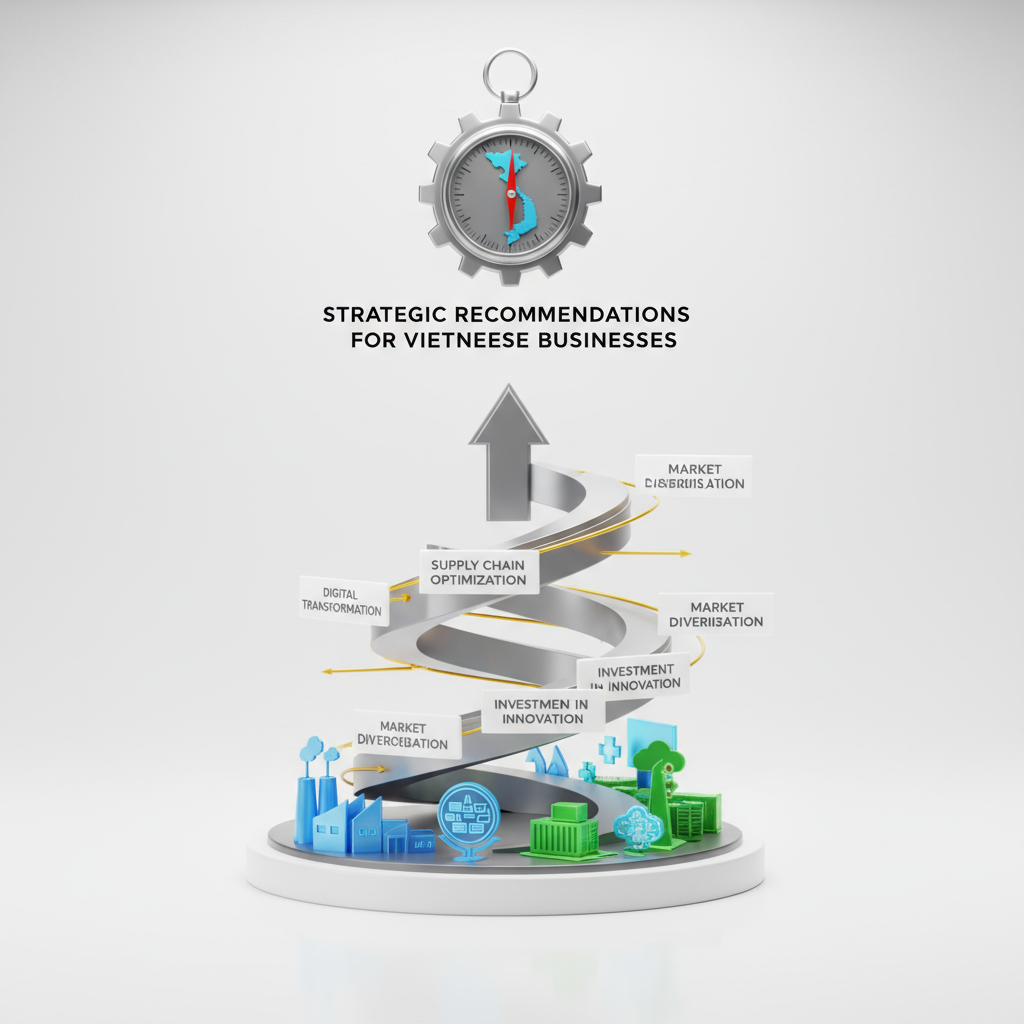
Vietnam continues to cement its position as a global manufacturing hub, attracting significant foreign direct investment (FDI) due to its strategic location, competitive labor costs, and robust government support. For businesses aiming to thrive or expand within Vietnam’s dynamic production field, understanding and adapting to evolving market demand trends is paramount. This section delves into key strategic recommendations designed to help companies navigate the complexities, capitalize on growth opportunities, and build sustainable operations in this promising market. From embracing advanced technologies to fostering regional connections and upholding green standards, these strategies are vital for securing a competitive advantage and ensuring long-term success amidst Vietnam’s ongoing economic transformation.
1. Leveraging Technology for Enhanced Efficiency and Productivity
The global shift towards Industry 4.0 presents an unparalleled opportunity for Vietnam’s manufacturing sector. Businesses must prioritize digital transformation, integrating automation, artificial intelligence (AI), Internet of Things (IoT), and big data analytics into their production processes. Implementing smart factory solutions can significantly enhance operational efficiency, reduce costs, improve product quality, and accelerate time-to-market. For instance, predictive maintenance powered by AI can minimize downtime, while robotic automation can streamline repetitive tasks, freeing up human capital for more complex, value-added activities. Investing in advanced manufacturing technologies is not merely about upgrading equipment; it’s about fostering a culture of innovation and continuous improvement that drives production growth. Companies should also explore cloud-based solutions for supply chain management and enterprise resource planning (ERP) to gain real-time insights and optimize resource allocation. This strategic pivot towards technology-driven processes is crucial for maintaining competitiveness and responding effectively to evolving market demands.
2. Diversifying Markets and Strengthening Regional Connectivity
While traditional export markets remain important, businesses in Vietnam’s production field should actively pursue market diversification strategies to mitigate risks and unlock new growth avenues. Exploring emerging markets in Africa, Latin America, and other parts of Asia can reduce reliance on a few dominant economies, bolstering overall export diversification. Strengthening regional connectivity, particularly within the ASEAN bloc, is another critical strategy. Participating in regional value chains and leveraging free trade agreements (FTAs) can enhance supply chain resilience, reduce trade barriers, and open up a vast consumer base. Building robust logistics networks and establishing strong partnerships with regional suppliers and distributors are key components of this strategy. Furthermore, understanding the nuances of different export markets, including regulatory environments and consumer preferences, is essential. For deeper insights into Vietnam’s strategic economic position and trade relations, businesses can consult resources such as the World Bank’s overview of Vietnam’s ongoing economic transformation. This approach not only safeguards against geopolitical or economic shocks but also positions companies to capitalize on a broader spectrum of global opportunities, ensuring sustained economic resilience for Vietnam’s manufacturing sector.
3. Adopting Sustainable Practices and Green Manufacturing Standards
The increasing global emphasis on sustainability and environmental responsibility necessitates that businesses in Vietnam’s production field integrate green manufacturing standards into their operations. Adopting sustainable practices is no longer just a regulatory requirement or a corporate social responsibility initiative; it is a critical driver for competitive advantage and long-term viability. This involves implementing energy-efficient technologies, minimizing waste generation through lean manufacturing principles, optimizing water usage, and exploring renewable energy sources. Embracing circular economy principles, where materials are reused, recycled, and repurposed, can significantly reduce environmental impact while also offering cost savings and fostering innovation. Beyond environmental benefits, companies that prioritize sustainable manufacturing often enhance their brand reputation, attract eco-conscious consumers, and meet the stringent import requirements of developed markets. Governments and international organizations are increasingly offering incentives for green practices, making it a financially viable and strategically sound investment. For a comprehensive understanding of the evolving landscape and to better navigate these strategic imperatives, businesses should consult a comprehensive market demand trend report of the production field in Vietnam. Embracing these green practices positions businesses as forward-thinking leaders, contributing to a more sustainable future while securing their place in global supply chains.
Partner with Shelby Global
You are looking for reliable HR Sevice Suppliers? Contact Shelby Global Now! To connect with verified talents and upgrade your orginization.
—————————————
References
– World Bank: Vietnam Country Overview: https://www.worldbank.org/en/country/vietnam/overview
– World Bank’s Vietnam Economic Update: https://www.worldbank.org/en/country/vietnam/publication/vietnam-economic-update
– World Bank’s overview of Vietnam’s economy: https://www.worldbank.org/en/country/vietnam/overview
– Future of Global Value Chains: Building Resilience and Sustainability | World Economic Forum: https://www.weforum.org/reports/future-of-global-value-chains-building-resilience-and-sustainability/
– :