Decoding Vietnam’s Beauty Market Landscape
Vietnam’s beauty market is a dynamic and rapidly expanding sector, drawing significant attention from local and international brands alike. Understanding its nuances requires a deep dive into its current trajectory, historical growth, and the economic and social forces that fuel its expansion. For businesses keen on capitalizing on this potential, a comprehensive market demand trend report of beauty field in vietnam is essential for strategic planning and execution. The sector is characterized by intense competition, evolving consumer preferences, and robust investment, making it a pivotal area for future economic growth.
Over the past decade, Vietnam has emerged as one of Southeast Asia’s most promising markets for beauty and personal care products. This ascendancy is backed by significant data demonstrating consistent year-on-year growth, driven by a burgeoning middle class, a youthful demographic eager for self-expression, increasing urbanization, and pervasive digital connectivity amplifying global beauty trends.
1. Current Market Size & Growth Projections
The Vietnamese beauty market represents a formidable economic force. According to Statista’s market analysis, revenue in the Beauty & Personal Care sector is projected to reach approximately US$2.78 billion in 2024. This substantial valuation is expected to continue its upward trajectory with an anticipated annual growth rate (CAGR) of 6.00% from 2024 to 2028. Such sustained growth indicates a robust and resilient market, primarily driven by rising disposable incomes and a growing awareness of personal grooming and well-being.
While skincare and makeup dominate, categories like haircare, fragrances, and men’s grooming are also experiencing accelerated growth. The increasing penetration of international brands alongside strong local players creates a diverse and competitive landscape. Investors seeking detailed insights into specific product categories and regional opportunities would benefit immensely from a comprehensive market demand trend report of beauty field in vietnam that breaks down these figures and forecasts.
2. Demographic Influences on Demand
Demographics play a crucial role in shaping beauty market demand trends in Vietnam. With a population exceeding 100 million and a significant proportion under the age of 35, Vietnam boasts a youthful consumer base highly engaged with beauty products. This younger generation, predominantly Gen Z and Millennials, are early adopters of new trends, heavily influenced by social media, and more open to experimenting with diverse beauty routines.
Urbanization further concentrates this demand, with major cities like Ho Chi Minh City and Hanoi serving as hubs for beauty consumption. Urban consumers have greater access to retail outlets, beauty services, and are more exposed to global beauty standards through digital platforms. The aspiration for healthy skin and an attractive appearance drives significant spending in skincare and makeup. Moreover, the increasing empowerment of women in the workforce contributes to higher personal spending, making Vietnamese consumer beauty trends a critical area for analysis in any market demand trend report of beauty field in vietnam.

3. Economic Factors Shaping Consumer Spend
Underpinning the robust growth of Vietnam’s beauty market are several potent economic factors. Firstly, consistent Gross Domestic Product (GDP) growth has led to a significant increase in disposable income among the Vietnamese population. A rising middle class means more consumers can invest in personal care, moving beyond basic necessities to higher-value and premium beauty products.
Secondly, the proliferation of e-commerce platforms and digital payment solutions has democratized access to beauty products nationwide. This digital transformation has expanded market reach and fostered greater price transparency and competition. Online reviews, influencer marketing, and accessible information empower consumers to make informed purchasing decisions, often leading them towards high-quality and specialized products.
Lastly, Vietnam’s integration into the global economy through free trade agreements has lowered import duties on many beauty products, making international brands more accessible. This combination of increased purchasing power, enhanced market accessibility, and global product availability continues to fuel the beauty sector’s expansion. For businesses, a detailed market demand trend report of beauty field in vietnam focusing on these economic indicators is vital for understanding consumer behavior and forecasting future demand shifts.
In conclusion, Vietnam’s beauty market is a vibrant ecosystem shaped by demographic shifts, economic prosperity, and technological advancements. Its sustained growth presents lucrative opportunities for both established brands and new entrants, provided they possess a deep understanding of local consumer nuances and market dynamics. Strategic entry and expansion require continuous monitoring of these trends and adapting to the evolving landscape.
Top Product Categories & Innovation Drivers
The beauty landscape in Vietnam is a vibrant and rapidly evolving sector, driven by an increasingly affluent and beauty-conscious consumer base. As highlighted in this comprehensive market demand trend report of beauty field in vietnam, understanding the most in-demand product segments and the innovation trends fueling their popularity is crucial for stakeholders. The country’s dynamic economy and high digital penetration are significantly shaping consumer preferences, leading to specific category surges and a demand for novel solutions. This section delves into the key product categories currently dominating the Vietnamese beauty market trends and the innovative forces propelling their growth, reflecting the continuous evolution of the rapidly expanding Vietnamese beauty market.
1. Skincare: Focus on Korean & J-Beauty
Skincare continues to be the undisputed leader within the Vietnamese beauty sector, accounting for the largest share of the market. This dominance is heavily influenced by the pervasive K-beauty influence Vietnam, alongside a growing appreciation for J-beauty philosophies. Vietnamese consumers, particularly younger demographics, are well-informed and actively seek out products that promise hydration, brightening, and targeted solutions for common concerns like acne and hyperpigmentation.
Korean beauty trends, characterized by multi-step routines, innovative ingredients like snail mucin, cica, and propolis, and an emphasis on glass skin aesthetics, have cultivated a sophisticated consumer base. Brands leveraging advanced formulations and playful packaging find significant traction. Simultaneously, J-beauty, with its focus on minimalist routines, efficacy, high-quality ingredients such as hyaluronic acid and ceramides, and a preventative approach to aging, is gaining a dedicated following among those seeking a more streamlined yet effective regimen. Innovation in this segment centers around advanced formulations, clean beauty claims, personalized solutions, and hybrid products that offer multiple benefits, catering to the busy urban lifestyle.
2. Makeup: Natural Looks & Local Brands
While skincare lays the foundation, the makeup segment in Vietnam is undergoing a transformation, with a distinct shift towards natural, ‘no-makeup’ makeup looks. Consumers are opting for products that enhance their natural features rather than heavy, transformative applications. This trend fuels the demand for lightweight foundations, BB/CC creams, tinted moisturizers, lip tints, and brow products that offer a subtle yet polished finish. The hot and humid climate of Vietnam also drives innovation in long-wearing, sweat-proof, and non-comedogenic formulas.
A notable innovation driver in this category is the rise and success of local beauty brands Vietnam. These brands resonate deeply with consumers due to their understanding of local skin tones, climatic conditions, and cultural aesthetics. Often more affordable and accessible, local brands leverage strong social media strategies and influencer marketing to build loyalty. Many offer high-quality products with natural ingredients, aligning with the growing preference for transparency and authenticity. The competitive landscape encourages innovation in diverse shade ranges and multi-functional products that cater to the evolving preferences of Vietnamese consumers, impacting e-commerce beauty sales Vietnam significantly.
3. Haircare & Personal Grooming Surges
Beyond traditional skincare and makeup, the haircare and personal grooming categories are experiencing significant surges in Vietnam. Consumers are moving beyond basic shampoo and conditioner to embrace specialized products that address specific hair concerns such as hair fall, scalp health, damage repair, and oil control. The demand for salon-quality products for at-home use, including hair masks, serums, and leave-in treatments, is on the rise. Traditional Vietnamese ingredients like ginger, grapefruit, and various herbs are also making a comeback in formulations, appealing to consumers seeking natural and culturally relevant solutions.
The personal grooming segment, encompassing body care, oral care, and male grooming, is also witnessing robust growth. Increased awareness of hygiene, self-care, and personal presentation drives the demand for deodorants, body lotions, scrubs, and specialized oral care products. The male grooming market, though nascent, is expanding rapidly, with products like beard oils, men’s specific cleansers, and moisturizers gaining traction. Innovation in this category is centered on sustainable packaging, natural and organic ingredients, and products that offer a holistic approach to well-being, reflecting a broader lifestyle shift towards self-investment and conscious consumption.
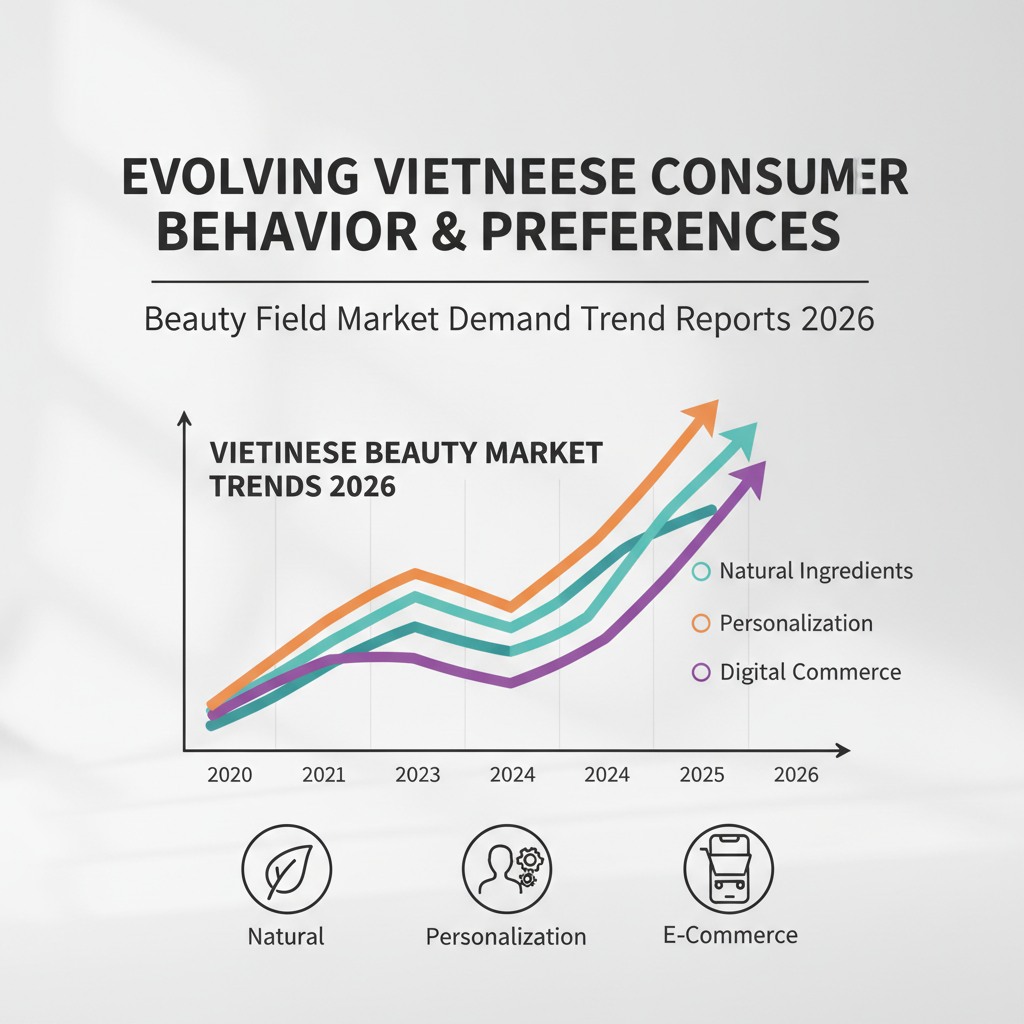
Evolving Vietnamese Consumer Behavior & Preferences
Insights into how Vietnamese beauty consumers research, purchase, and engage with brands, including digital impact.
The Vietnamese beauty market is currently experiencing a dynamic transformation, driven by a digitally-savvy young population and evolving consumer expectations. Understanding these shifts is crucial for any brand aiming to succeed in this vibrant landscape. This section delves into the evolving Vietnamese consumer behavior and preferences, offering insights into how they research, purchase, and engage with beauty brands, highlighting the profound digital impact. For a comprehensive overview of these changes, refer to a detailed market demand trend report of beauty field in vietnam. The rapid adoption of digital technologies, coupled with a growing focus on product efficacy and safety, is reshaping the entire beauty retail ecosystem.
1. The Rise of E-commerce & Social Selling
The most significant shift in Vietnamese beauty consumer behavior has been the accelerated move towards online channels. E-commerce platforms like Shopee, Lazada, and Tiki have become indispensable for product discovery and purchase. Consumers now prefer the convenience of browsing vast selections, comparing prices, and reading reviews from the comfort of their homes. This digital impact on beauty extends beyond traditional e-commerce, with social selling taking center stage. Platforms such as Facebook and TikTok have transformed into powerful retail spaces where brands and individual sellers engage directly with consumers through live streams, short-form videos, and interactive content. This immersive shopping experience allows for real-time demonstrations, Q&A sessions, and exclusive flash sales, fostering a sense of urgency and community. The ease of transaction, coupled with efficient logistics, has made e-commerce beauty Vietnam a dominant force, significantly impacting traditional brick-and-mortar stores. Brands must prioritize an omnichannel strategy, seamlessly integrating their online and offline presence to cater to this highly connected consumer base.
2. Ingredient-Conscious & Safety Demands
A sophisticated consumer base is emerging in Vietnam, characterized by a heightened awareness and scrutiny of product ingredients. Gone are the days when mere brand reputation sufficed; today’s Vietnamese beauty enthusiasts demand transparency and efficacy. There’s a growing preference for “clean beauty” products, natural and organic formulations, and those free from potentially harmful chemicals like parabens, sulfates, and synthetic fragrances. Consumers are actively researching ingredient lists, seeking out products backed by scientific evidence, and prioritizing safety certifications. This trend underscores a deeper understanding of skincare and health, where products are viewed not just for their immediate effects but also for their long-term impact on skin health. Brands that champion ingredient transparency beauty, clearly listing components and their benefits, providing educational content, and obtaining reputable certifications, are gaining a significant competitive edge. This shift reflects a global trend towards mindful consumption, where product integrity and ethical sourcing are paramount.
3. Influence of KOLs & Community Reviews
In the Vietnamese beauty market, the decision-making process is heavily swayed by trusted voices and peer recommendations. Key Opinion Leaders (KOLs), including macro-influencers and micro-influencers, as well as Key Opinion Consumers (KOCs), play an indispensable role in shaping purchasing behaviors. Consumers are increasingly turning to these individuals for authentic reviews, product demonstrations, and personal experiences across platforms like TikTok, Instagram, and YouTube. The credibility of a product is often validated not just by its marketing claims but by the genuine feedback from individuals who have tried it. This emphasizes the power of community reviews and user-generated content (UGC). Brands engaging in effective KOL marketing Vietnam beauty strategies are those that collaborate with influencers whose values align with their brand and who can genuinely connect with their audience. Furthermore, online beauty communities and forums are crucial spaces where consumers share tips, ask questions, and seek recommendations, significantly impacting brand perception and sales. Trust, authenticity, and relatable content are the cornerstones of successful brand engagement in this landscape.
The Vietnamese beauty market is evolving at an unprecedented pace, driven by a tech-savvy and discerning consumer base. Brands must not only keep pace with these changes but anticipate future shifts. The digital landscape, marked by the prominence of e-commerce and social selling, demands robust online strategies. Simultaneously, a growing emphasis on ingredient transparency and product safety necessitates clear communication and ethical sourcing. Finally, harnessing the power of KOLs and fostering genuine community engagement is paramount for building trust and driving purchasing decisions. By understanding and adapting to these evolving preferences, brands can unlock immense opportunities within Vietnam’s dynamic and promising beauty sector.
Key Emerging Trends Shaping 2026 & Beyond
The Vietnamese beauty market is undergoing a profound transformation, driven by evolving consumer preferences, technological advancements, and a growing emphasis on holistic well-being. As we look towards 2026 and beyond, several key emerging trends are poised to reshape this dynamic landscape, offering both challenges and unprecedented opportunities for brands and stakeholders. Understanding these shifts is crucial for developing future-proof strategies and capturing the next wave of growth in this vibrant Southeast Asian economy. This forward-looking analysis delves into the significant trends set to dominate the beauty field in Vietnam, providing a comprehensive outlook on the market demand trend report of beauty in the coming years.
1. Sustainable & Clean Beauty Adoption
The conscientious consumer movement is gaining significant traction in Vietnam, propelling sustainable and clean beauty to the forefront of market demand. Vietnamese consumers, particularly the younger demographics, are increasingly discerning, seeking products that are not only effective but also ethically sourced, environmentally friendly, and free from harmful chemicals. This trend is characterized by a strong demand for transparency in ingredient lists, cruelty-free certifications, and eco-friendly packaging solutions. Brands prioritizing natural ingredients, promoting responsible manufacturing processes, and demonstrating a clear commitment to environmental stewardship are resonating deeply with this growing segment. The shift reflects a global awakening towards ethical consumption, with Vietnamese consumers actively seeking products that align with their values and contribute positively to both personal health and planetary well-being. This significant change in consumer behavior signals a long-term commitment to responsible choices within the beauty industry, as highlighted by recent reports indicating that ethical beauty is set to drive new purchasing behaviours in Vietnam.
2. Personalized & Tech-Driven Solutions
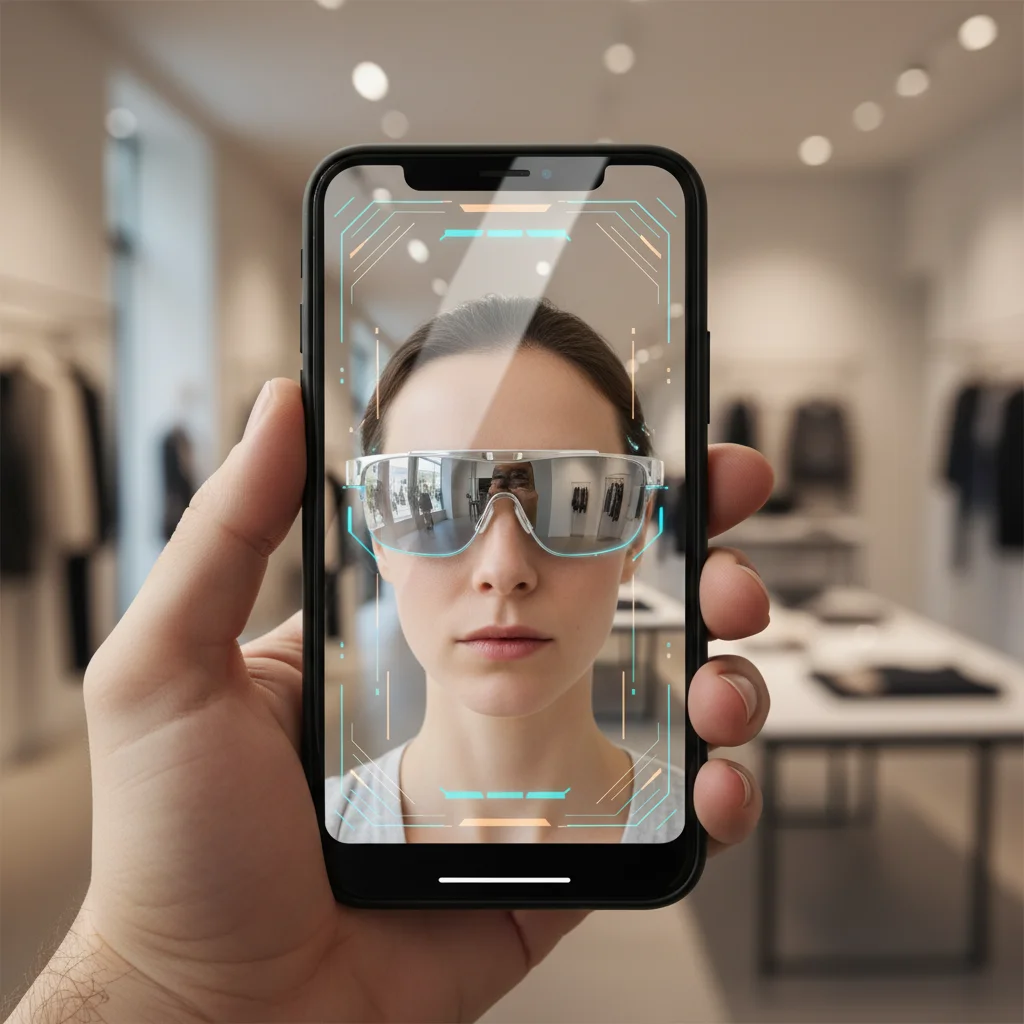
The future of beauty in Vietnam is undeniably personalized and deeply intertwined with technology. As consumers seek hyper-tailored solutions to their unique skin and hair concerns, tech-driven innovations are stepping up to meet this demand. Artificial Intelligence (AI) and Augmented Reality (AR) are no longer futuristic concepts but practical tools, enabling virtual try-ons, AI-powered skin diagnostic apps, and custom product formulations based on individual genomic data or lifestyle factors. From smart devices that analyze skin conditions to subscription boxes delivering bespoke skincare regimens, personalization is becoming the norm. This trend is fueled by the desire for efficacy, convenience, and a more engaging brand experience. Brands leveraging data analytics and cutting-edge technology to offer bespoke products and services will gain a significant competitive edge, revolutionizing how beauty products are discovered, purchased, and used across the Vietnamese beauty market. This focus on beauty industry innovation Vietnam is pivotal for market differentiation.
3. Bridging Beauty with Health & Wellness
The traditional boundaries between beauty and wellness are increasingly blurring, giving rise to a holistic approach where inner health is recognized as integral to outer radiance. Vietnamese consumers are adopting a more comprehensive perspective on beauty, moving beyond topical applications to embrace solutions that promote overall well-being. This trend manifests in the surging popularity of ingestible beauty products, also known as nutricosmetics, such as collagen supplements, beauty vitamins, and functional foods designed to improve skin, hair, and nail health from within. Furthermore, products that address mental well-being, stress reduction, and sleep quality are finding their way into beauty routines, reflecting a desire for mindful consumption and preventative care. Brands that successfully integrate health and wellness principles into their product offerings, emphasizing natural ingredients and scientific backing, will cater to a growing segment looking for synergistic benefits. This convergence highlights a fundamental shift towards self-care and a more integrated understanding of beauty, shaping the future beauty trends Vietnam.
These emerging trends—sustainable practices, personalized tech solutions, and the convergence with wellness—are not isolated phenomena but interconnected forces reshaping the Vietnamese beauty landscape. Brands that proactively adapt to these shifts, innovate responsibly, and genuinely connect with evolving consumer values will be best positioned for sustained success in the vibrant Vietnamese beauty market towards 2026 and beyond. A deeper dive into these consumer shifts is available in our comprehensive market demand trend report of the beauty field in Vietnam.
Strategic Opportunities & Market Entry Challenges
Navigating the dynamic and rapidly evolving beauty landscape in Vietnam presents both significant strategic opportunities and distinct market entry challenges for both local and international brands. This section offers practical advice for understanding the competitive terrain, successfully overcoming regulatory hurdles, and identifying lucrative growth niches within this vibrant market. To truly capitalize on this potential, a deep dive into the market demand trend report of beauty field in Vietnam is indispensable.
-
Competitive Landscape & Local Players
The Vietnamese beauty market is a bustling arena characterized by intense competition. International giants like L’Oréal, Shiseido, and Estée Lauder have long-established presences, commanding significant market share in premium and mid-range segments. However, the true disruptors and challengers are often the rising tide of local Vietnamese beauty brands. Brands such as Cocoon, Emmié by Happy Skin, and Lemonade have successfully carved out niches by deeply understanding local consumer preferences, leveraging indigenous ingredients, and building strong communities through social media and influencer marketing. These local players often offer competitive pricing and products tailored to specific skin concerns prevalent in the Vietnamese climate, fostering a sense of national pride and authenticity among consumers. For new entrants, understanding the strategies of these local champions is crucial. Success hinges not just on product quality but also on creating culturally relevant messaging, engaging with the thriving online beauty community, and adapting to the fast-paced digital commerce environment. A thorough analysis of Vietnam beauty market trends reveals a growing appreciation for natural, clean, and sustainable products, a space where many local brands excel, positioning them as formidable competitors against global entities.
-
Regulatory Environment & Import Considerations
Entering the Vietnamese beauty market requires careful navigation of its regulatory environment. All cosmetic products, whether manufactured locally or imported, must comply with the regulations set forth by the Ministry of Health (MoH) and align with the ASEAN Cosmetic Directive (ACD). Key considerations include product notification/registration, ingredient restrictions, and stringent labeling requirements. Importers must ensure their products are accompanied by comprehensive dossiers, including Certificates of Free Sale, product formulations, and Good Manufacturing Practice (GMP) certifications from the country of origin. Import duties and taxes also significantly impact pricing strategies. The customs clearance process can be complex, often requiring accurate documentation and adherence to specific packaging and testing standards. Delays or non-compliance can lead to substantial penalties and product confiscation. Therefore, engaging with local regulatory experts or distributors with a proven track record in compliance is not merely advisable but essential for a smooth market entry and sustained operation within the beauty industry regulations Vietnam. Understanding these intricacies is a critical component of any comprehensive market demand trend report of beauty field in Vietnam.
-
Effective Market Entry & Localization Strategies
Successful market entry into Vietnam demands a multi-faceted approach centered on deep localization. Generic strategies often fall short. Brands must first conduct extensive market research to precisely identify growth niches, consumer demographics, and spending habits. For instance, the demand for sun protection, brightening, and anti-pollution products is consistently high due to environmental factors and cultural preferences. Distribution strategies need to be diverse, encompassing traditional retail (supermarkets, department stores), specialized beauty stores, and a strong emphasis on e-commerce platforms like Shopee, Lazada, and Tiki, which dominate online sales. Building robust partnerships with local distributors, retailers, and even social media influencers is paramount for effective reach and credibility. Pricing strategies must be competitive yet reflect perceived value, often requiring adjustments from global benchmarks. Most importantly, marketing and product localization are non-negotiable. This means adapting product formulations (e.g., catering to oilier skin types or local climate), packaging (e.g., incorporating Vietnamese aesthetics or smaller, trial-sized options), and messaging (e.g., using local language, cultural nuances, and relatable scenarios). Brands exploring the market demand trend report of beauty field in Vietnam will find that embracing sustainability, transparency, and community engagement resonates strongly with Vietnamese consumers, offering a clear path to building brand loyalty and achieving sustainable growth in this dynamic market.

Partner with Shelby Global
You are looking for reliable HR Sevice Suppliers? Contact Shelby Global Now! To connect with verified talents and upgrade your orginization.
—————————————
References
– Statista’s market analysis of Vietnam’s Beauty & Personal Care sector: https://www.statista.com/outlook/cmo/beauty-personal-care/vietnam
– Vietnam’s beauty market shines as consumers seek premium products – Nikkei Asia: https://asia.nikkei.com/Spotlight/The-Big-Story/Vietnam-s-beauty-market-shines-as-consumers-seek-premium-products
– E-Commerce – Vietnam | Statista Market Forecast: https://www.statista.com/outlook/dmo/ecommerce/vietnam
– Clean and green: Ethical beauty to drive new purchasing behaviours in Vietnam – Report: https://www.cosmeticsdesign-asia.com/Article/2023/10/26/Clean-and-green-Ethical-beauty-to-drive-new-purchasing-behaviours-in-Vietnam-Report
– Cosmetics & Personal Care – Vietnam | Statista Market Forecast: https://www.statista.com/outlook/cmo/cosmetics-personal-care/vietnam