
Introduction to Vietnam’s Evolving Financial Landscape
Vietnam’s financial sector stands at a pivotal juncture, experiencing dynamic growth and profound transformation. As one of Southeast Asia’s fastest-growing economies, the nation’s financial landscape is increasingly sophisticated, driven by robust economic policies, a burgeoning middle class, and rapid technological adoption. This market demand trend report of finance field in vietnam aims to offer an incisive overview of this vibrant sector, charting its evolution and identifying the key drivers that are shaping its future trajectory. Understanding the intricacies of Vietnam’s financial market is not merely an an academic exercise; it is an essential endeavor for investors, businesses, and policymakers seeking to capitalize on emerging opportunities and navigate potential challenges within this increasingly competitive environment. This introductory section sets the stage by highlighting the immense significance of Vietnam’s finance market, outlining the purpose and scope of our detailed demand analysis, and pinpointing the overarching macroeconomic factors propelling the industry’s sustained expansion.

1. Importance of Understanding Vietnam’s Financial Sector
The significance of Vietnam’s financial sector cannot be overstated. It serves as the bedrock for the nation’s ambitious economic development goals, facilitating capital formation, enabling trade, and supporting the growth of businesses across all scales. For international investors, Vietnam represents a compelling frontier market, offering high growth potential fueled by an expanding consumer base and increasing disposable incomes. Domestically, the demand for sophisticated financial products and services—ranging from digital banking and wealth management to insurance and innovative fintech solutions—is skyrocketing. A comprehensive understanding of this sector is critical for identifying untapped market segments, assessing regulatory shifts, and evaluating the competitive landscape. As Vietnam continues its integration into the global economy, its financial institutions are evolving to meet international standards while simultaneously innovating to serve local needs. The rapid pace of this evolution necessitates a continuous and deep analysis of market trends, regulatory frameworks, and consumer behavior to remain competitive and strategically positioned for future success. This dynamic environment underscores the crucial need for detailed insights into the financial sector growth and the diverse investment opportunities it presents. According to the World Bank’s report on Vietnam Economy Strong Despite Global Uncertainties, the nation’s economic resilience, supported by robust domestic demand and export performance, further fuels the expansion of its financial sector, highlighting its attractive prospects.
2. Report Scope and Methodology for Demand Analysis
This market demand trend report of finance field in vietnam is meticulously designed to provide a comprehensive and actionable understanding of the current and projected demand across various segments of the Vietnamese financial sector. Our analysis encompasses key areas including commercial banking, investment banking, insurance, capital markets, and the rapidly expanding fintech ecosystem. The scope extends to both retail and institutional client segments, exploring the demand for conventional financial instruments as well as innovative digital solutions. To ensure the robustness and accuracy of our findings, our demand analysis methodology employs a multi-faceted approach. This includes a thorough review of primary and secondary data sources, expert interviews with industry leaders and regulatory bodies, quantitative market sizing, and qualitative trend analysis. We leverage economic modeling to forecast future demand, considering demographic shifts, technological advancements, and policy developments. The aim is to deliver data-driven insights that empower stakeholders—from financial institutions and technology providers to investors and government agencies—to make informed strategic decisions, identify emerging niches, and tailor their offerings to meet the evolving needs of the Vietnamese market effectively. For a deeper dive into specific market segments and analytical approaches, refer to our comprehensive methodology outlined in subsequent sections of this report.
3. Macroeconomic Factors Driving Finance Field Growth
The impressive growth trajectory of Vietnam’s finance field is intrinsically linked to several powerful macroeconomic factors. Sustained high GDP growth rates, consistently ranking among the fastest globally, underpin increased economic activity and, consequently, a greater demand for financial services. Foreign Direct Investment (FDI) inflows continue to be a significant catalyst, not only injecting capital into various sectors but also driving the need for sophisticated financial advisory, international trade financing, and cross-border payment solutions. Urbanization and the rise of a digitally native middle class are creating a massive demographic dividend, fueling demand for consumer finance, mortgage products, and digital payment systems. Furthermore, the government’s steadfast commitment to economic reforms, financial sector liberalization, and infrastructure development provides a stable and conducive environment for expansion. Policies promoting digital transformation and financial inclusion are particularly impactful, accelerating the adoption of fintech and expanding access to financial services for underserved populations. These interconnected factors are collectively shaping the supply and demand dynamics, pushing financial institutions to innovate and adapt, thereby driving the continuous evolution and expansion of Vietnam’s financial landscape. The interplay of these macroeconomic impact on finance and the surge in technological adoption are pivotal for understanding future trends and capitalizing on the opportunities within the market demand trend report of finance field in vietnam.
Key Trends and Dynamics in Financial Services Vietnam
The financial services landscape in Vietnam is undergoing a profound transformation, characterized by rapid growth, technological disruption, and evolving regulatory oversight. This dynamic environment presents both immense opportunities and significant challenges for both traditional institutions and emerging fintech players. As Vietnam continues its economic ascent, understanding the current state of financial services, recent shifts, and emerging patterns is crucial for any market demand trend report of finance field in vietnam. This section delves into the intricate interplay between conventional banking practices, the exponential rise of digital finance, and the substantial impact of regulatory changes, all of which are reshaping consumer and business demand across the nation.
1. Traditional Banking Sector Evolution and Challenges
Vietnam’s traditional banking sector, historically dominated by state-owned commercial banks and a growing number of joint-stock banks, is at a pivotal juncture. While still the backbone of the financial system, providing essential credit and savings services, these institutions are grappling with the need for modernization. Their evolution is marked by increasing competition, particularly from agile fintech firms and even from within the sector as banks strive for efficiency and customer retention. Key challenges include managing non-performing loans (NPLs), enhancing risk management frameworks in an increasingly volatile global economy, and upgrading legacy IT infrastructure. Many traditional banks are investing heavily in digital transformation initiatives, understanding that a hybrid approach – blending physical branch presence with robust digital offerings – is key to retaining and attracting customers. They are also focusing on expanding their service portfolios beyond basic lending and deposits, venturing into wealth management, insurance, and investment banking, reflecting a broader sophistication in the finance field in Vietnam. The imperative to improve customer experience, streamline operations, and leverage data analytics for personalized services is driving significant strategic shifts within this cornerstone of Vietnam’s economy.
2. Surge in Digital Payments and Mobile Banking Adoption
Perhaps the most striking trend in Vietnam’s financial services sector is the explosive growth in digital payments and mobile banking adoption. Fueled by a young, tech-savvy population, high smartphone penetration, and a government push for a cashless society, the transition from cash to digital transactions is accelerating at an unprecedented pace. E-wallets, QR code payments, and mobile banking applications have become ubiquitous, offering convenience, speed, and often lower transaction costs. This surge is not limited to urban centers; digital financial services are increasingly reaching underserved rural populations, promoting greater financial inclusion. Fintech companies, both local and international, are at the forefront of this revolution, introducing innovative solutions for payments, lending, and investment. Banks themselves are aggressively developing their own digital platforms, often partnering with fintechs or telecom providers to expand their reach and capabilities. The competition among providers is fierce, leading to continuous innovation and improved user experiences. This trend underscores a fundamental shift in consumer behavior and expectations, highlighting the immense market demand trend report of finance field in vietnam for convenience and accessibility in financial transactions. According to a recent overview of Vietnam’s economic development by the World Bank, digital financial services are playing a crucial role in the nation’s progress, particularly in fostering greater financial inclusion and supporting small and medium-sized enterprises (SMEs). The COVID-19 pandemic further accelerated this shift, as digital channels became essential for maintaining economic activity and ensuring business continuity.
3. Impact of Government Policies and Regulatory Frameworks
The Vietnamese government and its central bank, the State Bank of Vietnam (SBV), play a critical role in shaping the financial services landscape through strategic policies and an evolving regulatory framework. Recognizing the potential of fintech while needing to mitigate associated risks, the SBV has been progressively developing a regulatory sandbox for new financial technologies, aiming to foster innovation under controlled conditions. Policies promoting financial inclusion, such as encouraging microfinance and digital payment adoption in remote areas, are also key drivers. Furthermore, strict regulations on data privacy, cybersecurity, and anti-money laundering (AML) are continuously being updated to align with international standards, ensuring the stability and integrity of the system. These regulatory changes, while sometimes posing initial compliance challenges for institutions, are ultimately aimed at building consumer trust and fostering a secure environment for financial growth. For instance, recent directives on e-KYC (electronic Know Your Customer) are streamlining customer onboarding processes, while enhanced oversight of payment service providers aims to protect consumers. The government’s long-term vision includes developing Vietnam into a modern, market-oriented financial system, emphasizing sustainability and resilience. Such proactive government involvement is a significant factor in shaping the finance field in Vietnam, influencing investment decisions and the overall direction of the sector’s development. For a comprehensive overview of these dynamics, refer to our full market demand trend report of finance field in vietnam.
Identifying Growth Sectors and Investment Trends Vietnam
Vietnam’s financial sector is rapidly evolving, driven by robust economic growth, a young and digitally native population, and increasing integration into global markets. Understanding the dynamic landscape requires a keen eye on key growth sectors and prevailing investment trends. This exploration delves into specific areas within the finance field exhibiting significant potential, highlighting where capital is flowing and what innovative sectors are attracting substantial investment. For those seeking in-depth insights into the nation’s financial pulse, a comprehensive market demand trend report of finance field in vietnam is an invaluable resource, providing crucial data for strategic decision-making and capitalizing on emerging investment opportunities in Vietnam’s dynamic financial sector.
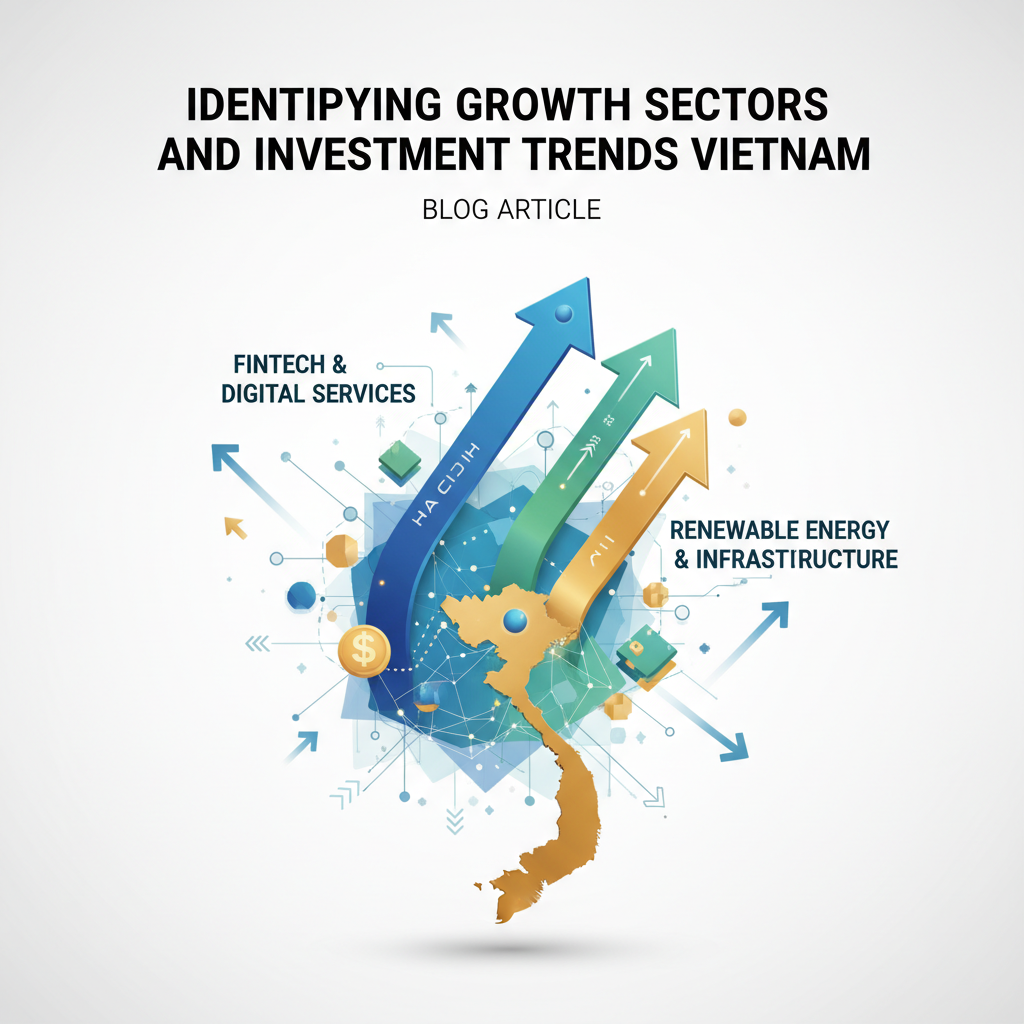
1. Fintech Innovation and Its Market Penetration
The rise of Financial Technology (Fintech) stands as one of the most compelling narratives in Vietnam’s financial transformation. Fueled by a burgeoning middle class, high smartphone penetration, and a tech-savvy youth, fintech adoption has soared. Digital payments, e-wallets, peer-to-peer (P2P) lending, and blockchain-based solutions are rapidly reshaping traditional banking landscapes. Companies like Momo, ZaloPay, and VNPay dominate the mobile payment space, significantly increasing financial inclusion, especially in underserved rural areas. The government’s supportive stance, including initiatives for regulatory sandboxes, further accelerates this growth, positioning Vietnam as a regional leader in fintech innovation. This sector not only addresses critical market demand but also promises high returns for investors looking at Vietnam financial sector analysis. As consumer preferences shift towards convenient, digital financial services, the penetration of fintech solutions is expected to deepen, creating continuous investment opportunities in Vietnam finance and driving the overall emerging financial markets Vietnam.
2. Green Finance and Sustainable Investment Opportunities
Vietnam’s commitment to sustainable development and climate change mitigation has opened up vast avenues for green finance. With ambitious targets for reducing carbon emissions and increasing renewable energy capacity, there’s a significant drive towards sustainable investment opportunities. This includes the issuance of green bonds, financing for renewable energy projects (solar, wind), energy-efficient infrastructure, and sustainable agriculture. International organizations and development banks are actively supporting Vietnam’s transition to a green economy, providing capital and technical assistance. The growing emphasis on Environmental, Social, and Governance (ESG) factors among global investors is also steering more capital towards sustainable projects in Vietnam. According to the Asian Development Bank, Vietnam has significant potential for green finance, with increasing investor interest in climate-resilient and low-carbon initiatives. This evolving segment represents a critical part of the Vietnam economic outlook finance, demonstrating a forward-looking approach to capital allocation. For a deeper dive into the specific metrics and policy frameworks guiding this shift, exploring reputable sources like the Asian Development Bank’s insights on green finance in Vietnam provides valuable context.
3. Foreign Direct Investment (FDI) in Financial Markets
Foreign Direct Investment (FDI) continues to be a pivotal force driving the expansion and modernization of Vietnam’s financial sector. Attracted by the country’s stable economic growth, strategic geographical location, and a young, dynamic workforce, foreign capital flows into various segments, including banking, insurance, asset management, and fintech. Major global banks and financial institutions have established a strong presence, bringing international best practices, technology, and substantial capital. Recent policy adjustments aimed at easing foreign ownership limits in public companies and financial institutions further enhance Vietnam’s appeal to foreign investors. This influx of FDI not only strengthens the financial system’s capacity but also fosters competition and innovation. It’s a clear indicator of the robust investment opportunities Vietnam finance presents, reflecting confidence in the country’s long-term economic trajectory. Tracking these trends is crucial for any comprehensive market demand trend report of finance field in vietnam, as FDI often catalyzes further domestic growth and sets benchmarks for efficiency and service quality within the emerging financial markets Vietnam.
Fintech Growth Vietnam: Reshaping Consumer and Business Demand
The vibrant economy of Vietnam is experiencing a profound digital transformation, with its burgeoning fintech sector at the forefront of this revolution. This rapid fintech growth in Vietnam is not merely an incremental change; it is fundamentally altering consumer behavior and business operations across the nation. From facilitating seamless digital payments to democratizing access to capital, fintech solutions are driving new demand and disrupting traditional financial models, creating a dynamic and competitive landscape. As Vietnam’s digital-native population grows and smartphone penetration soars, the expectation for instant, personalized, and efficient financial services has become the norm, pushing both incumbents and startups to innovate at an unprecedented pace. Understanding these shifts is crucial for any market demand trend report of finance field in vietnam.
-
Blockchain and Cryptocurrency Adoption Landscape
Vietnam stands out as a hotbed for blockchain technology and cryptocurrency adoption, driven by a tech-savvy population and a keen interest in digital assets. While regulatory frameworks are still evolving, the enthusiasm for blockchain extends beyond speculative trading into practical applications. Businesses are exploring blockchain for enhanced supply chain transparency, secure data management, and efficient cross-border remittances. For consumers, cryptocurrencies offer alternative investment avenues and a gateway to the global digital economy, particularly for younger demographics seeking innovative financial instruments. This evolving Vietnam fintech landscape has seen local startups and global players alike investing in blockchain infrastructure, anticipating future regulatory clarity and broader integration into the mainstream financial system. The potential for blockchain to reduce transaction costs, increase security, and provide immutable records is a powerful draw, paving the way for a more decentralized and transparent financial ecosystem in the country. This early embrace positions Vietnam uniquely in the regional digital finance space.
-
Peer-to-Peer Lending and Alternative Financing
Traditional banking models in Vietnam have historically struggled to fully serve the financial needs of small and medium-sized enterprises (SMEs) and a segment of individual borrowers, often due to stringent collateral requirements or complex application processes. This significant gap has been adeptly filled by the rise of peer-to-peer (P2P) lending platforms and other alternative financing solutions. These platforms connect borrowers directly with individual or institutional lenders, offering faster loan approvals, more flexible terms, and greater accessibility. For SMEs, P2P lending provides crucial working capital and expansion funds, fostering economic growth and entrepreneurship. On the consumer side, it offers quick access to personal loans, helping individuals meet immediate financial needs. This digital transformation finance Vietnam has not only diversified financing options but also empowered a new class of investors looking for higher returns than traditional savings accounts. Despite regulatory scrutiny aimed at ensuring consumer protection and financial stability, the demand for these nimble and accessible financing alternatives continues to surge, reshaping the credit market and challenging established financial institutions to adapt or risk losing market share. This development is especially vital for SME financing Vietnam.
-
Personalized Financial Products and Services
The digital age has ushered in an era where consumers expect financial services that are not just efficient but also deeply personalized. Fintech in Vietnam is responding to this demand by leveraging artificial intelligence (AI) and machine learning (ML) to deliver highly tailored products and services. From robo-advisors offering automated investment strategies based on individual risk profiles to micro-insurance policies designed for specific life events, the focus is on meeting unique customer needs. Personal finance management (PFM) apps, budgeting tools, and customized lending rates based on real-time data analysis are becoming increasingly common. This shift towards hyper-personalization transforms the customer experience, making financial management more intuitive and aligned with individual goals. It addresses the growing sophistication of the consumer finance Vietnam market, where users are no longer satisfied with one-size-fits-all solutions. Banks and fintech companies are investing heavily in data analytics to understand consumer behavior, anticipate future needs, and proactively offer relevant products. This proactive and personalized approach builds stronger customer relationships and drives greater financial inclusion, making financial services more accessible and relevant to a broader segment of the Vietnamese population. This emphasis on customization is a key indicator of evolving market demand trend report of finance field in vietnam.
Future Outlook and Strategic Implications for 2026
The Vietnamese financial sector stands on the precipice of significant transformation, driven by robust economic growth, a burgeoning middle class, and aggressive digital adoption. Building on the insights gleaned from the recent market demand trend report of finance field in vietnam, this section projects the trajectory of the industry towards 2026, highlighting critical opportunities, formidable challenges, and actionable strategic recommendations for all stakeholders. The coming years promise a dynamic environment where agility, innovation, and strategic foresight will be paramount for success in the evolving Vietnamese financial market.

1. Projected Market Growth Rates and Key Indicators
Towards 2026, Vietnam’s finance market is anticipated to maintain its impressive growth momentum, fueled by a stable macroeconomic environment and government initiatives promoting financial inclusion and digital transformation. Experts project Vietnam’s GDP growth to remain robust, potentially averaging around 6.5-7% annually, creating a fertile ground for financial sector expansion. Key indicators point towards continued double-digit growth in digital payment adoption, with a significant shift from cash to electronic transactions, driven by mobile penetration and e-wallets. Credit growth, particularly for SMEs and green projects, is also expected to accelerate, supported by policy directives aimed at channeling capital into productive sectors. Foreign Direct Investment (FDI) into the financial sector, especially in fintech and sustainable finance, is forecast to increase as international investors recognize the immense potential of the dynamic Vietnamese financial market. The expansion of wealth management services for the affluent segment and the rising demand for micro-finance in rural areas will further diversify the market’s offerings. This environment fosters significant opportunities for fintech innovation Vietnam, as companies leverage technology to meet diverse consumer and business needs, enhancing efficiency and accessibility across the board.
2. Challenges: Talent Gap and Cybersecurity Risks
Despite the optimistic outlook, the Vietnamese finance market faces considerable headwinds. A critical challenge is the persistent talent gap. As the industry rapidly digitizes and innovates, there’s a growing shortage of skilled professionals in areas such as artificial intelligence, data analytics, blockchain technology, cybersecurity, and advanced risk management. Universities and training institutions are struggling to keep pace with the evolving demands of the sector, leading to a competitive and costly battle for top talent. This shortage not only hampers innovation but also affects operational efficiency and service quality. Concurrently, the increasing reliance on digital platforms and the surge in online transactions elevate cybersecurity risks. Financial institutions are becoming prime targets for sophisticated cyberattacks, ranging from data breaches to ransomware. A single major security incident could erode public trust, incur substantial financial losses, and attract stringent regulatory penalties. Strengthening cybersecurity infrastructure, implementing robust data protection protocols, and fostering a culture of cyber-awareness are paramount. Furthermore, regulatory frameworks must evolve rapidly to address new digital financial products and services, ensuring consumer protection without stifling much-needed innovation in digital transformation finance.
3. Strategic Recommendations for Businesses and Investors
To navigate the future landscape and capitalize on emerging opportunities, businesses and investors in the Vietnamese finance field must adopt proactive and adaptive strategies. Firstly, prioritize robust investment in digital transformation and fintech innovation. This includes adopting AI for customer service and data analysis, leveraging blockchain for secure transactions, and developing mobile-first financial solutions. Partnerships between traditional banks and agile fintech startups can accelerate innovation and market penetration. Secondly, addressing the talent gap is crucial. Financial institutions should invest heavily in upskilling and reskilling their existing workforce, developing in-house training programs, and collaborating with educational institutions to tailor curricula to industry needs. Attractive compensation packages and a progressive work environment will also be key to attracting and retaining top-tier talent. Thirdly, strengthening cybersecurity defenses is non-negotiable. This involves continuous investment in advanced security technologies, regular security audits, employee training, and developing comprehensive incident response plans. Finally, stakeholders should embrace sustainable finance Vietnam principles, integrating ESG (Environmental, Social, Governance) factors into their investment strategies and product development. The growing global emphasis on sustainability, coupled with Vietnam’s own climate commitments, presents opportunities for green bonds, sustainable lending, and impact investing. By proactively addressing these areas, businesses and investors can secure a competitive edge in the vibrant Vietnamese financial market towards 2026, building resilience and driving long-term value in this dynamic environment.
Partner with Shelby Global
You are looking for reliable HR Sevice Suppliers? Contact Shelby Global Now! To connect with verified talents and upgrade your orginization.
—————————————
References
– World Bank’s report on Vietnam Economy Strong Despite Global Uncertainties: https://www.worldbank.org/en/news/press-release/2023/12/12/vietnam-economy-strong-despite-global-uncertainties-new-world-bank-report-says
– World Bank overview of Vietnam’s economic development: https://www.worldbank.org/en/country/vietnam/overview
– ADB: How Vietnam is accelerating its green finance agenda: https://www.adb.org/news/features/how-vietnam-accelerating-its-green-finance-agenda
– Vietnam’s digital economy to hit $50B in 2025: Report – VnExpress International: https://e.vnexpress.net/news/business/economy/vietnam-s-digital-economy-to-hit-50b-in-2025-report-4404760.html
– World Bank: Vietnam Overview: https://www.worldbank.org/en/country/vietnam/overview#3



































































































