
Understanding Malaysia’s Logistics Workforce Landscape
Malaysia’s dynamic logistics sector, a critical pillar of its economic growth, faces an intricate interplay of challenges and opportunities when it comes to talent acquisition and compensation. For Small and Medium-sized Enterprises (SMEs) within this vital industry, navigating this landscape is paramount to sustainable growth and operational efficiency. This section delves into the unique characteristics of the Malaysian logistics workforce, examining key factors that influence talent availability, skill sets, and salary expectations, thereby setting a crucial foundation for developing Optimized Salary Budget Structures for SMEs in logistics field in malaysia and strategic workforce planning.

1. Current talent shortages and skill gaps in Malaysian logistics
The Malaysian logistics sector is experiencing rapid transformation, driven by the surge in e-commerce, the imperatives of Industry 4.0 (IR4.0), and evolving consumer demands. This evolution has created a significant demand for specialized skills that are currently in short supply. There’s a pronounced talent shortage in areas such as supply chain analytics, warehouse automation management, last-mile delivery optimization, cold chain logistics, and digital customs clearance. Many existing logistics professionals may lack the advanced digital literacy, data analysis capabilities, and strategic thinking required to navigate complex global supply chains. Educational institutions are striving to bridge this gap, but the pace of industry change often outstrips curriculum development. This skill mismatch necessitates continuous investment in upskilling and reskilling initiatives, posing a budget challenge for SMEs aiming to attract and retain competent staff. Addressing these gaps is crucial for SMEs to remain competitive and deliver efficient services, highlighting the need for strategic workforce development integrated into their financial planning.
2. Impact of economic factors on logistics salaries in Malaysia
Economic forces play a pivotal role in shaping salary expectations and compensation packages within Malaysian logistics. Factors such as inflation, the rising cost of living, and adjustments to the minimum wage directly influence what employees expect and what companies must offer to remain attractive. Malaysia’s diverse economic landscape also means significant regional disparities in wages, with urban centers like Klang Valley demanding higher compensation than rural areas. Furthermore, the logistics sector often competes with other industries such as manufacturing, oil and gas, and technology for similar skill sets, driving up salary benchmarks. For SMEs, this competitive environment can make it challenging to offer packages that are both attractive to top talent and align with their financial capabilities. Understanding these economic pressures is vital for crafting competitive yet sustainable salary structures, ensuring that budgets are optimized without compromising talent attraction or retention.
3. Demographic trends affecting workforce availability and demand
Demographic shifts significantly influence the availability and demand for talent in Malaysian logistics. The sector faces an aging workforce, with many experienced professionals nearing retirement, while the younger generation often seeks careers in more ‘glamorous’ or technologically advanced fields. There’s also a noticeable preference among younger Malaysians for urban employment, creating labor shortages in less developed regions critical for warehousing and distribution hubs. Additionally, government policies regarding foreign labor, which have historically supported certain segments of the logistics workforce, can impact labor costs and availability. These trends necessitate that SMEs think beyond just competitive salaries, exploring comprehensive employee value propositions that include career development paths, work-life balance initiatives, and a positive work culture. Attracting and retaining talent in this environment requires a nuanced approach that considers not only direct compensation but also a holistic understanding of employee aspirations and demographic realities, which is key to implementing truly Optimized Salary Budget Structures for SMEs in the logistics field in Malaysia.
Strategic Salary Budgeting Frameworks for SMEs
Developing a robust, transparent, and sustainable salary budget structure is paramount for Small and Medium-sized Enterprises (SMEs), especially within the dynamic Malaysian logistics industry. With intense competition for talent and the need for operational efficiency, Optimized Salary Budget Structures for SMEs in logistics field in malaysia are no longer a luxury but a strategic necessity. This section delves into practical frameworks and methodologies designed to help SMEs in the logistics sector develop an effective compensation strategy, ensuring talent attraction, retention, and business growth.
1. Developing a Transparent Salary Grading and Banding System
A transparent salary grading and banding system forms the bedrock of equitable compensation practices and is critical for logistics sector salary planning. For SMEs, this involves defining clear job roles and responsibilities, evaluating their relative worth to the organization, and then grouping similar jobs into grades or bands. Each grade is assigned a salary range with defined minimum, midpoint, and maximum values. This approach brings several benefits: it fosters internal equity, provides a clear career progression path for employees, and helps manage salary expectations. Implementing such a system enhances fairness, reduces pay disparities, and is a vital component of successful SME compensation strategies Malaysia. By making the pay structure understandable, employees can see how their roles are valued, which significantly contributes to job satisfaction and talent retention logistics Malaysia. The goal is to create a fair and justifiable framework that supports sustainable growth while attracting skilled professionals in a competitive market.
2. Allocating Budget for Fixed vs. Variable Pay Components Effectively
Effective budget allocation SMEs requires a thoughtful balance between fixed and variable pay components. Fixed pay (base salary) provides stability and security, while variable pay (bonuses, commissions, performance incentives) motivates employees to achieve specific targets and contribute to the company’s success. For the logistics industry, variable pay can be particularly effective in incentivizing timely deliveries, error reduction, and customer satisfaction metrics. When designing your budget, consider the company’s performance culture, industry benchmarks, and the specific roles. For instance, a sales or operations role might have a higher variable component to drive performance, whereas administrative roles might lean more towards fixed pay. Carefully structured variable pay logistics schemes can significantly impact productivity and profitability. It’s crucial to set clear, measurable KPIs for variable pay to ensure fairness and transparency. This strategic allocation helps in maintaining a competitive edge while controlling overall compensation costs, leading to more sustainable pay structures.
3. Forecasting Salary Increments and Benefits Growth for Future Planning
Proactive salary forecasting SMEs and benefits growth is essential for long-term financial stability and strategic workforce planning. This involves analyzing market trends, inflation rates, industry-specific salary benchmarks, and projected company growth. Regularly reviewing compensation surveys, such as those provided by reputable HR consulting firms, can provide invaluable insights into competitive pay rates for various roles within the logistics sector. Beyond base salaries, consider the growth of employee benefits logistics, including health insurance, retirement plans, training, and wellness programs. These non-monetary perks are increasingly important for attraction and retention. A forward-looking budget should account for potential annual increments, promotions, and the evolving costs of benefits. Tools for compensation budgeting can assist in modelling different scenarios and assessing their financial impact. By meticulously planning for these costs, SMEs can avoid unexpected budget shortfalls and ensure they can continue to offer attractive remuneration packages, securing crucial talent for future expansion and maintaining a strong market presence with transparent pay systems.
Implementing Performance-Based Compensation & Benefits
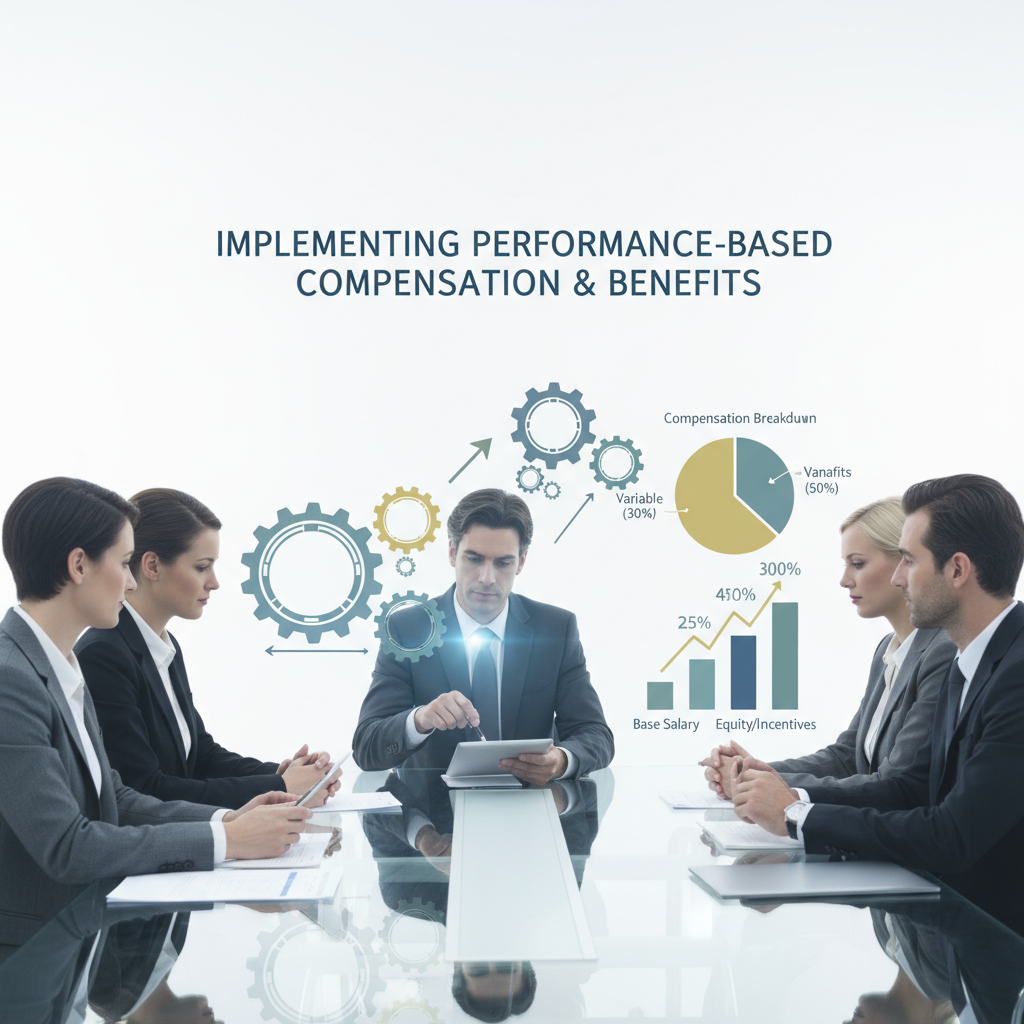
In Malaysia’s competitive logistics sector, attracting, motivating, and retaining top talent requires a strategic approach to compensation and benefits. For Small and Medium-sized Enterprises (SMEs), this means developing Optimized Salary Budget Structures for SMEs in logistics field in malaysia that not only offer competitive remuneration but also foster a culture of high performance. A well-designed performance-driven pay system, coupled with comprehensive benefits, is crucial for securing skilled logistics professionals and ensuring long-term operational excellence. This approach directly impacts employee motivation logistics, driving efficiency and reducing costly turnover in a demanding industry.
1. Designing effective Key Performance Indicators (KPIs) for logistics roles
The foundation of any performance-based compensation system lies in clearly defined and measurable Key Performance Indicators (KPIs). For logistics roles, these KPIs must directly reflect the core responsibilities and strategic objectives of the position. For instance, warehouse managers might be evaluated on inventory accuracy, order fulfillment rates, and safety incident reductions. Drivers could have KPIs related to on-time delivery percentages, fuel efficiency, and vehicle maintenance compliance. Supply chain managers, on the other hand, might focus on lead time reductions, cost per shipment, and supplier performance metrics. It’s vital that these KPIs are:
- Specific: Clearly defined with no ambiguity.
- Measurable: Quantifiable and trackable.
- Achievable: Realistic targets that employees can reach with effort.
- Relevant: Aligned with individual, team, and organizational goals.
- Time-bound: Set within a specific timeframe for evaluation.
Involving employees in the KPI development process can foster a sense of ownership and ensure the metrics are practical and fair. Regular review and adjustment of KPIs are also essential to ensure they remain relevant to changing market conditions and business strategies, contributing significantly to logistics talent retention.
2. Structuring incentives and bonus schemes (e.g., productivity, safety bonuses)
Once effective KPIs are in place, the next step is to structure compelling incentive and bonus schemes that directly link pay to performance. These schemes should be transparent, understandable, and perceived as fair by employees. Common types of performance-driven pay include:
- Productivity Bonuses: Directly tied to output or efficiency metrics. For example, a bonus for achieving a target number of daily deliveries or for reducing order processing time by a certain percentage.
- Safety Bonuses: Awarded for maintaining a clean safety record or for contributing to a reduction in workplace accidents. This is particularly crucial in the logistics sector where physical risks are inherent.
- Quality Bonuses: Incentivizing high-quality work, such as minimizing errors in inventory management or preventing damage to goods during transit.
- Team-Based Incentives: Rewarding collective achievement, fostering collaboration among different logistics functions (e.g., warehouse, transport, planning) to meet broader supply chain compensation strategy goals.
- Profit-Sharing: A broader scheme that gives employees a share of the company’s profits, aligning individual success with overall business performance.
For SMEs in Malaysia, these structured incentives can significantly boost employee engagement and drive desired behaviors, making the overall compensation package highly attractive. Designing an effective incentive program requires careful consideration of budget, equity, and the specific outcomes desired. According to insights from reputable HR organizations, linking compensation directly to performance is a cornerstone of strategic performance management, crucial for fostering a high-achieving workforce.
3. Crafting competitive non-monetary benefits packages for employee well-being
While monetary incentives are powerful, a comprehensive benefits strategy extends beyond the paycheck. Competitive non-monetary benefits packages are increasingly vital for employee well-being and play a significant role in attracting and retaining top logistics talent, especially for SME compensation Malaysia. These benefits demonstrate an employer’s commitment to the holistic welfare of their staff, enhancing job satisfaction and loyalty. Key non-monetary benefits include:
- Professional Development Opportunities: Offering training programs, certifications (e.g., forklift operation, supply chain management software), and opportunities for career advancement. This investment in employees’ skills not only benefits the individual but also improves overall logistics capabilities.
- Flexible Work Arrangements: Where feasible, offering flexibility in shifts, remote work options for administrative roles, or compressed workweeks can significantly improve work-life balance and appeal to a broader talent pool.
- Health and Wellness Programs: Providing comprehensive health insurance, mental health support, gym memberships, or wellness initiatives can significantly reduce stress and improve the overall health of the workforce.
- Employee Recognition Programs: Implementing formal or informal programs to acknowledge and reward exceptional performance, milestones, or contributions. Simple acts of recognition can be incredibly motivating.
- Positive Work Culture: Fostering an inclusive, supportive, and respectful work environment where employees feel valued and heard. This can include regular team-building activities and open communication channels.
By integrating these non-monetary perks, SMEs can create truly competitive benefits packages Malaysia, distinguishing themselves in the market. A balanced approach combining well-defined KPIs, robust incentive schemes, and thoughtful non-monetary benefits ensures a strong value proposition for potential and current employees, directly supporting talent acquisition logistics and creating a highly engaged workforce dedicated to the company’s success. This holistic strategy is essential for sustainable growth and operational excellence in the dynamic logistics landscape.
Leveraging Technology & Data for Budget Optimization
In today’s competitive business landscape, especially for Small and Medium-sized Enterprises (SMEs) in the logistics field in Malaysia, strategic financial management is paramount. Salary budgeting is a critical component. Modern HR technologies and sophisticated data analytics, once exclusive to large corporations, are now vital and accessible for SMEs. These tools streamline payroll, ensure robust compliance, and provide actionable insights for better, more agile salary budgeting decisions. Embracing these innovations leads directly to Optimized Salary Budget Structures for SMEs in logistics field in Malaysia, fostering sustainable growth and workforce satisfaction.
-
Utilizing HRIS/Payroll systems for efficiency and accuracy
A robust Human Resources Information System (HRIS) or integrated payroll system forms the foundation for modern HR operations in Malaysia’s logistics sector. These systems centralize employee data, providing a single source of truth from hiring to offboarding. For logistics SMEs, where workforce management can be complex due to shifts, varying pay structures, and regulations, an effective HRIS is invaluable. It drastically improves data accuracy by reducing manual data entry errors common with traditional spreadsheets. Beyond record-keeping, HRIS facilitates efficient onboarding, leave management, and performance tracking, all indirectly influencing salary budget accuracy. By automating routine administrative tasks, HR professionals can focus on strategic initiatives, leading to more cost-effective HR solutions. Implementing an appropriate HRIS for SME operations not only boosts efficiency but also ensures precise salary calculations and deductions, preventing costly errors and compliance issues – a critical factor in the dynamic logistics sector.
-
Data analytics for salary benchmarking and market adjustments in real-time
Data analytics transforms how SMEs approach salary budgeting. With an HRIS in place, businesses collect and analyze internal data on performance, turnover, and salary history. Combined with external market data, this offers powerful insights for salary benchmarking and real-time market adjustments. For a logistics workforce management strategy, understanding local and regional salary trends is crucial for attracting and retaining talent. Specialized salary budgeting tools SME can leverage external datasets from industry reports, salary surveys, and economic indicators specific to the Malaysian logistics market. This allows SMEs to offer competitive compensation without overspending, ensuring their data-driven HR strategies are truly effective. Real-time salary data enables agile responses to market fluctuations, helping SMEs remain competitive and maintain equitable pay structures. Identifying areas where salaries are above or below market rates allows for strategic adjustments, ensuring a compensation strategy that is both fair and fiscally responsible, attracting the best talent for logistics operations.
-
Automating payroll and compliance checks to minimize errors
Payroll processing is often a significant administrative burden, prone to errors and compliance pitfalls. Automation through modern HR technology Malaysia solutions revolutionizes this. Automated payroll systems calculate salaries, deductions, taxes, and contributions (like EPF, SOCSO, EIS in Malaysia) with high accuracy, drastically reducing human error. This is especially beneficial for logistics companies with varied pay scales, overtime, and bonuses. Furthermore, these systems are typically updated with the latest regulatory requirements, ensuring automated compliance payroll logistics checks against Malaysian labor laws and tax regulations. This minimizes the risk of penalties, audits, and employee grievances, safeguarding reputation and financial stability. Automatic generation of detailed reports provides transparent financial oversight and simplifies audits. Beyond basic payroll, advanced systems can proactively flag potential compliance issues, such as minimum wage violations or excessive working hours, pertinent in logistics. This level of payroll automation logistics saves significant time and resources and provides peace of mind, allowing management to focus on core business operations.
By integrating sophisticated HR technology Malaysia and embracing data-driven HR Malaysia practices, logistics SMEs can transform salary budgeting from a reactive task into a proactive, strategic advantage. From the precision offered by HRIS implementation SME solutions and the competitive edge gained through real-time salary data analytics to the security provided by automated compliance checks, these technologies are indispensable. They empower SMEs to achieve cost-effective HR solutions, build attractive and compliant compensation structures, and ultimately drive the success of their logistics workforce management within a highly competitive market.
Legal Compliance and Future-Proofing Your Budget
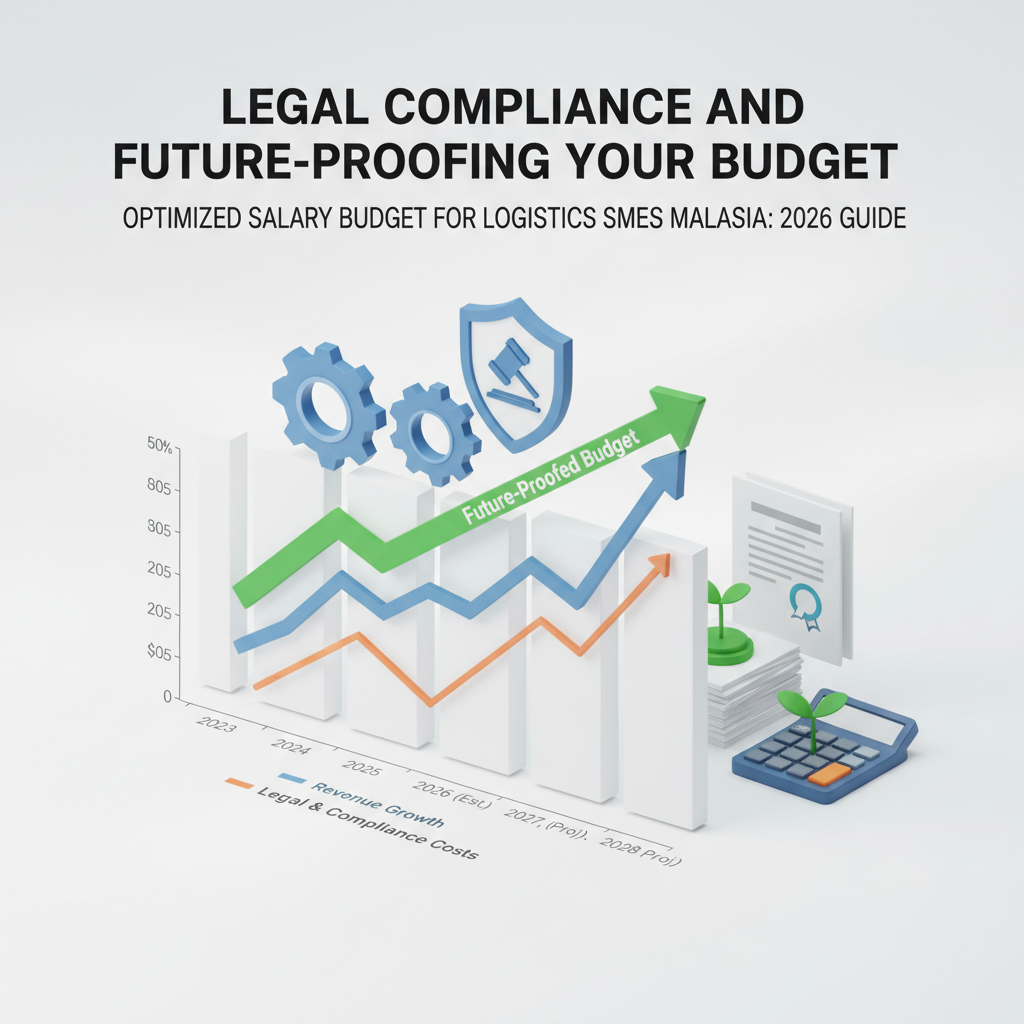
For Small and Medium-sized Enterprises (SMEs) in Malaysia’s rapidly evolving logistics sector, establishing optimized salary budget structures for SMEs in logistics field in Malaysia is not merely about managing costs; it’s a strategic imperative for long-term viability and growth. This involves a meticulous approach to legal compliance and a forward-thinking perspective to ensure budgets remain adaptable, relevant, and sustainable amidst economic shifts and technological advancements. A well-structured salary budget not only mitigates legal risks but also empowers businesses to attract, motivate, and retain top talent, forming the bedrock of operational excellence and competitive advantage in the bustling Malaysian logistics landscape.
-
Adhering to Malaysian Labor Laws and Minimum Wage Requirements
At the core of any compliant salary budget for logistics SMEs in Malaysia lies strict adherence to the nation’s comprehensive labor laws. The primary legislation governing employment terms is the Employment Act 1955 (EA 1955), which has seen significant amendments, particularly in 2022. These amendments broaden employee protections, clarify working hours, and enhance provisions for maternity and paternity leave, among others. Employers must meticulously understand these regulations to avoid costly penalties and maintain a fair working environment. Crucially, the Minimum Wage Order (MWO) sets the baseline for employee remuneration, which all Malaysian employers, including logistics SMEs, must respect. Regularly updated, the MWO dictates the minimum monthly wage, irrespective of industry or location within Peninsular Malaysia and Sabah/Sarawak. Non-compliance with the MWO not only results in legal repercussions but also tarnishes an employer’s reputation, making talent acquisition challenging.
Beyond basic wages, employers are legally obligated to make statutory contributions. These include the Employees Provident Fund (EPF), which is a compulsory savings scheme for retirement; the Social Security Organization (SOCSO), providing social protection for employees against industrial accidents and occupational diseases; and the Employment Insurance System (EIS), offering financial assistance to retrenched workers and supporting re-employment initiatives. Ensuring accurate and timely contributions to these funds is paramount. Errors or delays can lead to fines, interest charges, and potential legal action from regulatory bodies. For logistics SMEs, where workforce mobility and varying shift patterns are common, proper calculation and compliance with these statutory requirements can be complex but are non-negotiable for an optimized salary budget structure that is both legally sound and ethical.
-
Planning for Future Economic Shifts and Industry Changes (e.g., Automation)
The Malaysian logistics sector operates in a dynamic global environment, susceptible to economic shifts and profound industry transformations. Forward-thinking salary budget structures must account for these potential changes. Economic downturns or inflationary pressures can impact purchasing power and necessitate salary adjustments to maintain employee morale and living standards. Conversely, periods of economic growth may drive up market rates for skilled labor, requiring proactive budget allocation for competitive compensation.
Perhaps the most significant long-term consideration for logistics SMEs is the accelerating pace of technological advancement, particularly automation and artificial intelligence (AI). While automation promises enhanced efficiency in warehousing, inventory management, and even last-mile delivery, it also reshapes job roles and skill requirements. Traditional manual labor roles may diminish, while demand for data analysts, robotics technicians, IT specialists, and digitally-savvy logistics managers will surge. An optimized salary budget must therefore integrate provisions for upskilling and reskilling existing employees, alongside competitive compensation packages to attract new talent with these specialized skills. This proactive approach ensures that the workforce remains agile and capable of leveraging new technologies, preventing skill gaps from becoming bottlenecks to growth. Failing to anticipate these changes can render salary structures obsolete, leading to talent drain and operational inefficiencies, making it difficult for SMEs to maintain their competitive edge in a rapidly evolving market.
-
Establishing Regular Review and Adjustment Cycles for Salary Structures
To ensure a salary budget remains relevant, adaptable, and sustainable, establishing regular review and adjustment cycles is indispensable for logistics SMEs in Malaysia. Market conditions, inflation rates, industry benchmarks, and individual employee performance are not static; they evolve constantly. Annual or bi-annual reviews allow businesses to assess the competitiveness of their compensation packages against industry standards, ensuring they are not overpaying or underpaying relative to their competitors. This process typically involves market benchmarking, where salary data from similar roles within the logistics sector and geographic region is analyzed. Such data helps identify discrepancies and informs adjustments to base salaries, bonuses, and benefits.
Furthermore, internal equity analysis is crucial. This involves evaluating if employees with similar responsibilities, experience, and performance levels are compensated fairly within the organization. Inequities can lead to dissatisfaction, reduced productivity, and higher turnover rates. Data analytics plays a pivotal role in these reviews, providing insights into employee performance, retention rates, and the financial impact of various compensation scenarios. By leveraging robust data, SMEs can make informed decisions that align their salary structures with strategic business objectives and foster a fair, transparent, and motivating work environment. Regular cycles also provide opportunities to refine performance-based pay systems, integrate new benefit offerings that resonate with employees (e.g., health and wellness programs), and ensure that the optimized salary budget structures for SMEs in logistics field in Malaysia remain a tool for growth and not merely an expenditure.
In conclusion, legal compliance, foresight, and agility are the cornerstones of successful salary budget management for Malaysian logistics SMEs. By meticulously adhering to labor laws, proactively planning for future disruptions like automation, and committing to regular review and adjustment cycles, businesses can build sustainable, competitive, and highly effective compensation frameworks that propel their success for years to come.
Partner with Shelby Global
You are looking for reliable HR Sevice Suppliers? Contact Shelby Global Now! To connect with verified talents and upgrade your orginization.
—————————————
References
– :
– How to create a compensation budget: https://www.hrzone.com/hr-software-hr-tech/payroll/how-to-create-a-compensation-budget
– Deloitte’s insights on strategic performance management: https://www2.deloitte.com/us/en/pages/human-capital/articles/performance-management-strategy.html
– HR and analytics: The four skills you need to build a modern HR team: https://www2.deloitte.com/us/en/insights/focus/human-capital-trends/2021/hr-data-analytics-skills.html
– Malaysian labour force report: https://www.treasury.gov.my/index.php/en/labour-and-economic-statistics/malaysian-labour-force-report



































































































