Understanding the Vietnamese Travel SME Landscape & Salary Challenges
The vibrant and rapidly evolving travel sector in Vietnam presents a unique blend of opportunities and operational hurdles for Small and Medium Enterprises (SMEs). As the nation continues to solidify its position as a premier global tourist destination, these agile businesses form the backbone of its tourism infrastructure, offering diverse experiences from bustling city tours to serene Mekong Delta cruises. However, beneath the surface of this growth lies a complex array of challenges, particularly concerning human capital management and, most crucially, salary budgeting. This section aims to meticulously explore the current economic and operational context for these vital travel sector SMEs, shedding light on the specific, often daunting, salary-related dilemmas they encounter in their quest for sustainability and competitive advantage. Understanding these foundational issues is paramount for any discussion on developing Optimized Salary Budget Structures for SMEs in Travels field in vietnam.

1. Current State of Vietnam’s Travel Sector & SMEs Post-Pandemic
Vietnam’s tourism industry has demonstrated remarkable resilience and a robust rebound following the global pandemic. Government initiatives, coupled with the inherent appeal of its natural beauty, rich culture, and warm hospitality, have propelled a significant resurgence in both international arrivals and domestic tourism. For instance, data from the Vietnam National Administration of Tourism (VNAT) consistently shows encouraging recovery trends, with visitor numbers approaching pre-pandemic levels. This revitalization offers immense potential for SMEs, which often specialize in niche tours, local experiences, and personalized services that larger operators may overlook. However, this growth also intensifies competition for skilled talent. Tour guides, hospitality staff, marketing specialists, and administrative personnel with language proficiency and a deep understanding of customer service are in high demand. While the post-pandemic recovery signifies a golden opportunity, it also places immense pressure on SMEs to attract and retain qualified employees. Many small travel businesses, often operating with limited resources, find themselves caught between the imperative to deliver high-quality services and the challenge of offering competitive compensation packages in a tight labor market. The need to maintain profitability while investing in human resources becomes a delicate balancing act, directly impacting the feasibility of sustainable growth for these crucial players in the Vietnamese travel landscape.
2. Common Salary Budget Pitfalls for Small Travel Businesses
Navigating the complexities of salary budgeting can be particularly challenging for Small and Medium Enterprises in Vietnam’s travel sector. A frequent pitfall is the lack of a structured compensation strategy. Many SMEs operate on an ad-hoc basis, offering salaries primarily based on immediate needs or historical practices rather than a clear understanding of market rates, employee value, or future business objectives. This often leads to underpaying critical staff, resulting in high turnover and a continuous cycle of recruitment and training, which is both costly and disruptive. Conversely, some may overpay in specific instances without a sustainable long-term plan, straining already tight budgets. Another significant issue is the failure to incorporate a holistic view of compensation. Beyond base salaries, benefits, performance incentives, training opportunities, and career progression are crucial elements of a competitive package. SMEs often overlook these “total rewards,” mistakenly believing that only the basic wage matters. Without a comprehensive approach, they struggle to motivate and retain top talent, especially when competing with larger enterprises that can offer more extensive benefits. Furthermore, many small travel businesses neglect to conduct regular market salary surveys, leading to compensation structures that are out of sync with industry standards. This lack of data-driven decision-making perpetuates a cycle of reactive rather than proactive budget management, making it difficult to implement effective and Optimized Salary Budget Structures for SMEs in Travels field in vietnam.
3. Impact of Inflation and Economic Shifts on Compensation Strategies
The dynamic economic environment in Vietnam, characterized by periods of robust growth but also susceptible to inflationary pressures and global economic shifts, profoundly impacts the compensation strategies of travel SMEs. Rising inflation, a recurring concern, erodes the purchasing power of fixed salaries, compelling employees to seek higher wages to maintain their living standards. For small businesses, already operating on thin margins, absorbing these increased labor costs without compromising profitability is a formidable task. This pressure is exacerbated by the fact that many travel services, especially those catering to international tourists, are priced in foreign currencies, introducing exchange rate volatility. While a weaker VND might initially seem beneficial for attracting foreign tourists, it simultaneously increases the cost of imported goods and services that many travel operations rely on, further impacting overall operational expenses. Moreover, shifts in consumer spending habits, influenced by global economic slowdowns or local policy changes, directly affect the revenue streams of travel SMEs. A downturn in tourism demand can force businesses to tighten their belts, making it even harder to adjust salaries upwards in response to inflation. Consequently, SMEs must develop highly adaptable and proactive compensation models that not only account for current economic realities but also anticipate future shifts. This requires a deep understanding of macroeconomic indicators and their direct implications on both employee welfare and business viability, pushing the need for truly optimized salary budgets that balance competitiveness with fiscal prudence.
Key Principles for Optimized Salary Budgeting in Travel
Delve into the core strategies and best practices that form the foundation of an effective and flexible salary structure tailored for the travel industry, emphasizing sustainable growth. For small and medium-sized enterprises (SMEs) in Vietnam’s dynamic travel sector, an Optimized Salary Budget Structure isn’t just about paying employees; it’s a strategic imperative. It ensures that remuneration practices attract and retain top talent, motivate high performance, and ultimately contribute to long-term profitability and sustainable expansion. Navigating the unique challenges of a service-oriented industry like travel, particularly in a rapidly developing economy like Vietnam, requires a nuanced approach to compensation that is both competitive and fiscally responsible.
1. Aligning Salaries with Business Goals & Profitability Margins
The foundation of any effective salary budget structure lies in its direct alignment with the company’s overarching business goals and critical profitability margins. In the travel industry, where margins can fluctuate based on seasonality, global events, and competitive pricing, every payroll decision must be scrutinized through the lens of strategic contribution. For Vietnamese travel SMEs, this means consciously linking compensation strategies to objectives such as increasing market share, enhancing customer satisfaction, expanding service offerings, or improving operational efficiency. For instance, if a primary goal is to penetrate a new niche market (e.g., eco-tourism), the salary structure might include incentives for employees who develop or successfully promote new packages in that area.
Furthermore, understanding the specific profitability margins for different services—be it tour packages, ticketing, or accommodation bookings—is crucial. An optimized salary budget doesn’t just allocate funds; it strategically invests them where they yield the highest return. This involves transparently communicating financial performance to employees, fostering a culture where everyone understands their role in achieving collective financial health. By ensuring that compensation expenditures are directly correlated with measurable business outcomes and do not unduly strain the company’s financial capacity, travel SMEs in Vietnam can achieve sustainable growth while maintaining a motivated and productive workforce.
2. Balancing Fixed Salaries vs. Performance-Based Variable Compensation
A critical challenge for travel SMEs in Vietnam is striking the right balance between fixed salaries and performance-based variable compensation. Fixed salaries provide employees with stability and security, which is essential for attracting and retaining talent, particularly for foundational roles like administrative staff or customer support. However, an over-reliance on fixed salaries can limit flexibility during leaner periods and may not adequately incentivize high performance in roles directly impacting sales or service delivery.
Conversely, performance-based variable compensation—such as commissions, bonuses, or profit-sharing—directly links an employee’s earnings to their individual, team, or company performance. This model is particularly effective for roles like travel consultants, sales agents, and tour guides, where direct contributions to bookings, customer satisfaction, or revenue generation are clearly measurable. For example, a tour guide might receive a bonus based on positive customer reviews or repeat bookings. Implementing a hybrid model often proves most effective for an Optimized Salary Budget Structures for SMEs in Travels field in Vietnam. This approach typically involves a competitive fixed base salary complemented by transparent, achievable variable pay components. This structure not only motivates employees to excel but also allows the company to adjust payroll costs more dynamically in response to market conditions, ensuring agility and financial prudence.
3. The Role of Local Market Benchmarking in Vietnam for Competitive Pay
To attract and retain the best talent in Vietnam’s competitive travel landscape, SMEs must engage in rigorous local market benchmarking. This involves systematically comparing the company’s compensation and benefits packages against those offered by direct competitors and other relevant industries within the same geographic area. The goal is not necessarily to be the highest payer but to offer competitive pay that aligns with market rates, preventing high employee turnover due to compensation dissatisfaction.
For travel companies operating in Vietnam, understanding prevailing salary trends for roles such as tour operators, digital marketing specialists, and foreign language-speaking guides is paramount. Reputable sources, such as the Adecco Vietnam Salary Guide, provide valuable insights into current compensation benchmarks across various sectors, including hospitality and tourism. Without accurate benchmarking, an SME risks either overpaying (eroding profitability) or underpaying (leading to difficulties in recruitment and retention). Regular benchmarking ensures that the salary structure remains relevant and appealing, allowing the SME to secure skilled professionals crucial for innovation and service excellence. This strategic approach to compensation fosters employee loyalty, enhances the company’s reputation as an employer of choice, and directly supports the sustainable growth trajectory of travel SMEs in Vietnam.
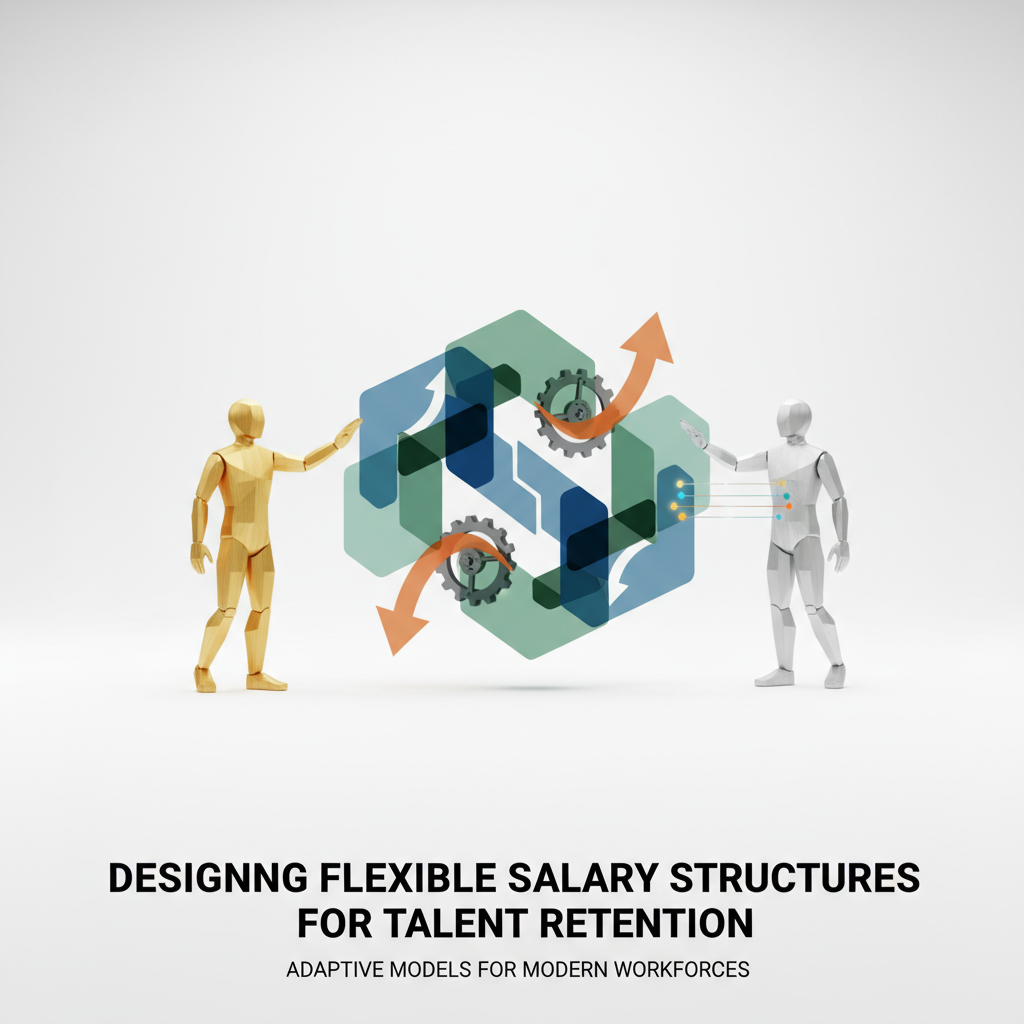
Designing Flexible Salary Structures for Talent Retention
In the fiercely competitive Vietnamese travel market, attracting and, more critically, retaining skilled employees is a significant challenge, especially for Small and Medium-sized Enterprises (SMEs). Building compelling compensation plans goes beyond basic salaries; it requires a strategic approach that integrates diverse incentives to cultivate loyalty and foster long-term commitment. This section explores how Optimized Salary Budget Structures for SMEs in Travels field in vietnam can be designed to not only draw in top talent but also keep them engaged and motivated within this dynamic industry.
A flexible salary structure acknowledges that employee needs and motivations are multifaceted. It moves away from a one-size-fits-all model towards a personalized approach that recognizes individual contributions, career aspirations, and overall well-being. By integrating a mix of monetary and non-monetary benefits, travel SMEs can create a robust compensation framework that resonates with their workforce, significantly improving talent retention and contributing to sustainable business growth.
1. Implementing Performance-Based Incentives & Bonus Schemes
Performance-based incentives are crucial for motivating employees and aligning individual efforts with company goals. In the Vietnamese travel sector, where sales targets and customer satisfaction are paramount, linking compensation to measurable outcomes can significantly boost productivity and retention. This includes individual bonuses for exceeding sales targets, team bonuses for achieving project milestones, or profit-sharing schemes that give employees a stake in the company’s success. Such schemes encourage a culture of high performance and reward excellence.
For travel SMEs, designing clear, transparent, and achievable Key Performance Indicators (KPIs) is vital for the success of these programs. Whether it’s based on customer reviews, booking numbers, or innovative tour package creation, well-defined metrics ensure fairness and clarity. These incentives not only acknowledge hard work but also serve as a powerful tool in developing Optimized Salary Budget Structures for SMEs in Travels field in vietnam, ensuring that compensation is directly tied to value generation and business growth.
2. Integrating Non-Monetary Benefits & Employee Perks Programs
While salary is important, non-monetary benefits often play a pivotal role in an employee’s decision to stay with a company. These perks contribute to a positive work environment and demonstrate an employer’s commitment to employee well-being. Examples relevant to the travel industry include flexible working hours, remote work options (where feasible), travel discounts for employees and their families, health and wellness programs, and even recognition programs like ’employee of the month’ awards or peer recognition initiatives.
Such benefits can significantly enhance job satisfaction and foster a sense of belonging. According to insights on employee retention best practices, a comprehensive benefits package is a key differentiator. For SMEs in the Vietnamese travel market, these non-monetary incentives can be cost-effective ways to improve morale and loyalty, making the overall compensation package more attractive without solely relying on increased base salaries.
3. Fostering Career Progression and Skill Development Opportunities
Employees, particularly younger generations, are increasingly seeking opportunities for growth and development within their roles. Providing clear career progression paths and investing in skill development demonstrates that an employer values their workforce’s long-term potential. This can include mentorship programs, access to industry conferences, specialized training in new travel technologies or destination knowledge, and opportunities to take on more challenging roles.
For SMEs, offering these development opportunities can be a powerful retention tool. It not only enhances an employee’s capabilities, making them more valuable to the company, but also instills a sense of purpose and commitment. Regular performance reviews coupled with discussions about career aspirations and actionable development plans can ensure employees feel supported and see a future within the organization. This proactive approach to talent development significantly contributes to building a stable and highly skilled workforce ready to navigate the complexities of the Vietnamese travel market.
In conclusion, designing flexible salary structures for talent retention in the Vietnamese travel market demands a holistic and thoughtful approach. By strategically combining performance-based incentives, valuable non-monetary benefits, and robust career development opportunities, SMEs can create compelling compensation plans. This not only attracts the best talent but also cultivates an engaged, loyal, and highly productive workforce, ensuring sustainable success in a dynamic and competitive industry.
Leveraging Technology & Data for Salary Budget Management
In the dynamic and competitive landscape of Vietnam’s travel industry, small and medium-sized enterprises (SMEs) face unique challenges in managing their human capital effectively. Among these, meticulously controlling salary expenditures is paramount. This section delves into the transformative role of modern technological tools and sophisticated analytical approaches in achieving Optimized Salary Budget Structures for SMEs in Travels field in vietnam. By embracing cutting-edge software and data-driven insights, travel SMEs can move beyond reactive budgeting to proactive financial planning, ensuring efficiency, compliance, and strategic allocation of resources, ultimately leading to smarter financial decisions.
1.
Utilizing HRIS & Payroll Software Solutions for SMEs
For travel SMEs in Vietnam, the days of manual spreadsheets and time-consuming paperwork for HR and payroll processes are rapidly becoming obsolete. Modern Human Resources Information Systems (HRIS) and dedicated payroll software solutions offer a robust framework to streamline these critical functions. These integrated platforms automate everything from employee data management and time-off tracking to benefits administration and, most crucially, payroll processing. For a sector like travel, often characterized by varied work schedules, seasonal fluctuations, and a mix of full-time and part-time staff, accurate and timely payroll is non-negotiable. Implementing an HRIS ensures regulatory compliance with Vietnamese labor laws, minimizes errors in salary calculations, and provides a centralized, secure repository for all employee-related data. This automation not only frees up valuable HR personnel time, allowing them to focus on strategic initiatives like talent development and employee engagement, but also significantly enhances data accuracy. With precise data at their fingertips, travel SMEs can better track labor costs, identify trends, and gain a clearer real-time picture of their salary expenditures, forming the bedrock for an optimized salary budget structure.
2.
Applying Data Analytics for Compensation Reviews and Adjustments
Moving beyond basic reporting, data analytics transforms raw payroll and HR data into actionable insights for compensation management. For travel SMEs, understanding market benchmarks, internal equity, and performance-based compensation is vital for attracting and retaining top talent in a competitive Vietnamese market. By applying analytical tools, businesses can analyze salary data against industry standards, such as those provided by regional compensation surveys or global HR technology and analytics insights. This enables them to identify if their compensation packages are competitive, where pay disparities might exist, or if certain roles are over or underpaid relative to their market value and internal contributions. Advanced analytics can also correlate compensation with performance metrics, employee retention rates, and even customer satisfaction scores, providing a holistic view of the return on investment for salary expenditures. Such data-driven reviews allow SMEs to make informed, fair, and strategic adjustments to their compensation structure, ensuring that salaries are not just an expense but a strategic investment that motivates employees and aligns with business goals, contributing directly to an optimized salary budget.
3.
Forecasting & Scenario Planning for Future Salary Budgets
One of the most significant advantages of leveraging technology and data in salary budget management is the ability to move from reactive budgeting to proactive forecasting and scenario planning. For travel SMEs navigating the often-unpredictable Vietnamese market, the capacity to anticipate future salary expenditures is invaluable. Modern financial planning software, often integrated with HRIS, allows businesses to model various future scenarios. This could include projecting salary increases based on inflation rates, anticipated business growth, potential new hires, or even the impact of regulatory changes in minimum wage. Scenario planning enables companies to assess the financial implications of different strategic decisions – for instance, expanding into a new region requiring additional staff, launching a new service line, or facing economic downturns. By running “what-if” analyses, travel SMEs can understand the financial impact of different growth trajectories or cost-cutting measures on their salary budget before committing resources. This foresight is crucial for maintaining financial stability, avoiding unexpected budget overruns, and ensuring that future growth is sustainable. Ultimately, this strategic approach facilitates the creation of robust and flexible optimized salary budget structures for SMEs in the travels field in Vietnam, allowing them to adapt swiftly and make well-informed decisions that support long-term success.
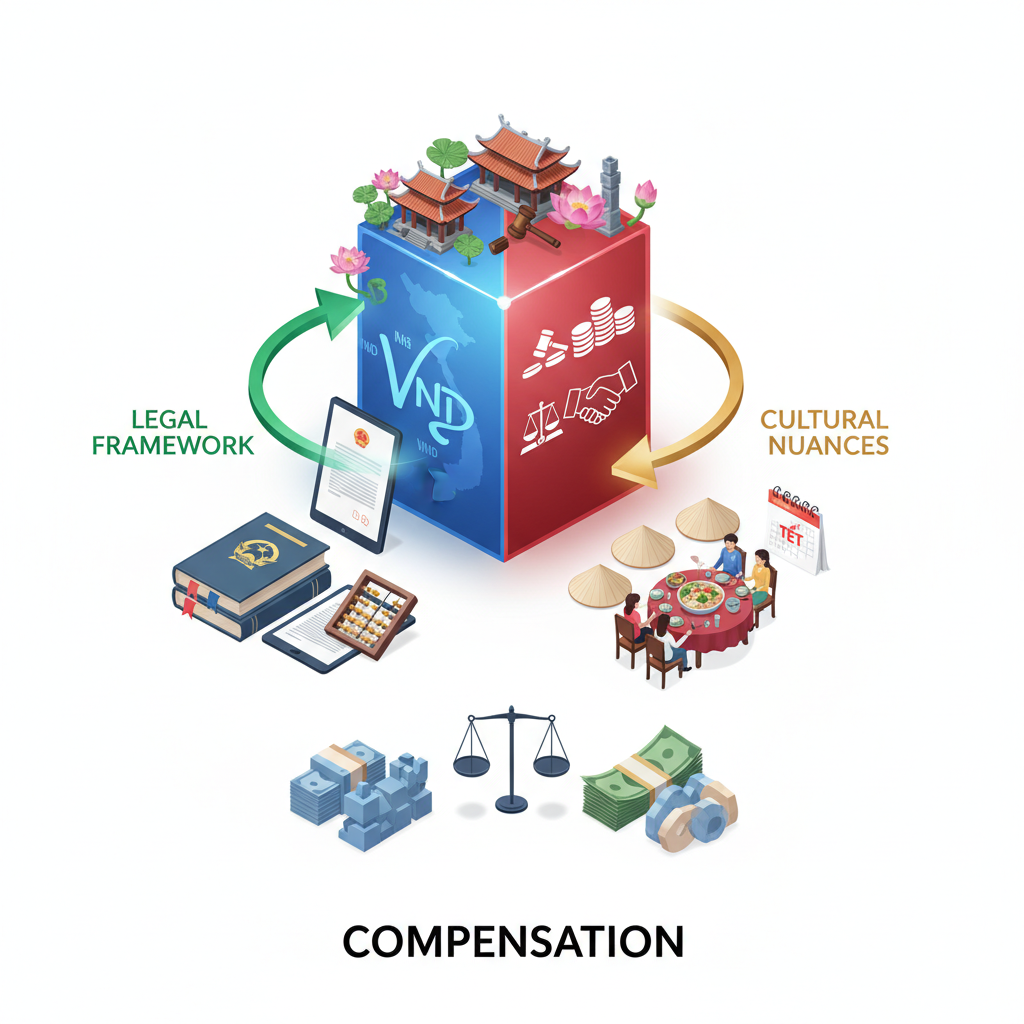
Navigating Legal & Cultural Nuances in Vietnam’s Compensation
For Small and Medium-sized Enterprises (SMEs) in Vietnam’s dynamic travel sector, attracting and retaining top talent hinges not just on competitive salaries but also on a nuanced understanding of the country’s unique legal framework and deeply rooted cultural expectations. Crafting optimized salary budget structures for SMEs in the travel field in Vietnam requires more than just crunching numbers; it demands strategic insight into regulatory compliance and an appreciation for local customs. Failing to navigate these intricacies can lead to legal pitfalls, employee dissatisfaction, and ultimately, hinder business growth. This section delves into the critical aspects necessary for establishing compensation practices that are both compliant and culturally resonant, fostering a thriving workplace.
1. Understanding Vietnamese Labor Laws & Minimum Wage Regulations
Vietnam’s labor landscape is governed primarily by its comprehensive Labor Code (most recently amended in 2019), which sets forth detailed provisions regarding employment contracts, working hours, social insurance, and, critically, compensation. For SMEs, particularly those in the travel industry where flexible staffing might be common, strict adherence to these regulations is paramount.
The government regularly updates minimum wage rates, which vary by region (from Region I, II, III, to IV). Employers must ensure that all full-time employees’ base salaries meet or exceed these mandated thresholds. Beyond the basic salary, employers are legally obligated to contribute to several social insurance funds, including Social Insurance (SI), Health Insurance (HI), and Unemployment Insurance (UI). These contributions are mandatory for employees with definite-term or indefinite-term contracts, and their calculation is based on the employee’s salary. Additionally, employers must account for personal income tax (PIT), which is levied on employees’ earnings and requires accurate calculation and remittance to the state.
Navigating these legal requirements can be complex. For instance, understanding the nuances of probation periods, severance pay, and overtime rules is essential to avoid disputes. Resources such as the International Labour Organization’s overview of Vietnam’s Labor Code provide valuable insights for ensuring compliance. Overlooking any of these statutory requirements can result in significant fines and reputational damage, making legal diligence a cornerstone of any successful compensation strategy for travel SMEs.
2. Addressing Local Cultural Expectations in Compensation Packages
Beyond legal compliance, a truly effective compensation strategy in Vietnam must integrate local cultural norms. Vietnamese culture places a high value on stability, long-term relationships, and collective harmony, which translates into specific expectations regarding compensation and benefits.
For example, the annual “Tet” (Lunar New Year) bonus is not merely a discretionary perk but a deeply ingrained cultural expectation, often equivalent to one month’s salary or more. Failing to provide a competitive Tet bonus can significantly impact employee morale and retention. Indirect benefits also hold considerable weight. Subsidies for meals, transportation, housing, or even personal development courses can be highly appreciated and seen as signs of a caring employer. Seniority often plays a significant role in salary progression; while merit-based pay is gaining traction, a complete disregard for seniority can be perceived negatively.
Moreover, transparency, while encouraged by modern HR practices, needs careful handling in a culture that often prefers indirect communication and avoids direct comparisons. Publicizing individual salaries can lead to discomfort or resentment. Instead, clear communication about salary ranges for roles and growth opportunities can be more effective. Understanding these nuances allows travel SMEs to design attractive compensation packages that resonate culturally, fostering loyalty and a positive work environment, which is crucial for service-oriented industries.
3. Ethical Considerations in Salary Discrepancies and Transparency
Ethical considerations around salary discrepancies and transparency are becoming increasingly important in Vietnam’s evolving labor market. While perfect pay equity might be an aspirational goal, addressing unwarranted disparities is crucial for maintaining a fair and positive work environment.
SMEs in the travel sector, like any other, must strive to minimize gender pay gaps and ensure that compensation is based on roles, responsibilities, skills, and performance, rather than discriminatory factors. Regularly reviewing salary structures and performance appraisal systems can help identify and rectify potential biases. The discussion around salary transparency, while often sensitive, is vital. Rather than full salary disclosure, which can be culturally challenging, a focus on transparency regarding salary progression frameworks, performance-based bonuses, and clear criteria for raises can build trust. Employees appreciate understanding how their compensation is determined and what opportunities exist for growth.
Adopting ethical compensation practices not only enhances a company’s reputation but also contributes to higher employee engagement and reduced turnover. It signals to employees that they are valued fairly, fostering a sense of belonging and commitment – assets invaluable to the competitive travel industry. By balancing legal mandates with cultural sensitivities and ethical remuneration, SMEs can create a truly compelling and sustainable compensation framework.
Partner with Shelby Global
You are looking for reliable HR Sevice Suppliers? Contact Shelby Global Now! To connect with verified talents and upgrade your orginization.
—————————————
References
– World Bank – Vietnam Overview: https://www.worldbank.org/en/country/vietnam/overview
– Adecco Vietnam Salary Guide: https://www.adecco.com.vn/en-vn/job-seeker/salary-guide
– Employee Retention: Tips & Strategies: https://www.shrm.org/resources-and-tools/hr-topics/employee-relations/pages/employee-retention-tips.aspx
– SHRM: Salary Data & Analytics: https://www.shrm.org/resources-and-tools/pages/salary-data-analytics.aspx
– International Labour Organization’s overview of Vietnam’s Labor Code: https://www.ilo.org/dyn/natlex/natlex4.detail?p_lang=en&p_isn=114068