Understanding the Singapore Sales Landscape and SME Challenges
Singapore, a vibrant economic hub, presents a unique and often challenging landscape for Small and Medium-sized Enterprises (SMEs) operating in the sales sector. The city-state’s dynamic economy, coupled with a highly educated and discerning workforce, means that sales teams within SMEs face a distinct set of market dynamics. While opportunities abound in this globalised market, fierce competition, high operational costs, and the constant pressure to innovate place significant strain on compensation strategies and talent retention efforts. For SMEs, navigating this intricate environment requires more than just competitive products or services; it demands a deep understanding of local market nuances, particularly concerning how to attract, motivate, and retain top sales talent without overstretching limited budgets. The ultimate goal is to achieve Optimized Salary Budget Structures for SMEs in the sales field in Singapore that drive performance and ensure long-term sustainability.

1. Current Market Trends and Sales Talent Pool in Singapore
The Singaporean sales talent pool is characterised by both high demand and specific skill requirements. As a regional and global business centre, Singapore attracts a diverse range of professionals, yet securing top-tier sales talent—particularly those with strong digital literacy, consultative selling skills, and cross-cultural communication abilities—remains a significant challenge for SMEs. The market is competitive, with larger corporations often offering more attractive packages and clearer career progression paths. This often leads to talent scarcity in specific niches and drives up salary expectations. Furthermore, current market trends show a preference for sales professionals who can leverage technology, data analytics, and build long-term client relationships rather than solely focusing on transactional sales. According to insights from the Ministry of Manpower Singapore, the broader employment landscape in Singapore is consistently evolving, with an increasing emphasis on skills development and adaptability, directly impacting the availability and cost of skilled sales professionals. SMEs must therefore contend with a talent pool that is both demanding and highly sought after, requiring innovative approaches to compensation and non-monetary benefits to stand out.
2. Common Salary Budget Pitfalls for SMEs in Sales
Many SMEs in Singapore inadvertently fall into several common salary budget pitfalls that hinder their sales performance and talent retention. One prevalent issue is the reliance on overly simplistic or flat commission structures. While seemingly straightforward, these often fail to adequately incentivise high performers or reward strategic sales efforts, leading to demotivation and a lack of accountability for different tiers of sales success. Another pitfall is the tendency to offer low base salaries combined with unrealistic commission targets. This creates a high-pressure, unstable environment, contributing to high turnover rates as sales professionals seek more secure or lucrative opportunities elsewhere. Additionally, some SMEs neglect to factor in the total cost of employment, underestimating the impact of mandatory contributions and benefits, which can quickly erode profit margins. A lack of clear performance metrics linked to compensation, or infrequent reviews of salary benchmarks, further exacerbates these issues, leaving SMEs struggling to align their sales team’s efforts with broader business objectives. Addressing these pitfalls is crucial, making it imperative for businesses to explore Optimized Salary Budget Structures for SMEs in the sales field in Singapore that are both competitive and sustainable.
3. Regulatory and Compliance Considerations (e.g., CPF, employment law)
Operating a sales team in Singapore requires strict adherence to local regulatory and compliance frameworks, which significantly impact compensation budgeting. The Central Provident Fund (CPF) is a mandatory social security savings scheme to which both employers and employees must contribute. These contributions vary by age and salary bracket, and represent a substantial portion of the total employment cost, often overlooked in initial budget planning. Employers must accurately calculate and remit CPF contributions, ensuring compliance to avoid penalties. Beyond CPF, the Singapore Employment Act governs various aspects of employment, including working hours, annual leave, public holidays, sick leave, and termination procedures. SMEs must ensure their compensation structures and employment contracts comply with these laws to maintain fair employment practices and avoid potential legal disputes. The Fair Consideration Framework (FCF) also promotes fair hiring practices, requiring employers to consider Singaporean candidates fairly before hiring foreign professionals, impacting recruitment strategies and associated costs. A lack of understanding or adherence to these regulations can lead to significant financial repercussions and damage an SME’s reputation, underscoring the need for meticulous planning in compensation and benefits administration.
Core Components of an Optimized Sales Salary Structure
An effective and attractive sales compensation plan is the cornerstone of a thriving sales team, particularly for Optimized Salary Budget Structures for SMEs in sale field in singapore. It must strike a delicate balance, providing stability through fixed remuneration while incentivizing high performance with variable, performance-based pay. Designing such a structure goes beyond merely setting numbers; it involves strategic alignment with business goals, fostering motivation, and ensuring fairness. This section delves into the essential elements that form such a robust sales salary structure, crucial for boosting sales productivity in Singapore’s competitive market.
-
Fixed Salary vs. Variable Pay: Striking the Right Balance
The foundation of any sales compensation plan is the strategic blend of fixed salary and variable pay. For SMEs in Singapore, this balance is critical to attract and retain top sales talent without overstretching resources. A fixed salary, or base pay, provides security and stability, covering essential living costs and reducing financial anxiety. This is especially important for new hires or during market downturns, ensuring consistent motivation. Too low a fixed salary, and sales professionals may seek opportunities elsewhere, risking high turnover for your SME sales pay structures.
Conversely, variable pay — encompassing commissions, bonuses, and other incentives — directly links remuneration to performance. This component is designed to motivate sales teams to exceed targets and reward exceptional effort. The ideal ratio between fixed and variable pay often depends on the industry, sales cycle length, and the specific role. For roles focused on prospecting and long-term relationship building, a higher fixed component might be appropriate. However, for roles heavily reliant on closing deals, a more aggressive variable component can drive higher sales performance. Achieving the right fixed salary sales Singapore and variable pay sales Singapore balance is about creating a compensation package that is both attractive and sustainable, driving effective sales remuneration while managing your sales compensation Singapore budget efficiently.
-
Designing Effective Commission, Bonus, and Incentive Plans
Beyond the fixed-variable split, the actual design of the variable components—commissions, bonuses, and incentives—is paramount. These elements are the engine of a performance-driven sales team, directly influencing salesforce motivation strategies and overall productivity. When designing sales commission plans Singapore, consider structures that reward both individual achievements and team collaboration. Tiered commission structures, for instance, can incentivize higher sales volumes by offering escalating percentages as targets are met or exceeded. Clear, transparent, and achievable targets are vital; ambiguous goals can demotivate rather than inspire.
Sales bonus schemes SMEs should complement commissions, offering rewards for specific achievements beyond routine sales. These could include quarterly or annual performance bonuses for hitting overall revenue targets, bonuses for selling specific high-margin products, or even spiffs for short-term sales campaigns. Incentives, which can be monetary or non-monetary, should be used strategically to spark enthusiasm and focus efforts on particular objectives. For instance, a temporary incentive for securing new clients or achieving a cross-selling target can significantly impact short-term goals. According to a Harvard Business Review article on sales compensation design, effective plans clearly articulate desired behaviors and align rewards with strategic outcomes. These performance-based pay sales elements are crucial for boosting sales productivity Singapore and ensuring your team is always striving for more.
-
Non-Monetary Incentives and Comprehensive Benefits Packages
While financial rewards are powerful, a truly Optimized Salary Budget Structures for SMEs in sale field in singapore acknowledges the significant impact of non-monetary incentives and comprehensive benefits packages. Sales professionals, like any other employees, value recognition, career development, and a supportive work environment. Non-monetary sales rewards can include public recognition (e.g., “Salesperson of the Month”), opportunities for professional development and training, clear career progression paths, flexible working arrangements, and leadership opportunities. These gestures foster loyalty, boost morale, and contribute to a positive company culture, which is essential for long-term retention.
Furthermore, a robust benefits package is increasingly important for attracting and retaining top talent. This goes beyond the basic salary and variable pay. Comprehensive benefits packages sales professionals might include health insurance, paid time off, provident fund contributions, and even perks like wellness programs or subsidized professional memberships. For SMEs, offering competitive benefits demonstrates a commitment to employee well-being and can differentiate your company from competitors, even if direct salary offers are similar. Integrating these elements into your strategic sales compensation design ensures a holistic approach to employee satisfaction and motivation, crucial for maintaining a high-performing sales team in Singapore.
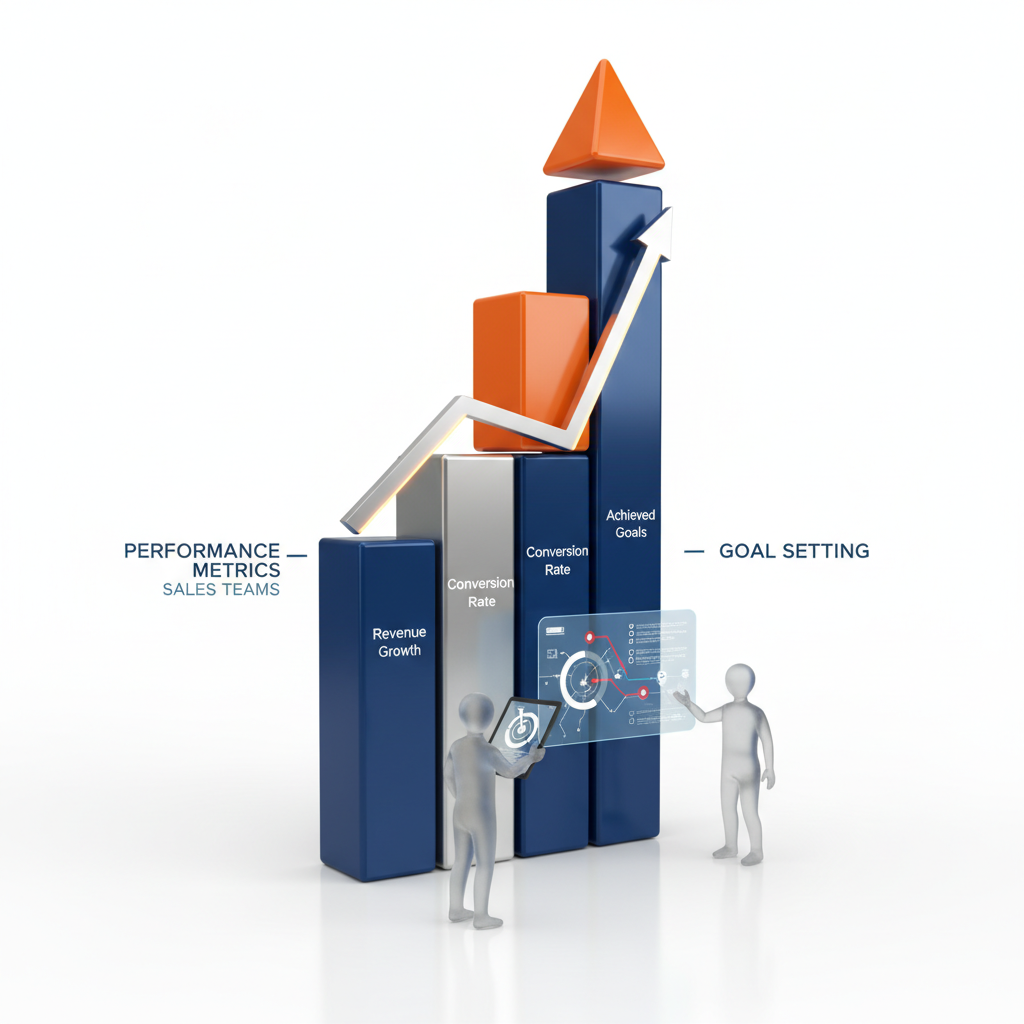
Performance Metrics and Goal Setting for Sales Teams
In the dynamic and competitive landscape of Singapore, particularly for Small and Medium-sized Enterprises (SMEs), effective sales performance management is paramount. Defining, measuring, and aligning sales performance metrics with overarching company objectives is not just a best practice; it’s a strategic imperative for driving motivation, achieving budget efficiency, and fostering sustainable growth. For SMEs operating in the unique Singaporean market, an approach that includes Optimized Salary Budget Structures for SMEs in sale field in singapore is crucial for attracting and retaining top sales talent while maximizing return on investment.
1. Key Performance Indicators (KPIs) for Sales Success and Accountability
Establishing clear Key Performance Indicators (KPIs) is the bedrock of any successful sales strategy. For SMEs, selecting the right KPIs is crucial for monitoring progress, identifying areas for improvement, and ensuring accountability. Beyond fundamental metrics like total sales revenue and profit margin, consider KPIs such as sales conversion rates, average deal size, customer acquisition cost, and sales cycle length. These metrics provide a granular view of sales team performance and individual salesperson effectiveness. For instance, tracking the number of qualified leads generated and conversion rates helps understand the efficiency of the sales funnel, directly impacting budget efficiency sales. Analyzing sales productivity metrics like calls made, meetings booked, or proposals sent per representative allows for targeted training and resource allocation. Implementing robust KPI tracking is essential for sales talent retention and for validating strategic compensation Singapore efforts, ensuring every dollar spent contributes directly to revenue growth strategies Singapore. A clear understanding of these KPIs empowers sales managers to provide constructive feedback, fostering a culture of continuous improvement and accountability within the team. According to a Harvard Business Review article on sales force effectiveness, aligning KPIs with strategic goals is critical for achieving superior performance.
2. Setting Realistic and Achievable Sales Targets for SMEs
Setting realistic and achievable sales targets is a delicate balance, particularly for SMEs. Overly ambitious targets can demotivate teams, while conservative ones may stifle growth. The “SMART” framework (Specific, Measurable, Achievable, Relevant, Time-bound) remains highly effective. When defining sales targets for SMEs in Singapore, consider historical performance data, market trends, competitive landscape, and the economic outlook for various sectors. For example, if your SME operates in a niche market, sales forecasting for SMEs must account for specific market penetration rates and growth potential. Incorporating sales target setting discussions with your team can foster a sense of ownership and commitment. Targets should be broken down into smaller, manageable goals, such as monthly or quarterly objectives, to maintain momentum and allow for timely adjustments. This approach also facilitates better sales compensation Singapore planning and helps in designing effective incentive programs sales. Linking these targets to overall business objectives, such as expanding market share or launching new products, ensures that individual and team efforts contribute directly to the company’s strategic vision. This proactive approach to target setting is vital for achieving sustainable revenue growth Singapore and optimizing resource utilization.
3. Linking Performance to Compensation Models for Maximum Impact
The synergy between sales performance and compensation models is arguably the most powerful lever for motivating a sales team and ensuring budget optimization. An effectively structured compensation plan, including base salary, commissions, and bonuses, can significantly influence sales team motivation Singapore. For SMEs, designing an Optimized Salary Budget Structures for SMEs in sale field in singapore is paramount. This involves not only competitive base salaries to attract sales talent but also well-defined commission plans Singapore that directly reward achievement of KPIs and sales targets. Performance-based pay sales models should be transparent, fair, and easily understood by the sales team, ensuring that hard work directly translates into financial reward. Consider tiered commission structures that offer higher percentages for exceeding targets, or bonuses for specific achievements like acquiring new clients or selling high-margin products. Implementing sales training ROI metrics can help refine these structures over time, ensuring that the investment in your sales force translates into tangible returns. Strategic compensation Singapore is not just about paying for sales; it’s about incentivizing the right behaviors, improving sales productivity metrics, and driving overall SME sales performance. A well-crafted plan can reduce sales talent turnover and significantly contribute to the company’s overall profitability and sustained growth.
Budgeting Strategies and Financial Planning for Sales Salaries
Navigating the competitive landscape of the Singaporean market requires robust financial planning, especially when it comes to sales salaries. For Small and Medium-sized Enterprises (SMEs), effective budgeting for sales teams is not just about managing expenses; it’s about investing in growth and ensuring financial sustainability. This section provides practical advice on forecasting, allocating resources, and managing the sales salary budget to achieve a strong return on investment (ROI) through Optimized Salary Budget Structures for SMEs in sale field in singapore, driving both profitability and talent retention.
1. Forecasting Sales Revenue and Accurately Projecting Compensation Costs
Accurate revenue forecasting is the bedrock of any successful sales budget plan. For SMEs in Singapore, this involves a multi-faceted approach, considering historical sales data, current market conditions, and future growth projections. Begin by analyzing past sales trends, identifying seasonality, and understanding the impact of specific marketing campaigns. Integrate these insights with Singapore sales market trends, economic forecasts, and industry-specific outlooks to develop realistic revenue projections. Don’t overlook the potential impact of new products, services, or market expansions.
Once revenue is projected, the next critical step is to accurately project compensation costs. This isn’t just about base salaries; it includes all components of SME sales team compensation: commissions, bonuses, incentives, and benefits. Implement detailed revenue forecasting techniques that segment sales by product, territory, or salesperson where appropriate. For commission structures, model different scenarios based on varying sales achievements to understand the potential range of payouts. Factor in any anticipated changes to the sales force size or structure, and consider the implications for overall sales budget planning Singapore. Realistic projections help prevent budget overruns and ensure your sales team remains motivated without compromising financial health. This meticulous approach is vital for achieving financial sustainability sales within your organization.
2. Budget Allocation and Effective Cost Control Measures
Strategic budget allocation is crucial for maximizing the effectiveness of your sales team while maintaining cost efficiency. Begin by segmenting your sales budget based on the different roles within your sales force—from junior executives to senior managers—and their respective compensation models. Prioritize areas that offer the highest potential for growth or are critical to your strategic objectives. Implementing commission structure optimization is key; consider tiered commission rates that reward higher performance incrementally, or introduce accelerators for achieving specific targets. This not only motivates sales professionals but also ensures that compensation scales proportionally with revenue generation.
Effective sales force cost management also involves exploring non-monetary incentives and optimizing sales processes to boost productivity. Leverage technology to streamline sales operations, reducing the need for excessive administrative support. Regular reviews of your resource allocation sales are necessary to identify any inefficiencies or areas where spending can be optimized without impacting performance. For instance, evaluating the cost-effectiveness of various sales performance incentives can help you focus on those that yield the best results. By carefully balancing investment in your sales team with stringent strategic sales budgeting and control measures, SMEs can ensure their sales salaries are a productive investment, not just an expense.
3. Measuring Return on Investment (ROI) for Sales Compensation Plans
To truly understand the value of your sales compensation expenditures, it’s imperative to measure their Return on Investment (ROI). This involves comparing the cost of your sales compensation plan against the revenue and profit it generates. The fundamental calculation for ROI is: (Net Profit from Sales – Cost of Sales Compensation) / Cost of Sales Compensation. However, for a more nuanced understanding, consider a broader set of sales productivity metrics.
Key metrics include sales growth attributed to the compensation plan, improvement in profit margins, average deal size, salesperson productivity, and customer acquisition costs. Track individual and team performance closely, correlating high-performing salespeople with their compensation levels to identify successful patterns. Regular analysis of your compensation plan ROI allows you to identify what works and what doesn’t, enabling informed adjustments. If a plan isn’t yielding the desired results, be prepared to refine it to ensure it aligns with business goals and market realities, contributing to overall profitability sales teams. Understanding ROI helps validate the investment in your sales force and ensures continuous improvement in your compensation strategies, ultimately fostering better talent retention sales. For a deeper dive into ROI calculations, Investopedia provides a comprehensive guide on Return on Investment (ROI).
By diligently applying these budgeting strategies—from meticulous forecasting and smart allocation to rigorous ROI measurement—SMEs in Singapore can build resilient and highly effective sales teams. This proactive approach ensures that sales salaries are a strategic investment, driving sustainable growth and a competitive edge in the dynamic market.
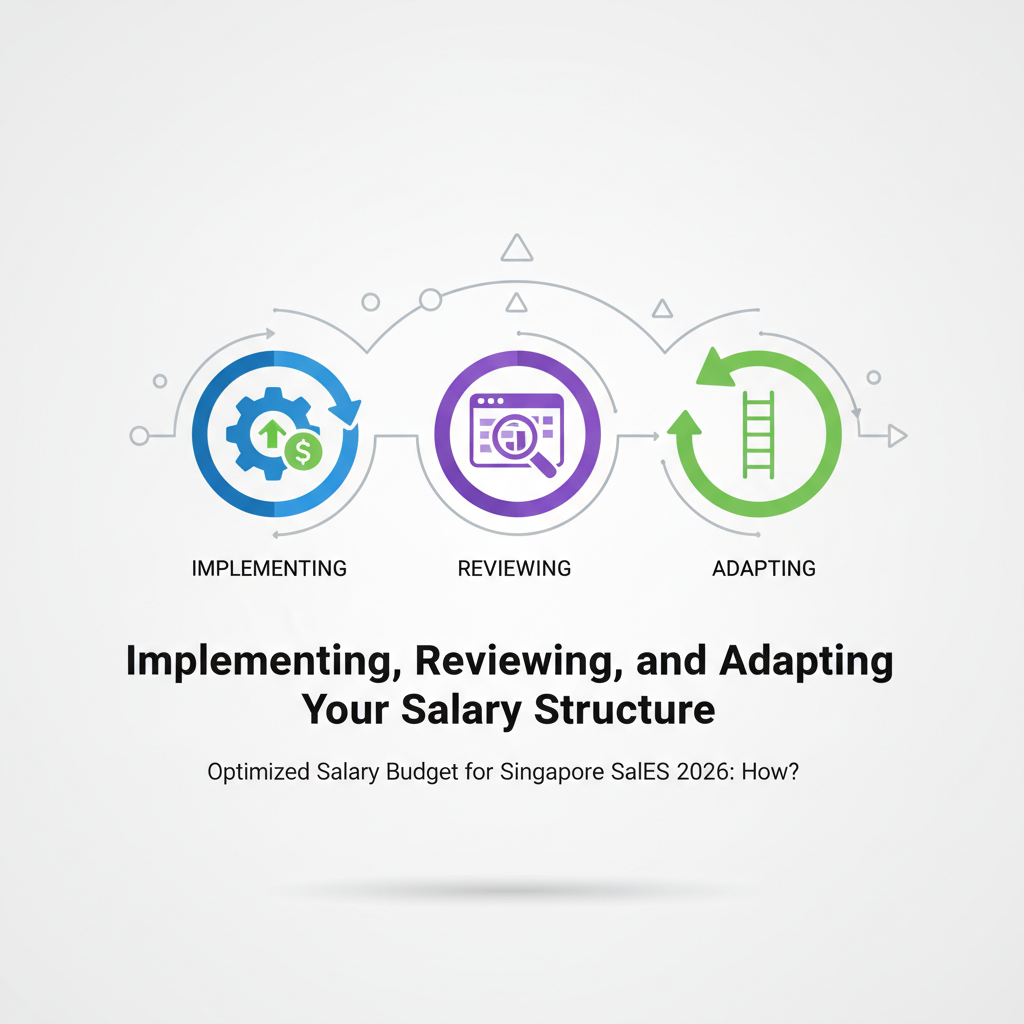
Implementing, Reviewing, and Adapting Your Salary Structure
For Small and Medium-sized Enterprises (SMEs) in Singapore’s competitive sales field, an Optimized Salary Budget Structure is not merely a cost center but a strategic investment. Crafting and implementing a robust compensation framework is just the beginning; its long-term success hinges on continuous review and proactive adaptation. To ensure your salary structure remains competitive, fair, and effective for 2026 and beyond, a dynamic approach encompassing communication, regular audits, and market responsiveness is essential. This section outlines the critical steps to embed agility into your compensation strategy, driving sales team motivation and business growth.
1. Communication and Transparency with Sales Teams on Compensation Changes
Implementing a new or revised salary structure requires more than just announcing new figures; it demands clear, honest, and proactive communication. Sales professionals, particularly in the performance-driven Singapore market, value understanding how their efforts translate into rewards. Begin by clearly articulating the rationale behind any changes, highlighting how the new structure supports both individual performance and overall business objectives. This includes explaining the new base salary ranges, commission structures, bonus tiers, and any non-monetary benefits. Provide practical examples of how different sales scenarios will impact their total compensation, helping them visualize their earning potential. Conduct open forums, Q&A sessions, and one-on-one meetings to address concerns, clarify ambiguities, and gather feedback. Transparency builds trust, reduces anxiety, and fosters a sense of fairness, which is crucial for maintaining morale and productivity. A well-communicated compensation plan ensures that your sales team is aligned with the company’s goals and understands their pathway to success within the Optimized Salary Budget Structures for SMEs in sale field in singapore.
2. Regular Review Cycles and Performance Audits for Effectiveness
An effective salary structure is not static; it’s a living framework that requires periodic evaluation. Establishing regular review cycles—annually or bi-annually—is paramount to ensure its ongoing relevance and fairness. These reviews should involve a comprehensive audit of sales performance against the existing compensation plan. Analyze key metrics such as sales volumes, profit margins, client acquisition rates, and retention figures in relation to the payout structure. Are high-performing sales personnel adequately rewarded? Is the plan effectively motivating the desired behaviors? Are there any unintended consequences, such as an overemphasis on short-term sales at the expense of long-term client relationships? Gather qualitative feedback from sales managers and team members to identify pain points and areas for improvement. This data-driven approach allows SMEs to fine-tune commission rates, bonus thresholds, and incentive programs to better align with evolving business priorities and market demands. Regularly auditing your sales compensation strategy ensures that your Optimized Salary Budget Structures for SMEs in sale field in singapore continues to drive maximum ROI and attract top talent.
3. Adapting to Market Changes, Economic Shifts, and Future Sales Trends
The business landscape in Singapore, particularly in the dynamic sales sector, is constantly evolving. An optimized salary structure must possess the agility to adapt to external forces. This includes monitoring broader market changes, such as competitor compensation packages, industry benchmarks, and talent availability. Resources like the Ministry of Manpower Singapore’s guidelines on salary and wages can provide crucial insights into national trends and regulatory requirements. Economic shifts, whether inflation, recessions, or periods of rapid growth, directly impact purchasing power and employee expectations, necessitating adjustments to base salaries and incentive targets. Furthermore, anticipate future sales trends: the increasing adoption of digital sales channels, shifts in customer buying behaviors, or the emergence of new product lines will require corresponding adaptations in how sales performance is measured and compensated. Proactively forecasting these changes and building flexibility into your structure – perhaps through variable pay components or a contingency budget – ensures your SME remains competitive. By staying ahead of these trends, your sales team compensation strategy will consistently attract and retain top sales talent, ensuring long-term success for your Optimized Salary Budget Structures for SMEs in sale field in singapore.
Partner with Shelby Global
You are looking for reliable HR Sevice Suppliers? Contact Shelby Global Now! To connect with verified talents and upgrade your orginization.
—————————————
References
– Ministry of Manpower Singapore: https://www.mom.gov.sg/
– :
– Harvard Business Review article on sales force effectiveness: https://hbr.org/2014/11/what-80-companies-learned-about-sales-force-effectiveness
– Return on Investment (ROI): What It Is and How to Calculate It: https://www.investopedia.com/terms/r/roi.asp
– :