Understanding Singapore’s Fashion Landscape & Market Risks
Singapore, a global financial hub with a discerning consumer base, presents a unique yet challenging landscape for the fashion industry. Its affluent population and high disposable income suggest a robust market, yet the compact city-state faces intense competition and economic vulnerabilities. This overview delves into the current state of Singapore’s fashion industry, examining its distinctive market characteristics and the overarching economic risks that shape its future, offering critical insights for stakeholders considering the trend report of the risk of Fashion field in singapore.

1. Market Size, Growth Projections, and Local Brand Presence
Singapore’s fashion market, while smaller in absolute terms compared to regional giants, boasts significant per capita spending. The revenue in the Fashion market in Singapore is projected to reach US$2.52 billion in 2024, with an anticipated annual growth rate (CAGR 2024-2028) of 2.27%, leading to a projected market volume of US$2.76 billion by 2028. This growth is primarily driven by a sophisticated consumer base that values quality, design, and brand reputation. Local designers and brands, though facing an uphill battle against international behemoths, carve out niches through unique narratives, sustainable practices, and a deep understanding of local preferences. Brands like In Good Company, Our Second Nature, and Love, Bonito have successfully cultivated a loyal following by offering distinctive styles and fostering community engagement. However, their market share remains modest in the face of larger, more established global players, necessitating innovative strategies to scale and sustain growth in a highly competitive environment.
2. Competition from Regional & Global Fast Fashion Brands
One of the most significant risks for Singapore’s fashion industry, particularly for local brands and traditional retailers, is the relentless competition from regional and global fast fashion giants. Brands like Zara, H&M, Uniqlo, and more recently, online players such as Shein and Zalora, flood the market with trendy, affordable apparel at an unprecedented speed. These companies benefit from economies of scale, robust supply chains, and massive marketing budgets, allowing them to offer competitive pricing and a constant influx of new collections. This creates immense pressure on local brands, which often operate with smaller production runs and higher per-unit costs. The constant demand for newness also encourages a consumption cycle that can be unsustainable for smaller players focusing on timeless pieces or artisanal craftsmanship. To survive, local brands must differentiate themselves not just through product but also through compelling brand stories, exceptional customer experiences, and a focus on unique value propositions that fast fashion cannot replicate, such as ethical sourcing, bespoke services, or hyper-local designs.
3. Impact of Economic Downturns on Consumer Spending & Luxury Market
Singapore’s open economy is inherently susceptible to global economic fluctuations, and the fashion industry is particularly sensitive to shifts in consumer spending habits during downturns. Fashion, especially luxury fashion, is often considered a discretionary expenditure. During periods of economic uncertainty, consumers tend to become more cautious, prioritizing essential goods and services over non-essential purchases. This directly impacts sales volumes and profit margins for retailers. While Singapore’s affluent demographic might offer some resilience to the luxury market, even high-net-worth individuals can temper their spending on high-ticket items during a recession. The recent global economic slowdowns, supply chain disruptions, and inflationary pressures have already demonstrated this sensitivity, leading to shifts towards value-for-money purchases and a greater emphasis on investment pieces rather than fleeting trends. For the fashion sector, this means a heightened need for agility in inventory management, flexible pricing strategies, and diversified product offerings to cater to varying consumer confidence levels. Brands must also consider the growing consumer demand for transparency and sustainability, as ethical considerations increasingly influence purchasing decisions, even amidst economic pressures.
Supply Chain Vulnerabilities & Geopolitical Impacts on Fashion
The global fashion industry, a complex web of design, manufacturing, and retail, is intrinsically exposed to a myriad of supply chain vulnerabilities. From raw material extraction to finished product delivery, every stage is susceptible to disruption, making supply chain resilience a critical imperative. This section explores these inherent risks, including potential disruptions, evolving ethical sourcing concerns, and the pervasive influence of geopolitical events on the delicate balance of sourcing and production worldwide. For emerging fashion hubs like Singapore, understanding the trend report of the risk of Fashion field in singapore is paramount for strategic planning and maintaining competitiveness in a volatile global landscape. Brands must embrace digital transformation to gain visibility and agility, turning potential threats into opportunities for innovation.
1. Reliance on Overseas Manufacturing & Raw Material Sourcing
The fashion industry’s enduring reliance on overseas manufacturing, predominantly in Asian countries, stems from decades of cost-efficiency strategies. While offering significant economic advantages, this concentration creates considerable vulnerabilities. A factory shutdown in Vietnam due to a pandemic outbreak, or a natural disaster in Bangladesh, can cripple production for multiple global brands simultaneously. Similarly, the sourcing of key raw materials like cotton, silk, and specialized synthetic fibers often originates from a limited number of regions, subjecting the entire supply chain to climate risks, political instability, and labor disputes in those specific locales. The dependency on a narrow geographic footprint amplifies the risk of bottlenecks and single points of failure. Furthermore, growing pressure for ethical sourcing and transparency means brands must meticulously vet their international partners, ensuring compliance with fair labor practices and environmental standards, which adds another layer of complexity and potential disruption if non-compliance is identified. The global movement towards sustainability initiatives also demands careful scrutiny of raw material origins, pushing for certifications and traceability that can be challenging to implement across vast, fragmented supply networks. This intricate dependency necessitates robust risk assessment and diversified sourcing strategies to mitigate exposure.
2. Logistics Challenges, Shipping Delays, and Cost Fluctuations
The journey of fashion goods from factory floor to retail shelf is a logistical marvel, yet one fraught with challenges. Global shipping networks, the arteries of international trade, are prone to significant disruptions. Events like the Suez Canal blockage, port congestion exacerbated by peak seasons or labor shortages, and recent geopolitical tensions in crucial maritime routes (e.g., the Red Sea) routinely cause extensive shipping delays. These delays translate directly into missed sales opportunities, stockouts, and increased inventory holding costs for fashion retailers. Beyond timing, the cost of logistics is a volatile factor. Surging fuel prices, container shortages, and increased demand for air freight (often used to mitigate sea freight delays) can dramatically inflate transportation expenses. These rising costs inevitably squeeze profit margins and can force brands to pass on higher prices to consumers, impacting affordability and demand. Effective inventory management becomes crucial in this environment, as companies must balance the risk of overstocking with the cost of understocking. Brands are increasingly exploring regional manufacturing hubs and alternative shipping routes, alongside investing in advanced analytics for predictive logistics, to build more resilient and cost-effective delivery mechanisms.
3. Trade Tensions, Tariffs, and Policy Changes Affecting Imports/Exports
Geopolitical dynamics profoundly reshape the fashion supply chain, with trade tensions, tariffs, and sudden policy changes posing significant threats. Trade wars, such as those witnessed between the U.S. and China, introduce punitive tariffs on imported goods, directly increasing the cost of production for brands that rely on manufacturing in affected regions. These tariffs force companies to either absorb the additional costs, pass them on to consumers, or undertake the costly and complex process of relocating manufacturing. Beyond tariffs, import quotas, changes in customs regulations, and environmental policies (e.g., carbon taxes on imports) can create substantial barriers to trade. The fragmented global political landscape means that agreements like free trade zones can be renegotiated or even dissolved, leading to unpredictable shifts in operational costs and market access. For companies operating in a hub like Singapore, which thrives on international trade, these policy shifts necessitate constant monitoring and agile adaptation. Brands are compelled to diversify their manufacturing bases, exploring nearshoring or reshoring options where politically and economically viable, to insulate themselves from specific regional risks. Furthermore, navigating diverse regulatory landscapes for sustainability initiatives and product compliance across different markets adds another layer of complexity, demanding legal expertise and foresight to ensure continued market access and avoid costly penalties.
Sustainability Pressures, Regulatory Compliance & Reputational Risks
The global fashion industry, valued for its creativity and innovation, now faces an unprecedented wave of scrutiny concerning its environmental footprint and social impact. In a dynamic hub like Singapore, these pressures are particularly acute, driven by a growing demand for sustainable practices, evolving environmental regulations, and the critical importance of maintaining a positive brand reputation amidst increasing public and investor scrutiny. Businesses in the trend report of the risk of Fashion field in Singapore must navigate a complex landscape where sustainability is no longer an option but a core business imperative.
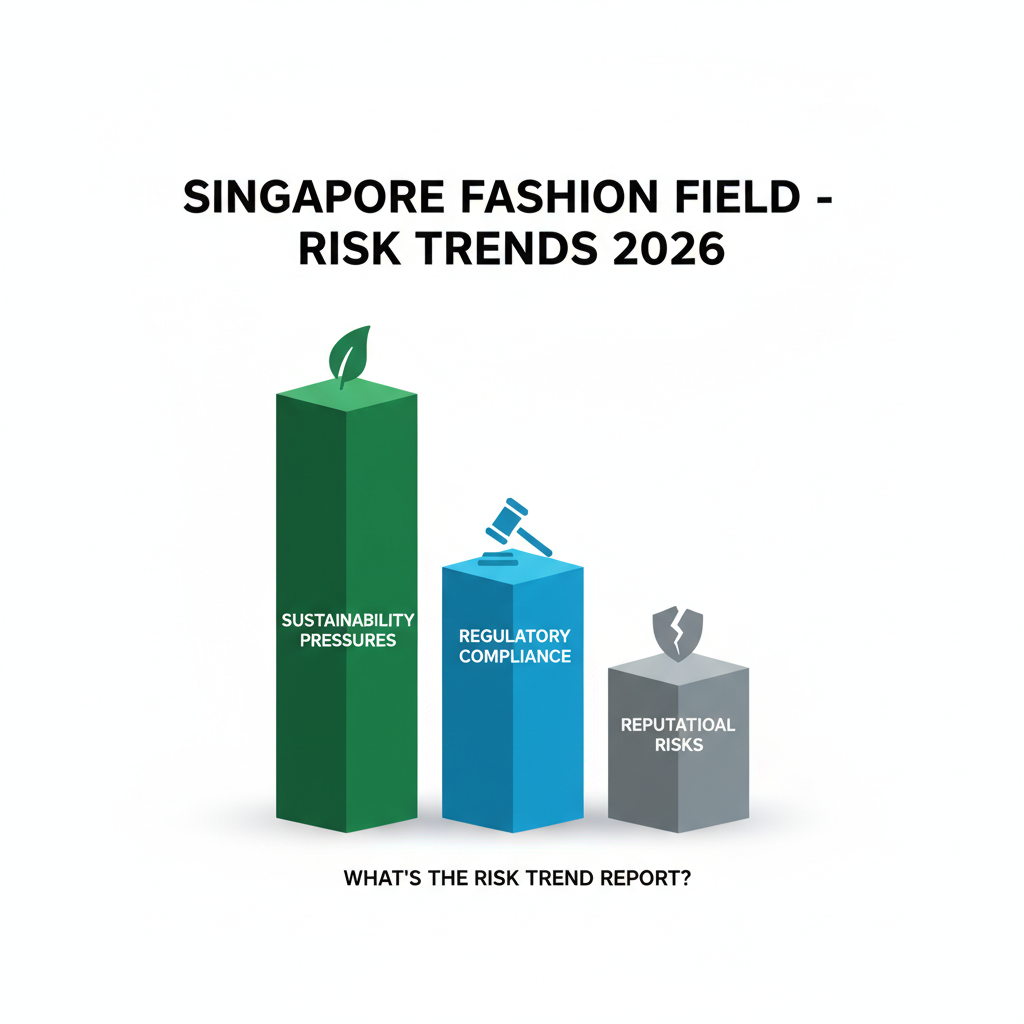
1. Environmental, Social, and Governance (ESG) Demands & Consumer Expectations
The rise of Environmental, Social, and Governance (ESG) factors has fundamentally reshaped investment decisions and consumer purchasing habits. Investors are increasingly evaluating companies based on their ESG performance, understanding that strong sustainability practices correlate with long-term financial resilience and reduced risk. Simultaneously, consumers, particularly younger generations in Singapore, are demanding greater transparency and accountability from brands. They are actively seeking out sustainable fashion Singapore initiatives, willing to pay a premium for ethically produced garments, and quick to boycott brands perceived as harmful. This shift compels fashion businesses to embed sustainability across their entire value chain, from raw material sourcing and manufacturing processes to product lifecycle and end-of-life solutions. Addressing this includes robust supply chain transparency, ensuring fair wages, safe working conditions, and minimal environmental impact at every stage. Companies that proactively communicate their ESG commitments and demonstrate tangible progress will gain a significant competitive edge and foster deeper consumer loyalty.
2. Evolving Local and International Regulations on Waste & Labor Practices
The regulatory landscape is rapidly evolving, imposing stricter requirements on fashion businesses operating in or trading with Singapore. Locally, the government is intensifying efforts to promote a circular economy, with a focus on reducing waste and improving resource efficiency. This includes potential regulations around textile waste management, extended producer responsibility (EPR) schemes for packaging and potentially textiles, and restrictions on certain chemicals. Internationally, brands must contend with a patchwork of regulations aimed at curbing environmental pollution and safeguarding labor rights. For instance, the European Union’s forthcoming legislation on sustainable and circular textiles and due diligence requirements for supply chains will impact global sourcing strategies. The industry also faces increasing pressure to eradicate forced labor and child labor, pushing for greater scrutiny over ethical labor fashion practices throughout their complex global networks. Non-compliance with these regulations carries not only legal penalties but also significant reputational damage. Understanding and adhering to these diverse regulatory frameworks is crucial for maintaining market access and operational stability. Embracing circularity, as highlighted in reports like the Ellen MacArthur Foundation’s analysis on A New Textiles Economy, is vital to manage textile waste effectively.
3. Brand Image, Authenticity, and the Pitfalls of Greenwashing
In an era of hyper-connectivity and instant information, a brand’s reputation is its most valuable asset. The fashion industry, often associated with fast trends and high consumption, is particularly vulnerable to accusations of greenwashing – misleading claims about environmental or social responsibility. Consumers are savvier than ever, equipped with tools and information to scrutinize sustainability claims. Brands that engage in superficial “green” marketing without genuine systemic change risk severe backlash, eroding trust and damaging their brand reputation fashion permanently. Authenticity is paramount. This means not only implementing sustainable practices but also transparently communicating both successes and challenges. Businesses must provide verifiable data, engage in third-party certifications, and educate consumers rather than merely market to them. Investing in genuinely sustainable materials, circular design principles, and fair labor practices, and then openly sharing these efforts, builds credibility. Conversely, a failure to demonstrate authentic commitment to sustainability can lead to boycotts, negative media coverage, and a loss of market share, underscoring the high stakes involved in navigating this sensitive area.
Digital Disruption, Cybersecurity & E-commerce Challenges in Singapore
Singapore’s fashion landscape is undergoing a profound transformation, driven by rapid digital adoption and an increasingly sophisticated online consumer base. While offering unparalleled opportunities for growth and market reach, this swift embrace of digital technologies also introduces a complex web of risks. This section of the trend report of the risk of Fashion field in singapore examines critical challenges faced by fashion businesses, ranging from escalating cybersecurity threats and the precarious reliance on third-party platforms to the intricate logistics and customer experience demands of managing an online retail presence. Understanding these vulnerabilities is paramount for fashion brands aiming to navigate Singapore’s dynamic digital economy successfully and sustainably.
1.
Cybersecurity Threats, Data Breaches, and Consumer Trust
In the fiercely competitive fashion e-commerce Singapore risks environment, one of the most pressing concerns for businesses is the escalating threat of cyberattacks. As fashion brands increasingly rely on digital platforms for everything from sales and marketing to supply chain management, they become prime targets for malicious actors. The sheer volume of sensitive customer data—including personal identifiable information (PII), payment details, and browsing habits—collected by online fashion retailers makes them particularly vulnerable to data breaches. A single breach can have catastrophic consequences, leading to significant financial losses from remediation efforts, legal fees, and regulatory penalties under frameworks like Singapore’s Personal Data Protection Act (PDPA). Beyond the immediate financial repercussions, the long-term damage to brand reputation and consumer trust fashion Singapore can be irreversible. Consumers are more discerning than ever, and a perception of lax security can quickly drive them to competitors. Reports like Singapore’s Cyber Landscape consistently highlight the increasing sophistication and frequency of cyber threats, from phishing and ransomware to sophisticated state-sponsored attacks. For fashion businesses, this necessitates a proactive and robust cybersecurity strategy, encompassing not just technological safeguards but also comprehensive employee training and clear incident response plans. Building and maintaining strong consumer trust fashion Singapore hinges on demonstrating an unwavering commitment to data protection.
2.
Platform Dependency, Algorithm Changes, and Digital Marketing Costs
The rapid digital transformation challenges fashion sector in Singapore has fostered a significant reliance on third-party e-commerce platforms and social media channels. While these platforms offer unparalleled access to vast customer bases and sophisticated tools, they simultaneously introduce a critical element of dependency. Fashion brands often find themselves at the mercy of platform-specific policies, commission structures, and, most notably, algorithm changes. A subtle tweak in an algorithm on platforms like Instagram, TikTok, or major marketplaces like Shopee and Lazada can drastically alter a brand’s organic visibility and reach, sometimes overnight. This necessitates a continuous and often expensive adaptation of digital marketing strategies. Furthermore, the burgeoning competition within the online fashion space has driven up digital marketing costs significantly. What once offered high ROI through organic reach now often requires substantial investment in paid advertisements (PPC, social media ads) to ensure visibility amidst the noise. Brands face the dilemma of investing heavily in these platforms to stay relevant versus channeling resources into building and nurturing their own direct-to-consumer (DTC) channels, which offer greater control but require substantial upfront investment in technology, marketing, and logistics. Striking this balance is a key digital transformation challenges fashion brands must address to ensure sustainable growth and reduce their vulnerability to external platform decisions.
3.
Managing Returns, Logistics, and Customer Experience in Online Sales
The shift towards online sales has fundamentally reshaped consumer expectations, placing immense pressure on fashion businesses to perfect their post-purchase experience. One of the most prominent online retail logistics fashion challenges is managing returns. Fashion, by its very nature, suffers from high return rates due to issues like incorrect sizing, fit discrepancies, and color variations from screen to reality. Processing these returns efficiently involves complex reverse logistics—collection, inspection, restocking, or disposal—all of which incur significant costs and operational overheads. Consumers in Singapore now expect fast, often free, shipping and equally seamless return processes, placing a heavy burden on brands’ supply chains and profit margins. Beyond just logistics, the entire customer experience journey, from initial website interaction to post-delivery support, is under scrutiny. Providing personalized customer service, offering multiple delivery and return options, and ensuring prompt resolution of issues are critical for fostering brand loyalty in a crowded market. A single negative experience, particularly regarding shipping delays or return hassles, can quickly translate into lost sales and adverse reviews that impact future customer acquisition. Mastering these online retail logistics fashion aspects and maintaining a consistently high standard of customer experience is no longer a differentiator but a fundamental requirement for survival and growth in Singapore’s competitive digital fashion arena. Brands must invest in robust logistics infrastructure, intuitive return policies, and proactive customer service strategies to convert one-time buyers into loyal advocates.
Adapting to Evolving Consumer Behavior & Future Resilience Strategies
Analyzing shifts in consumer preferences and purchasing habits within Singapore, and outlining strategic approaches for fashion businesses to build resilience and foster long-term growth.
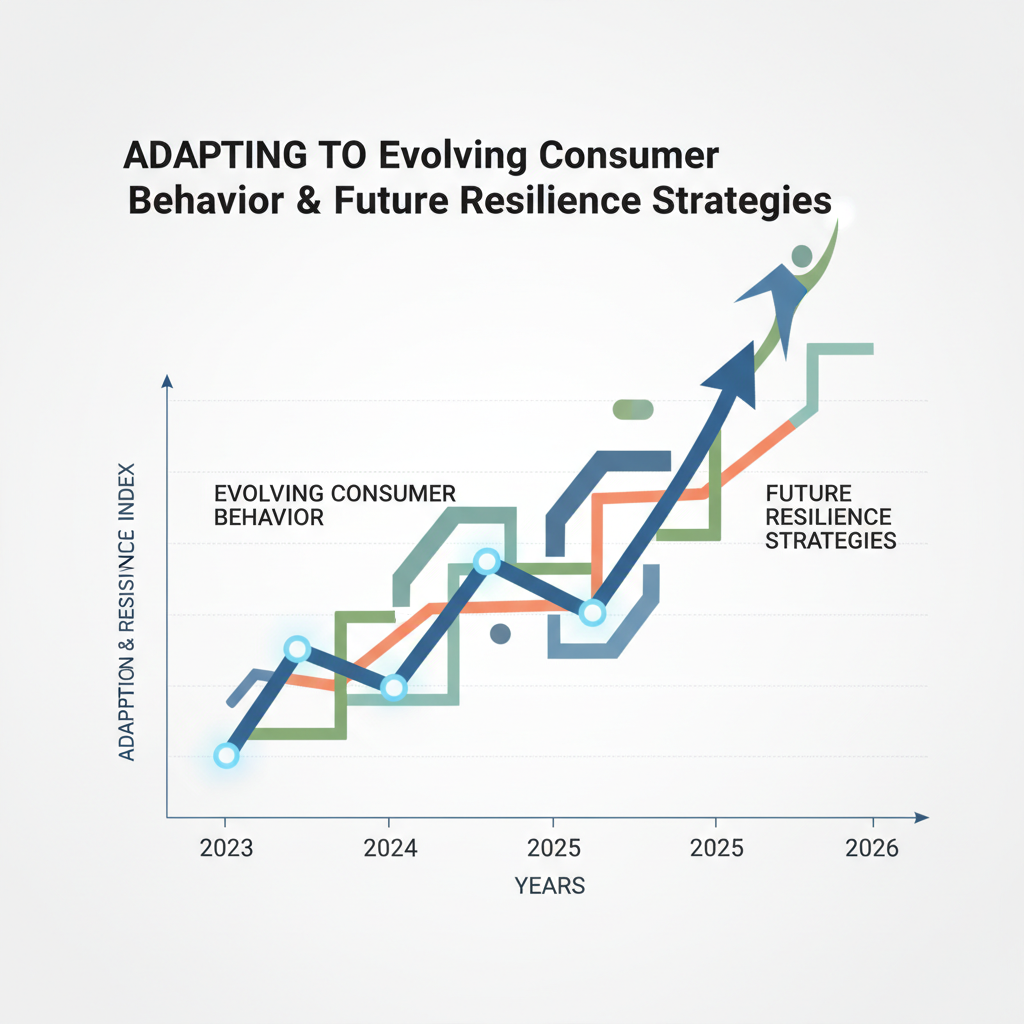
The fashion industry in Singapore is navigating a dynamic landscape, marked by rapid technological advancements, growing environmental awareness, and evolving consumer expectations. Businesses that fail to adapt to these shifts face significant challenges. Understanding the nuances of the trend report of the risk of Fashion field in singapore is crucial for strategic planning. From embracing sustainable practices to leveraging digital platforms, adaptability is key to not only mitigating risks but also unlocking new avenues for growth and ensuring future resilience in this competitive market.
1. Shift Towards Conscious Consumption, Value-Driven Purchases, and Rental Models
Singaporean consumers are increasingly demonstrating a preference for conscious consumption. A growing awareness of environmental and social issues has led to a demand for greater transparency, ethical sourcing, and sustainable production practices. Fashion businesses must recognize this shift from purely aesthetic appeal to value-driven purchases, where factors like a brand’s ecological footprint and fair labor practices weigh heavily on purchasing decisions. This translates into a burgeoning market for eco-friendly materials, upcycled garments, and brands with strong CSR initiatives.
Furthermore, the concept of ownership is being redefined. The rise of circular fashion, particularly through rental and resale models, is gaining traction. Consumers, especially younger demographics, are increasingly opting to rent occasion wear or participate in second-hand marketplaces to reduce waste and gain access to a wider variety of styles without the commitment of ownership. Businesses that integrate rental services, subscription models, or invest in robust take-back and repair programs will not only meet this evolving demand but also foster customer loyalty and contribute to a more sustainable fashion ecosystem.
2. Influence of Social Media, Micro-Trends, and Personalization Demands
The digital age has fundamentally reshaped how fashion trends emerge and dissipate, with social media platforms acting as powerful accelerators. Instagram, TikTok, and other visual platforms fuel rapid micro-trends, often driven by influencers and viral content. Singaporean consumers, highly connected and digitally savvy, are exposed to these trends almost instantaneously, leading to a desire for immediate access and constant novelty. Fashion businesses must develop agile supply chains capable of responding quickly to these fleeting trends, transforming ideas into marketable products at an unprecedented pace.
Beyond fleeting trends, there’s a strong demand for personalization. Consumers are looking for products and experiences that reflect their unique identity and values. This includes everything from customized designs and made-to-measure options to highly tailored marketing communications and product recommendations based on their past behavior and preferences. Leveraging data analytics and AI to understand individual customer journeys and offer bespoke services is no longer a luxury but a necessity for building strong customer relationships and staying relevant in a crowded market. Effective digital transformation strategies are essential to capture and analyze this data.
3. Diversification of Business Models, Innovation, and Local Sourcing Initiatives
To build long-term resilience, Singaporean fashion businesses must explore and embrace diversified business models. Relying solely on traditional brick-and-mortar retail or a single product category is increasingly risky. The integration of robust e-commerce platforms, direct-to-consumer (D2C) channels, and partnerships with online marketplaces can expand reach and offer multiple touchpoints for customers. Innovation extends beyond product design to process optimization, such as on-demand manufacturing to reduce waste and inventory risk, and adopting new technologies like 3D garment design.
Furthermore, there is a growing appreciation for local sourcing initiatives. Supporting local designers, artisans, and manufacturers not only resonates with national pride but also contributes to reduced lead times, greater transparency in the supply chain, and a smaller carbon footprint. This also provides a buffer against global supply chain disruptions, a crucial aspect of future resilience. Businesses that champion local talent and communicate their commitment to the Singaporean economy can build strong community ties and differentiate themselves in a globalized market, showcasing authenticity and unique cultural craftsmanship while mitigating the risks highlighted in recent industry reports.
Partner with Shelby Global
You are looking for reliable HR Sevice Suppliers? Contact Shelby Global Now! To connect with verified talents and upgrade your orginization.
—————————————
References
– :
– supply chain resilience: https://www.mckinsey.com/capabilities/operations/our-insights/supply-chain-resilience-a-new-imperative
– :
– Singapore’s Cyber Landscape: https://www.csa.gov.sg/singapores-cyber-landscape/threat-landscape-report
– :