
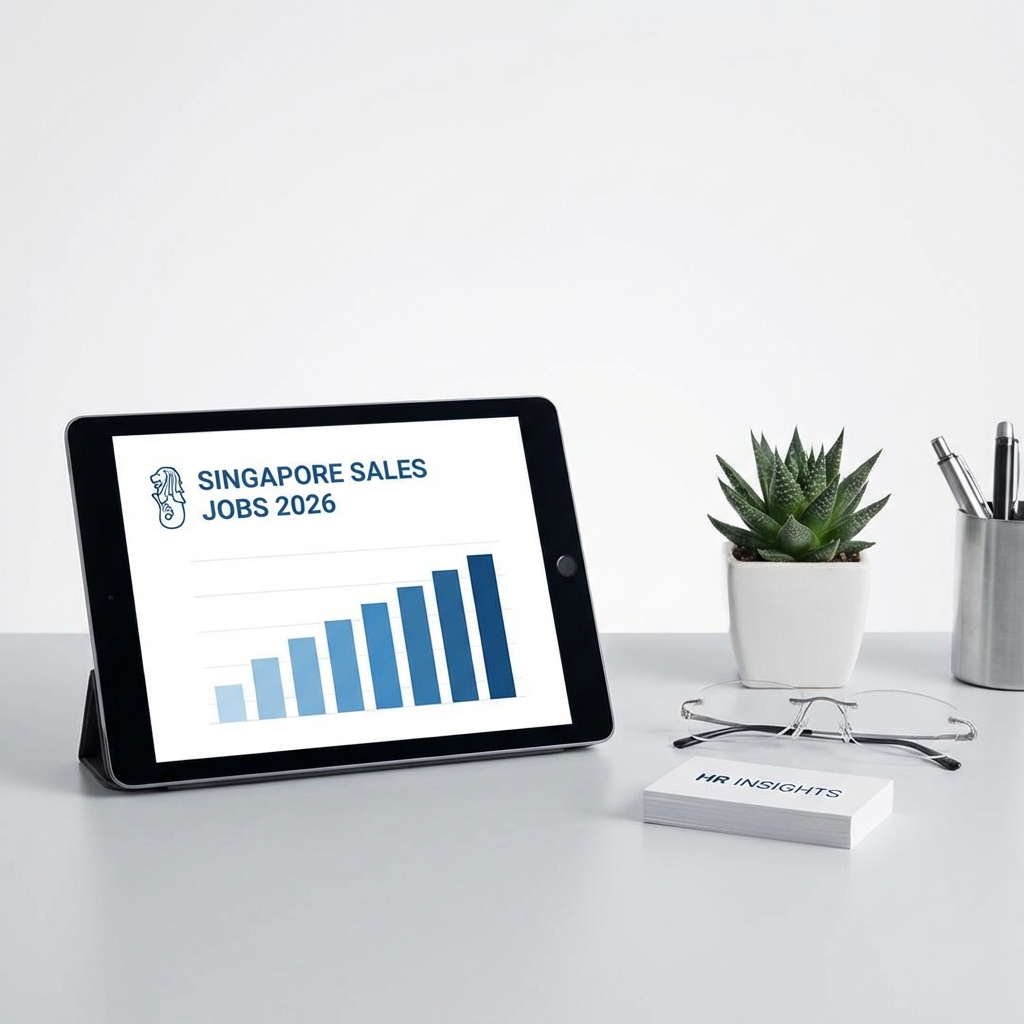
- Overview of the Singapore Sales Job Market 2026
- 1. Key Economic Indicators Affecting Sales Salaries
- 2. Demand for Sales Talent Across Industries
- 3. Impact of Digital Transformation on Sales Roles
- Average Salary Ranges by Sales Role
- 1. Entry-Level Sales Executive Salaries
- 2. Mid-Career Account Manager Compensation
- 3. Senior Sales Director Salary Expectations
- Factors Influencing Sales Salaries in Singapore
- Industry-Specific Salary Variations (e.g., Tech vs. FMCG)
- Impact of Experience and Qualifications
- Commission Structures and Bonus Schemes
- Top-Paying Sales Industries and Companies
- 1. High-Growth Sectors for Sales Professionals
- 2. Multinational Corporations vs. Local Enterprises
- 3. Benefits and Perks Beyond Base Salary
- Future Outlook and Career Growth in Sales
- 1. Emerging Sales Roles and Skills in Demand
- 2. Strategies for Salary Negotiation and Career Advancement
- 3. Resources for Further Salary Research
- Partner with Shelby Global
- References
Overview of the Singapore Sales Job Market 2026
Provides a snapshot of the current landscape for sales professionals in Singapore, highlighting key trends and economic factors influencing salaries.
The Singapore sales job market in 2026 presents a dynamic and evolving landscape, shaped by both global economic shifts and the nation’s strategic focus on innovation and digital transformation. For sales professionals, understanding these underlying currents is crucial for career progression and negotiating competitive compensation packages. This section offers a comprehensive snapshot, shedding light on the current climate for a salary range report of jobs in sale field in singapore, and exploring the key drivers that dictate earning potential in this vibrant market. As Singapore continues to solidify its position as a regional hub for technology, finance, and trade, the demand for skilled sales talent remains robust, albeit with an increasing emphasis on specialized skills and adaptive approaches.
1. Key Economic Indicators Affecting Sales Salaries
Singapore’s economic resilience directly influences the salary range report of jobs in sale field in singapore. In 2026, several key economic indicators are at play. The nation’s Gross Domestic Product (GDP) growth, while potentially moderating from post-pandemic surges, is projected to remain positive, driven by manufacturing, electronics, and the burgeoning digital economy. A healthy GDP generally translates to increased business confidence and investment, leading to greater hiring activity and potentially higher base salaries and commission structures for sales professionals.
Inflationary pressures, both global and local, continue to be a significant factor. While the Monetary Authority of Singapore (MAS) works to maintain price stability, a certain level of inflation can necessitate upward adjustments in salary expectations to maintain purchasing power. Conversely, a tightening monetary policy, characterized by rising interest rates, could temper investment, potentially affecting the growth trajectory of some sectors and, by extension, their sales budgets and remuneration packages. Furthermore, government initiatives aimed at attracting foreign investment and fostering local enterprises create a fertile ground for business expansion, generating new sales opportunities and influencing the overall salary range report of jobs in sale field in singapore. Keeping an eye on these macroeconomic trends, often detailed in official reports such as those from the Monetary Authority of Singapore’s professional forecasters survey, is vital for both employers and job seekers.
2. Demand for Sales Talent Across Industries
The demand for sales talent in Singapore remains strong across a diverse array of industries, each with unique requirements and compensation benchmarks. The technology sector continues to be a major driver, with a persistent need for sales professionals skilled in SaaS, cloud solutions, cybersecurity, and artificial intelligence. These roles, often requiring deep technical understanding and strategic account management capabilities, typically command some of the highest salaries.
Beyond tech, the financial services industry, including banking, insurance, and wealth management, consistently seeks sales experts to manage client portfolios and drive product adoption. Similarly, the healthcare and pharmaceutical sectors are experiencing growth, leading to increased demand for sales representatives capable of navigating complex regulatory landscapes and fostering relationships with medical professionals and institutions. Manufacturing and logistics, bolstered by Singapore’s status as a global trade hub, also require skilled B2B sales professionals to manage supply chains and secure international deals. The specific salary range report of jobs in sale field in singapore can vary significantly between these sectors, reflecting the complexity of sales cycles, deal sizes, and the scarcity of specialized talent. This broad demand ensures a competitive environment for employers and a wide range of opportunities for sales professionals looking to specialize or transition into high-growth areas.
3. Impact of Digital Transformation on Sales Roles
Digital transformation is fundamentally reshaping sales roles in Singapore, demanding new skills and altering traditional sales processes. The proliferation of Customer Relationship Management (CRM) systems, advanced analytics tools, artificial intelligence (AI), and automation platforms has empowered sales teams with unprecedented insights into customer behavior and market trends. This shift means that modern sales professionals are no longer just closers; they are strategic consultants, data interpreters, and technology adopters.
The ability to leverage digital tools for lead generation, pipeline management, and personalized customer engagement is now paramount. Skills in data analysis, digital marketing integration, social selling, and understanding AI-driven insights are becoming as critical as traditional negotiation and communication abilities. This evolution has led to a premium on professionals who can blend traditional relationship-building with digital prowess. Consequently, the salary range report of jobs in sale field in singapore for roles requiring strong digital literacy and a consultative approach is often higher, reflecting the added value these skills bring. Companies are investing heavily in upskilling their sales force, and professionals who proactively embrace these changes are better positioned for success and higher earning potential. For a detailed breakdown of how these factors influence compensation, a comprehensive salary range report of jobs in sale field in singapore can provide invaluable insights.
Average Salary Ranges by Sales Role
The sales landscape in Singapore is dynamic and competitive, with compensation packages designed to attract and retain top talent. Understanding the typical salary range report of jobs in sale field in Singapore is crucial for both job seekers and employers. This detailed breakdown offers specific salary benchmarks across various sales positions, from those just starting their careers to seasoned leaders driving revenue. Factors such as industry, company size, experience level, and the complexity of products or services sold significantly influence overall sales compensation Singapore. Our comprehensive overview will help demystify the financial expectations for key sales roles, providing a valuable resource for navigating the thriving market for sales jobs salary Singapore.
1. Entry-Level Sales Executive Salaries
For those embarking on a career in sales, the Entry-Level Sales Executive role offers a vital stepping stone. In Singapore, these positions typically involve prospecting, lead generation, and closing smaller deals, often under supervision. Compensation for these roles usually comprises a modest base salary coupled with performance-based commissions and bonuses. An Entry-Level Sales Executive in Singapore can expect a base salary ranging from SGD 3,000 to SGD 4,500 per month. When factoring in on-target earnings (OTE), which includes commissions for meeting sales quotas, the total annual compensation can realistically fall between SGD 40,000 and SGD 60,000. Industries like fast-moving consumer goods (FMCG), telecommunications, and certain B2B service sectors tend to offer competitive entry points. Strong performance in this role is key to rapid progression and a significant increase in future earning potential, laying the foundation for a successful career in the sale field in Singapore.
2. Mid-Career Account Manager Compensation
As sales professionals gain experience and build a robust client portfolio, they often transition into Mid-Career Account Manager roles. These positions demand a deeper understanding of client relationships, strategic account planning, and a proven track record of meeting and exceeding sales targets. Account Managers are responsible for nurturing existing client relationships, identifying upselling and cross-selling opportunities, and often managing a specific book of business. In Singapore, the base salary for a Mid-Career Account Manager typically ranges from SGD 5,000 to SGD 8,000 per month. With OTE, which for this level can include more substantial commissions and performance bonuses, the total annual compensation can reach between SGD 70,000 and SGD 120,000. The specific industry (e.g., technology, pharmaceuticals, financial services) and the size of the accounts managed play a significant role in determining the upper end of this salary range report of jobs in sale field in Singapore. Many companies also offer additional benefits such as car allowances, health insurance, and professional development opportunities to these crucial revenue drivers.
3. Senior Sales Director Salary Expectations
At the pinnacle of the sales hierarchy, Senior Sales Directors are responsible for developing and executing overarching sales strategies, managing large teams, and driving significant revenue growth for the organization. These roles require extensive experience, exceptional leadership skills, and a deep understanding of market dynamics. Compensation for Senior Sales Directors in Singapore reflects their critical contribution to the company’s success. Base salaries for these executive positions typically start from SGD 10,000 and can extend beyond SGD 20,000 per month, depending on the company’s size, industry, and revenue targets under their purview. When considering OTE, which frequently includes substantial annual bonuses, profit sharing, and sometimes equity or stock options, the total annual compensation package for a Senior Sales Director can range from SGD 180,000 to SGD 350,000 or even higher for global or regional leadership roles in highly lucrative sectors. According to insights from the Hays Singapore Salary Guide, which provides a comprehensive overview of salaries across various industries, leadership roles in sales continue to command premium compensation packages reflective of their strategic importance and direct impact on business performance. These figures underscore the lucrative career path available in the sale field in Singapore for those who demonstrate consistent success and leadership capabilities. Understanding these benchmarks is key for career planning and negotiations in the competitive Singaporean market.
Factors Influencing Sales Salaries in Singapore
Singapore’s dynamic economy presents a diverse landscape for sales professionals, where earning potential is shaped by a confluence of variables. Understanding these factors is crucial for both aspiring and experienced sales executives looking to optimize their career trajectory and compensation. From the specific industry sector one operates in to the depth of their experience and the nuances of commission structures, each element plays a significant role in determining the ultimate take-home pay. A comprehensive understanding of these influences allows sales professionals to strategically position themselves for higher earnings and enables employers to craft competitive compensation packages that attract top talent in the Lion City’s bustling job market. For those seeking a detailed overview of the market, a thorough salary range report of jobs in sale field in singapore can provide invaluable insights into current trends and expectations.

Navigating the complexities of sales compensation requires awareness of how different sectors value sales contributions, the premium placed on skills and track record, and the variable components that can significantly boost total remuneration.
-
Industry-Specific Salary Variations (e.g., Tech vs. FMCG)
The industry a sales professional operates within is perhaps the most significant determinant of their salary in Singapore. High-growth sectors like technology, pharmaceuticals, and financial services often boast higher base salaries and overall total compensation packages compared to more established industries such as Fast-Moving Consumer Goods (FMCG) or manufacturing. This disparity is primarily due to several factors: the complexity and value of the products/services being sold, the length of the sales cycle, the required technical expertise, and the profit margins inherent in the industry. For instance, a B2B SaaS sales executive selling enterprise software might command a substantial base salary plus uncapped commissions, reflecting the high value and specialized knowledge required for complex solution selling. Conversely, a sales representative in the FMCG sector might have a lower base salary but benefit from high-volume sales and more frequent, albeit smaller, commission payouts. Furthermore, industries with a strong international presence or those serving niche markets with high barriers to entry often offer premium sales salaries in Singapore due to the specialized talent required to succeed.
-
Impact of Experience and Qualifications
As with most professions, experience is a critical factor influencing sales salaries. Entry-level sales roles, such as Sales Development Representatives (SDRs) or Junior Account Executives, typically start with a foundational base salary and a modest commission structure. As professionals gain experience, develop a proven track record of consistently meeting or exceeding targets, and hone their negotiation and client management skills, their earning potential significantly increases. Mid-career professionals with 3-7 years of experience can expect a notable bump in both base and variable pay, often transitioning into Senior Account Executive or Sales Manager roles. Those with over 10 years of experience, particularly in strategic leadership positions like Sales Director or VP of Sales, command the highest salaries, reflecting their ability to drive large-scale revenue and manage high-performing teams. Beyond raw years, specific qualifications such as an MBA, certifications in sales methodologies (e.g., Challenger Sale, SPIN Selling), or deep product knowledge can also elevate earning potential. Employers increasingly value soft skills such as resilience, adaptability, and strong communication, which are honed through years of practical experience.
-
Commission Structures and Bonus Schemes
A significant portion of a sales professional’s total compensation in Singapore often comes from variable pay components, including commission structures and bonus schemes. Understanding these elements is crucial when evaluating a job offer. Common commission models include: pure commission (rare in Singapore, usually for independent contractors), base salary plus commission (the most prevalent model), and tiered commission structures (where commission rates increase as targets are surpassed). Accelerators reward overperformance with even higher commission percentages, while decelerators might reduce the rate if targets are missed. Beyond direct commissions on sales, many companies offer performance-based bonuses, which can be quarterly, annual, or tied to specific project achievements. These bonuses might be linked to individual performance, team performance, or overall company profitability. The specifics of these schemes – such as OTE (On-Target Earnings), commission caps (or lack thereof), and the frequency of payouts – can drastically impact a sales professional’s annual income. Professionals should thoroughly review and understand these structures, including the metrics used for calculation, to accurately gauge their potential earnings and align with their personal sales goals. For the latest salary insights, including details on variable pay across various industries, consulting comprehensive salary guides is highly recommended.
Top-Paying Sales Industries and Companies
In Singapore’s dynamic economic landscape, sales professionals play a pivotal role, driving growth across various sectors. For those seeking lucrative career paths, understanding where the highest compensation packages lie is crucial. This section provides an insightful look into the sectors and company types that typically offer superior salary range report of jobs in sale field in singapore, ensuring you can strategically position yourself for maximum earning potential in this competitive market. We delve into high-growth industries, the distinction between multinational corporations and local enterprises, and the invaluable benefits and perks that extend beyond a base salary. Identifying these key areas can significantly impact your career trajectory and overall earnings in Singapore’s sales field.
1. High-Growth Sectors for Sales Professionals
Certain industries in Singapore consistently stand out for their ability to offer top-tier sales salaries, driven by innovation, high-value products, and complex sales cycles. Technology, for instance, remains a dominant force. This encompasses everything from Enterprise Software (SaaS), Cloud Computing, Cybersecurity, and AI to Data Analytics. Sales roles in these areas often involve selling sophisticated, high-cost solutions to businesses, which translates into substantial commission structures and attractive base salaries. A sales director in a leading SaaS firm, for example, could command a total compensation package well into six figures, factoring in a strong base and performance-based bonuses.
Another sector yielding impressive sales compensation is Pharmaceutical and Medical Technology (MedTech). Singapore is a regional hub for many global pharmaceutical and medical device companies, and selling advanced medical equipment, innovative drugs, or clinical trial services requires specialized knowledge and long sales cycles, justifying higher pay. The financial services industry, particularly in areas like investment banking, wealth management, and FinTech, also offers highly competitive sales salaries. Sales professionals here are often responsible for managing significant client portfolios or selling complex financial products, where the value of each deal can be immense.
Beyond these giants, emerging high-growth sectors like Renewable Energy, Agri-tech, and Advanced Manufacturing are also beginning to offer compelling opportunities for skilled sales talent. These industries are expanding rapidly in Singapore, spurred by government initiatives and increasing demand for sustainable solutions. Accessing a comprehensive salary guide for sales professionals in Singapore often reveals these sectors at the top for earning potential. The demand for proficient sales professionals who can navigate these specialized markets is high, contributing to the elevated salary ranges reported for jobs in these sale fields in Singapore.
2. Multinational Corporations vs. Local Enterprises
When evaluating sales roles in Singapore, a significant distinction exists between working for Multinational Corporations (MNCs) and local enterprises. Generally, MNCs are known for offering more structured and often higher compensation packages. This includes competitive base salaries, robust commission schemes, and comprehensive benefits. Their global presence often means larger sales territories, access to extensive resources, established training programs, and clearer career progression paths, including opportunities for international transfers. For example, a senior account manager in a global tech MNC typically earns a higher base salary and larger potential bonuses compared to a similar role in a local SME, contributing to the higher end of the salary range report of jobs in sale field in Singapore.
Local enterprises, while perhaps not always matching the base salaries of MNCs, can offer different advantages. These might include more flexibility, quicker decision-making processes, and a chance to have a more direct impact on the company’s growth trajectory. Some rapidly scaling local start-ups, particularly in the tech space, might also offer equity or stock options as part of their compensation, which can be highly lucrative if the company performs well. However, for a consistent and higher guaranteed income, MNCs generally lead the pack for top-paying sales roles. Sales professionals considering local firms should carefully evaluate the total compensation package, including potential equity and the company’s growth prospects, rather than just the initial salary. Understanding this dynamic is crucial for anyone reviewing the salary range report of jobs in sale field in Singapore.
3. Benefits and Perks Beyond Base Salary
While a strong base salary is foundational, the true value of a sales compensation package in Singapore often extends far beyond this figure. High-paying sales roles frequently come with an array of benefits and perks that significantly boost overall remuneration and job satisfaction. Commission structures, for instance, are paramount. In top-tier sales roles, commission can often exceed the base salary, especially for high performers. These structures vary widely, from uncapped commissions to accelerators that reward overachievement, making it essential to understand the full earning potential.
Performance bonuses, often tied to quarterly or annual targets, are another common component. These can be substantial, rewarding individual success and team contributions. Furthermore, many companies, especially MNCs and rapidly growing tech firms, offer stock options or restricted stock units (RSUs), aligning employees’ financial interests with the company’s long-term success.
Beyond monetary incentives, non-cash benefits also add considerable value. This can include comprehensive private health insurance, generous leave policies, car allowances or company vehicles, and mobile phone subsidies. Professional development and training opportunities, covering everything from advanced sales methodologies to leadership skills, are also highly valued perks that contribute to long-term career growth and increased earning potential. Lastly, executive sales roles often come with entertainment allowances, exclusive club memberships, and opportunities for international travel. When assessing a job offer, sales professionals should always consider the holistic package, as these additional benefits and perks can significantly enhance the overall appeal and financial attractiveness of even a modest salary range report of jobs in sale field in Singapore.
Future Outlook and Career Growth in Sales
The sales profession in Singapore is undergoing a significant transformation, driven by technological advancements, evolving customer expectations, and a dynamic economic landscape. For aspiring and current sales professionals, understanding these shifts is paramount to enhancing their career trajectory and maximizing their earning potential. This section delves into future trends, identifies growth opportunities, and outlines actionable strategies for thriving in Singapore’s competitive sales environment. Keeping abreast of the latest salary range report of jobs in sale field in singapore is crucial for strategic career planning and negotiation.

1. Emerging Sales Roles and Skills in Demand
The traditional image of a salesperson is rapidly expanding to encompass more specialized, data-driven, and consultative roles. Singapore’s advanced economy is driving demand for professionals who can navigate complex sales cycles and leverage digital tools. Key emerging roles, shaping the sales career path in Singapore, include:
- Sales Development Representatives (SDRs) / Business Development Representatives (BDRs): Focused on prospecting and qualifying leads, these roles are the frontline of modern sales pipelines, often leveraging AI-powered tools and sophisticated CRM systems.
- Customer Success Managers (CSMs): With a focus on retention and expansion, CSMs ensure long-term client satisfaction and identify upsell/cross-sell opportunities, becoming vital for recurring revenue models.
- Revenue Operations (RevOps) Specialists: Blending sales, marketing, and customer service functions, RevOps roles optimize processes, technology, and data to drive efficiency and predictable revenue growth.
- Solution Architects/Consultative Sales Professionals: These experts understand complex client needs and design tailored solutions, moving beyond product-centric selling to value-based propositions.
To excel in these evolving roles and cultivate the sales skills of the future, sales professionals in Singapore must cultivate a diverse skill set beyond traditional persuasion. Essential skills now include:
- Digital Fluency and Tech Proficiency: Mastery of CRM systems (e.g., Salesforce), sales engagement platforms, data analytics tools, and an understanding of AI applications in sales.
- Data-Driven Decision Making: The ability to interpret sales data, identify trends, and make informed strategic decisions to optimize performance and predict outcomes.
- Consultative Selling and Problem-Solving: Shifting from pitching products to understanding customer pain points and offering strategic solutions.
- Emotional Intelligence and Adaptability: Building strong relationships, understanding client motivations, and rapidly adjusting strategies in a fast-paced market.
- Cross-functional Collaboration: Working seamlessly with marketing, product development, and customer service teams to deliver a unified customer experience.
2. Strategies for Salary Negotiation and Career Advancement
Advancing your career and boosting your earning potential in Singapore’s sales field requires a proactive and strategic approach. Understanding the market value of your skills and experience is the first step.
- Market Research: Regularly consult industry-specific salary guides and salary range report of jobs in sale field in singapore to benchmark your current compensation against market rates. This data empowers you during salary negotiations and helps identify lucrative niches. Explore reports from leading recruitment firms that specialize in the Singapore market to understand current demand for various sales roles.
- Quantify Your Value: Always be prepared to articulate your achievements with concrete numbers. How much revenue did you generate? By what percentage did you grow your client base? What was your success rate in closing deals? Tangible results are your strongest negotiation leverage.
- Continuous Learning and Skill Upgrading: Invest in professional development. Certifications in specific sales methodologies (e.g., Challenger Sale, SPIN Selling), project management, or digital tools can significantly enhance your profile and justify higher compensation. This also positions you for leadership roles and more complex accounts.
- Networking and Mentorship: Build a robust professional network. Connect with industry leaders, peers, and mentors who can offer insights, identify opportunities, and provide referrals. A strong network can open doors to positions that might not be publicly advertised.
- Performance and Specialization: Consistently exceed targets. High performers are always in demand and command premium salaries. Consider specializing in a high-growth sector (e.g., SaaS, MedTech, FinTech) or a specific sales channel (e.g., enterprise sales, channel sales) where expertise is highly valued.
3. Resources for Further Salary Research
Accessing reliable salary data is indispensable for making informed career decisions and effective negotiation. Singapore’s transparent job market offers several excellent resources:
- Recruitment Firm Salary Guides: Leading international recruitment agencies like Hays, Michael Page, and Robert Walters regularly publish comprehensive salary guides for various industries and roles in Singapore. These reports offer detailed breakdowns by experience level, industry sector, and job function. For instance, the Hays Asia Salary Guide provides valuable insights into current compensation trends across the region, including Singapore.
- Industry Associations and Professional Bodies: Organizations like the Singapore Institute of Management (SIM) or industry-specific associations often conduct surveys or provide resources related to compensation and career development within their sectors.
- Online Job Portals and Aggregators: Websites like LinkedIn Salary, Glassdoor, and JobStreet (Singapore) allow users to research salary ranges based on job titles, companies, and locations. While these are user-submitted, they provide a broad overview.
- Internal Company Data and HR: If you’re employed, your HR department or internal compensation structures can provide benchmarks, though these are typically not for external sharing. Leveraging internal data discreetly can inform your strategy for advancement within your current organization.
By actively utilizing these resources and continuously honing your skills, sales professionals in Singapore can confidently navigate their career paths, secure competitive salaries, and position themselves for sustained growth in a dynamic and rewarding field.
Partner with Shelby Global
You are looking for reliable HR Sevice Suppliers? Contact Shelby Global Now! To connect with verified talents and upgrade your orginization.
—————————————
References
– Monetary Authority of Singapore’s professional forecasters survey: https://www.mas.gov.sg/news/media-releases/2024/mac-2024-survey-of-professional-forecasters
– Hays Singapore Salary Guide: https://www.hays.com.sg/salary-guide
– Hays Singapore Salary Guide: https://www.hays.com.sg/salary-guide
– salary guide for sales professionals in Singapore: https://www.hays.com.sg/salary-guide
– Hays Asia Salary Guide: https://www.hays.com.sg/salary-guide