
Understanding Singapore’s Production Landscape & Salary Benchmarks
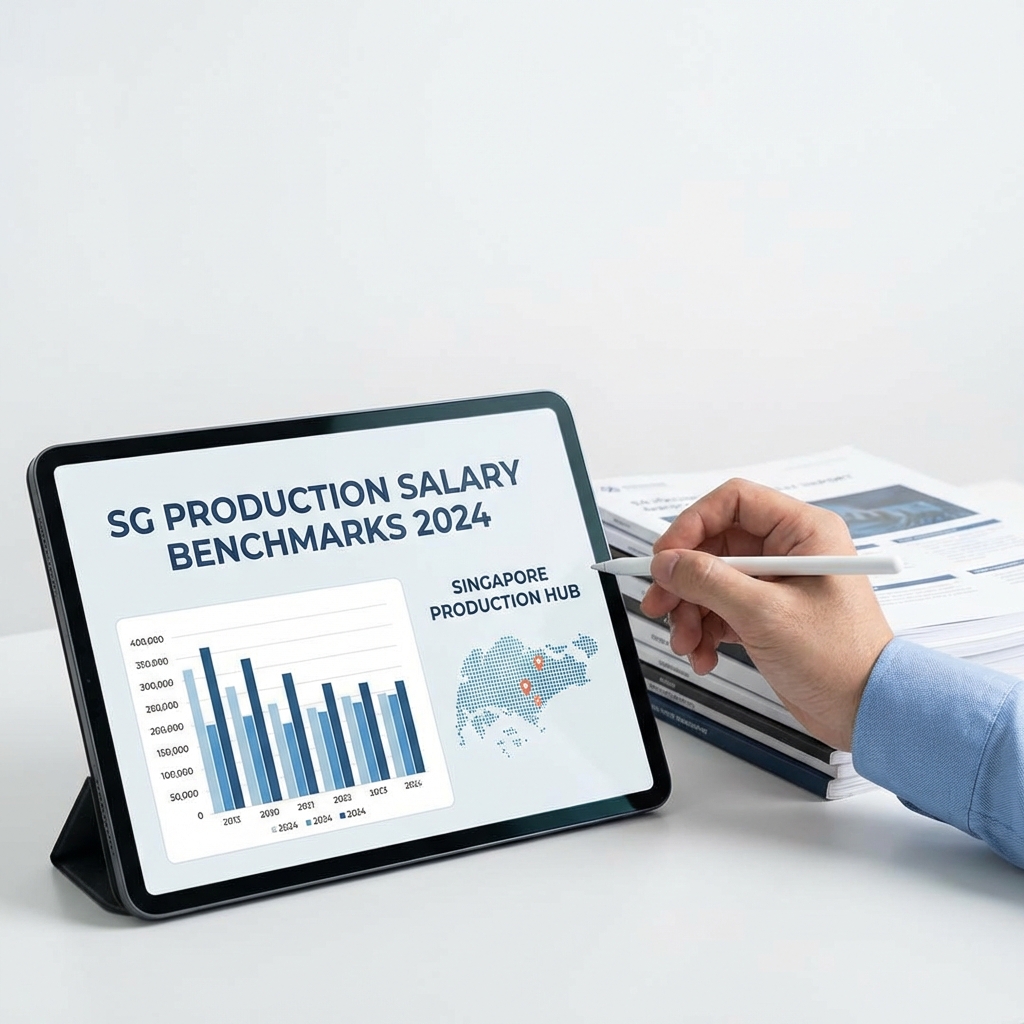
Singapore, a global economic powerhouse, boasts a dynamic and diverse production industry. From advanced manufacturing and biomedical sciences to vibrant media and digital content creation, its production landscape is constantly evolving. This evolution significantly shapes the demand for skilled talent and, consequently, influences Salary Defining Strategy for all job titles in production field in singapore. Understanding these intricate connections is crucial for both aspiring professionals and employers seeking to attract and retain top talent in this competitive market. We delve into the current state of the production industry in Singapore, identifying key sectors, growth areas, and how these factors impact salary structures across various roles, providing insights into the economic forces at play.
1. Key Production Sectors and Their Impact on Wages
Singapore’s production industry is characterized by its high-tech focus and strategic importance to the national economy. Key sectors include:
- Advanced Manufacturing: Encompassing electronics, chemicals, aerospace, and precision engineering, this sector demands highly specialized skills. Roles range from production engineers and quality control managers to skilled technicians operating automated machinery. Wages in advanced manufacturing jobs in Singapore are typically competitive, reflecting the technical expertise and critical nature of these operations.
- Biomedical Sciences: With a strong emphasis on pharmaceuticals, biologics, and medical technology, this sector offers lucrative opportunities. Production roles here often require scientific backgrounds, adherence to stringent regulatory standards (e.g., GMP), and specialized knowledge, which translates into higher salary benchmarks.
- Media and Digital Content Production: Singapore is emerging as a regional hub for film, animation, gaming, and digital marketing content. Production manager salary Singapore for roles like VFX artists, sound engineers, video editors, and content producers can vary widely based on portfolio, project scale, and studio reputation. This sector is characterized by project-based work and a strong emphasis on creative and technical proficiency.
- Logistics and Supply Chain: As a major port and air cargo hub, Singapore’s logistics sector involves complex production management of goods movement. Salaries for roles such as logistics coordinators, warehouse managers, and supply chain analysts reflect the critical role they play in ensuring efficient global trade.
The demand for specialized skills, the level of technology adoption, and the regulatory environment within each sector are primary drivers influencing wage structures across all production jobs in Singapore.
2. Analyzing Current Salary Benchmarks for Entry to Senior Roles
Salaries within Singapore’s production field vary significantly based on experience, specific skill sets, and the complexity of the role. For entry-level production jobs in Singapore, graduates or fresh entrants can expect starting salaries that provide a foundational living wage, with opportunities for rapid growth through upskilling and performance. For example, an entry-level production assistant might start in the S$2,500 – S$3,500 range per month, depending on the sector.
Mid-career professionals with 3-7 years of experience in production manager roles, whether in manufacturing or media production jobs Singapore, can command salaries ranging from S$4,500 to S$7,500. These roles often involve managing teams, overseeing production schedules, and ensuring quality control. Specialized skills, such as expertise in specific software (e.g., CAD, ERP systems, video editing suites) or machinery, can further elevate these benchmarks.
Senior production roles salary, including production directors, heads of operations, or executive producers, typically start from S$8,000 and can go upwards of S$15,000 or more, especially in multinational corporations or high-value industries like advanced manufacturing Singapore and biomedical. These senior roles demand extensive experience, leadership capabilities, strategic planning expertise, and a proven track record of successful project delivery. The competitive landscape for production talent demand Singapore means that companies are often willing to offer attractive packages for individuals who can drive efficiency, innovation, and profitability.
3. Future Growth Projections and Demand for Production Talent
The future of production jobs in Singapore is highly influenced by global technological advancements and the nation’s strategic economic policies. Automation, Artificial Intelligence (AI), and Industry 4.0 initiatives are transforming traditional production processes, creating a demand for new skill sets. This shift will see a growing need for professionals proficient in data analytics, robotics, cybersecurity, and advanced manufacturing technologies. The focus is increasingly on smart factories and digital content production wages being driven by innovation and global reach.
Furthermore, Singapore’s commitment to sustainability and green initiatives will open up opportunities in eco-friendly production methods and waste management, adding new dimensions to production talent demand Singapore. The digital economy will continue to fuel the growth of media and entertainment production, requiring creative and technical talent adept at virtual production, augmented reality (AR), and interactive experiences. As these sectors mature, the Salary Defining Strategy for all job titles in production field in singapore will need to adapt to reflect the value of these emerging skills and the specialized nature of these roles. Continuous learning and upskilling will be paramount for professionals to remain relevant and capitalize on future growth projections, ensuring their expertise commands premium compensation in Singapore’s evolving production landscape.
Key Factors Influencing Production Salaries in Singapore
Explore the critical elements that determine an individual’s earning potential within Singapore’s production field, including experience, skills, and specific industry demands.
-
Impact of Experience and Education Levels on Pay Scales
In Singapore’s dynamic production sector, both experience and educational attainment are foundational pillars dictating an individual’s earning potential. Entry-level positions, typically requiring diplomas or bachelor’s degrees in engineering, supply chain management, or related fields, offer competitive starting salaries that escalate significantly with years of dedicated service. Professionals with 3-5 years of experience often transition into mid-level roles, such as Production Supervisors or Quality Control Engineers, commanding higher compensation due to their proven track record and problem-solving capabilities. Senior roles, including Production Managers, Plant Directors, or Operations Heads, demand extensive experience (10+ years), often coupled with postgraduate qualifications like an MBA or specialized master’s degrees. These leadership positions reflect a sophisticated understanding of operational efficiency, strategic planning, and team management, justifying a premium in their salary scales. Furthermore, the prestige and curriculum of educational institutions, whether local polytechnics, universities, or internationally recognized programs, can subtly influence initial salary offers, especially for highly sought-after roles in advanced manufacturing. A strategic approach to career progression, aligning continuous learning with on-the-job experience, is crucial for optimizing one’s income within the Singaporean production landscape, forming a critical part of any Salary Defining Strategy for all job titles in production field in singapore.
-
In-Demand Skills and Certifications for Higher Compensation
Beyond experience and formal education, specific skills and certifications play a pivotal role in boosting compensation within Singapore’s competitive production environment. As industries evolve, particularly with the push towards Industry 4.0, a strong emphasis is placed on digital and technical proficiencies. Skills such as automation and robotics programming, data analytics, predictive maintenance, and supply chain optimization are highly valued. Proficiency in specific enterprise resource planning (ERP) systems (e.g., SAP, Oracle), manufacturing execution systems (MES), and advanced statistical process control (SPC) software can directly lead to higher salary offers. Moreover, soft skills like project management, effective communication, leadership, and problem-solving are indispensable for career advancement and increased remuneration, especially in roles requiring cross-functional collaboration. Certifications like Six Sigma (Green Belt or Black Belt), Lean Manufacturing, Project Management Professional (PMP), or specific certifications in areas like hazardous material handling or quality management systems (e.g., ISO 9001, ISO 14001 auditor) are often seen as direct indicators of specialized expertise and commitment to best practices. These credentials not only enhance an individual’s skill set but also signal to employers a professional’s dedication to operational excellence and continuous improvement, making them invaluable assets in shaping a robust Salary Defining Strategy for all job titles in production field in singapore. For a detailed overview of current salary trends in the production and manufacturing sector, authoritative guides like the Hays Asia Salary Guide offer valuable insights into the market demands and compensation benchmarks.
-
Geographical and Company Size Influences on Salary Structures
While Singapore is a compact nation, the size and nature of the employing company exert a significant influence on production salary structures. Multinational Corporations (MNCs) and large local enterprises typically offer more competitive salary packages, comprehensive benefits, and better opportunities for career progression compared to Small and Medium-sized Enterprises (SMEs). This is often due to MNCs’ global pay scales, larger resource pools, and their ability to attract top-tier talent. They often operate in advanced manufacturing sectors like pharmaceuticals, aerospace, electronics, and precision engineering, which are known for higher compensation scales due to the complexity and value of their products. Conversely, while SMEs might offer a more agile work environment and broader responsibilities, their salary ranges can be more constrained. The specific industry segment also plays a crucial role; for instance, roles in high-tech pharmaceutical manufacturing or semiconductor fabrication often command higher salaries than those in traditional food production or general fabrication, reflecting the specialized skills and critical nature of the work. While geographical location within Singapore itself has less impact than in larger countries, industrial clusters (e.g., Jurong Island for chemicals, Woodlands for aerospace) might signify proximity to specific high-paying industries. Understanding these nuances is vital when formulating a comprehensive Salary Defining Strategy for all job titles in production field in singapore, ensuring that job seekers and employers alike are well-informed about market dynamics.
Crafting a Robust Salary Negotiation Strategy
In today’s competitive landscape, understanding your worth and effectively communicating it during salary negotiations is paramount. For professionals across all job titles in the dynamic production field in Singapore, a well-defined Salary Defining Strategy for all job titles in production field in singapore is not just an advantage—it’s a necessity. This section provides actionable strategies and tips for professionals at all levels to effectively negotiate their salaries, ensuring they receive compensation commensurate with their value and prevailing market rates, thereby securing their financial future and career growth in the Singapore production field. From junior associates to senior managers, mastering the art of negotiation can significantly impact your total compensation package and career trajectory.
1. Researching Market Value for Your Specific Role
The foundation of any successful salary negotiation is robust research into your market value. For those in the production field in Singapore, this involves understanding the salary benchmarks for your specific role, experience level, and industry niche. Begin by exploring reputable salary aggregators and job portals like LinkedIn Salary, Glassdoor, and Payscale. These platforms offer insights into average salaries, bonuses, and total compensation packages for various job titles within the production sector in Singapore. Don’t limit your research to just base salary; consider the entire compensation structure, including benefits, annual leave, and performance-based incentives, which are crucial components of the overall value. Furthermore, network with peers and industry contacts to gain qualitative insights into compensation trends and industry benchmarks Singapore production. Factors such as company size, location within Singapore, and the specific demands of the role (e.g., specialized skills like automation or lean manufacturing expertise) will significantly influence market rates production Singapore. Remember, accurate data empowers you to set realistic salary expectations production field and present a well-reasoned argument for your desired compensation. For an in-depth guide on how to research your salary effectively, check out this comprehensive article on salary research strategies. This foundational step is critical for crafting a strong Salary Defining Strategy for all job titles in production field in Singapore.
2. Highlighting Your Value and Achievements Effectively
Once you understand the market value, the next critical step is to articulate your unique value proposition production. This isn’t just about listing your responsibilities; it’s about showcasing the tangible impact you’ve made. For professionals in the production field, this could mean quantifying your achievements in terms of cost savings, efficiency improvements, increased output, or successful project completions. Did you implement a new process that reduced waste by 15%? Did you lead a team that exceeded production targets for three consecutive quarters? Provide specific examples and use data whenever possible to demonstrate your performance metrics production. Prepare a concise ‘value statement’ that highlights your key skills, experiences, and contributions relevant to the role and the company’s objectives. Understanding your skill assessment production and how it aligns with the company’s needs is crucial. This proactive approach not only strengthens your negotiating position but also helps the employer see you as a valuable asset rather than just another candidate. Effective communication of your worth is a cornerstone of successful negotiating pay production Singapore, leading to better compensation strategies production.
3. Strategies for Successful Salary Discussions and Offers
Engaging in the actual salary discussion requires tact, confidence, and a strategic approach. When an offer is extended, express gratitude and ask for time to review the total compensation package production. This allows you to calmly evaluate the offer against your researched market value and personal expectations. During the negotiation phase, always aim to provide a counter-offer with a well-justified rationale, referencing your market research, unique skills, and past achievements. Frame your request as a collaborative effort to reach a mutually beneficial agreement, rather than an ultimatum. Be prepared to discuss more than just the base salary; consider other elements like bonuses, stock options, relocation packages, professional development opportunities, and career advancement production Singapore. These components can significantly enhance your overall compensation. Practice your pitch to ensure you convey confidence and professionalism. If the employer pushes back, be ready with your minimum acceptable figure and understand when to walk away. Remember, a successful negotiation isn’t about winning or losing, but about finding common ground where both parties feel valued. Mastering effective negotiation techniques production is vital for any job offer negotiation Singapore, helping you secure a salary commensurate with your expertise and contributing to your career growth in the long term. Your ability to navigate these discussions defines your success in implementing a robust Salary Defining Strategy for all job titles in production field in Singapore.
Career Progression and Long-Term Salary Growth in Production
The Singaporean production sector, a cornerstone of its economy, offers robust pathways for career progression and significant long-term salary growth. In a highly competitive and technologically evolving landscape, professionals must adopt a proactive Salary Defining Strategy for all job titles in production field in singapore to maximize their earning potential and secure their future. This involves understanding typical career ladders, continuously enhancing skills, and strategically leveraging performance reviews.
1. Mapping Out Career Ladders in Production (e.g., Operator to Manager)
Career advancement in Singapore’s production industry typically follows a well-defined trajectory, offering numerous opportunities for dedicated professionals. Entry-level roles often include positions such as Production Operator, Assembly Technician, or Quality Control Assistant. These roles focus on mastering operational procedures, adhering to safety protocols, and ensuring product quality. With experience, often complemented by ITE or polytechnic diplomas, individuals can transition to mid-level positions like Production Supervisor, Team Lead, or Senior Technician. Here, responsibilities expand to include overseeing small teams, optimizing workflow, and implementing lean manufacturing principles.
The journey from an operator to a manager is a testament to sustained effort and professional development. From a Production Supervisor, the natural progression is towards a Production Manager, Operations Manager, or even a specialized role like Supply Chain Manager or Quality Assurance Manager. These senior positions demand strong leadership, strategic planning, process optimization, and a deep understanding of Industry 4.0 technologies. Directors of Manufacturing or Chief Operating Officers represent the apex, overseeing entire production facilities or multiple sites, driving strategic initiatives, and significantly influencing the company’s bottom line. Each step up the ladder brings increased responsibility, strategic input, and, crucially, a substantial uplift in salary. A clear understanding of this job progression is fundamental for developing a personal career advancement plan.
2. Upskilling and Reskilling for Future High-Paying Roles
Long-term salary growth in production is inextricably linked to continuous learning and adaptation. The rapid integration of automation, AI, IoT, and advanced robotics means that the skills in demand today may not be sufficient tomorrow. To secure high-paying roles, professionals must actively engage in upskilling and reskilling initiatives. Key areas for development include data analytics for process optimization, understanding and operating advanced manufacturing systems, cybersecurity in an industrial context, and advanced supply chain management techniques. Proficiency in lean methodologies, Six Sigma, and project management also remains highly valued.
Singapore offers robust support for skill development, with various government-backed programs and training providers. Platforms like Workforce Singapore (WSG) and SkillsFuture Singapore provide grants and courses tailored to industry needs, enabling professionals to acquire new competencies without significant financial burden. Pursuing certifications in areas like PMP (Project Management Professional), Certified Quality Engineer (CQE), or specialized diplomas in areas such as industrial automation or logistics management can significantly boost market competitiveness and lead to higher salaries. Proactive engagement with these skill development initiatives is not just beneficial; it’s a necessity for sustained career growth and for building a resilient professional profile.
3. Leveraging Performance Reviews for Salary Increases
Performance reviews are critical junctures for securing salary increases and defining future professional development. Far from being mere appraisals, they are strategic opportunities to articulate your value and negotiate better compensation. Preparation is key: compile a comprehensive record of your achievements, quantify your contributions wherever possible (e.g., cost savings, efficiency improvements, defect reduction), and align your accomplishments with company goals. Demonstrate how your work directly impacts the company’s success and how you’ve gone beyond your standard job scope.
During the review, present your case confidently, emphasizing your growth, new skills acquired, and readiness for greater responsibilities. It’s also important to research market rates for your role and experience level, providing context for your salary expectations. This is where understanding a comprehensive Salary Defining Strategy for all job titles in production field in singapore becomes invaluable. Use the review to discuss a clear career development plan with your manager, identifying specific milestones and training opportunities that will pave the way for future promotions and salary bumps. By approaching performance reviews strategically, professionals can effectively leverage their hard work into tangible salary growth and continuous career advancement within Singapore’s dynamic production sector.
Navigating Compensation Beyond Base Salary
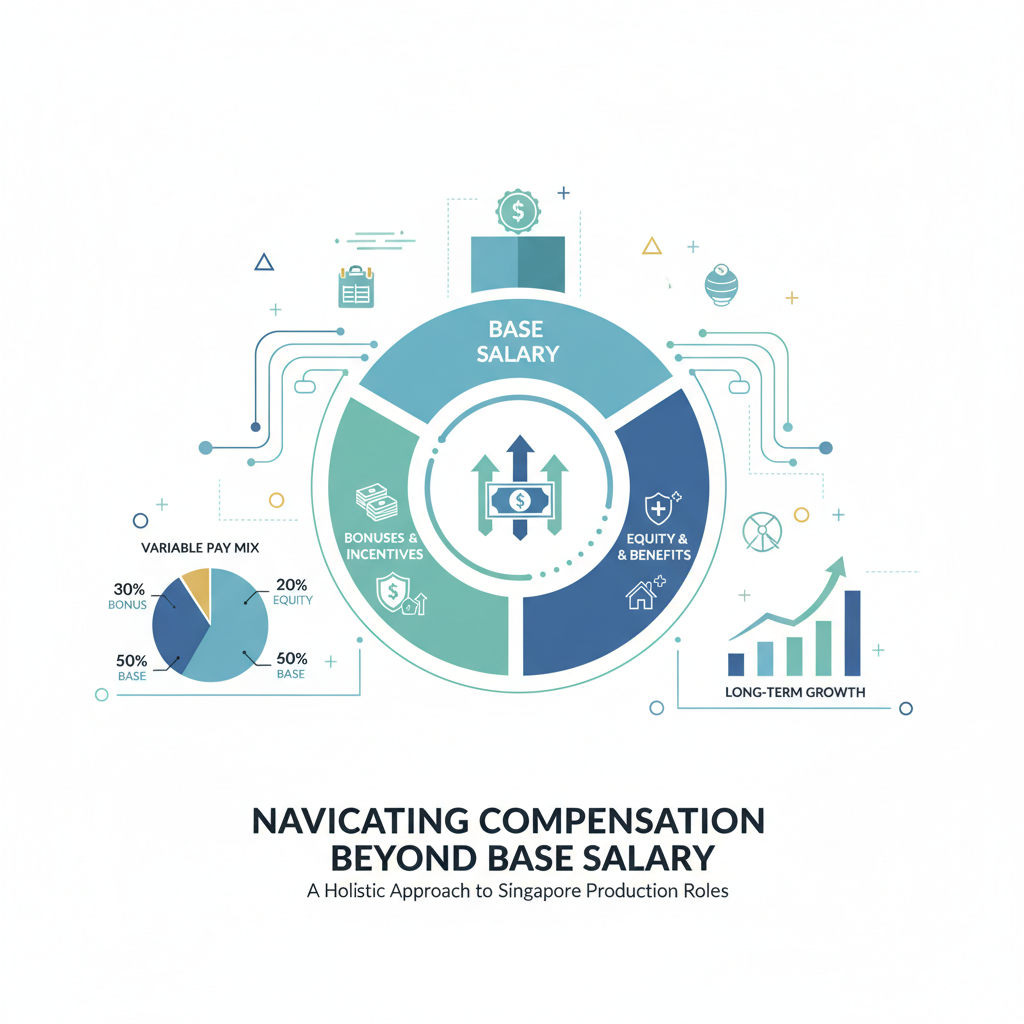
In Singapore’s dynamic and competitive production industry, a robust Salary Defining Strategy for all job titles in production field in singapore extends far beyond the basic fixed salary. For professionals, whether they are producers, directors, editors, sound engineers, or project managers, understanding the full scope of their total compensation package is crucial for career progression, financial stability, and long-term satisfaction. This holistic view encompasses various monetary and non-monetary components that collectively define the true value of an employment offer. Beyond the monthly paycheck, incentives, comprehensive benefits, and unique perks play a significant role in attracting, retaining, and motivating top talent in this fast-paced sector. A savvy professional or an astute employer must meticulously evaluate each element to ensure a competitive and equitable package, reflecting industry standards and individual contributions.
1. Understanding Performance-Based Bonuses and Incentives
Performance-based bonuses are a cornerstone of modern compensation structures, particularly in industries where individual and team contributions directly impact project success and company profitability. In the Singaporean production landscape, these incentives often take several forms, including annual performance bonuses, project completion bonuses, or profit-sharing schemes. An annual bonus, typically tied to individual key performance indicators (KPIs) and overall company performance, rewards consistent excellence and commitment. For production roles, project-based incentives can be particularly motivating; completing a complex film shoot ahead of schedule, delivering a high-quality advertising campaign within budget, or achieving significant viewership for a digital series might trigger a substantial bonus. These incentives not only acknowledge hard work but also align employee goals with organizational objectives, fostering a culture of accountability and high achievement. Clear metrics and transparent evaluation processes are essential to ensure fairness and maximize the motivational impact of these bonuses, forming a vital part of any effective Salary Defining Strategy for all job titles in production field in singapore.
2. Evaluating Employee Benefits: Health, Leave, and Retirement Plans
A comprehensive benefits package is a significant differentiator in attracting and retaining talent. In Singapore, employees value benefits that provide security and support their well-being. Health insurance is paramount, often covering medical consultations, hospitalization, and sometimes even dental and optical care. Given the demanding nature of production work, which often involves long hours and irregular schedules, robust health coverage offers peace of mind. Leave policies, including annual leave, sick leave, compassionate leave, and parental leave, are also critical. Beyond the statutory requirements, generous leave provisions demonstrate an employer’s commitment to work-life balance and employee welfare. Singapore’s Employment Act outlines minimum standards, but many production companies offer enhanced schemes. Retirement plans, such as contributions to the Central Provident Fund (CPF), are mandatory for Singaporean citizens and Permanent Residents, providing a foundational layer of social security. However, some employers might offer supplementary retirement benefits or financial planning support, further enhancing the total compensation and demonstrating a long-term investment in their employees’ future. These benefits are integral to a holistic approach to compensation.
3. Perks and Non-Monetary Compensation in Production Roles
Beyond direct financial incentives and core benefits, non-monetary perks and professional development opportunities play a crucial role in enhancing job satisfaction and overall compensation, particularly within creative and technical production roles. These might include access to cutting-edge equipment and software, which is invaluable for technical professionals seeking to hone their skills and stay updated with industry advancements. Opportunities for professional training, workshops, and certifications in areas like new camera technologies, editing suites, or special effects software are highly sought after. Flexible work arrangements, such as hybrid models or compressed work weeks, can significantly improve work-life balance in an industry known for its intensive project cycles. Other perks might involve company-sponsored social events, team-building retreats, or even free meals during intense production periods. For certain roles, opportunities for international travel for shoots or film festivals can be a major draw. Recognition programs, career development pathways, and a positive company culture that fosters creativity and collaboration also contribute substantially to an employee’s perceived total compensation, making a role more attractive even if the base salary is comparable to competitors. These often overlooked elements are critical for a truly competitive compensation strategy.
Partner with Shelby Global
You are looking for reliable HR Sevice Suppliers? Contact Shelby Global Now! To connect with verified talents and upgrade your orginization.
—————————————
References
– Singapore Labour Market Report: https://stats.mom.gov.sg/Pages/Labour-Market-Report-2023.aspx
– Hays Asia Salary Guide: https://www.hays.com.sg/salary-guide/report
– How to Research Salary and Get the Pay You Deserve: https://www.salary.com/articles/how-to-research-salary-and-get-the-pay-you-deserve
– SkillsFuture Singapore: https://www.skillsfuture.gov.sg/
– Employment Act: https://www.mom.gov.sg/employment-practices/employment-act



































































































