Unpacking Singapore’s Fashion Consumer: Demographics & Preferences
Singapore’s vibrant and dynamic fashion landscape is a microcosm of global trends, constantly evolving and adapting. For brands and retailers aiming to thrive in this competitive market, a deep understanding of the local consumer is not just an advantage, but a necessity. This section dives into the evolving profile of the Singaporean fashion consumer, analyzing key demographic shifts and purchase preferences that significantly shape the current fashion market demand trend report in Singapore.
From the bustling Orchard Road malls to the burgeoning e-commerce platforms, Singaporean shoppers exhibit a sophisticated blend of global awareness and unique local tastes. Their decisions are influenced by a myriad of factors, including economic shifts, technological advancements, and a growing emphasis on personal values. Understanding these nuances is crucial for any comprehensive market demand trend report of the Fashion field in Singapore.

1. Gen Z and Millennial Buying Power
The younger generations—Gen Z and Millennials—are increasingly dominating the purchasing power in Singapore’s fashion sector. These demographic cohorts represent not only a significant portion of the population but also the leading edge of consumer trends. Millennials, typically aged 28-43, are now established in their careers and possess substantial disposable income. They seek brands that align with their values, offering a blend of quality, style, and authenticity. For them, fashion is an extension of their identity and a means of self-expression, driving demand for unique pieces, personalized experiences, and brands with strong narratives.
Gen Z, currently aged 11-27, are digital natives who grew up with unprecedented access to information and global trends. Their approach to fashion is fluid, experimental, and heavily influenced by online communities and peer recommendations. They are highly attuned to social and environmental issues, often preferring brands that demonstrate ethical practices and sustainability. This generation’s purchasing habits are characterized by a desire for novelty, a willingness to experiment with diverse styles, and a preference for direct-to-consumer (DTC) brands that offer transparency and perceived value. Their collective influence is reshaping product development, marketing strategies, and the overall trajectory of the market demand trend report of the Fashion field in Singapore.
2. Influence of Social Media & Influencers
Social media platforms have become indispensable tools in shaping fashion preferences and purchase decisions among Singaporean consumers. Instagram, TikTok, and YouTube are not merely entertainment hubs but powerful discovery engines for new styles, brands, and trends. Consumers, particularly Gen Z and Millennials, spend significant time engaging with fashion content, from outfit inspirations to product reviews.
The rise of local and international fashion influencers plays a pivotal role. These digital personalities, through their authentic content and relatable endorsements, build trust and significantly impact their followers’ choices. Brands are increasingly leveraging micro and macro-influencers to reach targeted audiences, driving engagement and conversion. Furthermore, user-generated content (UGC), such as street style photos and unboxing videos, amplifies trends and fosters a sense of community around fashion. According to a 2023 report on social media usage in Singapore, platforms like Instagram and TikTok continue to see high penetration rates, underscoring their importance in the consumer journey. This digital influence underscores why a comprehensive market demand trend report of the Fashion field in Singapore must analyze online engagement.
3. Value-Driven Purchasing (Price vs. Quality)
While Singaporean consumers are known for their discerning taste, their purchasing decisions are increasingly driven by a complex interplay of price, quality, and value. The “value” proposition extends beyond mere affordability to encompass durability, ethical considerations, and brand reputation. Fast fashion, while still present, faces growing competition from brands offering better quality, timeless designs, or sustainable options.
Consumers are becoming more conscious of the environmental and social impact of their fashion choices. This has led to a noticeable shift towards brands that champion sustainability, use eco-friendly materials, or practice fair labor. However, price remains a significant factor, especially for everyday wear. Many consumers adopt a hybrid approach, investing in higher-quality, ethically produced pieces for staples and occasion wear, while opting for more affordable options for trend-driven items or casual pieces.
The balance between aspirational luxury and practical everyday wear is delicate. Brands that can effectively communicate their value proposition—whether through superior craftsmanship, innovative design, ethical sourcing, or competitive pricing—are better positioned to capture market share. This nuanced understanding of value-driven purchasing is critical for any fashion brand looking to adapt to the evolving demands highlighted in a market demand trend report of the Fashion field in Singapore.
Key Fashion Trends Driving Demand in Singapore
Singapore’s dynamic fashion landscape is a vibrant reflection of global influences and evolving local preferences. Understanding the dominant fashion trends shaping consumer choices is crucial for businesses aiming to capture current and future market demand trend report of Fashion field in singapore. From apparel styles to accessory preferences, several key shifts are defining the city-state’s fashion industry, impacting purchasing decisions and brand strategies across the board. This exploration delves into the prominent movements setting the pace for retail and design.
1. Rise of Athleisure and Comfort Wear
The global surge in athleisure has found a particularly strong foothold in Singapore, driven by a confluence of factors including an increased focus on health and wellness, the rise of hybrid work models, and a general consumer desire for versatility and comfort. Singaporeans, known for their fast-paced lifestyles, are increasingly opting for clothing that seamlessly transitions from a casual workday to a gym session or a social gathering. This trend extends beyond just activewear; it encompasses sophisticated loungewear, comfortable yet stylish sneakers, and performance fabrics integrated into everyday apparel. Brands offering innovative designs that merge functionality with aesthetic appeal are seeing heightened demand. Consumers are investing in high-quality pieces that offer both comfort and durability, reflecting a shift towards practical luxury. This evolution underscores a broader cultural movement valuing well-being and ease, making athleisure a foundational element of contemporary Singaporean fashion.
2. Modest Fashion’s Growing Appeal
Modest fashion is no longer a niche market but a rapidly expanding segment gaining significant traction in Singapore. While historically rooted in the Muslim community, its appeal has broadened, attracting a diverse demographic looking for elegant, sophisticated, and culturally respectful clothing options. This trend is characterized by loose-fitting silhouettes, longer hemlines, and higher necklines, without compromising on style or contemporary design. Local and international designers are increasingly incorporating modest elements into their collections, offering a wide array of choices from everyday wear to occasion wear. The growth is fueled by a combination of factors: a strong desire for personal expression while adhering to cultural or religious values, and a general appreciation for its understated elegance. Singapore’s multicultural society provides a fertile ground for modest fashion to flourish, demonstrating a clear growing demand for modest wear that is both fashionable and respectful of diverse needs. This segment represents a significant opportunity for brands to cater to a demographic seeking sartorial choices that align with their identity and values.
3. Demand for Local and Niche Designers
Singaporean consumers are increasingly turning their attention to local and niche designers, moving beyond the dominance of global fast fashion brands. This shift is propelled by a desire for unique pieces, a greater emphasis on sustainability, and a growing appreciation for craftsmanship and storytelling behind the garments. Local designers often offer collections that resonate more deeply with local aesthetics, cultural nuances, and climatic conditions, providing a sense of individuality that mass-produced items lack. Furthermore, supporting local talent aligns with a broader movement towards ethical consumption and contributing to the local economy. E-commerce platforms, pop-up markets, and curated boutiques have become vital channels for these designers to connect directly with consumers. This trend signifies a mature market seeking authenticity, exclusivity, and a more personal connection with their purchases. As consumers become more discerning, the demand for locally produced, high-quality, and distinct fashion pieces is set to continue its upward trajectory, fostering a vibrant ecosystem for emerging and established Singaporean designers.
The Digital Transformation of Singapore’s Fashion Retail
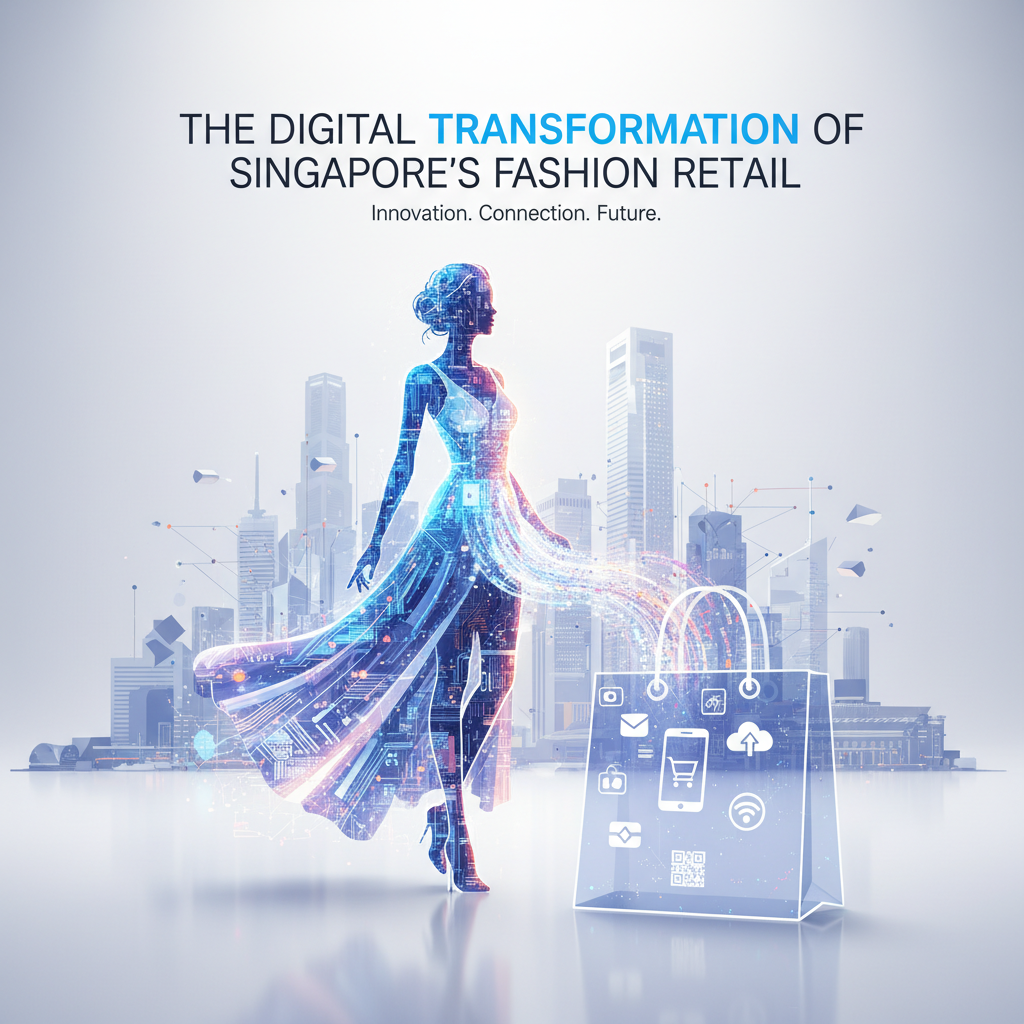
Singapore’s fashion retail landscape is undergoing a profound digital transformation, reshaping market demand trend report of Fashion field in singapore and pushing retailers to adapt their strategies. The confluence of rapid e-commerce growth, sophisticated digital marketing strategies, and groundbreaking technological innovations is fundamentally altering consumer behavior shifts and demanding significant retail strategies adaptation. This evolution is driven by tech-savvy consumers, global market accessibility, and the relentless pursuit of personalized and engaging shopping experiences, making a clear understanding of these dynamics crucial for any player in the local fashion industry.
-
E-commerce Dominance and Cross-Border Shopping
The ascendancy of e-commerce has been the most significant driver of change in Singapore’s fashion retail. Local and international brands are increasingly leveraging online platforms to reach a wider audience, moving beyond the confines of physical storefronts. This shift is not merely about having an online presence but about optimizing user experience, streamlining logistics, and offering competitive pricing. Cross-border shopping further intensifies this trend, as Singaporean consumers gain access to a global marketplace, driving demand for unique styles and international brands that may not be available locally. This has led to a surge in online marketplaces and direct-to-consumer (DTC) models, necessitating that traditional brick-and-mortar stores integrate robust omnichannel strategies to remain relevant. Retailers must invest in seamless online shopping experiences, efficient delivery networks, and customer service that spans digital and physical touchpoints to cater to the evolving e-commerce growth and consumer expectations.
-
Augmented Reality (AR) and Virtual Try-Ons
Technological innovations like Augmented Reality (AR) and Virtual Reality (VR) are revolutionizing the online fashion shopping experience, addressing one of e-commerce’s biggest drawbacks: the inability to physically try on garments. Virtual try-on features, accessible via smartphones or in-store kiosks, allow customers to visualize how clothes or accessories look on them, significantly enhancing purchase confidence and reducing return rates. Brands like Gucci and Zara have experimented with AR filters and virtual showrooms, creating immersive and interactive shopping journeys. In Singapore, this technology is gaining traction as retailers seek to bridge the gap between digital convenience and the tactile experience of traditional shopping. AR not only improves customer engagement but also provides valuable data on preferences and interactions, contributing to more personalized offerings. The adoption of these tools signifies a forward-thinking approach to the market demand trend report of Fashion field in singapore, ensuring that retailers stay ahead in a competitive digital landscape by offering novel and engaging consumer experiences.
-
Data Analytics for Personalized Experiences
In the highly competitive fashion market, understanding and predicting consumer preferences is paramount. Data analytics has emerged as a critical tool, allowing Singaporean fashion retailers to move beyond generic marketing to highly personalized experiences. By analyzing vast amounts of data—from browsing history and purchase patterns to social media interactions and loyalty program participation—brands can gain deep insights into consumer behavior shifts. This enables them to tailor product recommendations, customize marketing messages, and even predict future trends. For instance, knowing that a segment of customers frequently buys sustainable activewear allows a brand to curate specific collections and target promotions effectively. This data-driven approach also informs inventory management, reducing waste and improving efficiency. The continuous refinement of retail strategies adaptation through data analytics is crucial for building stronger customer relationships and fostering loyalty in an environment where consumers expect bespoke interactions and relevant offerings.
Sustainability & Ethical Fashion: A Growing Demand
The global fashion industry is undergoing a significant transformation, driven by an increasing consumer awareness and industry focus on sustainable practices and ethical sourcing. This shift is not merely a trend but a fundamental reshaping of market demands, particularly evident in forward-thinking markets like Singapore. Consumers are no longer content with just style and price; they increasingly demand transparency, environmental responsibility, and fair labor practices from their beloved brands. This evolving landscape necessitates a deep dive into the market demand trend report of Fashion field in singapore, revealing key areas where innovation and responsible practices are flourishing.
1.
Demand for Eco-Friendly Materials
One of the most prominent drivers of the new market demand is the clamor for eco-friendly materials. Traditional fashion production, heavily reliant on resource-intensive cotton farming and petroleum-based synthetics, has faced widespread criticism for its environmental footprint. As a result, brands are investing heavily in research and development to offer alternatives that reduce water usage, pesticide reliance, and carbon emissions. Examples include organic cotton, recycled polyester made from plastic bottles, and innovative bio-based fabrics derived from sources like Tencel (lyocell from eucalyptus wood pulp), mushroom leather, and even pineapple leaves.
In Singapore, consumers are showing a strong preference for garments that clearly communicate their sustainable material composition. This willingness to pay a premium for environmentally conscious choices underscores a significant shift in purchasing behavior. The push for these materials is a cornerstone of market demand trend report of Fashion field in singapore, reflecting a desire for products that align with personal values and contribute positively to planetary health. Brands that fail to integrate sustainable material sourcing into their core strategy risk falling behind in this highly competitive and conscious market.
2.
Transparency in Supply Chains
Beyond the materials themselves, the demand for greater transparency across the entire supply chain has become a non-negotiable aspect of fashion sustainability. Consumers want to know where and how their clothes are made, seeking assurances about fair wages, safe working conditions, and minimal environmental impact. This intensified scrutiny has pushed brands to provide detailed information about their manufacturing processes, from the farm to the factory floor. Technologies like blockchain are increasingly being explored to create immutable records of a garment’s journey, offering an unprecedented level of traceability.
The movement for supply chain transparency is championed by organizations pushing for greater accountability. For instance, the Fashion Transparency Index highlights brands that are leading the way in disclosing their social and environmental policies, practices, and impacts. Singaporean consumers, well-informed and digitally savvy, are actively seeking out brands that demonstrate this commitment to openness. Companies that can authentically communicate their efforts in ethical sourcing and responsible production gain a significant competitive edge, fostering trust and loyalty among their target demographic.
3.
The Resale and Rental Market Boom
The concept of circular fashion is rapidly gaining traction, epitomized by the exponential growth of the resale and rental markets. This trend directly addresses the industry’s historical linear “take-make-dispose” model by promoting longer product lifecycles and reducing waste. Platforms facilitating the buying and selling of pre-owned luxury and high-street fashion, as well as rental services for special occasions or everyday wear, are experiencing unprecedented popularity.
This boom is driven by a combination of factors: economic savvy, a desire for unique style, and a powerful commitment to environmental stewardship. For many consumers, participating in the resale or rental market is a tangible way to reduce their carbon footprint and contribute to a more sustainable fashion ecosystem. In Singapore, a market known for its strong appreciation of quality and luxury, the appeal of accessing premium items at a lower cost while also being environmentally responsible is particularly strong. This innovative approach to consumption marks a significant evolution in the market demand trend report of Fashion field in singapore, signaling a future where garments are valued for their longevity and multiple uses rather than just their initial purchase.
In conclusion, the surge in demand for sustainable and ethical fashion is irrevocably altering the industry. From a focus on eco-friendly materials and transparent supply chains to the rise of circular fashion models, brands operating in Singapore and globally must adapt swiftly. Those that embrace these principles will not only meet evolving consumer expectations but also secure their relevance and success in the future of fashion.
Future Outlook: Growth Drivers and Investment Opportunities
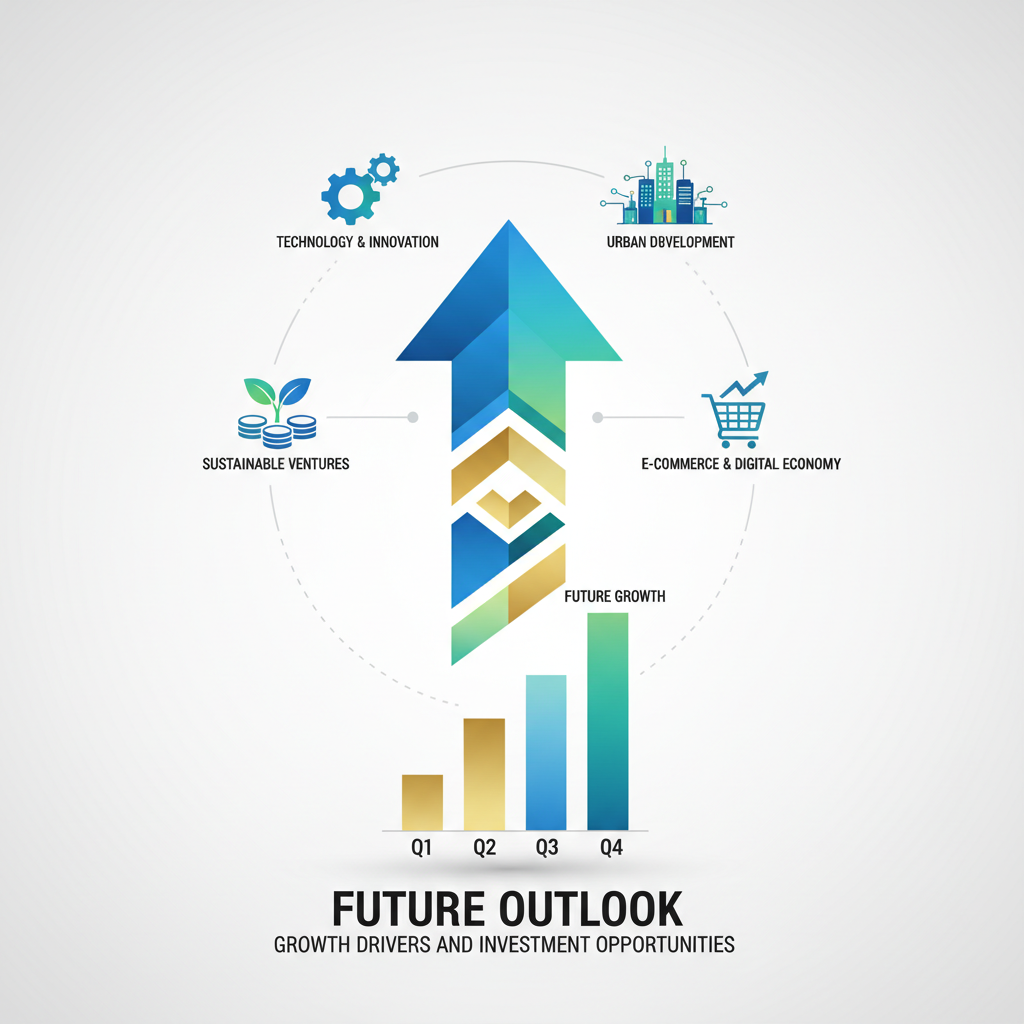
The future trajectory of Singapore’s vibrant fashion market is set for significant growth, driven by a confluence of evolving consumer demands, strategic government support, and technological advancements. A comprehensive market demand trend report of Fashion field in Singapore reveals lucrative investment opportunities across various segments. As consumers increasingly seek unique experiences, ethical practices, and digital convenience, the Lion City’s fashion landscape is poised for innovation and expansion. This section projects key growth drivers and identifies potential areas for investment, ensuring businesses can capitalize on the evolving preferences of a sophisticated consumer base.
1. Government Initiatives and Regional Hub Status
Singapore’s strategic vision to bolster its creative and lifestyle industries positions it as a premier fashion hub in Southeast Asia. Government initiatives, spearheaded by entities like Enterprise Singapore, actively support local designers and brands through funding, mentorship programs, and internationalization efforts. These programs aim to foster innovation, enhance design capabilities, and facilitate market access for Singaporean labels. Furthermore, Singapore’s robust infrastructure, strong intellectual property protection, and status as a global financial and trade nexus make it an attractive launchpad for international brands eyeing the wider Asian market. The city-state’s role as a key regional events host, including high-profile fashion weeks and trade shows, further cements its reputation and draws significant attention to its fashion ecosystem. This synergistic environment, supported by progressive policies, creates a fertile ground for investment in fashion technology, sustainable production, and retail innovation, drawing both established players and emerging disruptors to the luxury fashion market Singapore and beyond.
2. Personalization and Customization
The modern consumer, particularly within Singapore’s discerning demographic, increasingly values individuality and uniqueness over mass-produced goods. This burgeoning demand for personalization and customization is a significant growth driver in the fashion sector. Brands that offer bespoke services, made-to-order options, or interactive design platforms are gaining a competitive edge. This trend is fueled by advances in technology, such as 3D printing, AI-driven recommendations, and digital fitting rooms, which enable greater flexibility and efficiency in delivering personalized products. From custom-fitted apparel to unique accessory designs, consumers are willing to pay a premium for items that reflect their personal style and values. This shift presents considerable investment opportunities in fashion technology Singapore, particularly in solutions that streamline the customization process, enhance customer engagement, and improve supply chain agility. Brands leveraging data analytics to understand individual preferences and offer hyper-personalized experiences will be at the forefront of capturing this evolving segment of the fashion consumer behavior Singapore.
3. Challenges and Opportunities for Local Brands
While the future outlook is bright, local Singaporean fashion brands face distinct challenges, primarily intense competition from global powerhouses and the need for significant capital to scale. Establishing a strong brand identity and achieving widespread recognition amidst a crowded market requires strategic differentiation and innovative marketing. However, these challenges also present unique opportunities. Local brands possess an inherent advantage in understanding the nuances of the Singaporean market and catering to specific cultural preferences. Their agility allows for quicker adaptation to local trends, and a focus on authenticity and storytelling can resonate deeply with consumers seeking meaningful connections. Investment in digital marketing, e-commerce capabilities, and partnerships with local influencers can significantly boost their visibility and reach within the e-commerce fashion trends Singapore. Furthermore, a growing consumer consciousness towards ethical and sustainable practices offers a substantial avenue for local brands to differentiate themselves. By championing sustainable fashion Singapore and transparent supply chains, local designers can tap into a niche yet rapidly expanding market segment, proving that local relevance coupled with global best practices can lead to remarkable success. For a deeper dive into these market dynamics, explore the latest market demand trend report of Fashion field in Singapore.
Partner with Shelby Global
You are looking for reliable HR Sevice Suppliers? Contact Shelby Global Now! To connect with verified talents and upgrade your orginization.
—————————————
References
– 2023 report on social media usage in Singapore: https://www.statista.com/statistics/1230113/singapore-social-media-user-penetration-by-platform/
– The Business Times: Singapore fashion retailers see growing demand for modest wear and sustainable fashion: https://www.businesstimes.com.sg/singapore/singapore-fashion-retailers-see-growing-demand-modest-wear-and-sustainable-fashion
– E-commerce Revenue in Singapore – Statista: https://www.statista.com/outlook/dmo/ecommerce/singapore
– Fashion Transparency Index: https://www.fashionrevolution.org/resources/transparency-index/
– Enterprise Singapore: https://www.enterprisesg.gov.sg/industries/lifestyle-consumer/fashion-retail