
The Current Landscape of Financial Risk in Singapore
Singapore’s financial sector stands as a formidable pillar of its economy, renowned globally for its stability, innovation, and strategic connectivity. As a leading international financial hub, the city-state continuously navigates a dynamic global environment, necessitating a vigilant understanding of evolving financial risks. This section sets the stage by outlining the present state of financial risks faced by Singapore’s robust financial sector, providing essential context for future trends and offering a foundational insight for anyone seeking the trend report of the risk of finance field in singapore. Understanding these inherent risks is crucial for maintaining the sector’s resilience and adaptability.

1. Singapore’s Position as a Global Financial Hub
Singapore’s strategic geographical location, coupled with its pro-business policies and highly skilled workforce, has cemented its status as a vital global financial hub. It serves as a gateway to Asia, attracting significant foreign direct investment and fostering a diverse ecosystem of financial services, including banking, asset management, capital markets, and increasingly, fintech innovation. This vibrant landscape contributes significantly to Singapore’s economic stability and allows it to play a crucial role in global finance. However, this interconnectedness also exposes its financial sector to a spectrum of global financial risks. Geopolitical tensions, shifts in global trade policies, and volatile capital flows in other major economies can have ripple effects, potentially impacting market sentiment and investment appetite in Singapore. The openness that fuels its success simultaneously necessitates robust risk management frameworks to mitigate external shocks, making the analysis of global financial risks a key component of any comprehensive trend report of the risk of finance field in singapore.
2. Key Macroeconomic Indicators and Stability Factors
Singapore’s financial stability is underpinned by strong macroeconomic fundamentals. The country consistently maintains a healthy current account surplus, robust foreign reserves, and a prudent fiscal policy that ensures low public debt. Key indicators such as controlled inflation, a strong Singapore dollar, and a resilient GDP growth trajectory — even amidst global uncertainties — reflect a generally stable economic environment. These factors contribute to a high degree of financial sector stability. However, potential vulnerabilities persist. Singapore’s small, open economy is heavily reliant on international trade and global supply chains, making it susceptible to slowdowns in major trading partners or disruptions caused by global events. Commodity price fluctuations, especially energy, can impact business costs and inflation. Furthermore, the global interest rate environment and its potential impact on credit growth and asset valuations are closely monitored. Analyzing these macroeconomic vulnerabilities is essential for a forward-looking assessment of financial risk. For a detailed review of the nation’s financial health, readers can refer to the Monetary Authority of Singapore’s Financial Stability Review, which provides in-depth analysis of these indicators.
3. Overview of Regulatory Frameworks (MAS Initiatives)
The Monetary Authority of Singapore (MAS) acts as Singapore’s central bank and integrated financial regulator, playing a pivotal role in safeguarding the stability and integrity of the financial system. MAS employs a forward-looking and proactive approach to regulatory resilience, constantly adapting its frameworks to address emerging threats. Recent initiatives have focused on several critical areas: strengthening cyber resilience across financial institutions to combat the rising threat of cybersecurity threats, enhancing stress testing regimes to ensure banks can withstand severe economic downturns, and developing frameworks for managing climate-related financial risks. MAS has also intensified its efforts in anti-money laundering (AML) and countering the financing of terrorism (CFT), reinforcing Singapore’s commitment to maintaining a clean and trusted financial environment. These regulatory interventions are not merely reactive; they are designed to foster a resilient and sustainable financial sector, ensuring that Singapore remains at the forefront of financial innovation while effectively managing systemic and idiosyncratic risks. These proactive measures are integral to understanding the current and future challenges outlined in any credible trend report of the risk of finance field in singapore.
Emerging Geopolitical and Macroeconomic Risks
Singapore, a highly open and trade-dependent economy, is intrinsically linked to global and regional developments. Its robust yet interconnected financial system is therefore increasingly susceptible to external shocks stemming from evolving geopolitical landscapes and macroeconomic shifts. This section examines how these global and regional political and economic factors are significantly influencing financial risks within Singapore, highlighting key vulnerabilities and areas of concern for its financial institutions as detailed in the trend report of the risk of finance field in singapore.
The confluence of trade protectionism, supply chain restructuring, persistent inflation, and heightened geopolitical tensions presents a complex web of challenges that demand proactive risk management strategies from financial players in the city-state. Understanding these dynamics is crucial for maintaining financial stability in Singapore amidst a volatile global environment.
1.
Impact of Global Trade Tensions and Supply Chain Disruptions
Global trade patterns are undergoing a significant transformation, driven by persistent US-China trade tensions, rising protectionist sentiments, and a strategic push for supply chain resilience and diversification. For Singapore, a prominent global trading hub, these shifts translate directly into increased financial risks. Protracted trade disputes can dampen global economic growth, reducing demand for Singapore’s exports and services, which subsequently impacts corporate revenues and creditworthiness across various sectors. Financial institutions face elevated credit risk from companies operating in trade-sensitive industries, particularly those involved in global manufacturing, logistics, and commodity trading.
Furthermore, the restructuring of global supply chains – moving from just-in-time to just-in-case models, and from globalized to regionalized production – creates new challenges. While some sectors may benefit from reshoring or nearshoring efforts in Southeast Asia, others face disruption and increased operational costs. This affects trade finance portfolios, as traditional trade flows are altered, and new financing structures for diversified supply networks emerge. The vulnerability of specific industries to these disruptions can lead to asset quality deterioration for banks and introduce volatility into equity and bond markets in Singapore. Managing trade finance risks requires a keen understanding of these evolving global value chains and the resilience of underlying businesses.
2.
Regional Economic Slowdown and Inflationary Pressures
Singapore’s economic fortunes are closely tied to its regional neighbors, particularly the ASEAN bloc and major economies like China. A slowdown in regional economic growth, exacerbated by global demand weaknesses and China’s uneven post-pandemic recovery, can spill over into Singapore’s financial sector through reduced cross-border trade, investment, and capital flows. This scenario can depress asset valuations, weaken corporate earnings, and lead to an increase in non-performing loans, especially for banks with significant regional exposures.
Simultaneously, persistent inflationary pressures, initially driven by supply-side constraints and now by robust demand in certain sectors, continue to pose a challenge. Central banks globally, including the Monetary Authority of Singapore, have responded with tighter monetary policies. While necessary to combat inflation, higher interest rates increase borrowing costs for businesses and households, potentially straining debt servicing capabilities and cooling economic activity. This combination of slower regional growth and higher interest rates heightens the risk of defaults, particularly for highly leveraged entities. Financial institutions must rigorously assess credit risk, particularly in sectors sensitive to interest rate hikes and consumer spending, and monitor for potential global economic headwinds that could further impact asset quality and profitability.
3.
Geopolitical Volatility and its Financial Sector Implications
The current geopolitical landscape is marked by elevated volatility, with ongoing conflicts, rising superpower rivalry, and regional flashpoints (e.g., Ukraine, Middle East, Taiwan Strait) having profound implications for the global financial system, and by extension, Singapore’s. Such events can trigger sharp movements in commodity prices, particularly energy, leading to cost pressures for businesses and consumers. Investor sentiment can quickly turn risk-averse, leading to capital flight from emerging markets and increased demand for safe-haven assets.
For Singapore’s financial sector, geopolitical tensions translate into several risks. Beyond market volatility and potential capital outflows, there is an escalating threat of cyberattacks targeting critical financial infrastructure, requiring enhanced cybersecurity measures. Furthermore, the proliferation of international sanctions regimes necessitates robust regulatory compliance within the financial sector, increasing operational costs and complexity for financial institutions that must diligently screen transactions and clients to avoid inadvertent breaches. The potential for disruptions to shipping lanes or trade routes further underscores the need for sound geopolitical risk assessment and diversified investment portfolios to mitigate concentrated exposures. These factors collectively contribute to a challenging operating environment, demanding vigilance and adaptability from Singapore’s financial institutions.
Technological Disruption and Cybersecurity Threats
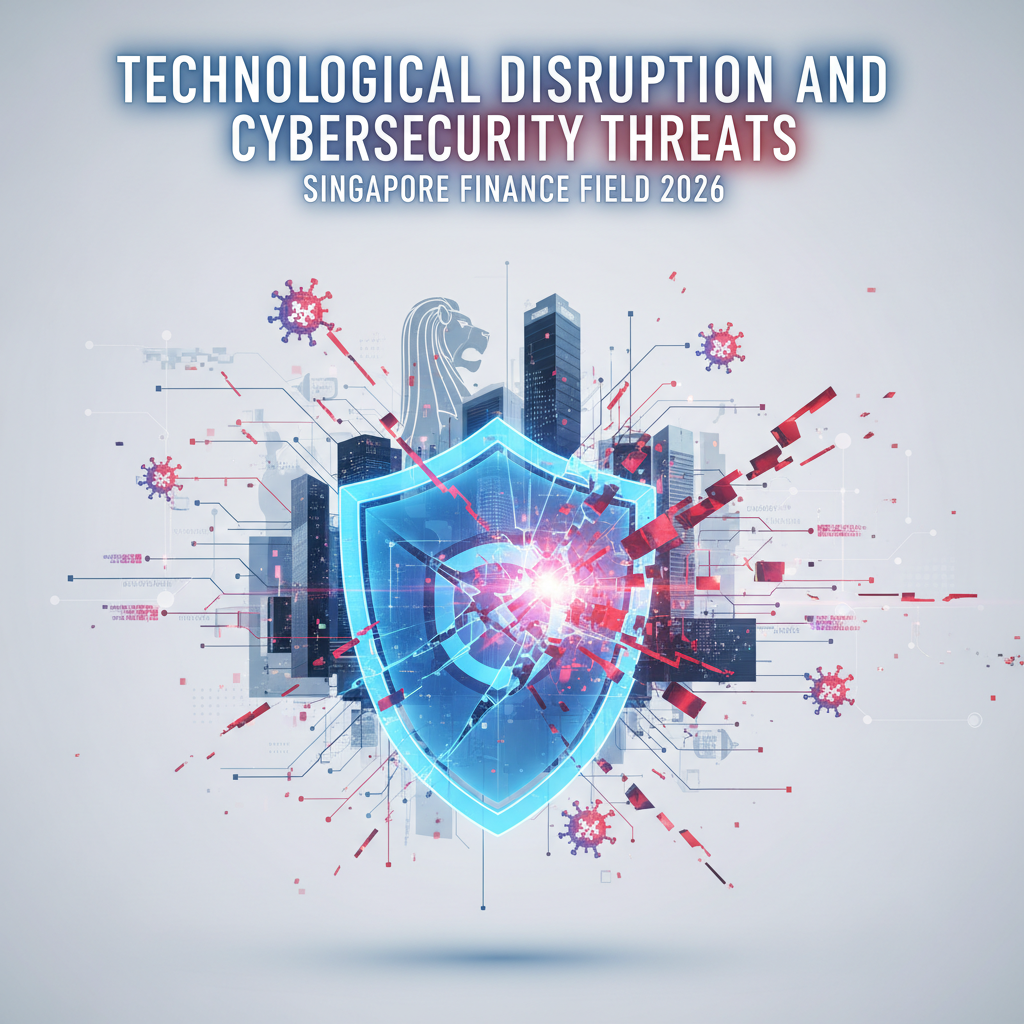
The rapid pace of technological innovation has become a double-edged sword for the financial services sector in Singapore. While ushering in unprecedented levels of efficiency, accessibility, and new market opportunities, these advancements simultaneously introduce a complex web of cybersecurity challenges that demand constant vigilance. As outlined in the trend report of the risk of finance field in singapore, the digital transformation is reshaping the threat landscape, pushing financial institutions to not only innovate but also to fortify their defenses against evolving and sophisticated adversaries. Understanding this dynamic interplay between innovation and risk is paramount for maintaining stability and trust in a highly interconnected global financial system.
1. Rise of FinTech and Digitalization-Related Risks
Singapore’s ascent as a global FinTech hub has brought with it a wave of revolutionary financial technologies, from digital payments and robo-advisors to blockchain-powered solutions and open banking initiatives. This proliferation of FinTech, however, creates new vulnerabilities and financial innovation risks. The integration of diverse technologies, often involving third-party vendors and API-driven ecosystems, expands the attack surface significantly. Legacy systems, while being integrated with modern digital platforms, can become weak links, exploited by cybercriminals seeking entry points. Furthermore, the sheer volume of digital transactions and customer data flowing through these new channels makes them prime targets. Institutions must grapple with issues such as secure API management, robust third-party risk assessment, and ensuring end-to-end security across hybrid IT environments to mitigate these inherent digitalization-related risks.
2. Increasing Sophistication of Cyber Attacks and Data Breaches
The financial sector remains a top target for cybercriminals due to the high value of data and financial assets it holds. Attacks are no longer mere opportunistic attempts but are increasingly sophisticated, well-resourced, and often state-sponsored. Tactics such as advanced persistent threats (APTs), highly customized phishing campaigns, ransomware-as-a-service, supply chain attacks, and zero-day exploits are becoming more prevalent. These breaches can result in devastating financial losses, reputational damage, and erosion of customer trust. Protecting sensitive customer information, intellectual property, and critical infrastructure against these evolving threats requires a multi-layered approach to data security, including advanced threat detection, incident response capabilities, and continuous security posture management. According to the IBM Security X-Force Threat Intelligence Index, the financial services industry consistently ranks among the most attacked sectors globally, underscoring the urgency of enhanced cybersecurity measures.
3. Data Privacy, AI Governance, and Regulatory Compliance Challenges
Amidst the digital revolution, the imperative for data privacy has gained unprecedented prominence. Singapore’s Personal Data Protection Act (PDPA), alongside international regulations like GDPR, imposes stringent requirements on financial institutions regarding the collection, use, disclosure, and protection of personal data. Compliance is a continuous challenge, exacerbated by cross-border data flows and the need for transparent data handling practices. Moreover, the accelerating adoption of Artificial Intelligence (AI) and Machine Learning (ML) brings forth a new set of ethical and governance considerations. While AI offers powerful tools for fraud detection and risk management, it also introduces AI risks in finance such as algorithmic bias, lack of explainability, and potential misuse for sophisticated cyber attacks. Ensuring responsible AI deployment, establishing robust AI governance frameworks, and maintaining regulatory compliance across all technological fronts are crucial for financial institutions navigating this complex landscape. The Monetary Authority of Singapore (MAS) continues to refine its regulatory frameworks, emphasizing the need for robust risk management and ethical considerations in AI adoption.
In conclusion, the technological disruption sweeping through the financial sector in Singapore presents a dynamic environment where innovation must be carefully balanced with robust cybersecurity. Proactive investment in advanced security infrastructure, continuous employee training, strong regulatory adherence, and collaborative intelligence sharing are essential strategies for mitigating the escalating risks. Only through a holistic and adaptive approach can financial institutions safeguard their operations, protect their customers, and sustain growth in this rapidly evolving digital era, as highlighted by continuous assessments like the trend report of the risk of finance field in singapore.
Sustainability, ESG, and Climate-Related Financial Risks
In Singapore’s dynamic financial landscape, the integration of environmental, social, and governance (ESG) factors has transcended mere corporate social responsibility to become a critical component of assessing and managing financial risk. This shift reflects a global awakening to the profound implications of climate change and social inequities on economic stability and long-term investment viability. As financial institutions navigate an increasingly complex world, understanding and proactively addressing ESG considerations is paramount. This growing importance is a key takeaway in the trend report of the risk of finance field in Singapore, highlighting how sustainable finance is no longer a niche concern but a foundational pillar for resilience and growth. Singapore aims to solidify its position as a leading sustainable finance hub, underscoring the necessity for financial institutions to embed robust climate risk financial institutions and broader ESG integration Singapore into their strategies.
1. Physical and Transition Risks of Climate Change on Assets
Financial institutions in Singapore face a dual challenge from climate change: physical risks and transition risks. Physical risks encompass the tangible impacts of a changing climate, such as more frequent and intense extreme weather events, rising sea levels, and chronic shifts in temperature and precipitation patterns. For Singapore, a low-lying island nation, the threat of sea-level rise poses significant dangers to coastal infrastructure, real estate assets, and critical supply chains, directly affecting loan collateral and investment portfolios. Flooding, whether from intense rainfall or coastal inundation, can disrupt business operations, diminish asset values, and increase insurance premiums, thereby impairing borrowers’ ability to repay loans and reducing the value of financial assets held by banks and insurers.
Transition risks, on the other hand, arise from the economy’s shift towards a lower-carbon future. These include policy and regulatory changes (e.g., carbon taxes, emissions standards), technological advancements in renewable energy, evolving market preferences for green products, and shifts in consumer and investor sentiment. Financial institutions with significant exposure to carbon-intensive sectors such as oil and gas, manufacturing, or transportation, face the risk of stranded assets—assets that lose value prematurely due to these transitions. This could lead to loan defaults, reduced collateral values, and diminished returns on investments. Effectively managing these physical climate risk and transition climate risk requires comprehensive risk assessments, stress testing, and forward-looking scenario analysis to understand their potential impact on financial portfolios and long-term profitability.
2. Greenwashing, Reputational, and Litigation Risks
As the emphasis on sustainable finance Singapore intensifies, so do the risks associated with misrepresenting environmental credentials, often termed “greenwashing.” Greenwashing occurs when entities make misleading claims about the environmental benefits of their products, services, or operations. For financial institutions, this risk is particularly acute in the burgeoning sustainable investment market, where funds or products labelled “green” or “ESG-friendly” may not genuinely adhere to robust sustainability criteria. Such practices can erode investor trust, attract regulatory scrutiny, and inflict severe reputational damage. A perceived lack of genuine commitment to ESG principles can lead to public backlash, boycotts, and a loss of market share, especially among increasingly environmentally conscious consumers and institutional investors.
Beyond reputational damage, financial institutions are also exposed to significant litigation risks. Stakeholders, including shareholders, customers, and environmental groups, are becoming more willing to pursue legal action against companies that engage in greenwashing, fail to adequately disclose climate-related financial risks, or whose financed projects contribute to adverse environmental or social impacts. These lawsuits can result in substantial financial penalties, legal fees, and further damage to a firm’s public image. Mitigating greenwashing risk and ESG reputation risk necessitates stringent due diligence, transparent reporting, and adherence to internationally recognised ESG frameworks. Financial institutions must ensure that their sustainability claims are verifiable, consistent, and backed by tangible actions to build and maintain trust in this critical domain.
3. MAS’s Focus on Sustainable Finance and Green Bonds
The Monetary Authority of Singapore (MAS) has emerged as a proactive leader in fostering sustainable finance, recognising its pivotal role in building a resilient and future-ready financial sector. MAS’s comprehensive Green Finance Action Plan outlines strategic initiatives aimed at developing a vibrant ecosystem for sustainable finance in Singapore. This includes enhancing financial institutions’ resilience to environmental risks, developing green financial solutions, leveraging technology for sustainable finance, and building deep expertise in this area. A significant aspect of this focus is the push for enhanced climate-related financial disclosures, aligning with global frameworks like the Task Force on Climate-related Financial Disclosures (TCFD), to ensure transparency and comparability across the industry.
A cornerstone of Singapore’s sustainable finance strategy is the promotion and development of the green bonds Singapore market. Green bonds are fixed-income instruments specifically designed to raise capital for projects with environmental benefits, such as renewable energy, energy efficiency, sustainable waste management, and green buildings. MAS actively supports the issuance of green bonds through various grants and incentives, positioning Singapore as a regional hub for green financing. This encourages financial institutions to underwrite, invest in, and develop innovative green financial products. By championing MAS sustainable finance initiatives and the green bonds market, Singapore is not only channeling capital towards vital sustainability projects but also strengthening its overall financial ecosystem against climate-related vulnerabilities and cementing its status as a global sustainable finance hub. The continued growth in this area is crucial for the long-term sustainability of the risk of finance field in Singapore.
Strategic Responses and Future Outlook for 2026
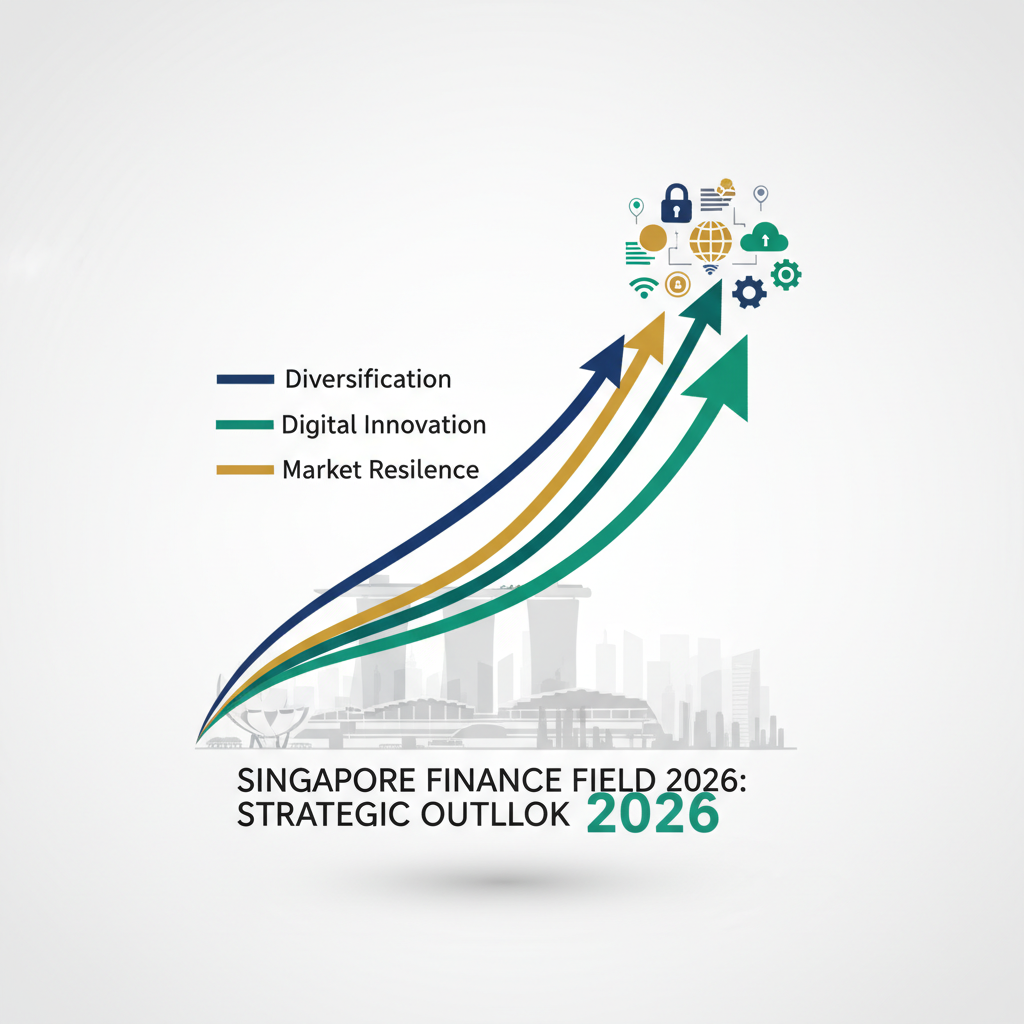
As the global financial landscape continues its rapid evolution, Singapore’s financial sector faces a dynamic array of risks, from geopolitical uncertainties and economic volatilities to rapid technological shifts and climate-related challenges. This section outlines how financial institutions and regulators in Singapore are adapting to mitigate these evolving risks and provides a forward-looking perspective for the coming year. A proactive stance is crucial for maintaining the nation’s robust financial stability and competitive edge, particularly as stakeholders look keenly at the trend report of the risk of finance field in singapore for insights into 2026.
1. Enhanced Risk Management Frameworks and Stress Testing
Singaporean financial institutions (FIs) are significantly strengthening their internal risk management frameworks, moving beyond traditional models to incorporate advanced analytics and artificial intelligence. The focus for 2026 is on developing more granular and predictive capabilities, particularly in areas susceptible to rapid change. Cybersecurity risk remains a paramount concern, necessitating continuous investment in threat intelligence, incident response, and resilience-building measures. FIs are adopting frameworks like the NIST Cybersecurity Framework and ISO 27001 to harden their digital perimeters and protect critical infrastructure.
Operational resilience has also gained prominence, with institutions implementing robust business continuity plans and third-party risk management protocols to mitigate disruptions from technology outages or supply chain vulnerabilities. Furthermore, there’s a concerted effort to integrate climate risk into core risk assessments. This involves scenario analysis to gauge the impact of both physical and transition risks on asset portfolios and lending books. Advanced stress testing methodologies are being employed to simulate various adverse scenarios, including severe economic downturns, market shocks, and sector-specific stresses, ensuring that FIs maintain adequate capital buffers and liquidity to withstand unforeseen events.
2. Regulatory Initiatives and International Cooperation
The Monetary Authority of Singapore (MAS) continues to play a pivotal role in shaping a resilient and future-ready financial sector. In response to evolving threats, MAS has intensified its supervisory oversight and introduced targeted regulatory initiatives. Key priorities for 2026 include enhancing frameworks for digital asset regulation, ensuring sound governance in FinTech innovations, and promoting sustainable finance practices. MAS’s commitment to financial stability is unwavering, evidenced by its regular Financial Stability Reviews and proactive engagement with the industry.
International cooperation is another cornerstone of Singapore’s strategy. MAS actively collaborates with global bodies such as the Financial Stability Board (FSB), the Basel Committee on Banking Supervision (BCBS), and the International Organization of Securities Commissions (IOSCO) to align regulatory standards and address cross-border risks. This collaborative approach is vital for combating financial crime, harmonizing data protection regimes, and fostering a common understanding of emerging risks. The adoption of regulatory technology (RegTech) is also gaining traction, with MAS encouraging FIs to leverage AI and blockchain for more efficient compliance, reporting, and supervisory oversight, thus reducing operational burden while improving risk detection.
3. Opportunities Arising from an Evolving Risk Environment
While the risk landscape presents significant challenges, it also creates fertile ground for innovation and strategic advantage. Singapore’s proactive approach to risk management positions its financial sector to capitalize on new opportunities. The emphasis on digitalization, for instance, not only enhances operational efficiency and security but also paves the way for new digital banking services, personalized customer experiences, and embedded finance solutions. FIs that successfully integrate robust risk controls with digital transformation initiatives will gain a competitive edge.
The burgeoning field of green finance offers substantial growth prospects. As climate risk becomes more mainstream, demand for sustainable investment products, green bonds, and sustainability-linked loans is soaring. Singapore aims to be a leading hub for green finance, facilitating capital flows towards environmentally friendly projects and developing expertise in climate-related financial disclosures. By transforming risks into opportunities for innovation, efficiency, and sustainable growth, Singapore’s financial sector is poised not only to navigate the complexities of 2026 but also to emerge stronger, more resilient, and more attractive as a global financial centre. The strategic responses outlined here underscore a collective commitment to foresight and adaptability, ensuring continued resilience and prosperity for the future.
Partner with Shelby Global
You are looking for reliable HR Sevice Suppliers? Contact Shelby Global Now! To connect with verified talents and upgrade your orginization.
—————————————
References
– Monetary Authority of Singapore’s Financial Stability Review: https://www.mas.gov.sg/publications/financial-stability-review
– MAS Financial Stability Review: https://www.mas.gov.sg/publications/financial-stability-review
– IBM Security X-Force Threat Intelligence Index: https://www.ibm.com/reports/x-force-threat-intelligence-index
– MAS’s Green Finance Action Plan: https://www.mas.gov.sg/development/sustainable-finance
– MAS Financial Stability Review: https://www.mas.gov.sg/publications/financial-stability-review



































































































