Understanding Singapore’s Risk of Sale Landscape
Singapore’s dynamic property market, renowned for its stability and investor appeal, is not immune to potential fluctuations. For stakeholders ranging from homeowners and investors to financial institutions, comprehending the ‘risk of sale’ is paramount. This section delves into defining this critical concept within the unique context of Singapore, examining its current state and its profound relevance to the overall property market ecosystem. We will explore the factors that contribute to this risk, its varied impact across different market segments, and draw insights from historical trends to provide a comprehensive understanding.

1. Defining ‘Risk of Sale’ in Singapore’s Property Market
In the Singaporean property context, ‘risk of sale’ refers to the likelihood or potential for a property owner to be compelled to sell their asset, often under unfavourable conditions, due to financial distress or other extenuating circumstances. This differs from a voluntary sale driven by market speculation or upgrading aspirations. Key indicators of this risk include escalating mortgage stress, significant changes in personal financial standing (e.g., job loss, business failure), and broader economic downturn impact. For instance, an owner struggling to meet mortgage payments might face foreclosure, leading to a distressed sale. This concept is particularly relevant in periods of economic uncertainty or rising interest rates, where property holding costs increase, and disposable incomes may dwindle. Understanding this risk is crucial for assessing the overall health and resilience of the trend report of the risk of sale field in Singapore, as a high incidence of distressed sales can exert downward pressure on property values and signal underlying market vulnerabilities.
2. Overview of Key Market Segments and Their Vulnerabilities
Singapore’s property landscape is broadly segmented into public (HDB) and private residential properties, each with distinct characteristics and susceptibility to the risk of sale. The HDB resale market, serving the majority of Singaporean citizens, generally exhibits lower vulnerability due to stringent eligibility criteria, various housing grants, and a cultural aversion to defaulting on public housing loans. However, even HDB owners can face mortgage stress if their financial situations drastically change, particularly those who stretched their finances for larger flats or purchased during peak prices. Private residential property, encompassing condominiums and landed homes, presents a more varied risk profile. Owners of these properties often have higher loan quantum, making them more sensitive to interest rate hikes and economic downturns. Additionally, investors holding multiple private residential properties might face amplified risks, especially if rental yields do not cover mortgage payments, or if property cooling measures impact capital appreciation expectations. The luxury segment, while generally more resilient, can still experience distressed sales during severe economic contractions when high-net-worth individuals face liquidity challenges. Identifying these market vulnerabilities is vital for preemptive risk management and understanding potential systemic pressures.
3. Historical Context: Past Trends and Market Corrections
Singapore’s property market has navigated several cycles of boom and bust, providing invaluable insights into the dynamics of the risk of sale. Periods of rapid price escalation, often fueled by speculative buying and low-interest rates, have historically been followed by market corrections. Notable instances include the Asian Financial Crisis in the late 1990s and the Global Financial Crisis in 2008. During such times, the incidence of distressed sales typically rises as owners face reduced capital appreciation, difficulty in finding buyers, or outright financial hardship. The government’s proactive implementation of property cooling measures, such as Additional Buyer’s Stamp Duty (ABSD) and Total Debt Servicing Ratio (TDSR), has played a significant role in moderating speculative activity and ensuring financial prudence, thereby mitigating some aspects of systemic risk. Analyzing these historical property trends reveals a pattern: periods of robust economic growth generally correlate with low risk of sale, while periods of economic contraction or significant policy changes tend to expose market vulnerabilities. Consulting resources like the Monetary Authority of Singapore (MAS) Financial Stability Review offers detailed analyses of how past economic and property market conditions have influenced housing affordability and financial stability, shedding light on the factors that drive or alleviate the risk of sale in Singapore.
Key Drivers Influencing Sale Risk in Singapore
An analysis of the primary economic, regulatory, and social factors that shape the risk profile for property sales across different sectors in Singapore. Understanding the trend report of the risk of sale field in Singapore is crucial for investors, developers, and homeowners navigating this dynamic market. Factors such as Singapore property risk, real estate market trends Singapore, and property sale risk factors continually evolve, necessitating a comprehensive assessment of the environment.
1. Economic Indicators: GDP Growth, Inflation, and Job Market Stability
Singapore’s robust economic health, often reflected in its Gross Domestic Product (GDP) growth, serves as a foundational pillar for its property market. A strong GDP indicates a thriving economy, leading to higher consumer confidence, increased disposable income, and greater demand for housing, thereby mitigating property sale risk. Conversely, an economic slowdown can quickly dampen buyer sentiment and reduce purchasing power, making property sales more challenging and increasing the likelihood of price corrections.
Inflation, particularly core inflation, is another critical factor. While moderate inflation can reflect economic buoyancy, persistent high inflation can erode the real value of property investments and increase the cost of living, indirectly impacting mortgage affordability. For developers, rising inflation translates to higher construction costs for materials and labour, potentially compressing profit margins and influencing pricing strategies for new launches. The interplay between economic outlook Singapore property and overall macroeconomic stability is paramount.
Job market stability is perhaps the most direct link to a household’s ability to service mortgage loans and commit to new property purchases. A low unemployment rate and consistent wage growth assure buyers of their financial capacity, reducing the risk of loan defaults and forced sales. Conversely, job market uncertainties or significant layoffs can trigger a wave of distress sales, putting downward pressure on prices and increasing sale risk across various sectors, from residential to commercial properties. Monitoring housing market stability Singapore through these economic lenses provides crucial insights into real estate market trends Singapore.
2. Interest Rate Fluctuations and Impact on Mortgage Affordability
Interest rates are a potent force in shaping mortgage affordability and, consequently, the demand dynamics within Singapore’s property market. As a small, open economy, Singapore’s interest rates are heavily influenced by global monetary policies, particularly those of the U.S. Federal Reserve. When interest rates rise, the cost of borrowing increases, directly impacting monthly mortgage payments for both new and existing homeowners. This can sideline potential buyers who may no longer meet Total Debt Servicing Ratio (TDSR) requirements or simply find higher payments unaffordable, thereby reducing demand and increasing property sale risk.
The inverse is also true: falling interest rates can stimulate demand by making mortgages more affordable, encouraging both first-time buyers and investors. However, rapid increases in mortgage rates Singapore can strain existing homeowners, particularly those with floating rate loans. Such financial pressure may lead to a higher incidence of defaults or compel owners to sell their properties, potentially creating an oversupply in the market and depressing prices. Understanding the mortgage interest rate impact is vital for predicting market movements.
Developers also feel the pinch of fluctuating interest rates. Higher borrowing costs for construction loans can translate into increased project costs, which may then be passed on to consumers through higher property prices, or result in lower profit margins. This sensitivity to interest rate hike impact underscores the financial leverage inherent in real estate development and investment. The overall housing affordability in Singapore is thus inextricably linked to the trajectory of interest rates, making it a key indicator for sale risk assessment and influencing the broader property sale risk factors.
3. Government Regulations: Property Cooling Measures and Land Supply Policies
Singapore’s government plays a proactive and significant role in managing its property market through a suite of regulatory measures designed to ensure stability and affordability. Property cooling measures, such as the Additional Buyer’s Stamp Duty (ABSD), Loan-to-Value (LTV) limits, and the Total Debt Servicing Ratio (TDSR) framework, are powerful tools used to curb speculative buying and prevent asset bubbles. These measures directly impact demand by increasing transaction costs and tightening credit, which can prolong the sales cycle and increase sale risk, particularly for investors or those with multiple properties. For instance, successive rounds of cooling measures have historically led to temporary slowdowns in transaction volumes, demonstrating the government’s strong influence on the Singapore property market outlook and highlighting the property cooling measures effect.
Simultaneously, government land supply policies, primarily managed through the Government Land Sales (GLS) programme, directly influence future property supply. The strategic release of land parcels for development dictates the pipeline of new homes and commercial spaces. A generous land supply can alleviate upward price pressures, while a constrained supply can lead to price increases due to scarcity. These land supply policies Singapore, alongside HDB resale market regulations, are calibrated to balance market forces, ensure sufficient housing for the populace, and prevent both overheating and severe downturns. The careful management of land supply directly affects competition among developers and ultimately the pricing power in the market, influencing the risk profile for new sales.
The government’s consistent oversight aims to create a sustainable property environment, but these interventions can introduce their own set of risks for sellers. Adapting to property cooling measures effect and understanding the implications of evolving land supply policies Singapore are crucial for accurately assessing the market’s sale risk. This dual approach of managing both demand and supply ensures a degree of stability, yet requires market participants to remain agile in their strategies and be aware of the overall economic outlook Singapore property.
In conclusion, the sale risk in Singapore’s property market is a multifaceted construct, shaped by the intricate interplay of economic performance, interest rate dynamics, and stringent government regulations. A holistic understanding of these key drivers, coupled with a keen eye on real estate market trends Singapore, is imperative for effective risk assessment and strategic decision-decision-making in this high-value sector.
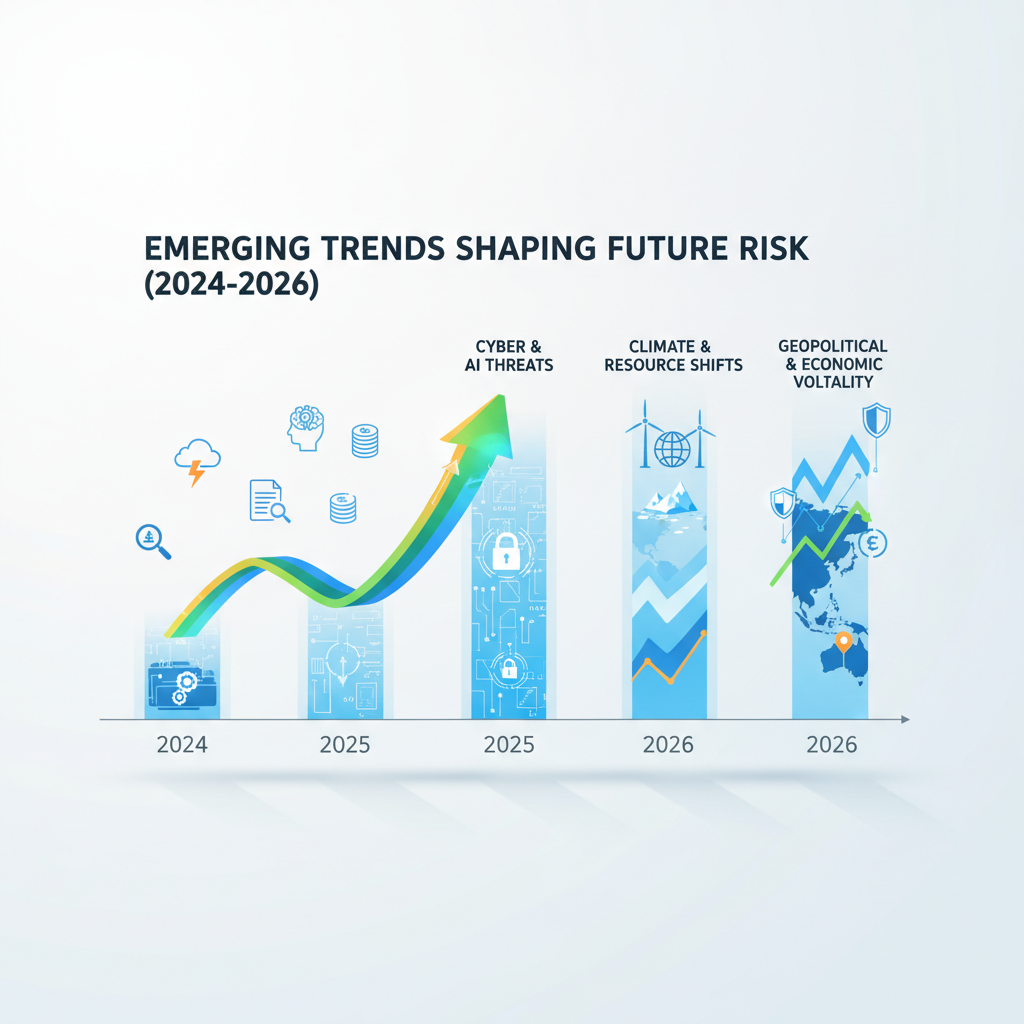
Emerging Trends Shaping Future Risk (2024-2026)
The real estate landscape in Singapore, a beacon of stability and growth in Southeast Asia, is constantly evolving. As we look towards 2024-2026, a complex interplay of technological advancements, demographic shifts, and global influences will redefine the concept of sale risk. This exploration delves into new and evolving trends that will significantly affect property sale risk in the near future, offering critical insights for investors, developers, and homeowners alike. Understanding these dynamics is paramount for anyone seeking a comprehensive the trend report of the risk of sale field in Singapore, ensuring informed decision-making in a rapidly changing market.
1. Impact of Remote Work and Digitalization on Commercial/Residential Demand
The seismic shift towards remote and hybrid work models, accelerated by recent global events, continues to reshape demand across both commercial and residential sectors. In Singapore, this trend has led to a recalibration of office space requirements. Companies are increasingly opting for smaller, more flexible workspaces or co-working solutions, impacting the valuation and occupancy rates of prime commercial properties. The traditional allure of a Central Business District (CBD) office address is being challenged, potentially leading to increased vacancy risks for older or less adaptable commercial buildings. Developers must consider repurposing strategies for commercial assets to mitigate future sale risk.
Concurrently, the residential market experiences its own transformation. With more time spent at home, buyers and renters are prioritising larger living spaces, dedicated home offices, and access to green amenities. This drives demand towards suburban areas or properties offering enhanced lifestyle features, potentially reducing the premium historically associated with highly dense urban living. Digitalisation further amplifies these changes, with smart home technologies and robust internet infrastructure becoming non-negotiable for many. Properties that fail to adapt to these technological and lifestyle expectations may face a higher sale risk, struggling to attract modern buyers. This fundamental shift underscores the importance of integrating digital readiness into future property developments and valuations, a key takeaway for any the trend report of the risk of sale field in Singapore.
2. Sustainability Initiatives and Green Building Premiums/Discounts
Environmental, Social, and Governance (ESG) considerations are no longer niche concerns but mainstream drivers of value in real estate. Singapore, a leader in sustainable urban development, is pushing for more stringent green building standards and sustainability initiatives. Properties with certifications like the BCA Green Mark are increasingly commanding premiums, reflecting lower operational costs, better indoor air quality, and alignment with investor and buyer values. This trend is not merely about aesthetics; it’s about long-term asset resilience and market appeal.
Conversely, buildings that lag in sustainability features face the risk of becoming “stranded assets.” These properties may incur higher operating costs, face stricter regulatory hurdles, and struggle to attract environmentally conscious tenants or buyers, leading to potential discounts on their sale price. Investors and developers must critically assess the energy efficiency, water usage, and overall environmental footprint of their portfolios. Integrating sustainable design, renewable energy sources, and waste management systems is becoming a prerequisite, not just an advantage. The market is increasingly segmenting, with a clear premium for green buildings and a growing discount for their less sustainable counterparts, a critical factor for assessing sale risk.
3. Global Economic Headwinds and Geopolitical Factors Affecting Foreign Investment
Singapore’s open economy makes its real estate market particularly susceptible to global economic headwinds and geopolitical shifts. Inflationary pressures, rising interest rates in major economies (like the US Federal Reserve), and persistent supply chain disruptions can dampen investor sentiment and increase borrowing costs, thereby influencing property affordability and demand. Global economic slowdowns or recessions in key source markets for foreign investment can directly impact the volume and value of cross-border real estate transactions in Singapore.
Furthermore, escalating geopolitical tensions, trade disputes, and regional instabilities can significantly alter capital flows. While Singapore often benefits from its reputation as a safe haven, particularly during times of global uncertainty, it is not entirely immune. Policies in major economies, such as capital controls or changes in foreign investment regulations, could redirect or reduce investment into the city-state. Investors are increasingly scrutinising regions for political stability and regulatory clarity before deploying capital. Therefore, monitoring global economic indicators and geopolitical developments is crucial for anticipating shifts in foreign investment patterns and managing sale risk. For more insights on how these global factors are shaping real estate investment across the region, refer to authoritative reports on sustainability in APAC real estate. A proactive approach to understanding these external forces is vital for any comprehensive the trend report of the risk of sale field in Singapore.
Forecasting the Risk of Sale: A Look Ahead to 2026
In the dynamic landscape of global real estate, understanding and forecasting the risk of sale is crucial for investors, developers, and policymakers alike. Singapore, a bellwether for property trends in Southeast Asia, presents a compelling case study, blending robust economic fundamentals with proactive regulatory oversight. This predictive analysis delves into current data and anticipated market changes, offering a comprehensive outlook on the potential risk of sale up to 2026. Our objective is to provide a nuanced understanding of the trend report of the risk of sale field in Singapore, examining critical economic indicators and sector-specific dynamics. This report aims to arm stakeholders with insights into Singapore real estate market forecast, property market trends Singapore, and overall forecasting property risk Singapore, paving the way for informed strategic decisions.
1. Supply-Demand Projections Across Residential, Commercial, and Industrial Sectors
The equilibrium between supply and demand is a fundamental determinant of property values and the inherent risk of sale. For Singapore’s residential sector, the coming years are anticipated to see a continued influx of new private housing units, albeit with varying absorption rates across different market segments. Public housing (HDB) supply, driven by government building programmes, will also play a crucial role in stabilizing the broader market. Cooling measures and high interest rates have moderated transaction volumes, suggesting a careful balance is being struck to prevent overheating, which directly impacts property sales risk analysis. In the commercial sphere, office demand remains resilient, particularly for premium-grade assets, while the retail landscape continues its structural transformation, favoring experience-centric developments. The industrial sector, bolstered by Singapore’s push for advanced manufacturing and logistics excellence, shows robust demand for high-specification spaces, particularly for data centers and specialized factories. However, potential global economic headwinds could introduce volatility, necessitating close monitoring of economic indicators Singapore real estate. According to the Urban Redevelopment Authority (URA), recent data highlights the evolving nature of new private home sales and overall market sentiments, underscoring the complexities in predicting future supply-demand dynamics and their effect on real estate investment outlook Singapore.
2. Price Volatility Forecasts and Market Stability Indicators
Price volatility is a critical component of assessing the risk of sale. Singapore’s property market has historically demonstrated a degree of resilience, yet it is not immune to global economic currents or domestic policy shifts. The trajectory of interest rates, influenced by central banks globally, will undeniably shape borrowing costs and, consequently, buyer affordability and investment returns. Inflationary pressures could also impact construction costs and rental yields, adding another layer of complexity to market resilience Singapore property. Government cooling measures, implemented judiciously, serve as key market stability indicators, preventing speculative bubbles and ensuring sustainable growth. We anticipate these measures will remain a significant influence, acting as a brake on excessive price appreciation and mitigating sharp corrections. Beyond policy, critical market stability indicators include vacancy rates across all sectors – an uptick could signal oversupply and increased risk – and transaction volumes, which reflect market confidence and liquidity. Rental yields will also be closely watched as they provide insight into asset performance relative to purchase price, directly influencing investment decisions and overall future of Singapore property market health. Understanding these intertwined factors is essential for any comprehensive property market trends Singapore analysis, offering foresight into potential price fluctuations and their implications for the risk of sale up to 2026. This intricate interplay forms a crucial part of our overarching Singapore real estate market forecast.
3. Sector-Specific Risk Assessments and Growth Opportunities
A granular look at each sector reveals distinct risk profiles and burgeoning opportunities. For the residential market, key risks include potential oversupply in specific sub-markets, particularly if global economic slowdowns affect expat demand or local purchasing power. However, demographic shifts and an enduring demand for well-located, high-quality housing present continuous growth opportunities. The commercial sector faces challenges from evolving work patterns and a cautious global business environment, but it also benefits from Singapore’s status as a regional business hub, attracting new foreign investments and companies seeking prime office spaces. Niche commercial segments, such as co-working spaces or specialized medical suites, could also present attractive returns. The industrial sector, while generally robust, must contend with global supply chain disruptions and the need for continuous technological upgrading. Yet, opportunities abound in high-tech industrial parks, data centers, and logistics facilities catering to the burgeoning digital economy. Investors and developers must conduct rigorous due diligence, considering the unique supply-demand dynamics and regulatory environment of each segment when assessing the overall forecasting property risk Singapore. Understanding these nuances is critical for navigating the property landscape effectively. For a deeper dive into the broader market, explore our latest trend report of the risk of sale field in Singapore, which offers detailed insights into specific market segments and potential investment pathways. This comprehensive view ensures a holistic understanding of the property market’s future. Our analysis suggests that while risks persist, strategic investments in resilient sectors and high-growth niches will continue to define the market’s appeal.
Mitigating Risk and Maximizing Opportunities in Singapore’s Market
Singapore’s dynamic real estate sector, a cornerstone of its economic prowess, consistently presents both alluring opportunities and inherent challenges. For investors, developers, and homeowners alike, understanding the intricate layers of its market is paramount. This section delves into actionable strategies and robust recommendations designed to help navigate the evolving risk landscape and capitalize on the myriad opportunities that arise. We’ll explore critical aspects such as Singapore property market analysis, real estate investment strategies Singapore, and property development opportunities Singapore, drawing insights from the trend report of the risk of sale field in singapore. By focusing on property risk management Singapore, understanding market volatility Singapore real estate, ensuring homeowner protection Singapore, adapting to the regulatory landscape Singapore property, and anticipating future property trends Singapore, stakeholders can make informed decisions to secure and enhance their investments.
Singapore’s property market, characterized by its resilience and strategic global position, continues to attract significant interest. However, a prudent approach demands an acute awareness of potential pitfalls and an agile response to shifting market dynamics. From global economic headwinds to domestic policy adjustments, various factors can influence the trend report of the risk of sale field in singapore. Consequently, proactive risk mitigation and strategic positioning are not merely advisable but essential for sustainable growth and capital preservation.
-
Due Diligence Best Practices for Property Investments
Thorough due diligence forms the bedrock of any successful property investment in Singapore. This process extends beyond merely evaluating physical assets; it encompasses a deep dive into legal frameworks, financial viability, and market sustainability. Investors must meticulously examine land titles, zoning regulations (guided by URA’s Master Plan), and potential encumbrances. A comprehensive financial analysis should include not just purchase price and projected rental yields, but also stamp duties, property taxes, maintenance costs, and potential capital gains tax implications. Furthermore, understanding the specific micro-market segment – be it residential, commercial, industrial, or hospitality – is crucial. For instance, a detailed Singapore property market analysis for a residential development might involve scrutinizing demographic shifts, infrastructure projects in the vicinity, and the supply pipeline of competing properties. Keeping abreast of insights like those provided by the trend report of the risk of sale field in singapore can offer invaluable foresight into potential challenges and opportunities, allowing investors to refine their real estate investment strategies Singapore and minimize exposure to unforeseen risks. Engaging local legal and property consultants can significantly bolster this due diligence process, providing expert insights into the regulatory landscape Singapore property and ensuring compliance.
-
Diversification Strategies to Hedge Against Market Volatility
In a market susceptible to global economic fluctuations and local policy interventions, diversification emerges as a critical strategy for property risk management Singapore. Relying solely on a single property type or location can amplify exposure to market volatility Singapore real estate. Investors, therefore, should consider a balanced portfolio that may include a mix of residential, commercial, and even industrial assets, spread across different planning regions in Singapore. For example, while prime district residential properties offer prestige, industrial properties or those in growth areas like the West or North-East may offer different risk-reward profiles. Furthermore, diversification can extend beyond direct property ownership to include Real Estate Investment Trusts (REITs) or property funds, which offer liquidity and professional management, albeit with different risk characteristics. For developers, diversifying project types – from high-end condominiums to affordable housing or build-to-rent schemes – can cushion against demand shifts in specific segments. Homeowners, too, can benefit from understanding broader market trends, ensuring their primary residence is not their sole exposure to the property market, perhaps through other financial instruments or by understanding their property’s long-term appreciation potential against broader future property trends Singapore. This balanced approach, informed by authoritative sources such as the Urban Redevelopment Authority (URA) property statistics, offers a robust defense against market downturns, enhancing portfolio resilience.
-
Policy Recommendations and Future Market Outlook for Stakeholders
The Singapore government plays a pivotal role in shaping the real estate market through various policies, land sales, and infrastructure development plans. For all stakeholders, anticipating these policy shifts and understanding their potential impact is key to maximizing property development opportunities Singapore and ensuring homeowner protection Singapore. Developers should maintain close engagement with regulatory bodies to understand upcoming land sales, urban planning revisions, and sustainability mandates, which increasingly influence project feasibility and design. Investors need to monitor cooling measures, interest rate policies, and foreign ownership regulations, as these directly affect demand, affordability, and investment returns. Looking ahead, future property trends Singapore are likely to be influenced by factors such as digitalization, an aging population, climate change resilience, and the continued push for smart city initiatives. This will create new niches for smart homes, sustainable developments, and integrated townships. Advocating for transparent, stable, and pro-growth policies that balance market stability with stakeholder interests is crucial. Collaborative efforts between private sector players and government agencies can foster an environment conducive to sustainable growth, innovation, and long-term value creation across all segments of the property market.
Partner with Shelby Global
You are looking for reliable HR Sevice Suppliers? Contact Shelby Global Now! To connect with verified talents and upgrade your orginization.
—————————————
References
– Monetary Authority of Singapore (MAS) Financial Stability Review: https://www.mas.gov.sg/publications/financial-stability-review
– URA Property Market Statistics: https://www.ura.gov.sg/fastfacts/property-market-statistics
– :
– URA Singapore Property Market Infographics: https://www.ura.gov.sg/fast-facts/singapore-property-market-infographics
– Urban Redevelopment Authority (URA) property statistics: https://www.ura.gov.sg/Corporate/Property/Property-Statistics