Defining the Roles: SME HR Manager vs. Corporate HR Director in Singapore Travel
The vibrant and dynamic travel industry in Singapore presents a unique landscape for human resources professionals. From bustling small and medium-sized enterprises (SMEs) like boutique travel agencies and specialized tour operators to sprawling multinational corporations with extensive global networks, the demands placed upon HR functions vary dramatically. Understanding the fundamental differences between the SMEs’ HR Manager and the Corporates’ HR Director in the Travels field in Singapore is crucial for aspiring professionals and business leaders alike. This section delves into the foundational responsibilities, daily operational landscapes, and strategic imperatives that distinguish these pivotal roles.
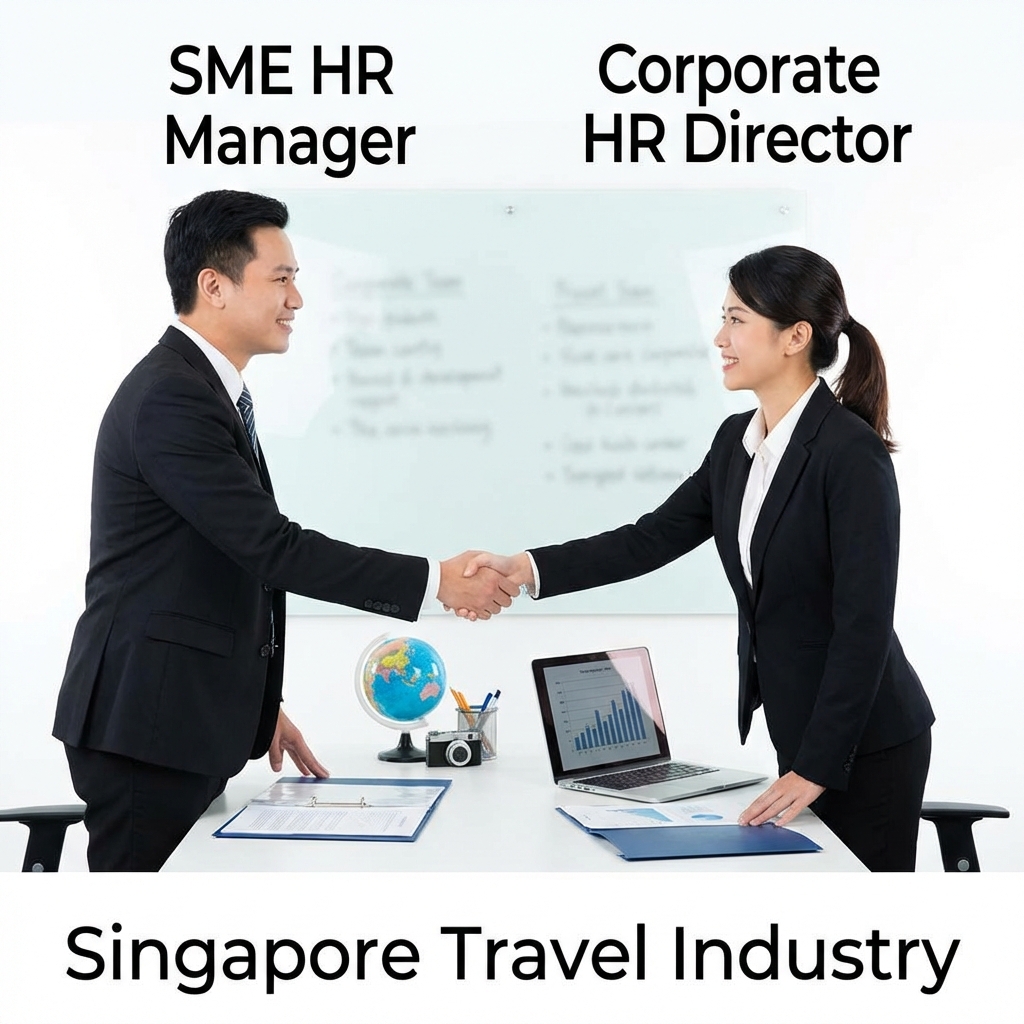
1. Core Operational Duties in SMEs
For an HR Manager in a Singaporean travel SME, the role is typically a masterclass in versatility and hands-on execution. Often operating as a solo practitioner or with a lean team, this individual is the linchpin for all human capital matters. Their daily operational duties encompass a broad spectrum of generalist functions, from managing end-to-end recruitment strategies for tour guides, travel consultants, and administrative staff, to overseeing payroll processing and benefits administration. Employee engagement initiatives, performance management, and day-to-day employee relations fall directly under their purview. The SME HR Manager is also primarily responsible for ensuring robust HR compliance with Singapore’s stringent labour laws and regulations, often acting as the primary point of contact for governmental bodies. Resource constraints mean that investment in advanced HR technology might be limited, requiring manual processes or simpler HRIS solutions. Their intimate knowledge of the team allows for personalized talent management and learning and development opportunities, often delivered through informal coaching or accessible online courses. Their impact is immediate and tangible, directly contributing to the operational efficiency and morale of a smaller, closely-knit travel enterprise.
2. Strategic Mandates in Corporate Travel
Conversely, the Corporate HR Director in a large Singaporean travel entity operates at a significantly higher strategic altitude. While possessing a deep understanding of operational HR, their focus shifts towards organizational development, long-term workforce planning, and aligning human capital strategies with overarching business objectives. They lead specialized teams covering areas like talent acquisition, compensation and benefits, global mobility, and learning and development. The Corporate HR Director is instrumental in crafting sophisticated HR policies, driving significant change management initiatives, and fostering a robust corporate culture across diverse departments and possibly international offices. Their role involves extensive stakeholder management, collaborating closely with C-suite executives on critical decisions like mergers and acquisitions, digital transformation, and market expansion. Leveraging HR analytics and advanced HR technology, they analyze workforce trends, predict talent needs, and implement scalable solutions. Their leadership is crucial in navigating complex global labor laws and developing comprehensive employee experience programs designed for a large, heterogeneous workforce, ensuring the company remains competitive in attracting and retaining top-tier talent in the fast-evolving global travel landscape.
3. Navigating Singapore’s Travel Industry Nuances
Both roles, despite their differences, must adeptly navigate the unique nuances of Singapore’s travel industry. This sector is characterized by fluctuating demand, intense seasonality, and the persistent challenge of talent scarcity, particularly for specialized roles like experienced destination managers, digital marketing specialists, and multilingual customer service professionals. HR professionals in this field must contend with the rapid pace of technological innovation, including the rise of online travel agencies (OTAs) and AI-driven services, which necessitate continuous upskilling and reskilling of the workforce. Strict immigration policies and visa regulations for foreign talent, a common necessity in diverse travel teams, add another layer of complexity to recruitment and retention strategies. The emphasis on service excellence is paramount across all segments, dictating the need for robust training programs and strong employee engagement to uphold Singapore’s reputation as a premier travel hub. While an SME HR Manager might focus on immediate compliance and localized talent solutions, a Corporate HR Director might tackle systemic issues like global mobility frameworks, strategic partnerships for talent pipelines, and long-term organizational resilience against economic shifts or global health crises. Understanding and adapting to these industry-specific challenges are key for HR success in Singapore’s vibrant travel sector. For further insights into regulatory requirements, the Ministry of Manpower (MOM) website serves as an indispensable resource for HR compliance in Singapore.
Resource Allocation & Team Dynamics: Budget, Headcount, and Technology
In Singapore’s dynamic travel sector, the scale of an organization profoundly dictates how its Human Resources function operates, particularly concerning resource allocation, team structure, and technological sophistication. The Differences between the SMEs’ HR Manager and the Corporates’ HR Director in Travels field in singapore are stark, primarily stemming from varying access to budget, HR headcount, and advanced HR technology solutions. These disparities influence everything from daily operational tasks to long-term HR strategy travel companies Singapore, impacting overall effectiveness and an organization’s ability to attract and retain talent.
1. Budgetary Constraints and Creativity in SMEs
For small and medium-sized enterprises (SMEs) in the travel sector, SME HR budget travel Singapore is typically tight. An SME HR Manager often operates with significant budgetary constraints HR Singapore travel, necessitating a highly resourceful and multifaceted approach to their role. Unlike their corporate counterparts, they rarely have the luxury of a dedicated team or substantial funds for lavish HR initiatives. This environment forces a unique brand of creativity and adaptability. The HR Manager in an SME is frequently a jack-of-all-trades, managing recruitment, payroll, employee relations, training, and compliance, often single-handedly. This limited HR team size travel sector means that manual processes or cost-effective, integrated HR software solutions are the norm. The focus is on finding creative HR solutions SME travel that deliver maximum impact with minimal expenditure, whether it’s through innovative low-cost training programs, leveraging free online recruitment platforms, or fostering a strong company culture as a primary retention tool. Their work embodies the challenges of small business HR challenges travel, where resourcefulness is key to overcoming financial limitations and ensuring HR remains a valuable asset to the business.
2. Leveraging Larger Budgets and Specialized Teams in Corporates
In contrast, large corporate travel companies boast significantly larger budgets, enabling a more robust and specialized HR infrastructure. A Corporate HR Director oversees a division that often includes multiple departments – talent acquisition, learning & development, compensation & benefits, HR operations, and employee relations – each staffed by specialists. This substantial HR headcount travel companies allows for a deeper dive into strategic initiatives and a more nuanced approach to employee management. With greater financial backing, corporates can invest heavily in comprehensive employee benefit packages, advanced training programs, and sophisticated talent management travel HR systems. The HR Director’s role shifts from day-to-day operational execution to strategic HR resource allocation travel industry, workforce planning travel industry, and driving organizational change. They can explore global talent pools, implement extensive leadership development programs, and conduct thorough HR analytics to inform business decisions. This distinction highlights the differences in HR roles travel, where corporate HR focuses on strategic alignment and specialized functional excellence, backed by ample resources and specialized HR teams travel.
3. Adoption of HR Tech: Scale and Sophistication
The disparity in budgets and team sizes directly influences the travel HR technology adoption rates and the sophistication of the solutions implemented. SMEs often gravitate towards affordable, all-in-one cloud-based HR Information Systems (HRIS) or even manual systems and spreadsheets to manage basic HR functions. Their choices are driven by cost-effectiveness, ease of use, and the immediate need to streamline core processes without overwhelming their limited HR team size travel sector. These solutions aim to provide foundational support without breaking the bank, addressing essential needs like payroll, leave management, and employee records, navigating the small business HR challenges travel with pragmatic tech solutions.
Conversely, corporate travel entities can invest in enterprise-level Human Capital Management (HCM) suites that offer extensive capabilities. Corporate HR tech travel Singapore frequently involves integrated systems covering everything from global payroll and performance management to advanced HR analytics travel, AI-driven recruitment platforms, and predictive modeling for workforce planning travel industry. These large enterprise HR systems travel allow for seamless HR tech integration travel sector across various HR functions and business units, providing robust data insights that inform strategic decision-making. The ability to leverage advanced HR technology solutions like machine learning for talent acquisition or big data for employee engagement offers a significant competitive edge, allowing corporate HR to operate at a higher strategic level. This level of investment and complexity is a clear differentiator, enabling deeper insights and more proactive HR management, showcasing the extensive capabilities that large budgets unlock in the realm of modern HR technology.
Ultimately, while both SME HR Managers and Corporate HR Directors in Singapore’s travel industry strive for effective talent management travel HR, their pathways and tools are shaped dramatically by resource availability. SMEs cultivate agility and creativity within constraints, whereas corporates leverage significant investment and specialization to drive comprehensive HR strategies, each approach vital for their respective organizational structures and market positions.
Strategic Impact & Business Integration in the Travel Landscape
The travel industry in Singapore, a vibrant hub of global tourism and business, presents a fascinating study in the evolving role of Human Resources. From nimble start-ups and Small to Medium-sized Enterprises (SMEs) to sprawling global corporations, the HR function’s influence and integration into overall business strategy diverge significantly. This analysis explores how HR supports tactical goals in SMEs versus driving major organizational change in corporate travel, highlighting the fundamental Differences between the SMEs’ HR Manager and the Corporates’ HR Director in Travels field in singapore.
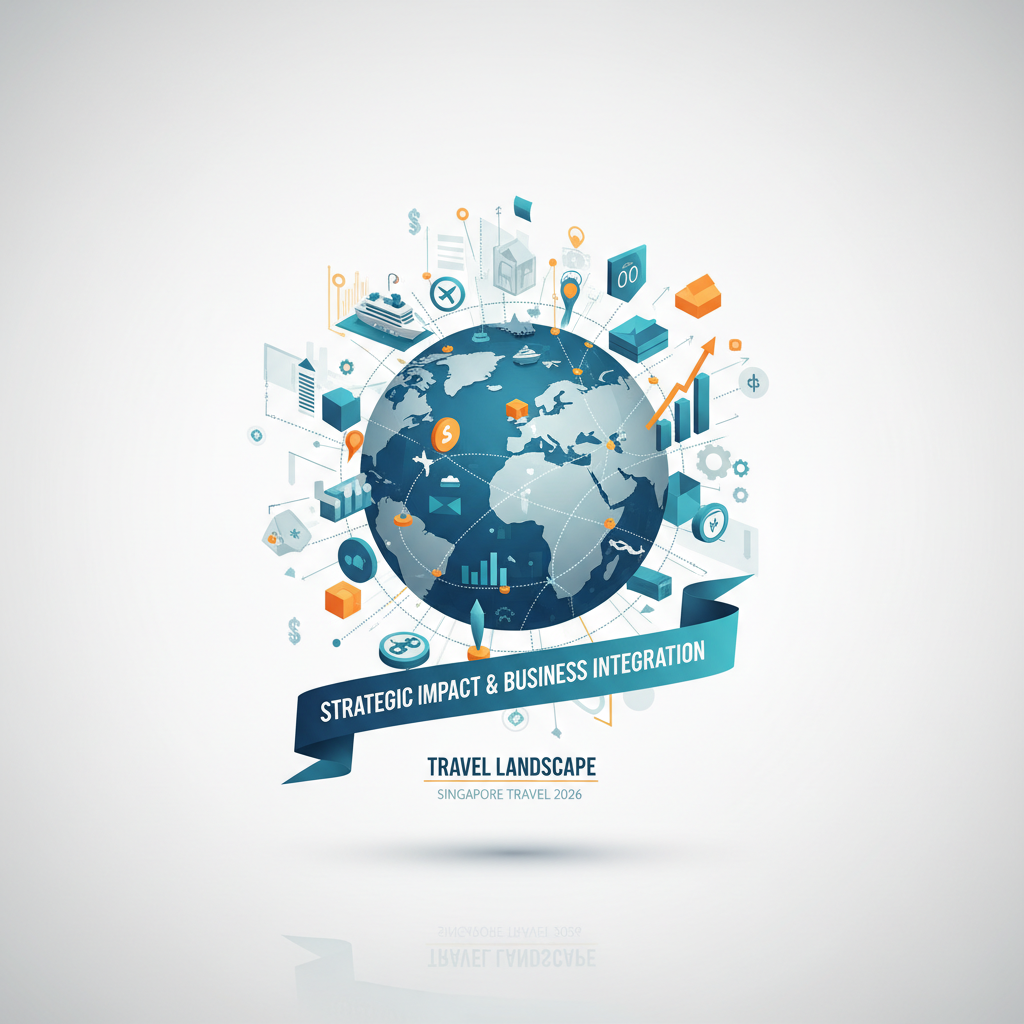
1. HR as a Support Function in Small Travel Businesses
In Singapore’s SME travel agencies, the HR Manager often operates as a generalist, wearing multiple hats out of necessity. Their role is predominantly operational and administrative, focusing on immediate, tactical needs. The primary concerns revolve around basic Differences between the SMEs’ HR Manager and the Corporates’ HR Director in Travels field in singapore stem from resource constraints and the scale of operations. An SME HR Manager typically handles day-to-day tasks such as payroll processing, benefits administration, and ensuring HR compliance travel industry regulations are met, particularly concerning local labor laws and work permits for foreign talent.
Recruitment in these smaller entities tends to be reactive, driven by immediate vacancies rather than long-term workforce planning travel. The focus is on finding competent recruitment travel specialists or generalist training development travel agents who can hit the ground running. Employee relations are often informal, relying on direct communication and a close-knit culture to foster employee engagement travel firms. While these efforts are crucial for maintaining morale and productivity, they rarely extend to shaping the business’s strategic direction. The SME travel agency HR challenges often include limited budgets for advanced HR technology travel sector, making data-driven decisions based on HR analytics travel difficult. Instead, the HR manager supports the business by ensuring a functional, compliant workforce, directly contributing to the daily operational flow and client satisfaction.
2. HR as a Strategic Partner in Global Travel Corporations
Conversely, the HR Director in a large, global travel corporation in Singapore operates from a decidedly strategic vantage point. These leaders are integral to the executive team, deeply involved in crafting and executing the overall business strategy. Their role in corporate travel HR leadership transcends administrative duties, focusing instead on shaping the organization’s future through human capital. This includes developing robust HR strategy in travel industry that aligns with global expansion plans, digital transformation initiatives, and market leadership ambitions.
A key focus for corporate HR Directors is comprehensive talent management travel Singapore. This involves not only proactive recruitment travel specialists for niche roles but also sophisticated programs for leadership development, succession planning travel, and fostering a high-performance culture across diverse geographies. They leverage advanced HR technology travel sector and HR analytics travel to provide data-driven insights, influencing decisions on compensation & benefits travel, organizational design, and talent allocation. Furthermore, they lead large-scale change management travel initiatives, such as mergers, acquisitions, or the implementation of new business models, ensuring seamless transitions and employee buy-in. Developing cohesive global HR travel policies is also critical, balancing local nuances with corporate standards to maintain consistency and equity across a multinational workforce. The shift from a purely administrative function to a strategic one is a global trend, as highlighted by resources on the strategic HR business partner role.
3. Aligning HR Initiatives with Travel Business Objectives
Despite their divergent scopes, both SME HR Managers and Corporate HR Directors share the overarching goal of aligning HR initiatives with broader travel business objectives. For an SME, this might mean ensuring sufficient and well-trained training development travel agents are available to meet peak season demands, directly impacting sales and customer service quality. The HR manager’s administrative efficiency and ability to maintain a stable workforce directly contribute to the business’s tactical success and operational continuity, mitigating common SME travel agency HR challenges.
In contrast, a Corporate HR Director’s alignment is more pronounced and strategic. They lead organizational development travel initiatives designed to enhance the company’s competitive edge, such as fostering innovation or improving service delivery globally. Their HR strategy in travel industry is crafted to support long-term growth, market entry, and the cultivation of a distinctive employer brand, which is crucial for attracting and retaining top talent in a competitive market like Singapore. The ultimate impact of HR’s strategic role travel is measured in terms of improved financial performance, enhanced employee productivity, and the successful navigation of industry disruptions through proactive workforce management. While the scale and complexity differ, both roles are indispensable in ensuring the travel sector’s human capital remains a key driver of success in Singapore’s dynamic economic landscape.
Unique Challenges & Compliance in Singapore’s Travel Sector
Singapore’s vibrant and competitive travel sector presents a fascinating study in HR dynamics, particularly when comparing the distinct roles of an HR Manager in a Small and Medium-sized Enterprise (SME) versus an HR Director in a large Corporate entity. While both roles are critical for organizational success, their daily realities, strategic focus, and the specific hurdles they navigate differ significantly. Understanding the Differences between the SMEs’ HR Manager and the Corporates’ HR Director in Travels field in singapore is crucial for appreciating the unique challenges each faces in talent acquisition, retention, and intricate compliance with Singapore’s specific labor laws and evolving travel industry regulations.
1. Talent Management Hurdles for SME Travel HR
For HR Managers in Singapore’s travel SMEs, talent management is often a multi-faceted challenge, exacerbated by limited resources. They typically operate as generalists, covering everything from recruitment and onboarding to payroll, training, and employee relations. Attracting top talent becomes an uphill battle against larger corporates that can offer more competitive salaries, comprehensive benefits packages, and clearer career progression paths. SMEs often rely on showcasing a strong company culture, unique growth opportunities, and a close-knit team environment to entice candidates.
Retention is equally critical, as losing a key employee can have a disproportionate impact on a smaller operation. SME HR must be adept at fostering engagement through personalized development plans, recognition programs, and maintaining an open communication culture. Navigating Singapore’s labor laws, such as the Employment Act and the Fair Consideration Framework, requires diligent attention even with a smaller workforce. The HR Manager must ensure compliance with minimum employment standards, proper documentation for foreign workers, and non-discriminatory hiring practices, often without the luxury of specialized legal counsel readily available to larger firms.
2. Complexities of Global Workforce & Compliance for Corporate Travel HR
In contrast, an HR Director within a large corporate travel entity in Singapore typically assumes a more strategic and specialized role. Their remit often extends beyond national borders, overseeing a global workforce that may include expatriates, international hires, and employees stationed in various regional offices. This necessitates a profound understanding of not only Singaporean labor laws but also international employment regulations, immigration policies (such as Employment Passes and S Passes), and cross-border taxation implications.
Compliance for corporate travel HR is exponentially more complex. Data privacy regulations, like the Personal Data Protection Act (PDPA) in Singapore and GDPR internationally, demand robust frameworks for handling sensitive employee information across jurisdictions. Managing a diverse and multicultural workforce requires sophisticated HR policies that promote inclusivity while adhering to local norms and regulations globally. Furthermore, the corporate HR Director is often responsible for high-level strategic initiatives such as global talent mobility, succession planning for senior leadership, and ensuring the company’s HR practices align with international standards and industry best practices for a seamless global operation.
3. Impact of Digital Transformation on Travel HR Roles
Digital transformation has reshaped the HR landscape across the entire travel sector, but its impact varies significantly between SMEs and Corporates. For SME HR Managers, embracing digital tools often means implementing affordable, cloud-based Human Resources Information Systems (HRIS) to automate routine tasks like payroll, leave management, and employee record-keeping. This shift frees up valuable time for more strategic, people-centric initiatives and helps ensure basic compliance with greater efficiency. The challenge lies in selecting the right, cost-effective technology and upskilling existing staff to utilize these new platforms effectively.
For Corporate HR Directors, digital transformation involves integrating advanced technologies such as AI-driven recruitment platforms, predictive analytics for workforce planning, and sophisticated employee experience platforms. These tools enable data-driven decision-making, optimize global talent pipelines, and enhance employee engagement at scale. However, the implementation is often complex, requiring significant investment, robust change management strategies, and stringent cybersecurity measures to protect vast amounts of employee data. Both roles, however, must continuously adapt to new HR technologies, fostering a digitally fluent workforce and leveraging automation to enhance efficiency and strategic impact in an increasingly tech-driven industry.
In conclusion, while both SME HR Managers and Corporate HR Directors are pivotal to the success of Singapore’s travel industry, their paths are distinctly different. The SME HR navigates resource constraints with agility and a generalist approach, meticulously adhering to local regulations like those outlined by the Ministry of Manpower’s Employment Act. Conversely, the Corporate HR Director orchestrates a global workforce with strategic oversight, managing complex international compliance and leveraging advanced technologies. Both roles underscore the dynamic and critical nature of HR in powering Singapore’s flourishing travel sector.
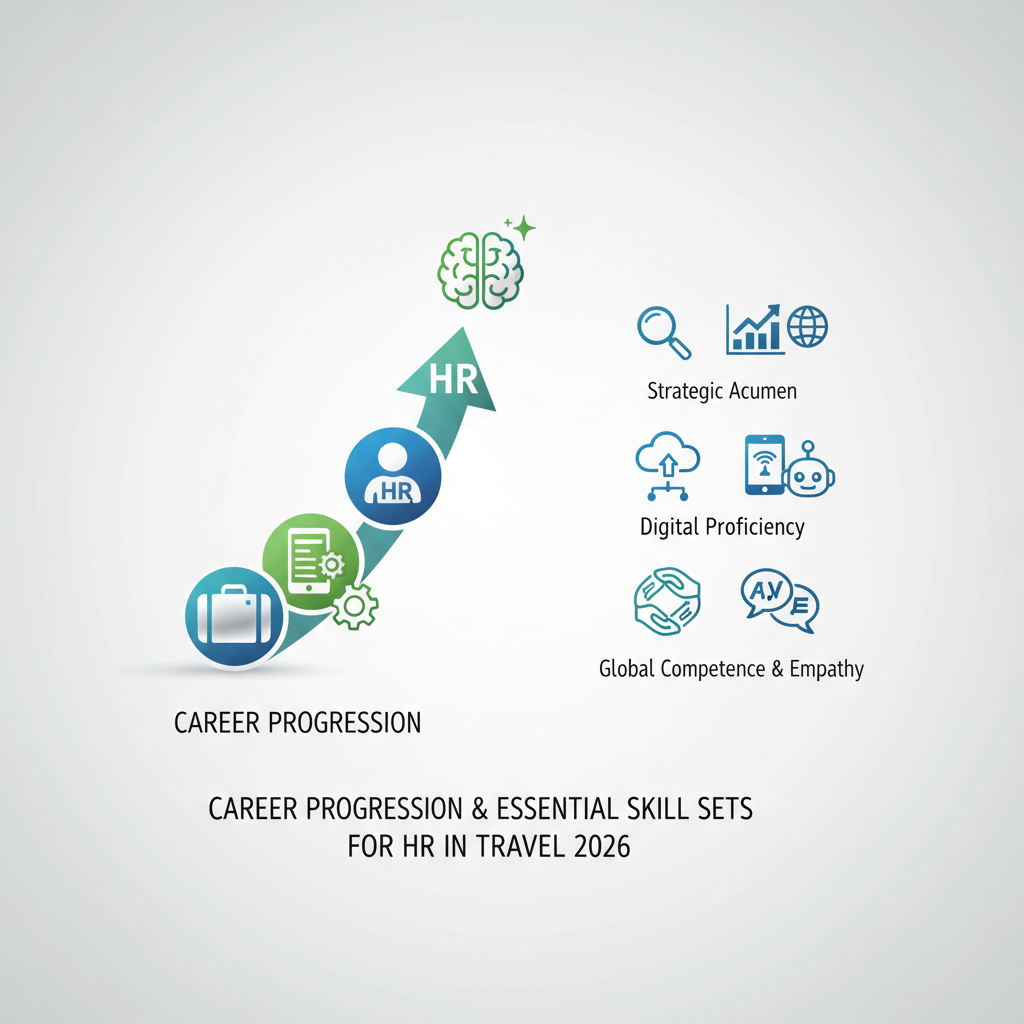
Career Progression & Essential Skill Sets for HR in Travel 2026
The travel industry in Singapore is a dynamic and ever-evolving sector, presenting distinct career trajectories and skill requirements for Human Resources professionals. Navigating the **Differences between the SMEs’ HR Manager and the Corporates’ HR Director in Travels field in singapore** requires a nuanced understanding of their roles, scope, and strategic impact. As we look towards 2026, the demand for adaptable, strategic, and tech-savvy HR leaders is intensifying across both small and medium enterprises (SMEs) and large corporations. This section will delve into the specific growth paths and critical competencies necessary for success, considering emerging trends like digital transformation, employee experience, and sustainable practices in the travel sector HR landscape.
-
Growth Trajectories for SME HR Professionals
For HR professionals in Singapore’s travel SMEs, the role of an HR Manager is often a deeply hands-on, generalist position. These individuals are the backbone of the organization, responsible for the full spectrum of HR functions, from recruitment and onboarding to payroll administration, employee relations, and ensuring compliance with local labor laws. The nature of SMEs in the travel industry demands agility and versatility, as HR Managers frequently wear multiple hats, acting as advisors, administrators, and sometimes even operations support. Their career progression is typically characterized by deepening expertise in specific operational HR domains and taking on more strategic oversight as the company grows.
Key skills essential for success include exceptional problem-solving abilities, strong communication skills for fostering positive employee experiences, and a robust understanding of Singapore’s employment legislation. Adaptability is paramount, allowing them to quickly pivot strategies in response to market shifts or internal needs, such as managing seasonal hiring fluctuations common in the travel sector. Proficiency in basic HR tech for streamlined processes, effective cost-management, and the ability to build strong, trust-based relationships internally are also crucial. A successful SME HR Manager in travel might progress from a senior HR executive, eventually leading a small HR team, or even move to a larger firm leveraging their broad foundational knowledge and practical experience in a specialist HR role.
-
Leadership and Executive Skills for Corporate HR Directors
In stark contrast, a Corporate HR Director in a large travel corporation in Singapore operates at a much higher strategic level, often with a regional or global mandate. Their focus shifts from day-to-day operations to aligning HR strategy with overarching business objectives, driving organizational development, and fostering a high-performance culture across diverse teams and geographies. This role demands a profound understanding of business acumen and the ability to translate complex HR initiatives into tangible business outcomes, such as enhancing talent management frameworks, implementing sophisticated compensation benefits structures, and leading large-scale change management initiatives.
Essential leadership skills for this executive role include strategic thinking, advanced stakeholder management (engaging with the C-suite, board members, and international teams), and a proven track record in change leadership. Expertise in HR analytics is critical for data-driven decision-making, while proficiency in managing global mobility HR and understanding international labor laws is often necessary for multinational travel groups. Furthermore, these directors are pivotal in shaping corporate culture, driving diversity inclusion, and spearheading the adoption of advanced HR tech solutions and AI in HR. Their career path often involves moving from Head of HR for a division to a Group HR Director or even a Chief People Officer, requiring extensive international exposure and the ability to navigate complex organizational structures and M&A HR integration challenges.
-
Future-Proofing HR Skills in an Evolving Travel Market
Both SME HR Managers and Corporate HR Directors in Singapore’s travel industry must future-proof their skill sets to remain competitive and effective in an increasingly complex landscape. The rapid pace of digital transformation, the rise of hybrid work models, and the growing emphasis on employee well-being and sustainability are reshaping HR priorities. Regardless of the scale of the organization, a core set of future-ready skills will be indispensable. These include advanced HR analytics for predictive insights, digital fluency to leverage new technologies like AI in HR and automation, and superior change management capabilities to guide organizations through periods of rapid evolution.
Furthermore, emotional intelligence, strategic workforce planning, and expertise in diversity, equity, and inclusion (DEI) are becoming non-negotiable. For SMEs, this might mean adopting user-friendly HR tech platforms to enhance employee experience and operational agility, while for corporate entities, it entails driving enterprise-wide digital HR transformations and leveraging data to optimize talent management at a global scale. The ability to adapt quickly and champion innovation will define success. For a deeper dive into the evolving competencies, exploring resources like the Deloitte Global Human Capital Trends provides valuable insights into the future of HR. Understanding the nuances and **Differences between the SMEs’ HR Manager and the Corporates’ HR Director in Travels field in singapore** is not merely about job titles, but about recognizing the distinct strategic contributions each role makes to the thriving travel sector.
Partner with Shelby Global
You are looking for reliable HR Sevice Suppliers? Contact Shelby Global Now! To connect with verified talents and upgrade your orginization.
—————————————
References
– Ministry of Manpower (MOM) website: https://www.mom.gov.sg/
– HR Technology: The Future of HR – SHRM: https://www.shrm.org/resources-and-tools/hr-topics/technology
– the strategic HR business partner role: https://www.shrm.org/resources-and-tools/tools-and-samples/hr-qa/what-is-a-strategic-hr-business-partner/
– :
– Deloitte Global Human Capital Trends: https://www.deloitte.com/global/en/issues/equity/human-capital-trends.html