
Introduction to Singapore’s HR Legal Landscape for Logistics
Singapore’s standing as a global logistics hub is built on efficiency, innovation, and a robust regulatory framework. For companies in this critical sector, navigating the human resources (HR) legal landscape is not merely a formality but a strategic imperative. The dynamic nature of logistics—characterized by round-the-clock operations, cross-border movements, diverse workforce demographics, and stringent safety requirements—places unique demands on HR practices. Understanding and adhering to the specific Legal HR terms & conditions for logistics field in Singapore is paramount for sustainable success, mitigating risks, and ensuring a fair, productive work environment. This section outlines the distinctive legal environment for HR in Singapore’s dynamic logistics sector, emphasizing the importance of compliance.

The sector’s rapid evolution, driven by e-commerce and technological advancements, means HR professionals must stay abreast of continuously evolving legislation. From recruitment and compensation to workplace safety and dispute resolution, every aspect of employee management is governed by comprehensive laws protecting both employers and employees. Non-compliance can lead to significant financial penalties, reputational damage, and operational disruptions, underscoring the critical need for a proactive and informed approach to HR legal matters in Singapore’s logistics industry.
1. Overview of Key Employment Acts (e.g., Employment Act, WSHA)
The foundation of Legal HR terms & conditions for logistics field in Singapore rests upon several pivotal legislative frameworks. Foremost is the Employment Act (EA), the cornerstone of Singaporean employment law. It sets out fundamental terms and conditions, including provisions on contracts, wages, hours of work, overtime, leave entitlements (annual, sick, maternity, childcare), and termination. Its general principles guide all employment relationships. For logistics companies, understanding EA nuances regarding overtime for drivers and warehouse staff, and managing shift patterns, is especially critical.
Equally crucial for the logistics sector is the Workplace Safety and Health Act (WSHA). Given inherent risks with heavy machinery, vehicle operations, warehouse management, and hazardous materials, WSHA places significant duties on employers to ensure a safe environment. This includes risk assessments, safety measures, PPE provision, and training. Compliance with WSHA builds a safety culture, protecting employees and maintaining operational integrity. The WSHC provides extensive guidelines and standards for workplace safety that logistics firms must meticulously follow. Other relevant acts include the Central Provident Fund (CPF) Act, the Industrial Relations Act for collective bargaining, and the Employment of Foreign Manpower Act (EFMA) for non-Singaporean workers, a common practice in logistics.
2. Specific HR Challenges for Logistics Companies in Singapore
Operating within Singapore’s bustling logistics environment presents unique HR challenges, impacting the application of Legal HR terms & conditions for logistics field in Singapore. One significant challenge is managing a workforce that often operates irregular hours, including night shifts, weekends, and public holidays, to ensure 24/7 service delivery. This necessitates meticulous adherence to overtime rules, rest day provisions, and fair compensation practices as stipulated by the Employment Act.
The prevalence of a diverse, often multinational workforce, including foreign drivers and warehouse operators, introduces complexities related to work pass regulations, housing standards, and cultural integration. Companies must navigate the intricacies of the Employment of Foreign Manpower Act (EFMA), ensuring proper documentation, fair treatment, and compliance with quotas and levies. Cross-border operations further complicate matters, requiring an understanding of international labour agreements and domestic regulations.
Moreover, the logistics sector faces acute talent shortages, particularly for skilled drivers and technical staff. This intensifies competition, making retention crucial. HR teams must develop competitive remuneration, clear career paths, and invest in training. Balancing these operational demands with strict compliance to employment law Singapore logistics requires robust HR systems and a deep understanding of legal implications.
3. The Critical Role of Compliance in the Logistics Industry
In a sector as vital and visible as logistics, compliance with Singapore’s HR legal framework is fundamental to operational resilience, financial stability, and corporate reputation. Non-compliance can lead to severe consequences, including hefty fines imposed by the Ministry of Manpower (MOM) or the Workplace Safety and Health Council (WSHC), criminal prosecutions and revocation of work pass privileges. Beyond monetary penalties, breaches of Legal HR terms & conditions for logistics field in Singapore can severely damage a company’s brand image, erode employee trust, and hinder talent attraction.
Proactive compliance fosters a positive and safe working environment, boosting morale, reducing turnover, and enhancing productivity. By adhering to workplace safety logistics Singapore regulations, companies minimize accidents, reduce downtime, and lower insurance costs. Transparent and fair employment practices, aligned with the Employment Act, mitigate the risk of industrial disputes and employee grievances, ensuring smoother operations.
Ultimately, a deep understanding and rigorous application of Singapore’s HR legal landscape empower logistics companies to navigate complex operational challenges with confidence. It allows them to focus on growth and innovation, secure in the knowledge that their human capital management practices are sound, ethical, and legally defensible. Investing in regular HR audits, legal counsel, and continuous training is indispensable for sustained success in Singapore’s logistics sector.
Core Employment Terms & Conditions in Logistics
Navigating the complex landscape of human resources in Singapore’s bustling logistics sector demands a deep understanding of core employment terms and conditions. For businesses operating in this dynamic field, strict adherence to local labor laws is not just a legal obligation but a strategic imperative to ensure operational continuity, attract and retain talent, and foster a fair working environment. This section details the fundamental legal HR terms & conditions for logistics field in Singapore, covering employment contracts, wage policies, and working hours, specifically tailored for the Singaporean logistics workforce. Understanding these regulations is crucial for maintaining compliance and minimizing potential disputes in an industry critical to Singapore’s economy.
1. Standard Employment Contracts and Essential Clauses
In Singapore, establishing clear and comprehensive employment contracts is fundamental for any employer, especially within the logistics sector where roles can be diverse and demanding. While not all employees are legally required to have a full written contract, employers must provide Key Employment Terms (KETs) in writing to employees covered by the Employment Act who are employed for 14 days or more. These KETs serve as the baseline for the employment relationship and help prevent misunderstandings.
For logistics companies, essential clauses that must be meticulously outlined include:
- Parties Involved: Clear identification of both the employer entity and the employee.
- Job Title and Description: Detailed duties, responsibilities, and reporting lines, which are particularly important in logistics given the varied roles from warehouse operations to last-mile delivery.
- Employment Period: Whether the employment is permanent, fixed-term, or project-based.
- Remuneration: Breakdown of basic salary, fixed allowances (e.g., transport, meal, shift allowances), and variable components (e.g., performance bonuses).
- Working Hours and Rest Days: Clearly defining the expected work schedule, including any shift patterns relevant to 24/7 logistics operations.
- Leave Entitlements: Annual leave, sick leave, public holiday leave, and any other statutory or contractual leave benefits.
- Termination Clauses: Stipulating notice periods required by both parties and grounds for immediate dismissal, adhering strictly to the Singapore logistics employment law.
- Confidentiality and Non-Compete: Where applicable, these clauses protect proprietary information and prevent employees from directly competing post-employment, provided they are reasonable and enforceable under Singapore law.
Ensuring these clauses are precise and compliant is vital for managing expectations and mitigating potential legal challenges in the dynamic logistics environment.
2. Wage Policies, Overtime Calculation, and Allowances
Transparent and compliant wage policies are a cornerstone of fair employment practices in Singapore’s logistics sector. Employers must adhere to the provisions of the Employment Act concerning salary payments, which stipulate that wages must be paid at least once a month and within seven days after the end of the salary period.
Overtime Calculation: For employees covered by the Employment Act (non-workmen earning up to $4,500 gross monthly, or workmen earning up to $2,600 gross monthly), overtime pay is a critical component. Overtime is generally defined as work performed beyond the contractual working hours, or 44 hours a week (whichever is less). The law mandates that overtime must be paid at a rate of not less than 1.5 times the employee’s hourly basic rate of pay. There are also limits to overtime hours, typically capping at 72 hours per month. For the logistics field, where operational demands can necessitate longer hours, seeking approval from the Ministry of Manpower (MOM) for exceeding these limits, or managing rostering efficiently, is essential for logistics HR compliance Singapore.
Allowances: Logistics roles often involve specific allowances to compensate for various work conditions. Common allowances include:
- Transport Allowance: For employees required to travel extensively or work at different sites.
- Meal Allowance: For long shifts or work that extends beyond normal meal times.
- Shift Allowance: For employees working irregular or undesirable shifts (e.g., night shifts).
- Hazard Pay: If applicable, for roles involving handling dangerous goods or working in hazardous conditions.
These allowances should be clearly stipulated in the employment contract and consistently applied to ensure fairness and compliance with wage regulations.
3. Working Hours, Rest Days, and Shift Work Regulations
Given the 24/7 nature of many logistics operations, understanding the regulations surrounding working hours, rest days, and shift work is paramount. Singapore’s Employment Act sets clear guidelines to protect employees from overwork and ensure adequate rest.
Standard Working Hours: Generally, an employee should not work more than 8 hours a day or 44 hours a week. However, for employees on a 5-day week or less, working hours can be averaged over three weeks, not exceeding 12 hours on any given day, provided the total work hours do not exceed 44 hours in any one week on average. This flexibility is particularly useful for logistics companies employing workers on varied shifts.
Rest Days: Every employee is entitled to one whole rest day per week, which should be granted without pay. This rest day typically falls on a Sunday but can be any day of the week as mutually agreed upon. If an employee is required to work on a rest day, specific compensation rules apply, including payment at higher rates or the granting of a compensatory rest day, depending on the circumstances and prior agreement.
Shift Work Regulations: Logistics often relies heavily on shift work to maintain continuous operations. For shift workers, regulations also focus on ensuring sufficient breaks and rest. An employee generally should not work for more than six consecutive hours without a break of at least 45 minutes for meals or rest, if working more than six hours. Proper scheduling is crucial to ensure compliance and prevent employee fatigue, which can lead to safety hazards in a demanding physical environment. Companies must implement robust rostering systems that factor in these regulatory requirements, especially for crucial roles like drivers or machinery operators, to uphold logistics HR compliance Singapore and operational safety.
Adhering to these regulations on working hours and rest days is vital for the well-being of the logistics workforce and for preventing potential penalties from the Ministry of Manpower.
Managing Specific HR Legalities in Logistics Operations
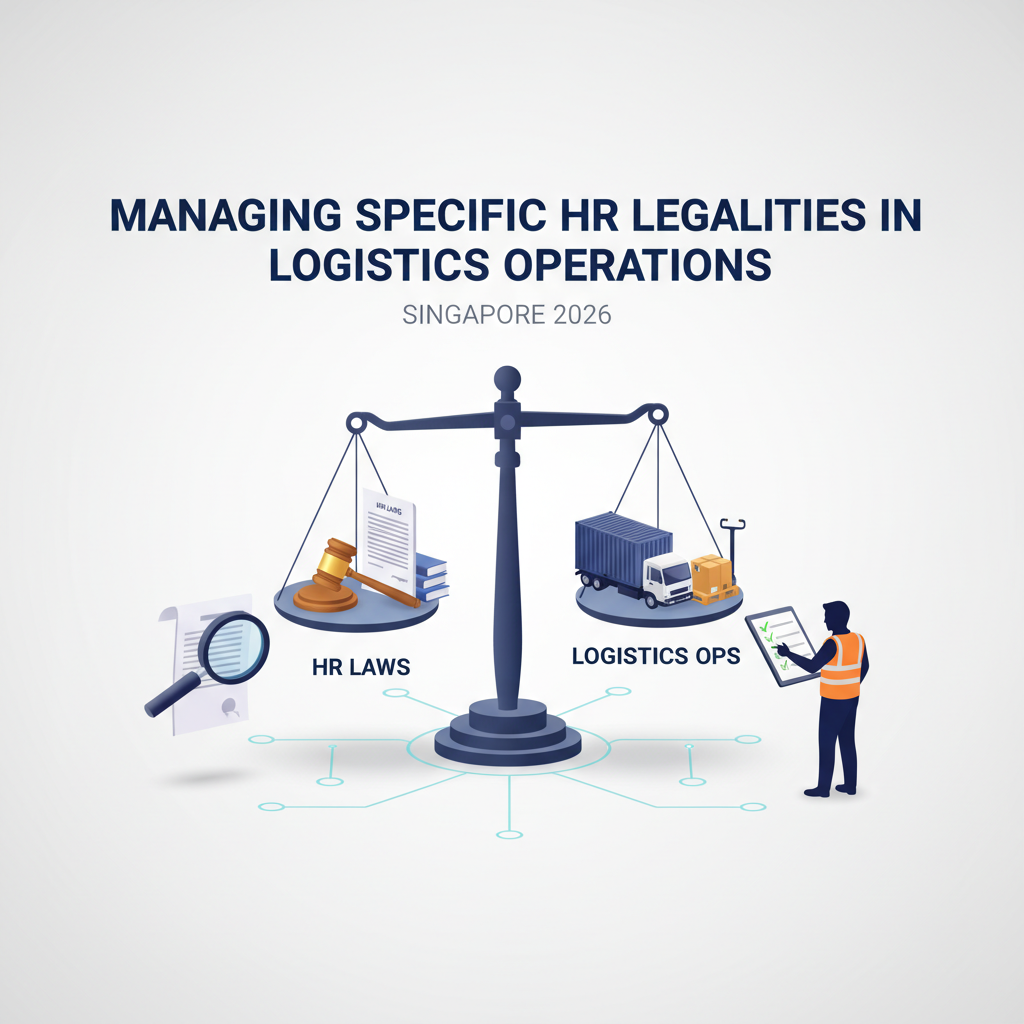
Navigating the complex landscape of human resources legalities is paramount for any successful logistics operation in Singapore. This section addresses common, sector-specific legal challenges, including foreign worker management, rigorous workplace safety protocols, and effective dispute resolution mechanisms. Adherence to Legal HR terms & conditions for logistics field in Singapore is not just about compliance; it’s about fostering a stable, productive, and secure work environment while mitigating significant legal and financial risks. Understanding these nuances is crucial for sustained operational efficiency and reputation in the highly competitive logistics sector.
1. Foreign Worker Quotas and Regulatory Compliance
Singapore’s logistics sector, like many other industries, often relies on a diverse workforce, including a significant proportion of foreign workers. Managing these employees requires strict adherence to the Ministry of Manpower (MOM) regulations concerning foreign worker quotas, known as the Dependency Ratio Ceiling (DRC), and levies. The DRC limits the proportion of foreign workers a company can employ, varying by sector and type of work pass. Logistics firms must diligently monitor their foreign worker headcount to stay within these prescribed limits, as exceeding them can result in substantial penalties, including fines and the inability to renew existing work permits or apply for new ones.
Furthermore, understanding the specific requirements for different work passes – such as Work Permits for semi-skilled workers and S Passes for mid-skilled employees – is critical. Each pass type has distinct eligibility criteria, salary thresholds, and levy rates. Employers must ensure proper documentation, timely application, and renewal of these passes, along with providing suitable accommodation and fair employment terms as stipulated by law. Negligence in any of these areas can lead to severe repercussions, including legal actions, reputation damage, and operational disruptions. For the most up-to-date information on foreign worker policies and regulations, employers should always consult the official Ministry of Manpower website, ensuring their compliance strategies are always current and robust.
2. Workplace Safety & Health Act (WSHA) for Logistics Operations
The Workplace Safety and Health Act (WSHA) is a cornerstone of workplace safety in Singapore, holding employers accountable for ensuring a safe and healthy environment for all employees. For logistics operations, this is particularly critical given the inherent risks associated with warehousing, material handling, transportation, and operating heavy machinery. Companies in this field must implement robust safety management systems that identify, assess, and mitigate risks effectively. This includes conducting thorough risk assessments for all operational processes, from forklift operations and loading/unloading cargo to managing hazardous materials and driver safety.
Employers are mandated to provide adequate safety training, proper personal protective equipment (PPE), and clear safe work procedures. This extends to ensuring machinery is well-maintained and regularly inspected, emergency protocols are in place and rehearsed, and employees are competent to perform their tasks safely. Proactive measures, such as regular safety audits and encouraging a strong safety culture, are vital. Non-compliance with WSHA can lead to serious consequences, including hefty fines, imprisonment for individuals, and significant reputational damage. More importantly, it can result in severe injuries or fatalities among staff, highlighting the absolute necessity for prioritizing Logistics workplace safety Singapore to protect both personnel and the business’s long-term viability.
3. Disciplinary Procedures, Termination, and Dispute Resolution
Effective management of HR legalities in logistics also encompasses the establishment of fair, transparent, and legally compliant disciplinary procedures, termination protocols, and dispute resolution mechanisms. A clear disciplinary framework, outlined in employment contracts and company handbooks, ensures that employees understand expected conduct and the consequences of breaches. Any disciplinary action, from verbal warnings to dismissal, must be conducted fairly, with due process, and supported by evidence to prevent claims of wrongful dismissal.
Termination of employment, whether initiated by the employer or employee, must adhere to statutory requirements regarding notice periods and severance pay, where applicable. For “just cause” dismissals (e.g., misconduct), employers must conduct thorough investigations and provide employees with the opportunity to be heard. Failure to follow proper procedures can expose companies to costly legal challenges at the Tripartite Alliance for Dispute Management (TADM) or the Employment Claims Tribunals (ECT).
Beyond individual cases, having robust dispute resolution mechanisms is essential for maintaining harmonious industrial relations. This can involve internal grievance procedures, mediation, or, if necessary, external arbitration. Proactive communication and fostering an open culture can often prevent minor disagreements from escalating into significant disputes. Adhering to these principles not only upholds legal compliance but also builds trust, reduces employee turnover, and maintains productivity, underscoring their importance within the broader framework of Legal HR terms & conditions for logistics field in singapore.
Emerging Trends & Compliance Updates for 2026
The landscape of Human Resources in Singapore’s logistics sector is undergoing rapid transformation, driven by technological advancements, evolving workforce expectations, and a proactive regulatory environment. As we look towards 2026, HR professionals in logistics must anticipate and adapt to these shifts to ensure operational efficiency, talent retention, and robust compliance. Staying ahead requires a deep understanding of anticipated legislative changes, the pervasive impact of digitalization, and the increasing emphasis on sustainable practices. This section delves into these critical areas, providing insights into the Legal HR terms & conditions for logistics field in singapore that will define best practices in the coming years.
1.
Anticipated Legislative Changes Impacting Logistics HR
Singapore’s Ministry of Manpower (MOM) consistently reviews and updates employment legislation to create a fair, progressive, and productive workforce. For 2026, several legislative trends are likely to mature, directly influencing HR strategies in the logistics sector. A key area concerns the formalization of flexible work arrangements. With the success and demand for hybrid and remote models post-pandemic, we anticipate stricter guidelines or even mandatory frameworks for employers to consider and grant flexible work requests, building upon existing tripartite guidelines. The logistics sector, traditionally reliant on fixed schedules, will need to innovate how roles can be adapted to embrace flexibility without compromising operational demands.
Furthermore, enhancements to the Employment Act may focus on strengthening protections for gig workers and contract staff, a significant segment in the logistics ecosystem. This could involve clearer definitions of employment, benefits portability, and dispute resolution mechanisms. Companies must review their engagement models for independent contractors to ensure compliance with evolving definitions of employment relationships. Wage policies, particularly for lower-wage workers, may also see adjustments, reflecting ongoing efforts to ensure decent living wages and bridge income gaps. HR departments should conduct proactive audits of their remuneration structures to align with potential future minimum wage or progressive wage model expansions. Keeping abreast of these developments is crucial for maintaining compliance with evolving employment standards, including the Tripartite Guidelines on Flexible Work Arrangements, ensuring that all legal HR terms & conditions for the logistics field in Singapore remain current and compliant.
2.
Impact of Digitalization & Automation on Workforce Regulations
Digitalization and automation are not future concepts but present realities rapidly reshaping the logistics workforce. From AI-driven warehouse management systems and autonomous vehicles to sophisticated data analytics for route optimization, technology is transforming job roles and creating new demands on HR. For 2026, HR in logistics will grapple with regulatory implications surrounding job displacement, reskilling initiatives, and data privacy. As automation takes over repetitive tasks, the emphasis shifts towards higher-value roles requiring critical thinking, problem-solving, and technological proficiency. This necessitates significant investment in upskilling and reskilling programs, often supported by government grants like those from Workforce Singapore (WSG).
Regulations around employee data privacy will become even more stringent with increased surveillance capabilities and data collection by automated systems. Companies must ensure their data handling practices comply with the Personal Data Protection Act (PDPA) and any sector-specific guidelines, especially concerning employee monitoring, performance tracking, and the use of AI in HR processes like recruitment and performance appraisals. Furthermore, the ethical deployment of AI in workforce management will likely come under scrutiny, requiring transparent policies and grievance mechanisms. HR must develop robust frameworks for managing a hybrid workforce of humans and machines, ensuring fair labor practices and psychological safety. Understanding the evolving Legal HR terms & conditions for logistics field in Singapore in this digital age is paramount for seamless integration of technology and human capital.
3.
ESG Considerations and Sustainable HR Practices in Logistics
Environmental, Social, and Governance (ESG) factors are moving from niche concerns to core business imperatives, and HR plays a pivotal role in driving sustainable practices within the logistics sector. By 2026, expectations for logistics companies to demonstrate strong ESG credentials will intensify, influenced by investor demands, consumer preferences, and global sustainability goals. In terms of the ‘E’ (Environmental), HR can contribute by promoting green logistics initiatives, such as training for eco-driving techniques, managing workforce participation in waste reduction programs, and encouraging sustainable commuting options. This includes aligning HR policies with the company’s broader environmental commitments.
The ‘S’ (Social) aspect of ESG is deeply embedded in HR’s mandate. This involves fostering a diverse and inclusive workplace, ensuring fair labor practices across the supply chain, prioritizing employee well-being and safety, and investing in continuous learning and development. Companies will need robust policies on anti-discrimination, harassment, and equitable opportunities, alongside comprehensive mental health and wellness programs for a demanding logistics environment. The ‘G’ (Governance) dimension requires ethical leadership, transparency in HR operations, and strong compliance frameworks. This includes reporting on workforce diversity, gender pay equity, and labor standards, often becoming part of annual sustainability reports. Integrating ESG into talent acquisition, performance management, and reward systems will not only attract socially conscious talent but also build a resilient and responsible workforce, reinforcing the company’s commitment to ethical and sustainable operations in the long run.
Best Practices for Robust HR Legal Compliance
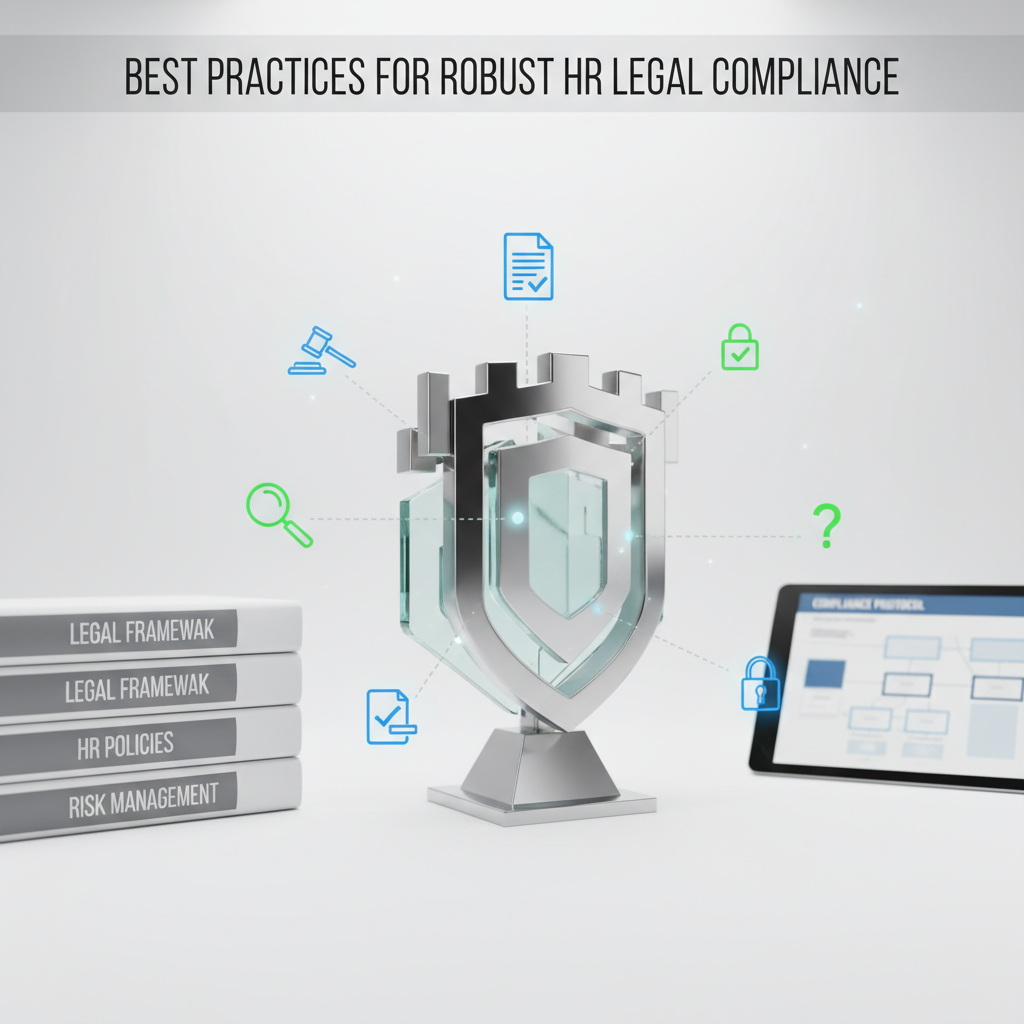
Ensuring robust HR legal compliance is not merely a regulatory obligation but a strategic imperative for logistics companies operating in Singapore. The dynamic nature of the logistics sector, coupled with Singapore’s stringent employment laws, necessitates a proactive and systematic approach to HR management. This section provides actionable advice and strategic guidance for logistics companies to ensure ongoing legal compliance, mitigate risks, and foster a legally sound workplace, particularly concerning Legal HR terms & conditions for logistics field in singapore.
A strong compliance framework protects the company from costly penalties, reputational damage, and labor disputes, while simultaneously building trust and ensuring fair treatment for employees. By adopting best practices, logistics firms can navigate the complexities of Singapore employment law compliance with confidence, fostering an environment where both business objectives and employee rights are upheld.
-
Conducting Regular HR Audits and Legal Health Checks
Regular HR audits are the cornerstone of proactive compliance. These comprehensive reviews help identify potential vulnerabilities and non-compliance issues before they escalate into significant problems. For logistics companies, such audits should meticulously examine several key areas:
- Employment Contracts and Agreements: Verify that all employment contracts, particularly for drivers, warehouse staff, and operational personnel, comply with Singapore’s Employment Act, covering aspects like working hours, overtime pay, leave entitlements, and termination clauses. Ensure clarity on job scopes and responsibilities unique to the logistics environment.
- Payroll and Compensation: Scrutinize payroll processes for accuracy, timeliness, and adherence to minimum wage requirements (if applicable to foreign workers), CPF contributions, and proper calculation of overtime and public holiday pay.
- Workplace Safety and Health (WSH): Given the inherent risks in logistics, audits must ensure compliance with WSH Act regulations, including risk assessments, safety training, provision of personal protective equipment (PPE), and incident reporting protocols.
- Data Protection: Review practices for handling employee personal data, ensuring compliance with the Personal Data Protection Act (PDPA), especially concerning recruitment, performance management, and data storage.
- Policies and Handbooks: Ensure that employee handbooks and company policies (e.g., disciplinary procedures, grievance handling, anti-harassment policies) are up-to-date, clearly communicated, and legally compliant.
Engaging external legal counsel or HR consultants for periodic “legal health checks” can provide an objective assessment and specialized expertise in identifying nuanced compliance gaps specific to the logistics sector. This practice is crucial for effective HR risk mitigation logistics.
-
Employee Training & Awareness Programs for Compliance
A legally sound workplace isn’t just about policies; it’s about people understanding and adhering to them. Comprehensive employee training and awareness programs are vital for fostering a culture of compliance and significantly contribute to HR risk mitigation logistics.
These programs should be tailored to different employee levels and cover critical compliance areas:
- General Employment Law: Educate all employees, especially managers and supervisors, on fundamental aspects of the Employment Act, fair employment practices, and what constitutes acceptable workplace conduct.
- Workplace Safety and Health: Regular training on WSH procedures, emergency response, and safe operation of equipment is non-negotiable for logistics staff. This includes specific training for drivers on road safety regulations and proper cargo handling.
- Anti-Harassment and Discrimination: Ensure employees understand company policies against harassment and discrimination, how to report incidents, and the importance of a respectful workplace.
- Data Protection: Train staff on their responsibilities in handling personal and confidential company data in compliance with the PDPA.
- Code of Conduct and Ethics: Reinforce the company’s values and ethical standards, outlining expectations for professional behavior and conflict of interest.
Training should be ongoing, utilizing various formats like e-learning modules, workshops, and regular briefings to ensure high engagement and retention. Regular refreshers are essential to keep pace with evolving legal landscapes, particularly concerning new rulings or amendments in Singapore employment law compliance.
-
Leveraging Technology for Efficient HR Compliance Management
In today’s fast-paced environment, technology offers powerful solutions to streamline HR operations and bolster compliance efforts. For logistics companies managing diverse workforces across various locations, leveraging HR tech can significantly enhance efficiency and accuracy.
Key technological tools include:
- Human Resources Information Systems (HRIS): An integrated HRIS can automate record-keeping for employee data, attendance, leave management, and performance reviews. This centralizes information, reduces manual errors, and provides quick access for audits.
- Payroll Software: Specialized payroll systems ensure accurate and timely salary processing, CPF contributions, and tax reporting, staying updated with regulatory changes.
- Compliance Management Platforms: These tools can track regulatory changes, manage policy acknowledgments, schedule training, and generate compliance reports, providing a holistic view of the company’s adherence to various legal requirements.
- E-learning Platforms: Digital learning management systems (LMS) facilitate scalable and consistent delivery of compliance training, tracking employee progress and certifications.
By digitizing HR processes, logistics firms can minimize human error, ensure consistency, and maintain comprehensive audit trails, which are invaluable during inspections or disputes. This digital transformation strengthens adherence to Legal HR terms & conditions for logistics field in singapore and allows HR teams to focus more on strategic initiatives rather than administrative burdens.
Embracing these best practices—regular audits, continuous training, and strategic technological integration—will not only ensure robust HR legal compliance but also cultivate a fair, transparent, and resilient workplace environment, critical for long-term success in Singapore’s competitive logistics landscape.
Partner with Shelby Global
You are looking for reliable HR Sevice Suppliers? Contact Shelby Global Now! To connect with verified talents and upgrade your orginization.
—————————————
References
– WSH Guidelines & Standards – Workplace Safety and Health Council: https://www.tal.sg/wshc/resources/guidelines-standards
– Key Employment Terms (KETs): https://www.mom.gov.sg/employment-practices/key-employment-terms
– Ministry of Manpower website: https://www.mom.gov.sg/passes-and-permits
– Tripartite Guidelines on Flexible Work Arrangements: https://www.mom.gov.sg/employment-practices/tripartite-guidelines/tripartite-guidelines-on-flexible-work-arrangements
– Singapore employment law compliance: https://www.mom.gov.sg/employment-practices/employment-act



































































































