Understanding Singapore’s Production Landscape & Salary Drivers
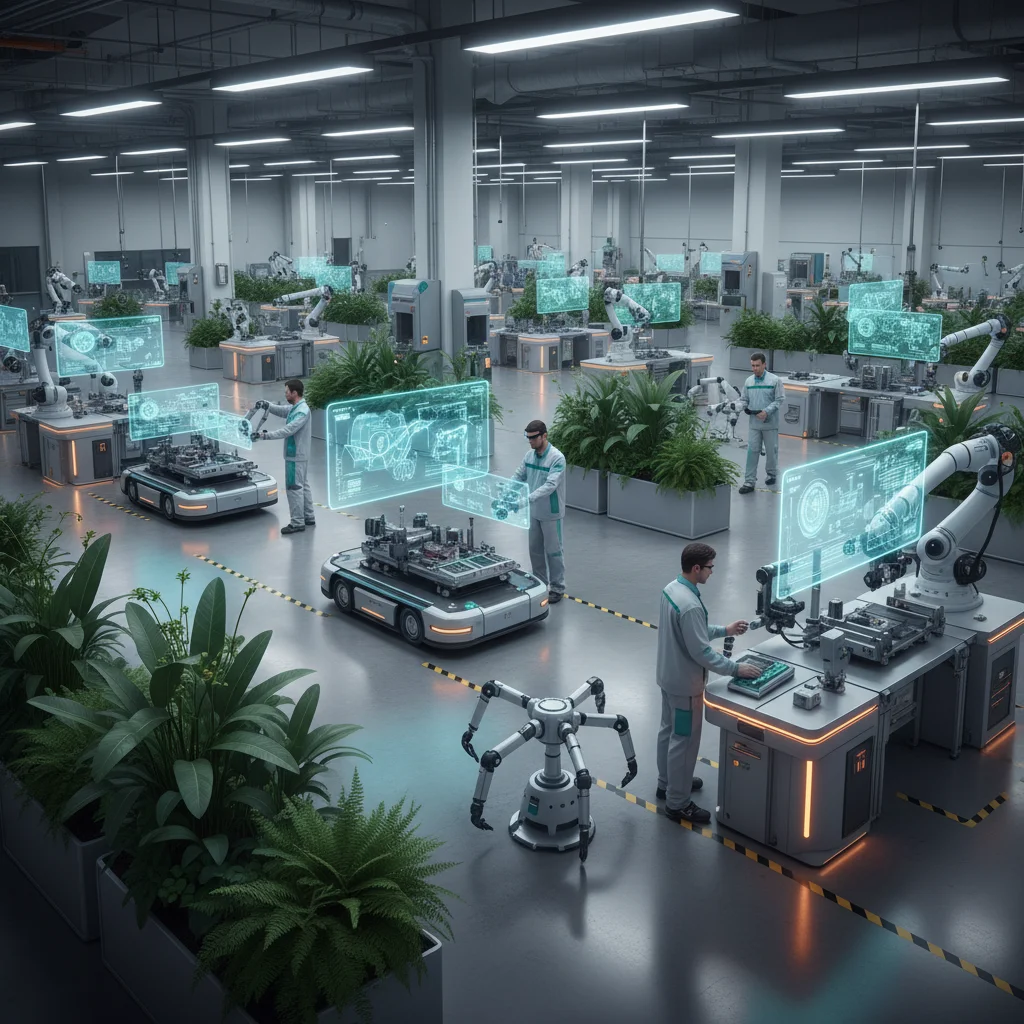
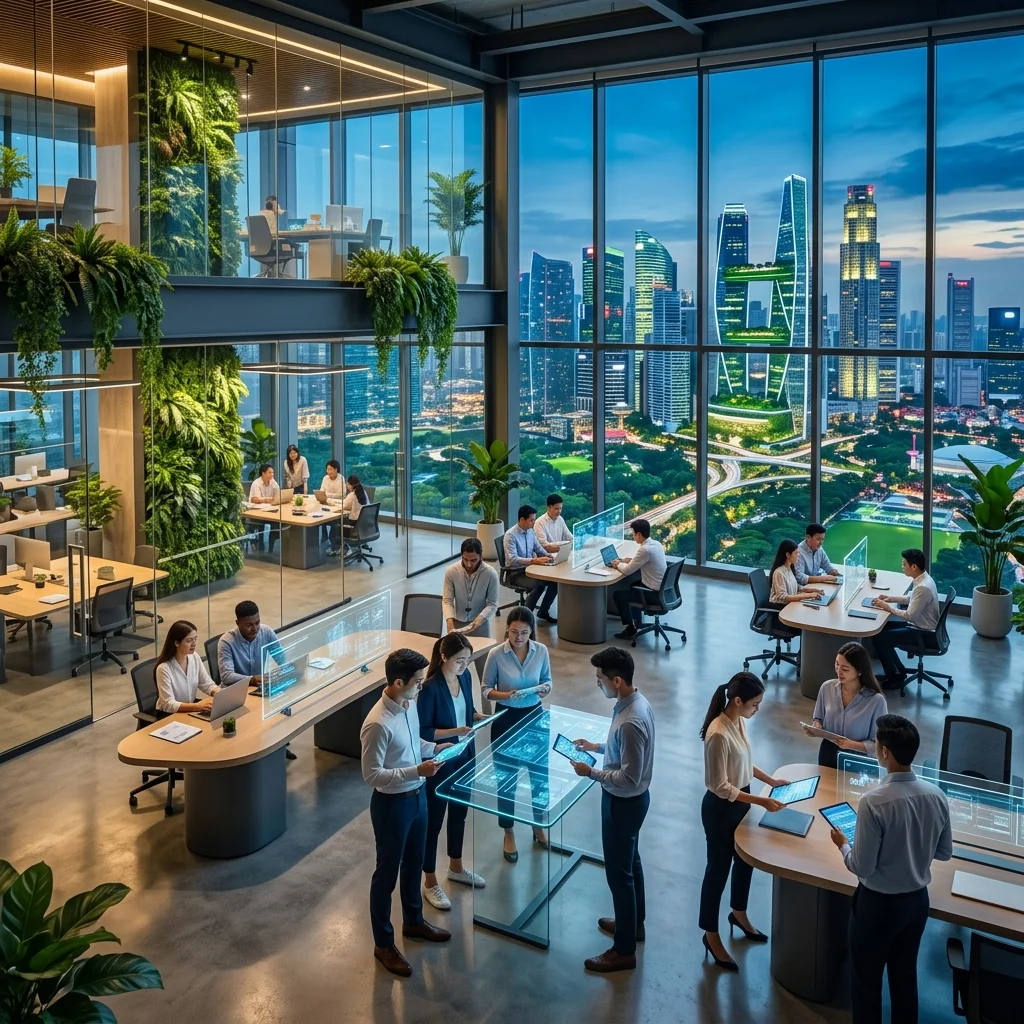
Singapore, a global hub for innovation and advanced manufacturing, boasts a dynamic and highly sophisticated production sector. This vital industry underpins the nation’s economic prosperity, continually evolving to embrace cutting-cutting-edge technologies and high-value activities. For professionals seeking to navigate this intricate landscape, understanding the forces that shape salaries is paramount. This section will set the stage by providing an overview of Singapore’s production sector and delving into the key factors that influence salary levels across various roles, from factory floor to senior management, offering insights into the broader salary range report of jobs in production field in singapore.

1. Overview of Singapore’s Manufacturing Sector Growth
Singapore’s manufacturing sector has been a cornerstone of its economic development, transforming from traditional industries to a powerhouse of advanced manufacturing. The nation has strategically pivoted towards high-tech and knowledge-intensive industries, including electronics, chemicals, biomedical sciences, precision engineering, and aerospace. This strategic focus has led to a resilient and robust manufacturing sector, consistently attracting significant foreign direct investments and fostering local innovation. According to the Economic Development Board (EDB), Singapore continues to strengthen its position as a global manufacturing hub, driving demand for skilled talent across various advanced manufacturing jobs. This sustained growth trajectory directly impacts the demand for production professionals, from process engineers and quality assurance specialists to supply chain managers, influencing the overall production engineer salary and manufacturing sector jobs pay across the island. The continuous evolution towards Industry 4.0 technologies, automation, and smart factory initiatives means there’s a constant need for upskilling and a competitive edge in securing higher-paying roles within this thriving sector.
2. Key Factors Influencing Production Salaries (Experience, Skills, Company Size)
Salaries within Singapore’s production field are not monolithic; they are shaped by a confluence of critical factors. Foremost among these is experience. Entry-level positions for fresh graduates will naturally command a different salary range compared to seasoned professionals with 5-10 years of experience, particularly for roles like a senior production manager or principal engineer. The depth and breadth of one’s experience in specific manufacturing processes or project management significantly elevate earning potential.
Skills are another crucial determinant. With Singapore’s push for high-value manufacturing, niche and in-demand skills command premium wages. Expertise in areas such as industrial automation, data analytics for production optimization, lean manufacturing methodologies, advanced robotics, artificial intelligence (AI) in manufacturing, and cybersecurity for operational technology (OT) systems can significantly boost a professional’s production engineer salary. Certifications in Six Sigma, Project Management Professional (PMP), or specific software proficiencies also add considerable value. Professionals with these specialized capabilities often find themselves in roles with higher logistics salaries Singapore and attractive supply chain management wages.
Finally, company size and type play a substantial role. Multinational Corporations (MNCs) often offer more competitive salary packages, comprehensive benefits, and clearer career progression paths compared to many Small and Medium Enterprises (SMEs). However, innovative local SMEs, particularly those in high-growth niches, can also offer attractive compensation and unique growth opportunities. The specific industry segment (e.g., aerospace vs. food manufacturing) can also lead to variations in factory worker pay and other skilled production jobs compensation due to differing profit margins and technological complexities.
3. Impact of Economic Trends and Government Policies on Wages
The economic climate and prevailing government policies wield significant influence over production field salaries in Singapore. Global economic trends, such as shifts in demand for manufactured goods, commodity prices, and geopolitical stability, can directly impact industry profitability and, consequently, wage growth. During periods of economic expansion, companies are more likely to invest in talent, leading to upward pressure on salaries. Conversely, economic downturns can lead to wage freezes or more conservative remuneration packages.
The Singaporean government’s proactive approach to economic planning and workforce development also plays a crucial role. Initiatives like SkillsFuture, which encourage lifelong learning and upskilling, aim to ensure the workforce remains relevant and highly productive. These programs indirectly support higher wages by enhancing the capabilities of the labor pool, making Singaporean workers more competitive and valuable. Policies related to foreign worker quotas and local talent development also influence the supply-demand dynamics for various manufacturing wages and jobs, subtly shaping remuneration expectations. Furthermore, government grants and incentives for productivity enhancement and technology adoption often lead to more efficient operations, allowing companies to potentially offer better compensation to their highly skilled workforce. Staying informed about these trends and policies is essential for both employers and job seekers in understanding the trajectory of salary range report of jobs in production field in singapore.
Deep Dive into Manufacturing Jobs Singapore Salary Ranges
Description: This section will focus on the salary expectations for various roles within general manufacturing, from technicians to engineers.
Singapore’s manufacturing sector remains a cornerstone of its economy, characterized by advanced technology and a strong drive towards Industry 4.0. This dynamic environment creates a robust demand for skilled professionals across various roles. Understanding the salary range report of jobs in production field in Singapore is crucial for both job seekers planning careers and employers aiming to attract top talent. This deep dive will explore typical salary expectations for key manufacturing positions, offering insights into what one can earn in this vital industry.
1. Production Technician Salary Breakdown by Experience
Production technicians are the backbone of any manufacturing operation, responsible for operating, maintaining, and troubleshooting machinery. Their salaries in Singapore vary significantly based on experience, skills, and the complexity of the manufacturing environment.
- Entry-Level (0-2 years experience): New graduates or those with minimal experience can expect to earn an average monthly salary ranging from SGD 2,000 to SGD 2,800. Roles might include junior technician or process assistant.
- Mid-Career (3-7 years experience): With a few years under their belt, gaining specialized skills in areas like automation or CNC operation, technicians can command higher wages. Their monthly salaries typically fall between SGD 2,800 and SGD 4,000. These professionals often take on more complex tasks or specialize in specific equipment maintenance.
- Senior/Lead Technician (8+ years experience): Highly experienced technicians with deep technical knowledge and problem-solving abilities can earn from SGD 4,000 to SGD 6,000 per month, or even higher depending on the industry (e.g., aerospace, semiconductor). They are often pivotal in training junior staff and optimizing production lines. Factors like certifications and specific industry experience significantly influence the production technician salary Singapore.
2. Average Production Engineer Salary in Singapore
Production engineers play a critical role in designing, optimizing, and managing manufacturing processes to ensure efficiency, quality, and cost-effectiveness. Their contributions are vital for innovation and continuous improvement. The production engineer salary Singapore reflects the demand for analytical and problem-solving skills in this sophisticated sector.
- Junior Production Engineer (0-3 years experience): Graduates with a Bachelor’s degree in Engineering (Mechanical, Electrical, Industrial, etc.) can expect starting salaries between SGD 3,000 and SGD 4,500 per month. They often assist in process analysis and basic project implementation.
- Experienced Production Engineer (4-8 years experience): With proven experience in process optimization or lean manufacturing, engineers can see their salaries rise to SGD 4,500 – SGD 7,000 monthly. At this level, they are typically responsible for specific production lines or implementing automation solutions.
- Senior/Principal Production Engineer (9+ years experience): Highly experienced engineers, often with advanced degrees or specialized certifications, who lead major projects or drive strategic process improvements, can earn SGD 7,000 to SGD 10,000+ per month. For broader insights into engineering salaries across various sectors in Singapore, consulting resources like the Hays Singapore Salary Guide can provide valuable context on current market rates for skilled professionals.
3. Skilled Operator vs. Unskilled Labor Wage Comparison
The distinction between skilled operators and unskilled labor is becoming increasingly pronounced in Singapore’s manufacturing landscape, directly impacting wage differentials. This comparison highlights the premium placed on specialized skills and technical proficiency.
- Unskilled Labor/General Workers: These roles typically involve basic manual tasks like simple assembly, packing, or general factory upkeep that require minimal training. Wages for factory worker pay Singapore in these categories are generally lower, often aligning with or slightly above the prevailing minimum wage equivalent for the sector. Monthly salaries might range from SGD 1,600 to SGD 2,200. These positions often face higher competition and are more susceptible to automation.
- Skilled Operators: In contrast, skilled operators possess specific technical expertise required to operate complex machinery (e.g., CNC machines, sophisticated robotics) or perform intricate tasks in precision industries. These roles demand certifications, vocational training, and hands-on experience. The skilled manufacturing operator wages Singapore are significantly higher, typically ranging from SGD 2,500 to SGD 4,500 per month, depending on the complexity of the machinery and the industry (e.g., semiconductor, aerospace manufacturing roles often pay more).
The push for advanced manufacturing and Industry 4.0 initiatives in Singapore means that demand for skilled operators with digital literacy and troubleshooting capabilities will continue to grow, further widening the wage gap with unskilled labor. This trend underscores the importance of continuous learning and upskilling for sustainable career growth in the manufacturing job salaries Singapore market.
Conclusion:
Singapore’s manufacturing sector offers diverse and rewarding career paths, with salaries reflecting experience, specialized skills, and the dynamic nature of the industry. From essential production technicians to innovative production engineers, and the increasingly vital skilled operators, a clear trajectory for earning potential exists. As the sector continues to evolve with technological advancements, continuous learning and adaptation to new skills will be key for professionals looking to maximize their earning potential and contribute to Singapore’s position as a global manufacturing hub. Understanding these benchmarks empowers both job seekers and employers in navigating the competitive landscape of salary range report of jobs in production field in Singapore.
Specialized Roles: Production Manager & Automation Engineer Salaries
This section will explore the higher-tier salaries for critical specialized roles like production managers and the increasingly vital automation engineers, offering insights into their earning potential in Singapore’s dynamic manufacturing landscape.
Singapore’s robust and ever-evolving manufacturing sector, a cornerstone of its economy, increasingly relies on highly specialized professionals to drive efficiency, innovation, and quality. As the nation embraces Industry 4.0, the demand for skilled talent in critical roles such as Production Managers, Automation Engineers, and Quality Assurance & Control Managers has surged. These positions not only command significant responsibility but also offer competitive remuneration, reflecting their strategic importance. This deep dive into the salary landscape for these high-demand roles provides insights into earning potential and factors influencing compensation within Singapore’s production field.
-
Production Manager Salary Singapore: Entry to Senior Levels
Production Managers are the linchpins of any manufacturing operation, overseeing the entire production process to ensure efficiency, cost-effectiveness, and timely delivery. Their responsibilities span resource allocation, process optimization, team management, and adherence to safety and quality standards. In Singapore, a Production Manager’s salary varies significantly based on experience, company size, and industry.
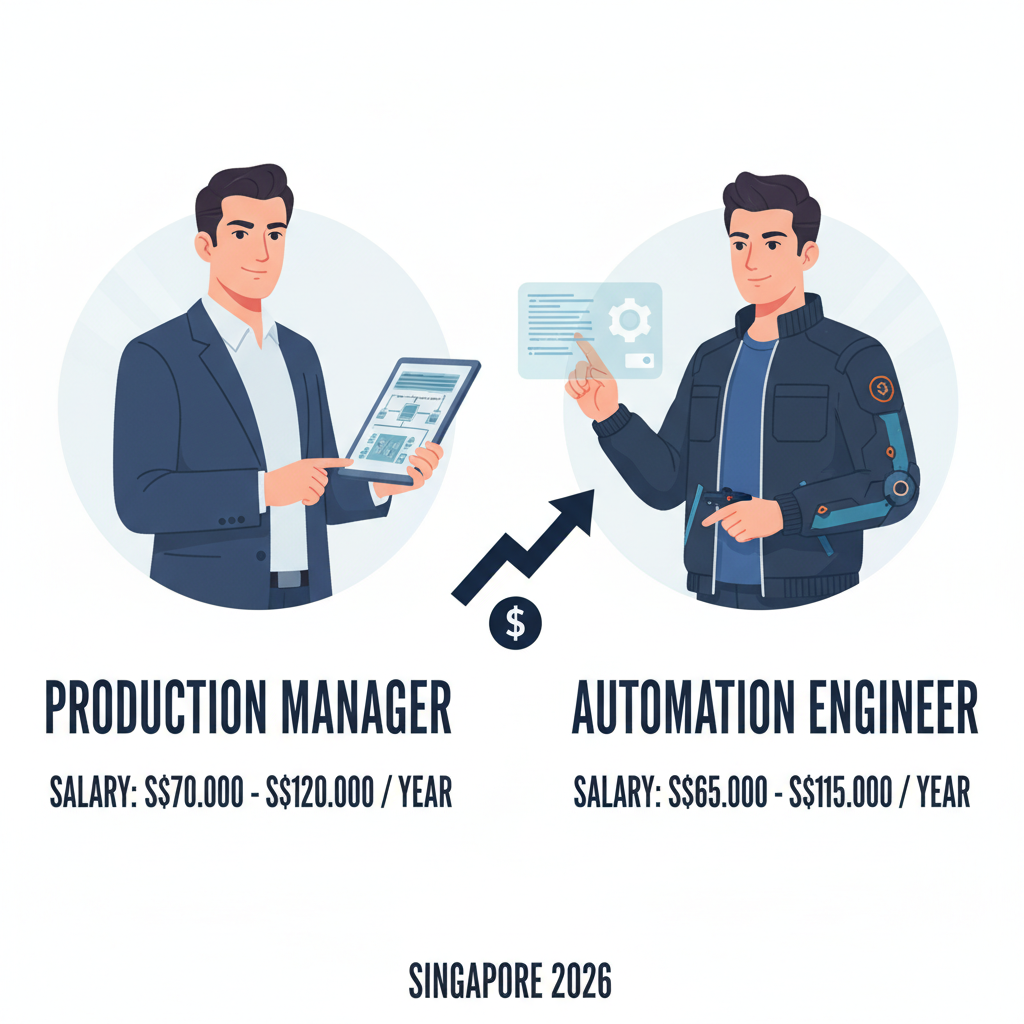
An entry-level Production Manager (2-4 years of experience) might expect S$4,500 to S$6,500 per month. A mid-career Production Manager (5-10 years of experience), often managing larger teams or more complex lines, typically commands S$7,000 to S$10,000 monthly. For senior-level Production Managers (10-15+ years), salaries can range from S$11,000 to S$18,000 or higher, particularly in multinational corporations or high-value industries like aerospace or pharmaceuticals. Factors such as Six Sigma certification or Lean manufacturing experience can further boost compensation. Understanding the broader salary range report of jobs in production field in singapore reveals this role consistently ranks among the higher-paying positions due to its direct impact on productivity and profitability.
-
Automation Engineer Salary Expectations: Skills and Industry Impact
Industry 4.0 has made Automation Engineers indispensable to Singapore’s manufacturing future. These professionals design, implement, maintain, and troubleshoot automated systems and robotics, optimizing production lines for speed, precision, and safety. Their expertise in PLCs, HMIs, robotics, AI, and IoT is highly sought after. Consequently, automation jobs Singapore are witnessing a significant salary premium.
For an entry-level Automation Engineer (1-3 years experience), a typical monthly salary in Singapore falls between S$4,000 and S$6,000. As they gain proficiency in complex automation, mid-career Automation Engineers (3-7 years experience) can expect S$6,500 to S$9,500. Highly experienced Senior Automation Engineers (8+ years), specializing in cutting-edge areas, often earn from S$10,000 to S$15,000 per month, with some leading teams potentially exceeding this. The impact of their skills on efficiency and competitive advantage means engineering salaries Singapore for automation specialists are among the highest, reflecting their critical role. For more insights into the latest salary trends in Singapore, external reports often highlight growth in tech-related manufacturing salaries Singapore.
-
Quality Assurance & Control Manager Salary Insights
Maintaining stringent quality standards is paramount in Singapore’s competitive global market. Quality Assurance (QA) & Control Managers develop, implement, and manage quality management systems, ensuring products meet internal and external regulatory standards. This role is crucial in sectors like pharmaceuticals, biomedical sciences, electronics, and food manufacturing.
An entry-level Quality Assurance Manager (3-5 years experience) might start at S$5,000 to S$7,500 per month. Those with substantial experience (6-10 years) in implementing ISO standards, conducting audits, and leading quality improvement initiatives can expect S$8,000 to S$12,000 monthly. Senior Quality Assurance & Control Managers or Directors, with extensive experience and a proven track record, can command salaries upwards of S$13,000 to S$20,000 per month. Certifications such as ASQ CQM or Lean Six Sigma Black Belt are highly valued and can significantly enhance earning potential. The demand for skilled professionals in quality assurance jobs Singapore remains consistently high, underpinning the premium placed on ensuring product excellence. These roles are fundamental to maintaining Singapore’s reputation for high-quality production jobs Singapore.
The compensation packages for these specialized roles in Singapore underscore the nation’s commitment to fostering a high-skill, high-value manufacturing ecosystem. As industries continue to evolve, professionals in Production Management, Automation Engineering, and Quality Assurance & Control will remain vital, with their expertise being directly correlated to increasingly attractive manufacturing salaries Singapore. Staying abreast of these salary range report of jobs in production field in singapore is essential for both employers and professionals.
Entry-Level Production Jobs Singapore Pay & Career Pathways
Singapore’s manufacturing and production sector remains a pivotal pillar of its economy, constantly evolving with advancements in automation, Industry 4.0, and high-tech processes. For new entrants, this dynamic landscape presents a wealth of opportunities, from hands-on roles on the factory floor to positions in quality control and process optimization. Understanding the typical entry-level salaries and the potential career progression is crucial for anyone looking to embark on a fulfilling journey in this field. This section provides a detailed look at what fresh graduates and new job seekers can expect in terms of remuneration and long-term career growth within Singapore’s vibrant production industry.
1. Typical Starting Salaries for Fresh Graduates in Production
For fresh graduates, especially those from ITE or polytechnics, entering the production field often involves roles such as Production Operator, Manufacturing Technician, or Junior Quality Control Inspector. These roles are fundamental to the operational success of any manufacturing plant, ensuring smooth processes and adherence to quality standards. The manufacturing technician salary for a diploma holder can typically range from S$2,200 to S$2,800 per month. Those in production operator jobs, particularly those involving shift work or specialized machinery, might see starting salaries from S$1,800 to S$2,400, often supplemented by shift allowances and overtime pay.
University graduates, particularly those with degrees in Engineering (Mechanical, Electrical, Chemical, Industrial) or related sciences, often start in roles like Junior Production Engineer, Process Engineer, or Assistant R&D Engineer. The starting production engineer salary for a fresh university graduate typically falls within the range of S$3,000 to S$4,000 per month, depending on the specific industry (e.g., pharmaceuticals, aerospace, electronics), company size, and individual qualifications. Companies in high-demand sectors or those with advanced technological operations may offer more competitive packages. These figures provide a general overview, but for a comprehensive understanding of current market rates, consulting a detailed salary range report of jobs in production field in singapore is highly recommended.
2. Apprenticeship and Traineeship Programs: Pay and Opportunities
Recognizing the importance of practical skills and industry exposure, many companies and government agencies in Singapore offer structured apprenticeship and traineeship programs. These initiatives are invaluable for new entrants, providing a direct pathway into the industry with hands-on training and mentorship. Programs like the Career Roadmap for the Manufacturing Sector by MyCareersFuture often include structured on-the-job training, classroom learning, and opportunities to gain industry-recognized certifications.
For individuals undertaking an apprenticeship Singapore, the remuneration typically takes the form of a monthly allowance or a trainee salary. While lower than a full-fledged entry-level position, these programs offer immense value through skill development and a guaranteed job placement upon successful completion. Trainee salaries can range from S$1,500 to S$2,500, depending on the program’s duration, complexity, and the sponsoring company. These programs are particularly beneficial for ITE and polytechnic graduates, bridging the gap between academic learning and industry demands, and often lead directly into permanent roles as technicians or operators with significantly improved pay scales.
3. Career Progression from Entry-Level to Mid-Management
The production field in Singapore offers a clear and rewarding career path manufacturing professionals can follow. An entry-level production operator or technician can, with experience and continuous learning, progress to more supervisory and managerial roles. A typical progression might look like this:
- Entry-Level (0-3 years experience): Production Operator, Manufacturing Technician, Junior QA/QC Inspector.
- Junior Supervisor/Team Lead (3-6 years experience): With demonstrated leadership and problem-solving skills, individuals can advance to roles like Production Team Leader or Senior Technician, overseeing small teams and specific production lines. Salaries in this stage can range from S$3,000 to S$4,500.
- Supervisor/Assistant Manager (6-10 years experience): Further progression leads to roles such as Production Supervisor, Assistant Production Manager, or Process Engineer. These positions involve managing larger teams, optimizing production processes, and contributing to strategic planning. Salaries can move into the S$4,500 to S$6,500 range.
- Mid-Management (10+ years experience): Experienced professionals can ascend to Mid-Management positions like Production Manager, Operations Manager, or Senior Process Engineer. These roles demand strong leadership, strategic thinking, and a comprehensive understanding of the entire production ecosystem. Salaries for mid-management positions typically start from S$6,500 and can go upwards of S$9,000, or even higher for specialized or senior roles in large multinational corporations.
Continuous learning, upskilling in areas like Lean Manufacturing, Six Sigma, automation, and data analytics, along with strong communication and leadership abilities, are key drivers for this progression. The production sector in Singapore values practical experience combined with a proactive approach to adopting new technologies and improving efficiency, making it an excellent field for long-term career growth.
The Future Outlook: Trends Affecting Production Salaries in 2026 & Beyond
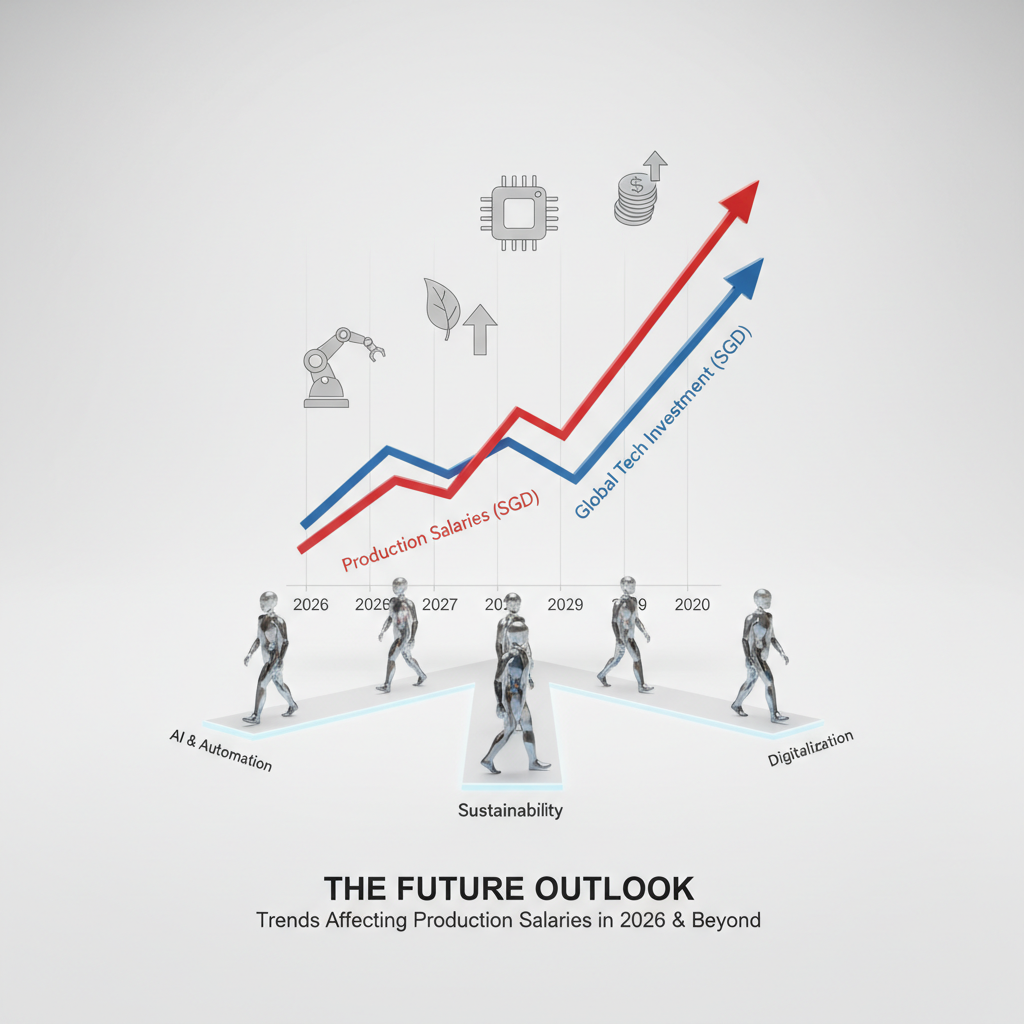
The manufacturing landscape is undergoing a profound transformation, driven by technological advancements and shifting global priorities. For professionals in the production field, particularly in innovation hubs like Singapore, understanding these emerging trends is crucial for career planning and salary expectations. As we approach 2026 and look further into the future, several key megatrends are poised to reshape job roles and, consequently, the salary range report of jobs in production field in singapore. Digitalization, automation, and a strong emphasis on sustainability are not just buzzwords; they are fundamental forces that will redefine the value of skills in the production sector. This section will delve into these transformative trends and project their likely impact on the remuneration of production professionals, covering critical areas like digitalization production jobs and their associated compensation.
1. Impact of Industry 4.0 and Smart Manufacturing on Wages
The advent of Industry 4.0, characterized by the integration of cyber-physical systems, the Internet of Things (IoT), artificial intelligence (AI), and advanced robotics, is fundamentally altering manufacturing processes. In Singapore, a leading proponent of smart nation initiatives, this evolution is particularly rapid. Traditional production line roles are being automated, leading to a decreased demand for manual labor in repetitive tasks. Conversely, there’s an escalating need for highly skilled professionals capable of designing, managing, and maintaining these sophisticated systems.
For workers in advanced manufacturing, this translates into a premium on skills in data analytics, machine learning, robotics programming, cybersecurity, and predictive maintenance. Production engineers and technicians who can interpret complex data, optimize automated workflows, and troubleshoot high-tech equipment will command significantly higher wages. A recent study by the Economic Development Board (EDB) highlighted Singapore’s push towards high-value manufacturing, underscoring the demand for such specialized talent. As the adoption of smart factories accelerates, a clear bifurcation in Industry 4.0 salaries Singapore is expected: a potential plateau or even decline for low-skill positions, and substantial growth for those with sought-after digital and analytical competencies. The ability to adapt and acquire new skills will be paramount for securing competitive salaries and strong advanced manufacturing wages in this evolving environment.
2. Growth of Green Manufacturing and Sustainability Roles
The global imperative for sustainability is no longer a niche concern but a core strategic pillar for industries worldwide, including manufacturing. Green manufacturing, which focuses on minimizing environmental impact, conserving natural resources, and promoting energy efficiency, is creating entirely new job categories and elevating the importance of existing ones. Companies are increasingly investing in circular economy practices, renewable energy integration, and waste reduction technologies to meet environmental, social, and governance (ESG) targets and consumer demands.
This shift directly impacts green manufacturing jobs Singapore. Roles such as sustainability specialists, environmental compliance officers, green process engineers, and experts in renewable energy systems are seeing a surge in demand. These professionals are tasked with redesigning production processes to be more eco-friendly, implementing sustainable supply chain strategies, and ensuring adherence to increasingly stringent environmental regulations. The specialized knowledge and skills required for these roles, often encompassing environmental science, engineering, and policy, command higher remuneration. As sustainability becomes a competitive differentiator and a regulatory necessity, salaries for those driving these initiatives are projected to grow steadily, reflecting their strategic value to organizations aiming for long-term resilience and corporate responsibility.
3. Projected Demand for Logistics & Supply Chain Professionals
Global supply chains have faced unprecedented disruptions in recent years, from pandemics to geopolitical tensions, highlighting the critical need for resilience, efficiency, and agility. The rapid growth of e-commerce further adds complexity, demanding sophisticated logistics solutions, especially in densely populated urban centers like Singapore, a major regional logistics hub. These factors are fueling a significant and sustained demand for skilled logistics and supply chain professionals.
The future will see a particular emphasis on roles that leverage technology for optimization, risk management, and predictive analytics. Professionals in areas such as supply chain analytics, demand planning, inventory optimization, last-mile logistics, and global trade compliance will be highly sought after. Their ability to design robust, efficient, and technologically integrated supply chains that can withstand disruptions and adapt to rapid market changes will be invaluable. Consequently, supply chain salaries Singapore for these specialized roles are anticipated to experience upward pressure. Companies are willing to pay a premium for experts who can ensure smooth operations, reduce costs, and enhance customer satisfaction through effective supply chain management. This trend is further supported by Singapore’s strategic position as a logistics gateway, making it a critical location for talent development in this field. For a comprehensive look at specific remuneration expectations, refer to the latest salary range report of jobs in production field in singapore, which offers detailed insights into current market rates and future projections.
Partner with Shelby Global
You are looking for reliable HR Sevice Suppliers? Contact Shelby Global Now! To connect with verified talents and upgrade your orginization.
—————————————
References
– Singapore EDB Manufacturing Outlook: https://www.edb.gov.sg/en/news-and-events/insights/manufacturing-outlook.html
– Hays Singapore Salary Guide: https://www.hays.com.sg/salary-guide
– Hays Salary Guide Singapore: https://www.hays.com.sg/salary-guide
– Career Roadmap for the Manufacturing Sector by MyCareersFuture: https://www.mycareersfuture.gov.sg/career-roadmap/manufacturing
– World Economic Forum – The Future of Jobs Report 2023: https://www.weforum.org/reports/the-future-of-jobs-report-2023/