Laying the Foundation: Understanding Singapore’s HR Landscape for SMEs
For a fresh CEO entering the dynamic transportation field in Singapore, navigating the intricate human resources landscape can be a significant undertaking. This section provides an essential overview of the regulatory environment and general HR practices crucial for small to medium enterprises (SMEs) in Singapore’s transport sector. Establishing a robust HR framework from the outset is vital for sustainable growth, compliance, and effective workforce management. Understanding the core principles of a step-by-step guide to understanding SME HR structure is paramount for success, ensuring that your company adheres to local statutes while fostering a productive and engaged team. We’ll delve into key aspects that define Singapore HR compliance, address common SME HR challenges transport businesses face, and explore strategies for effective workforce retention strategies.

1. Key Employment Laws & Regulations (e.g., Employment Act, CPF)
The cornerstone of employment in Singapore is the Employment Act. This comprehensive legislation governs basic terms and conditions of employment for most employees, covering areas such as contracts, working hours, public holidays, annual leave, sick leave, and dismissal procedures. CEOs must familiarise themselves with its provisions to ensure fair and lawful practices. Beyond the Employment Act, the Central Provident Fund (CPF) is a mandatory social security savings scheme that employers and employees contribute to. Understanding accurate CPF contributions is crucial, as rates vary based on age and salary, and non-compliance can lead to severe penalties. For the transport sector, specific regulations under the Workplace Safety and Health Act (WSHA) are also critical, particularly concerning driver fatigue, vehicle maintenance, and safety protocols for logistics and warehousing staff. A deep understanding of these legal frameworks forms the bedrock of Employment Act Singapore adherence and overall HR compliance.
2. Common HR Challenges for Singaporean SMEs
Singaporean SMEs, particularly in the transport sector, often face unique HR hurdles. One significant challenge is talent acquisition Singapore. The industry requires skilled drivers, logistics coordinators, and technicians, roles that can be difficult to fill given the competitive labor market and an aging workforce. Attracting and retaining qualified personnel demands creative strategies beyond just competitive salaries, focusing on career development and a positive work environment. Another prevalent issue is managing staff turnover and implementing effective workforce retention strategies. The physical demands and irregular hours often associated with transport jobs can contribute to attrition, necessitating robust HR best practices SMEs can adopt, such as flexible work arrangements where feasible, training opportunities, and clear progression paths. Furthermore, many SMEs lack dedicated HR departments, meaning compliance and administrative tasks often fall to operations managers or even the CEO, adding to the operational burden.
3. Adapting to Local Labor Market Dynamics
Singapore’s labor market is characterized by its tight supply, high costs, and a strong emphasis on local employment. For transport SMEs, this means a careful balance between leveraging local talent and, where necessary, navigating foreign worker quotas and levies. Government initiatives like the Progressive Wage Model (PWM), which mandates salary increments tied to skills and productivity for certain sectors (including logistics and waste management), directly impact compensation strategies. CEOs must stay updated on these policies and invest in upskilling their local workforce to meet evolving industry standards and qualify for government support schemes. Embracing technology for fleet management, route optimization, and even HR processes can alleviate some of the labor intensity and improve efficiency. Adopting strong HR best practices SMEs need, such as continuous training, performance management, and employee welfare programs, will be vital for building a resilient and adaptive team capable of thriving in this dynamic environment.
Decoding the HR Structure: Roles, Responsibilities & Reporting
As a fresh CEO stepping into the dynamic world of transportation in Singapore, understanding your Human Resources (HR) structure is paramount. It’s not just about managing people; it’s about optimizing your most valuable asset to drive efficiency, compliance, and growth. This step-by-step guide is designed for the fresh CEO in the transportation field in Singapore, offering insights into typical HR functions, their place within the organizational chart, and strategic approaches to HR management. A robust HR framework is the backbone of any successful SME, ensuring smooth operations from driver recruitment to regulatory adherence.
-
Typical HR Functions in a Transport SME
In a Singaporean transportation SME, HR wears multiple hats, often acting as a generalist department responsible for a spectrum of critical functions. These include:
- Recruitment & Onboarding: This is crucial for transportation. Sourcing qualified drivers, logistics coordinators, and administrative staff is a constant challenge. HR handles job postings, screening, interviews, background checks, and ensuring a smooth onboarding process, especially vital for safety-sensitive roles like drivers.
- Payroll & Benefits Administration: Accurate and timely payroll is essential. HR manages salaries, CPF contributions, income tax submissions, and employee benefits such as leave management, medical insurance, and other welfare schemes, all in compliance with Singaporean regulations.
- Training & Development: Beyond basic orientation, HR identifies training needs for drivers (e.g., defensive driving, new route familiarization, specific vehicle operation), logistics staff (e.g., route optimization software, dangerous goods handling), and leadership development for supervisors. This enhances safety, efficiency, and employee retention.
- Performance Management: Setting clear goals, conducting appraisals, and managing performance improvement plans fall under HR’s purview. This ensures employees are productive and aligned with company objectives.
- Employee Relations & Welfare: Handling grievances, mediating disputes, fostering a positive work environment, and organizing staff welfare activities are key to morale and retention. Given the often demanding nature of transportation work, a supportive HR is crucial.
- HR Policy & Compliance: Ensuring adherence to Singapore’s labour laws, particularly the Employment Act, Workplace Safety and Health Act, and relevant sector-specific regulations, is non-negotiable. HR develops and implements company policies covering working hours, overtime, leave, disciplinary procedures, and more.
- Workplace Safety & Health (WSH): In transportation, WSH is critical. HR often collaborates with operations to ensure safety protocols are followed, conduct safety briefings, manage incident reporting, and maintain WSH compliance.
-
Organizational Chart: HR’s Place in the Company
For most transportation SMEs in Singapore, the HR function is typically lean, often comprising a single HR manager or an executive, sometimes supported by an administrative assistant. Given the flat organizational structure common in SMEs, HR usually reports directly to the CEO or Managing Director. This direct reporting line ensures that HR strategies are closely aligned with overall business objectives and that the CEO has immediate oversight of critical people-related matters.
The HR department acts as a central support system, collaborating closely with other key departments:
- Operations/Logistics: HR works hand-in-hand with operations to forecast staffing needs, manage driver schedules, address performance issues, and ensure compliance with safety regulations specific to vehicle fleets and cargo handling.
- Finance: HR provides payroll data and ensures budget adherence for salaries, benefits, and training.
- Sales/Business Development: HR may support with recruitment for sales teams and ensure compensation structures are competitive.
Understanding your HR framework and its integration points is crucial for navigating SME HR structures effectively. For a comprehensive look at how a fresh CEO can build a resilient organizational structure in transportation, explore more on understanding your HR framework. This direct link allows HR to influence strategic decisions, from workforce planning to employee engagement, directly impacting the company’s ability to deliver its services reliably and profitably.
-
Balancing Centralized vs. Decentralized HR Approaches
For a typical Singaporean transportation SME, a centralized HR approach is almost always the most practical and efficient model. In this setup, all HR functions are managed by a dedicated HR professional or a small, unified team.
Advantages of Centralized HR in SMEs:
- Consistency: Ensures uniform application of policies, procedures, and compensation across the company.
- Efficiency: Reduces duplication of effort and leverages specialized HR expertise.
- Cost-Effective: A smaller team often means lower overheads, which is vital for SMEs.
- Stronger Compliance: Centralized oversight makes it easier to ensure adherence to Singapore’s Employment Act and other regulatory requirements, especially critical in a highly regulated sector like transportation.
While a decentralized HR approach (where HR functions are spread across different departments or locations) might suit larger, multi-national corporations, it generally poses challenges for SMEs due to resource limitations and the risk of inconsistent practices. However, as your transportation SME grows, a hybrid model might emerge where line managers handle day-to-day employee relations and performance discussions, while a central HR team provides strategic guidance, handles complex cases, and manages payroll, benefits, and compliance.
For a fresh CEO, starting with a strong, centralized HR function provides the necessary control and expertise to build a compliant, efficient, and engaged workforce. This allows for strategic oversight of people management, which is essential for scaling operations and maintaining a competitive edge in Singapore’s bustling transportation industry.
Core HR Processes: From Hire to Retire in Transport SMEs
Navigating the complexities of human resources can be a significant challenge for any small to medium-sized enterprise (SME), especially in the dynamic and highly regulated transport sector in Singapore. For a fresh CEO stepping into this environment, understanding the nuances of employee lifecycle management is not just beneficial—it’s critical for operational efficiency, compliance, and sustained growth. This comprehensive guide provides a Step by Step to understand SMEs HR Structure for the fresh the CEO in transportation field in singapore, dissecting the essential HR processes from the initial hire through to an employee’s eventual departure. By focusing on practical application and best practices, we aim to equip transport SMEs with the knowledge to build a resilient, productive, and compliant workforce, ensuring smooth operations and adherence to local regulations.
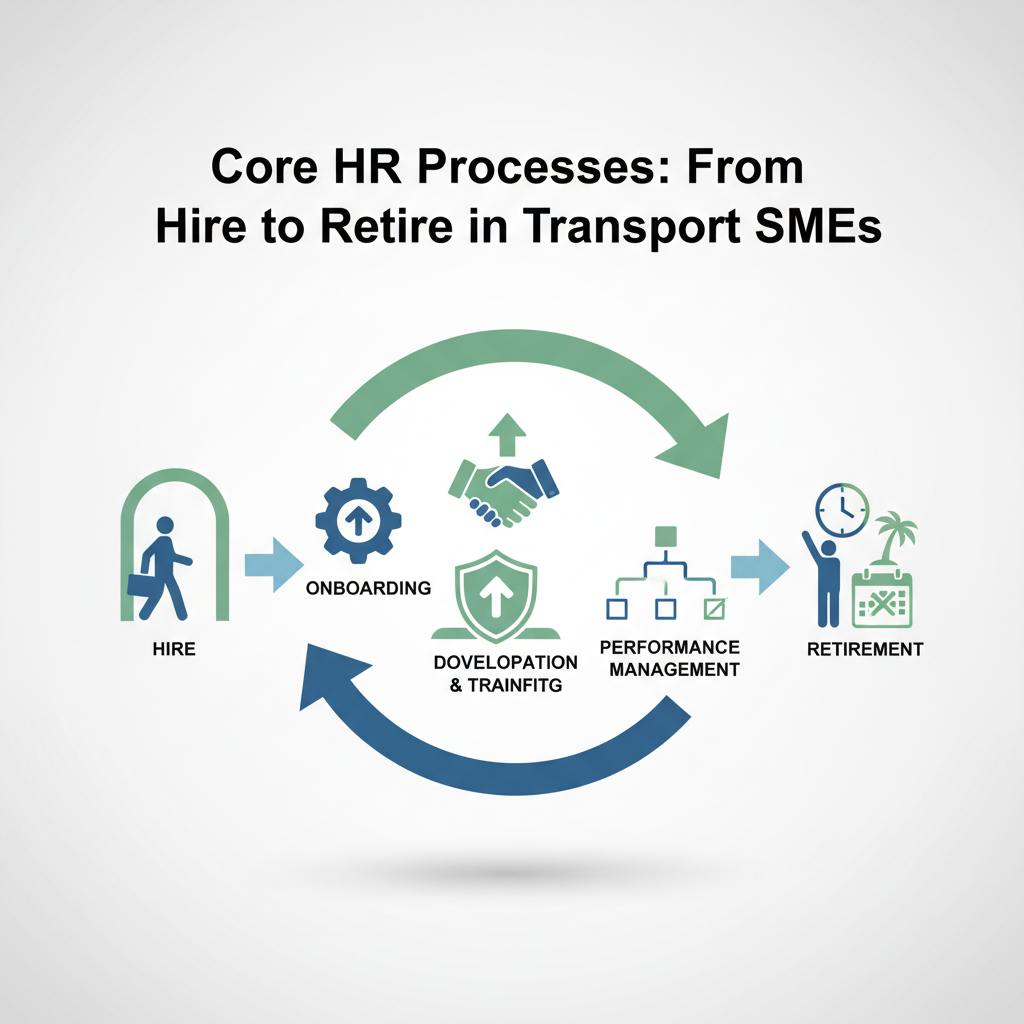
1. Recruitment & Onboarding Strategies for Drivers & Staff
Talent acquisition in the Singaporean transport sector presents unique challenges. Beyond general administrative roles, finding qualified and reliable drivers, mechanics, and logistics coordinators requires a targeted approach. SMEs must compete for skilled driver recruitment against larger corporations, often facing limited applicant pools and strict licensing requirements. To attract top talent, consider leveraging specialized job portals, industry networks, and engaging local polytechnics or Institutes of Technical Education (ITEs) for new graduates. Employee referral programs can also be highly effective, tapping into your current workforce’s networks.
Once potential candidates are identified, a streamlined and comprehensive onboarding process is paramount. For drivers, this extends beyond standard HR paperwork to include critical safety briefings, route familiarization, vehicle inspection protocols, and technology training for fleet management systems. A structured onboarding program not only reduces turnover but also enhances productivity from day one and contributes significantly to employee retention. Clear communication of company culture, safety standards, and performance expectations during this initial phase sets the foundation for a long and successful tenure, making it a cornerstone of effective HR best practices.
2. Performance Management & Employee Development
Effective workforce management hinges on a robust performance management system. For transport SMEs, this means establishing clear, measurable Key Performance Indicators (KPIs) tailored to specific roles. For drivers, KPIs might include on-time delivery rates, fuel efficiency, accident-free miles, and vehicle maintenance adherence. For office staff, KPIs could focus on administrative accuracy, customer service response times, or logistics planning efficiency. Regular feedback sessions, beyond annual appraisals, are crucial. Quarterly check-ins allow for timely adjustments, recognition of achievements, and constructive discussions about areas for improvement.
Performance appraisal systems should be transparent and fair, linking individual performance to broader company objectives. Beyond evaluation, nurturing employee training and development is vital. This could involve continuous professional development for drivers on new safety regulations, defensive driving courses, or training on advanced navigation and logistics software. For administrative staff, opportunities for upskilling in supply chain management, customer relationship management (CRM) software, or even leadership development can significantly boost morale and productivity. Investing in your employees’ growth not only enhances their capabilities but also signals a commitment to their long-term career, further improving employee retention and making your SME an attractive employer.
3. Compensation, Benefits & Payroll Administration
A competitive and equitable compensation structure is fundamental to attracting and retaining talent in Singapore’s transport sector. This involves understanding market rates for various roles, especially for skilled drivers and mechanics, and designing a transparent wage structure. Beyond basic salary, a comprehensive benefits package plays a critical role. This might include health insurance, dental coverage, transport allowances, mobile phone subsidies, and perhaps performance-based bonuses or incentives for safe driving records or exceptional service. Tailoring employee benefits to the specific needs of your workforce can significantly enhance job satisfaction and loyalty.
Accurate and compliant payroll administration is non-negotiable for any SME in Singapore. HR must ensure timely and correct processing of salaries, overtime pay, allowances, and bonuses, strictly adhering to the Ministry of Manpower (MOM) regulations. This includes proper calculation and timely submission of Central Provident Fund (CPF) contributions for both employer and employee, income tax deductions, and adherence to leave policies outlined in the Employment Act. Leveraging reliable payroll software or engaging a specialized payroll service can mitigate risks of errors and ensure full payroll compliance. Staying updated with changes in Singaporean labor laws is crucial to avoid penalties and foster trust with employees, demonstrating the SME’s commitment to fair and legal employment practices.
Navigating Specific Challenges in Transport HR
The transportation sector, a critical pillar of global and local economies, presents a unique set of human resources challenges that demand strategic and agile solutions. For a fresh CEO diving into this industry, particularly within Singapore’s vibrant SME landscape, understanding these specific transport HR challenges is paramount. From attracting and retaining skilled personnel to ensuring stringent compliance and effective shift management, the HR function is complex. This section aims to provide a clear path for a Step by Step to understand SMEs HR Structure for the fresh the CEO in transportation field in singapore, addressing key issues and offering actionable insights.
1. Managing Driver Shortages & Retention Strategies
One of the most persistent hurdles facing transportation companies globally, including Singapore, is the chronic shortage of qualified drivers. This impacts operational efficiency, delivery schedules, and profitability. High turnover rates exacerbate the problem, making driver retention strategies a critical component of any successful HR in Singapore transport SMEs. To mitigate this, companies must adopt a comprehensive approach:
- Competitive Compensation & Benefits: Attractive salaries, bonuses, and robust benefits packages are foundational.
- Improved Work-Life Balance: Effective shift management solutions are crucial. Implementing flexible scheduling, predictable routes, and sufficient rest periods can significantly improve job satisfaction.
- Training & Development: Investing in continuous professional development and opportunities for career progression boosts loyalty and skill sets for the transportation workforce.
- Positive Work Environment: Fostering a culture of respect, recognition, and open communication makes drivers feel valued.
- Recruitment Innovation: Exploring non-traditional recruitment pools and partnering with vocational schools helps cultivate new drivers. The global driver shortage crisis reported by IRU underscores the urgent need for innovative solutions.
2. Ensuring Regulatory Compliance (e.g., Driving Hours, Safety)
The transportation industry operates under a strict labyrinth of regulations designed to ensure safety and fairness. For HR, ensuring logistics HR compliance is non-negotiable. Non-adherence leads to severe penalties, reputational damage, and increased accident risks. Key areas of focus include:
- Driving Hours Regulations: Adhering to strict limits on driving hours and mandatory rest periods is vital for preventing driver fatigue. HR systems must track and monitor driver schedules meticulously to ensure regulatory adherence with guidelines like Singapore’s LTA.
- Workplace Safety & Health (WSH): Compliance with Singapore’s WSH Act includes providing adequate safety training, personal protective equipment (PPE), and maintaining a safe working environment in vehicles, depots, and loading areas.
- Licensing & Certifications: HR is responsible for verifying and continuously monitoring the validity of driver licenses, special permits, and other necessary certifications.
- Drug and Alcohol Testing: Implementing clear policies and protocols for testing, compliant with local regulations, is essential for safety-sensitive roles.
Robust HR policies, regular training, and diligent record-keeping are fundamental to navigating this complex regulatory landscape and protecting both employees and the company.
3. Addressing Union Relations and Labor Disputes (if applicable)
While not universally present in all Singaporean SMEs, understanding and effectively managing union relations is a critical HR competency where employees are unionized. For CEOs, it’s essential to recognize unions as legitimate representatives of the transportation workforce. HR’s role extends to:
- Constructive Engagement: Building and maintaining a respectful, transparent, and cooperative relationship with union representatives can prevent minor disagreements from escalating.
- Collective Bargaining: Participating in negotiations for collective bargaining agreements (CBAs) defining terms of employment, including wages, benefits, and grievance procedures. This requires understanding labor laws and fair union negotiations.
- Dispute Resolution: Developing clear, fair, and efficient internal grievance procedures in line with CBAs and local labor laws. HR mediates conflicts, working towards amicable resolutions.
- Compliance with Labor Laws: Ensuring all HR practices comply with Singapore’s Employment Act and other relevant labor legislation to prevent unfair labor practices.
A proactive and fair approach to union relations fosters a stable work environment, enhances employee morale, and contributes to the long-term success of the transportation business.
Strategic HR for Future Growth: Technology & Talent
In today’s dynamic business landscape, especially within the competitive transportation field in Singapore, a CEO’s vision for sustained growth and innovation hinges critically on the evolution of Human Resources. HR must transcend its traditional administrative role to become a strategic HR partner, proactively leveraging technology and developing talent. For a fresh CEO diving into the intricacies of SMEs in this sector, understanding how to transition HR into this strategic powerhouse is crucial. Here, we outline the essential steps to empower HR to drive your company’s future.
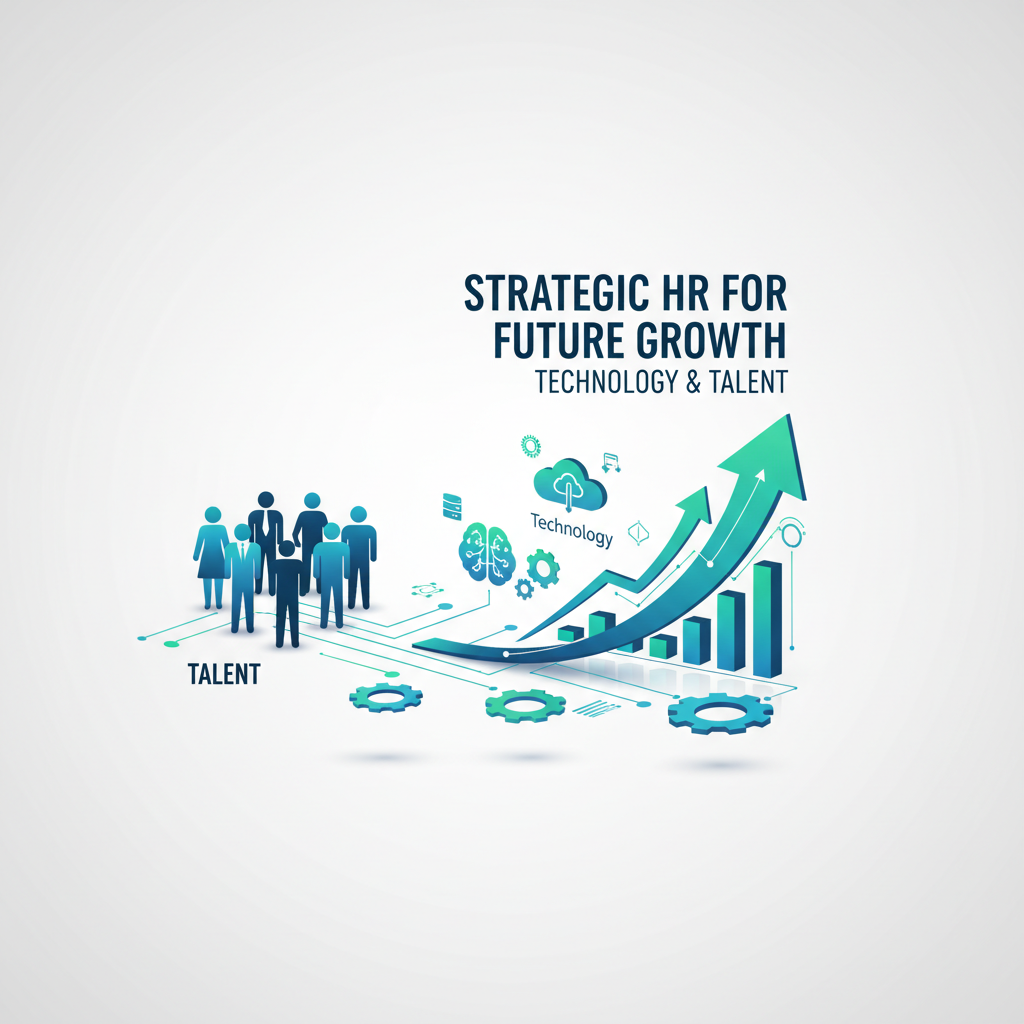
To provide a clear roadmap for embedding strategic HR in your organization, let’s explore key areas for HR transformation. If you’re looking for a more foundational understanding of HR structures in your specific industry, delve into a Step by Step to understand SMEs HR Structure for the fresh the CEO in transportation field in singapore.
1. Leveraging HR Technology (HRIS) for Efficiency
The cornerstone of modern, strategic HR is robust HR technology. Implementing a comprehensive Human Resources Information System (HRIS) is not just about digitizing records; it’s about transforming operational efficiency. An effective HRIS streamlines critical administrative tasks such as payroll processing, time and attendance tracking, benefits administration, and applicant tracking. By automating these processes, HR teams are freed from manual data entry and compliance checks, allowing them to focus on higher-value activities that directly contribute to the company’s strategic objectives. Moreover, an HRIS provides invaluable data analytics, offering insights into workforce trends, performance metrics, and recruitment effectiveness. This data-driven approach enables better decision-making, helping the CEO and HR anticipate needs, identify skill gaps, and optimize resource allocation for sustained growth. For transportation companies, specifically, real-time data on driver availability, training compliance, and shift management can be critical for operational excellence and responsiveness, ultimately driving efficiency across the board.
2. Developing a Robust Talent Pipeline & Succession Planning
Achieving sustained growth and innovation demands a proactive approach to talent development. Strategic HR ensures that the organization not only attracts the best talent but also continuously cultivates it. This involves creating a robust talent pipeline, a continuous stream of qualified candidates ready to fill critical roles. This process begins with strategic workforce planning, anticipating future skill requirements based on business goals and market trends in the transportation industry. From there, HR implements targeted recruitment strategies, employer branding initiatives, and strong onboarding programs to integrate new hires effectively. Crucially, talent development doesn’t end after hiring. It encompasses ongoing training, upskilling, and reskilling initiatives to ensure the workforce possesses the capabilities needed for future challenges. Furthermore, robust succession planning is vital for long-term stability. Identifying potential future leaders and providing them with development opportunities ensures a smooth transition for key positions, mitigating risks associated with employee turnover and guaranteeing continuity in leadership and specialized roles within your transportation enterprise. This proactive strategy is indispensable for a company’s competitive edge.
3. Fostering a Positive Company Culture & Employee Engagement
Beyond technology and talent pipeline management, a thriving organization is built on a strong foundation of company culture and high employee engagement. Strategic HR plays a pivotal role in shaping and reinforcing a positive workplace environment that aligns with the CEO’s vision for innovation. This involves defining core values, promoting open communication, and recognizing employee contributions. A culture that prioritizes employee well-being, work-life balance, and professional development contributes significantly to retention and overall productivity. Engaged employees are more motivated, productive, and committed to the company’s success. HR can facilitate this through regular feedback mechanisms, transparent goal setting, and creating opportunities for growth and recognition. For the transportation sector, where frontline staff often work demanding schedules, fostering a supportive environment can significantly impact morale and retention. Implementing initiatives like health and wellness programs, flexible scheduling where feasible, and mentorship opportunities can enhance job satisfaction. Ultimately, a strong culture and engaged workforce are powerful drivers of performance, enabling the company to attract top talent and maintain its competitive position in the market.
Partner with Shelby Global
You are looking for reliable HR Sevice Suppliers? Contact Shelby Global Now! To connect with verified talents and upgrade your orginization.
—————————————
References
– Employment Act: https://www.mom.gov.sg/employment-practices/employment-act
– Singapore’s Employment Act: https://www.mom.gov.sg/employment-practices/employment-act
– Ministry of Manpower (MOM) Singapore – Salary: https://www.mom.gov.sg/employment-practices/salary
– IRU: Driver Shortage Crisis Worsens: https://www.iru.org/resources/newsroom/driver-shortage-crisis-worsens-road-transport-industry
– Building a Talent Pipeline: https://www.shrm.org/resourcesandtools/hr-topics/talent-acquisition/pages/talent-pipeline.aspx