
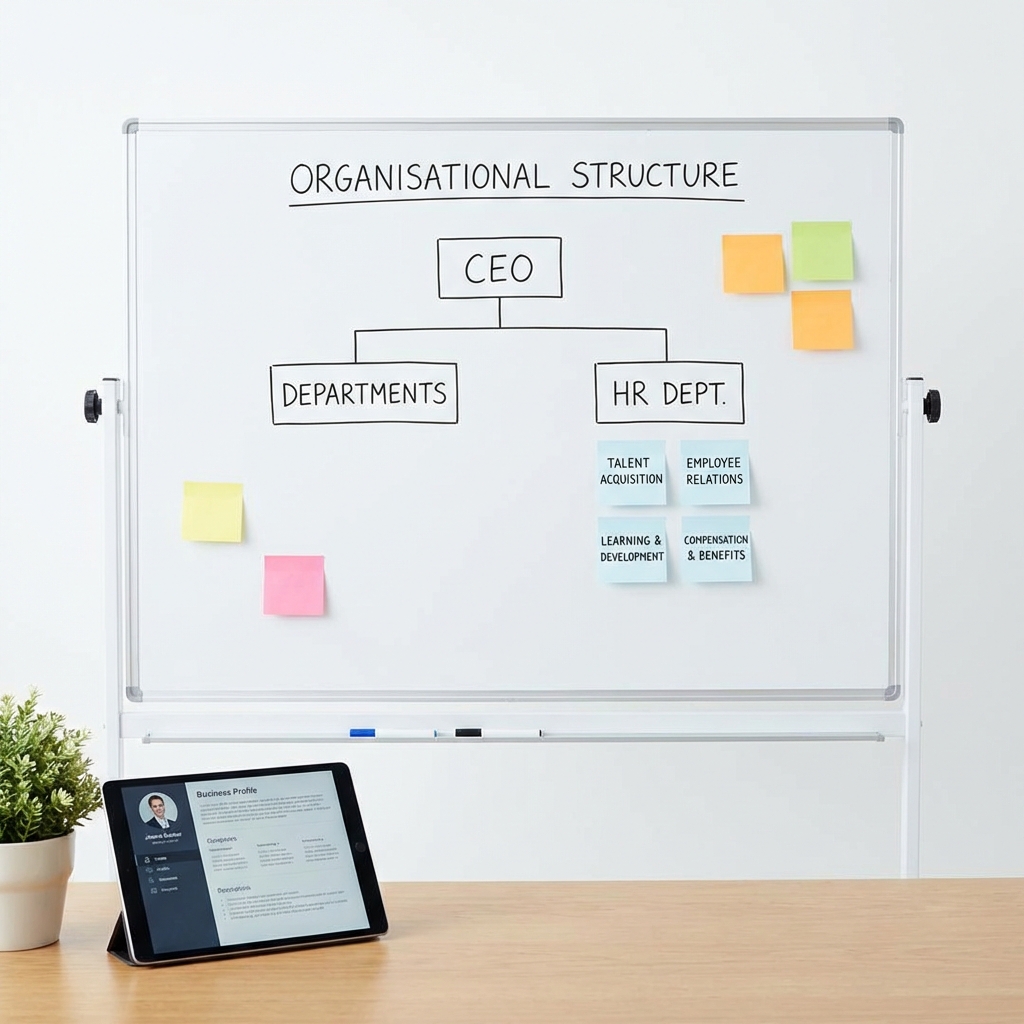
- Organisational Structure and HR Department Scope
- 1. Lean vs. Specialised HR Teams
- 2. Reporting Lines and Autonomy of HR
- 3. HR’s Role in Overall Business Strategy
- Talent Acquisition and Workforce Management Strategies
- Employer Branding & Candidate Experience
- Recruitment Channels & Budget Constraints
- Performance Management & Succession Planning
- Compensation, Benefits, and Employee Welfare Programs
- 1. Salary Scales & Incentive Schemes
- 2. Statutory vs. Enhanced Benefits Packages
- 3. Work-Life Balance Initiatives & Employee Wellbeing
- HR Technology Adoption and Data Analytics Capabilities
- 1. Basic HR Software vs. Integrated HRIS
- 2. Automation of Core HR Processes
- 3. HR Metrics & Strategic Analytics
- Regulatory Compliance and Risk Management Frameworks
- 1. Navigating Malaysian Labour Laws
- 2. Financial Sector Specific Regulations
- 3. Ethics, Governance, and HR Audits
- Partner with Shelby Global
- References
Organisational Structure and HR Department Scope
The human resources landscape within Malaysia’s dynamic finance sector presents a fascinating study in contrasts, particularly when comparing the differences between the SMEs’ HR structure and the corporates’ HR structure in the finance field in Malaysia. While both types of organisations are dedicated to attracting, developing, and retaining top talent, the fundamental setup and operational scope of their HR teams diverge significantly, shaped by factors such as scale, capital, regulatory complexity, and strategic imperatives. Understanding these structural variations is key to appreciating the unique challenges and opportunities faced by HR professionals across the financial spectrum.
1. Lean vs. Specialised HR Teams
One of the most apparent distinctions lies in the composition of HR teams. Small and Medium-sized Enterprises (SMEs) in the Malaysian finance sector typically operate with a lean HR model. This often means a single HR manager or a small team of generalists is responsible for the entire spectrum of human capital functions. From talent acquisition and onboarding to compensation and benefits, employee relations, performance management, and even rudimentary HR technology management, these generalists wear multiple hats. Their expertise needs to be broad, covering day-to-day operational demands rather than deep specialisation in niche areas. This lean approach is necessitated by budget constraints and a smaller employee base, requiring adaptable and versatile HR professionals.
In stark contrast, larger corporations within the finance sector boast multi-layered, specialist HR departments. These organisations, such as major banks, insurance companies, or investment firms, have the scale and resources to implement a sophisticated structure. Here, HR functions are often compartmentalised into dedicated centres of expertise (CoEs) or business partner models. One might find teams solely focused on talent acquisition (recruiters, sourcing specialists), compensation and benefits (analysts, reward managers), organisational development (learning & development, performance management specialists), employee relations, HR technology, and HR business partners (HRBPs) who act as strategic consultants to specific business units. This specialisation allows for greater depth of expertise, more efficient process execution, and a higher degree of compliance with stringent financial regulations, as highlighted in reports on the evolving role of HR in financial services.
2. Reporting Lines and Autonomy of HR
The reporting structure and the level of autonomy granted to HR also vary significantly. In SMEs, the head of HR, if one exists, often reports directly to the CEO or the managing director. While this can provide a direct line to top leadership, the HR function might still be perceived as more administrative or operational rather than a strategic partner. Decision-making can be quicker due to fewer hierarchical layers, but the strategic influence of HR might depend heavily on the individual leader’s perception of HR’s value. The focus tends to be on supporting immediate business needs and ensuring basic compliance, with limited scope for long-term strategic HR initiatives unless championed by the business owner.
Conversely, in large financial corporations, HR typically enjoys a more prominent and autonomous position within the organisational hierarchy. The Chief Human Resources Officer (CHRO) or Head of HR is almost invariably part of the executive leadership team, reporting directly to the CEO. This ensures that HR insights are integrated into overall business strategy and decision-making from the outset. Specialist HR teams may report through various functional leads (e.g., Head of Talent Acquisition, Head of C&B) to the CHRO. This structure allows HR to operate with greater strategic autonomy, developing comprehensive talent strategies, robust succession plans, and advanced people analytics initiatives that align with the corporation’s long-term objectives and regulatory requirements. The complex web of stakeholders and governance in large corporates necessitates a highly structured and strategically empowered HR function.
3. HR’s Role in Overall Business Strategy
The integration of HR into overall business strategy is perhaps the most profound difference between the SMEs’ HR structure and the corporates’ HR structure in the finance field in Malaysia. For SMEs, HR’s strategic involvement often emerges organically, driven by the immediate needs of growth or challenges in talent retention. While HR is crucial for the SME’s survival and growth, its strategic input might be reactive, focusing on implementing solutions to existing problems rather than proactive forecasting and planning. The emphasis is often on maintaining a stable workforce and ensuring operational efficiency within tight resource constraints, with less emphasis on sophisticated workforce planning or predictive analytics.
In contrast, HR in large financial corporations plays an integral, proactive role in shaping and executing overall business strategy. Given the highly regulated and competitive nature of the finance sector, talent is a critical differentiator. Corporate HR departments are instrumental in developing sophisticated talent management frameworks, diversity and inclusion initiatives, leadership development programs, and future-of-work strategies that directly support the company’s strategic goals. They leverage data analytics to forecast talent needs, identify skill gaps, and measure the impact of HR interventions on business outcomes. This strategic partnership ensures that the human capital agenda is fully aligned with the financial institution’s ambitions for market leadership, innovation, and regulatory excellence, making HR a true enabler of sustainable business success in a complex financial ecosystem.
Talent Acquisition and Workforce Management Strategies
The Malaysian finance sector is a dynamic and competitive landscape, demanding robust talent acquisition and workforce management strategies from organisations of all sizes. From nimble Small and Medium-sized Enterprises (SMEs) to sprawling multinational corporations, the pursuit of skilled professionals, especially in niche financial disciplines, is relentless. This section examines the diverse methods employed to attract, hire, and manage talent, highlighting the fundamental Differences between the SMEs’ HR Structure and the Corporates’ HR Structure in finance field in malaysia, tailored to their respective scales and resources. We will cover employer branding, recruitment channels, and ongoing performance and retention efforts, focusing on unique challenges and opportunities in the local market.
1.
Employer Branding & Candidate Experience
Employer branding is crucial for attracting top talent. Malaysian SMEs in finance often leverage their unique culture, agility, and the opportunity for employees to make a tangible impact. Without extensive marketing budgets, their employer value proposition stems from direct testimonials, a close-knit environment, and potential for rapid career growth. A positive candidate experience relies on personalised interactions, clear communication, and a streamlined application process. This intimate approach can draw candidates seeking a less bureaucratic, more entrepreneurial setting, making it key for HR strategy Malaysia finance in smaller setups.
In contrast, large corporates in Malaysian finance invest heavily in sophisticated employer branding campaigns, often global in scope. These showcase stability, comprehensive benefits, structured career development, and access to global networks and advanced HR technology. Offering robust learning programs, competitive salaries, and extensive benefits forms a powerful draw. The candidate experience is typically more formalised, involving multiple stages and interactions with dedicated HR teams. While sometimes perceived as less personal, the structured nature and transparency aim to provide a professional, consistent experience across high volumes of applicants, falling under well-defined corporate HR practices Malaysia.
2.
Recruitment Channels & Budget Constraints
Recruitment channel choice is heavily influenced by budget and reach. Malaysian SMEs in finance typically rely on cost-effective methods like professional networking, local university partnerships, general and niche job boards, and robust employee referral programs. Social media platforms, particularly LinkedIn, are also utilised for broad reach and targeted advertising, often managed directly by HR or hiring managers due to limited resources. The challenge for SMEs often lies in competing for visibility on premium platforms or affording specialised recruitment agencies, necessitating creative approaches to overcome SME talent acquisition challenges without overspending.
Conversely, large corporates in Malaysian finance employ a multi-channel recruitment strategy backed by substantial budgets. This includes leveraging global career portals, strong university partnerships for graduate programs, engaging executive search firms, and extensive use of premium LinkedIn Recruiter accounts. Dedicated talent acquisition teams manage large-scale recruitment drives. Their broader reach allows tapping into international talent pools when local expertise is scarce, solidifying their position in finance industry recruitment Malaysia. Efficiency and scale are emphasised, supported by sophisticated Applicant Tracking Systems (ATS) to manage the entire process effectively.
3.
Performance Management & Succession Planning
Performance management and succession planning differ significantly by organisational structure. For Malaysian SMEs in finance, performance management tends to be more informal and agile. Direct, frequent feedback sessions are common, often replacing rigid annual reviews. Goal setting is typically responsive to business needs, allowing for quick adjustments. Succession planning, while crucial, may be less formalised, relying on managers identifying internal high-potential employees through direct observation and mentorship. Limited resources mean fewer dedicated training budgets for extensive leadership development, posing challenges for long-term employee retention strategies Malaysia. However, close working relationships allow for quicker identification and nurturing of internal talent, crucial for effective workforce planning Malaysia finance even with fewer formal structures.
Large corporates, however, operate with highly structured and formalised performance management systems. These involve annual reviews, Key Performance Indicators (KPIs), 360-degree feedback, and comprehensive performance improvement plans, often integrated with compensation. Succession planning is a cornerstone of their talent management strategy, involving dedicated talent pools, leadership development programs, and clear career progression paths. Corporates invest heavily in talent management finance Malaysia through robust learning platforms, leveraging advanced HR technology to track employee skills and potential. This structured approach, while resource-intensive, provides a clear roadmap for development and advancement, contributing significantly to a resilient workforce. According to a Deloitte report on Human Capital Trends in Southeast Asia, organisations across the region are increasingly focusing on building dynamic and adaptable workforces, a trend evident in both SME and corporate strategies in Malaysia’s finance sector.
In conclusion, both SMEs and corporates in the Malaysian finance sector are keenly aware of the importance of talent acquisition and effective workforce management. While SMEs leverage agility, unique culture, and direct impact, corporates capitalise on extensive resources, structured frameworks, and global reach. Understanding these distinct approaches is vital for job seekers navigating the financial landscape and businesses aiming to optimise their HR strategies in this competitive market.
Compensation, Benefits, and Employee Welfare Programs
In the competitive landscape of Malaysia’s financial sector, the differences between the SMEs’ HR structure and the corporates’ HR structure in finance field in Malaysia are starkly evident in their approaches to compensation, benefits, and employee welfare programs. These disparities are primarily driven by varying budget capabilities and organisational philosophies, profoundly impacting their ability to attract and retain top talent. While larger corporations often boast comprehensive packages designed to appeal to a broad spectrum of professionals, Small and Medium-sized Enterprises (SMEs) frequently leverage flexibility, culture, and unique perks to create a compelling value proposition. Understanding these nuances is crucial for both employers navigating talent acquisition and employees weighing their career options within the dynamic Malaysian financial industry.

1. Salary Scales & Incentive Schemes
For financial professionals in Malaysia, salary remains a primary motivator, and significant disparities exist between SMEs and corporates. Large corporations in the Malaysian financial sector, often operating with substantial budgets, typically offer higher base salaries that align with global benchmarks. Their structured compensation frameworks, including distinct salary grades and regular increments, provide clear career progression paths. Beyond base pay, corporate finance benefits Malaysia frequently include performance-based bonuses, annual increments, and sometimes even long-term incentives like stock options or profit-sharing, particularly for senior roles. These sophisticated incentive schemes are designed to reward high performance and foster loyalty. In contrast, SME finance HR Malaysia often operates with leaner budgets, leading to more competitive, rather than premium, base salaries. While they may offer performance bonuses, these are generally less structured and more discretionary. The focus for SMEs often shifts towards competitive total compensation packages that might include a greater emphasis on non-monetary rewards or opportunities for rapid career advancement due to smaller team sizes. This difference in compensation structures Malaysia highlights how budget constraints directly influence immediate financial rewards, making it a critical factor in financial sector compensation Malaysia.
2. Statutory vs. Enhanced Benefits Packages
Both SMEs and corporates in Malaysia are mandated to provide certain statutory benefits, including contributions to the Employees Provident Fund (EPF), Social Security Organization (SOCSO), and the Employment Insurance System (EIS). These are non-negotiable legal requirements under Malaysian employment law, ensuring a basic safety net for all employees. However, the true distinction lies in the enhanced benefits packages. Corporate finance benefits Malaysia typically extend far beyond these minimums. They often include comprehensive group medical and life insurance, dental and optical coverage, critical illness plans, and robust retirement schemes that supplement EPF contributions. Additional perks might involve company cars, housing allowances, subsidized loans, and generous leave policies. These extensive offerings serve as powerful tools for talent retention finance Malaysia. SMEs, while adhering to statutory requirements, often find it challenging to match the breadth and depth of these enhanced benefits due to budget capabilities HR. Instead, they might offer more personalized perks, flexible working arrangements (which we’ll discuss next), or unique training opportunities. Understanding the Employment Act 1955 and its amendments is crucial for both types of organizations to ensure compliance and leverage their strengths in offering competitive benefits.
3. Work-Life Balance Initiatives & Employee Wellbeing
The pursuit of work-life balance and overall employee wellbeing has become a significant factor in attracting and retaining talent, and here, HR strategy SMEs vs Corporates can diverge significantly. Large corporations often have dedicated departments or extensive programs focused on employee welfare programs Malaysia. This can include on-site gyms, wellness initiatives, mental health support services, childcare facilities, and structured flexible working policies like hybrid models or compressed workweeks. The sheer scale allows for investment in diverse programs that cater to a wide range of employee needs. Their organisational philosophy benefits from a long-term view of employee well-being as an investment in productivity and reduced turnover. SMEs, while having fewer resources, often excel in offering more flexible and personalized work arrangements. Their smaller, more agile structures can facilitate easier negotiation of remote work, flexible hours, or customized leave requests, fostering a strong sense of trust and autonomy. While perhaps not having the grandeur of corporate wellness centers, SMEs often cultivate a close-knit culture that inherently supports employee well-being through direct communication and strong team bonds. Both strive to create positive environments, but their methods reflect their inherent structural differences and resource availability.
HR Technology Adoption and Data Analytics Capabilities
In the dynamic landscape of Malaysia’s finance sector, the approach to human resources management is increasingly shaped by technological advancements. A stark contrast emerges when examining the Differences between the SMEs’ HR Structure and the Corporates’ HR Structure in finance field in malaysia, particularly concerning HR Information Systems (HRIS), automation tools, and data-driven decision-making. While both strive for operational efficiency, their capabilities in leveraging technology for streamlined operations and profound insights from HR data vary significantly. This section delves into how organisations of different scales approach HR technology adoption Malaysia and cultivate HR data analytics finance sector capabilities, highlighting the crucial distinctions that influence strategic HR outcomes.
1. Basic HR Software vs. Integrated HRIS
For many Small and Medium Enterprises (SMEs) in Malaysia’s finance industry, initial HR technology adoption often revolves around basic HR software. These solutions typically focus on fundamental administrative tasks such as employee record-keeping, leave management, and perhaps a rudimentary payroll function. Their simplicity and lower cost make them accessible, serving to digitalise manual processes and improve basic compliance. However, these systems often operate in silos, lacking robust integration with other business functions. Data extraction for comprehensive reporting can be cumbersome, limiting the scope for advanced analysis.
Conversely, large corporates in the finance field typically invest in sophisticated, integrated HRIS solutions. These comprehensive platforms encompass a wide array of HR functions, including recruitment, onboarding, performance management, learning and development, compensation and benefits, and detailed payroll processing. An integrated HRIS acts as a central repository for all employee data, ensuring consistency and accuracy across different modules. This unification allows for a holistic view of the workforce, facilitating more strategic decision-making. Beyond mere administration, these systems support complex workflows, provide advanced reporting capabilities, and often integrate with enterprise resource planning (ERP) systems, creating a more cohesive technological ecosystem for the entire organisation. The choice between basic and integrated systems profoundly impacts an organisation’s ability to manage its most vital asset: its people.
2. Automation of Core HR Processes
The drive for efficiency in HR operations is a universal goal, but the extent of HR process automation differs considerably between SMEs and corporates. SMEs frequently rely on semi-manual or spreadsheet-driven processes for tasks like leave requests, attendance tracking, and initial onboarding paperwork. While some may use basic software for these functions, the workflows often require significant human intervention, leading to potential inconsistencies, slower processing times, and a higher risk of administrative errors. The focus is primarily on automating repetitive, low-value tasks to free up HR personnel for more urgent operational matters.
In contrast, larger financial corporations leverage advanced automation to transform their core HR processes. From automated payroll processing that integrates with time and attendance systems to self-service portals for employees to manage their benefits and personal information, automation minimises manual effort across the board. Recruitment workflows, onboarding sequences, and even performance review cycles are often highly automated, utilising AI-powered tools for resume screening, automated communication, and progress tracking. This level of automation significantly boosts efficiency, reduces operational costs, enhances employee experience through faster service delivery, and allows HR departments to shift their focus from transactional activities to more strategic initiatives like strategic HR planning Malaysia. The strategic application of automation tools is a hallmark of mature corporate HR structures, enabling them to handle large workforces with greater agility and precision.
3. HR Metrics & Strategic Analytics
The evolution from basic HR reporting to HR data analytics finance sector and strategic insights marks a critical distinction in HR technology adoption. SMEs, constrained by limited resources and simpler HR software, often generate basic HR metrics. These might include headcount, turnover rates, or average time-to-hire, primarily for compliance or rudimentary operational oversight. While valuable, these metrics tend to be descriptive, telling what happened rather than why, or what might happen next. Their capacity for deep workforce analytics Malaysia remains nascent, often due to a lack of integrated data and dedicated analytical expertise.
Corporates, armed with integrated HRIS and robust data warehousing capabilities, move beyond simple reporting to embrace strategic analytics. They use advanced tools to analyse patterns in employee data, predict future trends, and inform strategic decisions. This includes predictive analytics for talent retention, identifying flight risks, optimising recruitment strategies, and understanding the impact of various HR interventions on business performance. For example, by analysing performance data, compensation structures, and learning outcomes, corporates can develop more effective talent management systems. According to the Society for Human Resource Management (SHRM), leveraging HR analytics is crucial for strategic decision-making and proving HR’s value to the business. This analytical capability allows corporates to engage in truly data-driven HR, transforming HR from an administrative function into a strategic business partner that directly contributes to organisational success and competitive advantage. The ability to derive actionable insights from HR data is a key differentiator, influencing everything from succession planning to fostering a high-performance culture and adopting the latest corporate HR technology trends.
In conclusion, the journey of HR technology adoption Malaysia reveals a spectrum of capabilities. While SMEs in the finance sector begin with fundamental digital tools for administrative efficiency and HR software for SMEs Malaysia, larger corporates leverage sophisticated integrated systems, extensive automation, and advanced HR data analytics finance sector to drive strategic insights and gain a competitive edge. These differences underscore the varying scales of operation, resource availability, and strategic ambitions that shape the HR function in Malaysia’s diverse financial landscape.
Regulatory Compliance and Risk Management Frameworks
Navigating the intricate web of regulations and effectively managing risks are paramount for any organisation, especially within Malaysia’s dynamic finance sector. For both Small and Medium-sized Enterprises (SMEs) and large corporates, adherence to legal and ethical standards is not just a statutory requirement but a cornerstone of sustainable growth and reputation. This section delves into how these diverse entities approach compliance, manage legal exposure, and ensure robust governance within their human resources (HR) practices. The challenges and strategies often highlight significant differences between the SMEs’ HR Structure and the Corporates’ HR Structure in finance field in malaysia, particularly concerning their resources, expertise, and operational scale.

1. Navigating Malaysian Labour Laws
Malaysian labour laws form the bedrock of HR compliance for all employers. Key legislation includes the Employment Act 1955, Industrial Relations Act 1967, Employees Provident Fund Act 1991 (EPF), Employees’ Social Security Act 1969 (SOCSO), and the Employment Insurance System Act 2017 (EIS). Corporates typically boast dedicated HR departments, often with in-house legal counsel or specialist compliance officers, who are well-versed in these statutes and their frequent amendments. Their approach to labour law compliance involves robust policy formulation, regular internal training, and systematic record-keeping to mitigate potential disputes or penalties. They have the resources to invest in sophisticated HRIS systems that automate compliance checks and track employee benefits and entitlements accurately.
Conversely, SMEs in the finance field frequently face significant hurdles in keeping pace with the evolving regulatory landscape. Their HR functions are often managed by a generalist or even the business owner, who may juggle multiple responsibilities without deep specialisation in labour law. This can lead to an over-reliance on external HR consultants or a reactive approach to compliance, increasing the risk of missteps regarding employee contracts, termination procedures, or statutory contributions. The focus for SMEs is often on basic adherence, sometimes overlooking nuances that could lead to significant legal exposure. Understanding these specific SME HR challenges is critical for developing supportive frameworks.
2. Financial Sector Specific Regulations
Beyond general labour laws, financial institutions in Malaysia operate under stringent sector-specific regulations enforced by bodies like Bank Negara Malaysia (BNM) and the Securities Commission Malaysia (SC). These include the Anti-Money Laundering, Anti-Terrorism Financing and Proceeds of Unlawful Activities Act 2001 (AML/CFT Act), various guidelines on data privacy (e.g., Personal Data Protection Act 2010 or PDPA), and specific ‘Fit and Proper’ requirements for key personnel. These regulations profoundly impact HR practices, demanding thorough background checks, ongoing training programs on AML/CFT, ethical conduct, and stringent data handling protocols for employee and client information.
For corporates, adherence to these financial regulations Malaysia is integrated into their enterprise-wide risk management frameworks. HR departments work closely with compliance, legal, and operational risk teams to ensure that hiring processes, performance management, and training initiatives align with these strict guidelines. They deploy sophisticated systems for due diligence, maintain comprehensive audit trails, and conduct regular internal reviews. For SMEs in the financial sector, meeting these specialized requirements can be particularly arduous. Limited budgets and personnel often mean fewer dedicated compliance resources, necessitating greater vigilance in managing talent acquisition, ongoing employee monitoring, and the development of internal controls to prevent regulatory breaches. This often calls for a pragmatic risk management HR approach that balances compliance needs with operational realities.
3. Ethics, Governance, and HR Audits
A strong ethical culture and robust corporate governance are indispensable in the finance industry. HR plays a pivotal role in embedding these principles through codes of conduct, whistleblowing policies, conflict of interest guidelines, and comprehensive training on ethical decision-making. These frameworks ensure transparent HR practices and accountability at all levels. Large corporates typically have established governance structures, including board-level committees and internal audit functions, which regularly scrutinise HR policies and procedures to ensure adherence to corporate governance HR standards and mitigate risks.
HR audits are a critical tool in this regard, identifying gaps in compliance, assessing the effectiveness of HR programs, and ensuring legal and ethical alignment. For corporates, these audits are often cyclical and extensive, leading to continuous improvement in HR compliance Malaysia and overall risk management. SMEs, while equally committed to ethical practices, may conduct less formal HR reviews or rely on external consultants for periodic audits. The challenge lies in establishing proactive frameworks rather than reactive responses. Implementing ethical HR practices requires not just policies but a culture where integrity is championed from the top down. Both SMEs and corporates must actively invest in fostering a culture of compliance, transparency, and accountability, recognising that these are not merely costs but strategic investments that safeguard their future in Malaysia’s competitive financial landscape.
Partner with Shelby Global
You are looking for reliable HR Sevice Suppliers? Contact Shelby Global Now! To connect with verified talents and upgrade your orginization.
—————————————
References
– HRM Asia: The Evolving Role of HR in Financial Services Malaysia: https://www.hrmasia.com/the-evolving-role-of-hr-in-financial-services-malaysia/
– Deloitte report on Human Capital Trends in Southeast Asia: https://www2.deloitte.com/content/dam/Deloitte/sg/Documents/human-capital/sea-hc-trends-2023.pdf
– Employment Act 1955 and its amendments: https://www.skrine.com/insights/publications/january-2023/employment-act-2022-key-amendments-effective-1-jan
– Understanding HR Metrics and Why They Are Important: https://www.shrm.org/resources-and-tools/tools-and-samples/hr-qa/what-are-hr-metrics-and-why-are-they-important
– Ministry of Human Resources Malaysia: https://www.mohr.gov.my/index.php/en/