Understanding the Landscape: HR in Singapore FMCG
Singapore’s Fast-Moving Consumer Goods (FMCG) sector is a vibrant and competitive landscape, characterized by rapid innovation, dynamic market trends, and a diverse range of players. Within this ecosystem, human resources (HR) plays an indispensable role, shaping organizational culture, driving talent acquisition, and ensuring operational efficiency. However, the approach to HR is far from monolithic; it varies significantly between Small and Medium-sized Enterprises (SMEs) and large Corporations. Understanding these distinctions is crucial for anyone navigating or contributing to the sector, particularly when examining the Differences between the SMEs’ HR Structure and the Corporates’ HR Structure in FMCG companies in singapore.
1. Defining SMEs vs. Corporates in FMCG Singapore
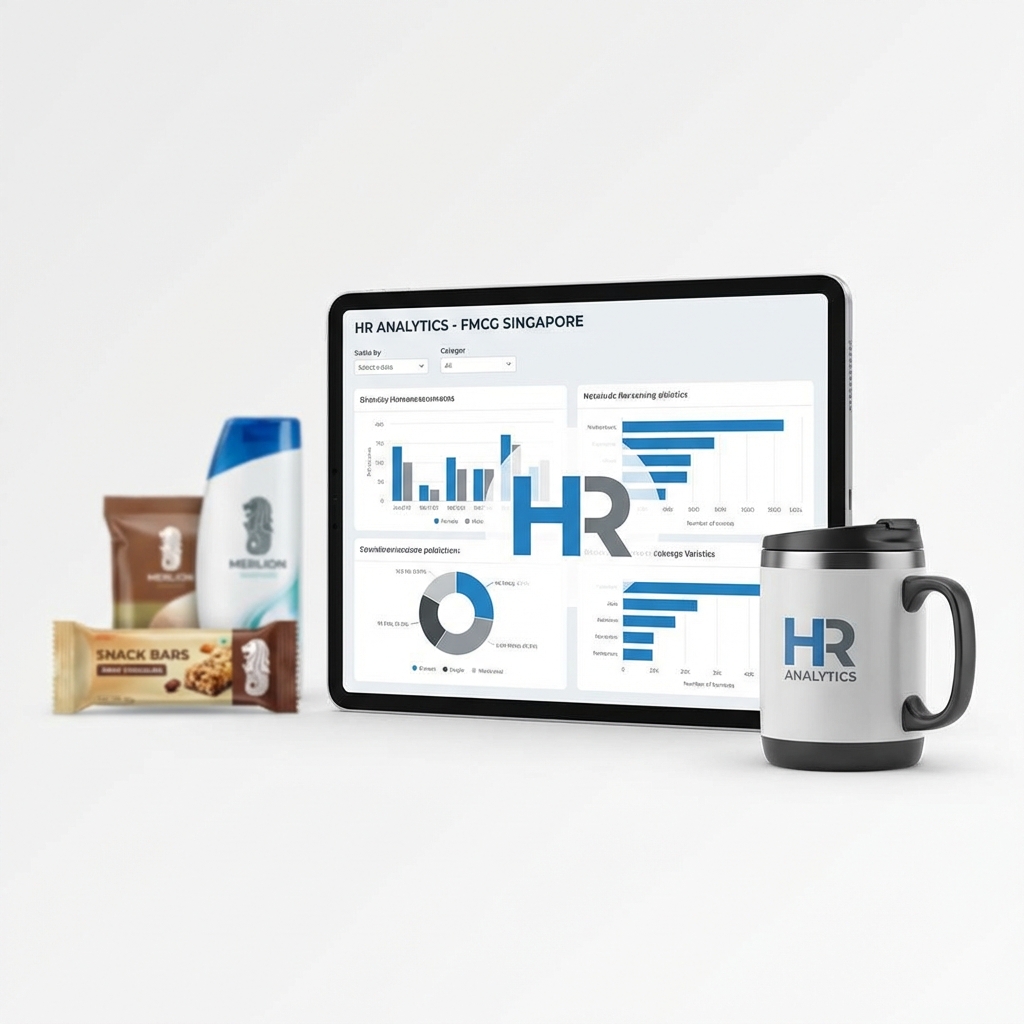
In the context of Singapore’s FMCG sector, the distinction between SMEs and Corporates is primarily based on criteria such as annual revenue, employee headcount, and total assets, as defined by government bodies like Enterprise Singapore. SMEs are typically characterized by their agility, localized focus, and often a founder-led culture. Within FMCG, this translates to companies specializing in niche products, local distribution, or innovative startups carving out market share. Their HR strategies tend to be highly adaptable, reflecting direct communication channels and close-knit teams. They might focus on specific local tastes or ethical sourcing, offering unique employment propositions.
Corporates, on the other hand, encompass large local enterprises and multinational corporations (MNCs) that command significant market presence. These entities often boast extensive resources, complex organizational structures, and a global or regional operational reach. In FMCG, this means a wide portfolio of products, sophisticated supply chains, and extensive marketing budgets. Their HR functions must cater to a larger, more diverse workforce, often spanning multiple geographic locations and requiring sophisticated talent management strategies to maintain competitive advantage in a fast-paced environment.
2. Typical HR team structures and sizes
The structural composition and size of HR teams represent one of the most stark Differences between the SMEs’ HR Structure and the Corporates’ HR Structure in FMCG companies in singapore. In SMEs, HR functions are frequently lean, sometimes managed by a single HR generalist or even by administrative staff who wear multiple hats. Their focus is predominantly operational: managing payroll, basic recruitment, ensuring compliance with local labour laws, and handling fundamental employee welfare. Specialised HR roles are rare, and strategic HR initiatives like succession planning or extensive learning and development programs might be outsourced or remain informal. The close proximity to leadership often means HR decisions are made swiftly and with direct input from founders or top management.
Conversely, Corporates in the FMCG sector feature much larger, often multi-tiered HR departments. These teams are highly specialized, comprising HR Business Partners (HRBPs) who align HR strategies with business objectives, dedicated Talent Acquisition specialists, Learning & Development (L&D) experts, Compensation & Benefits (C&B) professionals, and HR Operations or Shared Services teams. Strategic HR is paramount, focusing on talent management, organizational development, global mobility, and leveraging HR analytics. These larger teams often implement sophisticated HR Information Systems (HRIS) and operate within defined regional or global HR frameworks, reflecting a greater investment in human capital management.
3. Impact of local regulations on HR practices
Singapore boasts a robust and comprehensive regulatory framework governing employment, spearheaded by the Ministry of Manpower (MOM) and supplemented by initiatives like the Tripartite Alliance for Fair and Progressive Employment Practices (TAFEP). For SMEs in FMCG, navigating these regulations can be challenging given their limited resources. Compliance with core regulations such as the Employment Act, Central Provident Fund (CPF) contributions, and foreign worker quotas is critical, but the burden of keeping abreast of changes and ensuring accurate implementation often falls on fewer individuals. Many SMEs rely on external HR consultants or basic software solutions to manage these compliance aspects, making adherence to regulatory requirements a constant, resource-intensive priority.
For Corporates, the impact of local regulations is managed differently. These organisations typically have dedicated compliance teams or specialist HR personnel focused solely on legal and regulatory adherence. They possess the resources to implement advanced HR systems and comprehensive internal policies that not only comply with local laws but often integrate them with broader global standards. Furthermore, Corporates are often more proactive in adopting fair employment practices in line with TAFEP guidelines and leading diversity and inclusion initiatives. While subject to greater scrutiny due to their visibility and size, their structured approach and dedicated expertise allow them to manage regulatory landscapes more comprehensively and strategically, turning compliance into a foundational element of their corporate governance.
Talent Acquisition and Retention Strategies
In the dynamic and competitive landscape of Singapore’s Fast-Moving Consumer Goods (FMCG) sector, the ability to attract, hire, and retain top talent is paramount for sustained success. However, the approaches and resources leveraged by Small and Medium-sized Enterprises (SMEs) and large Corporates often diverge significantly due to their inherent structural, financial, and strategic differences. This section explores these distinctions, highlighting how each navigates the complex talent market to build and maintain a high-performing workforce. Understanding the Differences between the SMEs’ HR Structure and the Corporates’ HR Structure in FMCG companies in singapore is crucial for appreciating their unique talent strategies.
-
Recruitment channels and employer branding
SMEs in the FMCG sector, with leaner HR teams and constrained budgets, adopt highly targeted, cost-effective recruitment. They frequently leverage professional networks, employee referrals, and social media platforms to find skilled candidates who are also a strong cultural fit. Their employer branding, while less extensive, emphasizes a personal touch, highlighting a close-knit environment and direct impact. For these FMCG talent Singapore SMEs, agile hiring and intrinsic motivators are key. They might also partner with niche industry groups or local educational institutions.
In contrast, large FMCG Corporates typically employ multi-faceted recruitment campaigns using top-tier agencies, large job portals, university fairs, and dedicated talent acquisition teams. Their globally coordinated and sophisticated employer branding showcases career stability, global opportunities, comprehensive development, and a prestigious brand. These corporate HR strategies involve significant investment in digital marketing to reach a wider talent pool and ensure a constant candidate pipeline. According to Deloitte, global talent shortages remain a challenge, driving organizations to rethink talent acquisition strategies, a trend keenly felt within Singapore’s competitive market. Deloitte Global Human Capital Trends
-
Compensation, benefits, and career progression frameworks
Financial capacity and organizational complexity significantly shape compensation and benefits. SMEs, while unable to match extensive remuneration, often offer competitive base salaries with flexibility. Their benefits might be more personalized, focusing on work-life balance, direct recognition, and immediate reward. Career progression can be less structured but more fluid, allowing employees to take on broader roles and advance faster based on merit and entrepreneurial drive, appealing to those seeking greater autonomy.
Conversely, large FMCG Corporates offer robust, standardized compensation, including competitive salary bands, performance bonuses, stock options, and comprehensive benefits (health insurance, retirement plans). These structured systems ensure transparency and fairness. Career progression is often mapped through clear ladders, mentorship, and international transfer opportunities. While offering stability, these frameworks can be slower. Understanding the nuanced Differences between the SMEs’ HR Structure and the Corporates’ HR Structure in FMCG companies in singapore in this area is paramount for candidates, as it impacts long-term career and financial well-being.
-
Employee engagement and culture building initiatives
Employee engagement and culture are vital for talent retention, yet their implementation differs markedly. SMEs often foster a close-knit, family-like culture where direct communication with leadership is common, and every employee’s contribution feels immediately impactful. Engagement initiatives might be less formal, relying on team-building activities, open feedback, and a strong sense of community. This direct, agile approach builds loyalty and belonging, crucial for employee retention FMCG environments with tight resources. The CEO or founder often directly shapes the company culture.
Corporates, with larger workforces, implement more formalized and scaled engagement strategies. These include extensive learning and development, well-being initiatives, diversity and inclusion policies, structured feedback (e.g., annual reviews, pulse surveys), and recognition schemes. Their culture-building aims for consistency across departments, driven by HR and corporate values. While these provide extensive resources, the challenge lies in maintaining a personal touch within a larger, sometimes impersonal, structure. Effectively managing HR challenges SMEs face often requires creativity and understanding their specific workforce dynamics.
In conclusion, both SMEs and Corporates in Singapore’s FMCG sector strive to attract and retain top talent. However, their strategies are dictated by operational scale, resources, and inherent organizational structures. SMEs thrive on agility, personalized engagement, and community, while Corporates leverage structured frameworks, extensive resources, and global opportunities. Recognizing these distinctions is essential for both job seekers and businesses navigating Singapore’s competitive talent market.
Scope of HR Functions and Specialization
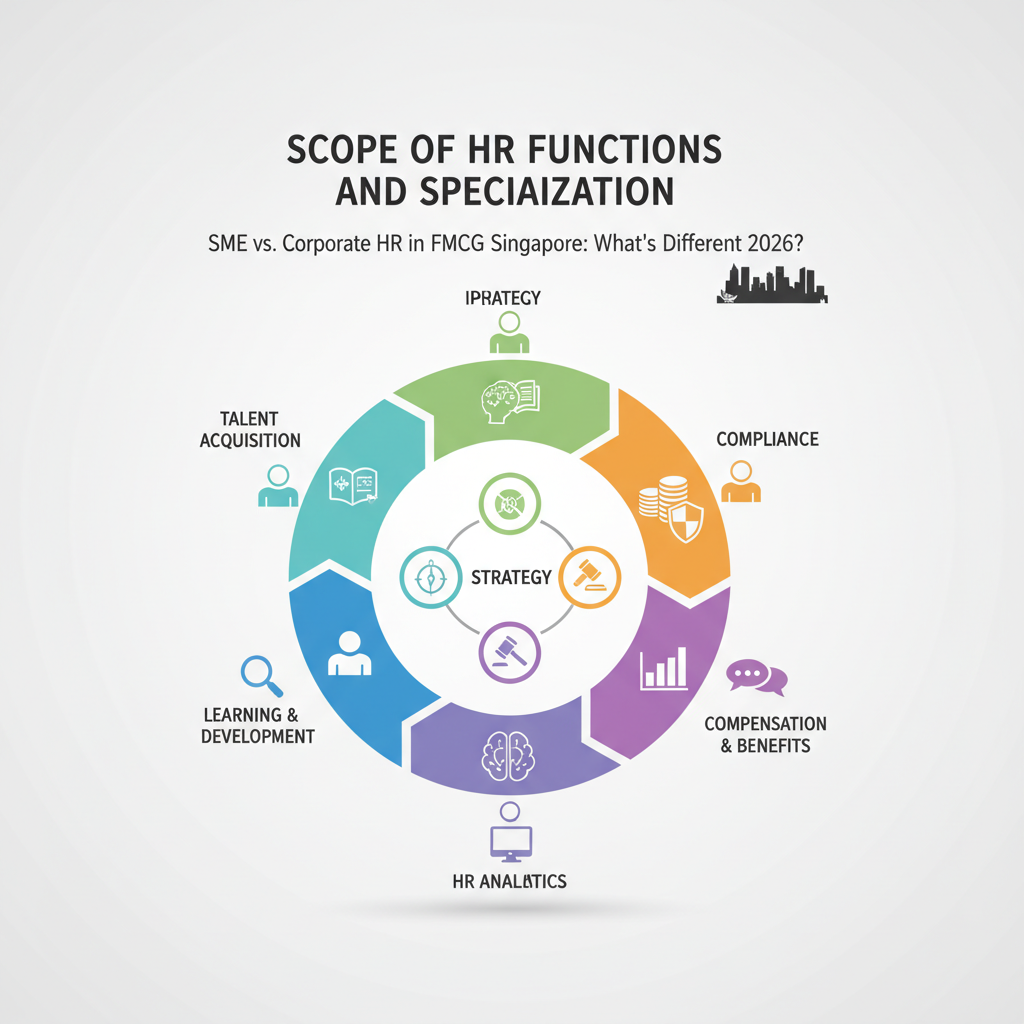
The human resources landscape in Singapore, particularly within the fast-moving consumer goods (FMCG) sector, demonstrates a significant range in the breadth and depth of HR activities. From foundational administrative tasks to sophisticated strategic initiatives, HR functions are constantly evolving. This evolution is particularly evident when examining how specialization varies by company size, illuminating the Differences between the SMEs’ HR Structure and the Corporates’ HR Structure in FMCG companies in singapore. Understanding these distinctions is crucial for HR professionals navigating the diverse demands of HR functions Singapore.
In smaller enterprises and SMEs, HR often operates as a lean, multi-faceted unit, driven by immediate operational needs. Conversely, large corporations typically boast expansive, highly specialized HR departments deeply integrated into overarching business strategies, influencing talent management strategies and driving HR transformation initiatives. This divergence reflects differing priorities, resource availability, and strategic ambitions in the competitive FMCG market.
1. Generalist HR roles vs. specialized departments
The most immediate difference between SME and corporate HR structures lies in role specialization. In SMEs within Singapore’s FMCG sector, HR professionals often act as HR generalists. They manage recruitment, payroll, employee relations, and basic L&D, requiring broad skills and adaptability to address diverse HR functions Singapore with limited resources. Their focus is primarily on operational efficiency, compliance, and direct employee engagement.
In contrast, large FMCG corporations in Singapore feature highly specialized HR departments. Instead of a single generalist, dedicated teams handle talent acquisition, compensation and benefits, HR business partnering, and global mobility. This specialization fosters deeper expertise, enabling more sophisticated HR strategies. For instance, a dedicated talent acquisition team uses advanced analytics to secure top talent, while benefits specialists ensure competitive packages. This structured approach supports complex workforce needs and drives strategic contributions, reflecting a clear HR transformation.
2. Learning & development initiatives and budgeting
L&D approaches further highlight the differences in HR structures. For SMEs in FMCG, L&D budgets are often constrained, favoring informal, on-the-job training and mentorship. External training is usually reserved for critical skills or compliance, focusing on immediate skill gaps and direct productivity enhancement. While effective, these initiatives may lack the structured career progression seen in larger organizations.
Conversely, large FMCG corporates view L&D as a strategic investment, allocating substantial budgets for comprehensive, multi-year programs. These encompass leadership development, technical skills, and soft skills, often utilizing advanced e-learning platforms and dedicated L&D specialists. Such investment reflects proactive talent management strategies, building a future-ready workforce and fostering continuous growth. As reported by the Society for Human Resource Management (SHRM), robust L&D programs are crucial for future-proofing organizations and enhancing human capital, inextricably linked with broader employee engagement initiatives.
3. Performance management systems and processes
Performance management systems also exhibit notable variations. In SMEs, evaluation often uses simpler, informal methods, like annual reviews conducted by managers, focusing on immediate output. Feedback is direct but less structured, typical of smaller teams. While agile, this approach can lack the consistency or objective metrics of formalized systems, potentially impacting comprehensive HR technology adoption for tracking.
Conversely, corporate FMCG entities utilize sophisticated frameworks. These include structured goal-setting, continuous feedback, 360-degree appraisals, and robust development plans aligned with strategic goals. HR technology adoption, such as advanced HRIS, facilitates real-time tracking and data analytics. This strategic approach ensures individual performance contributes directly to company objectives, fostering accountability and continuous improvement. The emphasis shifts from mere evaluation to performance enablement, supporting career progression and driving significant HR transformation.
In conclusion, the Differences between the SMEs’ HR Structure and the Corporates’ HR Structure in FMCG companies in singapore are profound, shaped by scale, resources, and strategic imperatives. While SMEs benefit from agile, generalist HR functions prioritizing immediate operational needs, corporates leverage specialized departments, substantial budgets, and advanced HR technology adoption for comprehensive talent management strategies and continuous HR transformation. Recognizing these distinctions is crucial for HR professionals and businesses to optimize human capital strategies in Singapore’s competitive FMCG landscape, ensuring effective employee engagement and sustainable growth.
Technology Adoption and Data Utilization in HR
The landscape of Human Resources in the fast-moving consumer goods (FMCG) sector in Singapore is undergoing a significant transformation, driven by technological advancements and the increasing demand for data-driven insights. This section delves into the integration of HR technology, such as HRIS and analytics platforms, and the maturity of data-driven decision-making processes, drawing a clear comparison between Small and Medium-sized Enterprises (SMEs) and larger Corporates. Understanding these Differences between the SMEs’ HR Structure and the Corporates’ HR Structure in FMCG companies in singapore is crucial for comprehending the strategic implications for workforce management and competitive advantage.
1. Implementation of HRIS and digital tools
For SMEs in Singapore’s FMCG sector, the journey of HR technology adoption often begins with foundational tools. Many start with basic cloud-based payroll systems or standalone modules for leave and attendance management, aiming to automate manual processes and ensure compliance. However, these businesses frequently face significant HRIS implementation challenges, including budget constraints, limited in-house technical expertise, and a lack of clear understanding of how integrated HRIS platforms can strategically benefit their operations. Their systems might be fragmented, requiring manual data reconciliation across different tools, which can hinder efficiency and data accuracy. The decision to invest in comprehensive HRIS is often reactive, driven by immediate pain points rather than a proactive strategic vision.
In contrast, large Corporates in the Singaporean FMCG landscape typically boast sophisticated and integrated HRIS ecosystems. These organizations leverage robust platforms from providers like SAP SuccessFactors, Workday, or Oracle HCM Cloud, which encompass a wide array of functionalities from recruitment and onboarding to performance management and learning & development. They have dedicated HR IT teams or strong partnerships with technology vendors to manage complex integrations, ensure data security, and provide ongoing support. Their HR technology adoption is often part of a broader digital transformation strategy, aiming for seamless employee experiences, centralized data management, and scalability across diverse business units.
2. Data analytics for HR insights and reporting
The ability to derive meaningful insights from HR data marks another significant differentiator. SMEs, while gathering basic HR data (e.g., headcount, turnover rates, compensation), often struggle with advanced HR analytics capabilities. Reporting typically consists of descriptive statistics, providing a backward-looking view of HR metrics. The lack of integrated systems means data resides in silos, making it challenging to perform comprehensive analysis or correlate HR data with business performance. As a result, data-driven HR decisions are often based on intuition or limited datasets, hindering strategic workforce planning and talent optimization efforts.
Corporates, on the other hand, are at the forefront of leveraging HR data for strategic advantage. They invest in advanced analytics tools, often embedded within their HRIS or standalone platforms like Tableau or Power BI, to create dynamic dashboards and predictive models. These larger entities employ HR data scientists or analysts who can delve into complex datasets to identify trends, forecast workforce needs, analyze talent acquisition effectiveness, and measure the impact of HR initiatives on business outcomes. This enables truly data-driven HR decisions, informing talent retention strategies, compensation adjustments, and organizational development programs. Their HR analytics capabilities are often integrated into their overall business intelligence framework, allowing for a holistic view of organizational health and performance.
3. Automation of routine HR tasks and workflows
The level of automation in HR processes also varies considerably. For many SMEs, routine administrative tasks such as leave requests, expense claims, and even parts of the recruitment process still involve significant manual intervention. While some digital tools are used, the workflows may not be fully automated or integrated, leading to bottlenecks and potential errors. The focus is primarily on digitizing existing paper-based processes rather than reimagining them for optimal efficiency. This often limits the HR team’s capacity to engage in more strategic, value-added activities, keeping them mired in operational minutiae.
Conversely, Corporates have extensively embraced automation in HR. Robotic Process Automation (RPA) and Artificial Intelligence (AI) are increasingly deployed to streamline tasks like candidate screening, onboarding paperwork, performance review cycles, and benefits administration. From AI-powered chatbots handling employee queries to automated workflows for policy approvals and training assignments, these organizations aim for minimal human intervention in repetitive, high-volume tasks. This frees up HR professionals to focus on strategic initiatives, employee engagement, talent development, and fostering a positive workplace culture. The objective is not just efficiency but also improving the employee experience through faster service delivery and reduced administrative burden, aligning with broader FMCG HR tech trends towards enhanced digital employee journeys.
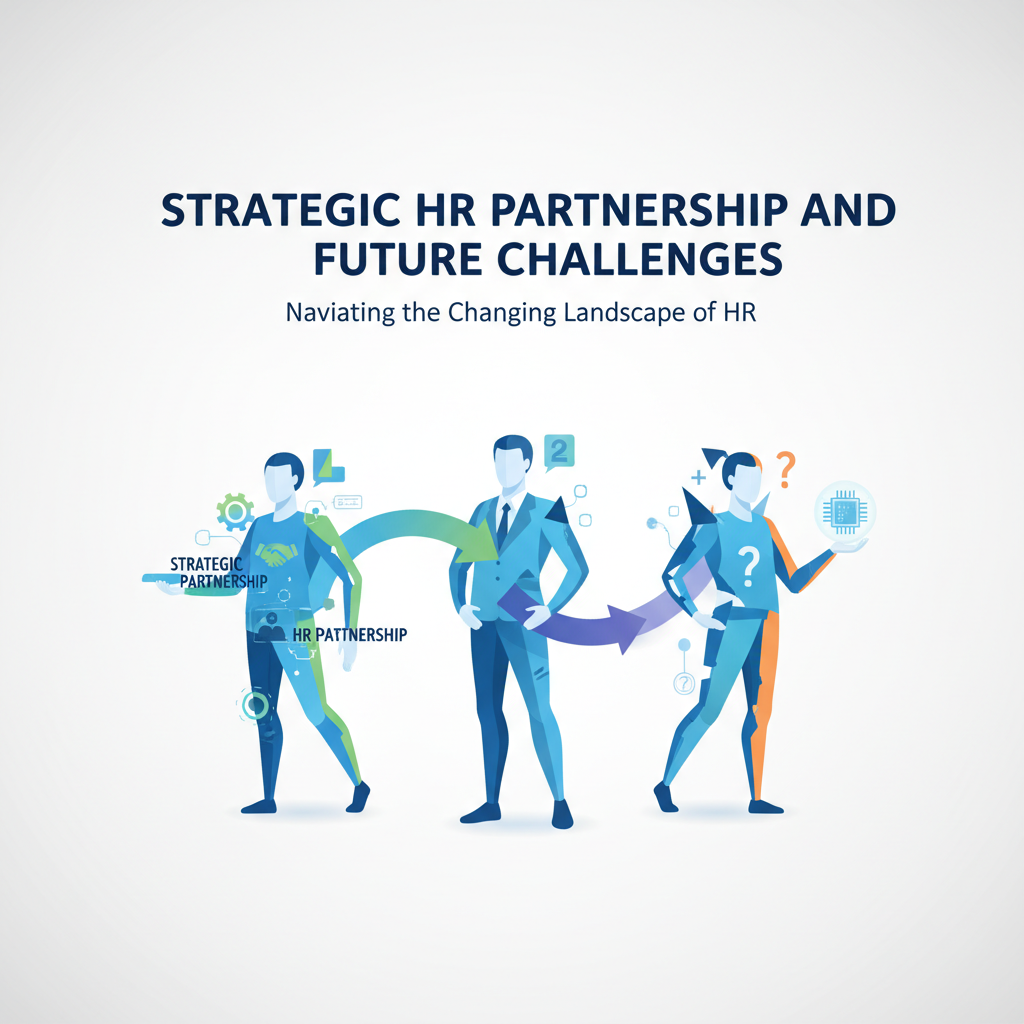
Strategic HR Partnership and Future Challenges
In today’s rapidly evolving business landscape, particularly within Singapore’s dynamic Fast-Moving Consumer Goods (FMCG) sector, Human Resources (HR) has transcended its traditional administrative functions to become a critical strategic partner. As companies navigate a complex environment shaped by technological advancements, demographic shifts, and evolving employee expectations, the differences between the SMEs’ HR Structure and the Corporates’ HR Structure in FMCG companies in singapore become starkly apparent in their approach to strategic HR and future preparedness. Both company types face unique challenges and opportunities, requiring tailored strategies to attract, retain, and develop talent, ensuring sustainable growth and competitive advantage.
1. HR’s role in strategic business planning
The transition of HR from a support function to a strategic imperative is undeniable. For large FMCG corporates in Singapore, HR is deeply integrated into core business planning. Dedicated HR Business Partners (HRBPs) work alongside senior leadership to align talent strategies with overarching business objectives, such as market expansion, product innovation, or supply chain optimization. This involves intricate workforce planning, organizational design, and ensuring the corporate culture supports strategic goals. These larger entities leverage sophisticated HR analytics and strategic HR partnership to anticipate future needs, often incorporating global best practices and frameworks. They possess the resources for comprehensive talent management initiatives, succession planning, and robust employee engagement programs.
Conversely, SMEs in the Singaporean FMCG sector, while often more agile, typically have leaner HR teams, sometimes even relying on a single HR generalist or the owner-manager. While their involvement in strategic planning might be less formalized, the impact of HR decisions on their overall business strategy is equally, if not more, critical. These SMEs must often be more creative in leveraging their unique culture and local market understanding to develop competitive advantages. Their strategic HR planning focuses on immediate needs, such as efficient recruitment for specific roles, developing existing staff, and fostering a strong team environment that can adapt quickly to market changes. Despite resource constraints, a growing number of SMEs are recognizing the necessity of proactive HR strategies to drive growth and market relevance.
2. Addressing skill gaps and talent shortages
The FMCG industry, both globally and in Singapore, is grappling with significant skill gaps, particularly in areas like digital marketing, e-commerce analytics, supply chain management, data science, and sustainability. Both corporates and SMEs are strategizing to mitigate these shortages, but their approaches differ significantly. Large corporates often invest heavily in extensive learning and development programs, internal academies, and partnerships with educational institutions to cultivate a future-ready workforce. They can also tap into a broader international talent pool, offering competitive packages and clear career progression paths to attract high-potential individuals. Their workforce planning often includes identifying critical roles and creating robust pipelines for leadership development.
SMEs, with limited budgets, frequently pivot towards upskilling existing employees through targeted training, mentorship, and on-the-job learning. They might leverage government grants for training or collaborate with industry associations. Their focus on talent management often involves creating a compelling employer brand based on company culture, growth opportunities within a smaller, more intimate setting, and greater autonomy. For these businesses, retaining skilled employees is paramount, as the cost and time associated with replacing key talent can be prohibitive. Attracting niche talent often requires highlighting the unique value proposition of working in an agile environment where individual contributions have a more direct and visible impact.
3. Adapting to remote work and hybrid models
The global pandemic accelerated the adoption of remote and hybrid work models, fundamentally reshaping how organizations manage their human capital. This shift has presented both challenges and opportunities for FMCG companies in Singapore. Corporates, with their established infrastructure and global reach, have largely adapted by investing in advanced HR technology, robust communication platforms, and developing comprehensive policies for remote work, ensuring compliance and maintaining a cohesive corporate culture across distributed teams. Their focus is on maintaining high levels of productivity, ensuring cybersecurity, and fostering employee engagement through virtual initiatives and flexible work options.
For SMEs, adapting to hybrid models requires balancing flexibility with maintaining strong team cohesion and oversight. While potentially more agile in implementing new work arrangements, they might face resource constraints in acquiring sophisticated HR technology or ensuring all employees have adequate home office setups. However, embracing flexible work also opens up access to a wider talent pool beyond geographical limitations, which can be a significant advantage in addressing talent shortages. Strategic HR in SMEs is focused on building trust, clear communication, and creating an inclusive culture that supports both in-office and remote employees, recognizing the profound impact these models have on employee engagement and overall organizational agility. Both types of companies are continuously refining their approaches to create productive, supportive, and adaptable work environments for the future of work.
Partner with Shelby Global
You are looking for reliable HR Sevice Suppliers? Contact Shelby Global Now! To connect with verified talents and upgrade your orginization.
—————————————
References
– Enterprise Singapore: https://www.enterprisesg.gov.sg/sme-portal/sme-definition
– Deloitte Global Human Capital Trends: https://www2.deloitte.com/us/en/insights/topics/talent/global-human-capital-trends.html
– Society for Human Resource Management (SHRM) Learning and Development Trends: https://www.shrm.org/resources-and-tools/hr-topics/talent-acquisition/pages/learning-and-development-trends.aspx
– Deloitte’s Global Human Capital Trends: https://www2.deloitte.com/us/en/insights/topics/human-capital-trends.html
– :